Tools & materials you'll need
Affiliate linksAs an Amazon Associate FixlyGuide earns from qualifying purchases — at no extra cost to you. Prices and availability are accurate as of publication and subject to change.
Quick Answer
Many homeowners believe a rigid "annual professional service" schedule is the golden rule for HVAC health. However, this advice often oversimplifies what truly keeps your system running efficiently and reliably. The most impactful maintenance tasks—like changing air filters, cleaning outdoor coils, and clearing condensate drains—are often simple, homeowner-friendly DIYs that should be performed more frequently than once a year. Understanding these key components and making them part of your routine can save you hundreds of dollars in unnecessary service calls, significantly extend your system's lifespan, and allow you to identify genuine issues before they become expensive breakdowns.
The Problem
Picture this: It’s the peak of summer, your AC is struggling, and you're sweating bullets. You call a technician, and the first thing they ask is, "When was your last service?" If you say it's been over a year, you instantly feel guilty, believing you've neglected your system. This common scenario highlights a widespread misconception: that a single, yearly professional HVAC tune-up is the be-all and end-all of maintenance. While professional checks have their place, relying solely on them ignores the critical, more frequent tasks homeowners can and should perform. Neglecting these day-to-day and seasonal tasks leads to diminished efficiency, increased energy bills, premature component wear, and, ultimately, breakdowns that could have been easily prevented.
The real problem isn't avoiding all professional service, but rather a lack of understanding about which tasks are truly essential for homeowners to do regularly versus when a professional is genuinely needed. Many homeowners are persuaded into expensive yearly contracts that often include basic checks easily done themselves, while neglecting the crucial tasks that actually extend system life and prevent common failures.
How It Works
An HVAC (Heating, Ventilation, and Air Conditioning) system is a complex network designed to regulate the temperature, humidity, and air quality inside your home. In an air conditioning system specifically, the magic happens through a thermodynamic process involving refrigerant. Here’s a simplified breakdown:
- Evaporator Coil (Indoor Unit): Your thermostat signals the system to cool. The indoor fan pulls warm, humid air from your home across the evaporator coil. This coil, filled with cold, low-pressure liquid refrigerant, absorbs heat from the air. As the refrigerant absorbs heat, it turns into a low-pressure gas. The now-cooled and dehumidified air is then blown back into your home.
- Compressor (Outdoor Unit): The low-pressure refrigerant gas travels to the compressor in the outdoor unit. The compressor is the "heart" of the AC, increasing the pressure and temperature of the refrigerant gas.
- Condenser Coil (Outdoor Unit): The hot, high-pressure refrigerant gas then moves to the condenser coil, also in the outdoor unit. As the outdoor fan pulls ambient air across this coil, the refrigerant releases its heat to the outside air. As it cools, the high-pressure gas condenses back into a high-pressure liquid.
- Expansion Valve/Metering Device: The high-pressure liquid refrigerant then flows through an expansion valve (or similar metering device), which rapidly drops its pressure. This pressure drop causes the refrigerant to cool significantly, turning it back into a cold, low-pressure liquid, ready to absorb more heat in the evaporator coil again.
Throughout this cycle, air filters protect the evaporator coil from dust and debris, condensate drains remove the moisture pulled from your home's air, and the outdoor unit's fan ensures efficient heat transfer. Any blockage—from a dirty filter to a clogged drain or a grimy outdoor coil—disrupts this delicate balance, forcing the system to work harder, consume more energy, and eventually fail.
Step-by-Step Fix
Many common HVAC problems can be prevented with regular, simple homeowner maintenance. Here are the three most impactful DIY tasks you should prioritize.
1. Change Your Air Filter – The Unsung Hero of HVAC Efficiency
Always start with the air filter. A clogged filter is the single biggest cause of HVAC inefficiency and breakdowns.
- How often? Check monthly. Replace every 1-3 months. If you have pets, allergies, or live in a dusty area, aim for monthly replacement.
- What you'll need: A new air filter (match the size and MERV rating recommended by your system).
- Instructions:
- Locate the Filter: The air filter is usually found in the return air duct, often at the air handler/furnace unit or in a return air vent on a wall/ceiling.
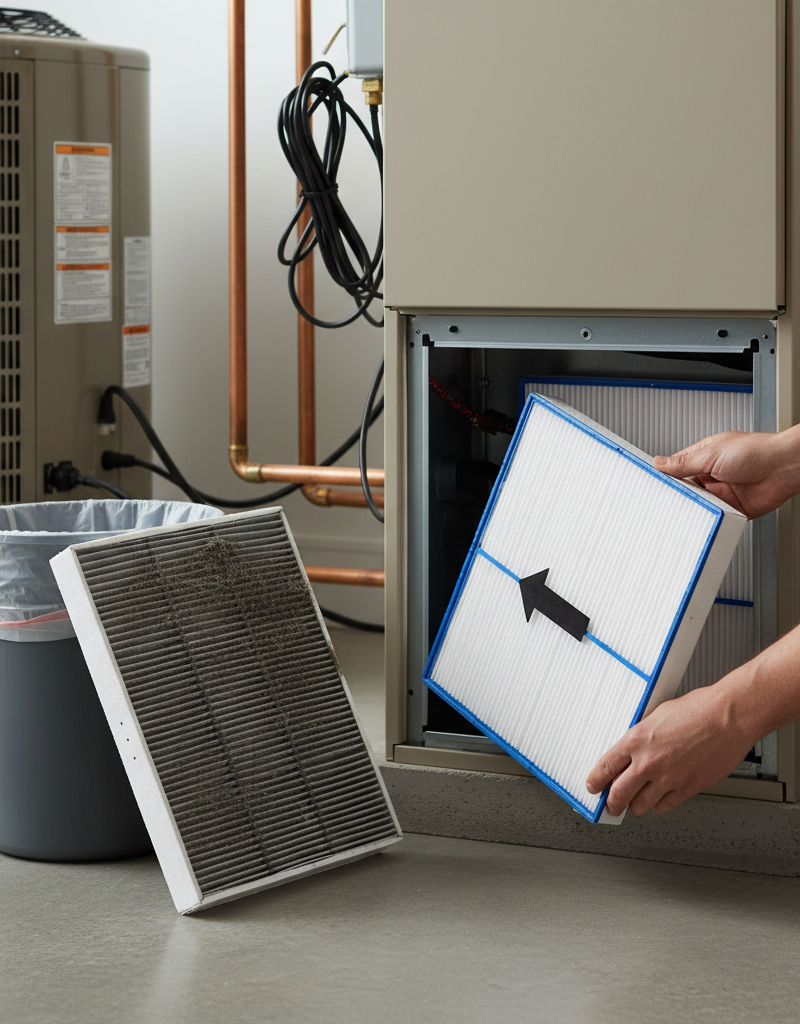
- Note Airflow Direction: There's usually an arrow on the filter indicating the correct airflow direction. Make a mental note or take a picture.
- Remove Old Filter: Slide out the dirty filter. You'll likely be shocked by how much dust and debris it collected.
- Insert New Filter: Slide in the new filter, ensuring the airflow arrow points in the same direction as the original (typically towards the furnace/air handler).
- Pro Tip: Write the installation date on the edge of the new filter with a marker to track replacement intervals.
- Why it matters: A clean filter allows air to flow freely, prevents dust from accumulating on the evaporator coil (which reduces its heat-transferring ability), and improves indoor air quality. A dirty filter chokes your system, making it work harder, consume more energy, and ultimately shortening its lifespan.
2. Clean Your Outdoor Condenser Coil – The Heat Dump
The outdoor unit's coil is where your home dumps all the heat it extracted. If it's dirty, it can't shed heat efficiently.
- How often? Annually, before the cooling season starts. More often if you live in a dusty area or near shedding trees.
- What you'll need: Garden hose with a spray nozzle, soft brush (optional, for heavily soiled fins), coil cleaner (optional, look for "no-rinse" formulas).
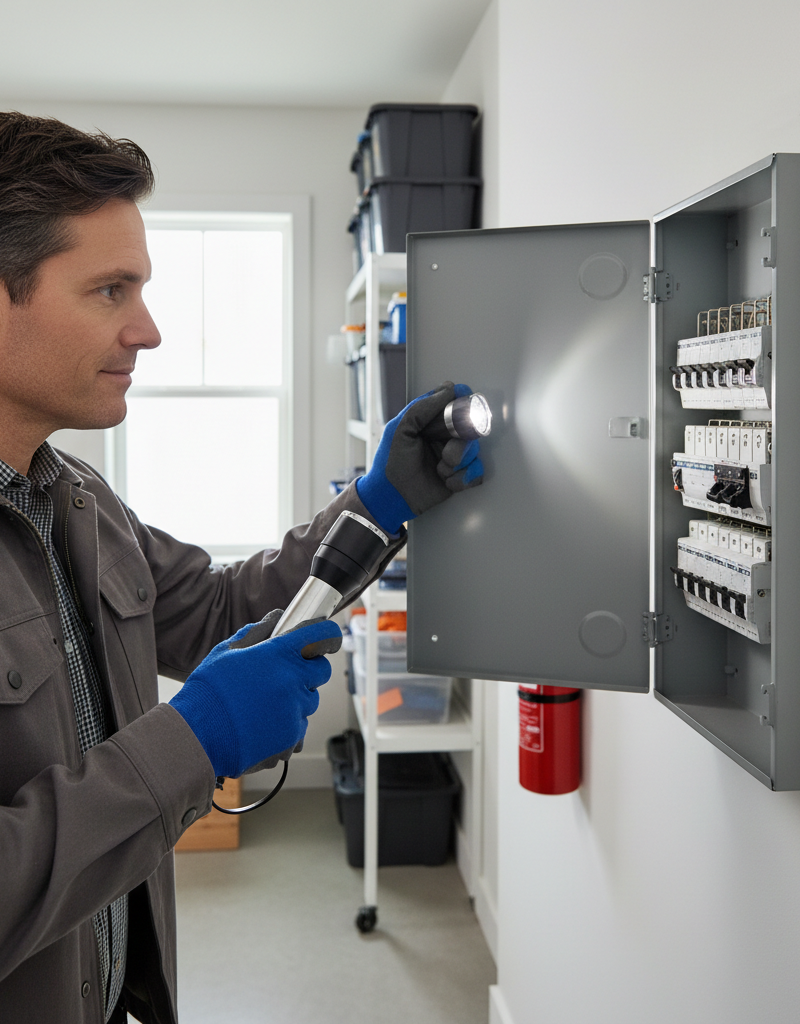
- Safety First: ALWAYS turn off power to the outdoor unit at the disconnect box (a small box next to the unit) and at your main electrical panel before working on it. This prevents accidental startup.
- Instructions:
- Kill the Power: Absolutely crucial. Flip the breaker at your electrical panel first, then the disconnect switch near the unit.
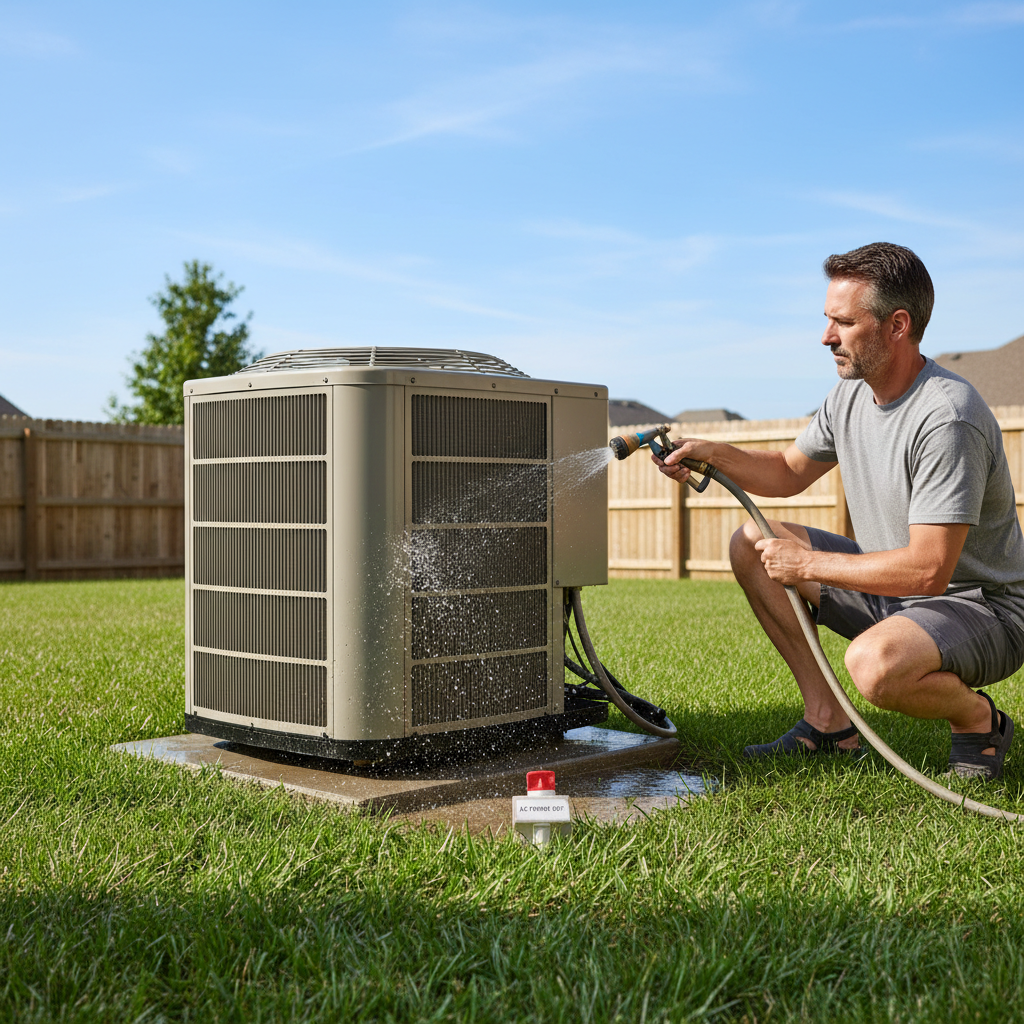
- Clear Debris: Remove any leaves, grass clippings, spiderwebs, or other loose debris from around and inside the unit. You might need to unscrew the top grille to access the inside.
- Rinse Coils: Using your garden hose, spray water from the inside out through the condenser fins. This pushes debris outwards. If you spray from the outside in, you'll just push dirt further into the coil. Use moderate pressure. Avoid bending the delicate fins.
- For Tough Grime (Optional): If the coils are heavily caked with dirt or grease, apply a condenser coil cleaner following the product's instructions. Many are spray-on and don't require rinsing. Let it work, then rinse if necessary (again, from the inside out).
- Inspect Fins: If any fins are bent, gently straighten them with a fin comb (a specialized tool available at hardware stores) or a thin, flat-head screwdriver. Bent fins restrict airflow.
- Reassemble and Restore Power: Once dry, secure any panels or grilles and restore power.
- Why it matters: A clean condenser coil allows the refrigerant to release heat effectively. A dirty coil means higher refrigerant pressures and temperatures, reducing efficiency, increasing energy consumption, and stressing the compressor (the most expensive component to replace).
3. Clear Your Condensate Drain Line – Preventing Water Damage and Mold
Your AC removes humidity, which turns into water. This water needs a clear path to drain away.
- How often? Check monthly during cooling season. Flush quarterly or bi-annually, especially if you notice standing water.
- What you'll need: Wet/dry vacuum, funnel, distilled white vinegar (1/4–1/2 cup), warm water.
- Safety First: Be aware of electrical components near the indoor unit. If you're unsure about accessing motor parts, focus on the drain line only.
- Instructions:
- Locate the Drain Line: On your indoor unit (furnace/air handler), locate the PVC pipe that comes out of the drain pan. It usually has a cap or a T-shaped vent in it.
- Check for Clogs: Look into the access port. Do you see standing water? Is there any sludge or mold growth? These are signs of a clog.
- Clear the Clog (if present):
- Wet/Dry Vac Method: If the drain line is completely clogged, attach a wet/dry vacuum to the outdoor end of the drain line. Seal the connection as best you can (duct tape works). Turn on the vacuum for 2-3 minutes. This should pull out the clog.
- Vinegar Flush: If there's no severe clog but you want to prevent one, or after clearing a clog, pour 1/4–1/2 cup of distilled white vinegar into the access port using a funnel. Follow with approximately 1 cup of warm water. The vinegar kills mold and algae. Do not use bleach, as it can corrode certain components over time.
- Confirm Flow: After flushing, the water should drain freely. If it backs up, the clog might still be present, and you may need to repeat the wet/dry vac method or call a professional.
- Why it matters: A clogged condensate drain can cause water to back up into your home, leading to expensive water damage, mold growth, and sometimes an automatic shutdown of the AC system (if it has a float switch in the drain pan).
Common Causes
- Neglected Air Filters: The number one culprit. A dirty filter restricts airflow, overworks the fan motor, and impedes proper heat transfer across the evaporator coil.
- Dirty Condenser Coils: Outdoor units get bombarded with leaves, pollen, dust, and grass clippings. This acts as an insulating blanket, preventing heat dissipation.
- Clogged Condensate Drains: Algae and mold thrive in the damp, dark environment of the drain line, leading to blockages.
- Lack of Regular Visual Inspection: Overlooking minor issues like loose wiring, worn insulation on refrigerant lines, or unusual noises.
- Ignoring Warning Signs: Prolonged runtime, decreased cooling ability, unusual sounds, or strange odors are often precursors to major issues.
Common Mistakes
- Ignoring the Air Filter Until it's Black: Many homeowners wait too long to change filters. Check monthly, replace every 1-3 months, not just once or twice a year.
- Spraying the Outdoor Unit from the Outside In: This pushes debris deeper into the coil fins, making the problem worse. Always spray from the inside out.
- Using Bleach in the Condensate Drain: Bleach can be corrosive to certain drain line materials and can release harmful fumes. Stick with distilled white vinegar.
- Not Shutting Off Power Before Working on the Outdoor Unit: This is a serious safety hazard. Always cut power at the disconnect and the breaker for any outdoor work.
- Thinking "Set it and Forget It" is Maintenance: HVAC systems are mechanical. They need attention, just like a car. Basic, consistent care prevents major headaches.
- Relying Solely on Annual Professional Tune-Ups for All Maintenance: While pros are essential for certain tasks, many routine checks and cleanings are homeowner-friendly and should happen more often than yearly.
Cost & Time Breakdown
| Task | DIY Cost | Pro Cost (Parts only) | Time (DIY) |
|---|---|---|---|
| Air Filter Replacement | $10–$30 | Included in service | 5 minutes |
| Condenser Coil Cleaning | $0–$20 | $75–$150 | 30–60 minutes |
| Condensate Drain Flush | $5–$10 | $50–$100 | 15–30 minutes |
| Full Professional HVAC Service | N/A | $150–$300 | 1–2 hours |
Tips & Prevention
- Thermostat Settings: Utilize a programmable or smart thermostat to optimize heating and cooling schedules, saving energy and reducing system wear. Avoid drastic temperature swings.
- Keep Vents Clear: Ensure all supply and return vents inside your home are unobstructed by furniture, rugs, or drapes. Restricted airflow makes your system work harder.
- Landscaping Around Outdoor Unit: Maintain a 2-foot clearance around your outdoor condenser unit. Trim back shrubs, trees, and weeds to ensure proper airflow and prevent debris from entering the unit.
- Seal Leaks: Seal any air leaks around windows, doors, and ductwork. This prevents conditioned air from escaping and unconditioned air from entering, reducing the load on your HVAC system.
- Annual Visual Check: Once a year, before the cooling or heating season, do a comprehensive visual check of your entire system. Look for damaged insulation, loose wires, strange odors, or any signs of leaks.
- Don't Ignore Small Sounds: A new squeak, hum, or rattle can be an early indicator of a developing problem. Investigating these early can prevent a small issue from becoming a costly repair.
When to Call a Professional
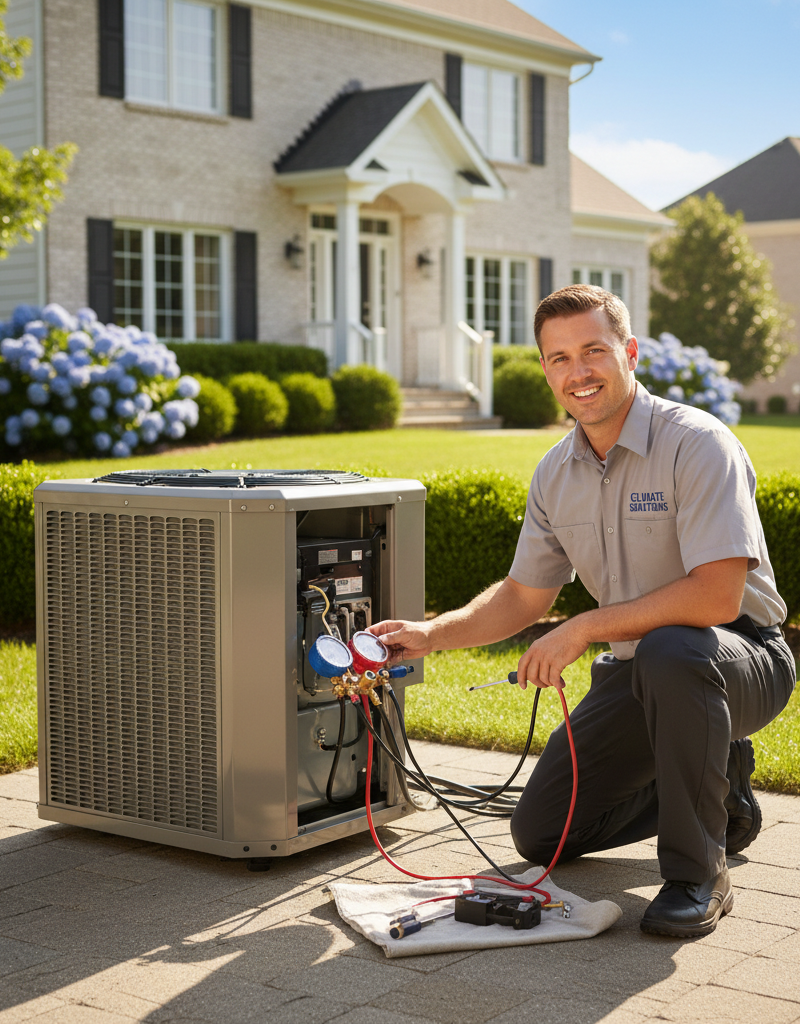
While diligent homeowner maintenance can prevent many issues, certain situations always warrant calling a licensed HVAC professional. If your system is blowing warm air in cooling mode or no air at all, or if you notice strange grinding or banging noises emanating from the unit, it’s time to call a pro. Any issues involving refrigerant leaks (characterized by a hissing sound or frost on refrigerant lines), faulty electrical components beyond a simple tripped breaker, or if you suspect a problem with the compressor or capacitor, are jobs for an experienced technician. Furthermore, if your system is more than 10-15 years old and experiencing frequent failures, a professional assessment can help determine if repairs are cost-effective or if replacement is a better long-term solution. They have the specialized tools, training, and diagnostic equipment to safely address complex mechanical and electrical issues that are beyond the scope of DIY.
Frequently asked questions
How often should I change my HVAC filter?+
You should check your HVAC filter monthly and aim to replace it every 1 to 3 months. Homes with pets, allergies, or higher dust levels may require more frequent changes, sometimes as often as monthly, to maintain optimal airflow and air quality.
Can I clean my outdoor AC unit myself?+
Yes, you can clean your outdoor AC condenser coil yourself. Start by cutting power to the unit at both the disconnect box and the main electrical panel. Then, remove loose debris and gently rinse the coils with a garden hose, spraying from the *inside out* to push debris outwards. For heavy grime, specific coil cleaners can be used.
What happens if I don't service my HVAC system?+
Neglecting HVAC maintenance leads to reduced efficiency, higher energy bills, and increased wear and tear on components, significantly shortening your system's lifespan. Common consequences include decreased cooling/heating performance, frequent breakdowns, costly repairs, and potential water damage or mold growth from clogged condensate drains.
How do I know if my AC drain line is clogged?+
Signs of a clogged AC drain line include standing water in the drain pan (visible in your indoor unit), water leaking near the indoor unit or furnace, an automatic shutdown of your AC system (if it has a float switch), or mold/algae growth visible in the drain line's access port.
When should I call a professional for HVAC service?+
Call a professional for HVAC service if your system isn't cooling or heating effectively, if you hear unusual grinding or banging noises, suspect a refrigerant leak (hissing sound, frost on lines), or encounter complex electrical issues. Professionals are also needed for compressor problems or for thorough system diagnostics beyond basic maintenance.
Discussion
Loading comments…