Tools & materials you'll need
Affiliate links- AmazonLandscape staples1 pack · If using weed barrier fabric
- AmazonLandscape fabric1 roll · Optional, but recommended
- AmazonLandscape edging materialPlastic, metal, or pavers/bricks per 20 linear feet
- AmazonAnchoring stakesMatch to edging type; often included
- AmazonPaver base (crushed gravel)1 bag · If installing rigid pavers/bricks
As an Amazon Associate FixlyGuide earns from qualifying purchases — at no extra cost to you. Prices and availability are accurate as of publication and subject to change.
Quick Answer
Many homeowners struggle with landscape edging that heaves, shifts, or fails to block grass effectively. The quick answer is to ensure proper trenching depth and width, use appropriate anchoring methods for your edging material, and incorporate a weed barrier fabric to prevent grass and weeds from creeping underneath or through the edging itself. Addressing these issues during installation will save you significant maintenance headaches.
The Problem
You've spent a Saturday carefully installing landscape edging around your prized flower beds, only to find it popping out of the ground a few weeks later, shifting unevenly, or worse, grass and weeds are already creeping right over or under it. This frustrating cycle of re-adjusting and re-installing is a common pain point for DIY landscapers. The goal of landscape edging is simple: create a clean, crisp border that defines your planting areas and keeps turfgrass from invading. When it fails, it not only looks bad but also adds to your weeding and maintenance burden.
Most often, these issues stem from three core mistakes during the initial installation: insufficient trenching, improper anchoring, and neglecting the underlying weed control. Without a solid foundation and effective barrier, even the best-looking edging material will eventually succumb to soil movement, frost heave, or persistent plant growth.
How It Works
Landscape edging functions as a physical barrier. To understand why it fails, it helps to know how it's supposed to work. The edging material, whether it's plastic, metal, stone, or brick, needs to be embedded securely in the ground. This embedding serves several purposes. First, it anchors the edging against lateral movement caused by foot traffic, garden tools, or general ground shifting. Second, a sufficient depth below the soil surface creates a subterranean barrier that prevents grass runners (stolons and rhizomes) from creeping into your flower bed. These runners can spread surprisingly deep and far, making a shallow barrier ineffective.
Different materials interact with the ground differently. Flexible plastic and metal edging rely heavily on their depth and the use of anchoring stakes to stay put. Rigid materials like pavers or blocks gain stability from their weight and the compacted base they rest on. Frost heave, a common culprit for uneven edging, occurs when water in the soil freezes, expands, and pushes the ground (and anything embedded in it) upward. As the ground thaws, it doesn't always settle back perfectly, leading to unevenness. Proper trenching and a stable base can mitigate the effects of frost heave by providing a consistent foundation. Finally, effective weed and grass control isn't just about the edging itself; it's about creating an inhospitable environment for unwanted growth around and under the edging. This often involves precise cutting of sod, clearing roots, and sometimes, a sub-surface weed barrier.
Step-by-Step Fix
1. Assess and Prepare Your Existing Edging — Start by carefully removing sections of your problematic edging.
- If your edging is only slightly uneven, you might be able to re-seat it without full removal. Gently tap it down with a rubber mallet.
- For significant shifting or grass invasion, complete removal of the affected section is best. Use a spade to carefully lift the edging without damaging adjacent plants.
2. Dig a Proper Trench — The foundation is key to stability and weed control.
- Tools: Half-moon edger or sharp spade, digging shovel.
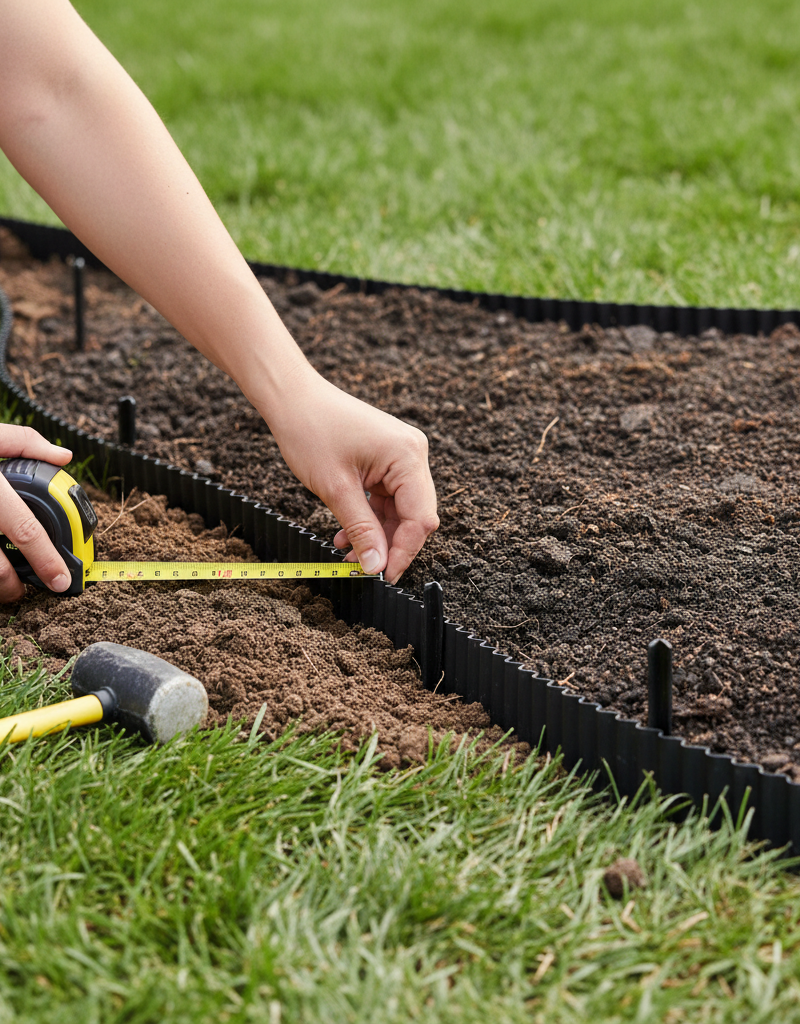
- Depth: For most plastic, metal, or paver edging, aim for a trench that allows at least 4-6 inches of the edging to be below the finished grade. This is critical for blocking grass runners. Rigid materials like bricks or pavers may need a deeper trench to accommodate a gravel base.
- Width: The trench should be slightly wider than your edging material to allow for backfilling and compaction. For flexible edging, a trench roughly 2-3 inches wider is usually sufficient. For pavers, plan for an extra 4-6 inches of width to create a stable base.
- Slope: Maintain an even depth and a slight outward slope away from the flower bed to encourage water drainage and prevent pooling against your plants. Use a string line and line level for accuracy.
3. Install a Weed Barrier (Optional but Recommended) — A proactive step against persistent invaders.
- Tools: Utility knife, weed barrier fabric, landscape staples.
- Placement: After trenching, lay a strip of high-quality landscape fabric in the bottom of the trench and extend it up the side of the flower bed, slightly under where the edging will sit. For paver edging, the fabric should cover the base material and overlap the trench edges.
- Securing: Secure the fabric with landscape staples every 1-2 feet. Trim any excess fabric neatly.
- Why it works: This creates an additional physical barrier against grass and weeds trying to grow up from below or from the side of the bed.
4. Set the Edging Material Securely — Ensure each piece is level and firmly seated.
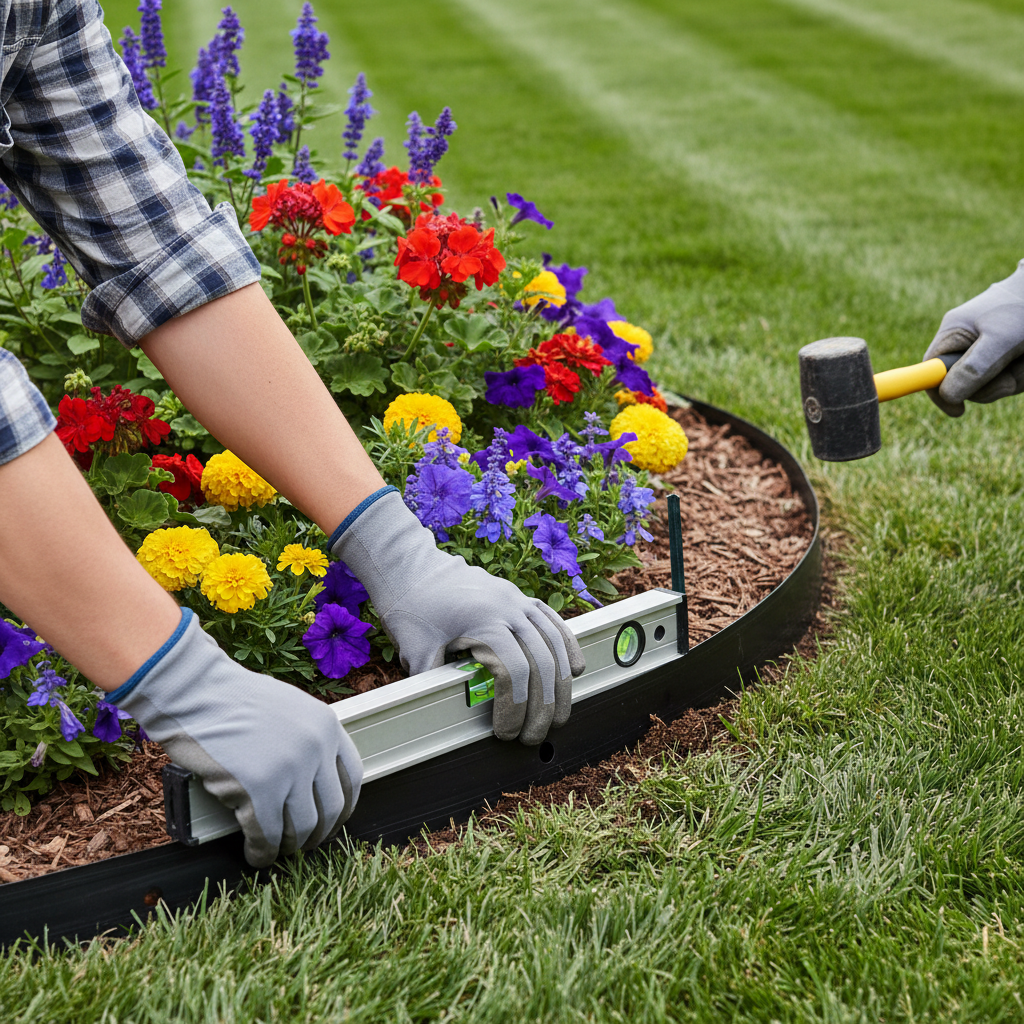
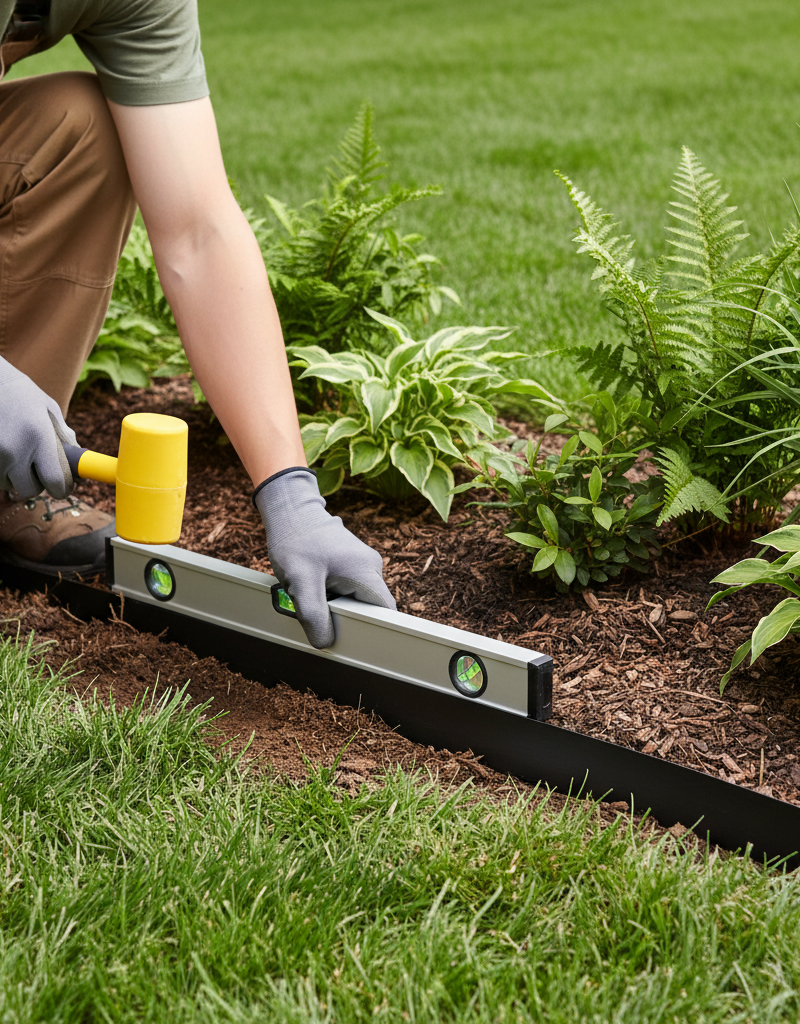
- Flexible Edging (Plastic/Metal): Begin at one end, unrolling or placing the edging into the trench. Overlap sections according to manufacturer instructions. Use a rubber mallet to gently tap the top edge until it's at the desired height—typically flush with the lawn grade, or an inch or two above the flower bed soil. Check often with a small level.
- Rigid Edging (Pavers/Brick/Stone): For pavers or bricks, lay approximately 1-2 inches of paver base (crushed gravel) in the trench and compact it thoroughly with a hand tamper. Place your chosen edging material on the compacted base, tapping with a rubber mallet to level. Use a long level to ensure a consistent top edge.
5. Anchor the Edging Properly — The right anchors prevent future heaving and shifting.
- Flexible Edging: Use the manufacturer's recommended anchoring stakes (typically plastic or metal). Drive stakes through the designated holes or along the outer edge of the edging every 2-3 feet, or more frequently on curves. Ensure stakes are fully driven and flush with the top of the edging or below the soil line.
- Rigid Edging: For pavers or bricks, a concrete or polymeric sand haunch behind the edging can provide extra stability, especially on curves or areas prone to movement. After setting, mix a small batch of concrete and trowel it directly behind the edging, creating a wedge that locks it in place. Alternatively, sweep polymeric sand into the joints and activate it with water according to instructions.
6. Backfill and Compact — Finish the job by locking your edging in place.
- For all edging types: Carefully backfill the trench on both sides of the edging with the excavated soil. Use your hands or a small shovel to avoid disturbing the edging.
- Compaction: Lightly tamp the backfilled soil around the base of the edging. For flexible edging, firmly tap the soil down with your foot or a tamper stick. For rigid edging, ensure the backfill is dense around the concrete haunch.
7. Fine-Tune and Clean Up — The final touches make a big difference.
- Check Level: Perform a final check with your level along the entire length of the edging, making any minor adjustments by adding or removing soil underneath.
- Water In: Gently water the area to help settle the soil. This can reveal any areas that need more backfill.
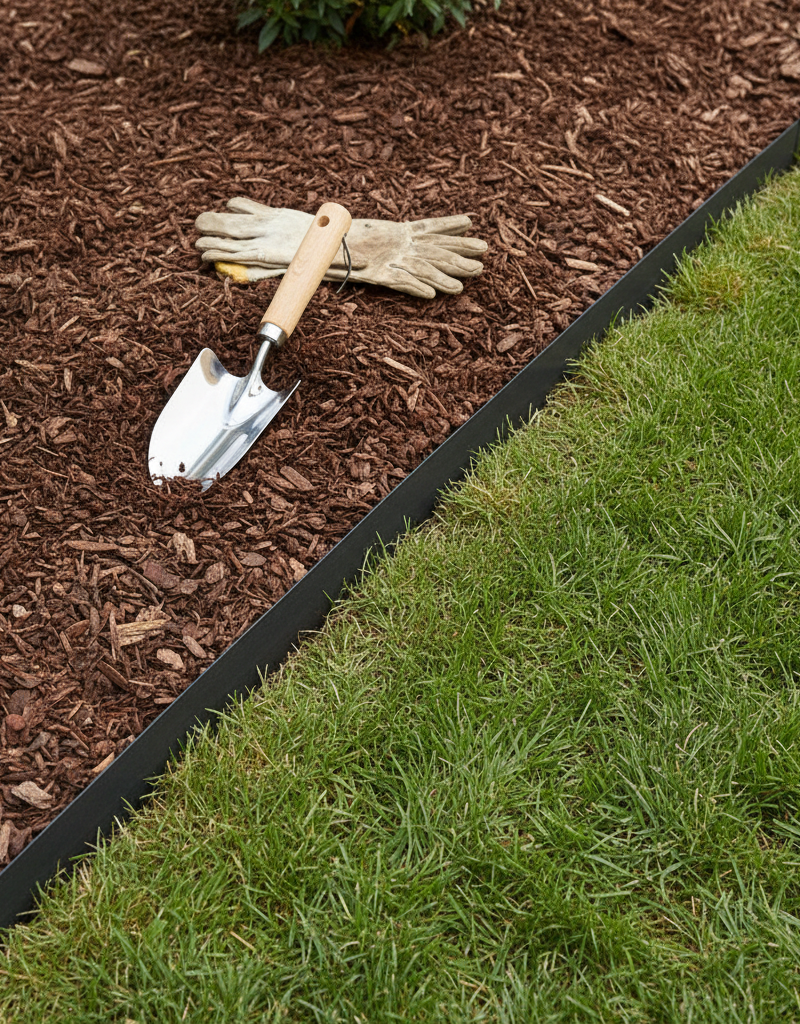
- Clean Surface: Brush off any soil or debris from the top of the edging. Inspect the lawn side to ensure no grass runners are still exposed. Consider adding a layer of mulch inside the flower bed to further suppress weeds.
Common Causes
- Insufficient Trench Depth: The most common reason grass invades. If the edging isn't deep enough, grass stolons and rhizomes simply creep underneath or over the top.
- Poor Soil Compaction: Loose soil around the edging allows it to shift and become uneven over time, especially with watering or rain.
- Lack of Anchoring: Flexible edging, without proper staking, will invariably pop up or shift due to frost heave, ground movement, or even just gardening activity.
- No Base for Rigid Edging: Bricks, pavers, or stones directly on soil will quickly become uneven as the soil settles or washes away underneath.
- Frost Heave: The expansion and contraction of frozen soil pushes inadequately anchored or based edging upwards, leading to uneven sections.
- Incorrect Material for the Job: Using lightweight or flimsy edging in high-traffic or highly sloped areas will lead to early failure.
Common Mistakes
- Mistake 1: Not Digging Deep Enough. Many DIYers only dig a shallow trench, assuming the visible part of the edging is all that matters. Instead: Ensure at least 4-6 inches of the edging is below the finished grade to effectively block grass runners.
- Mistake 2: Skipping a Leveling Base for Rigid Edging. Laying bricks or pavers directly on loose soil. Instead: Always create a compacted base of crushed gravel (paver base) at least 1-2 inches thick for rigid materials to ensure long-term stability and prevent settling.
- Mistake 3: Insufficient Anchoring for Flexible Edging. Using too few stakes or stakes that are too short for plastic or metal edging. Instead: Use stakes every 2-3 feet, or more frequently on curves, ensuring they are fully driven into the ground according to manufacturer's recommendations.
- Mistake 4: Ignoring Weed Barrier. Not placing landscape fabric beneath the edging, especially on the flower bed side or under pavers. Instead: Install a high-quality landscape fabric in the trench bottom and up the flower bed side to create an extra layer of defense against weeds and grass.
- Mistake 5: Not Compacting Backfill. Simply shoveling soil back into the trench loosely. Instead: After backfilling, firmly compact the soil on both sides of the edging using a tamper or your feet to lock the edging in place and prevent future shifting.
- Mistake 6: Rushing Curves. Trying to bend flexible edging too sharply or not ensuring even curvature. Instead: For smooth curves, make small, incremental bends. For tighter curves with rigid materials, consider using smaller pieces or specific edging stones designed for curves.
Cost & Time Breakdown
| Task | DIY Cost | Pro Cost | Time |
|---|---|---|---|
| Edging materials (20 ft) | $20–$100 | $20–$100 (parts) | N/A |
| Tools & Supplies (stakes, etc.) | $10–$50 | Included | N/A |
| Trenching & removal | $0 | $50–$150 | 30–60 min |
| Edging installation | $0 | $100–$250 | 1–2 hours |
| Backfilling & cleanup | $0 | Included | 15–30 min |
| TOTAL (per 20 linear ft) | $30–$150 | $170–$500 | 2–3 hours |
Tips & Prevention
- Choose the Right Material: Match your edging to your landscape style and functional needs. Flexible plastic or metal is good for curves; rigid pavers or bricks work best for straight lines or formal borders.
- Regular Inspections: Periodically walk your garden beds and check your edging for signs of heaving, shifting, or grass encroachment. Early detection makes fixes easier.
- **Maintain a
Related Articles
Keep troubleshooting with these hand-picked guides from FixlyGuide:
- The 3 Hidden Mistakes That Make Landscape Edging Fail (And How to Fix Them) — Discover common mistakes homeowners make when installing landscape edging and learn the correct methods to achieve a durable, professional-…
- The #1 Mistake Homeowners Make with Landscape Edging (and How to Fix It) — Discover the most common error in landscape edging installation that leads to weeds and an uneven look, and learn the easy fix for a clean,…
- The #1 Mistake Homeowners Make with Landscape Edging (and How to Fix It) — Discover the common pitfalls in landscape edging installation and how to avoid them for a clean, long-lasting garden border.
- The 3 Mulching Mistakes That Are Secretly Killing Your Plants — Discover the three common mulching errors that inadvertently harm your garden plants and learn how to apply mulch correctly for thriving, h…
- The Silent Destroyer Under Your Sidewalk: 3 Ways Tree Roots Cause Cracks — Discover the surprising ways deeply embedded tree roots can lift and crack your sidewalk, and learn how to address the problem effectively.
- The 7 Critical Mistakes Almost Everyone Makes When Painting a Room — Unlock the secrets to a flawless, professional-looking paint job by avoiding common pitfalls and mastering essential techniques for perfect…
Frequently asked questions
How deep should landscape edging be to stop grass?+
For most types of landscape edging to effectively stop grass runners (stolons and rhizomes), it should be buried at least 4 to 6 inches below the finished grade. This depth creates a sufficient subterranean barrier.
Why does my landscape edging keep popping up?+
Landscape edging often pops up due to insufficient trench depth, poor soil compaction, lack of proper anchoring stakes, or frost heave. If the base isn't solid and the edging isn't securely fastened, it will shift over time.
Can I install landscape edging without digging a trench?+
While some no-dig edging exists, it is generally less effective at stopping grass and is more prone to shifting and heaving. For a long-lasting, effective barrier, digging a proper trench is highly recommended, especially for plastic, metal, and paver edging.
How do I make my landscape edging stay in place on a slope?+
On a slope, extra care is needed. Dig a deeper and wider trench, use longer and more frequent anchoring stakes (for flexible edging), and consider a concrete or polymeric sand haunch behind rigid edging to provide additional stability against erosion and shifting.
What's the best way to prevent weeds from growing through my landscape edging?+
To prevent weeds from growing through or under your landscape edging, combine a proper trench depth with a high-quality landscape fabric laid in the trench bottom and extending up the flower bed side before installing the edging. Also, ensure the edging material itself is well-joined to prevent gaps.
Discussion
Loading comments…