Tools & materials you'll need
Affiliate links- AmazonSledgehammerFor breaking up concrete (if replacing sections)
- AmazonShovelFor excavation
- AmazonHand TrowelFor careful excavation around roots
- AmazonBypass PrunersFor small roots (under 1 inch)
- AmazonRoot SawFor roots 1-2 inches in diameter
- AmazonConcrete Finishing TrowelFor smoothing new concrete
- AmazonSafety Glasses
- AmazonWork Gloves
As an Amazon Associate FixlyGuide earns from qualifying purchases — at no extra cost to you. Prices and availability are accurate as of publication and subject to change.
Quick Answer
Tree roots are a common culprit behind sidewalk damage, causing unsightly cracks and dangerous tripping hazards. Addressing this issue typically involves either carefully pruning the offending roots and installing a root barrier to prevent future growth, or, for more severely damaged sections, removing and replacing the concrete after mitigating the root problem. Always assess the tree's health and consult an arborist for large, mature trees before performing significant root removal.
The Problem
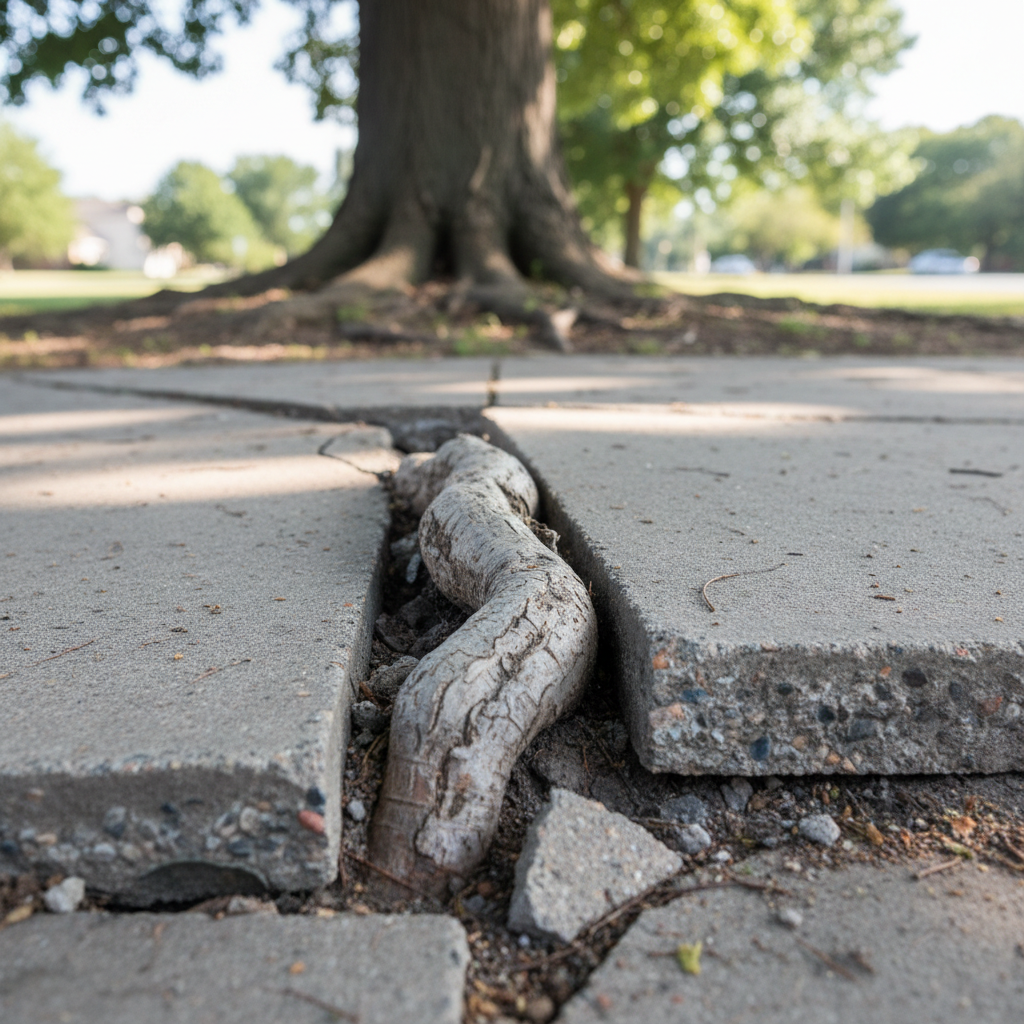
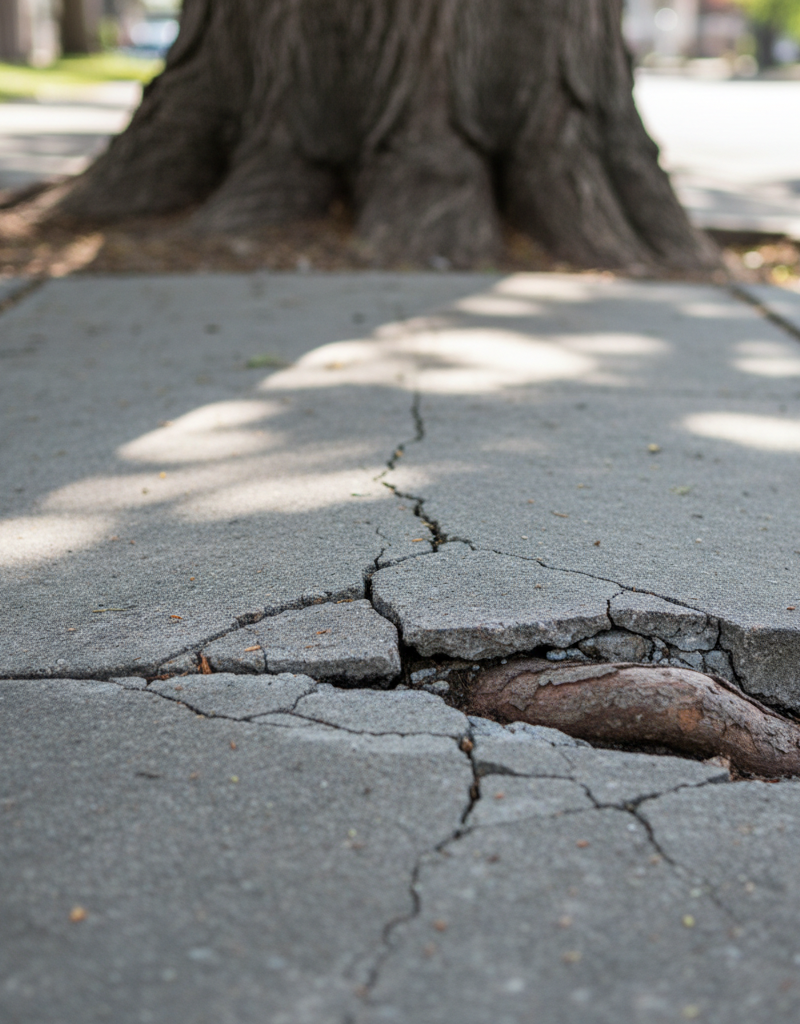
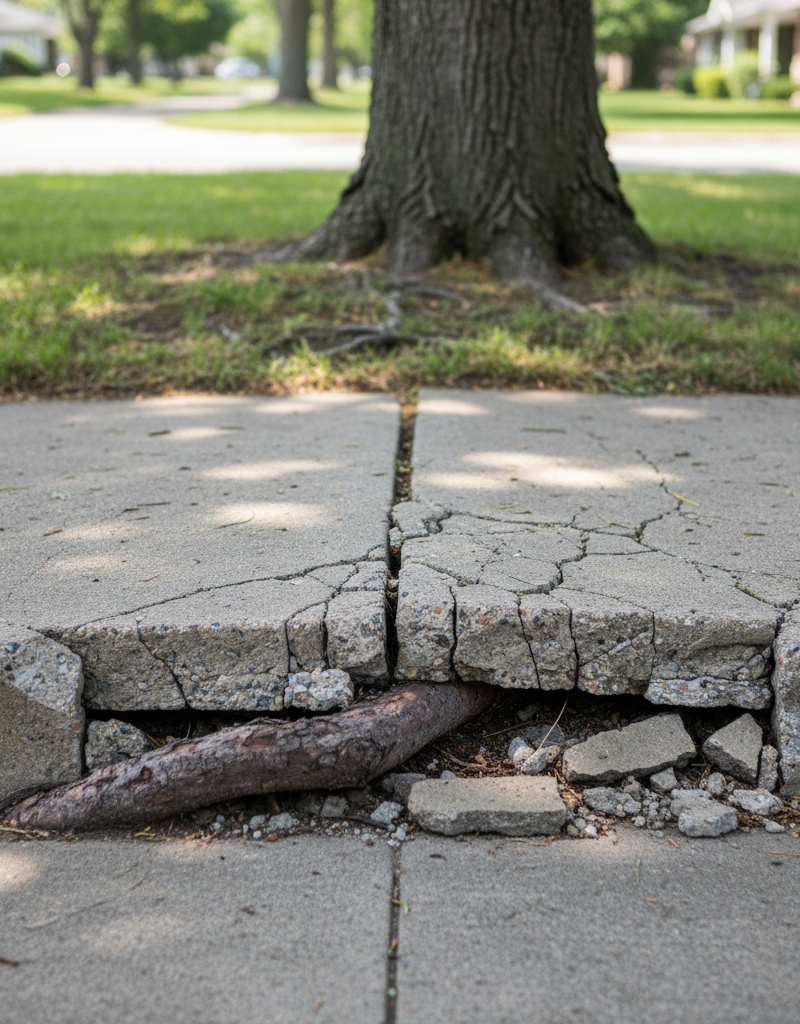
That perfectly level sidewalk you once had is now an obstacle course, thanks to an unwelcome guest: your tree's root system. What starts as a small crack can quickly escalate into a pronounced hump or a series of spiderweb fractures, turning a smooth pathway into a tripping hazard. Not only is this an aesthetic blunder, but it can also lead to municipality fines, liability issues if someone trips, and potential damage to underground utility lines if the roots continue to spread unchecked. The problem is insidious because it happens slowly, often unnoticed until the damage is significant. Homeowners usually spot the issue when a section of concrete begins to rise noticeably, or when new, deep cracks appear where none existed before.
How It Works
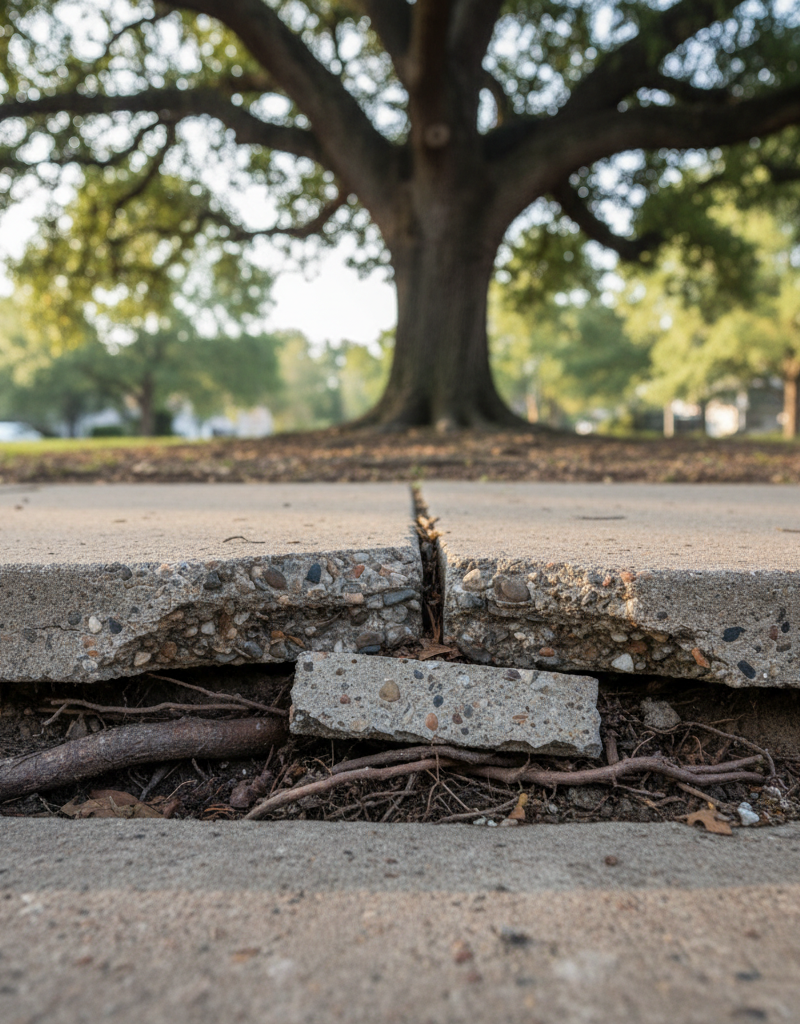
Trees are masters of survival, and their roots are designed to seek out water, nutrients, and stability. While the bulk of a tree's root system extends horizontally, typically within the top 12–18 inches of soil, some roots grow deeper, and feeder roots primarily stay in the top 6 inches. When a tree is planted too close to a sidewalk, or if conditions beneath the sidewalk – such as consistent moisture from irrigation or leaky pipes – are favorable, roots will naturally migrate towards these areas. As these roots grow in diameter, they exert immense pressure. Concrete, while strong, has very little tensile strength, meaning it doesn't do well when stretched or pushed from below. As a root thickens by even a fraction of an inch each year, it acts like a slow-motion hydraulic jack, gradually pushing the concrete slab upwards. This upward pressure creates stress points, leading to cracks, heaving, and eventual breakage of the sidewalk sections. The expansive force can be thousands of pounds per square inch, easily overcoming the structural integrity of a typical concrete slab. Understanding this process is key to choosing the right solution: you need to address the root, not just the symptom of the cracked concrete.
Step-by-Step Fix
Always start by assessing the severity of the damage and identifying the specific roots causing the problem. For any significant work around mature trees, consider consulting a certified arborist to ensure the tree's health isn't jeopardized.
1. Assess the Damage and Mark Roots — Map out the affected area and identify the culprit roots.
*   Inspect the sidewalk sections carefully to determine which ones are lifted or cracked due to root intrusion. Look for roots visibly growing under or near the concrete.
*   Gently dig around the edges of the lifted sections to expose the roots. Use painted markers or flags to clearly indicate the roots that appear to be causing the uplift.
2. Safety First: Call 811 — Prevent striking underground utilities.
*   **STOP:** Before any digging, call 811, the national 'Call Before You Dig' hotline, at least a few business days in advance. This service will mark the location of underground utility lines (gas, water, sewer, electrical, communication) for free.
*   **WARNING:** Digging without knowing utility locations can be extremely dangerous and costly. Never assume you know where lines are.
3. Excavate Around the Roots — Expose the problematic roots carefully.
*   Once utilities are marked, carefully excavate the soil around the identified roots using a spade and hand trowel.
*   Dig deep enough to expose a few inches on either side of the offending root and about 6-12 inches below the bottom of the sidewalk slab. Be gentle to avoid damaging the tree or other roots unnecessarily.
4. Prune Smaller Roots (If Applicable) — Remove roots without harming the tree.
*   **Only prune roots that are 2 inches in diameter or less.** Larger roots can significantly impact tree stability and health. If you encounter roots larger than 2 inches, stop and consult an arborist.
*   Use sharp, clean bypass pruners or a root saw to make clean cuts. Cut the root as close to the trunk as possible without damaging the trunk itself, or at least 1-2 feet beyond the edge of the affected sidewalk.
*   **CRITICAL:** Roots should only be pruned on one side of the tree at a time to minimize stress. Never remove more than 25% of the tree's root system in a single year.
5. Install a Root Barrier — Prevent future root growth under the concrete.
*   After pruning, install a root barrier. These are typically made of high-density polyethylene (HDPE) plastic sheets or panels.
*   Dig a trench about 18-24 inches deep and 2-4 inches wide along the edge of the sidewalk, between the tree and the concrete. The barrier should extend above ground by about an inch to prevent roots from growing over it.
*   Place the root barrier into the trench, ensuring it forms a continuous block. Backfill the trench with soil, compacting it gently.
6. Repair or Replace Sidewalk Sections — Fix the lifted concrete.
*   **Lifting and Leveling:** For minor heaving (less than 2 inches), you might be able to lift and relevel the existing concrete slab after root removal. This involves using a pry bar and shims to carefully adjust the slab's position, then filling any voids with sand or gravel.
*   **Replacement:** For significantly cracked or severely lifted sections, removal and replacement are often the best solution.
    *   **Tools:** You'll need a sledgehammer, pickaxe, shovel, wheelbarrow for removal, and concrete mix, forms, and finishing tools for replacement.
    *   **Process:** Carefully break up and remove the damaged concrete. Ensure the sub-base (the soil beneath) is level and compacted. Pour new concrete, using a proper mix ratio, and finish it to match existing sections. Allow adequate curing time (typically 3-7 days before light foot traffic).
    *   **Safety Note:** Concrete work can be strenuous. Wear appropriate PPE: safety glasses, gloves, and sturdy boots.
7. Backfill and Monitor — Complete the repair and observe the tree.
*   Once repairs are complete, backfill any remaining excavations with soil, compacting it gently.
*   Water the tree regularly, especially in the weeks following root pruning, to help it recover from the stress.
*   Regularly inspect the sidewalk and the tree for any signs of new root growth or further damage. Consider diverting irrigation away from the sidewalk to discourage roots from seeking moisture there.
Common Causes
- Incorrect Tree Selection or Placement: Planting large, fast-growing trees with aggressive root systems (like Silver Maples, Willows, or certain Oak varieties) too close to sidewalks or foundations is the primary culprit. Their mature root spread simply overwhelms the available space.
- Lack of Root Barriers During Installation: Many older sidewalks, or those installed without forethought, lack proper root barrier systems that would direct roots downwards or away from the concrete.
- Soil Compaction and Moisture Gradients: Roots tend to grow where soil is less compacted and moisture is readily available. If the soil under a sidewalk is consistently moist from irrigation runoff or poor drainage, roots will proliferate there.
- Tree Age and Size: As trees mature, their root systems also grow larger and more extensive. A tree that was once harmless can become problematic simply due to its natural growth over decades.
- Poor Sidewalk Sub-Base: An improperly prepared or unstable sub-base beneath the concrete allows for easier root penetration and makes the sidewalk more susceptible to heaving from root pressure.
Common Mistakes
- Cutting Large Roots Without Consulting an Arborist: Severely pruning large structural roots (over 2 inches in diameter) can destabilize the tree, making it prone to falling, or seriously compromise its health, leading to disease or death. Always consult a certified arborist for significant root removal.
- Not Calling 811 Before Digging: Hitting underground utility lines can be catastrophic, leading to explosions, electrocution, service disruptions, and hefty fines. Always call 811 first.
- Ignoring the Root Problem and Just Fixing the Concrete: Simply patching or repouring a section of concrete without addressing the offending root will only lead to the same problem recurring, often within a few years.
- Installing an Inadequate Root Barrier: Using shallow or flimsy root barriers that roots can easily grow over or through will provide only temporary relief and lead to recurring issues.
- Over-Pruning the Tree: Removing too many roots at once (more than 25% of the overall root system) can stress the tree, stunt its growth, or even kill it. Distribute root pruning over several years if extensive work is needed.
- Improper Concrete Replacement: Pouring new concrete onto an uneven or uncompacted sub-base, or using an incorrect concrete mix, will result in a weak, short-lived repair that will crack again.
Cost & Time Breakdown
| Task | DIY Cost | Pro Cost | Time |
|---|---|---|---|
| Calling 811 | $0 | $0 | 10 minutes |
| Root Pruning (small roots) | $0–$50 (tools) | $150–$500 | 1–3 hours |
| Root Barrier Installation | $50–$200 | $300–$800 | 2–4 hours |
| Sidewalk Section Removal | $0–$50 (tools) | $100–$300 per section | 1–2 hours per section |
| Concrete Materials (per section) | $30–$70 | Included in pro cost | N/A |
| Professional Arborist Consult | $0–$200 | $150–$300 | 1 hour |
Tips & Prevention
- Strategic Tree Planting: When planting new trees, research their mature size and root characteristics. Plant large trees at least 15-20 feet away from sidewalks, driveways, and foundations.
- Use Root-Friendly Species: Opt for trees with less aggressive or deeper root systems in urban settings, such as Japanese Maples, Dogwoods, or certain varieties of ornamental pear.
- Install Root Barriers Proactively: If planting a tree near a hardscape, include a high-quality, deep root barrier during the initial planting to guide roots away from paved surfaces.
- Regular Inspection: Periodically inspect your sidewalks for small cracks or signs of heaving. Addressing root problems early can prevent extensive and costly damage.
- Proper Watering Practices: Water trees deeply and infrequently, encouraging roots to grow downwards rather than horizontally towards surface moisture under sidewalks. Avoid overwatering areas adjacent to paved surfaces.
- Consider Permeable Paving: For new pathways, explore permeable paving options that allow water to infiltrate, reducing the incentive for roots to seek surface moisture and offering more flexibility than rigid concrete.
When to Call a Professional
While tackling minor root issues and sidewalk repairs can be a rewarding DIY project, there are specific situations where calling a licensed professional is essential for safety, tree health, and a lasting solution. If you encounter roots larger than 2 inches in diameter, or if pruning them would remove more than 25% of the tree's estimated root system, immediately stop and contact a certified arborist. An arborist can assess the tree's species, age, health, and structural integrity, advising on the safest and most effective root management strategies without jeopardizing the tree or your property. Furthermore, if the sidewalk damage is extensive, involving multiple lifted or severely cracked sections, or if the repair requires significant concrete removal and pouring, a professional concrete contractor will ensure the job is done correctly, adheres to local building codes, and provides a durable, level surface. Ignoring these signs and attempting overly ambitious DIY repairs can lead to an unstable tree, recurring sidewalk damage, or even legal liabilities for trip hazards.
Related Articles
Keep troubleshooting with these hand-picked guides from FixlyGuide:
- The Invisible War Under Your Sidewalk: 3 Secrets to Stop Tree Roots (Without Killing the Tree) — Tree roots lifting your sidewalk are a common problem, but there are effective ways to address it without resorting to tree removal.
- The 3 Hidden Reasons Tree Roots Buckle Your Sidewalk (And 4 Fixes) — Identify why tree roots are lifting your sidewalk and discover four effective, homeowner-friendly solutions, from minor repairs to root bar…
- The #1 Pruning Mistake Homeowners Make (And How to Fix It) — Learn the most common pruning mistake homeowners make and how to properly prune shrubs for healthier growth and more abundant blooms.
- The Invisible War Under Your Sidewalk: 3 Ways to Stop Tree Roots (Without Killing the Tree) — Tree roots lifting your sidewalk can be a trip hazard and an eyesore. Learn how to address the issue effectively and prevent further damage.
- The 3 Permanent Weed Killers No One Talks About (And How to Use Them Safely) — Discover three overlooked, highly effective methods for permanently eliminating weeds from your yard, moving beyond temporary fixes to long…
- Is Your Gutter Sagging After Every Storm? The Hidden Flaw Most Homeowners Miss — Discover the overlooked reason your gutters sag after every storm and learn the lasting fix that most homeowners miss.
Frequently asked questions
How do tree roots damage sidewalks?+
Tree roots grow in search of water and nutrients. As they expand in diameter, they exert immense upward pressure on the concrete. This pressure, even small amounts over time, causes the rigid concrete slabs to crack, lift, and heave, creating uneven surfaces and tripping hazards.
Can I prune roots without killing the tree?+
Yes, you can prune smaller roots (typically 2 inches in diameter or less) that are directly causing sidewalk damage. However, never cut roots larger than 2 inches, and avoid removing more than 25% of the tree's total root system in a single year, as this can severely stress or kill the tree. Consult a certified arborist for larger roots.
What is a root barrier and how does it work?+
A root barrier is a physical barrier, usually made of durable plastic, installed vertically in the soil between a tree and a structure (like a sidewalk). It redirects growing tree roots downwards and away from the concrete, preventing them from extending horizontally beneath the paved surface and causing damage.
When should I call a professional for tree root sidewalk damage?+
Call a professional arborist if the offending roots are larger than 2 inches in diameter, or if removing them would compromise the tree's stability. For extensive sidewalk damage requiring multiple section replacements or if you're uncomfortable with concrete work, a professional concrete contractor is recommended to ensure a safe and durable repair.
What kind of trees are less likely to damage sidewalks?+
Trees with less aggressive or deeper root systems are better choices near sidewalks. Examples include Japanese Maples, Dogwoods, Redbuds, and certain varieties of ornamental pear. Research a tree's mature size and root habits before planting near hardscapes.
Discussion
Loading comments…