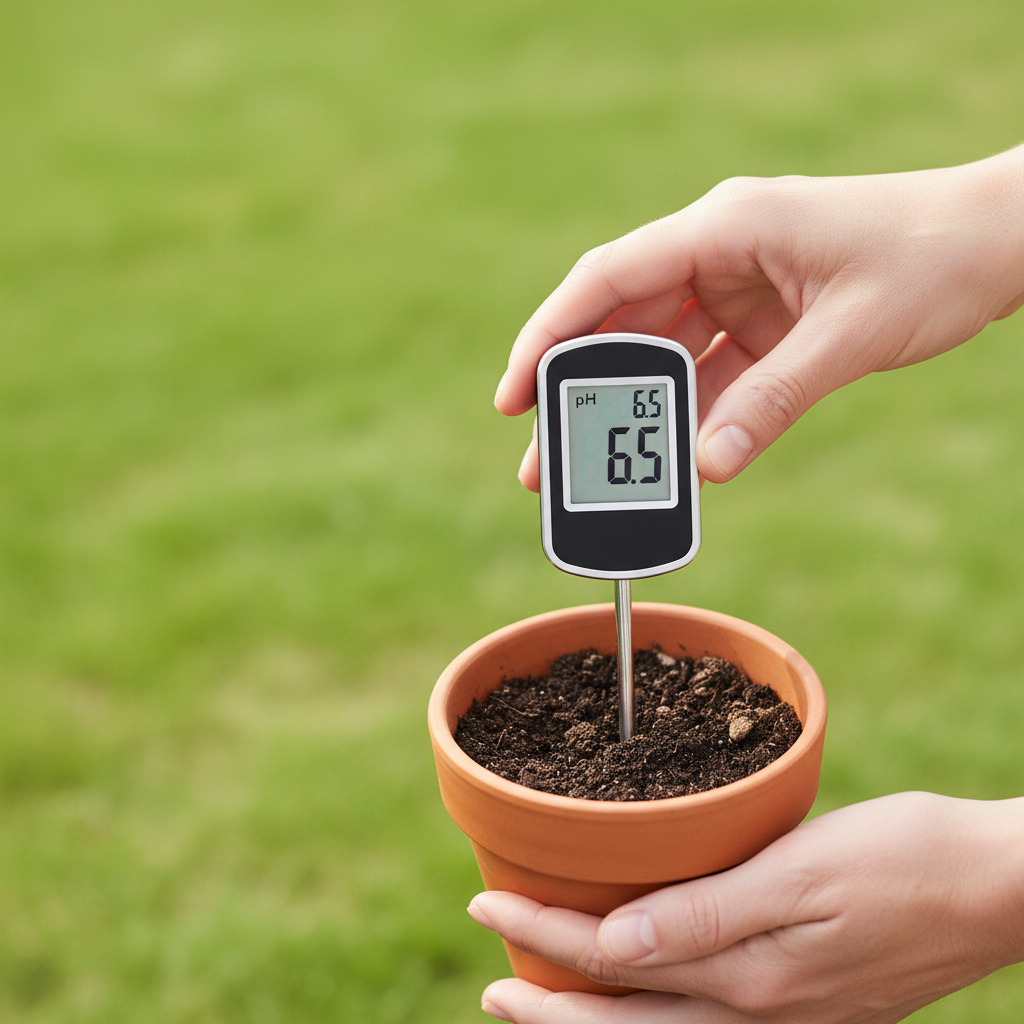
Tools & materials you'll need
Affiliate links- AmazonLiquid Soil pH Test KitAlternative to digital meter, for visual results
- AmazonClean plastic bucketFor mixing composite sample
- AmazonDistilled waterEssential for accurate testing
- AmazonGlovesProtect hands during sampling and mixing
- AmazonGranular limeIf soil is too acidic, check specific product rates
- AmazonGranular elemental sulfurIf soil is too alkaline, check specific product rates
As an Amazon Associate FixlyGuide earns from qualifying purchases — at no extra cost to you. Prices and availability are accurate as of publication and subject to change.
Quick Answer
Many homeowners struggle with an unhealthy lawn despite their best efforts, often because they overlook the critical role of soil pH. The most common mistake is using a single, shallow soil sample, which doesn't accurately represent the overall pH of their lawn. The quick answer to correctly testing your lawn soil pH at home is to collect multiple core samples from various spots across your lawn, mix them to create a composite sample, and use a digital pH meter or a liquid test kit for reliable readings. This ensures you understand your soil's true acidity or alkalinity, allowing you to make precise amendments for optimal grass growth and nutrient absorption.
The Problem
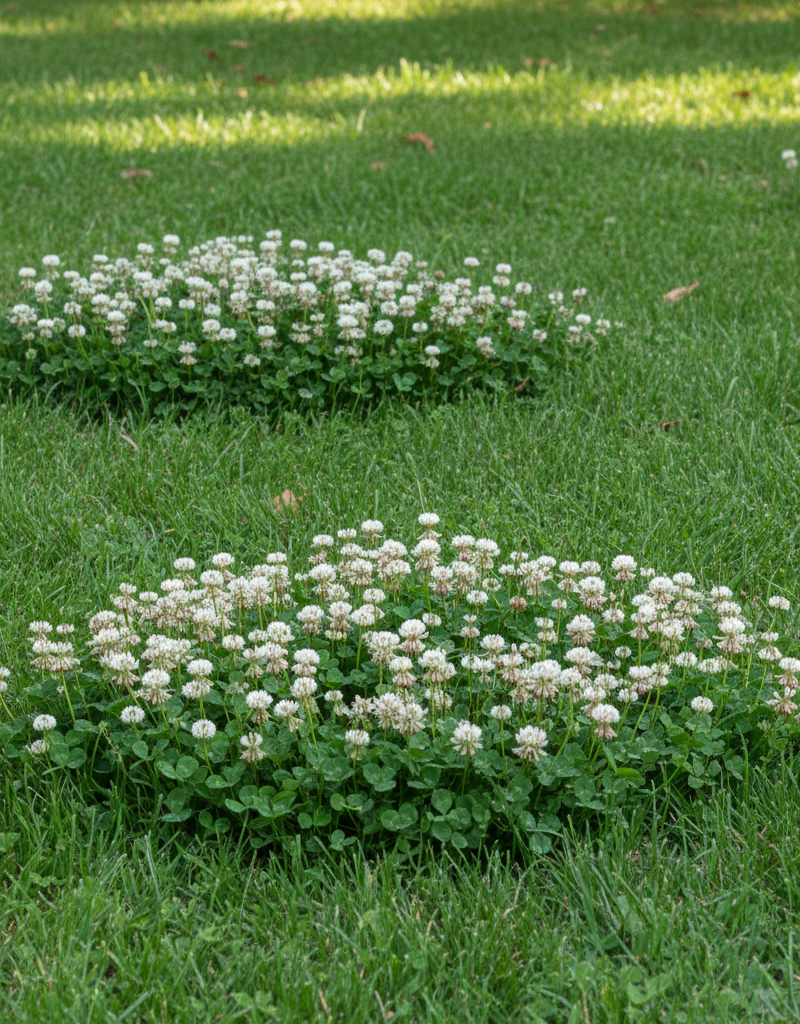
Is your lawn looking lackluster despite regular watering and fertilization? Are you seeing patches of moss, persistent weeds, or just generally stunted growth? The invisible culprit might be your soil's pH level. Like a human body, your lawn needs a balanced environment to thrive, and soil pH dictates how well your grass plants can absorb essential nutrients. If the pH is too acidic or too alkaline, even the most expensive fertilizers become ineffective, leading to nutrient deficiencies, disease susceptibility, and an overall unhealthy lawn that struggles to grow green and thick. Many homeowners attempt to diagnose this by testing their soil, but often fall into common traps that lead to inaccurate results, wasted time, and continued frustration. Without a correct understanding of your soil's pH, any efforts to improve your lawn are essentially shots in the dark.
How It Works
Soil pH is a measure of its acidity or alkalinity, expressed on a scale from 0 to 14. A pH of 7.0 is neutral. Values below 7.0 indicate acidity, while values above 7.0 indicate alkalinity (or basicity). For most turfgrasses commonly found in home lawns (like Kentucky Bluegrass, Fescue, and Perennial Ryegrass), the ideal pH range is between 6.0 and 7.0, a slightly acidic to neutral sweet spot.
This range is crucial because it directly impacts nutrient availability. Inside this optimal pH window, essential macronutrients like nitrogen, phosphorus, and potassium, along with micronutrients such as iron and manganese, are most soluble and therefore most accessible for your grass plants to absorb through their roots. When the pH deviates significantly from this range – becoming too acidic (e.g., below 5.5) or too alkaline (e.g., above 7.5) – these nutrients chemically "lock up" in the soil. They are present but unavailable to the plant, leading to symptoms that mimic nutrient deficiencies, even if you're fertilizing regularly. For instance, in highly acidic soils, aluminum can become toxic to roots, while in highly alkaline soils, iron chlorosis (yellowing of leaves due to iron deficiency) is common. Understanding how pH affects nutrient uptake is the fundamental principle behind successful lawn care; proper testing is the first step in diagnosing and correcting these imbalances.
Step-by-Step Fix
1. Gather Your Supplies — Assemble all necessary tools and materials before you begin.
- Ensure you have a clean trowel or soil probe, plastic bucket, distilled water, and your chosen pH test kit (digital meter or liquid kit). Having everything ready simplifies the process and reduces the chance of contamination or error.
2. Prepare Your Testing Area — Clear debris and ensure soil is ready for sampling.
- Before taking samples, clear any surface debris like leaves, thatch, or grass clippings from the areas you intend to test. This prevents organic matter from contaminating your soil samples and affecting the pH reading. Do not take samples immediately after fertilizing or liming; wait at least 6-8 weeks.
3. Collect Multiple Soil Samples Properly — Take representative samples to avoid misleading results.
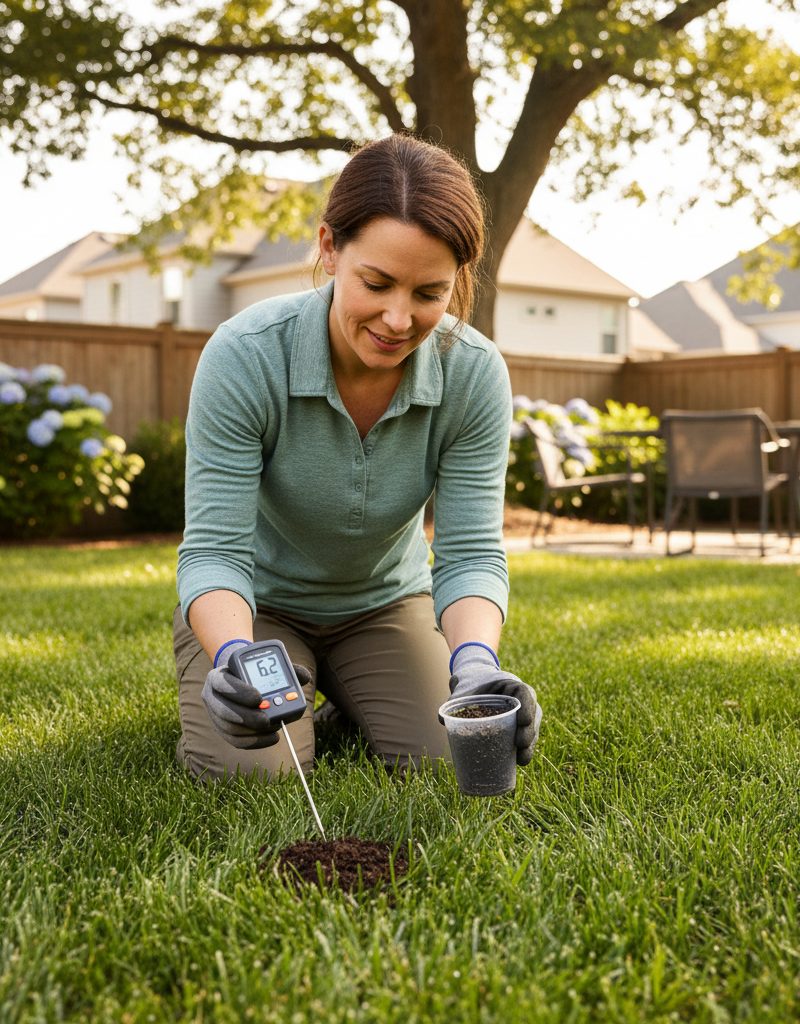
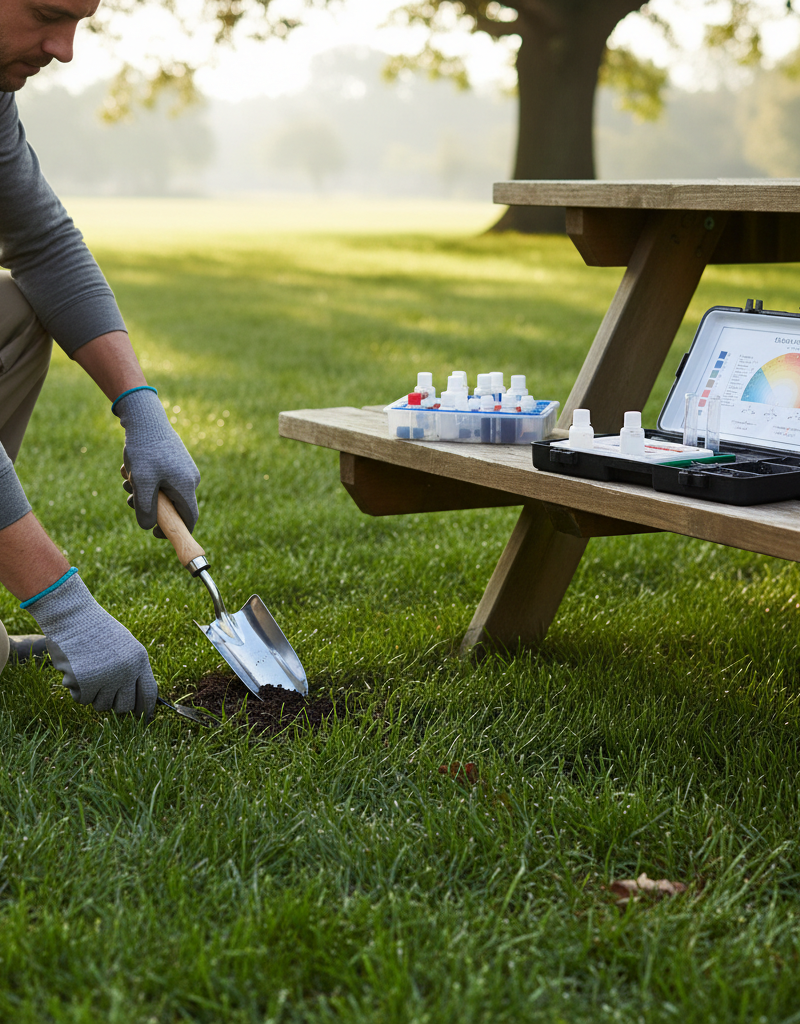
- The Critical Mistake: Many homeowners take only one shallow sample. This is gravely inaccurate. Your lawn's pH can vary significantly even within a few feet. To get a truly representative reading, collect 10-15 core samples from random spots across your entire lawn, taking care to include any areas of concern (e.g., patches of moss, bare spots). Each sample should be taken to a depth of 4-6 inches using a clean trowel or soil probe, as this is the primary root zone for most turfgrasses. Scrape away the top inch of grass and thatch before digging to avoid including organic surface matter. Place all collected samples into a clean plastic bucket.
- If your lawn has distinct problem areas: If you have clearly defined areas that look different (e.g., a perpetually wet spot, a shady area under trees, a sunny slope), consider performing separate tests for those zones. Label samples accordingly.
4. Create a Composite Sample — Mix your collected samples thoroughly.
- Once all your individual samples are in the plastic bucket, break up any large clumps of soil and mix them thoroughly with your hands (wearing gloves) or a clean garden tool. This creates a single, composite sample that accurately reflects the average pH of your lawn. Remove any stones, roots, or other non-soil debris.
- Why it matters: A well-mixed composite sample smooths out localized variations, giving you a much more reliable baseline pH for your entire lawn or a specific zone.
5. Prepare the Soil for Testing — Allow soil to air dry if needed.
- If your soil samples are very wet, spread a thin layer on a clean newspaper or paper plate and allow them to air dry for a few hours. Do not use heat (like an oven or microwave) as this can alter the soil's chemical properties. Once air-dried, crush any remaining clumps into a fine powder. This ensures better contact with the testing solution or probe, leading to a more accurate reading.
6. Perform the pH Test (Digital Meter Method) — For fast, precise readings.
- Safety Note: Always follow the manufacturer's instructions for your specific digital pH meter. Some models require calibration before use.
- Take a small, consistent amount of your prepared soil and place it into a clean, non-metallic container (e.g., a plastic cup). Add distilled water to create a thick paste or slurry, ensuring the soil is fully saturated. Insert the clean probe of the digital pH meter directly into the soil slurry. Wait for the reading to stabilize (typically 30-60 seconds) and record the pH value. Repeat this step 2-3 times with fresh portions of the composite sample to ensure consistency, cleaning the probe with distilled water between readings. Average your readings for the most accurate result.
7. Perform the pH Test (Liquid Test Kit Method) — For a visual, cost-effective approach.
- Safety Note: Liquid test kits often contain mild chemicals. Wear gloves and eye protection if recommended by the manufacturer. Keep away from children and pets.
- Follow the kit's instructions meticulously. Typically, you'll place a small amount of your prepared soil into the test tube provided, add the specified amount of distilled water, and then add a few drops of the indicator solution. Shake the tube vigorously and allow the soil particles to settle. The color of the liquid will change, which you then compare to the provided color chart to determine the pH level. Perform this test 2-3 times with fresh portions of the composite sample to confirm consistency.
8. Interpret Your Results — Understand what your pH reading means.
- Once you have your average pH reading, consult a chart for your specific grass type (e.g., most cool-season grasses prefer 6.0-7.0).
- If your soil is too acidic (below 6.0): You'll likely need to add lime (calcium carbonate) to raise the pH. The amount depends on your current pH, desired pH, and soil type. A general guideline is 20-50 pounds of granular lime per 1,000 square feet for a 0.5-1.0 pH point increase in loamy soils. Always follow product recommendations.
- If your soil is too alkaline (above 7.0): You'll need to add sulfur to lower the pH. Granular elemental sulfur is commonly used, with rates often around 5-10 pounds per 1,000 square feet to lower pH by 0.5 points. Soil type heavily influences effectiveness.
- If your pH is within range (6.0-7.0): No immediate action on pH is needed. Focus on other lawn care practices.
9. Apply Amendments (If Necessary) — Correct your soil's pH gradually.
- Apply lime or sulfur evenly using a broadcast spreader according to the product's instructions and your calculated needs. Avoid over-applying, as drastic pH changes can harm your lawn. Water thoroughly after application to help the amendments begin to work their way into the soil.
- Patience is Key: pH changes are not instant. It can take several weeks to months for amendments to take full effect. Re-test your soil pH after 3-6 months to monitor progress.
Common Causes
- Natural Soil Composition: The underlying geology of your region plays a significant role in determining initial soil pH. Soils formed from limestone tend to be alkaline, while those from granite or sandstone are often acidic.
- Rainfall and Leaching: Areas with high rainfall can experience significant leaching of basic cations (like calcium and magnesium) from the soil, leading to increased acidity over time. Rainwater itself is slightly acidic.
- Organic Matter Decomposition: As organic matter (like leaves, grass clippings, and compost) decomposes, it releases organic acids, which can contribute to a gradual decrease in soil pH.
- Fertilizer Use: Repeated use of certain nitrogen fertilizers (especially those containing ammonium sulfate or urea) can acidify the soil over time. While necessary for growth, their long-term impact on pH should be monitored.
- Irrigation Water: The pH of your irrigation water can subtly influence soil pH over many years. Hard water, which is often alkaline, can slowly raise soil pH, while very soft water can contribute to acidity.
- Proximity to Coniferous Trees: Pine needles and other coniferous debris are often associated with acidic soil. While their direct impact on overall lawn pH is often exaggerated for surface application, a high concentration can have a localized effect.
Common Mistakes
- Collecting Only One Shallow Sample: This is the most prevalent error. A single, shallow sample doesn't represent the diverse pH levels across your lawn and only shows the pH of the very top layer, not the critical root zone. Instead: Collect 10-15 cores from 4-6 inches deep across your entire lawn to create a composite sample.
- Testing Immediately After Amendments: Testing too soon after applying lime or sulfur will give an artificially high or low reading, as the amendments haven't had time to react with the soil. Instead: Wait at least 6-8 weeks, or ideally 3-6 months, after applying any pH-altering treatments before retesting.
- Ignoring the pH of Distilled Water: Some kits require mixing soil with water. Using tap water, which has its own pH and mineral content, can skew your results. Instead: Always use distilled water for soil slurries and for cleaning digital probes to ensure the most accurate reading.
- Using a Cheap, Uncalibrated Meter: Inexpensive analog pH meters or those not regularly calibrated can provide wildly inaccurate readings, leading to incorrect pH adjustments. Instead: Invest in a reliable digital pH meter and calibrate it according to the manufacturer's instructions before each use, or opt for a trusted liquid chemical test kit.
- Over-Applying Amendments Blindly: Applying excessive amounts of lime or sulfur without knowing the current pH and desired target can drastically imbalance your soil, causing more harm than good and potentially making nutrients unavailable. Instead: Base your amendment rates on accurate test results, desired pH changes, and product recommendations, and apply gradually.
- Testing at the Wrong Time of Year: Testing when the ground is frozen, waterlogged, or extremely dry can affect accuracy. Instead: Aim to test when the soil is workable and moist, typically in spring or early fall, which also gives time for amendments to take effect before extreme weather.
Cost & Time Breakdown
| Task | DIY Cost | Pro Cost | Time |
|---|---|---|---|
| Soil pH Test Kit (Liquid) | $15–$30 | N/A | 15–30 min |
| Digital Soil pH Meter | $30–$80 | N/A | 15–30 min |
| Soil Probe/Trowel (if needed) | $10–$25 | N/A | N/A |
| Lime (granular, per 50lb bag) | $10–$20 | Included | 1–2 hours |
| Sulfur (granular, per 10lb bag) | $15–$30 | Included | 1–2 hours |
| Professional Soil Test & Report | $50–$200 | Included | 2–4 weeks |
Tips & Prevention
- Test Annually: Make soil pH testing a routine part of your lawn care, ideally once a year in spring or fall, to proactively monitor and adjust conditions. This prevents drastic imbalances and keeps your lawn consistently healthy.
- Use Proper Fertilizers: Opt for fertilizers that are appropriate for your specific grass type and soil pH. Some fertilizers are designed to be pH neutral, while others can either slightly acidify or alkalinize the soil over time. Check product labels.
- Manage Organic Matter: While some organic matter is beneficial, excessive thatch buildup can contribute to surface acidity. Dethatch your lawn regularly if thatch is thicker than 0.5 inches.
- Consider Soil Type: Understand that clay soils resist pH changes more than sandy soils, requiring higher rates of amendments and longer reaction times. Adjust your expectations and retesting schedule accordingly.
- Water Wisely: If you live in an area with particularly hard or soft water, be aware of its potential long-term impact on your soil pH. While difficult to change household water pH for irrigation, awareness can inform your amendment strategy.
- Compost Smartly: When adding compost or other organic amendments, be aware of their pH. Most finished compost is relatively neutral, but some can be slightly acidic or alkaline; understand what you're adding to your soil.
When to Call a Professional
While home soil pH testing is a great starting point, there are times when a professional's expertise is invaluable. If your lawn problems persist despite repeated, accurate home pH testing and careful amendments, or if you suspect other complex soil issues (like nutrient deficiencies beyond pH, compaction, or disease), a professional soil lab test is recommended. These advanced tests provide detailed reports on nutrient levels, organic matter content, and soil structure, offering a holistic view that home kits can
Frequently asked questions
How often should I test my lawn's soil pH?+
You should test your lawn's soil pH at least once a year, ideally in the spring or fall. Regular testing helps you monitor changes and make timely adjustments to maintain optimal conditions for your grass.
Can I use tap water for my soil pH test?+
No, it is highly recommended to use distilled water for soil pH testing. Tap water has its own pH and mineral content, which can interfere with the test chemicals or digital meter, leading to inaccurate readings.
How long does it take for lime or sulfur to change soil pH?+
The time it takes for lime or sulfur to change soil pH can vary. Generally, you should expect to see significant changes after 3-6 months. Soil type, moisture, and the fineness of the amendment particles all play a role in how quickly the pH adjusts. Retest after this period to monitor progress.
Discussion
Loading comments…