Tools & materials you'll need
Affiliate linksAs an Amazon Associate FixlyGuide earns from qualifying purchases — at no extra cost to you. Prices and availability are accurate as of publication and subject to change.
Quick Answer
For cool-season grasses (fescue, ryegrass, bluegrass), the optimal window for aeration is late summer to early fall (August to October). For warm-season grasses (Bermuda, zoysia, St. Augustine), late spring to early summer (April to June) is ideal. This strategic timing ensures your lawn has ample opportunity to recover and fill in the newly created holes before the stress of winter dormancy or intense summer heat.
The Problem
Many homeowners understand the benefits of lawn aeration: relieving compaction, improving water penetration, and encouraging deeper root growth. However, a common misconception is that any time is a good time. Aerating at the wrong time of year, particularly during periods of active weed germination or extreme heat/cold, can actually do more harm than good. It can expose tender grass roots to harsh conditions, promote weed growth by bringing dormant seeds to the surface, and hinder the very recovery you're trying to achieve, ultimately wasting effort and potentially damaging your lawn.
How It Works
Lawn aeration involves puncturing the soil with small holes to allow air, water, and nutrients to penetrate the grass roots more effectively. Over time, foot traffic, heavy machinery, and even rainfall can compact soil, particularly clay-heavy varieties. This compaction chokes off grass roots, preventing them from accessing essential resources and leading to shallow root systems, poor growth, and increased susceptibility to disease and drought. The aeration process, typically using a core aerator that removes plugs of soil, creates channels that break up this compaction. These channels also give grass roots space to grow deeper, fostering a more resilient and healthy turf. The expelled soil cores break down, returning nutrients to the soil surface. The timing is critical because the grass needs to be actively growing but not under extreme stress, allowing it to rapidly fill in the aeration holes and outcompete any germinating weeds.
Step-by-Step Fix
Step 1: Determine Your Grass Type – Before you do anything, identify if you have cool-season or warm-season grass.
- Why it matters: Cool-season grasses thrive in cooler temperatures (60-75°F / 15-24°C) and go dormant in summer heat. Warm-season grasses prefer heat (75-90°F / 24-32°C) and go dormant in winter.
- If you're unsure: Consult a local university extension office or a reputable lawn care professional. You can also examine the blades: cool-season grasses often have pointed tips, while warm-season grasses might have more rounded or boat-shaped tips.
Step 2: Identify the Ideal Aeration Window – Based on your grass type, pinpoint the best time for your region.
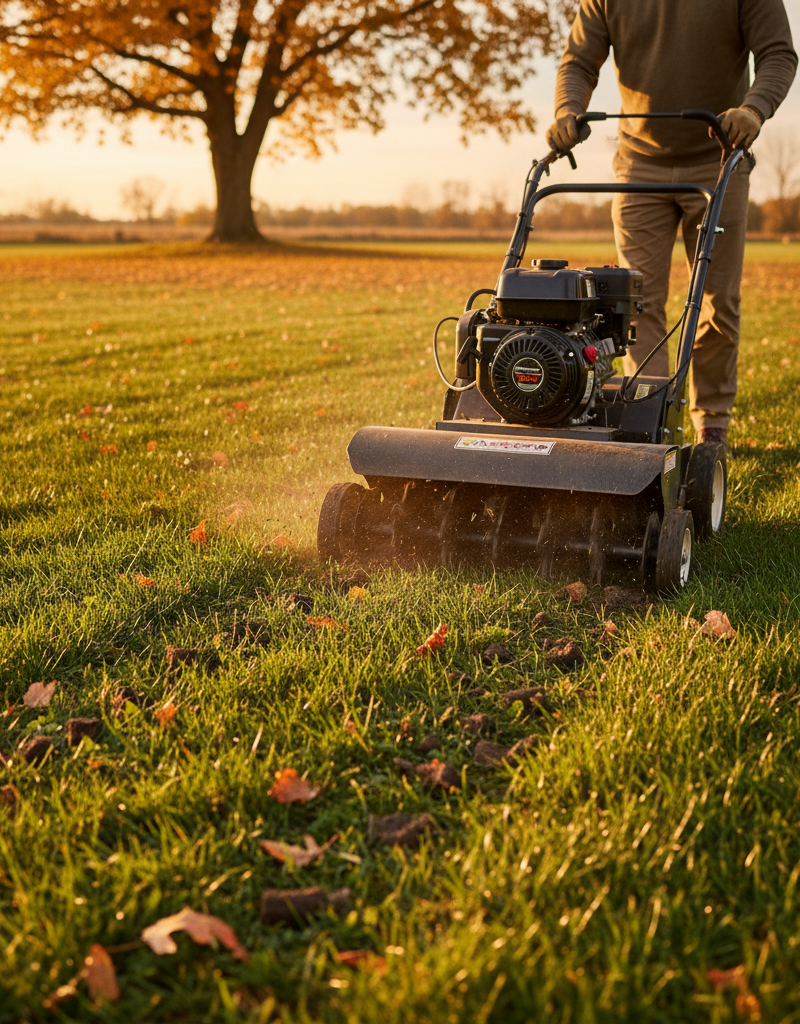
- Cool-Season Grasses (Kentucky Bluegrass, Fescue, Perennial Ryegrass): Late summer to early fall (August to October) is prime. This allows turf to recover before winter dormancy and after the peak summer heat. Another less ideal but acceptable window is early spring (March-April).
- Warm-Season Grasses (Bermudagrass, Zoysiagrass, St. Augustinegrass): Late spring to early summer (April to June) is best. This coincides with their vigorous growth period, ensuring quick recovery.
Step 3: Prepare Your Lawn for Aeration – A little prep ensures the best results.
- Mow your lawn: Mow to your regular height a day or two before aerating. Shorter grass makes it easier for the aerator to penetrate.
- Mark obstacles: Clearly mark any sprinkler heads, shallow utility lines, or buried invisible fence wires to prevent damage.
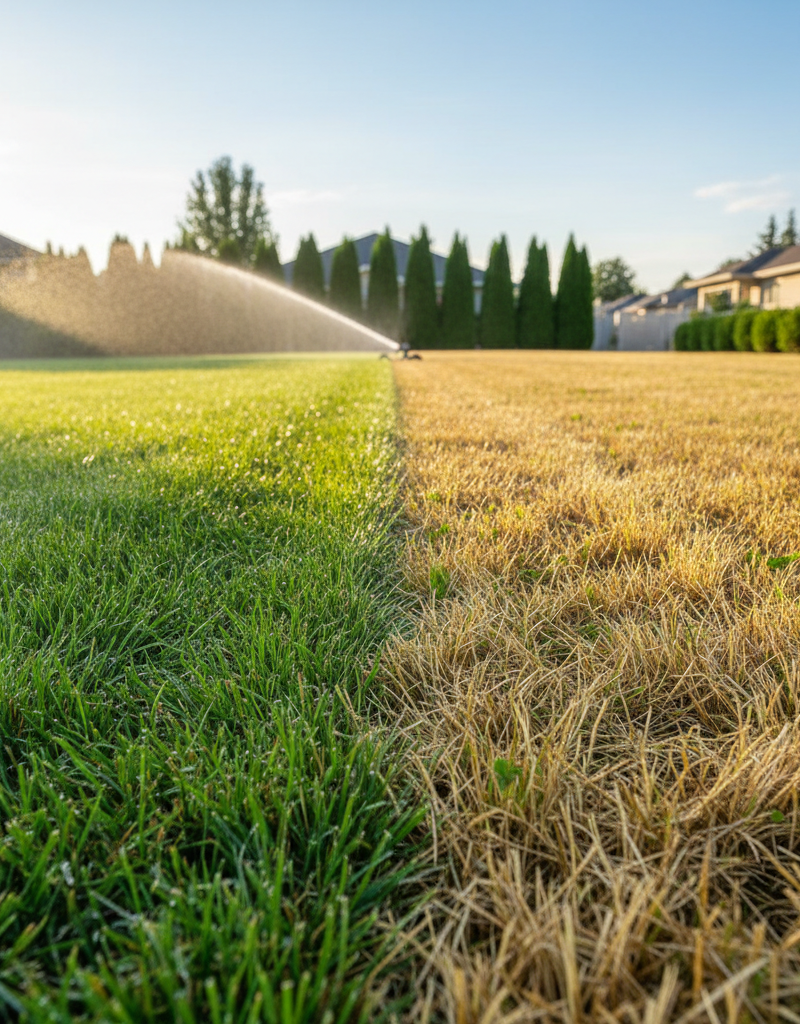
- Water your lawn: The day before aeration, water your lawn thoroughly – about 1 inch (2.5 cm) of water. The soil should be moist but not saturated or muddy. This makes it easier for the aerator tines to penetrate and pull plugs. If the soil is too dry, the aerator will bounce off, or only pull shallow plugs.
Step 4: Choose Your Aeration Method – Decide between a core aerator or spike aerator.
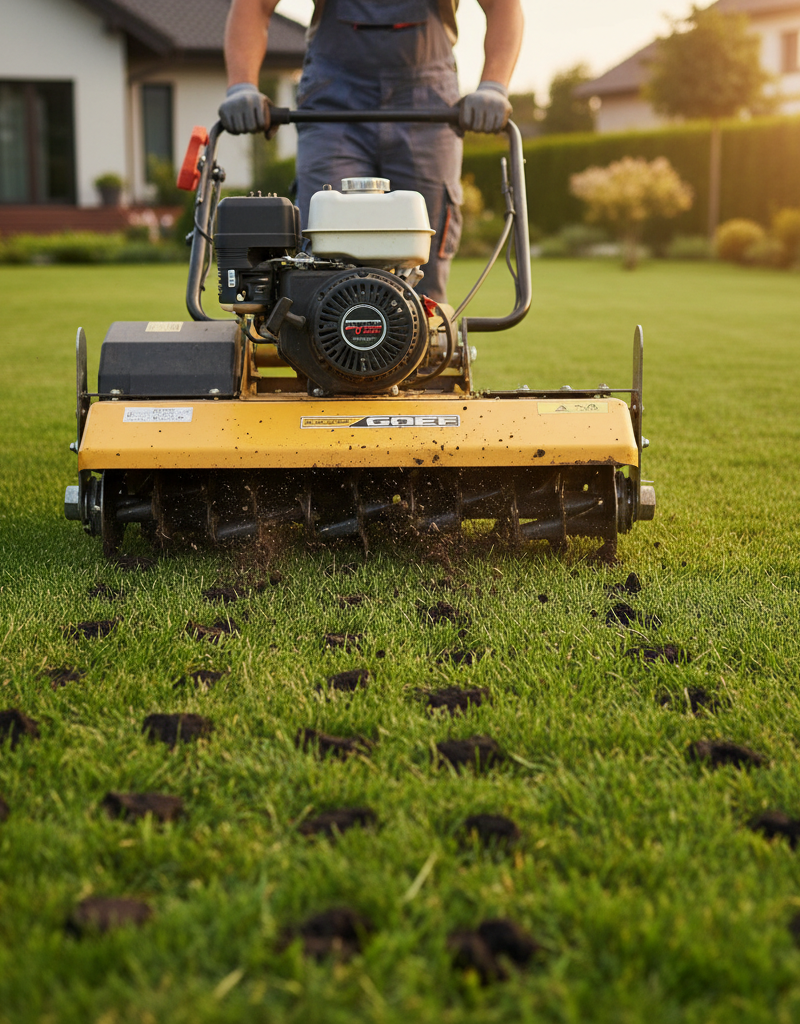
- Core aerators: These remove plugs of soil, which is the most effective method for relieving compaction. They can be rented from home improvement stores or equipment rental centers.
- Spike aerators: These simply poke holes in the soil without removing material. While better than nothing, they aren't as effective at relieving deep compaction and can sometimes exacerbate it. For truly compacted lawns, a core aerator is essential.
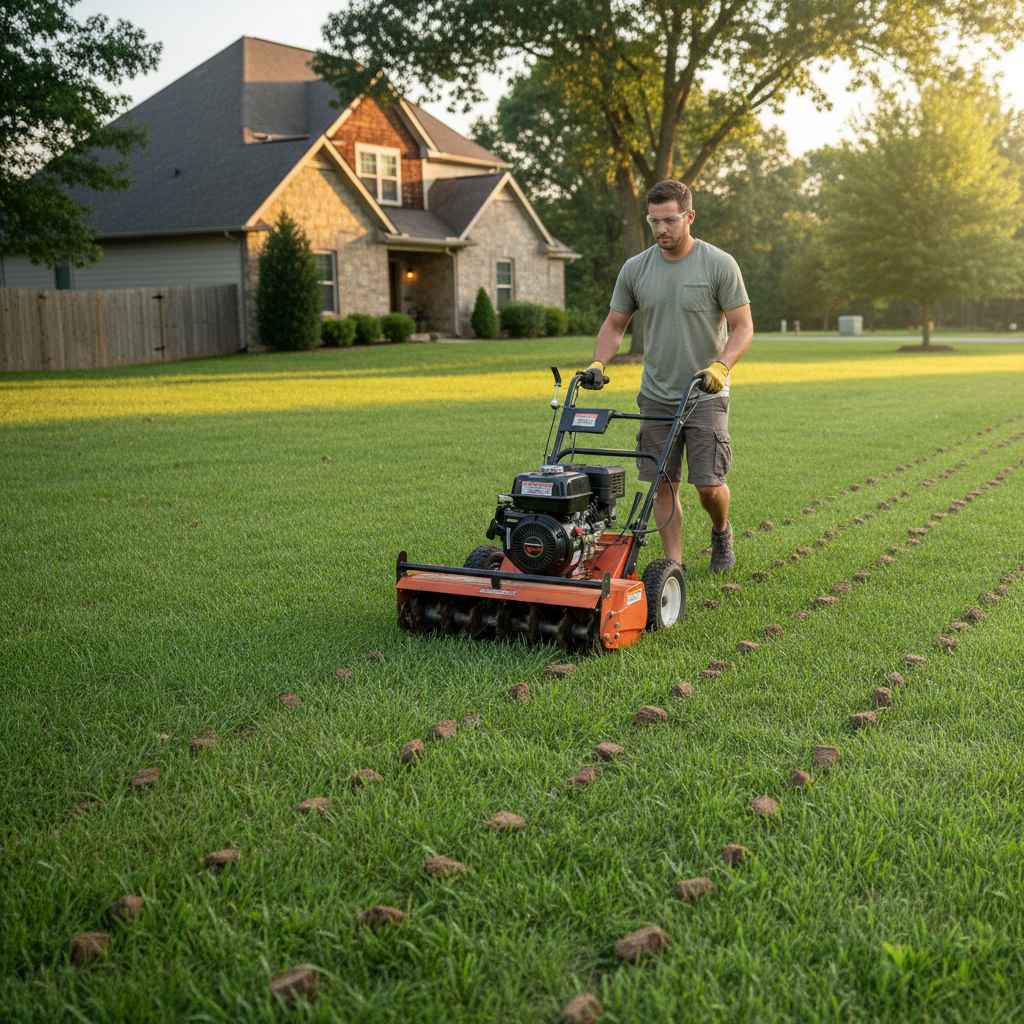
Step 5: Aerate Your Lawn Systematically – Cover your entire lawn evenly.
- Pattern: For a truly compacted lawn or first-time aeration, make two passes over the lawn – one in one direction (e.g., north-south) and another perpendicular (east-west) – for maximum coverage. For maintenance, a single pass might suffice.
- Optimal plug spacing: Aim for holes 2-3 inches (5-7.5 cm) deep and 2-4 inches (5-10 cm) apart. Most rental core aerators achieve this naturally.
- Safety Note: Always read the operator's manual for rental equipment. Wear sturdy, closed-toe shoes and eye protection. Keep children and pets away from the operating machinery.
Step 6: Post-Aeration Care – The period after aeration is crucial for recovery.
- Leave the plugs: Do not rake up the soil plugs. Allow them to dry and break down naturally, returning valuable nutrients and organic matter to the lawn. Rain and regular mowing will help them disappear within a week or two.
- Overseed (optional but recommended): If you plan to overseed, do it immediately after aeration. The newly created holes provide excellent seed-to-soil contact, significantly improving germination rates. Choose a grass seed appropriate for your region and existing lawn.
- Fertilize: Apply a slow-release fertilizer designed for your grass type. This nutrient boost will aid in recovery and new growth.
- Water: Continue a consistent watering schedule, ensuring the seed and existing grass receive adequate moisture without oversaturating.
Common Causes
- Soil Compaction: The primary reason for aeration. Regular foot traffic (especially children and pets), parking cars on the lawn, and heavy lawn equipment contribute to soil density, squeezing out air and water essential for roots.
- Heavy Clay Soils: Clay particles are very small and pack together tightly, making them highly susceptible to compaction compared to sandy or loamy soils.
- Thatch Buildup: A thick layer of organic matter (dead grass, stems) between the soil surface and the green blades of grass. While a thin layer is healthy, too much thatch prevents water, nutrients, and air from reaching the soil, contributing to compaction symptoms.
- Poor Drainage: Lawns with inadequate drainage, often due to underlying impervious layers or improper grading, can lead to the soil becoming waterlogged and compacted.
- Improper Watering: Frequent, shallow watering encourages shallow root growth, making the lawn less resilient and more prone to compaction over time. Deep, infrequent watering is preferred.
Common Mistakes
- Aerating Bone-Dry Soil: Attempting to aerate extremely dry, hard soil is ineffective and can damage your equipment or wear you out for minimal results. Always pre-water your lawn.
- Aerating Saturated or Muddy Soil: While moist is good, overly wet or muddy soil will lead to the aerator tearing up the turf or getting stuck, making a mess and potentially creating more compaction.
- Aerating During Extreme Heat or Drought: This is a major mistake, especially for cool-season grasses. The stress of aeration combined with heat or lack of water can severely damage or kill the grass, as it lacks the resources to recover.
- Aerating During Peak Weed Germination: Puncturing the soil can bring dormant weed seeds to the surface, creating ideal conditions for them to sprout with the newly available air and water. Timing aeration outside these windows is crucial.
- Not Overseeding or Fertilizing Post-Aeration: Aeration creates a perfect environment for new seed germination and nutrient absorption. Skipping these steps misses a significant opportunity to improve lawn density and health.
- Using a Spike Aerator on Heavily Compacted Soil: While easy to use, spike aerators just push soil aside, potentially increasing compaction directly beneath the holes. For serious compaction, a core aerator is necessary.
Cost & Time Breakdown
| Task | DIY Cost | Pro Cost | Time |
|---|---|---|---|
| Aerator Rental (Core) | $70–$120/day | Included in service | 2–4 hours (active) |
| Fuel | $5–$10 | Included in service | N/A |
| Overseeding Seed | $30–$80 (for 5000 sq ft) | Included in service | 30–60 minutes |
| Fertilizer | $20–$50 | Included in service | 20–40 minutes |
| Professional Service | N/A | $150–$350 (for 5000 sq ft) | 1–2 hours |
Tips & Prevention
- Walk on Different Paths: Vary your walking patterns across the lawn to distribute foot traffic and minimize concentrated compaction in high-traffic areas.
- Mow at Proper Height: Keep your grass slightly taller (typically 2.5-3.5 inches) as longer blades help shade the soil and encourage deeper root growth, making the lawn more resilient against compaction.
- Deep, Infrequent Watering: Water deeply enough to moisten the soil to several inches, but less frequently. This coaxes roots to grow deeper, making them more tolerant to dry spells and less susceptible to compaction damage.
- Annual Soil Test: Conduct a soil test every 2-3 years to understand your soil's composition and nutrient deficiencies. This guides proper fertilization and amendment strategies.
- Core Aerate Annually/Biennially: For most lawns, annual core aeration is beneficial. If your soil is sandy or not heavily trafficked, every two years might suffice. Heavy clay soils or high traffic areas may benefit from even more frequent aeration.
- Address Thatch: If you have a thatch layer exceeding 0.5 inches (1.25 cm), consider dethatching. Dethatching can be done in conjunction with aeration, ideally just before, to maximize the effectiveness of both processes.
When to Call a Professional
You should consider calling a professional lawn care service if your lawn is severely compacted, consistently waterlogged, or if you prefer to avoid the labor of renting and operating a heavy core aerator. Professionals have access to commercial-grade equipment that can be more efficient and thorough, especially for large properties. If you're unsure about your grass type, soil conditions, or the best timing for your specific region, a local expert can provide tailored advice and ensure the aeration is done correctly without damaging your turf. Additionally, if your lawn has significant bare spots, signs of disease, or persistent weed problems even after aeration, a professional can diagnose underlying issues and recommend a comprehensive treatment plan beyond just aeration.
Frequently asked questions
How do I know if my lawn needs aeration?+
You can check for compaction by trying to push a screwdriver into the soil. If it's difficult to penetrate more than a few inches, your soil is likely compacted. Other signs include standing water after rain, thin or bare patches, and grass that struggles to grow despite adequate watering and fertilizing.
Should I rake up the plugs after aeration?+
No, it's best to leave the soil plugs on the lawn. They will break down naturally within a week or two, returning valuable nutrients and organic matter to your soil. Raking them up removes these benefits.
Can I aerate too often?+
While aeration is beneficial, over-aerating can sometimes stress your lawn, especially if done incorrectly or during unsuitable times. For most lawns, annual or biennial core aeration is sufficient. Heavy clay soil or high-traffic areas might benefit from more frequent aeration, but always observe your lawn's response.
What kind of aerator should I use?+
For effective compaction relief, a core aerator (which removes plugs of soil) is recommended over a spike aerator (which just pokes holes). Core aerators can be rented from home improvement stores or equipment rental centers.
Discussion
Loading comments…