Tools & materials you'll need
Affiliate linksAs an Amazon Associate FixlyGuide earns from qualifying purchases — at no extra cost to you. Prices and availability are accurate as of publication and subject to change.
Quick Answer
Achieving permanent weed removal involves disrupting the weed's life cycle at its most vulnerable points: the roots and the seeds. While manual pulling offers temporary relief, lasting solutions target the entire plant or create an environment where weeds cannot thrive. Homeowners can employ methods such as soil solarization, carefully applied horticultural vinegar, or specific landscape fabric installations to eliminate existing weeds and prevent future growth, significantly reducing the need for constant maintenance.
The Problem
Every homeowner has battled them: those relentless weeds that seem to sprout overnight, defying every attempt at removal. You pull them, they grow back. You spray them, they laugh in your face (or at least, they seem to). The real problem isn't just the visible weed, but its tenacious root system and the seemingly infinite supply of dormant seeds lurking in your soil. Traditional weeding methods often fail to address these underlying issues, leading to a frustrating, cyclical battle. Weeds compete with your desired plants for nutrients, water, and sunlight, making your garden look unkempt and hindering the health of your landscape. The goal isn't just to remove the current crop, but to break the cycle and prevent them from returning permanently.
How It Works
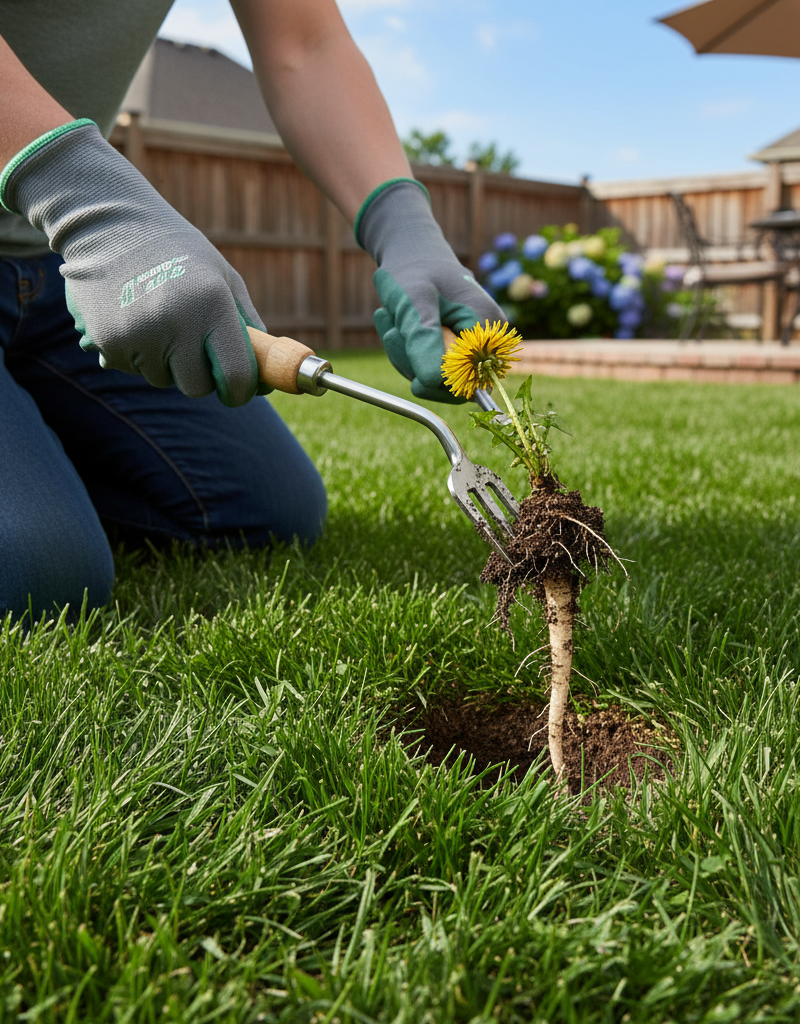
To permanently eliminate weeds, we must understand their biology. Weeds, like all plants, require sunlight, water, and nutrients to grow. Many common weeds are annuals, completing their life cycle in one season and relying heavily on seed dispersal for the next generation. Others are perennials, with deep, extensive root systems or rhizomes that allow them to regrow year after year, even if the top growth is removed. Some, like dandelions, have taproots that can reach great depths, making simple pulling ineffective as a piece of root left behind can regenerate the entire plant.
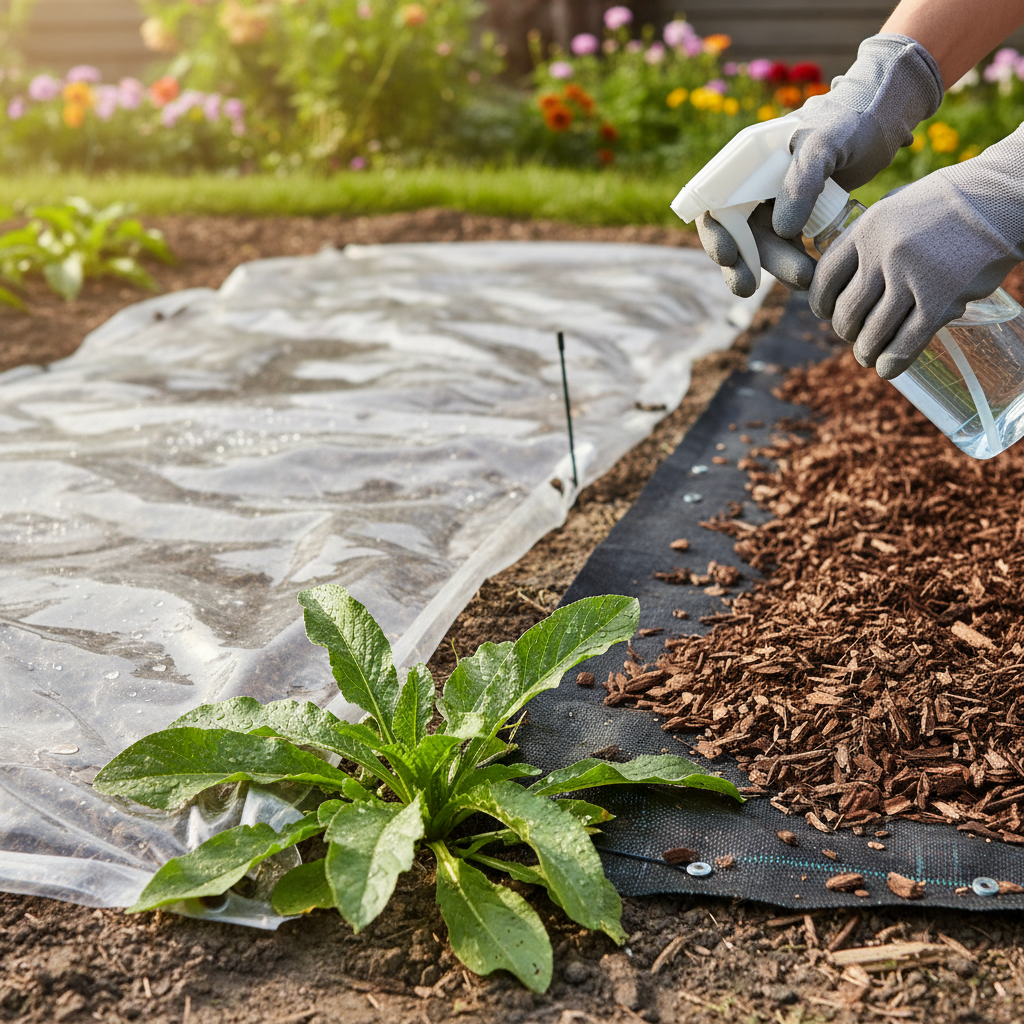
Soil solarization works by harnessing the sun's energy to superheat the top few inches of soil. A clear plastic tarp creates a greenhouse effect, raising soil temperatures to lethal levels (often exceeding 120-140°F). These temperatures kill weed seeds, seedlings, and even existing perennial weed roots by denaturing their proteins and disrupting cellular structures. It effectively sterilizes the upper soil layer without chemicals.
Vinegar solutions, particularly horticultural vinegar, operate on a different principle. Acetic acid, the active ingredient in vinegar, is a contact herbicide. When it touches plant tissue, it draws out moisture, causing the cells to rupture and the plant to wilt and die. Horticultural vinegar is much stronger (10-20% acetic acid) than household vinegar (5%), delivering a more potent and rapid breakdown, especially effective on young, tender weeds. It doesn't typically translocate through the plant to the roots in the same way systemic herbicides do, meaning thorough coverage is essential, and repeat applications may be needed for deeply rooted perennials.
Landscape fabric acts as a physical barrier. When correctly installed, it prevents sunlight from reaching weed seeds in the soil below, halting their germination and growth. It also prevents new weed seeds from settling into the soil directly beneath, although weeds can still sprout in organic matter that accumulates on top of the fabric. The key is its ability to separate the soil environment from the surface, depriving weeds of light while still allowing water and air to pass through (unlike solid plastic barriers).
Step-by-Step Fix
1. Assess Your Weed Problem — Identify the types of weeds and the scale of infestation.
- Walk through your garden and identify the dominant weed species. Are they broadleaf (dandelions, clover) or grassy (crabgrass)? Are they annuals or stubborn perennials? This influences the best approach.
- Note the size of the area: a small patch around a single shrub might warrant direct application of horticultural vinegar, while a large bed overrun with weeds might be better suited for soil solarization.
2. Clear the Area (If Solarizing) — Prepare the ground for maximum heat absorption.
- Tools: Shovel, rake, watering can/hose.
- Remove any large debris, rocks, or existing desirable plants from the area you intend to solarize. You want a clear patch of soil.
- Lightly water the soil. Moist soil conducts heat more efficiently than dry soil, ensuring the solarization process is effective at greater depths.
3. Apply Soil Solarization — Harness the sun to sterilize your soil.
- Materials: Clear 4-6mil UV-resistant plastic sheeting, rocks/bricks/soil for weighting.
- Lay the clear plastic sheeting directly over the prepared, moist soil. Ensure it's pulled taut and extends at least 12 inches beyond the weedy area on all sides.
- Anchor the edges of the plastic securely using rocks, bricks, or by burying them under a continuous mound of soil. Absolutely no gaps should exist for air to escape or heat to dissipate.
- Leave the plastic in place for 4-8 weeks during the hottest, sunniest part of the year (typically summer). Temperatures under the plastic should reach 120°F to 140°F on sunny days. This process will kill weed seeds, pathogens, and even some nematodes.
- If this doesn't work: Ensure the soil was moist when you started and that the plastic was completely sealed. Hotter temperatures or longer durations are required for very stubborn perennial weeds.
4. Target Weeds with Horticultural Vinegar — Use a potent natural herbicide for specific problem spots.
- Safety: Wear gloves, eye protection, and long sleeves. Do NOT use household vinegar; it's too weak.
- Application: Choose a calm, sunny day with no rain expected for at least 24 hours. The intense sun after application helps enhance its efficacy.
- Pour horticultural vinegar (10-20% acetic acid) into a spray bottle or pump sprayer. Crucially, ensure this is clearly labeled and stored safely away from children and pets.
- Adjust the sprayer to a stream, not a mist, to prevent drift. Thoroughly saturate the leaves of the target weeds. Avoid spraying desirable plants, as it will burn them too.
- For very large or established perennial weeds, you might need to make a small incision in the stem with a utility knife and apply a few drops directly into the cut for better absorption, though this is less common for general weed control.
- If this doesn't work: Reapply after a few days, ensuring thorough coverage. For deep-rooted perennials, several applications may be necessary as the vinegar works on contact with foliage.
5. Install Landscape Fabric (Option 1: Pre-Planting) — Create a long-term barrier beneath new plantings.
- Tools: Utility knife, landscape pins/staples, measuring tape.
- Prepare the bed by removing existing weeds (manual pulling or solarization if severe) and leveling the soil.
- Unroll the landscape fabric, overlapping seams by at least 6-12 inches to prevent weeds from growing through the gaps.
- Cut X-shaped holes in the fabric where you intend to plant. Plant your desired shrubs or perennials through these holes.
- Secure the fabric with landscape pins every 12-18 inches along the edges and seams. Cover the fabric with 2-3 inches of mulch (wood chips, gravel) to protect it from UV degradation and reduce weed seed germination on top.
6. Install Landscape Fabric (Option 2: Existing Beds) — Retrofitting for established plants.
- Tools/Materials: Same as above, but with smaller, pie-shaped or split pieces of fabric.
- Carefully cut the landscape fabric in a way that allows you to fit it around existing plants. You might need to make a slit from the edge to the center to wrap it around a plant stem, then secure the slit with additional pins or overlap.
- Ensure the fabric extends to the edge of the bed and overlaps sufficiently. Pin it down securely.
- Cover with 2-3 inches of mulch immediately.
7. Monitor and Maintain — Ongoing vigilance for breakthrough weeds.
- Even with the best methods, a few stubborn weeds may reappear, or new seeds may blow in and germinate on top of mulch.
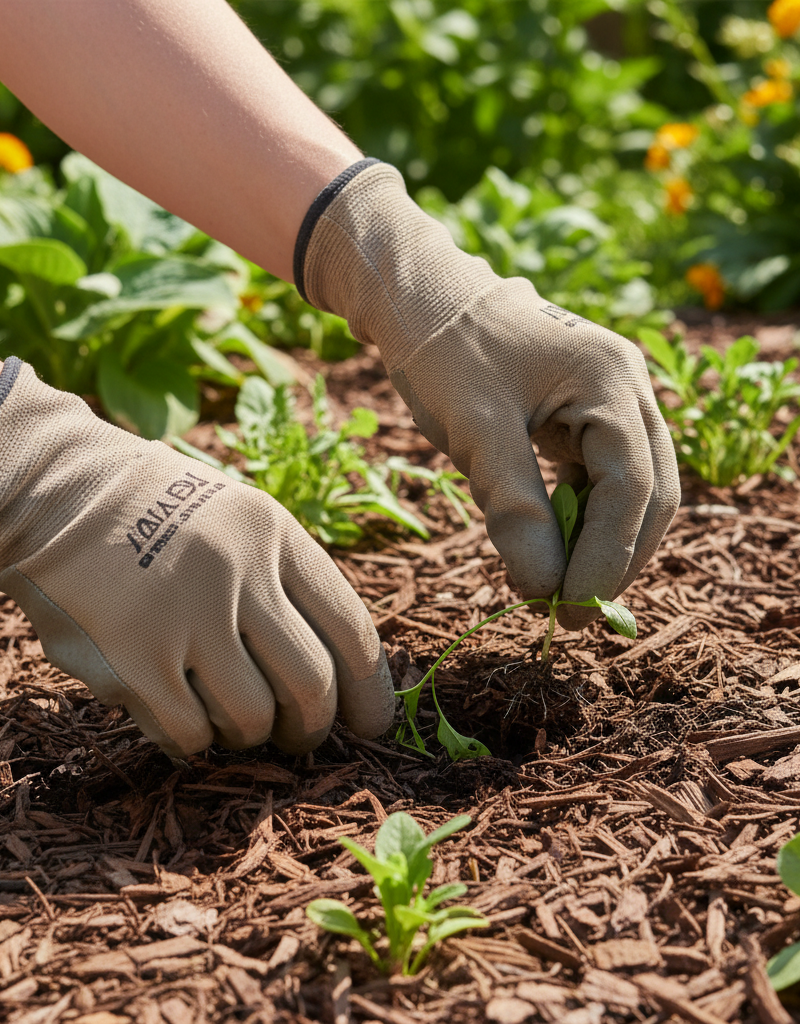
- Regularly inspect your treated areas. Pull any young weeds by hand as soon as they appear, before they establish deep roots or go to seed.
- Re-mulch every 1-2 years over landscape fabric to maintain its insulating and light-blocking properties.
Common Causes
- Existing Seed Bank: Soil contains thousands of dormant weed seeds, often viable for decades. Any soil disturbance or conditions (light, moisture) can trigger germination.
- Wind/Animal Dispersal: Weed seeds travel vast distances via wind, birds, and other animals, constantly reintroducing them to your garden.
- Insufficient Removal: Simply cutting weeds at the soil surface or pulling them without removing the entire root allows many perennial weeds to regrow from residual root fragments.
- Leaving Bare Soil: Uncovered soil is an open invitation for weeds. They are nature's way of covering bare ground; if nothing else is growing there, weeds will fill the void.
- Improper Watering: Shallow, frequent watering encourages shallow-rooted weeds, while deep, infrequent watering encourages deeper-rooted desirable plants.
Common Mistakes
- Using Household Vinegar: While slightly acidic, household 5% acetic acid vinegar is too weak for most established weeds and only minimally effective as a contact killer. Always opt for horticultural strength (10-20%).
- Applying Herbicides on Windy Days: This leads to drift, potentially damaging or killing desirable plants nearby. Always apply on a calm day.
- Not Covering Landscape Fabric: UV rays degrade landscape fabric over time, making it brittle and ineffective. Always cover it with at least 2 inches of mulch to protect it and enhance its weed-blocking capabilities.
- Disturbing Solarized Soil: After solarization, avoid deep digging or tilling the soil, as this can bring dormant weed seeds from deeper layers to the surface, negating your efforts. Stick to shallow planting if possible.
- Ignoring Weed Life Cycles: Pulling annual weeds after they've gone to seed merely spreads more seeds. Pull them before they flower. For perennials, target them actively and disrupt their root systems repeatedly to exhaust their energy reserves.
- Mistaking the Problem for the Solution: Relying solely on manual weeding for large infestations is a recipe for burnout. Combine methods (e.g., solarization then fabric) for lasting results.
Cost & Time Breakdown
| Task | DIY cost | Pro cost | Time |
|---|---|---|---|
| Soil Solarization | $20–$50 | N/A | 4–8 weeks |
| Horticultural Vinegar (gallon) | $20–$40 | N/A | 15–30 min/app |
| Landscape Fabric (500 sq ft) | $40–$80 | $150–$300 (install) | 2–4 hours |
| Mulch (per yard) | $30–$60 | $70–$100 (install) | 1–2 hours |
| Manual Weeding (initial) | $0 | $50–$100/hour | Varies |
| Ongoing Spot Treatment | $0–$10/year | N/A | 5–10 min/week |
Tips & Prevention
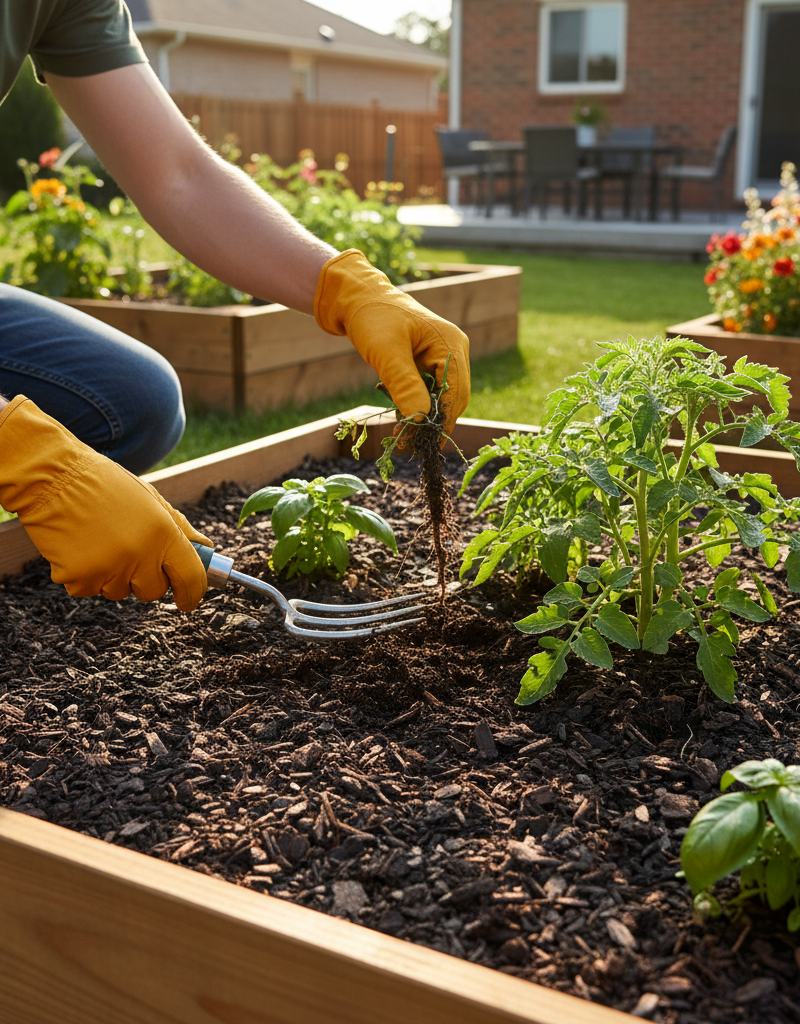
- Mulch Heavily: A 2-4 inch layer of organic mulch (wood chips, shredded bark, straw) suppresses weeds by blocking sunlight, conserves moisture, and improves soil health. Replenish annually.
- Edge Your Beds: Install physical edgers (metal, plastic, brick) between lawns and garden beds to prevent grass and creeping weeds from invading.
- Plant Densely: Spacing your desirable plants closer together (within their healthy growth limits) shades out the soil, reducing space and light for weeds to establish.
- Water Smart: Water deeply and infrequently rather than shallowly and often. This encourages deeper root growth in your plants, making them more competitive against weeds, and keeps the soil surface drier, discouraging weed seed germination.
- Clean Your Tools: Before moving between different garden areas, clean your shovels, rakes, and hoes to prevent spreading weed seeds or root fragments.
- Early Intervention: The best time to remove a weed is when it's young. They are easier to pull, haven't developed deep roots, and haven't gone to seed yet.
When to Call a Professional
While many weed control methods are homeowner-friendly, you might consider calling a professional landscaper or weed control service in several situations. If you have an extensive infestation of highly invasive or difficult-to-control weeds across a large area, professionals have access to stronger, more targeted herbicides and specialized equipment not available to the average homeowner. Additionally, if you're dealing with weeds that are toxic or allergenic, or if you're unsure about the safe application of certain methods around pets, children, or desirable plants, an expert can provide a safe and effective solution. They can also offer tailored long-term prevention plans for complex landscape designs.
Safety Note: Always read and follow all instructions and safety warnings on product labels for horticultural vinegar or any other weed control product. Wear appropriate personal protective equipment, including gloves and eye protection. Keep all chemicals out of reach of children and pets. Do not use horticultural vinegar near desirable plants or waterways due to its potency and potential for damage.
Related Articles
Keep troubleshooting with these hand-picked guides from FixlyGuide:
- The 3 Mulching Mistakes That Are Secretly Killing Your Plants — Discover the three common mulching errors that inadvertently harm your garden plants and learn how to apply mulch correctly for thriving, h…
- The #1 Mistake Killing Your Thin Lawn (and How to Fix It in a Weekend) — Overseeding a thin lawn is crucial for a lush yard, but a common mistake can ruin your efforts before they even begin. Learn how to diagnos…
- The 3 Dandelion Killers Hiding In Your Garage (And How To Use Them Safely) — Eradicate dandelions from your lawn effectively with common household items and proper application techniques to restore a pristine yard.
- The #1 Crabgrass Mistake Killing Your Lawn (And 3 Natural Fixes) — Discover how common crabgrass removal mistakes undermine your lawn's health and learn three natural, effective methods to eradicate crabgra…
- The #1 Mistake Killing Your Garden: Why Weeds Keep Coming Back (And How to Stop Them) — Discover the secret to permanently removing weeds from your garden by understanding their root causes and implementing sustainable solution…
- The #1 Mistake Homeowners Make After Finding Missing Shingles (And How to Fix It Right) — Discover the crucial steps to take after a storm rips shingles from your roof, ensuring a proper, lasting repair and preventing costly futu…
Frequently asked questions
How do you get rid of weeds permanently without chemicals?+
Permanent weed removal without synthetic chemicals often involves methods like soil solarization, which uses the sun's heat to kill seeds and roots; thick mulching to block sunlight; or establishing dense groundcover that outcompetes weeds naturally. Horticultural vinegar (acetic acid) is also a natural option, though it is potent and should be used with care.
What kills weeds and not grass permanently?+
For selectively killing broadleaf weeds without harming grass, horticultural vinegar can be very effective when precisely applied to the weed's foliage, avoiding grass blades. However, it's a non-selective contact killer, so any grass it touches will also be damaged. For large lawn areas, professional broadleaf herbicides are often the most reliable selective option. Always identify your specific weed and grass types to choose the correct selective product.
What is the fastest way to kill weeds down to the root?+
Soil solarization, while not instant, is highly effective at killing weeds and their seeds down to several inches by superheating the soil over weeks. For faster, targeted root kill, a systemic herbicide that translocates through the plant to the roots is most effective, but these are generally synthetic chemicals. When using natural methods, repeated applications of strong horticultural vinegar can eventually weaken and kill roots through repeated top-growth destruction, especially for younger plants.
Does landscape fabric really prevent weeds long-term?+
Yes, when installed correctly and covered with mulch, landscape fabric is very effective at preventing weeds long-term by blocking sunlight from reaching weed seeds in the soil. Its longevity depends on the quality of the fabric and how well it's protected from UV degradation by the mulch layer. Weeds can still germinate in organic matter that accumulates on top of the fabric over time, requiring occasional spot weeding.
Discussion
Loading comments…