Tools & materials you'll need
Affiliate linksAs an Amazon Associate FixlyGuide earns from qualifying purchases — at no extra cost to you. Prices and availability are accurate as of publication and subject to change.
Quick Answer
Pruning at the incorrect time of year is the most frequent and damaging mistake homeowners make. For deciduous trees, the general rule is to prune during dormancy (late fall to early spring). For flowering trees, timing depends on whether they bloom on old wood (prune after flowering) or new wood (prune in late winter/early spring). Incorrect timing can reduce flower production, weaken the tree, or even invite disease.
The Problem
Many homeowners, eager to tidy up their yards, grab the pruning shears at the first sign of an unruly branch. While the impulse to maintain a neat appearance is understandable, improper pruning timing can inflict significant harm on a tree. This isn't just about aesthetics; mistimed pruning can disrupt a tree's natural growth cycle, reduce its ability to flower or fruit, create entry points for pests and diseases, and ultimately compromise its structural integrity and longevity. The "problem" isn't the act of pruning itself, but the lack of understanding about when to prune specific types of trees to maximize their health and vigor while avoiding common pitfalls that can lead to long-term damage or even tree death.
One common scenario occurs with spring-flowering trees. A homeowner might prune them in late winter, anticipating new growth. However, because these trees bloom on "old wood" (branches produced the previous year), pruning before they flower removes all the potential blossoms for the current season. Conversely, pruning a tree that blooms on "new wood" too late in the spring can remove developing flower buds, also resulting in a sparse display. Beyond flowering, pruning at the wrong time can stress a tree, especially during periods of active growth or extreme heat, making it more vulnerable to insects, fungi, and harsh weather conditions. Recognizing and addressing this fundamental error in timing is key to unlocking the full potential of your landscape trees.
How It Works
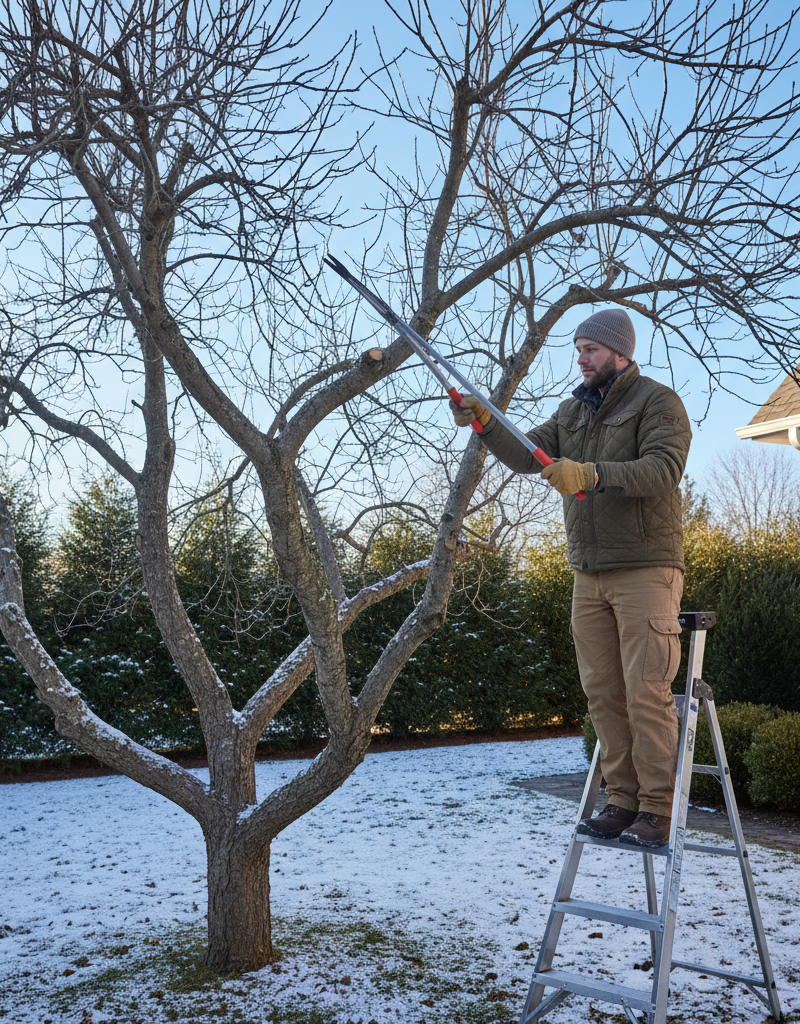
To understand proper pruning timing, you need a basic grasp of tree biology and growth cycles. Trees operate on an annual cycle that includes dormancy, active growth, and reproduction (flowering/fruiting). During the dormant season, typically late fall through winter, most deciduous trees have shed their leaves. Their metabolic activity slows significantly, similar to a deep sleep. This is often the ideal time for structural pruning because the absence of leaves allows for a clear view of the branch structure, making it easier to identify dead, diseased, or crossing branches. More importantly, growth response to pruning during dormancy is robust; the tree directs its stored energy towards healing cuts and producing vigorous new growth in the spring.
Conversely, pruning during periods of active growth – particularly in spring and early summer – forces the tree to divert significant energy from leaf and root development to wound closure. This can stress the tree, reduce its overall vitality, and make it more susceptible to pests and diseases, as fresh cuts release chemical signals that can attract insects. It also exposes the tree to potential disease spores that are more prevalent in warmer, wetter conditions.
Flowering trees introduce a nuance: "old wood" versus "new wood" bloomers. Trees that flower on old wood, like lilacs, dogwoods, and many fruit trees, form their flower buds on branches developed during the previous growing season. Pruning these in late winter or early spring removes those buds, sacrificing the year's bloom. The correct time to prune old-wood bloomers is immediately after they finish flowering, giving them the entire summer to develop next year's buds. Trees that flower on new wood, such as crape myrtles and many hydrangeas, produce flower buds on branches that grow in the current season. These can be pruned in late winter or early spring before new growth begins, as this encourages vigorous new shoots that will bear flowers. Understanding these differing mechanisms is paramount to successful pruning and a healthy, attractive tree.
Step-by-Step Fix
Step 1: Identify Your Tree Type and Bloom Time — Pinpointing the right category for your tree is the foundational step in determining the correct pruning window.
- Deciduous vs. Evergreen: Deciduous trees shed leaves annually; evergreens retain them. Most structural pruning on deciduous trees occurs during dormancy. Evergreens often benefit from light shaping in late winter or early spring.
- Flowering on Old Wood: These trees set flower buds on growth from the previous year. Examples include Dogwood, Lilac, Cherry (some varieties), Crabapple, Forsythia, Rhododendron, and Azalea. Prune immediately after flowering.
- Flowering on New Wood: These trees form flower buds on growth produced in the current year. Examples include Crape Myrtle, Rose of Sharon, Smoke Tree, and some Hydrangeas (e.g., panicle and smooth varieties). Prune in late winter to early spring before new growth emerges.
- Non-Flowering Deciduous Trees: For shade trees like Maple, Oak, Ash, and Birch, the best time for structural pruning is dormancy (late fall to late winter), when the tree is leafless and disease risk is lower.
Step 2: Understand Your Pruning Goals — Your objective dictates the type and extent of pruning. Don't just prune for the sake of it.
- Structural Pruning/Hazard Removal: Removing dead, diseased, or damaged branches, or shaping for strong scaffold branches. Best done during dormancy for most deciduous trees.
- Bloom Enhancement: Promoting more flowers. Timing is critical as outlined in Step 1.
- Size Reduction/Shaping: Controlling the overall size or improving the tree's aesthetic form. Often done during dormancy but can be light maintenance during active growth if necessary.
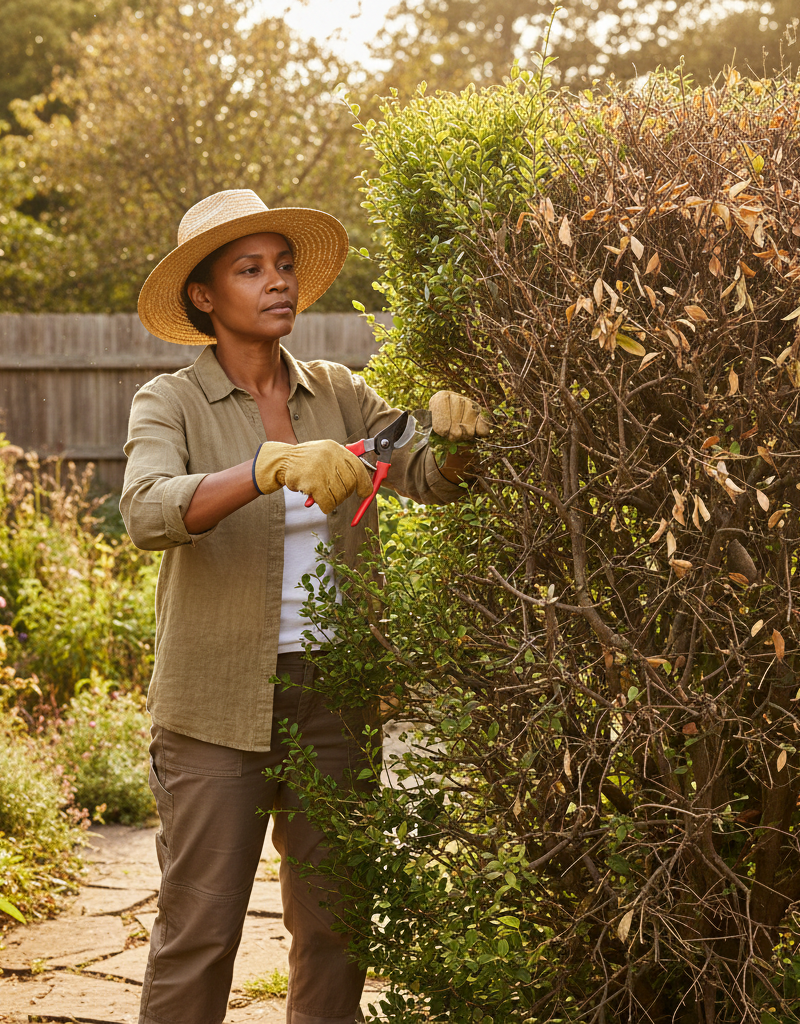
- Rejuvenation: Heavily cutting back old, overgrown shrubs or small trees to promote vigorous new growth. Typically done in late winter/early spring.
Step 3: Gather the Right Tools and Safety Gear — Using sharp, clean tools is crucial for precise cuts and preventing disease spread. Safety first!
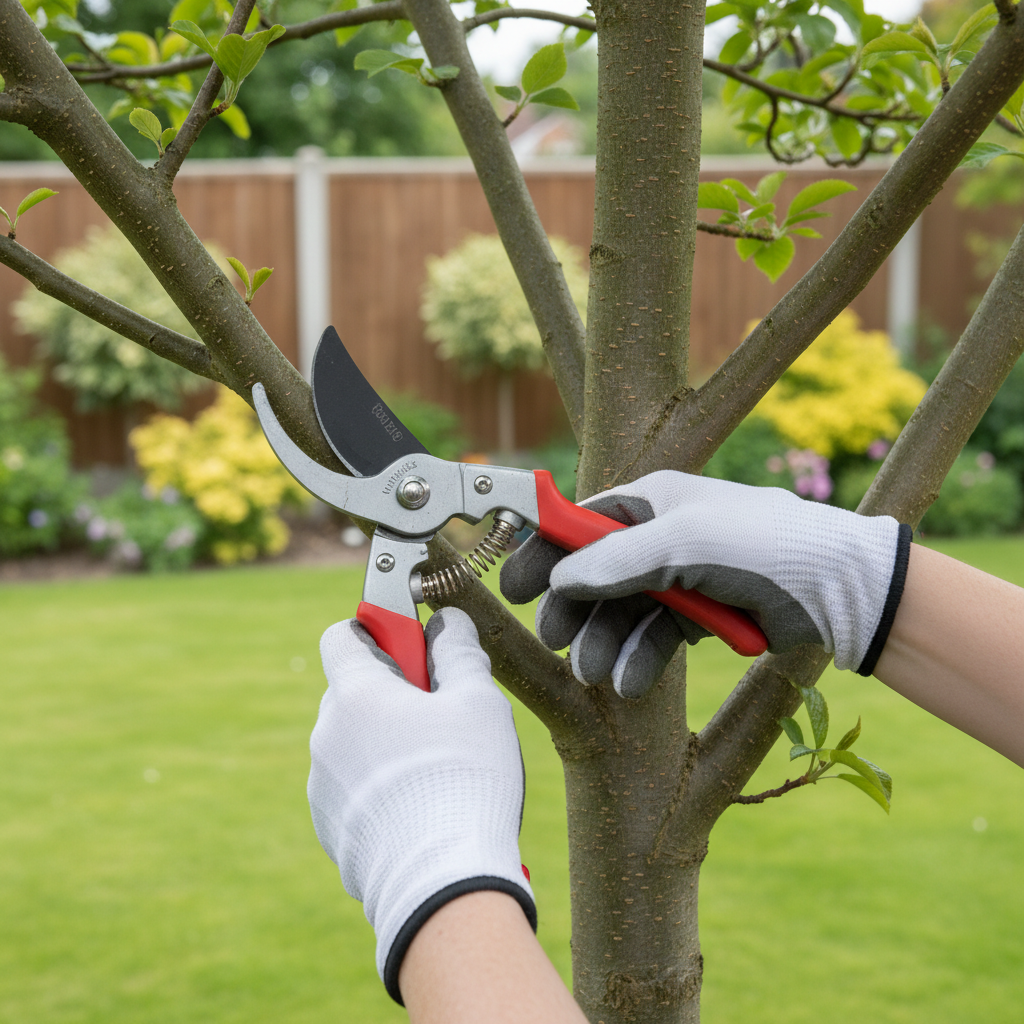
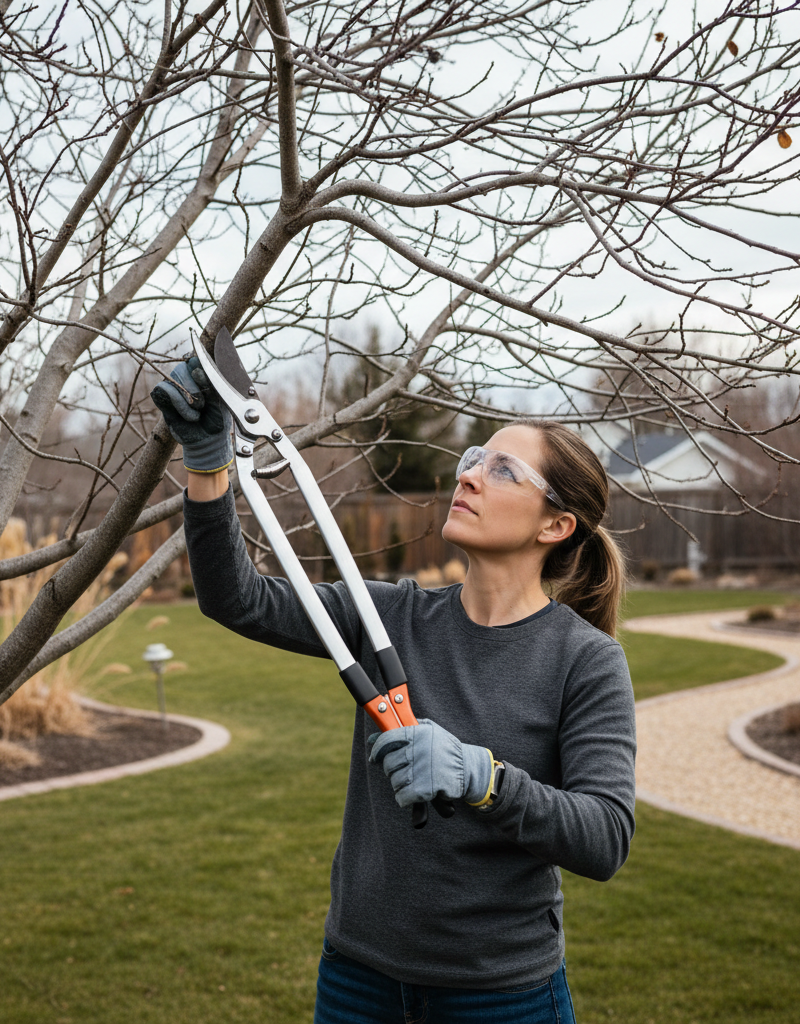
- Tools: Hand pruners (bypass for branches up to 3/4 inch), loppers (for branches up to 1.5 inches), pruning saw (for branches over 1.5 inches). Ensure all tools are sharp and clean. You can sanitize blades with rubbing alcohol between cuts, especially when pruning diseased wood.
- Safety: Wear sturdy gardening gloves, eye protection, and long sleeves/pants. For any work requiring a ladder or cutting large branches, consider professional help.
Step 4: Make Clean, Strategic Cuts — Proper cutting technique minimizes damage and promotes healthy healing.
- Bypass Pruners: Use bypass (scissor-like) pruners, not anvil (crushing) pruners, for live wood.
- Branch Collar: Always cut just outside the branch collar – the slightly swollen area at the base of the branch where it joins the trunk or a larger limb. Do not cut flush with the trunk, as this inhibits the tree's natural callus formation.
- Cut Angle: For smaller branches, angle the cut slightly away from the bud to shed water, preventing rot.
- Three-Cut Method (for larger branches):
- Make an undercut about 6-12 inches from the trunk, cutting about 1/3 of the way through the branch from the bottom up. This prevents bark stripping.
- Make a top cut further out from the undercut (about 1-2 inches) all the way through the branch to remove most of its weight.
- Make the final cut just outside the branch collar from the top down to remove the stub.
Step 5: Prune Dead, Diseased, and Damaged Wood — This can typically be done any time of year, as removing hazards is always beneficial.
- Identify: Look for discolored, brittle, or bark-less branches. Check for fungal growth or insect damage.
- Remove: Cut back to healthy wood, ensuring you make your cut outside any infected areas. Sanitize your tools thoroughly after cutting diseased wood.
Step 6: Address Crossing and Rubbing Branches — These can create wounds and weaken the tree structure.
- Select: Choose the stronger, better-positioned branch to keep and remove the weaker or less desirable one.
- Cut: Prune one of the rubbing branches cleanly, following the branch collar guidelines.
Step 7: Manage Water Sprouts and Suckers — These are vigorous, often unsightly growths that drain energy from the main tree.
- Water Sprouts: Fast-growing, upright shoots that emerge from latent buds on the trunk or main branches, often near a previous pruning cut. Remove these flush with the branch or trunk as soon as you see them.
- Suckers: Shoots that grow from the roots or base of the trunk below the graft union. Dig them out or cut them as close to their origin as possible to prevent regrowth.
Step 8: Step Back and Assess — Periodically step away from the tree to evaluate your work and ensure overall balance and health.
- Balance: Aim for an evenly distributed canopy, avoiding lopsidedness.
- Airflow: Ensure good air circulation through the canopy, which helps prevent fungal diseases. Don't remove more than 25% of the tree's live foliage in a single season.
- Future Growth: Visualize how your cuts will influence the tree's growth in upcoming seasons.
Common Causes
- Lack of Knowledge: Homeowners simply don
Related Articles
Keep troubleshooting with these hand-picked guides from FixlyGuide:
- The #1 Pruning Mistake Homeowners Make (and How to Fix It) — Many homeowners prune their trees at the wrong time, leading to weak growth, disease, or fewer flowers. Learn the right time to prune to en…
- The #1 Mistake Homeowners Make Pruning Trees (And How to Fix It) — Pruning trees at the wrong time can severely damage them, stunting growth and inviting pests. Learn the critical mistake to avoid.
- The #1 Pruning Mistake That Chokes Your Shrubs (And How to Fix It Right Now) — Discover the most common pruning error homeowners make and how to correct it for healthier, more vigorous shrub growth.
- The #1 Mowing Mistake That Invites Weeds (And How to Fix It in 15 Minutes) — Discover the secret to a thriving lawn and banish weeds by avoiding the most common mowing error homeowners make, improving grass health dr…
- The #1 Mistake Homeowners Make When Sprinklers Won't Turn On — Discover the most common oversight when your sprinkler system fails to activate and learn simple troubleshooting steps to restore your irri…
- The #1 Mistake Homeowners Make When Their AC Drain Clogs (And The $5 Fix) — Discover the most common error homeowners make when tackling a clogged AC drain line and learn a simple, inexpensive solution to prevent co…
Get the print-ready PDF of this guide
A clean, ad-free, printable version you can keep on your phone or pin to the workshop wall. We'll also send occasional weekly tips matched to your home situation.
- Print-optimized layout
- Tools, materials & every step included
- Unsubscribe anytime
Frequently asked questions
What happens if I prune a tree at the wrong time?+
Pruning at the wrong time can stress the tree, reduce its ability to flower or fruit, create entry points for pests and diseases, and potentially lead to weakened growth or even death.
When is the best time to prune most deciduous trees?+
For most non-flowering deciduous trees, the best time for structural pruning is during their dormant season, from late fall after leaves drop until late winter before spring growth begins.
How do I know if my flowering tree blooms on 'old wood' or 'new wood'?+
Trees that bloom on 'old wood' (e.g., lilacs, dogwoods) produce flowers on branches from the previous year. Prune them immediately after they finish flowering. Trees that bloom on 'new wood' (e.g., crape myrtle, some hydrangeas) flower on current season's growth; prune them in late winter/early spring.
Can I prune dead branches any time of year?+
Yes, removing dead, diseased, or damaged branches can generally be done at any time of year. This is considered corrective pruning to protect the tree's health and safety.
Discussion
Loading comments…