Tools & materials you'll need
Affiliate linksAs an Amazon Associate FixlyGuide earns from qualifying purchases — at no extra cost to you. Prices and availability are accurate as of publication and subject to change.
Quick Answer
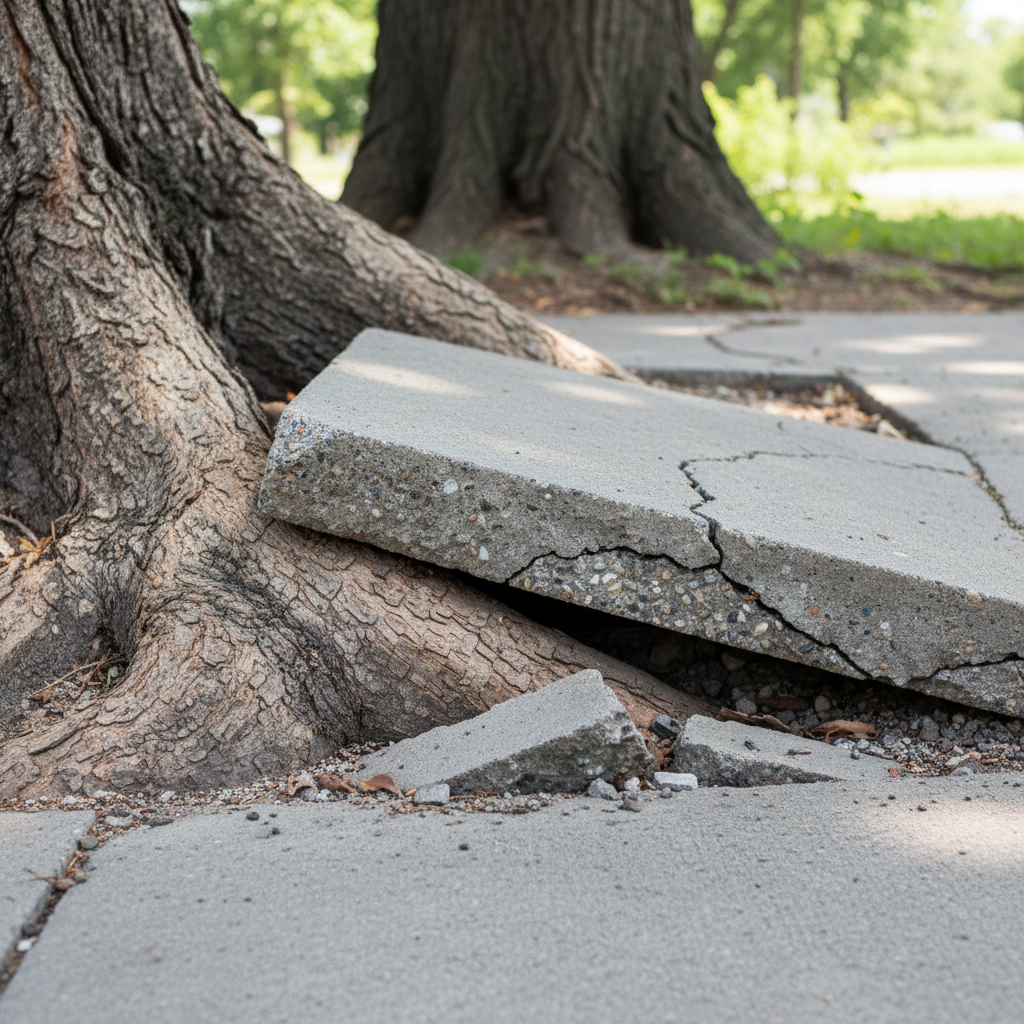
Tree roots lifting your sidewalk are a common problem in many communities. The most effective long-term solutions involve managing the roots themselves—either through careful pruning, redirecting their growth with root barriers, or, in more severe cases, removing the tree or replacing the sidewalk with a more root-resistant design. For minor lifts, you can often grind down the raised concrete, but this is a temporary fix that doesn't address the underlying root issue.
The Problem
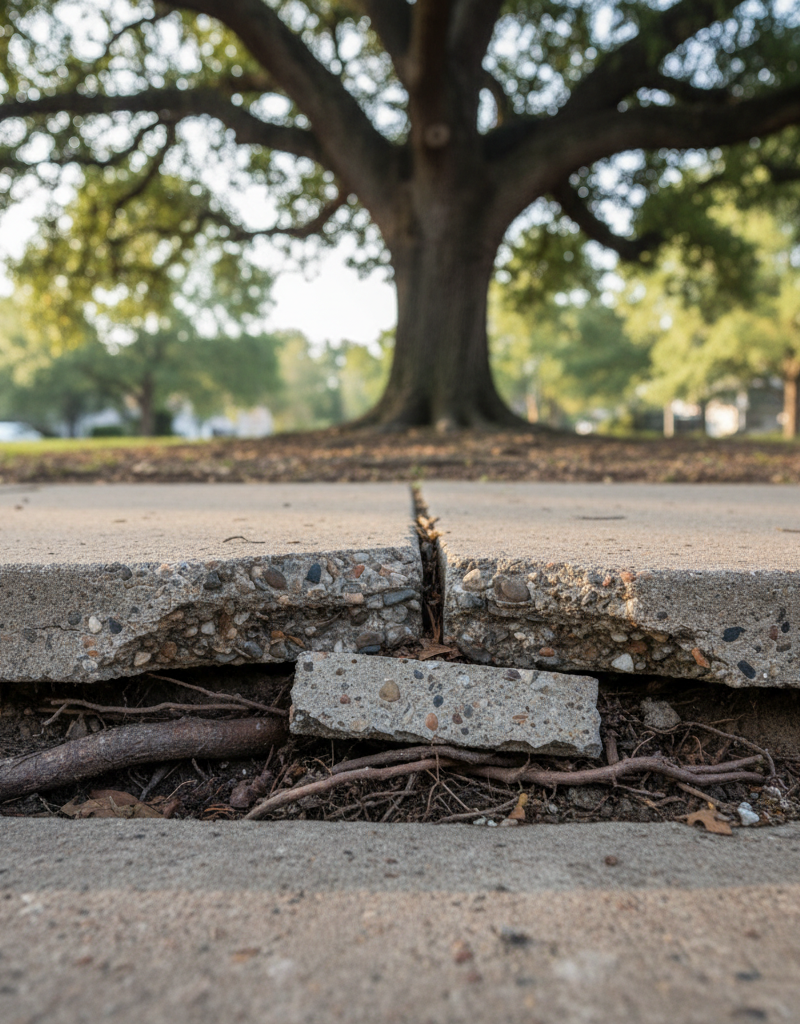
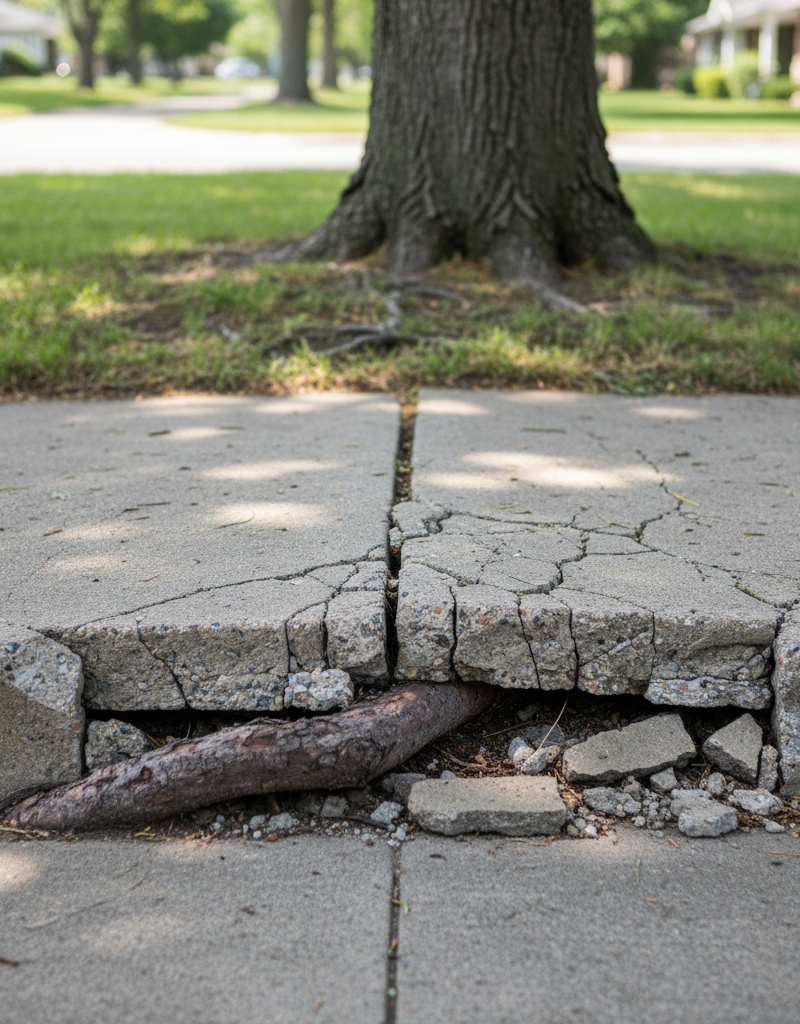
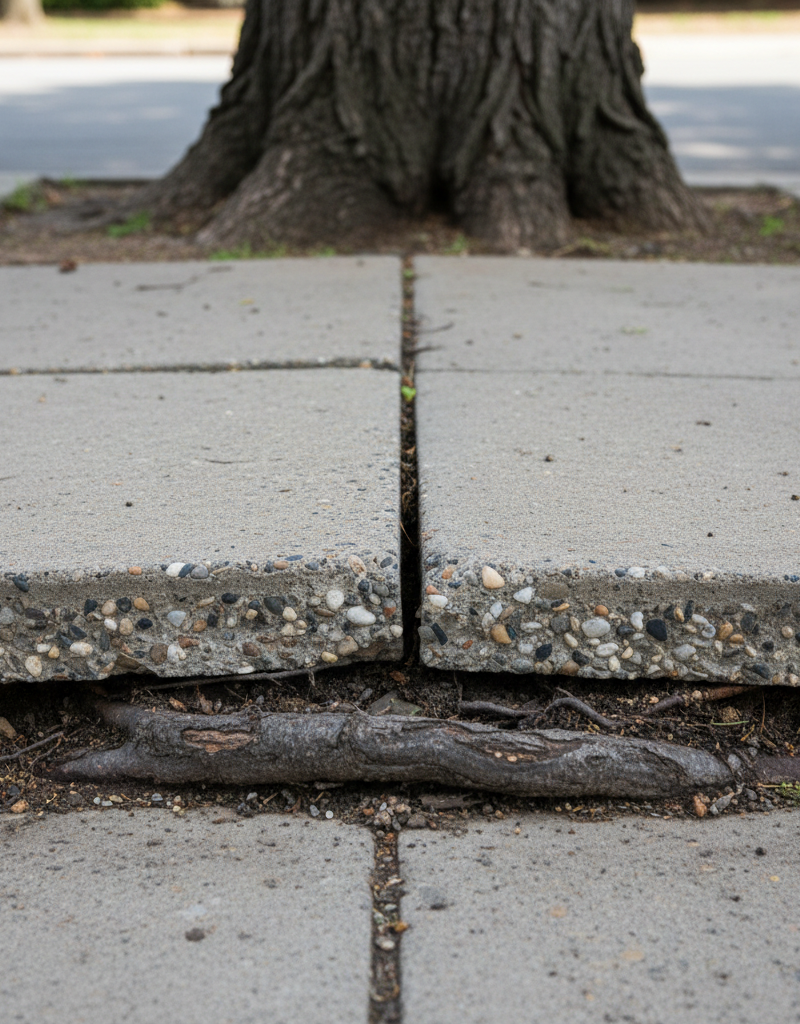
That perfectly level sidewalk you had installed years ago, or the one you inherited with your new home, can become a tripping hazard and an eyesore thanks to the relentless growth of tree roots. These roots, seeking water, nutrients, and oxygen, exert immense pressure as they expand, easily lifting and cracking concrete slabs. Not only is this a safety concern, but it can also lead to liabilities if someone trips and falls on your property. Beyond the immediate danger, lifted sidewalks can compromise drainage, direct water towards your home's foundation, and reduce your property's curb appeal and value. Ignoring the problem won't make it go away; the roots will continue to grow, causing more extensive and expensive damage over time.
How It Works
Trees are incredible organisms, and their root systems are marvels of engineering. Typically, a tree's root system spreads out horizontally, often extending two to three times the width of its canopy, though most feeder roots are in the top 12-18 inches of soil where oxygen, water, and nutrients are most abundant. As these roots grow in diameter, they exert an incredible force. Concrete, while strong under compression, is relatively weak under tension and shear forces. When a root grows directly beneath a sidewalk slab, it acts like a wedge, pushing the concrete upward. Over time, the continuous expansion of the root adds more pressure, leading to cracking, fracturing, and significant vertical displacement of the slab. The amount of force a growing root can generate is staggering—thousands of pounds per square inch. This isn't just a matter of the root pushing against the concrete; it's also about the root absorbing moisture from the surrounding soil, causing the soil to shrink, and then expanding as it retains moisture. This cyclical change in soil volume, combined with the root's growth, puts immense stress on rigid structures like sidewalks. Shallow-rooted trees like silver maples, willows, and some oak species are notorious for this type of damage.
Step-by-Step Fix
Addressing tree roots lifting your sidewalk requires a careful approach, balancing the health of the tree with the safety of your property. Always determine the severity of the root invasion and the tree's importance before proceeding.
-
Assess the Damage and Identify the Culprit — Pinpoint the source of the lift.
- Inspect the entire sidewalk for cracks, heaving, and unevenness. Note the proximity of trees. Often, the largest, nearest tree is the primary suspect. Look for roots visibly growing near or under the concrete.
- Safety Note: Mark all utilities before you dig. Call 811 (in the US) or your local utility locating service at least a few days before you plan to excavate.
-
Determine Tree Health and Value — Decide if the tree is worth saving.
- Consider the tree's age, species, health, and aesthetic value. Is it a mature specimen providing significant shade, or a relatively young, fast-growing tree with a reputation for sidewalk damage? This decision will influence your repair strategy.
- If the tree is small or undesirable, removal might be the most cost-effective long-term solution.
-
Option 1: Root Pruning (for minor lifts and certain tree types) — Carefully remove offending roots to relieve pressure.
- Excavate carefully: Using a spade and hand trowel, gently dig down around the lifted section of the sidewalk to expose the offending root(s). Start a foot or two away from the concrete edge to avoid damaging smaller feeder roots unnecessarily. Dig slowly and meticulously.
- Identify structural roots: Look for the main roots that are directly causing the lift. These are typically larger, woody roots. Avoid cutting roots larger than 2-3 inches in diameter near the tree's trunk, as this can severely impact tree stability and health.
- Prune precisely: Using sharp bypass pruners or a root saw, make a clean cut. For larger roots, use a lopping shear or a reciprocating saw with a coarse wood blade. Cut the root as far away from the tree's trunk as possible, usually at a point where it begins to turn and grow directly beneath the concrete. You want to make a smooth, clean cut, not a ragged tear.
- Backfill and monitor: Once the root is cut, remove any smaller root segments. Backfill the trench with soil, compacting it gently. Monitor the sidewalk for settling. You may need to carefully re-level the slab (see step 5). This is a temporary solution as roots will regrow.
- If this doesn't work: If the lift is severe or the roots are too large to prune safely, consider a different approach.
-
Option 2: Install a Root Barrier (for ongoing root issues) — Prevent future root growth under the concrete.
- Excavate a trench: Dig a trench alongside the lifted section of the sidewalk, between the tree and the concrete. The trench should be 18-24 inches deep and 4-6 inches wide. Ensure the side closest to the tree is clean and free of roots.
- Install the barrier: Place a impermeable root barrier (made of high-density polyethylene, HDPE) into the trench. Ensure it extends at least a few inches above ground level to prevent roots from growing over it, and that its full depth is in the soil. Overlap sections by 6-12 inches if using multiple pieces.
- Backfill: Backfill the trench with soil, compacting it firmly. The barrier will redirect future root growth downwards and away from the sidewalk.
- Types of barriers: Chemical root barriers are also available, containing a slow-release herbicide that inhibits root growth. These should be handled with care and according to manufacturer instructions.
-
Option 3: Sidewalk Removal and Replacement (for severe damage) — The most permanent solution for significant lifts.
- Mark and saw-cut: Carefully mark the sections of sidewalk that are significantly damaged. Using a concrete saw (rentable from tool rental stores), cut out the damaged sections. Wear appropriate safety gear: eye protection, hearing protection, and sturdy gloves.
- Remove slabs and roots: Pry out the old concrete slabs using a pry bar. Excavate the soil beneath, removing all offending roots. You may need to use a pickaxe for stubborn roots.
- Prepare the base: Lay down 4-6 inches of compacted gravel or crushed stone as a base. This improves drainage and provides a stable foundation. Consider installing a root barrier along the tree-side edge of the new section.
- Pour new concrete: Frame the area with wood forms, ensuring the height matches the existing sidewalk. Pour new concrete, screed it level, and float it smooth. Allow it to cure according to manufacturer instructions (typically 3-7 days before light foot traffic, 28 days for full cure). Incorporate expansion joints.
- Alternative materials: Consider replacing with flexible materials like pavers, brick, or even a permeable aggregate path directly in the root zone. These materials can tolerate some root movement without cracking.
Common Causes
- Shallow-rooted tree species: Trees like Silver Maples, Willows, Sweetgums, and some Oak variants naturally have extensive, shallow root systems that are prone to surface problems.
- Improper tree placement: Planting large canopy trees too close to sidewalks or foundations without considering their mature root spread.
- Inadequate soil preparation: Compacted or nutrient-poor soil encourages roots to stay near the surface where conditions are better.
- Seeking moisture and oxygen: Roots will grow towards sources of water (e.g., irrigated lawns, leaky pipes) and oxygen, which often leads them under impervious surfaces.
- Lack of root barriers: Absence of physical barriers to deflect root growth in new or existing landscapes.
- Aging infrastructure: Older sidewalks may be more susceptible to root damage due to thinner slabs or less robust sub-bases.
Common Mistakes
- Cutting large structural roots indiscriminately: Severing major roots too close to the tree can destabilize it, making it prone to falling in strong winds, and can severely impact its health, potentially leading to its death. Always consult an arborist for roots >3 inches in diameter near the trunk.
- Ignoring the problem: Hoping the problem will go away or only applying temporary fixes (like grinding) without addressing the root cause will lead to more extensive and costly damage down the line.
- Planting the wrong tree in the wrong place: Choosing a tree with aggressive, shallow roots for a confined urban space or near concrete structures is a long-term mistake.
- Using thin, flimsy root barriers: Inexpensive, thin plastic barriers often fail as roots can easily penetrate or grow over them. Invest in robust, deep barriers.
- Not calling 811 before digging: Hitting underground utility lines can be dangerous, costly, and can interrupt service to your home or neighborhood. Always call first.
- Improper concrete removal/replacement: Rushing concrete work or failing to prepare a proper sub-base can lead to cracks, poor drainage, and a short lifespan for the new section.
Cost & Time Breakdown
| Task | DIY Cost | Pro Cost | Time |
|---|---|---|---|
| Root Pruning (minor lifts) | $20–$50 (tools) | $150–$300 (arborist) | 1–3 hours |
| Root Barrier Installation | $50–$200 | $300–$800 | 3–6 hours |
| Sidewalk Grinding (temporary) | Rent grinder: $80 | $150–$400 | 1–2 hours |
| Concrete Section Replacement | $100–$300 (per slab) | $500–$1,500+ (per slab) | 8–16 hours |
| Tree Removal (if necessary) | $0 (DIY small tree) | $300–$1,500+ (large tree) | 4–8 hours |
Tips & Prevention
- Choose the right tree: Select deep-rooted, slow-growing tree species for areas near sidewalks and foundations. Examples include certain varieties of oaks (e.g., Willow Oak, Live Oak where appropriate), flowering dogwoods, Japanese maples, or certain conifer species, depending on your climate.
- Plant trees at proper distances: Research the mature root spread of any tree before planting. A general rule of thumb is to plant large canopy trees at least 10-15 feet away from sidewalks and foundations.
- Install root barriers proactively: If planting a tree that is known for aggressive roots, or in a tight space, install a high-quality root barrier at the time of planting.
- Regular soil care: Improve soil quality with compost and mulch. Healthy soil encourages deeper root growth and can make roots less likely to seek surface moisture.
- Monitor regularly: Periodically inspect your sidewalks, driveways, and foundations for early signs of root heaving or cracking. Early detection can prevent more costly repairs.
- Consider alternative paving: In heavily treed areas, or where roots are an ongoing issue, think about permeable pavers, decomposed granite, or other flexible paving solutions that can accommodate some root movement without cracking.
When to Call a Professional
While minor root pruning and barrier installation can be DIY projects, there are clear instances when a professional arborist or concrete contractor is essential. If the roots causing the lift are larger than 2-3 inches in diameter and close to the tree's trunk, contact a licensed arborist. Attempting to cut large structural roots can severely compromise the tree's stability, making it a hazard, and can lead to its premature death. Additionally, if the sidewalk damage is extensive, involving multiple lifted slabs, significant cracking, or if you suspect damage to underground utility lines, a concrete contractor should be called. They have the specialized equipment for safe concrete removal and replacement, ensuring the new surface is properly installed and meets local codes. For very large or mature trees, a professional often has the expertise to assess the tree's overall health and recommend solutions that protect both your property and the tree.
Related Articles
Keep troubleshooting with these hand-picked guides from FixlyGuide:
- The Invisible War Beneath Your Sidewalk: 5 Signs Tree Roots Are Winning (and What to Do) — Tree roots lifting your sidewalk can create trip hazards and damage property, but understanding the signs and solutions can save you money…
- The Invisible War Beneath Your Sidewalk: 3 Ways Tree Roots Cause Havoc — Discover how tree roots cause sidewalk damage and learn actionable DIY and professional solutions to restore safety and appearance.
- The 3 Hidden Reasons Tree Roots Buckle Your Sidewalk (And 4 Fixes) — Identify why tree roots are lifting your sidewalk and discover four effective, homeowner-friendly solutions, from minor repairs to root bar…
- The #1 Mistake Killing Your Dandelion-Fighting Efforts (and the Easy Fix) — Stop dandelions from taking over your lawn by understanding common mistakes and implementing effective, long-term solutions for a healthier…
- The Invisible War Under Your Sidewalk: 3 Secrets to Stop Tree Roots (Without Killing the Tree) — Tree roots lifting your sidewalk are a common problem, but there are effective ways to address it without resorting to tree removal.
- That Ceiling Stain Isn't a Leak: 5 Hidden Causes — A mysterious ceiling stain can be alarming, especially when there's no active leak. The real culprits are often hidden issues like attic co…
Get the print-ready PDF of this guide
A clean, ad-free, printable version you can keep on your phone or pin to the workshop wall. We'll also send occasional weekly tips matched to your home situation.
- Print-optimized layout
- Tools, materials & every step included
- Unsubscribe anytime
Frequently asked questions
How do tree roots damage sidewalks?+
Tree roots grow and expand over time, exerting immense pressure against rigid structures like concrete. As they enlarge, they act like a wedge, pushing sidewalks upwards and causing them to crack, heave, and become uneven.
Can I cut tree roots under my sidewalk?+
You can safely cut smaller, non-structural roots (less than 2-3 inches in diameter) that are causing minor lifts, especially if they are further from the tree's trunk. For larger roots or those close to the tree, consult a certified arborist, as improper cutting can destabilize the tree or severely harm its health.
What is a root barrier and how does it work?+
A root barrier is a physical or chemical barrier installed in the ground between a tree and structures like sidewalks. It redirects root growth downwards and away from the concrete, preventing them from growing underneath and causing damage.
How can I prevent tree roots from lifting my sidewalk in the future?+
Prevention involves choosing appropriate tree species with deep root systems, planting them at a sufficient distance from concrete, using proactive root barriers during planting, improving soil quality, and regularly inspecting for early signs of root heave.
Discussion
Loading comments…