Tools & materials you'll need
Affiliate links- AmazonReplacement HVAC air filter1 · Ensure correct size and MERV rating
As an Amazon Associate FixlyGuide earns from qualifying purchases — at no extra cost to you. Prices and availability are accurate as of publication and subject to change.
Quick Answer
Most HVAC manufacturers recommend changing your air filter every 90 days. However, this is a general guideline. Factors such as pets, allergies, occupants, renovation projects, and even the specific type of filter you're using can significantly impact how often your filter actually needs replacement. For optimal performance, energy efficiency, and indoor air quality, it's often necessary to check and potentially change your filter much more frequently—sometimes as often as every 30 days.
The Problem
Ignoring your HVAC filter's replacement schedule is a common homeowner mistake that leads to a cascade of problems. A dirty filter restricts airflow, forcing your HVAC system to work harder to circulate air throughout your home. This increased strain not only drives up your energy bills but also puts undue stress on critical components like the blower motor, potentially leading to premature system failure. Beyond the mechanical stress, a clogged filter becomes a breeding ground for allergens, dust mites, and mold spores, recirculating these contaminants throughout your living space and significantly degrading indoor air quality. Many homeowners assume the standard 90-day recommendation applies universally, unaware that their specific home environment might demand a much more aggressive replacement schedule.
How It Works
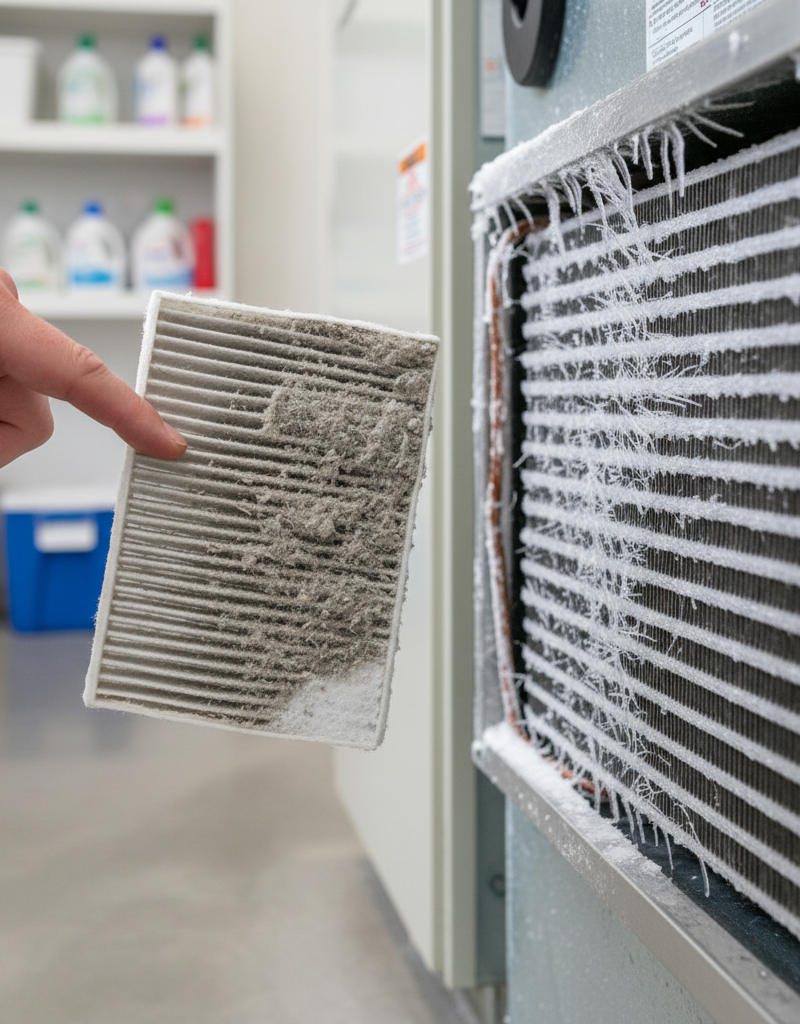
Air filters in your HVAC (Heating, Ventilation, and Air Conditioning) system are designed to trap airborne particles as air is drawn into the return vents and circulated through your home. The blower motor within your furnace or air handler pulls air from your home's living areas through the return ductwork. Before this air reaches the furnace or air conditioner's sensitive components (like the evaporator coil and heat exchanger), it passes through the air filter. Modern filters use a MERV (Minimum Efficiency Reporting Value) rating system, which indicates their effectiveness at capturing particles of various sizes. A higher MERV rating means the filter captures smaller particles, such as pet dander, pollen, mold spores, and even some bacteria and viruses. As air flows through the filter's media, these particles get trapped. Over time, these trapped particles accumulate, building up a layer of dust and debris that increasingly obstructs airflow. This obstruction creates static pressure, forcing the blower motor to work harder against the resistance to maintain the desired airflow. The system then consumes more energy, and if the clog becomes severe enough, it can lead to issues like frozen evaporator coils (in AC units) or even an overheated furnace due to reduced air circulation preventing proper heat exchange. Understanding this mechanism highlights why keeping your filter clean is paramount for both system health and indoor air quality.
Step-by-Step Fix
Changing your HVAC filter is one of the simplest and most impactful maintenance tasks you can perform. It typically takes less than five minutes:
-
Locate Your Filter — Your air filter is usually located in one of two places: either in the return air vent grill (often a large grill on a wall or ceiling) or, more commonly, at the air handler or furnace unit itself where the return duct connects. Look for a slot or panel that can be opened.
- Pro Tip: If you have trouble finding it, consult your HVAC system's manual or look for an arrow indicating airflow direction on the existing filter, which points towards the furnace/air handler.
-
Turn Off Your System — SAFETY FIRST! Before removing the old filter, always turn off your HVAC system at the thermostat and, ideally, at the furnace's dedicated power switch. This prevents the system from accidentally turning on and sucking in dust or debris while the filter is removed.
- Safety Note: Never work on your HVAC system without ensuring the power is completely off. If you are unsure, consult a professional.
-
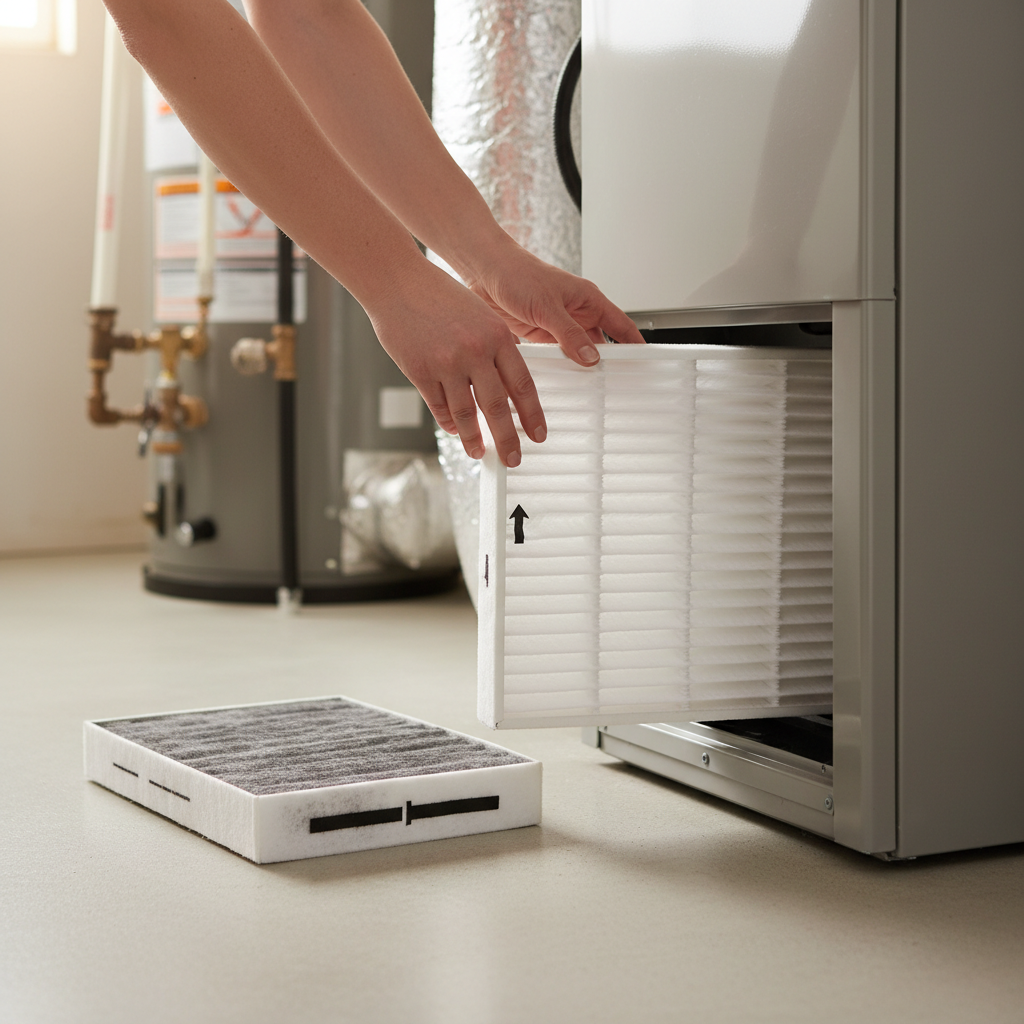
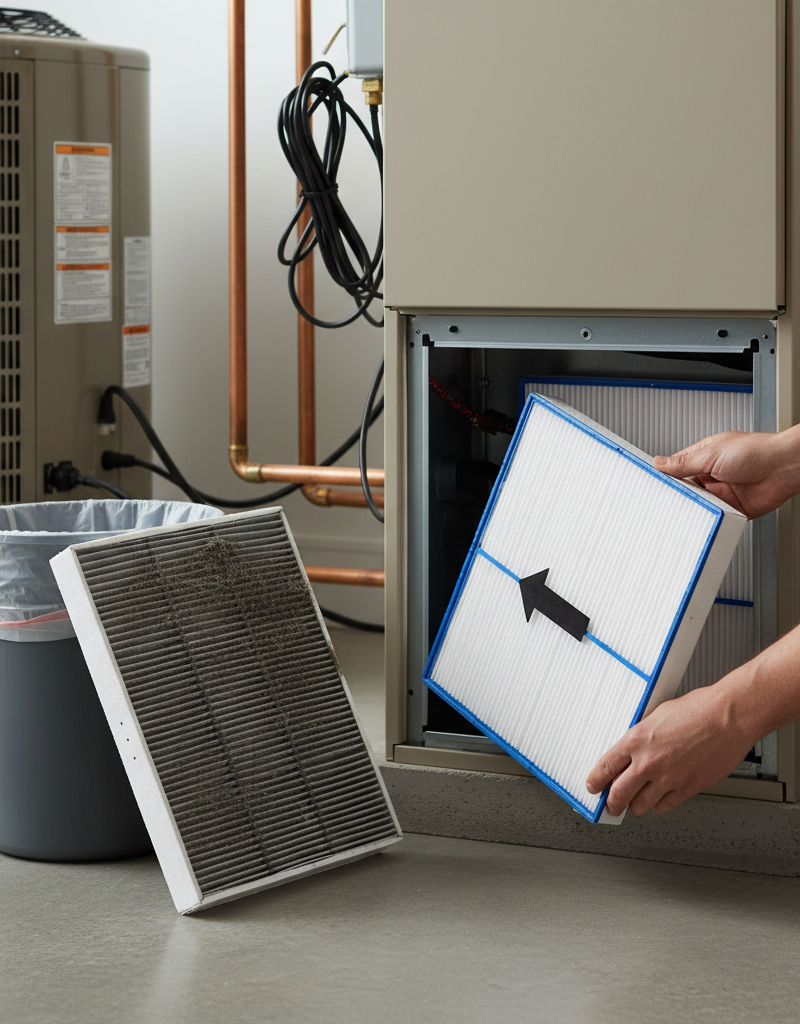
Note the Filter Size and Airflow Direction — Before pulling out the old filter, take note of its dimensions (e.g., 20x25x1) printed on the frame. Also, observe the arrow on the filter's frame, which indicates the direction of airflow. The arrow must point towards the furnace/air handler.
- Important: Using the wrong size filter will allow air to bypass the filter, rendering it ineffective and letting dust into your system.
-
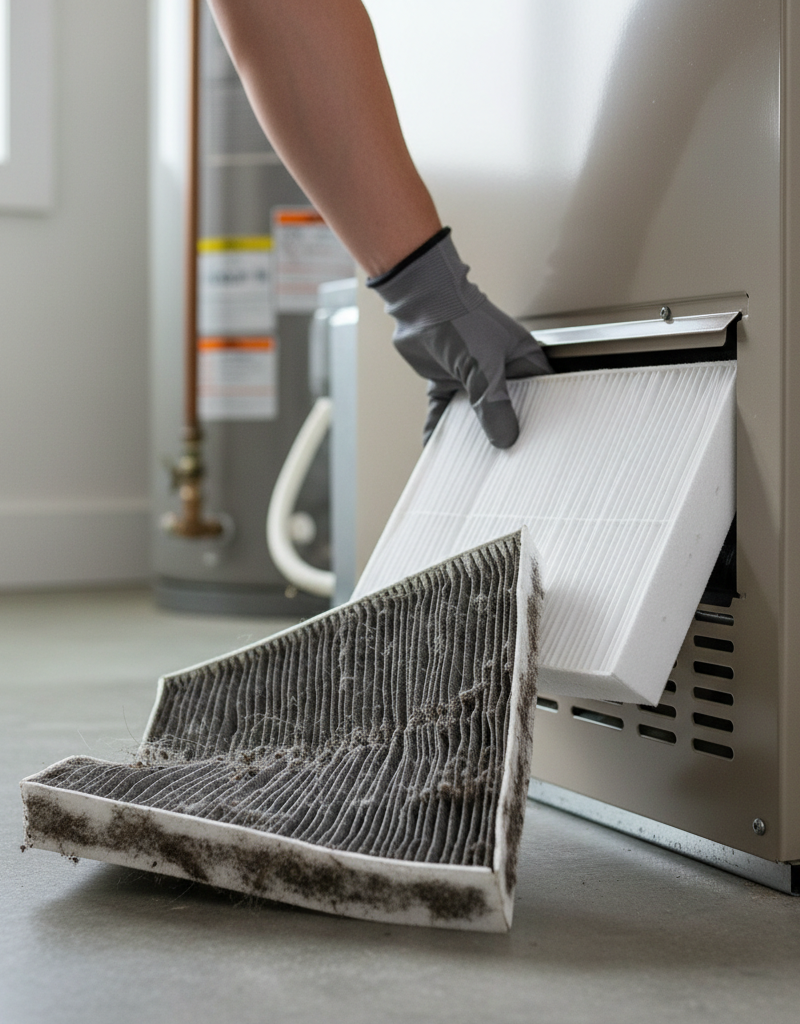
Remove the Old Filter — Slide the old filter straight out from its slot. If it's in a return vent, you might need to unlatch the grill first. Be careful not to dislodge too much dust into your home.
- Health Tip: Wear gloves and a mask if you have allergies or respiratory sensitivities, as old filters can be very dirty.
-
Insert the New Filter — Unwrap your new filter, ensuring it's the correct size and MERV rating for your system. Orient the new filter so the airflow arrow points in the same direction as the old one (towards the furnace/air handler). Slide it smoothly into the slot until it's fully seated.
- MERV Rating: Most residential systems do well with MERV 8-11. Higher MERV ratings (12+) can restrict airflow in older systems not designed for them, potentially causing damage. Consult your HVAC professional if you're considering a high MERV filter.
-
Secure and Restore Power — Close the filter slot or re-latch the return vent grill. Turn the power back on at the furnace switch, then at the thermostat. Set your thermostat to its desired mode (heat or cool) and fan setting (auto).
-
Mark Your Calendar — Make a note of the date you changed the filter. This will help you establish a new routine. Many smart thermostats can also send reminders.
Common Causes
Several factors can accelerate the rate at which your HVAC filter becomes clogged, necessitating more frequent changes than the standard 90-day recommendation:
- Pets: Fur and dander are significant contributors to filter buildup. Homes with multiple pets, or even just one shedding animal, will accumulate debris much faster.
- Allergies/Asthma: If anyone in your household suffers from allergies or asthma, maintaining cleaner air is paramount. A clogged filter will recirculate allergens, worsening symptoms. More frequent changes (e.g., monthly) ensure better air quality.
- Occupancy: More people living in a home generate more dust, skin cells, and tracked-in debris. A single person's home will typically have less airborne particulate matter than a bustling family of five.
- Renovations/Construction: Even minor home projects like sanding drywall, cutting wood, or demolishing old structures release a massive amount of fine dust into the air. During and immediately after such projects, your filter will clog very quickly.
- Open Windows/Doors: If you frequently leave windows and doors open, especially during seasonal changes, your home is exposed to more outdoor pollen, dust, and pollutants that your HVAC system will filter out.
- Smoking Indoors: Smoke particles, even from vaping, contribute heavily to filter clogging and can leave residue on HVAC components.
- Candles/Fireplaces: Burning candles, especially scented ones, and using wood-burning fireplaces or stoves release soot and particulate matter that filters will capture.
- Geographic Location: Homes near busy roads, construction sites, or in areas with high pollen counts or wildfire smoke will draw in more contaminants.
- Filter Type (MERV Rating): Higher MERV filters (e.g., MERV 11-13) are more efficient at trapping smaller particles, which means they can also clog faster than lower MERV filters if your home has a lot of airborne debris. While they offer superior air cleaning, they may require more frequent checks.
Common Mistakes
Homeowners often make several mistakes regarding HVAC filters that can lead to reduced system efficiency, diminished indoor air quality, and even costly repairs:
- Ignoring the 90-Day Rule: Thinking the 90-day guideline is set in stone, regardless of home conditions. Your filter needs regular visual inspection, not just calendar-based replacement.
- Buying the Cheapest Filter: Cheaper, low-MERV filters (MERV 1-4) offer minimal protection for your HVAC system and poor air quality. While they are inexpensive, they are also less effective at trapping common pollutants.
- Using Too High a MERV Rating: Assuming a higher MERV is always better. While high-efficiency filters (MERV 12+) capture more microscopic particles, they can also restrict airflow too much for older or standard residential HVAC systems, leading to blower motor strain, reduced system efficiency, and potential damage. Always check your system's manual or consult a pro before upgrading to a very high MERV.
- Forgetting Airflow Direction: Installing a filter backward will still filter air, but it can reduce efficiency and put unnecessary strain on the filter media and potentially the blower motor due to improper pleat orientation against the airflow.
- Not Having a Spare Filter: Waiting until the last minute to buy a filter means you might operate your system with a severely clogged filter for days or weeks, or be forced to buy whatever is available, even if it's not the right size or MERV rating.
- Skipping HVAC Maintenance: Overlooking annual professional HVAC tune-ups. A technician can inspect your filter housing, ductwork, and coils for issues that might contribute to rapid filter clogging or system inefficiency, providing a holistic view of your system's health.
Cost & Time Breakdown
| Task | DIY cost | Pro cost | Time |
|---|---|---|---|
| Purchase new filter | $5–$30 (per filter) | $5–$30 (per filter) | N/A |
| Replace filter | $0 | $20–$50 (as part of service call) | 2–5 minutes |
| Professional HVAC inspection | N/A | $80–$200 | 30–60 minutes |
| Emergency service for clogged filter issues (e.g., frozen coil) | N/A | $150–$500+ | 1–3 hours |
Tips & Prevention
- Visual Inspection is Key: Don't just rely on a calendar. Visually check your filter monthly. If it looks grey, fuzzy, or visibly clogged with dust and debris, it's time for a change, regardless of how recently you changed it.
- Set Reminders: Use your smartphone calendar, smart thermostat, or simply write the date on the filter frame with a marker to remind yourself when the next change is due. For most homes, a 30-day check and a 60-90 day replacement is a good starting point.
- Stock Up: Buy filters in multi-packs or when they are on sale to always have the correct size and MERV rating on hand. This prevents delays and ensures you never have to operate your system with a dirty filter.
- Vacuum Regularly: Regular vacuuming (especially with a HEPA filter vacuum) and dusting reduces the amount of airborne particulate matter that your HVAC system needs to filter, extending filter life.
- Seal Ducts: Leaky ductwork can pull unfiltered air from attics, crawlspaces, and wall cavities, introducing more dirt and dust into your system and through your filter. Consider professional duct sealing to improve indoor air quality and efficiency.
- Consider Air Purifiers: For homes with severe allergies, consider supplementing your HVAC filter with standalone HEPA air purifiers in frequently used rooms. This can reduce the load on your HVAC filter and provide even cleaner air.
- Monitor Energy Bills: A sudden increase in energy consumption without a corresponding change in usage patterns can be a sign of a clogged filter forcing your system to work harder. Comparing bills month-to-month can be a good indicator.
When to Call a Professional
While changing your HVAC filter is a straightforward DIY task, there are specific situations where calling a licensed HVAC professional is warranted. If you notice a significant decrease in airflow even after changing the filter, or if your system is making unusual noises, it could indicate a deeper problem like a failing blower motor, a blocked duct, or a seriously dirty evaporator coil. If your air conditioner's outdoor unit is running but the indoor unit isn't blowing much air, or if you see ice forming on the refrigerant lines, these are often signs of a severely restricted system due to prolonged filter neglect, and attempting to diagnose or fix these issues yourself can cause further damage. Furthermore, if you're experiencing persistent allergy symptoms despite frequent filter changes and a high MERV rating, a professional can assess your entire duct system for mold growth or other contaminants that a filter alone cannot address. They can also recommend and install advanced filtration systems or inspect for duct leaks that are compromising your indoor air quality. Never hesitate to call a professional if you suspect a problem beyond a simple filter change, as their expertise can prevent costly repairs and ensure your system operates safely and efficiently.
Related Articles
Keep troubleshooting with these hand-picked guides from FixlyGuide:
- The #1 Mistake Homeowners Make With HVAC Filters (And How Often to Really Change Them) — Discover the crucial mistake most homeowners make with HVAC filters and the specific schedule you should follow to avoid costly HVAC issues…
- The #1 HVAC Mistake Making Your Energy Bills Soar (It's Not What You Think) — Discover the crucial HVAC filter mistake that's quietly inflating your energy bills and damaging your system, and how a simple change can s…
- Bathroom fan smell? 3 hidden culprits for mold & moisture — A musty smell from your bathroom fan often signals trapped moisture and mold growth in the fan housing or ductwork, a fixable issue that ha…
- What's That Burning Dust Smell When Your Heat Kicks On? The HVAC Secret — That weird smell when your furnace starts isn't always serious, but understanding its cause can prevent bigger issues and improve home air…
- The #1 Reason Your AC Blows Warm Air (And It's Not What You Think) — Discover the most common and often overlooked reason your AC might be blowing warm air, and how a simple capacitor fix can restore cool air.
- The 3 Hidden Reasons Your Gas Burner Won't Light (Beyond a Clog) — Before you call a technician, discover the most common culprits behind a gas stove burner that refuses to ignite and learn how to fix them…
Get the print-ready PDF of this guide
A clean, ad-free, printable version you can keep on your phone or pin to the workshop wall. We'll also send occasional weekly tips matched to your home situation.
- Print-optimized layout
- Tools, materials & every step included
- Unsubscribe anytime
Frequently asked questions
How often should I change my HVAC filter if I have pets?+
If you have one or more pets, especially shedding ones, you should check your HVAC filter monthly and typically replace it every 30 to 60 days to maintain good indoor air quality and system efficiency.
Can a dirty HVAC filter increase my energy bill?+
Yes, absolutely. A dirty HVAC filter restricts airflow, forcing your furnace or air conditioner to work harder and longer to heat or cool your home, which directly leads to increased energy consumption and higher utility bills.
What MERV rating is best for my home?+
For most residential homes, a MERV rating between 8 and 11 offers a good balance of air filtration and adequate airflow. Higher MERV ratings (12-16) filter more particles but can restrict airflow in older systems, potentially causing damage. Always check your system's specifications or consult an HVAC professional before using a very high MERV filter.
What's the arrow on my air filter for?+
The arrow on your air filter indicates the direction of airflow. When installing, ensure the arrow points towards your furnace or air handler (the unit that heats or cools the air), not towards the return air duct.
Can I wash and reuse my HVAC filter?+
Most standard residential HVAC filters are disposable and designed for one-time use. While some specialized, reusable filters are available, they require specific cleaning instructions. Do not attempt to wash and reuse a disposable filter, as it will likely damage the filtration media and reduce its effectiveness.
Discussion
Loading comments…