Tools & materials you'll need
Affiliate linksAs an Amazon Associate FixlyGuide earns from qualifying purchases — at no extra cost to you. Prices and availability are accurate as of publication and subject to change.
Quick Answer
If your house feels uncomfortably humid despite your air conditioner running, the problem often stems from your AC unit not effectively removing moisture from the air. This can be due to an oversized unit cycling too quickly, a dirty evaporator coil hindering condensation, a blocked condensate drain preventing water removal, low refrigerant levels reducing cooling capacity, or leaky ductwork pulling in unconditioned, humid air. Addressing these specific issues can restore your home's comfort.
The Problem
You walk into your home on a hot summer day, relief washing over you as you feel the cool air from your AC system. Yet, an hour later, you're still clammy, your skin feels sticky, and towels just won't dry. The air itself feels heavy, oppressive, even though the thermostat insists the temperature is right where you want it. This frustrating scenario—a house that's humid even with the AC running—is a common complaint that many homeowners face. It’s more than just an annoyance; high indoor humidity can lead to a host of problems, from uncomfortable living conditions and higher energy bills to the growth of mold and mildew, which can trigger allergies and respiratory issues. The underlying issue is that while your AC is cooling, it's failing at its equally important secondary job: dehumidification. Understanding why this happens is the first step to reclaiming comfort and preventing more serious home health problems.
Sustained indoor humidity levels above 50-60% create an ideal environment for dust mites, mold spores, and bacteria to thrive. You might notice a musty odor, condensation on windows or cold pipes, peeling paint, or even warped wooden floors. The key is recognizing that your AC's struggle isn't necessarily about its ability to cool the air, but rather its inability to dry it. A properly functioning AC should maintain both a comfortable temperature and a reasonable humidity level, typically between 30% and 50% relative humidity. When this balance is off, it's a clear sign that a specific component or aspect of your HVAC system is compromised.
How It Works
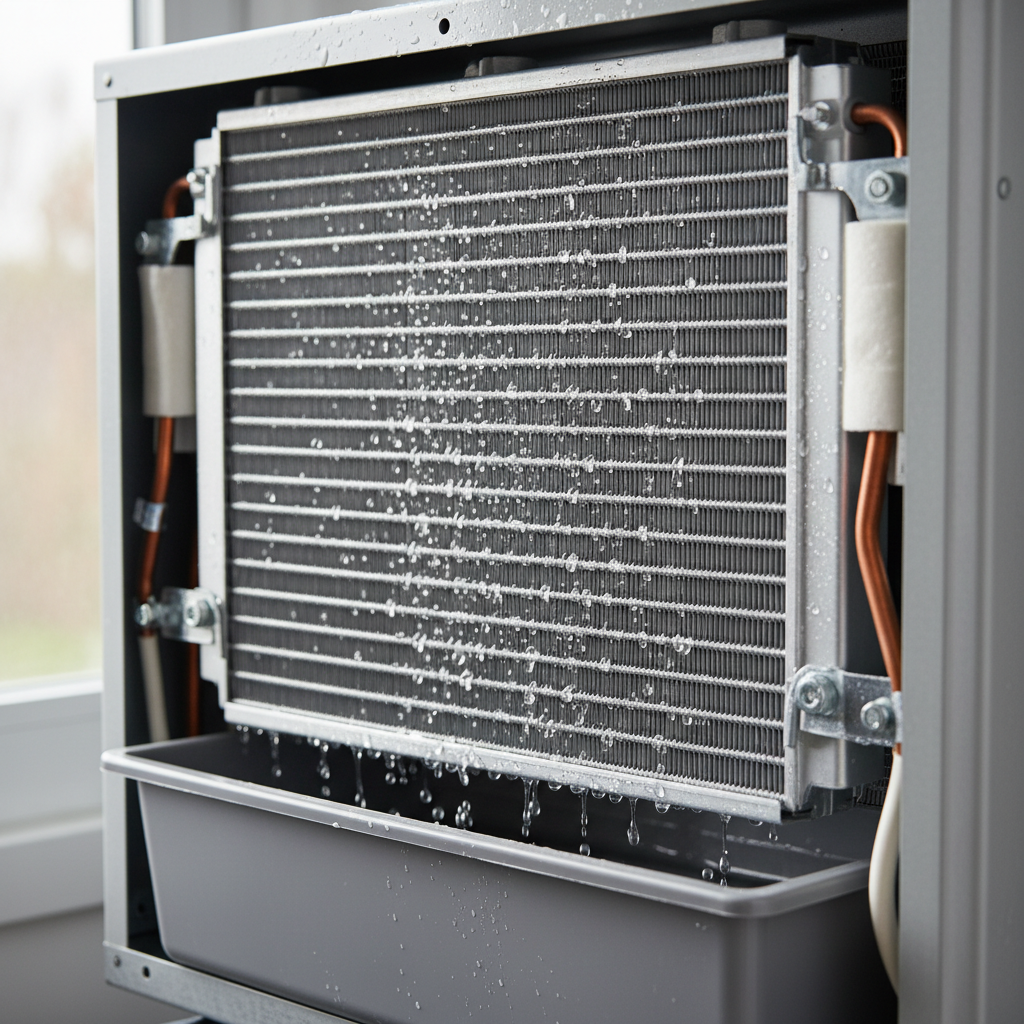
To understand why your AC might be failing to dehumidify, it helps to know how it should work. An air conditioner is essentially a giant dehumidifier. Its core function relies on the principles of refrigeration. Warm, humid indoor air is drawn into your AC system through the return vents. This air travels to the indoor unit, typically located in your basement, attic, or a utility closet, where it passes over the evaporator coil. The evaporator coil contains a super-chilled refrigerant that absorbs heat from the air. This process cools the air, but the magic for dehumidification happens next: as the warm, humid air makes contact with the cold surface of the coil, the moisture suspended in the air condenses into liquid water, much like dew forming on a cold glass.
This condensed water then drips into a drain pan located beneath the evaporator coil. From the drain pan, it flows through a condensate drain line, typically a PVC pipe, and is safely discharged outside or into a household drain. Meanwhile, the now-cooled and dehumidified air is blown back into your home through the supply ducts. The refrigerant, having absorbed heat, travels to the outdoor unit (the condenser), where it releases the heat to the outside air, then cycles back to the evaporator coil to repeat the process.
When your AC runs, it should cycle on for long enough periods to effectively complete this heat exchange and moisture condensation. If the unit is too large, it might cool the house quickly and shut off before it has a chance to remove a significant amount of moisture. If the evaporator coil is dirty, the heat exchange is less efficient, and condensation may be reduced. If the drain line is clogged, water backs up, potentially causing issues with the system's ability to remove more moisture or even triggering a safety shut-off. Any interruption or inefficiency in this carefully balanced cycle can lead to your home feeling uncomfortably humid, even if the temperature seems adequate.
Step-by-Step Fix
1. Check Your Air Filter — A dirty filter restricts airflow, impacting both cooling and dehumidification.
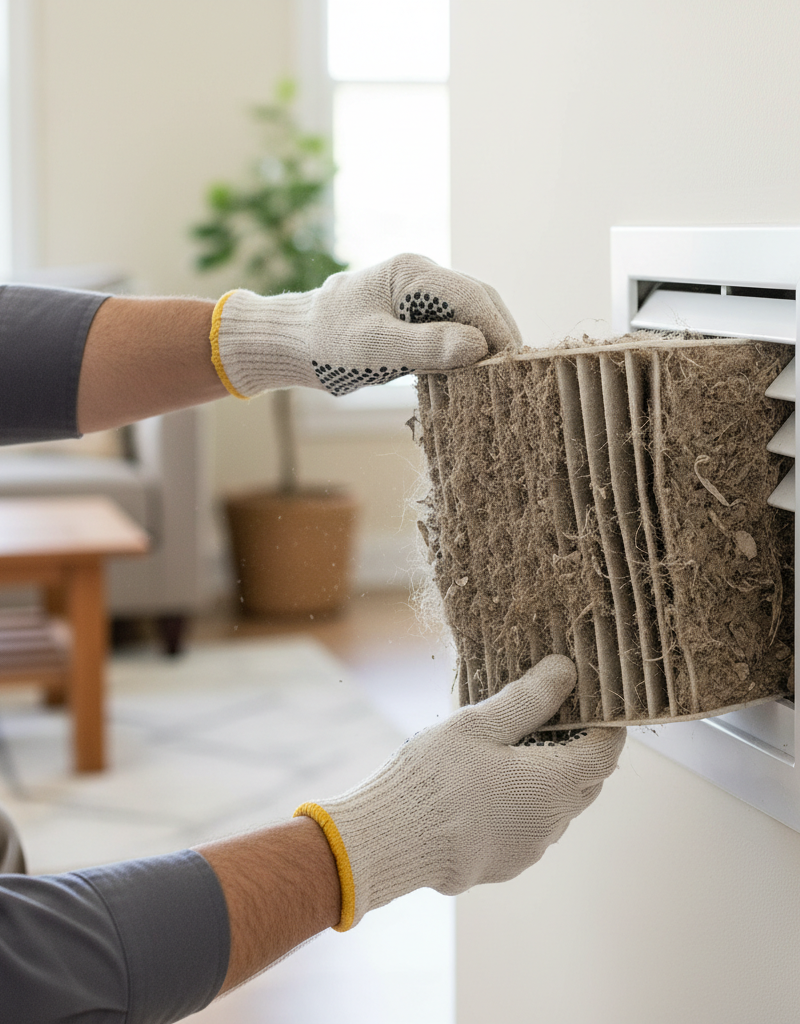
Locate your return air vent (often a large grill on a wall or ceiling) or the filter slot at your indoor air handler. Remove the old filter and hold it up to a light source. If you can't see light through it, it's too dirty and needs replacing. A clogged filter forces your AC to work harder, reducing efficiency and potentially causing the evaporator coil to freeze, which severely hinders moisture removal. Replace with a new, appropriately sized MERV-rated filter (typically MERV 8-11 for residential use) every 1-3 months.
2. Inspect the Condensate Drain Line — A clogged drain line prevents water removal, leading to backed-up moisture.
Find the small PVC pipe (usually 3/4 inch in diameter) extending from your indoor AC unit to a drain or outdoors. Look for standing water in the drain pan beneath the evaporator coil. If the pipe is clear, water should be steadily dripping out of the end while the AC runs. If no water is draining or if you see algae/slime, the line is likely clogged. You can try to clear a minor clog by pouring a cup of distilled vinegar down the access port (a small T-shaped pipe with a cap) near the condensate pan. Let it sit for 30 minutes, then flush with water. For stubborn clogs, a wet/dry vac can be used to suction out the blockage at the outdoor end of the pipe.
3. Clean the Evaporator Coil — A dirty coil can't condense moisture effectively, causing humidity.
Safety Note: Always shut off power to your indoor and outdoor AC units at the thermostat and the electrical breaker box before attempting any work. The evaporator coil is located inside your indoor air handler. After removing the access panel, you'll see the A-shaped or N-shaped coil. If it's covered in a layer of dust, dirt, or mold, it will impede heat transfer and moisture condensation. Use a soft brush and a foaming no-rinse evaporator coil cleaner (available at most hardware stores or HVAC supply shops). Spray the cleaner generously on the coils, letting it penetrate and drip into the drain pan. The cleaner will typically break down the grime, which will then flush out with the condensate. Do NOT bend the delicate fins.
4. Check for Duct Leaks — Leaky ducts pull in unconditioned, humid air, overwhelming your AC.
Inspect visible ductwork in your attic, basement, crawl space, or utility room for gaps, cracks, or loose connections. Pay close attention to connections at the air handler, supply vents, and return vents. When return ducts leak, they draw in hot, humid air from unconditioned spaces (like an attic), which then gets distributed throughout your home. Supply duct leaks dump conditioned air into unconditioned spaces. Use metallic foil tape (not duct tape, which degrades) to seal any small gaps or tears. For larger holes or professional-grade sealing, mastic sealant can be applied with a brush. Feel for active air leaks with your hand while the AC is running.
5. Consider Your Thermostat Settings — Short-cycling AC units don't run long enough to remove sufficient moisture.
If your AC unit is oversized for your home, it might cool the space too quickly and shut off before it has completed adequate dehumidification. This leads to shorter run times, known as short cycling. Try lowering your thermostat by 1-2 degrees Fahrenheit to encourage longer run cycles. This allows the evaporator coil more time to condense moisture out of the air. You might also consider a smart thermostat with a 'dehumidify' or 'dry' mode if your current system supports it. Avoid constantly raising and lowering the temperature, as this can also lead to short cycles.
6. Monitor Refrigerant Levels (Professional Only) — Low refrigerant severely impacts cooling and dehumidification efficiency.
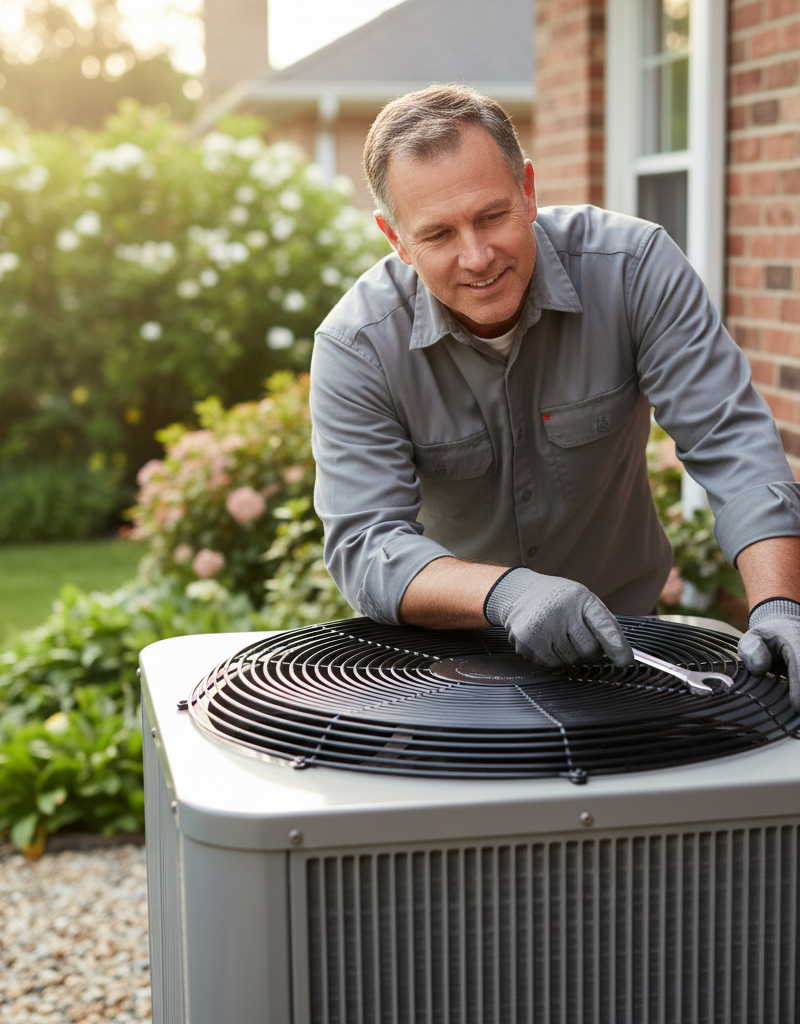
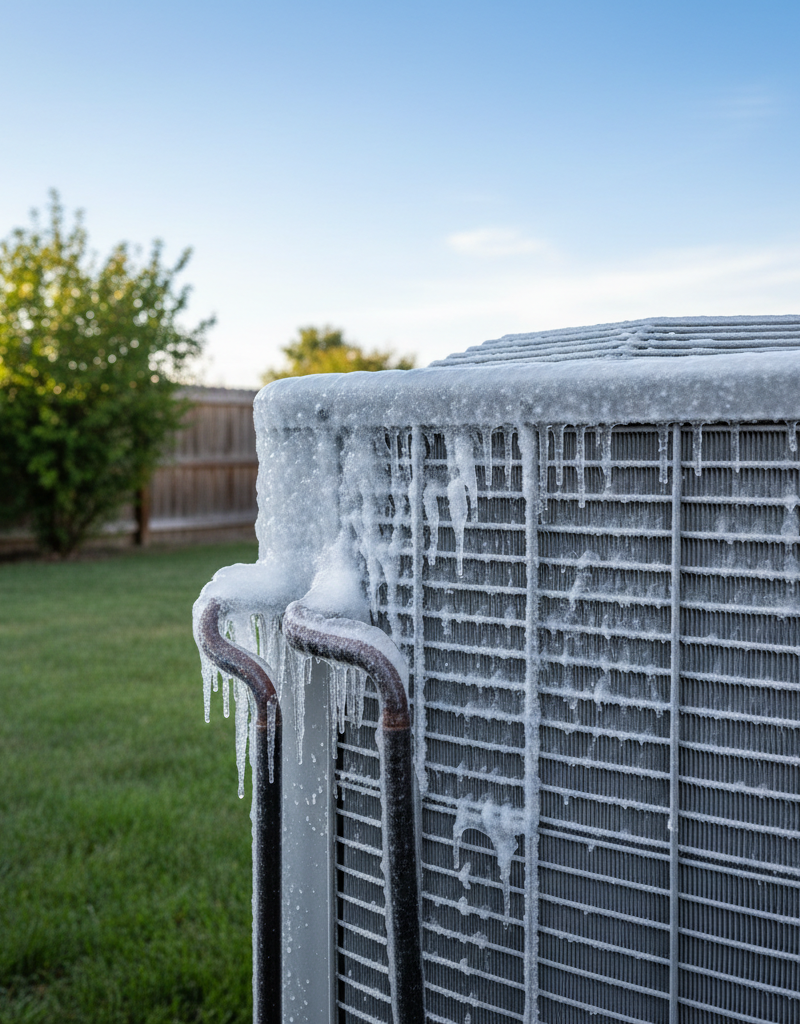
Low refrigerant is a common cause of poor AC performance, leading to reduced cooling and dehumidification. This is typically due to a leak in the sealed system. This is not a DIY fix. Refrigerant is a hazardous chemical that requires specialized tools and training to handle. If you suspect low refrigerant (e.g., your AC blows warm air, the outdoor unit freezes, or you hear a hissing sound), call a licensed HVAC professional immediately. They can accurately diagnose a leak, repair it, and recharge the system to the correct specifications. Overcharging or undercharging with refrigerant can cause significant system damage.
Common Causes
- Oversized AC Unit: A unit that's too powerful for your home will cool the air too quickly and shut off (short-cycle) before it has had enough time to dehumidify the air thoroughly. This is a common design flaw in older or improperly installed systems.
- Dirty Evaporator Coil: The indoor coil needs to be cold and clean to effectively condense moisture. A layer of dust, grime, or mold acts as an insulator, preventing proper heat transfer and reducing the coil's ability to pull moisture from the air.
- Clogged Condensate Drain Line/Pan: The water extracted from the air needs a path to exit the system. If the drain line is clogged with algae, sludge, or debris, water will back up into the pan, potentially triggering a safety switch that shuts off the unit, or simply preventing further moisture removal.
- Low Refrigerant: Refrigerant is the lifeblood of your AC. If levels are low due to a leak, the system cannot reach the necessary temperatures to cool and dehumidify effectively. The evaporator coil might not get cold enough to condense sufficient moisture, or it might even freeze over.
- Leaky Ductwork: Gaps or cracks in your return air ducts, especially if they run through unconditioned spaces like attics or crawl spaces, can draw in hot, humid air from outside your conditioned envelope. This humid air then overwhelms your AC, making it impossible to keep your indoor humidity in check.
- Improper Thermostat Settings: Setting your thermostat too high or manually switching the AC on and off frequently can lead to short cycling, preventing the unit from running long enough to adequately dehumidify.
- Poor Home Sealing/Insulation: While not directly an AC issue, air leaks around windows, doors, and insufficient insulation can allow humid outdoor air to infiltrate your home, making it harder for your AC to maintain consistent humidity levels.
Common Mistakes
- Ignoring the Air Filter: Many homeowners neglect to change their air filter regularly. A dirty filter is the number one cause of reduced airflow and can quickly lead to an ice-covered evaporator coil, drastically reducing dehumidification and potentially damaging the compressor.
- Setting the Thermostat Too High in Humid Conditions: While saving energy is good, setting your AC temperature too high (e.g., above 78°F) in very humid climates can prevent the unit from running long enough to adequately dehumidify, even if the temperature feels okay. A balance is key.
- Using Duct Tape for Duct Repairs: Standard cloth duct tape is not designed for sealing HVAC ductwork. It degrades over time, loses adhesion, and falls off. Always use UL-listed metallic foil tape or mastic sealant for durable duct repairs.
- Attempting DIY Refrigerant Recharging: This is a serious mistake. Refrigerant is a controlled substance and requires specific tools and EPA certification to handle safely. Adding refrigerant without addressing a leak is a temporary fix and can damage your system if done incorrectly. It's a job for a pro.
- **Thinking
Related Articles
Keep troubleshooting with these hand-picked guides from FixlyGuide:
- Why Your Thermostat Lies: The Real Reason Your Home Won't Hit the Set Temperature — Discover why your thermostat struggles to reach the set temperature and learn actionable steps to diagnose and fix common HVAC issues.
- The Hidden Reason Your AC Freezes — And Why Most Homeowners Get It Wrong — Discover the surprising truth behind why your outdoor AC unit is freezing up and the common mistake homeowners make when trying to fix it.
- Why Your House is Humid Despite AC & How to Fix It — Even with your AC running, high indoor humidity can make your home uncomfortable. Often, common issues like oversized units or clogged filt…
- The #1 Mistake Homeowners Make When Heat Pumps Stop Heating in Winter — Discover the crucial mistake most homeowners make when their heat pump struggles in cold weather and how to fix it, potentially saving hund…
- The #1 Mistake Homeowners Make When Their AC Won't Turn On (And the Easy Fix) — Learn the most common oversight homeowners make when their AC won't turn on and how to troubleshoot basic issues to restore cooling.
- The Secret Reason Your Toilet Clogs Every Few Days (It’s Not What You Think) — Frequent toilet clogs often point to issues beyond simple blockages, from vent pipe problems to a failing flush mechanism, demanding a clos…
Frequently asked questions
Why is my AC cooling but not dehumidifying?+
Your AC might be cooling but not dehumidifying because it's oversized for your home, causing it to short-cycle and not run long enough to extract sufficient moisture. Other causes include a dirty evaporator coil, a clogged condensate drain, or low refrigerant levels.
What is the ideal indoor humidity level?+
The ideal indoor humidity level for comfort and health is typically between 30% and 50% relative humidity. Levels above 60% can promote mold growth and feel uncomfortably sticky.
Can a dirty air filter cause high humidity?+
Yes, a dirty air filter can restrict airflow, causing your AC's evaporator coil to freeze up. A frozen coil cannot effectively condense moisture from the air, directly leading to higher indoor humidity.
When should I call an HVAC professional for high humidity?+
You should call an HVAC professional if you've checked the common DIY fixes (filters, drain line, visible duct leaks) and the problem persists. Persistent issues like low refrigerant, a constantly freezing coil, or improper AC unit sizing require professional diagnosis and repair.
Discussion
Loading comments…