Tools & materials you'll need
Affiliate linksAs an Amazon Associate FixlyGuide earns from qualifying purchases — at no extra cost to you. Prices and availability are accurate as of publication and subject to change.
Quick Answer
Your toilet probably clogs every few days due to a partial obstruction in the trapway, issues with the tank components preventing a full flush, or a blocked vent pipe. Addressing these issues usually involves a thorough cleaning of the toilet bowl jets and trapway, replacing old flapper valves, or clearing the plumbing vent on your roof.
The Problem
You flush the toilet, and everything seems fine, only for it to back up a day or two later. It's not a complete stoppage, but rather a sluggish drain that eventually gives up and creates an overflowing mess. This recurring nightmare suggests a persistent problem rather than a one-off clog from too much toilet paper. The underlying issue is often a partial obstruction that disrupts the water flow and waste removal, or an improper flush that lacks the necessary power to carry waste through the drain system. Understanding the mechanics of your toilet and its associated plumbing is crucial for pinpointing and solving this frustrating, repetitive problem.
How It Works
To understand why a toilet clogs, it helps to know how it’s designed to work. When you press the flush handle, it lifts a chain connected to a flapper or flush valve at the bottom of the toilet tank. This opens a large hole, allowing a rush of water to enter the toilet bowl. This water, driven by gravity and the carefully designed shape of the bowl, creates a siphoning action. The water flows from the tank into the rim of the bowl, exiting through small holes (rim jets) and a larger opening at the bottom of the bowl (the siphon jet). This powerful rush of water is directed down into the S-shaped trapway, a curved passage designed to hold water and create a seal that prevents sewer gases from entering your home.
The force of the water from the tank, combined with the siphoning action, pulls the waste through the trapway and into the main drainpipe. From there, gravity continues to carry the waste through your home's plumbing system to the sewer line or septic tank. A critical, often overlooked, component in this system is the vent pipe. This pipe extends from your drain system through the roof of your house. Its purpose is to introduce air into the drainpipes, preventing a vacuum from forming behind the draining water. Without proper venting, the siphoning action within the toilet can be disrupted, leading to a weak flush and incomplete waste removal, which, over time, contributes to frequent clogging.
Any disruption to this delicate balance – a weak flush, a partial obstruction in the trapway, or a blocked vent – can prevent the waste from being fully carried away, causing it to accumulate and eventually lead to a recurring clog.
Step-by-Step Fix
1. Evaluate the Flush Strength — *Ensure adequate water flow from the tank.
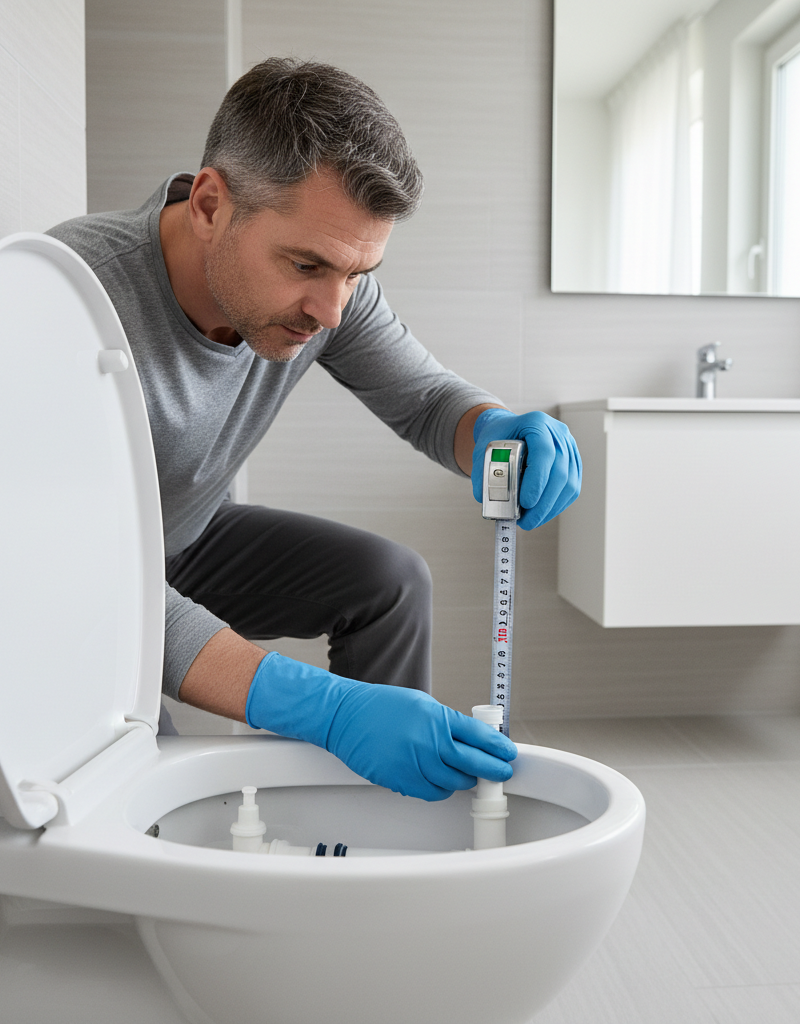
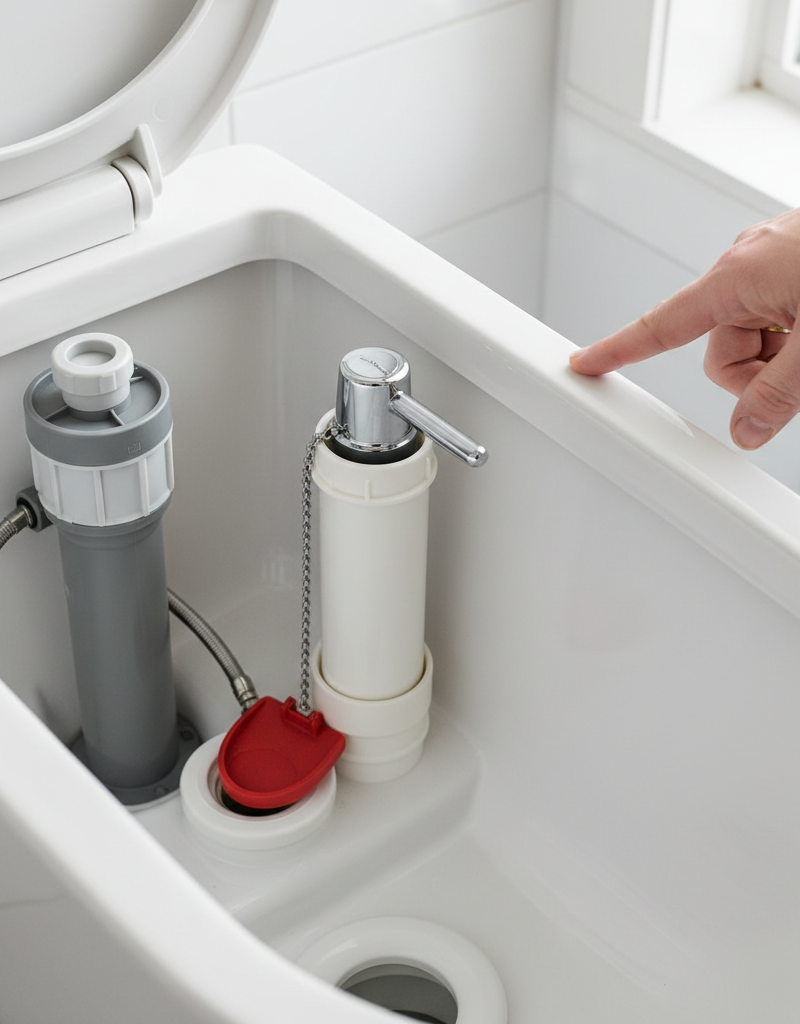
Observe a full flush without any waste. Does the water swirl powerfully and quickly down the bowl, creating a strong siphon? Or is it sluggish? If the flush is weak, check the water level in the tank – it should be about 1 inch below the overflow tube. Adjust the fill valve if needed to increase the water level. Also, inspect the flapper or flush valve for wear or damage. A worn flapper might be closing too soon, cutting off the water supply before a full flush can complete.
- If the water level is low: Adjust the float on the fill valve to raise the water level to about 1 inch below the top of the overflow tube.
- If the flapper is worn: Replace it with a new, matching flapper. Ensure the chain has about 1/2 inch of slack when the flapper is closed.
2. Inspect the Rim Jets and Siphon Jet — *Clear mineral deposits and debris from water outlets.
Over time, mineral deposits (lime and rust) can build up in the small holes under the toilet rim (the rim jets) and the larger siphon jet at the bottom of the bowl. These blockages prevent sufficient water from entering the bowl during a flush, weakening the siphon action. Use a small mirror to inspect the rim jets. Scrape out any visible deposits with a bent wire hanger or an Allen wrench. For the siphon jet, use a stiff brush or a dental pick.
- Safety Note: Wear eye protection when working with cleaners or scraping in confined spaces.
- Cleaning tip: Pour a cup of white vinegar into the overflow tube in the tank and let it sit for 30 minutes to an hour before flushing. This can help dissolve mineral buildup.
3. Clear the Trapway — *Remove any partial obstructions hindering waste flow.
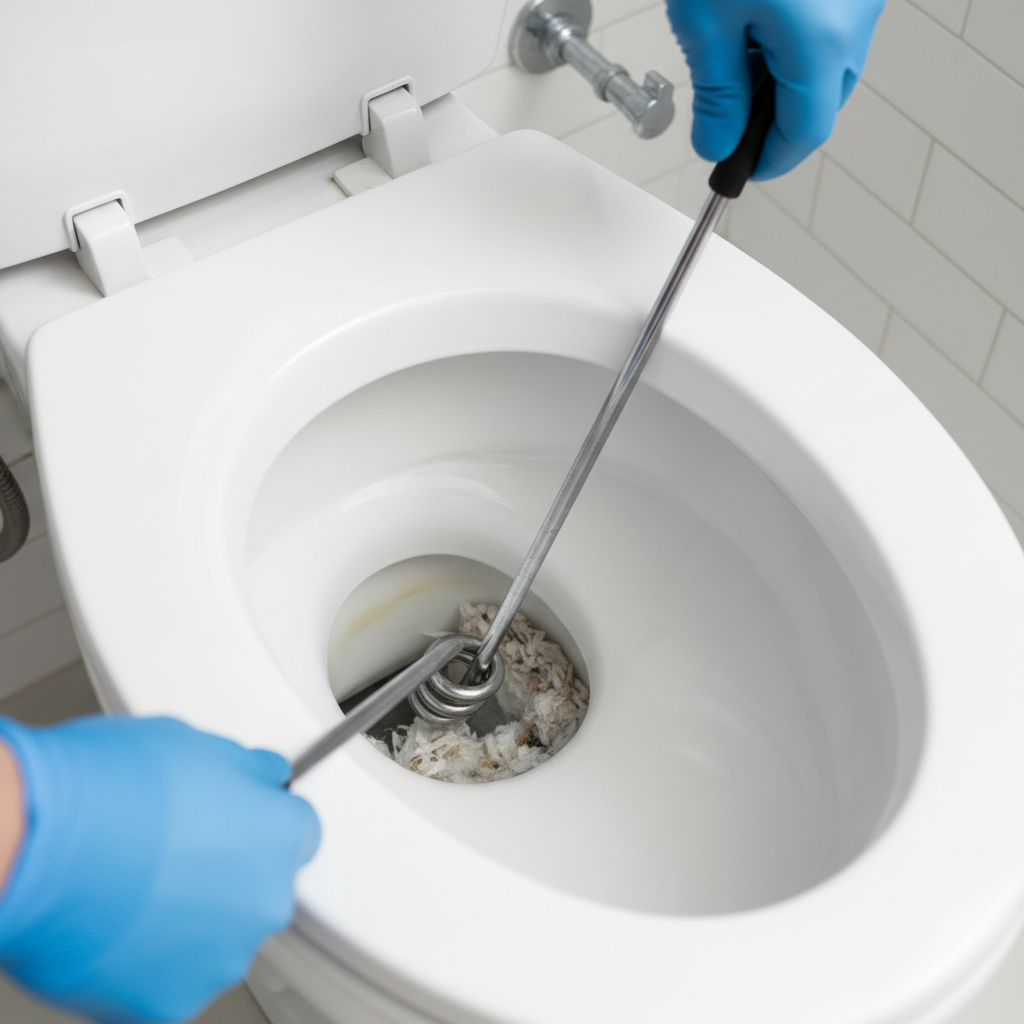
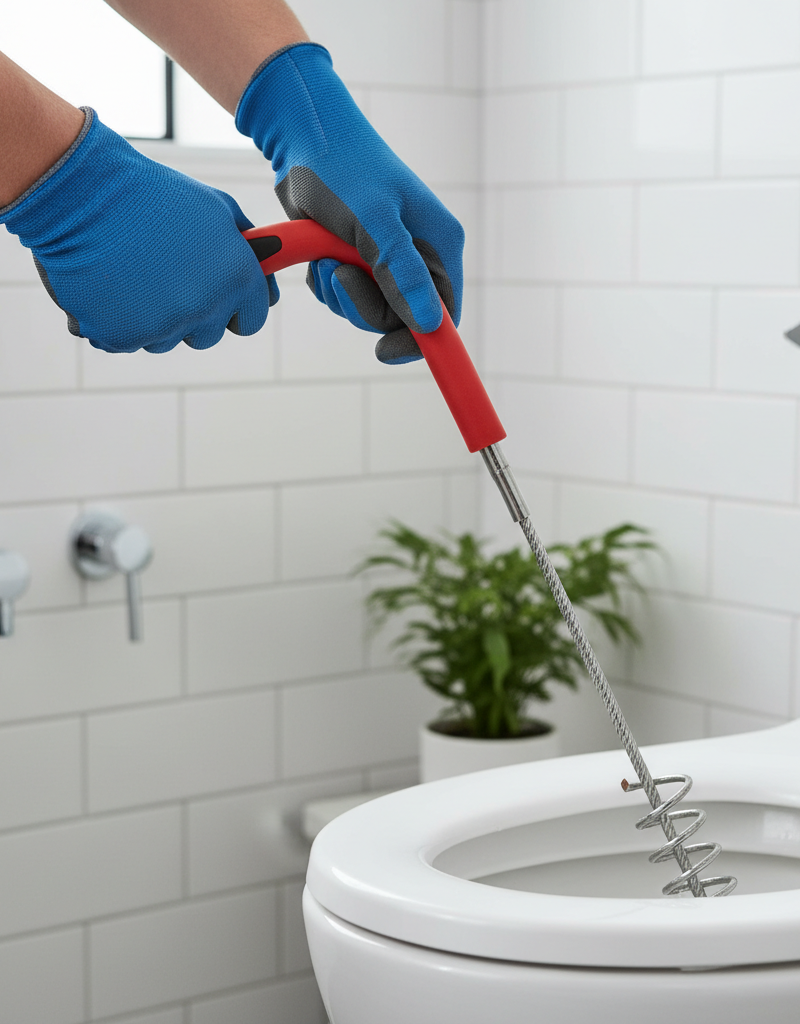
Even small objects like dental floss, hair, or small toys can get caught in the toilet's trapway, creating a recurring partial blockage that allows some water to pass but holds back solid waste. Start by using a toilet plunger. Ensure a good seal over the drain hole and plunge vigorously 10-15 times. If plunging doesn't work, a toilet auger (closet auger) is designed to navigate the trapway without scratching the porcelain. Insert the auger into the drain, crank the handle, and slowly push it through the trapway until you feel resistance. Rotate and pull back to clear the obstruction.
- If using a plunger: Use a bell-shaped plunger, as it creates a better seal than a cup plunger for toilets.
- If using an auger: Work slowly and gently to avoid damaging the porcelain. You might need to retrieve the auger a few times to clear accumulated debris.
4. Check the Toilet Flange — *Look for wax ring or flange damage.
The toilet flange is the pipe fitting that secures the toilet to the floor and connects it to the drainpipe. A damaged wax ring or a poorly seated toilet can cause a weak flush and recurring clogs due to a loss of the airtight seal needed for proper siphoning. If you suspect this, you'll need to remove the toilet to inspect the wax ring and flange. This is a more involved step, so try the previous steps first.
- Pro Tip: If you remove the toilet, always replace the wax ring with a new one; they are designed for single use.
5. Inspect the Vent Pipe — *Clear blockages in the roof vent to improve drainage.
A clogged vent pipe is a common, but often overlooked, cause of frequent clogs and slow drains throughout your home. Leaves, bird nests, or even dead animals can block the opening of the vent pipe on your roof. When this happens, air can't enter the drain system, leading to a vacuum that fights against the draining water, resulting in a weak, gurgling flush and recurring clogs. This is a job that often requires attic access or working on the roof.
- Safety Note: High-volume work on roofs or in attics can be dangerous. Use a sturdy ladder, have a spotter, and exercise extreme caution. If you are uncomfortable working at heights, call a professional.
- Inspection: On a clear day, look down the vent pipe from the roof. You might see the obstruction. Use a powerful flashlight.
- Clearing: Carefully use a plumber's snake or a garden hose to clear the blockage. If using a garden hose, make sure you have someone inside listening to ensure you don't create a flood if the blockage is lower down.
6. Consider Main Drain Issues — *Rule out wider plumbing system problems.
If only one toilet is affected, the problem is likely localized. However, if multiple drains in your home are slow or frequently clogging (e.g., sink drains, shower drains), the issue might be a partial blockage in the main drain line. This is a more serious problem and usually requires professional intervention.
- Warning Sign: Gurgling sounds from other drains when flushing the toilet often indicate a main line issue.
- Professional Help: Do not attempt to clear main sewer line blockages yourself unless you have experience and specialized equipment. Call a licensed plumber.
Common Causes
- Partially Clogged Trapway: The most common culprit. Accumulation of non-flushable items (wipes, feminine hygiene products, excessive toilet paper) or even small toys can create a partial blockage that lets some water pass but retains solid waste.
- Weak Flush: Insufficient water entering the bowl during a flush, caused by a low water level in the tank, a faulty flapper that closes too fast, or mineral deposits clogging the rim and siphon jets.
- Blocked Vent Pipe: A clogged plumbing vent on the roof prevents air from entering the drain system, creating a vacuum that impedes proper drainage and siphoning.
- Worn or Damaged Flapper/Flush Valve: An old or warped flapper might not seal properly or might close prematurely, leading to an incomplete flush.
- Hard Water Buildup: Mineral deposits from hard water can narrow the trapway and clog the rim jets over time, reducing flushing efficiency.
- Improper Toilet Installation: A loose or improperly seated toilet or a damaged wax ring can break the airtight seal required for a strong siphon.
Common Mistakes
- Ignoring the Vent Pipe: Many homeowners focus solely on the toilet bowl and drain, overlooking the crucial role of the vent pipe. A blocked vent can cause recurring clogs even if the toilet itself is clear.
- Using Too Much Chemical Drain Cleaner: While tempting, chemical drain cleaners can damage pipes, rubber seals, and the toilet's porcelain finish over time. They often only temporarily clear a clog and can make matters worse by creating a hardened blockage.
- Over-relying on a Plunger for Every Clog: A plunger is great for simple clogs, but if it's not working after several attempts, you risk pushing the obstruction further down or creating more pressure on an already compromised system. Switch to an auger or call a pro.
- Flushing "Flushable" Wipes: Despite marketing claims, most "flushable" wipes do not break down like toilet paper and are a major cause of recurrent clogs and sewer system issues.
- Not Checking Tank Components: A weak flush is often the root cause of recurring clogs. Failing to check the water level, flapper, and fill valve in the tank can lead to endless plunging.
- Assuming the Problem is Always in the Toilet: If other drains are also slow, the issue is likely further down the main drain line, and focusing only on the toilet will not solve the problem.
Cost & Time Breakdown
| Task | DIY cost | Pro cost | Time |
|---|---|---|---|
| Clear Rim Jets/Siphon Jet | $0–$5 | $75–$150 | 15–30 mins |
| Replace Flapper/Fill Valve | $10–$30 | $100–$250 | 30–60 mins |
| Augering Trapway | $0–$30 | $150–$300 | 30–60 mins |
| Vent Pipe Clearing (DIY accessible) | $0–$10 | $200–$400 | 1–2 hours |
| Vent Pipe Clearing (Pro high-access) | N/A | $300–$600+ | 1–3 hours |
| Main Line Snaking | N/A | $250–$800+ | 1–4 hours |
Tips & Prevention
- Only Flush Toilet Paper and Human Waste: Educate everyone in the household. "Flushable" wipes, feminine hygiene products, cotton balls, dental floss, and paper towels should never be flushed down the toilet.
- Use Less Toilet Paper (If You Use a Lot): If you find yourself using large wads of toilet paper, consider using less per flush or flushing more frequently.
- Perform Regular Tank Maintenance: Periodically check the water level in your tank and inspect the flapper for wear and tear. Replace worn components before they cause problems.
- Clean Rim Jets Annually: Use a bent wire or vinegar treatment annually to keep the rim and siphon jets clear of mineral buildup, especially if you have hard water.
- Consider a Low-Flow Toilet Upgrade: If your toilet is very old and uses a lot of water per flush but still clogs, it might be an inefficient design. Newer low-flow models are designed for powerful waste removal with less water.
- Address Slow Drains Promptly: Don't let slow drains in other fixtures linger. They can be an early warning sign of a larger main line blockage.
When to Call a Professional
If you've tried clearing the toilet's trapway with an auger, inspected all immediate components, and even checked an accessible vent pipe without success, it's time to call a licensed plumber. Specifically, if you notice gurgling sounds from other drains, slow drainage from multiple fixtures (sinks, showers), or sewage backing up into tubs or showers, these are strong indicators of a main sewer line blockage that requires specialized equipment and expertise. Additionally, if the blockage is deep within the vent pipe and requires working at dangerous heights on the roof or in tight attic spaces, or if you suspect a compromised toilet flange or subfloor damage, a professional plumber has the tools, experience, and insurance to safely and effectively diagnose and repair these more complex issues without risking further damage to your home or personal injury.
Related Articles
Keep troubleshooting with these hand-picked guides from FixlyGuide:
- The 5-Minute Trick to Restore Your Kitchen Sink Sprayer's Lost Pressure — Restore your kitchen sink sprayer's low pressure with a quick, simple trick that often takes less than five minutes and requires no special…
- The Secret Reason Your Toilet Clogs Every Few Days (It’s Not What You Think) — Frequent toilet clogs often point to issues beyond simple blockages, from vent pipe problems to a failing flush mechanism, demanding a clos…
- The 5-Minute Trick to Stop a Dripping Single-Handle Faucet (No Plumber Needed) — A persistent drip from your single-handle faucet is usually caused by a worn-out cartridge, a repair you can typically complete yourself in…
- Why Your Toilet Clogs Every Few Days (And the #1 Mistake Homeowners Make) — A toilet that clogs frequently is a frustrating problem, but often points to a few common culprits that homeowners can diagnose and fix wit…
- The #1 Mistake Homeowners Make When Their AC Drain Clogs (And The $5 Fix) — Discover the most common error homeowners make when tackling a clogged AC drain line and learn a simple, inexpensive solution to prevent co…
- Is Your Gutter Sagging After Every Storm? The Hidden Flaw Most Homeowners Miss — Discover the overlooked reason your gutters sag after every storm and learn the lasting fix that most homeowners miss.
Frequently asked questions
Why does my toilet clog every few days?+
Frequent toilet clogs are commonly caused by a partial obstruction within the toilet's trapway, insufficient water level in the tank leading to a weak flush, or a blockage in the plumbing vent pipe that prevents proper siphoning. Mineral buildup in rim jets can also contribute.
Can a weak flush cause frequent toilet clogs?+
Yes, absolutely. A weak flush means there isn't enough water volume or force to properly move waste through the trapway and into the drain system. This often leads to material accumulating over time, eventually causing recurrent clogs.
How do I know if my toilet vent is clogged?+
Signs of a clogged toilet vent include a gurgling sound from the toilet or other drains when flushing, slow drainage in multiple fixtures, or the toilet water level fluctuating. A truly blocked vent will often cause an immediate, weak, and ineffective flush after clearing the immediate clog.
Should I use chemical drain cleaner for recurring toilet clogs?+
No, it is generally recommended to avoid chemical drain cleaners for recurring toilet clogs. They can be corrosive to your pipes and toilet components, and often only provide a temporary fix while potentially creating harder, more stubborn blockages further down the line. Mechanical clearing methods like plunging or augering are safer and more effective.
When should I call a plumber for a frequently clogging toilet?+
Call a plumber if you've tried clearing the toilet with an auger, checked tank components, and inspected your vent pipe without success. Definitely call a professional if you experience gurgling in other drains, slow drainage from multiple fixtures, or sewage backing up into tubs or showers, as these indicate a main sewer line issue.
Discussion
Loading comments…