Tools & materials you'll need
Affiliate linksAs an Amazon Associate FixlyGuide earns from qualifying purchases — at no extra cost to you. Prices and availability are accurate as of publication and subject to change.
Quick Answer
A slow-filling toilet tank is most often caused by a partially closed shut-off valve, a clogged toilet fill valve, or a blocked water supply line. Checking the shut-off valve is the easiest first step, followed by inspecting and cleaning or replacing the fill valve. These fixes typically require basic tools and can be completed by a homeowner in under an hour.
The Problem
You flush your toilet, and it empties as expected, but then you wait... and wait... as the tank slowly, agonizingly refills. This isn't just an inconvenience; a slowly filling tank means your toilet isn't ready for its next flush as quickly, which can be particularly annoying in busy households. While the symptoms are clear – a weak stream into the tank or prolonged refill times – the underlying causes can range from simple adjustments to the need for a new component. Addressing this issue promptly not only restores your toilet's efficiency but can also prevent further problems down the line, such as a perpetually running toilet if the fill valve struggles to close properly.
How It Works
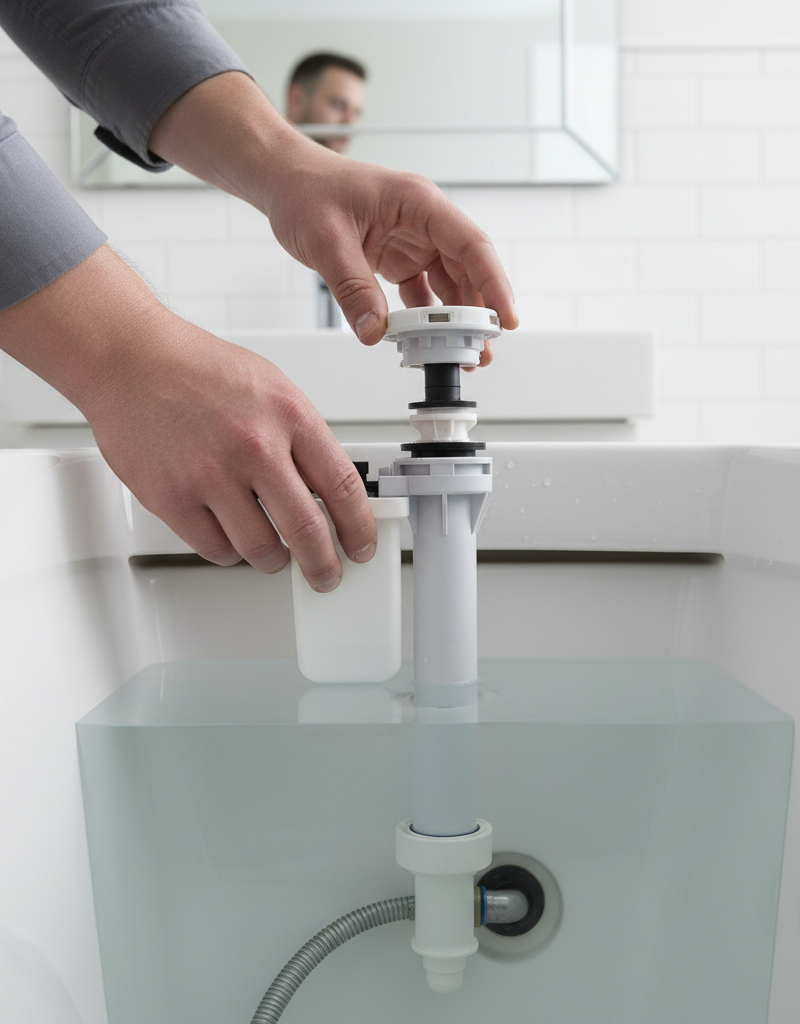
To understand why your toilet tank might be filling slowly, it helps to know how the system is designed to work. When you flush, the water in the tank rushes into the bowl, creating the siphoning action that clears waste. As the tank empties, a float mechanism inside the tank drops, which opens the fill valve. The fill valve is the central plumbing component responsible for refilling the tank with fresh water from your home's main supply line. This valve has a critical inlet port, a diaphragm or piston that regulates water flow, and a float (either a traditional ball float or a more modern cup float) that rises with the water level. As the tank fills, the float rises, gradually closing the fill valve until it completely shuts off the water flow when the tank reaches its predetermined level. Simultaneously, a small amount of water is routed through a refill tube into the overflow pipe, which helps replenish the toilet bowl's water level. Any obstruction or malfunction in this precise dance—from the water supply entering the house to the final shut-off mechanism in the tank—can disrupt the normal, rapid refill process.
Step-by-Step Fix
Safety First! Before working on any plumbing, locate your main water shut-off valve for the house in case of an emergency, and have towels ready.
1. Check the Shut-Off Valve – Ensure maximum water flow.
- Locate the small oval or round handle on the wall, usually behind and beneath the toilet tank. This is your toilet's dedicated shut-off valve. If it's a multi-turn valve, turn it counter-clockwise as far as it will go to ensure it's fully open. If it's a quarter-turn ball valve, ensure the handle is parallel with the pipe. Even a slightly closed valve can restrict water flow and cause slow filling. Some older valves can be stiff; use gentle but firm pressure.
- If this doesn't work: Proceed to the next step.
2. Inspect the Water Supply Line – Look for kinks or blockages.
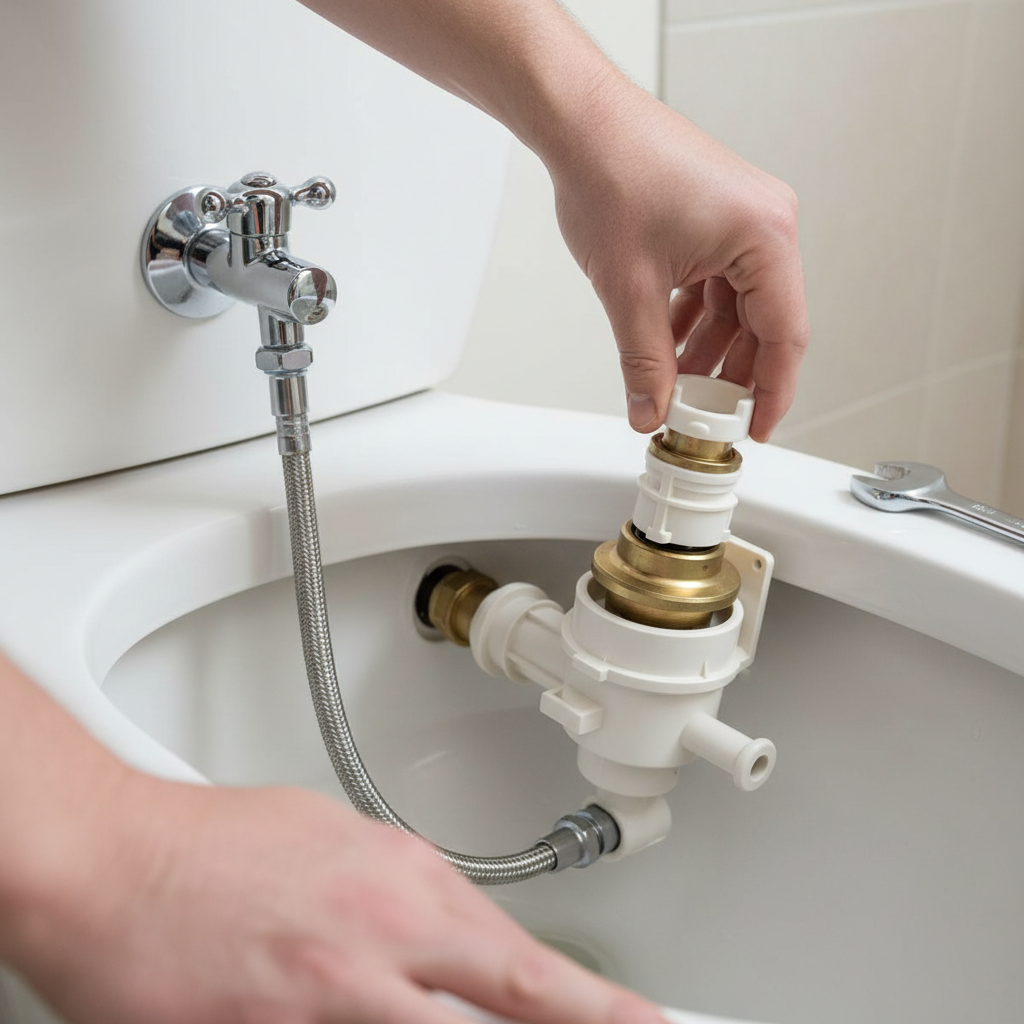
- Examine the flexible or rigid water supply line connecting the shut-off valve to the bottom of the toilet tank. Feel along its length for any kinks or tight bends that could be restricting water flow. If the line is flexible, try gently straightening it. If it's a rigid copper line, inspect for signs of corrosion or crimping. Over time, sediment can also build up inside these lines. You can carefully disconnect the line from the tank (with the shut-off valve closed and a bucket ready) and check for obvious obstructions at the connection point.
- Tools: Adjustable wrench, small bucket
- If this doesn't work: If the line appears clear and no kinks are found, the issue likely lies within the fill valve itself.
3. Clean or Replace the Fill Valve – Address internal blockages or wear.
- Shut off the water: Close the toilet's shut-off valve completely. Flush the toilet to empty the tank as much as possible, holding the handle down to remove maximum water. You may need to use a sponge to remove the last bit of water.
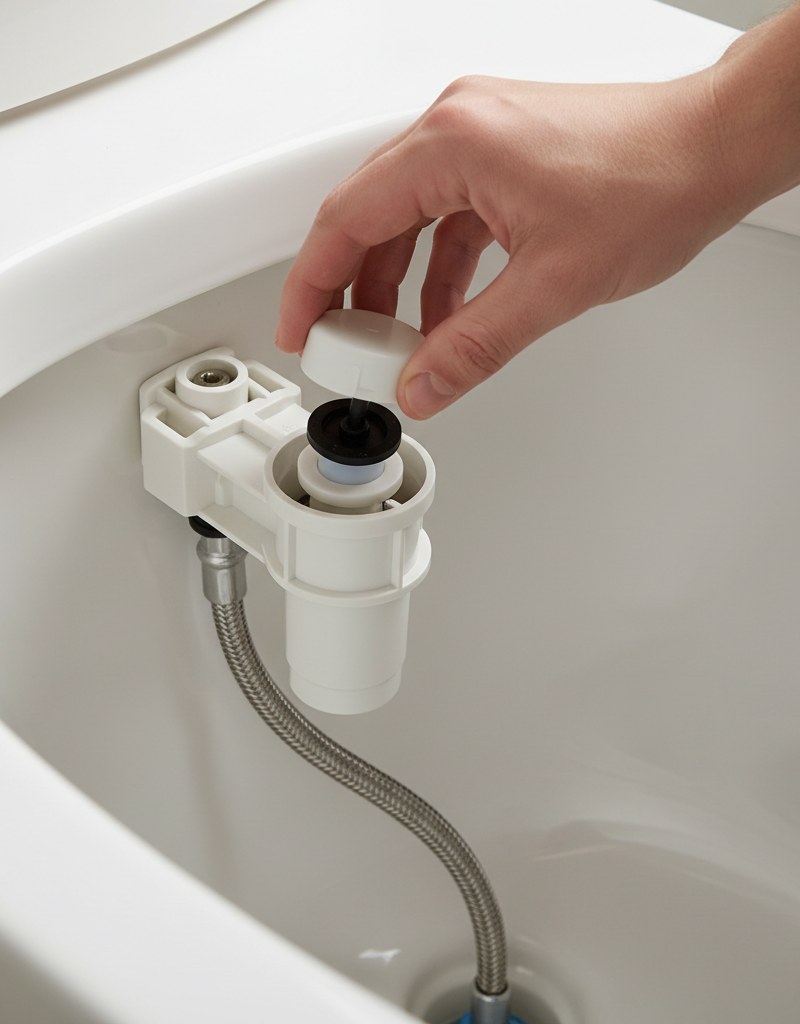
- Remove the fill valve cap: Depending on your fill valve model (Fluidmaster 400A is common), you'll typically twist the top cap counter-clockwise a quarter turn or press retaining clips and pull up. Water may squirt out briefly – this is normal.
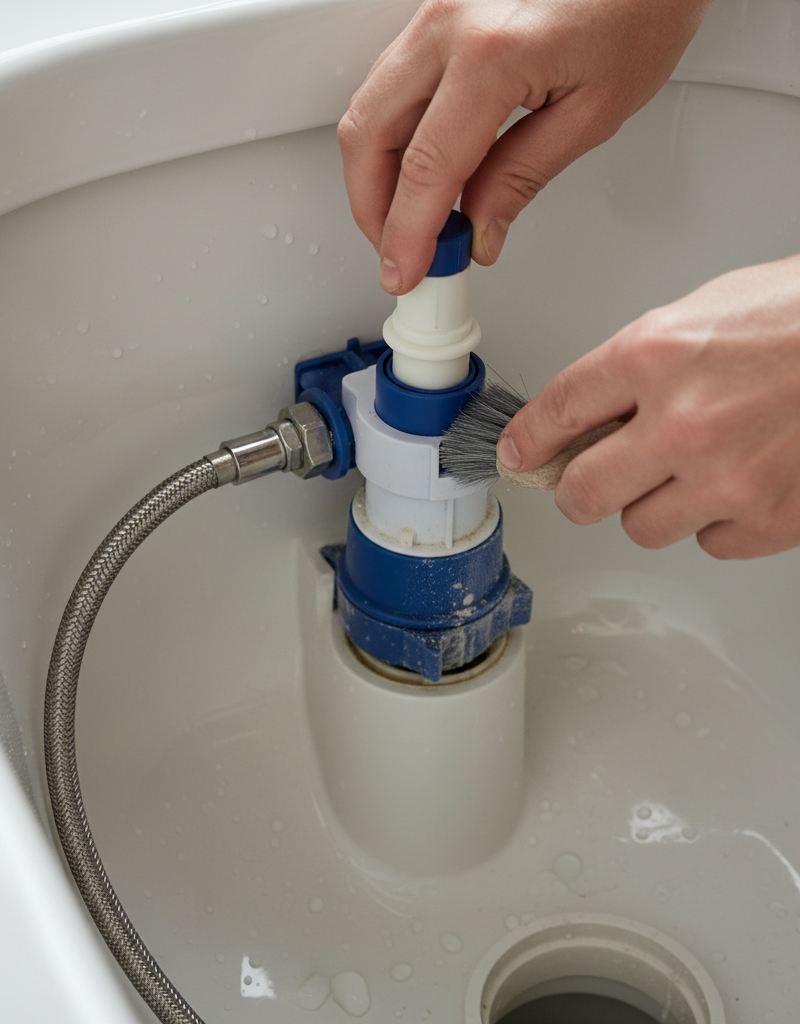
- Inspect and clear: Once the cap is off, check for any visible debris, mineral deposits, or rubber particles that might be clogging the small inlet screen or valve mechanism. Use a small brush (like a toothbrush) or a paperclip to gently clear any blockages. For complete cleaning, you can briefly turn the water supply back on (with the cap off and a bucket over the exposed valve) to flush out any loose sediment. Be quick and have a helper if possible to avoid a mess.
- Replace if necessary: If cleaning doesn't resolve the issue or if the fill valve components (like the rubber diaphragm or piston) appear worn, cracked, or damaged, it's often best to install a new fill valve. They are inexpensive and relatively easy to replace. Follow the instructions provided with the new fill valve. It typically involves unscrewing the old valve's retaining nut from underneath the tank, removing the old valve, inserting the new one, tightening the nut, and reattaching the supply line and refill tube.
- Tools: Adjustable wrench, flathead screwdriver (for some caps), small brush/paperclip, sponge, bucket, new fill valve kit (if replacing)
- Safety: Always wear gloves when working with toilet water. Turn water on slowly after reassembly.
4. Check for Main Water Pressure Issues – Diagnose a broader problem.
- If all the above steps fail and multiple fixtures in your home (faucets, showerheads) also exhibit low water pressure, the problem might not be isolated to your toilet. It could indicate a broader issue with your home's main water supply. This could be a partially closed main water shut-off valve, a faulty pressure reducing valve (PRV), or even an issue with your municipal water supply.
- Diagnosis: Test water pressure at other sinks. If consistent low pressure is observed, consider contacting a licensed plumber or your water utility company.
Common Causes
- Partially Closed Shut-Off Valve: The most common and easiest fix. The small valve behind the toilet may have been accidentally bumped or not fully opened after previous maintenance.
- Clogged Fill Valve: Mineral deposits (limescale, rust), sediment from the water supply, or small rubber fragments from aging components can obstruct the delicate mechanics of the fill valve, restricting water flow.
- Kinked or Obstructed Supply Line: The flexible hose connecting the water supply to the toilet tank can become kinked, or sediment can accumulate inside it, reducing water flow.
- Low Household Water Pressure: While less common for a single toilet, systemic low water pressure in your home (due to a municipal issue, a faulty pressure reducing valve, or a partially closed main shut-off) will naturally lead to slow tank filling.
- Worn Fill Valve Components: Over time, rubber seals, diaphragms, or plastic pistons inside the fill valve can degrade, preventing the valve from opening fully or regulating flow correctly.
Common Mistakes
- Ignoring the Shut-Off Valve: Many homeowners jump straight to disassembling the tank without first confirming the toilet's dedicated shut-off valve is fully open. Always start with the simplest potential cause.
- Over-tightening Connections: When reconnecting the water supply line or the fill valve, over-tightening plastic nuts can crack them, leading to leaks. Hand-tighten plus a quarter to half turn with a wrench is usually sufficient.
- Forgetting to Sponge Out Water: Before replacing a fill valve, ensure the tank is as empty as possible. Skipping this step leads to a wet mess when the old valve is removed.
- Using Harsh Chemicals for Cleaning: Avoid pouring harsh chemical cleaners into the toilet tank to clear mineral buildup. These can damage rubber and plastic components, exacerbating the problem or causing new leaks.
- Assuming a Universal Fix: Not all fill valves are identical. While many modern toilets use a standard fill valve, ensure any replacement part you buy is compatible with your toilet's make and model if you're unsure.
- Delaying a Fill Valve Replacement: If cleaning doesn't work, a worn-out fill valve rarely gets better. Procrastinating replacement can lead to the toilet running constantly or overflowing, wasting water and causing potential damage.
Cost & Time Breakdown
| Task | DIY Cost | Pro Cost | Time |
|---|---|---|---|
| Check/Open Shut-Off Valve | $0 | $0–$50 (trip fee) | 5 minutes |
| Inspect Supply Line | $0 | included | 5–10 minutes |
| Clean Fill Valve | $0 | $75–$150 | 15–30 minutes |
| Replace Fill Valve (Parts) | $15–$30 | included | 30–60 minutes |
| Replace Fill Valve (Labor) | $0 | $100–$250 | - |
| Diagnose House Water Pressure | $0 | $150–$300+ | 10 minutes |
Tips & Prevention
- Regular Valve Check: Periodically (yearly or semi-annually) turn your toilet's shut-off valve completely off and then fully open it again. This helps prevent it from seizing up due to disuse and ensures it's fully open.
- Water Quality: If you live in an area with hard water, mineral buildup is a common enemy. Consider installing a whole-house water softener to reduce mineral deposits in all your plumbing fixtures, including the toilet fill valve.
- Listen for Changes: Pay attention to how quickly your toilet refills after a flush. A gradual decrease in speed can be an early warning sign that the fill valve is starting to get clogged or wear out.
- Inspect Supply Line Annually: Briefly look at the flexible supply line connection to ensure there are no kinks or signs of wear. Replace it if you see any fraying or bulges.
- DIY Fill Valve Replacement: Don't be intimidated by replacing a fill valve. It's one of the most straightforward plumbing repairs, and a new quality fill valve can last for many years.
When to Call a Professional
While a slow-filling toilet is often a DIY-friendly fix, there are specific situations where calling a licensed plumber is the wisest course of action. If you've tried all the troubleshooting steps outlined above and your toilet tank still fills slowly, or if you identify that the issue is not isolated to the toilet but is affecting multiple fixtures due to low whole-house water pressure, a professional can properly diagnose and address the core problem. Furthermore, if you encounter any difficulty disconnecting lines, fear causing a leak, or discover that the main water shut-off valve for your house is seized or faulty, a plumber has the expertise and tools to handle these more complex issues safely. Never force plumbing components if they resist heavily, as this can lead to costly damage or significant water leaks. A pro can also assess if internal pipe corrosion or a malfunctioning pressure reducing valve is the root cause, which requires specialized knowledge and tools to repair.
Related Articles
Keep troubleshooting with these hand-picked guides from FixlyGuide:
- The 4 Hidden Reasons Your Toilet Tank Fills Slowly (And How to Fix Them in Under an Hour) — A toilet tank that fills slowly is a common, annoying plumbing problem, often caused by easily fixable issues within the fill valve or wate…
- The 3 Hidden Reasons Your Toilet Tank Fills Slowly (And How to Fix Each) — Discover the common culprits behind a slow-filling toilet tank, from crucial valve issues to subtle obstructions, and learn how to restore…
- The Secret Culprit Behind Your Slow Toilet Fill (It's Not Clogs!) — A slow-filling toilet tank is usually caused by issues with the fill valve, not clogs, affecting both water pressure and flush efficiency.…
- The 5-Minute Trick to Restore Your Kitchen Sink Sprayer's Lost Pressure — Restore your kitchen sink sprayer's low pressure with a quick, simple trick that often takes less than five minutes and requires no special…
- The Secret Culprit Behind Your Leaky Refrigerator (It’s Not Always a Hose) — Discover the hidden causes of your refrigerator leaking water and how to fix them with our comprehensive troubleshooting guide.
- The 4 Hidden Reasons Your Entire Home Has Low Water Pressure (And the Easy Fixes) — Low water pressure throughout your entire home can be a frustrating and often misunderstood problem, with several common culprits. Learn to…
Frequently asked questions
Why is my toilet tank taking a long time to fill?+
The most common reasons for a slow-filling toilet tank include a partially closed shut-off valve, a clogged fill valve due to mineral deposits or sediment, a kinked water supply line, or low overall household water pressure.
Can I clean a slow toilet fill valve?+
Yes, in many cases, you can clean a slow toilet fill valve. You'll typically need to turn off the water, remove the fill valve cap, and clear any debris, mineral buildup, or sediment from the inlet screen or internal components using a small brush or paperclip. A quick flush with the water briefly turned on (while the cap is off and a bucket is in place) can also help.
How do I know if my fill valve needs replacing?+
If cleaning the fill valve doesn't resolve the slow-filling issue, or if you notice visible damage, cracks, or excessive wear on the rubber or plastic components inside the valve, it's likely time for a replacement. Fill valves are relatively inexpensive and simple to replace.
Will low water pressure affect my toilet's fill time?+
Yes, if your home's overall water pressure is low, it will significantly affect how long your toilet tank takes to fill. If other fixtures (faucets, showers) also have weak water flow, it's a strong indicator of a broader low water pressure issue, rather than just a toilet problem.
Discussion
Loading comments…