Tools & materials you'll need
Affiliate linksAs an Amazon Associate FixlyGuide earns from qualifying purchases — at no extra cost to you. Prices and availability are accurate as of publication and subject to change.
Quick Answer
If your washing machine is leaking water from the bottom, the most frequent culprits are a loose or clogged drain hose, a damaged water inlet hose, or a failing drain pump. Many homeowners can troubleshoot and fix these issues with basic tools and a careful approach, often costing less than $20 and taking under an hour.
The Problem
Seeing a puddle under your washing machine can induce a mini-panic. Is it catastrophic? Is expensive repair unavoidable? When water pools directly beneath the appliance, it strongly suggests an issue with the water's entry, exit, or circulation within the machine itself, rather than a general plumbing problem in your home. The key is to identify where the leak originates, which often points directly to a specific component. Ignoring a leak, even a small one, can lead to serious damage to your flooring, subfloor, and even create mold issues, costing thousands in remediation.
How It Works
A washing machine operates on a surprisingly simple principle: it fills with water, agitates clothes, drains the dirty water, and then spins the clothes to remove excess moisture.
- Water Inlet: Cold and hot water enter the machine through two rubber hoses, controlled by solenoid valves that open and close based on the selected water temperature. These hoses connect to the back of the washer.
- Tub and Agitator: Water fills the main wash tub. An agitator (in top-loaders) or a tumbling motion (in front-loaders) moves the clothes through the soapy water.
- Drainage System: After the wash and rinse cycles, a drain pump activates. This electric pump uses an impeller to force the dirty water out of the wash tub, through a flexible drain hose, and into your standpipe or utility sink. A filter often sits before the pump to catch lint and small items, preventing clogs.
- Spin Cycle: Once drained, the tub spins at high speeds, using centrifugal force to extract water from the clothes, which then drains away.
A leak from the bottom usually means a compromise in this sealed system—either the water isn't entering or exiting correctly, or a component within the drainage or connection pathway has failed.
Step-by-Step Fix
Safety First: Always unplug the washing machine from the electrical outlet before performing any inspection or repair. Turn off the hot and cold water supply valves behind the machine.
-
Pull Out and Inspect Hoses — Carefully slide the washer out from the wall, making sure not to strain the hoses. Examine the two water inlet hoses for any visible cracks, bulges, or signs of wear near the connections. Also, inspect the drain hose that leads to your standpipe or utility sink. Look for kinks, tears, or loose connections at both ends.
- Pro Tip: If hoses are stiff or brittle, they might be old and prone to cracking. Consider replacing them as a preventative measure if they're over 5 years old.
- If this doesn't work: Move to checking the drain pump filter and connections.
-
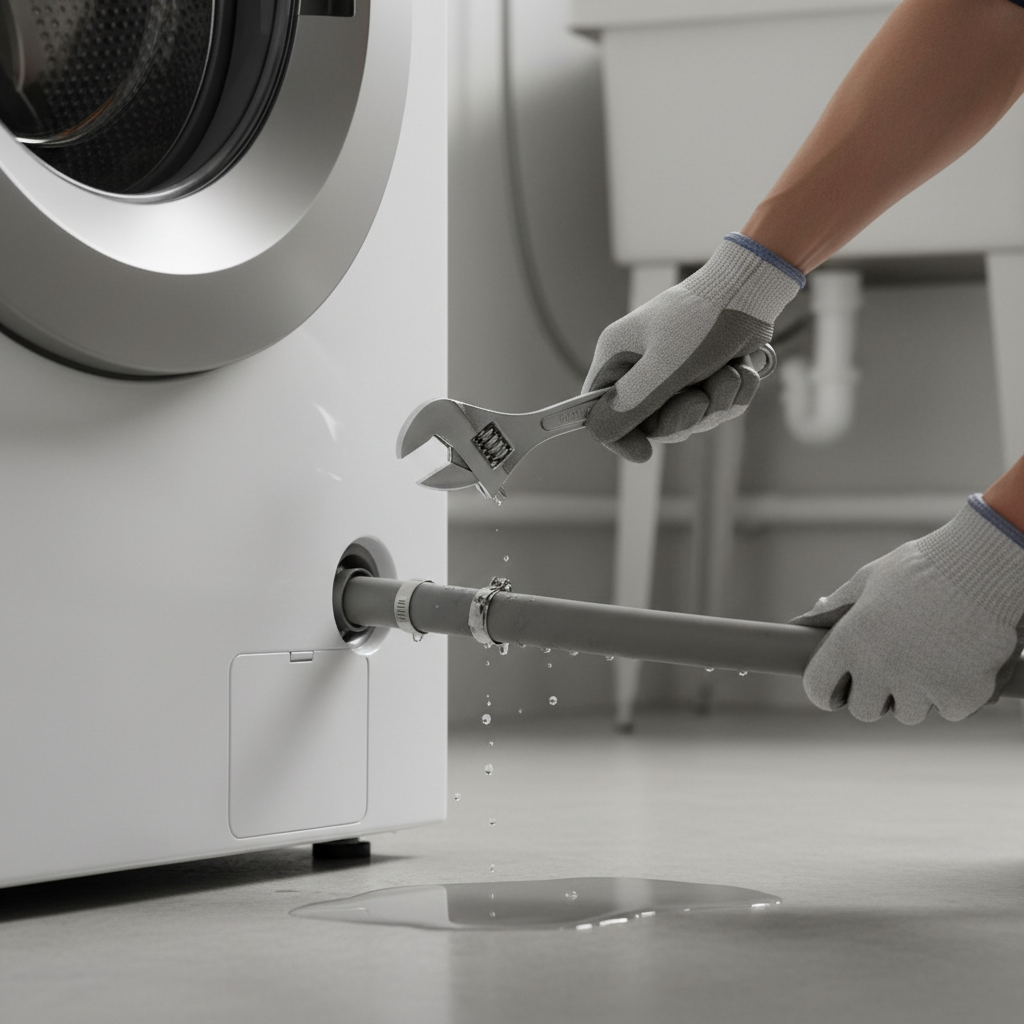
Check and Tighten Hose Connections — Ensure all water inlet and drain hose connections are snug. Use a crescent wrench or pliers to gently tighten any connections that feel loose, both at the back of the washer and at the wall/standpipe. Do not overtighten, as this can strip threads or damage rubber washers.
- Tools: Adjustable wrench or pliers.
- If this doesn't work: The leak might be internal to the machine. Test by filling the machine slightly and observing carefully.
-
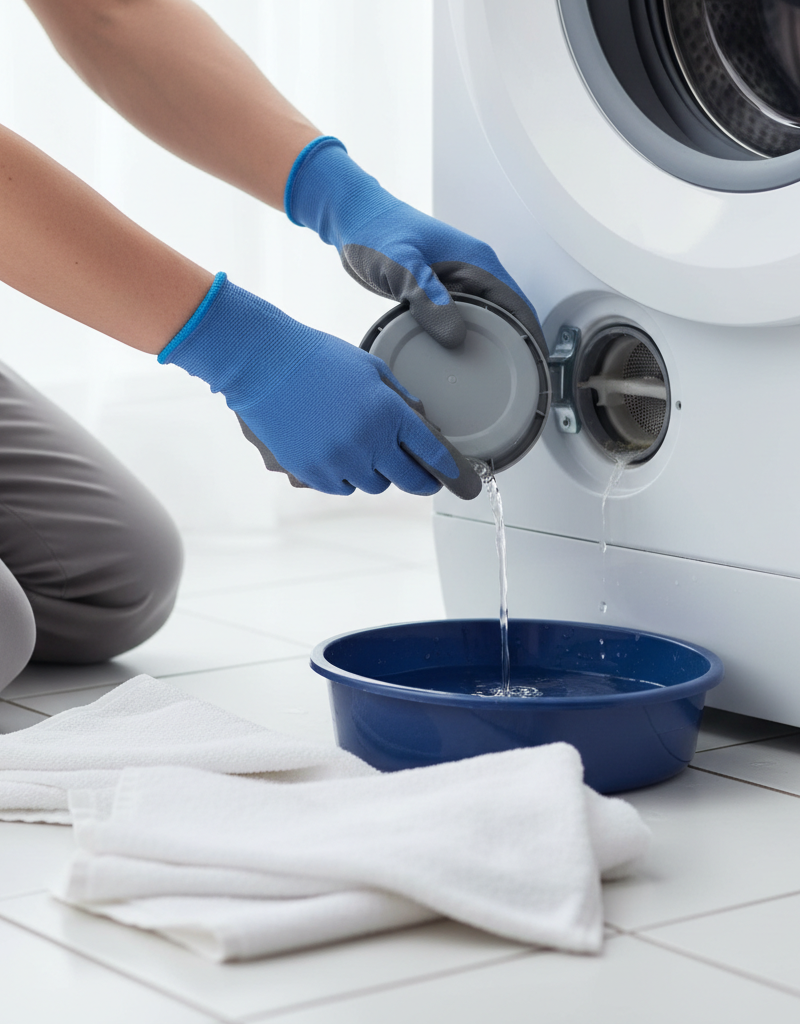
Inspect the Drain Pump Filter — Locate the drain pump filter, typically found at the front bottom of the washing machine behind a small access panel, or sometimes accessed from the rear after removing a panel. Place a shallow pan and towels underneath as water may drain out. Carefully unscrew or unclip the filter cover and remove any lint, coins, or small objects.
- Safety: Wear gloves if reaching into the filter area.
- If this doesn't work: The pump itself might be failing or the hose connected to it.
-
Examine the Drain Pump and Hoses — If you've removed the rear access panel, you'll see the drain pump, usually a cylindrical component with hoses attached. Visually inspect the hoses leading into and out of the pump for any holes, cracks, or loose clamps. Feel for any wetness around the pump housing. The pump can sometimes crack or develop leaks at its Gasket.
- Tools: Screwdriver (Phillips or flathead, depending on panel screws).
- If this doesn't work: You may need to replace the drain pump.
-
Replace Damaged Hoses (Inlet or Drain) — If you identified a cracked or worn inlet hose, completely replace both hot and cold hoses with new reinforced hoses. For a damaged drain hose, replace it entirely. Before installing new hoses, ensure rubber washers are seated correctly.
- Materials: New reinforced rubber inlet hoses (pair), new drain hose (if needed).
- Cost Estimate: $15-$30 for hoses.
-
Replace the Drain Pump (If Necessary) — If the drain pump itself is leaking or making unusual noises (grinding, humming without draining), it likely needs replacement. This is a more involved step. Disconnect the electrical connector and the hoses from the old pump. Note their orientation before removal. Install the new pump, reattach hoses securely with clamps, and reconnect the electrical wiring.
- Tools: Pliers (for hose clamps), screwdriver.
- Pro Tip: Take photos of wiring and hose connections before disconnecting for easy reassembly.
- Cost Estimate: $70-$150 for a new drain pump.
-
Test the Repair — Once everything is reconnected and tightened, gently slide the washer back into place, ensuring hoses aren't kinked. Turn the water supply back on and plug the machine back in. Run a short rinse/spin cycle or a small load with cold water only. Carefully observe for any leaks throughout the cycle.
- Observation: Pay close attention during the fill and drain cycles, as this is when pressure is highest on the hoses and pump.
Common Causes
- Worn or Damaged Hoses: Over time, rubber hoses can crack, stiffen, or develop bulges, leading to leaks. This is especially true for older inlet hoses.
- Loose Connections: Vibrations from the washing machine can loosen hose clamps or threaded connections, allowing water to escape.
- Clogged Drain Pump Filter: A clogged filter restricts water flow, putting strain on the pump and potentially causing back pressure that results in leaks.
- Failing Drain Pump: The pump itself can wear out, crack, or develop faulty seals, leading to water seeping out from its housing.
- Incorrect Drain Hose Installation: If the drain hose is inserted too far into the standpipe, it can create a siphon effect that continuously drains water, or if not secured, it can fall out and flood the floor.
Common Mistakes
- Ignoring the Safety Precautions: Not unplugging the machine or turning off water can lead to electric shock or significant water damage. Always disconnect power and water first.
- Overtightening Connections: While you want connections snug, overtightening can strip plastic threads on the machine or damage rubber washers, creating new leaks.
- Using Old Hoses: Reusing old, stiff inlet hoses, even if they look okay, is a false economy. They are a common point of failure and cheap to replace.
- Not Checking the Filter: Many leaks attributed to a 'broken pump' are actually just a severely clogged pump filter that's stressing the system.
- Misdiagnosing the Leak Source: Assuming the leak is from one component without a thorough inspection of surrounding parts can lead to unnecessary repairs.
- Blocking Access Vents: Pushing the washer too close to the wall and kinking the hoses, or blocking the machine's rear vents, can sometimes affect operations or strain connections.
Cost & Time Breakdown
| Task | DIY Cost | Pro Cost | Time |
|---|---|---|---|
| Inspecting Hoses & Connections | $0 | $100-$200 | 15-30 mins |
| Replacing Inlet Hoses | $15-$30 | $150-$250 | 20-45 mins |
| Clearing Drain Pump Filter | $0 | $100-$180 | 15-30 mins |
| Replacing Drain Pump | $70-$150 | $200-$400 | 45-90 mins |
| Replacing Drain Hose | $15-$40 | $150-$250 | 20-45 mins |
Tips & Prevention
- Regular Hose Inspection: Every 6-12 months, pull your washer out and inspect the inlet and drain hoses for bulges, cracks, or wear. Replace them every 3-5 years, or immediately if you see any damage. Consider braided stainless steel hoses for extra durability.
- Clean the Drain Pump Filter: Make it a habit to clean your washing machine's drain pump filter every few months, especially if you wash many pet items or heavily soiled clothes. This prevents clogs and strain on the pump.
- Proper Installation: Ensure the washing machine is level to minimize vibrations, which can loosen connections over time. Check that the drain hose is correctly secured to the standpipe or sink, not inserted too far, and not kinked.
- Avoid Overloading: Overloading the washer can sometimes put extra strain on components, including the drainage system, and lead to inefficient draining or minor splashes that mimic leaks.
- Know Your Machine: Consult your washing machine's owner's manual for specific instructions on accessing the drain pump filter and other components, as designs vary.
When to Call a Professional
While many bottom leaks are DIY-friendly, certain situations warrant calling a licensed appliance repair technician. If you've meticulously followed the troubleshooting steps and the leak persists, or if you're uncomfortable disassembling parts of your machine (especially the drain pump), it's time to call a pro. Additionally, if the leak appears to be coming from the main tub seal, the drive shaft, or any internal component that requires extensive machine disassembly and specialized tools, a professional can accurately diagnose and repair the issue without causing further damage. Leaks that involve complex electrical components or a burning smell should always be handled by an expert to ensure safety.
Related Articles
Keep troubleshooting with these hand-picked guides from FixlyGuide:
- The Secret Culprit Behind Your Leaky Refrigerator (It's Not What You Think) — Discover the often-overlooked reason your refrigerator is leaking water and how a simple, inexpensive fix can prevent costly damage.
- The Secret Culprit Behind Your Leaking Washer (It's Not Always the Hose) — A washing machine leaking water from the bottom can often be traced to common, easily fixable issues like loose hoses or a clogged drain pu…
- The Secret Culprit Behind Your Leaking Refrigerator (It’s Not Always a Big Fix) — Discover the most common and often overlooked reasons why your refrigerator is leaking water on the floor, and how to fix them yourself.
- The Secret Culprit Behind Your Leaky Chimney (It's Not Always the Roof) — Discover the often-overlooked causes of a leaky chimney during rain and how to fix them, from flashing issues to masonry problems.
- The Secret Culprit Behind Your Leaking Refrigerator (It’s Not Always a Big Repair) — Discover the most common, often overlooked reason your refrigerator is leaking water onto your kitchen floor and how to fix it yourself.
- The 10-Second Flaw Home Inspectors Spot (That Hides Water Damage) — Discover the often-overlooked sign professionals catch in seconds that points to hidden water damage, protecting your home from costly repa…
Get the print-ready PDF of this guide
A clean, ad-free, printable version you can keep on your phone or pin to the workshop wall. We'll also send occasional weekly tips matched to your home situation.
- Print-optimized layout
- Tools, materials & every step included
- Unsubscribe anytime
Frequently asked questions
Why is my washing machine leaking water from the bottom but not from the hoses?+
If water isn't coming from the visible hoses, the leak is likely originating from an internal component. Common culprits include a cracked drain pump housing, a loose connection to the drain pump, a clogged drain pump filter causing overflow, or even a faulty internal tub seal. You'll need to open the machine's access panels to investigate further.
How do I know if my washing machine drain pump is bad?+
Signs of a bad drain pump include the washing machine not draining water at the end of a cycle, making a loud humming or grinding noise during the drain cycle without actually draining, or visible water leaking directly from the pump's housing. If the filter is clear, a non-draining or noisy pump often indicates an issue with the pump itself.
Can I use sealant to fix a leaking washing machine hose?+
No, using sealant on a leaking washing machine hose is a temporary and unreliable fix that is prone to failure and can lead to bigger problems. Hoses are under pressure, and a patch will not hold long-term. Always replace a damaged or leaking hose with a new one for safety and durability.
Discussion
Loading comments…