Tools & materials you'll need
Affiliate linksAs an Amazon Associate FixlyGuide earns from qualifying purchases — at no extra cost to you. Prices and availability are accurate as of publication and subject to change.
Quick Answer
An interior door that suddenly starts sticking, rubbing against the frame, or refusing to latch properly is a common household nuisance. While humidity often gets the blame for causing wood to swell, the real culprits can also be loose hinge screws allowing the door to sag, a settling foundation subtly distorting the door frame, or even an overly enthusiastic paint job. Most sticking door issues can be resolved with a few common tools and a bit of patience, often involving tightening hinges, planing a small amount of wood, or adjusting the strike plate.
The Problem
You're trying to close an interior door, but it scrapes along the top, bottom, or side of the frame, resists latching, or simply won't close without a forceful push. This isn't just annoying; it can damage the door and frame's finish, prevent privacy, and become a daily frustration. The sticking might be consistent, or it might worsen with seasonal changes, especially during humid summer months or dry winters. Identifying precisely where the door is sticking and why is the first step toward a lasting fix.
How It Works
To understand why a door sticks, it helps to visualize a door's relationship with its frame. A door is essentially a large, hinged slab of wood or composite material designed to swing precisely within a rectangular opening. It's held in place by two or three hinges screwed into the door's edge and the door frame's jamb. The strike plate, located on the door frame, aligns with the door's latch mechanism, allowing it to close securely.
Wood, especially solid wood doors and frames, is hygroscopic, meaning it absorbs and releases moisture from the air. When humidity is high, wood swells, increasing its dimensions. When humidity is low, wood dries out and shrinks. This expansion and contraction are primary reasons for seasonal sticking. However, hinges play an equally critical role. Over time, the screws holding hinges in place can loosen, especially on heavy doors or those used frequently. This loosening causes the door to sag, shifting its position within the frame and leading to rubbing. Furthermore, house foundations can settle or shift slightly over decades, imperceptibly distorting door frames from perfectly square and plumb, creating pinch points. Even a thick coat of paint can add just enough material to an already tight fit to cause sticking.
Step-by-Step Fix
1. Diagnose the Rub – Pinpoint the Problem Area
— Carefully open and close the door, observing exactly where it rubs against the frame. Listen for scraping noises and look for fresh paint marks, scuffs, or bare wood showing wear.
- Tools: None (just your eyes and ears).
- If it rubs at the top or bottom: This often indicates sagging hinges or a door that's expanded in height.
- If it rubs on the latch side: Could be door expansion, an out-of-square frame, or a misaligned strike plate.
- If it rubs on the hinge side: Less common, but can happen with extreme frame distortion or hinge issues.
2. Tighten Loose Hinges – The Easiest Fix First
— Sagging doors are often caused by loose hinge screws. This is the simplest and most common fix.
- Tools: Phillips head screwdriver.
- Action: Starting with the top hinge, tighten all screws firmly. Check the middle and bottom hinges as well. If screws spin freely, they're stripped. Remove the stripped screw, insert a wooden golf tee or a wood dowel (sized to fit) with wood glue into the hole, let it dry, then re-drill a pilot hole and replace the screw. Use longer screws (up to 3 inches) into the house framing on the top hinge for better support.
- Safety: Do not overtighten and strip the screws.
- If this doesn't work: The door may still be sagging due to wood compression around the hinges. Proceed to step 3.
3. Shim Hinges for Alignment – Adjusting Sag
— If tightening screws isn't enough, shimming a hinge can pivot the door slightly to correct minor sag.
- Tools: Phillips head screwdriver, thin cardboard (like from a cereal box) or plastic shim, utility knife.
- Action: To lift the latch side of the door, remove the screws from the bottom hinge on the frame side. Carefully slip a thin shim (a piece of cereal box cardboard or plastic) behind the hinge plate, then reattach the screws. This pushes the bottom hinge out slightly, tilting the door more upright. Conversely, if the door is rubbing at the top of the hinge side, you might put a shim behind the top hinge on the frame side to push it out. Experiment with shim thickness.
- If this doesn't work: The door or frame might require planing.
4. Plane the Door Edge – Removing Excess Material
— For persistent rubbing, especially on the latch side or bottom, carefully remove a small amount of wood.
- Tools: Pencil, straightedge, block plane or belt sander (with fine-grit sandpaper), fine-grit sandpaper, tack cloth, paint/stain.
- Safety: Always wear eye protection. Planing should be done with smooth, consistent strokes. Never remove too much wood at once.
- Action: Mark the exact area of the rub. If painting, remove the door and lay it flat. For minor rubs, a block plane works best. Make several light passes, checking the fit frequently. If sanding, use a belt sander with a fine-grit belt, moving with the grain, taking off only what's necessary. Rehang the door and test. Repeat until the door closes freely. Finish the planed edge with paint or stain to match.
- Measurement: Aim to remove no more than 1/16 to 1/8 inch at a time.
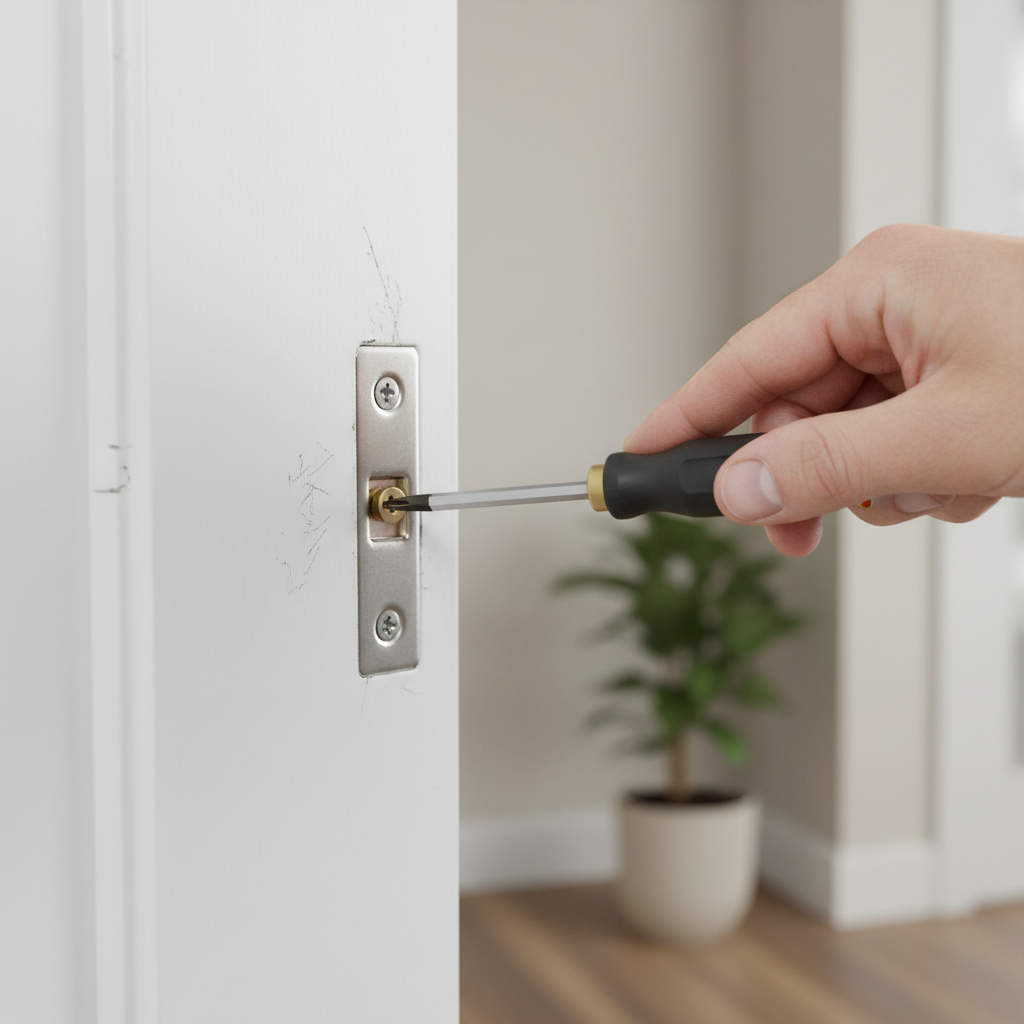
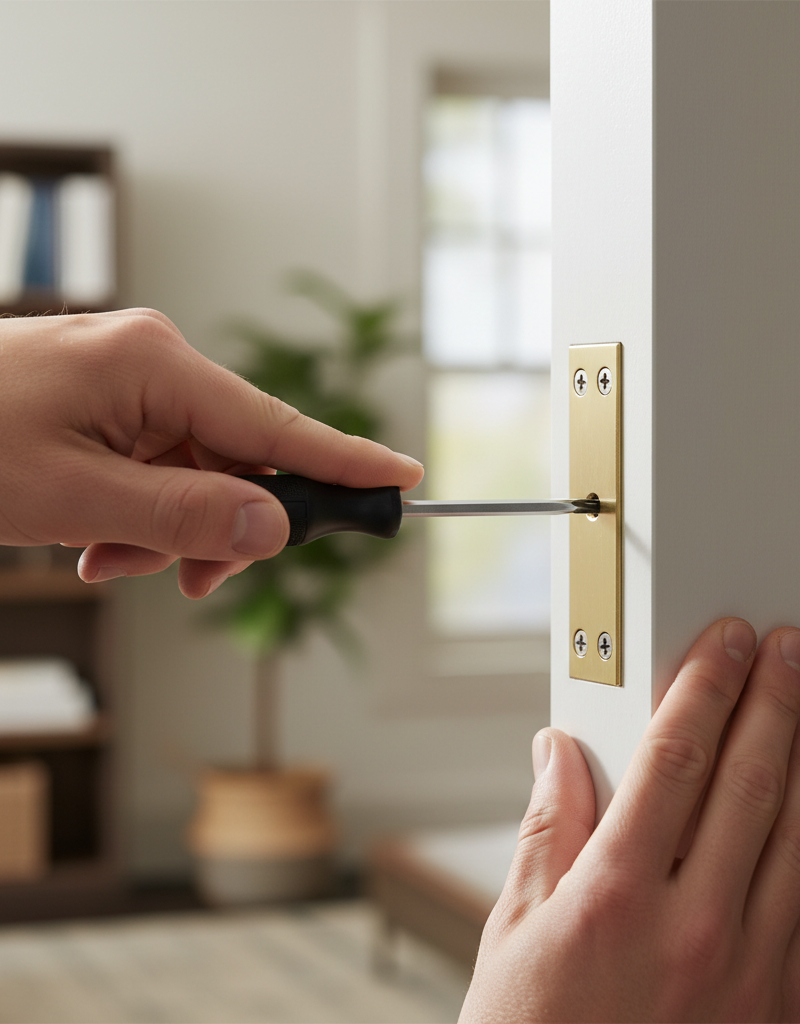
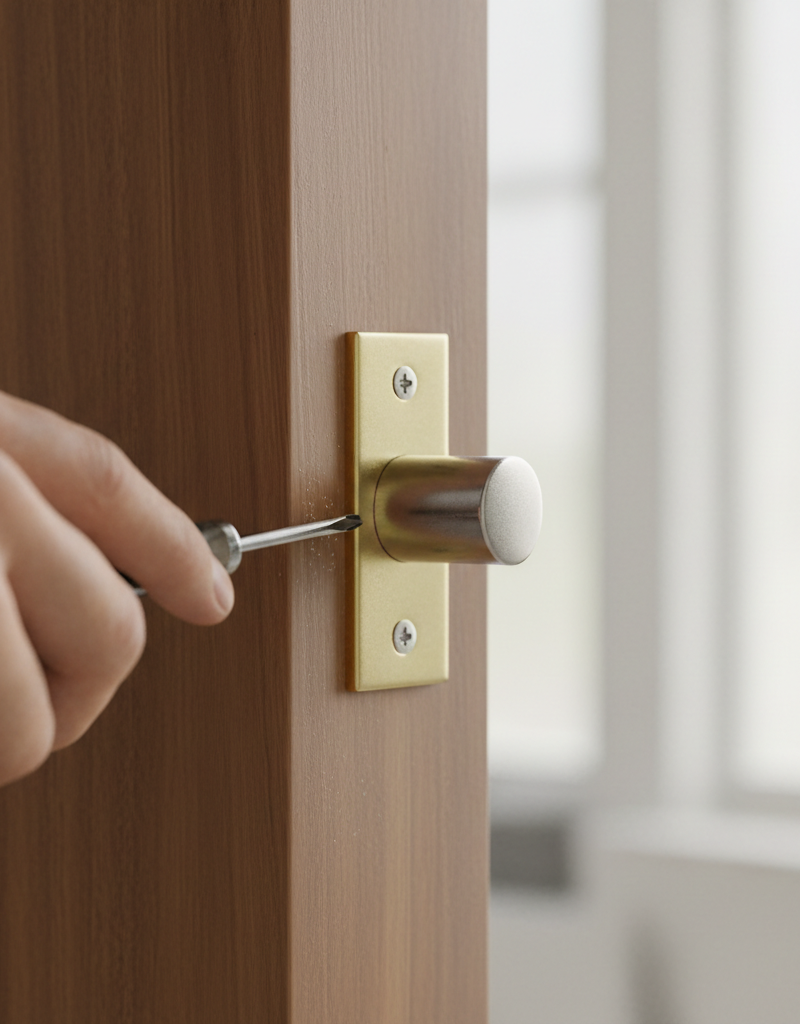
5. Adjust the Strike Plate – Fixing Latch Issues
— If the door closes but the latch doesn't fully engage or is difficult to close, the strike plate may be misaligned.
- Tools: Phillips head screwdriver, file (round or half-round), chisel, wood filler (optional), paint/stain (optional).
- Action: Observe if the latch bolt is hitting the top or bottom of the strike plate opening. If it's hitting the top, you need to lower the opening; if the bottom, raise it. Unscrew the strike plate. Use a file to slightly enlarge the top or bottom edge of the opening. Reattach and test. For more significant misalignment, you might need to chisel out a small amount of wood from the frame behind the strike plate or patch the original screw holes with wood filler, redrill pilot holes, and slightly shift the strike plate's position up or down.
- Precision: Small adjustments make a big difference here.
6. Address Floor Rubs – Trimming the Bottom
— If the door rubs on the floor or carpet, the issue is typically at the bottom edge.
- Tools: Measuring tape, pencil, straightedge, circular saw (with fine-tooth blade), sawhorses, clamps, fine-grit sandpaper, paint/stain.
- Safety: Disconnect power to the saw before making adjustments. Wear eye protection, hearing protection, and appropriate gloves. A helper is useful for door removal and handling.
- Action: Remove the door from its hinges. Measure how much needs to be trimmed from the bottom. Mark a crisp, straight line across the bottom of the door. Use painter's tape along the cut line to prevent splintering. Clamp a straightedge to the door as a guide for your circular saw. Carefully cut along the line. Sand the cut edge smooth. Rehang the door and test. Paint or stain the newly cut edge.
- Professional Tip: Place the door on sawhorses, secured with clamps, to ensure a stable cutting surface.
Common Causes
- Humidity Fluctuations: This is the most prevalent cause. Wood absorbs moisture and swells in high humidity, and contracts in dry conditions. This seasonal movement causes doors to expand or shrink, leading to sticking.
- Loose Hinge Screws: Over time, the screws holding hinges to the door or frame can loosen, especially on frequently used or heavier doors. This allows the door to sag, throwing it out of alignment.
- Foundation Settlement: Minor shifts in a home's foundation can subtly distort door frames, making them out of square or plumb, even by a fraction of an inch, which is enough to cause sticking.
- Excessive Paint Buildup: Multiple layers of paint on the door edges or frame can add enough thickness to create a tight fit, especially if the door was already snug.
- Worn Hinges: Old or deteriorated hinges can develop play, leading to door sag and misalignment.
- Poor Initial Installation: A door or frame that wasn't perfectly plumb and square from the start is prone to sticking issues down the line.
Common Mistakes
- Ignoring Loose Hinges: Many homeowners jump straight to planing the door, when often, simply tightening or shimming hinges resolves the problem completely. Always check hinges first.
- Planing Too Much Wood: It's easy to get carried away with a plane or sander. Remove small amounts at a time (e.g., 1/32-inch passes) and test the door frequently. You can always remove more, but you can't put it back.
- Not Finishing Cut Edges: Any newly cut or planed raw wood edge must be sealed with paint or stain. Leaving it unfinished allows moisture to penetrate easily, leading to swelling again.
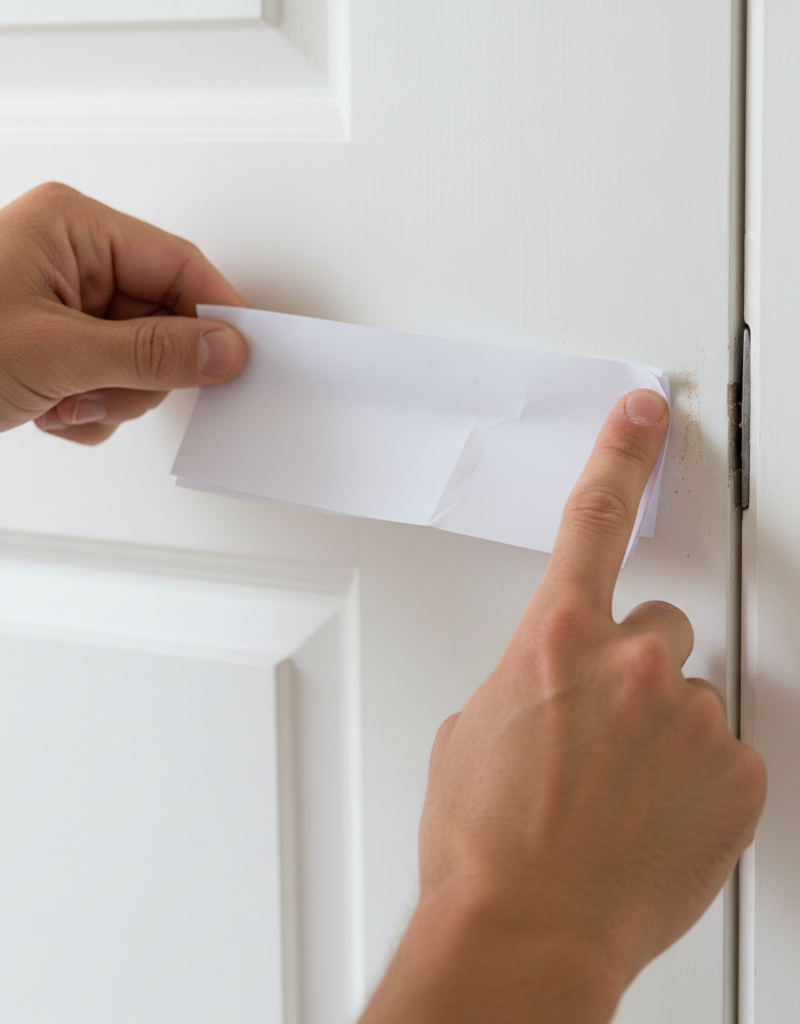
- Misdiagnosing the Rub Location: Guessing where the door is sticking can lead to fixing the wrong area. Carefully observe the rub marks or use a piece of paper slipped between the door and frame to pinpoint the exact contact point.
- Using the Wrong Tools: Trying to plane a door with a coarse rasp or using a dull saw can damage the door and create a rough, uneven edge, making the problem worse.
- Assuming Humidity is the ONLY Cause: While it's a major factor, overlooking other causes like foundation shifting or loose hardware will lead to temporary fixes that don't last.
Cost & Time Breakdown
| Task | DIY cost | Pro cost | Time |
|---|---|---|---|
| Tighten existing hinges | $0 | $50–$100 | 5–10 minutes |
| Shim hinges | $0–$5 | $75–$150 | 15–30 minutes |
| Plane door edge (minor) | $0–$10 | $150–$300 | 1–2 hours |
| Adjust strike plate | $0–$10 | $75–$150 | 15–45 minutes |
| Trim door bottom (minor) | $0–$15 | $200–$400 | 1–3 hours |
| Replace hinge screws | $5–$10 | (Included) | 10–20 minutes |
Tips & Prevention
- Maintain Stable Humidity: Using a dehumidifier in humid months and a humidifier in dry months can help stabilize the moisture content in your home's wood, reducing door movement.
- Regular Hinge Checks: Periodically (e.g., once a year) check all door hinge screws and tighten any that are loose. This proactive step can prevent most door sag issues.
- Proper Painting Technique: When painting doors or frames, remove the door and paint edges thinly and evenly. Avoid thick coats that can build up material.
- Use Long Hinge Screws: For the top hinge, consider replacing one or two short screws on the frame side with 2.5 to 3-inch long screws. These will bite into the structural stud behind the frame, providing much better support and preventing future sag.
- Clearance Matters: When installing new doors or frames, ensure adequate and consistent gaps (about 1/8 inch) around all sides of the door for proper operation and to account for wood movement.
- Inspect for Foundation Issues: If multiple doors throughout your home are consistently sticking or showing signs of widespread frame distortion, it could indicate a more significant foundation issue that requires professional assessment.
When to Call a Professional
While many sticking door issues are DIY-friendly, certain situations warrant calling a professional carpenter or general contractor. If you find the door frame itself is significantly out of square or plumb, indicating a potential foundation issue, a professional can properly diagnose and address the underlying structural problem. Similarly, if the door is rubbing severely and requires substantial planing or trimming beyond your comfort level or tool availability (e.g., you don't own a circular saw for a large bottom trim), or if the door is an expensive custom piece you're afraid to damage, a pro will ensure a precise and damage-free repair. If multiple doors throughout your home are experiencing sticking, it's a strong indicator of a larger structural shift that a professional should investigate.
Related Articles
Keep troubleshooting with these hand-picked guides from FixlyGuide:
- The 3 Hidden Reasons Your Door Won't Latch (And the Easy Fixes) — Discover the surprising reasons your interior door isn't latching and how to quickly diagnose and fix the issue with simple tools.
- The 3 Hidden Reasons Your Door Won't Latch (And the Easy DIY Fixes) — Frustrated by a door that refuses to latch? Discover the common culprits behind this annoying problem and learn simple, effective DIY fixes…
- The Surprising Reason Your Interior Door Sticks (It's Not Always Humidity) — Before you blame humidity, learn the common culprits behind a sticking interior door and how to fix them with simple DIY steps.
- The 3 Hidden Reasons Your Door Won't Latch (And the Easy Fixes) — A door that won't latch properly is a common household nuisance, often caused by simple issues that are easy to diagnose and repair.
- The Secret Reason Your Interior Door Sticks (It's Not Always Humidity) — Before you blame humidity, learn the true culprits behind a sticky interior door and how to fix them with simple DIY steps.
- The #1 Mistake Killing Your Lawn's Grass (and How to Fix Patchy Spots) — Discover the most common reason for patchy grass and learn how to revive your lawn with targeted, easy-to-follow steps.
Frequently asked questions
Why does my door only stick sometimes?+
Seasonal changes in humidity are a common cause. During humid months, wood absorbs moisture and swells, making the door expand and stick. In dryer months, it shrinks back. Loose hinge screws can also cause intermittent sticking as the door shifts.
Can I fix a sticking door without removing it?+
Often, yes. Many issues like loose hinges or misaligned strike plates can be fixed with the door still in place. For minor planing, you might be able to work on the door while still hung, but for larger trims or extensive planing, removing the door is safer and yields better results.
How much clearance should an interior door have?+
Ideally, an interior door should have approximately 1/8 inch of clearance around the top, sides, and between 1/2 to 3/4 inch at the bottom (depending on flooring type) to allow for smooth operation and natural wood movement.
What if my door sticks everywhere?+
If your door is sticking significantly on multiple sides, it could indicate a major issue like a severely warped door, a highly distorted door frame, or a significant structural shift in your home's foundation. In such cases, it's best to consult with a professional carpenter or contractor to assess the underlying problem.
Discussion
Loading comments…