Tools & materials you'll need
Affiliate linksAs an Amazon Associate FixlyGuide earns from qualifying purchases — at no extra cost to you. Prices and availability are accurate as of publication and subject to change.
Quick Answer
Low pressure in your kitchen sink sprayer is usually a sign of a blockage or a problem with the internal diverter valve. Mineral deposits (limescale) are the most frequent culprit, restricting water flow within the spray head itself. Less commonly, the sprayer hose can become kinked, or the diverter valve, which directs water between the main faucet and the sprayer, may be stuck or faulty. Fortunately, most of these issues are straightforward to diagnose and fix with common household tools and a little know-how.
The Problem
There's nothing more frustrating than a kitchen sink sprayer that delivers a pathetic dribble instead of a powerful spray. You rely on that strong stream to rinse dishes, clean the sink, and tackle tough food messes. When it loses pressure, it makes these everyday tasks much harder, impacting the efficiency and cleanliness of your kitchen routine. This problem can escalate from a minor annoyance to a significant hindrance if left unaddressed.
How It Works
To understand how to fix your low-pressure sprayer, it helps to know how it works. Water flows from your home's main supply lines through stopcocks and into the hot and cold inlets of your kitchen faucet. Inside the faucet body, a mixing valve (controlled by the handle) blends the hot and cold water to your desired temperature. From there, the mixed water travels to two main outlets: the faucet spout and the sprayer hose.
A crucial component in this system is the diverter valve. This small, spring-loaded valve is located within the main faucet body, typically near the base of the spout connection or where the sprayer hose connects internally. Its job is to sense when the sprayer handle is squeezed. When you activate the sprayer, water pressure changes, and the diverter valve shifts, closing off the flow to the main spout and redirecting it to the sprayer hose. When you release the sprayer trigger, the diverter returns to its default position, sending water back to the main spout.
The sprayer hose itself is a flexible line that carries the water from the diverter to the spray head. The spray head contains a series of small nozzles designed to create the powerful stream. Over time, these tiny nozzles, or the aerator screen inside the spray head, can become clogged with mineral deposits like calcium and magnesium, especially in homes with hard water. When these passages are obstructed, water flow is restricted, leading to a significant drop in pressure.
Step-by-Step Fix
Safety First — Always turn off the water supply to your faucet before performing any work. Look under the sink for the hot and cold shut-off valves and turn them clockwise until tight. Open the faucet to drain any remaining water.
-
Inspect the Sprayer Head — Start with the easiest fix.
- Unscrew the spray head counter-clockwise from the end of the hose. You might need an adjustable wrench if it's tight.
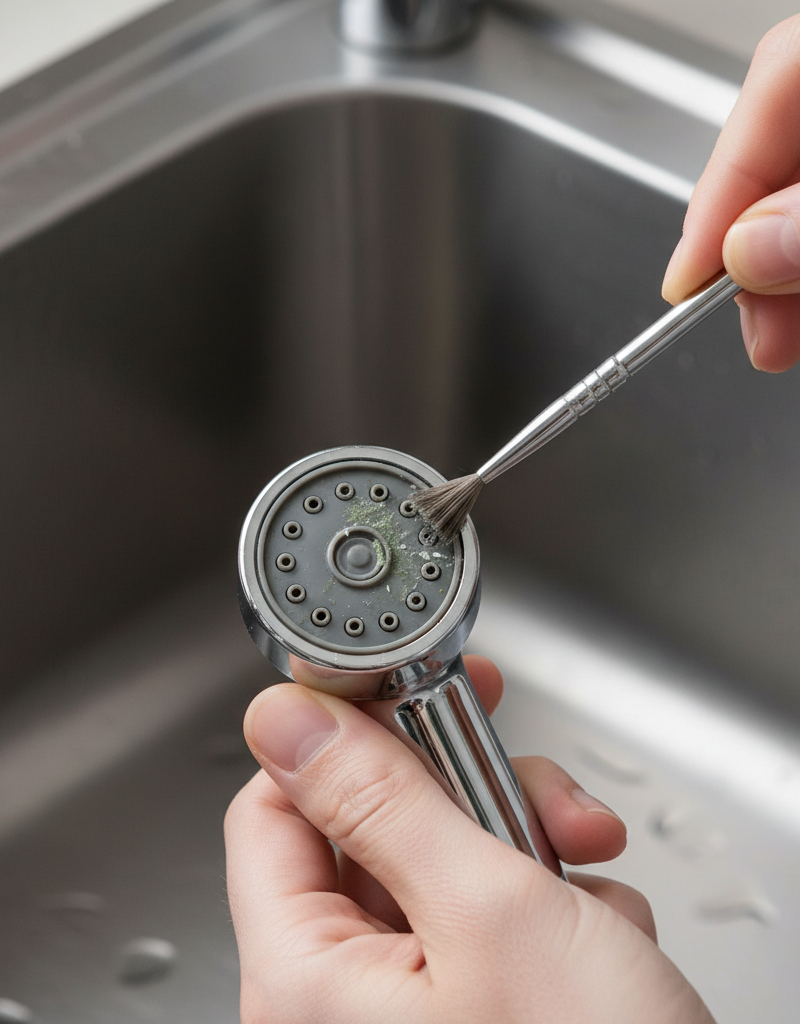
- Inspect its condition. Look for visible mineral buildup, debris, or a clogged screen. Many spray heads have a small screen or aerator that can be removed for cleaning.
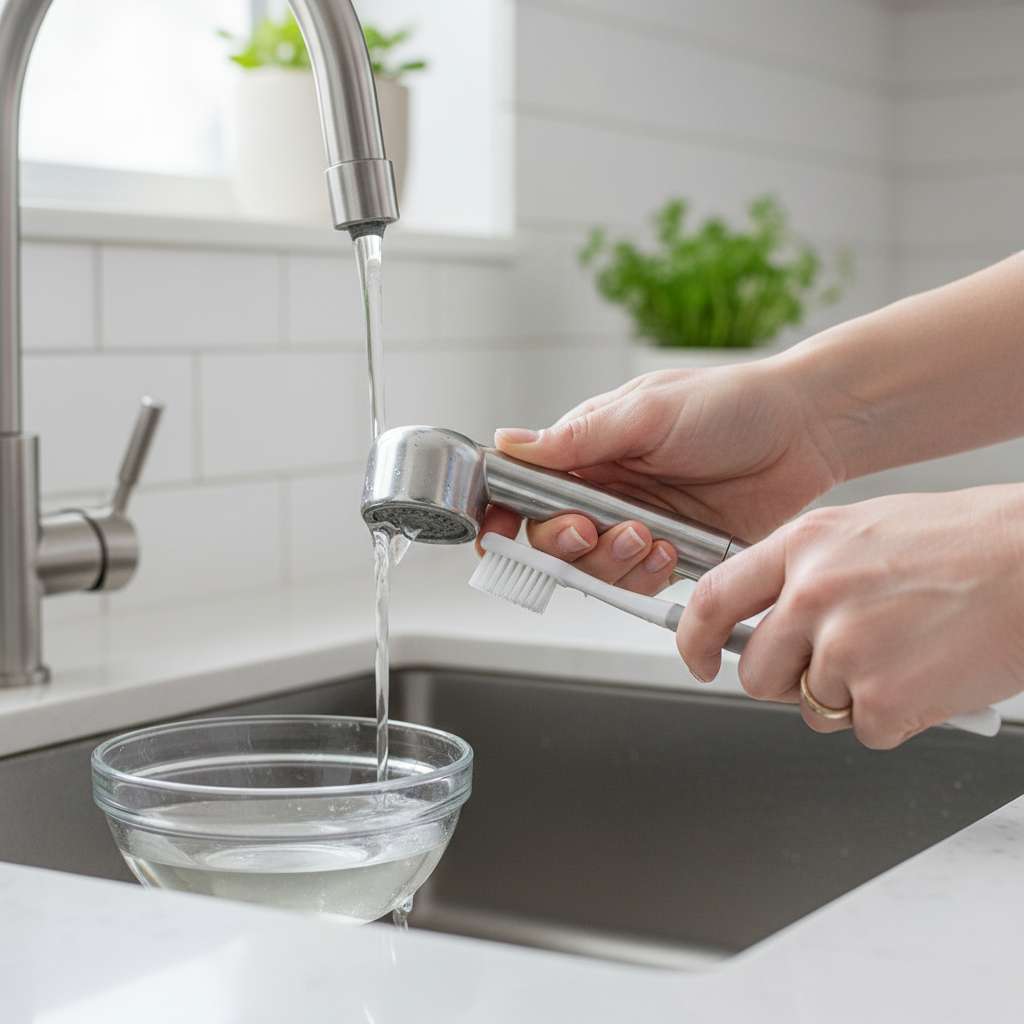
- If clogged: Soak the spray head in a bowl of white vinegar for 30 minutes to an hour. For stubborn buildup, use an old toothbrush or a small pick to gently clear the nozzles. Rinse thoroughly under running water.
- Reattach the spray head and test the pressure. If it's still low, proceed to the next step.
-
Check the Sprayer Hose for Kinks — A common, overlooked issue.
- Pull the sprayer hose out completely from under the sink.
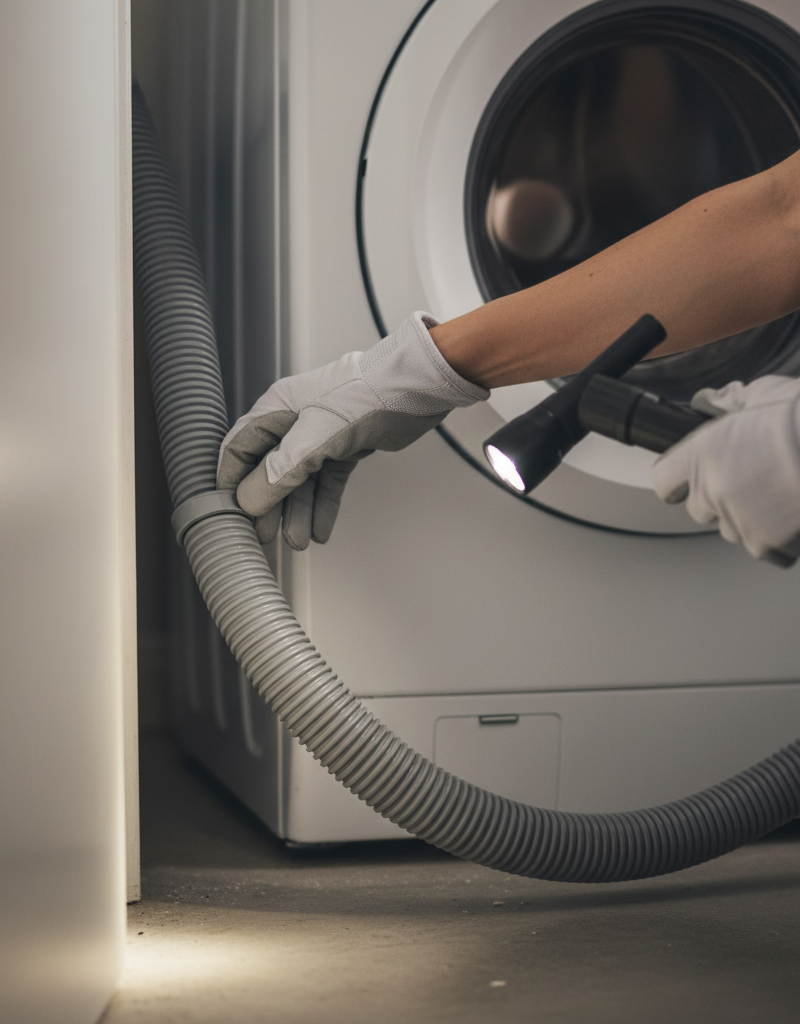
- Carefully examine the entire length of the hose for any bends, twists, or kinks. These can severely restrict water flow.
- Straighten any kinks you find. If the hose is permanently creased or damaged, it might need replacement. Some hoses are weighted; ensure the weight isn't snagging on anything.
- Test the sprayer again. If the hose isn't kinked or if straightening it didn't help, move on.
-
Clean the Sprayer Hose Inlet/Screen — Where the hose meets the faucet.
- With the spray head still detached, look at the end of the hose where it connects to the main faucet body (or where the sprayer head normally attaches). Some hoses have a small screen filter at this connection point.
- Use needle-nose pliers or a small screwdriver to carefully remove any screen or gasket. Clean it thoroughly under running water or soak it in vinegar to remove mineral deposits.
- Reinsert the screen and reattach the spray head. Test the pressure.
-
Diagnose the Diverter Valve — The heart of the sprayer issue.
- This step requires accessing the faucet's interior. Refer to your faucet's owner's manual for specific instructions on how to disassemble your particular model. Generally, you'll need to remove the handle and then some retaining nuts or screws.
- Locate the diverter valve. It's usually a small cylindrical cartridge, often made of plastic or brass, with a spring. It will be positioned where the sprayer hose connects internally or directly beneath the main spout connection.
- Common Diverter Problems: It could be clogged with mineral deposits, the spring might be weak or broken, or the valve itself could be worn out.
- Carefully remove the diverter valve (you may need a screwdriver or pliers).
- If clogged: Soak the diverter in white vinegar for several hours, scrubbing gently with a brush. Ensure the spring moves freely.
- If damaged: If the diverter appears cracked, corroded beyond cleaning, or the spring is broken, it needs replacement. Take the old diverter to a plumbing supply store to find an exact match.
- Reinstall the cleaned or new diverter valve, reassemble the faucet, and turn the water supply back on to test.
-
Check Supply Lines and Shut-off Valves — A broader pressure issue.
- If none of the above steps resolve the issue, and the main faucet also has low pressure, the problem might be further upstream.
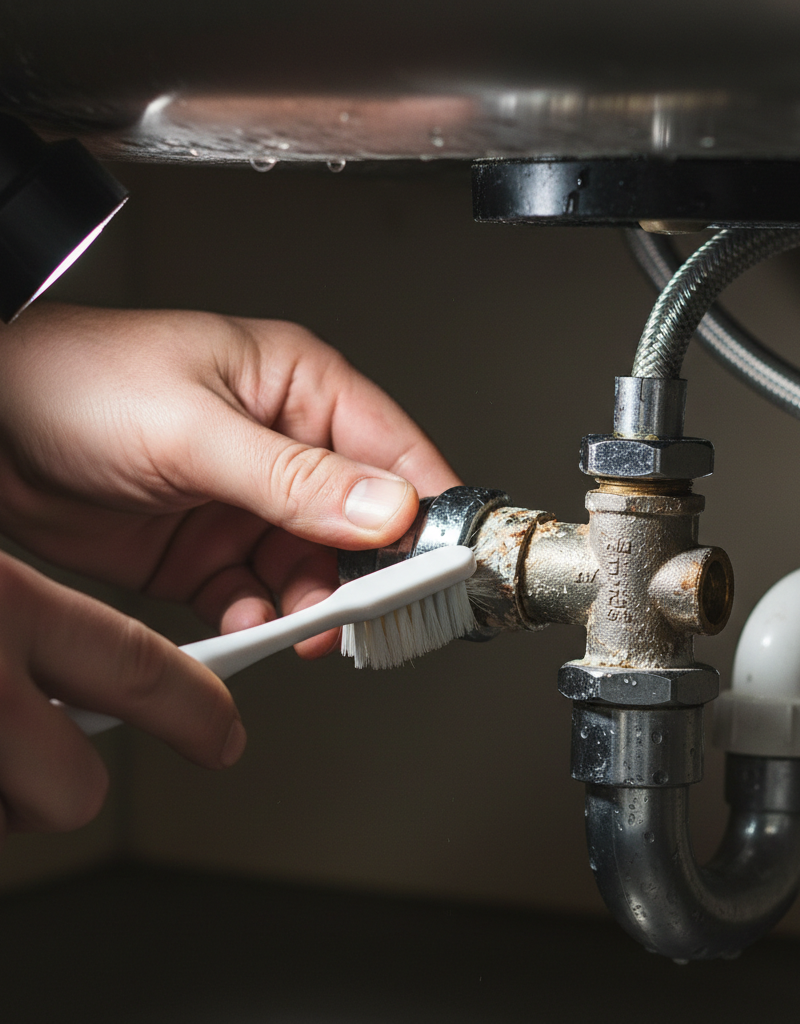
- Check that the hot and cold shut-off valves under the sink are fully open (turned counter-clockwise until they stop).
- You can also carefully disconnect the flexible supply lines from the shut-off valves (with water off!) and check for any debris or blockages at the valve outlet or within the supply line itself. This is less common but can happen after plumbing work.
- Safety Note: If you suspect a blockage in the main supply lines or within the walls, it's best to call a professional plumber.
Common Causes
- Mineral Buildup (Limescale): The most common reason for low pressure, especially in hard water areas. Minerals accumulate in the small nozzles of the spray head or the diverter valve, restricting water flow.
- Kinked or Damaged Sprayer Hose: A common physical obstruction. The flexible hose can bend, twist, or become creased, particularly if it's old or frequently pulled and retracted around under-sink items.
- Faulty Diverter Valve: Over time, the internal components of the diverter valve (spring, seals, cartridge) can wear out, break, or become seized by mineral deposits, preventing it from properly redirecting water to the sprayer.
- Clogged Inlet Screen: Some sprayer hoses have a small filter screen where they connect to the main faucet body, which can trap sediment.
- Low Water Pressure in the House: While less likely to affect just the sprayer, if other fixtures in your home also have low pressure, the issue could be with your main water supply or pressure regulator.
Common Mistakes
- Ignoring the Water Shut-off: Forgetting to turn off the hot and cold water supply valves under the sink before attempting any repairs can lead to leaks, flooding, and potential water damage. Always shut off water first!
- Over-tightening Connections: When reassembling, over-tightening nuts and connections can strip threads, crack plastic components, or damage rubber gaskets, leading to new leaks. Hand-tighten, then use a wrench for a quarter to a half turn more.
- Using Harsh Chemicals: While vinegar is excellent for mineral buildup, using strong chemical drain cleaners or abrasive tools on faucet components can damage finishes, rubber seals, and internal plastic parts. Stick to gentle descalers or vinegar.
- Forcing Stuck Parts: If a part is difficult to remove, don't force it with excessive leverage. You risk breaking the component or damaging the faucet body. Apply penetrating oil (like WD-40) or vinegar and give it time to work before trying again.
- Mismatching Replacement Parts: When replacing a diverter valve or hose, assuming one size fits all is a mistake. Faucet components are often proprietary. Always take the old part to the store or consult your faucet's manual for the exact replacement part number.
Cost & Time Breakdown
| Task | DIY cost | Pro cost | Time |
|---|---|---|---|
| Clean Sprayer Head | $0–$10 | N/A | 5–15 min |
| Straighten Hose | $0 | N/A | 2–5 min |
| Replace Sprayer Hose | $20–$50 | $100–$250 | 15–30 min |
| Clean/Replace Diverter Valve | $15–$40 | $150–$350+ | 30–60 min |
| Full Faucet Replacement (if needed) | $100–$500+ | $300–$800+ | 1–3 hours |
Tips & Prevention
- Regular Cleaning: Periodically unscrew your sprayer head and soak it in white vinegar for 15-30 minutes, especially if you live in a hard water area. This prevents mineral buildup before it becomes a problem.
- Soft Water Solution: If you have exceptionally hard water, consider installing a whole-house water softener. This will benefit not just your sprayer but all your plumbing fixtures and appliances.
- Gentle Use: Avoid yanking or twisting the sprayer hose aggressively. Gently guide it in and out of its housing to prevent kinks and premature wear.
- Inspect Annually: Once a year, pull out the sprayer hose completely and inspect it for any signs of wear, kinks, or damage. Check the spray head for obvious clogs.
- Know Your Faucet: Keep your faucet's owner's manual handy. It contains diagrams, part numbers, and specific disassembly instructions that will be invaluable for repairs and maintenance.
When to Call a Professional
While many low-pressure sprayer issues are DIY-friendly, there are specific situations where calling a licensed plumber is the smartest and safest course of action. If you've run through all the troubleshooting steps—cleaning the sprayer head, checking the hose, and attempting to clean or replace the diverter valve—and the problem persists, it may indicate a deeper issue within your home's plumbing system or a more complex faucet repair. If accessing the diverter valve requires significant disassembly that you're uncomfortable with, or if you encounter persistent leaks after attempting a repair, a professional can complete the job correctly and without causing further damage. Additionally, if the issue extends beyond the sprayer and affects the main faucet or other fixtures in your house, indicating a potential whole-house water pressure problem, a plumber can diagnose and address the root cause, which could involve inspecting your main water line or pressure reducing valve, jobs best left to the experts.
Related Articles
Keep troubleshooting with these hand-picked guides from FixlyGuide:
- The Secret Culprit Behind Your Leaky Refrigerator (It’s Not Always the Water Line) — Discover the most common, often overlooked, reasons your refrigerator is leaking water and how to fix them with simple DIY steps.
- That Annoying Water Heater Popping Sound? It's Trying to Tell You This One Thing — A popping water heater usually signals a common issue: sediment buildup. Learn why it happens and how to fix it with a simple flush.
- The Surprising Culprit Behind Your Refrigerator's Water Leak (It's Not Always the Ice Maker) — Discover the most common, often overlooked reason your refrigerator is leaking water and how to fix it with simple steps.
- The 30-Second Fix for a Humming Garbage Disposal (Plumbers Don't Want You to Know) — Before you call a plumber, try these simple steps to unjam a humming garbage disposal in under a minute and save yourself a service call.
- The Nasty Truth About Your Smelly Bathroom Sink: It's Not Always the Drain — Uncover the surprising culprits behind your stinky bathroom sink and learn how to banish those foul odors with simple, effective troublesho…
- Your Door Won't Latch? The 5-Minute Fix Nobody Talks About — Tired of a door that swings open? Learn the secret 5-minute fix for a door that won't latch. This simple adjustment to your strike plate ca…
Get the print-ready PDF of this guide
A clean, ad-free, printable version you can keep on your phone or pin to the workshop wall. We'll also send occasional weekly tips matched to your home situation.
- Print-optimized layout
- Tools, materials & every step included
- Unsubscribe anytime
Frequently asked questions
Why is my kitchen sink sprayer suddenly weak?+
The most common reason for a sudden drop in kitchen sink sprayer pressure is mineral buildup (limescale) in the spray head's nozzles or a kink in the sprayer hose. Less often, the diverter valve inside the faucet body might be stuck or faulty.
Can I clean my kitchen sink sprayer head?+
Yes, you can usually clean your kitchen sink sprayer head. Unscrew it from the hose and soak it in white vinegar for 30-60 minutes to dissolve mineral deposits. Use a small brush to clear any remaining debris from the nozzles.
Where is the diverter valve in my kitchen faucet?+
The diverter valve is typically located inside the main faucet body. You usually need to remove the faucet handle and possibly the spout to access it. It's often a small, cylindrical cartridge that redirects water flow between the main spout and the sprayer.
How do I know if my sprayer hose is kinked?+
To check for a kink, pull the entire length of the sprayer hose out from under the sink and carefully inspect it. Look for any sharp bends, twists, or creases that could be restricting water flow.
When should I replace my kitchen sink sprayer instead of fixing it?+
Consider replacing the sprayer or the entire faucet if the hose is permanently damaged, the diverter valve can't be cleaned or replaced easily, or if the faucet is old and components are difficult to find. Sometimes a new sprayer assembly is more cost-effective than trying to salvage a very old unit.
Discussion
Loading comments…