Tools & materials you'll need
Affiliate links- AmazonPlumber's tape (Teflon tape)
- AmazonNew sacrificial anode rodMatch material to water conditions: magnesium usually best, zinc/aluminum for sulfur water.
- AmazonRigid or semi-rigid metal dryer ductingReplace flexible foil ducts if present, specify 4-inch diameter
- AmazonWork gloves
- AmazonDust mask or respirator
As an Amazon Associate FixlyGuide earns from qualifying purchases — at no extra cost to you. Prices and availability are accurate as of publication and subject to change.
Quick Answer
Many homeowners overlook crucial spring maintenance tasks beyond basic yard work, such as inspecting the water heater's anode rod, thoroughly cleaning the dryer vent system, and verifying proper attic ventilation. Addressing these less obvious areas can prevent significant future expenses, enhance your home's energy efficiency, and ensure overall system longevity and safety before minor issues escalate.
The Problem
Spring is a time for renewal, not just in nature but for your home too. While most homeowners dutifully clean gutters, check smoke detectors, and perhaps even power-wash the siding, a deeper dive into your home's less visible systems often gets neglected. This neglect isn't just about dust; it's about overlooking potential failures that can lead to hundreds, if not thousands, of dollars in repairs down the line. We're talking about the silent culprits: corrosive elements eating away at your water heater, lint traps creating fire hazards, and stagnant attic air causing moisture and mold issues. Ignoring these seemingly minor tasks creates ticking time bombs that can compromise your home's safety, efficiency, and structural integrity.
How It Works
To understand why these tasks are critical, let's briefly look at the systems involved. Your water heater works on the principle of heating water, often storing it in a tank. Inside, a sacrificial anode rod made of magnesium, aluminum, or zinc is designed to corrode before the steel tank does. It attracts corrosive elements in the water, extending the tank's life. However, this rod has a finite lifespan, typically 3-5 years, and once it's gone, your tank begins to rust from the inside out. Dryer vents expell hot, moist air and lint from your laundry. Over time, lint accumulates in the vent duct, restricting airflow. This restriction forces the dryer to work harder, consuming more energy, and can lead to overheating, which is a major fire hazard. The lint itself is highly flammable. Finally, attic ventilation is crucial for maintaining a healthy roof and attic. Soffit vents (intake) and ridge or gable vents (exhaust) create a natural airflow, drawing in cooler outside air and expelling hot, moist air. This airflow prevents heat buildup in summer, reducing AC costs, and prevents moisture accumulation in winter, which can lead to mold, mildew, and premature roof deck deterioration.
Step-by-Step Fix
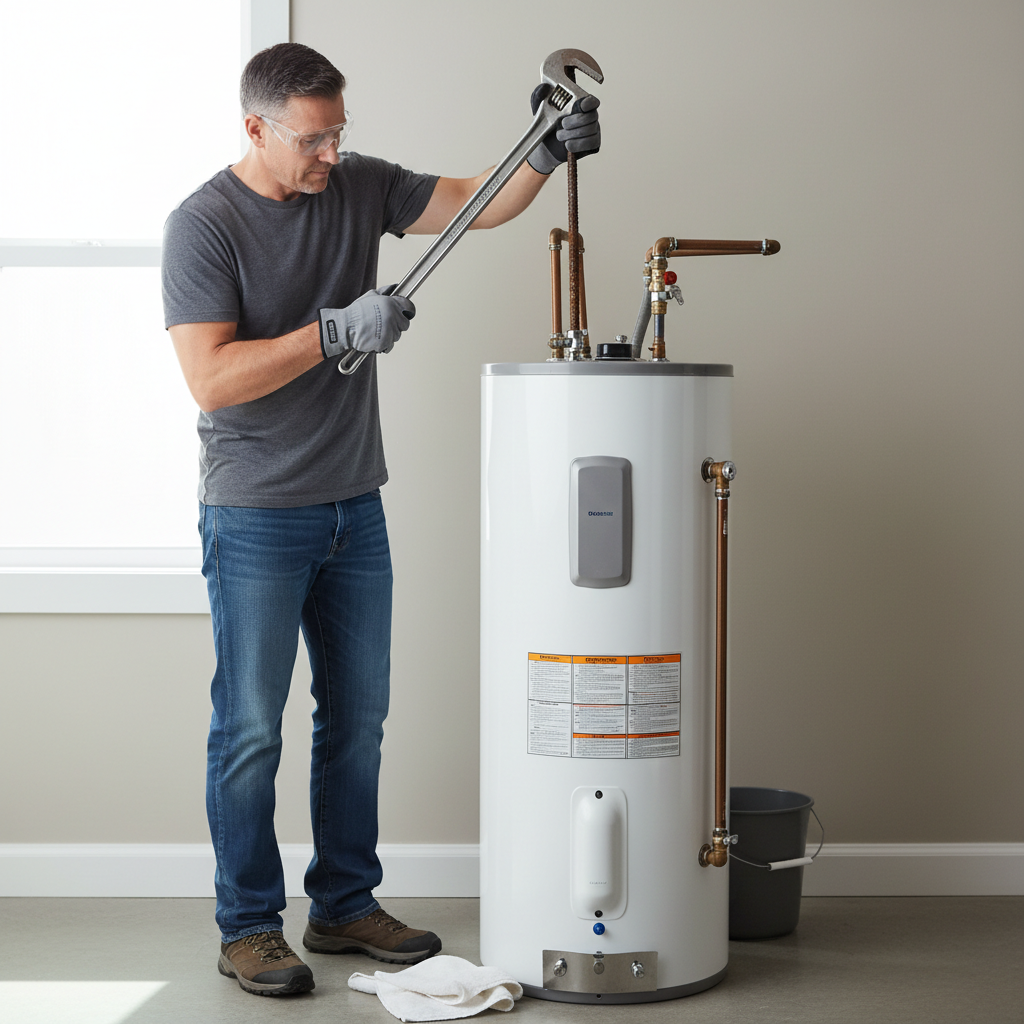
1. Inspect Your Water Heater's Anode Rod – Protecting your tank from the inside out
- Safety First: Turn off the power or gas supply to your water heater and the cold water supply. Allow the water to cool if recently used to avoid scalding. Use a voltage tester to ensure the power is off.
- Drain a Bit: Attach a garden hose to the drain valve at the bottom of the tank and open it, draining a few gallons to reduce pressure and lower the water level below the anode rod port.
- Locate and Remove: The anode rod is usually located on top of the water heater, often beneath a plastic cap, or sometimes it's integrated with the hot water outlet. Use a 1 1/16-inch or 1 1/4-inch socket wrench (the size varies) to loosen and remove the rod. It might be stubborn due to mineral buildup.
- Inspect and Replace: Examine the rod. If it's heavily corroded, less than 1/2 inch thick in most places, or coated with calcium, it's time for a replacement. If it's largely intact, clean it off and reinstall it. If replacing, ensure the new rod is the correct type (magnesium for most areas, aluminum/zinc for hard or sulfurous water).
- Reassemble and Test: Wrap plumbing tape around the threads of the new or cleaned anode rod, screw it back in, and tighten securely. Close the drain valve, open the cold water supply, and allow the tank to refill completely before restoring power/gas. Open a hot water faucet upstairs to bleed air from the lines.
2. Deep Clean Your Dryer Vent System – Preventing fires and boosting efficiency
- Safety First: Disconnect the dryer's power cord or turn off the circuit breaker for electric dryers. For gas dryers, turn off the gas supply valve and disconnect the gas line (call a pro if unsure). Move the dryer away from the wall.
- Disconnect Ductwork: Carefully disconnect the vent duct from the back of the dryer and from the wall vent hood. Inspect the duct for crushed or damaged sections. Replace any flexible foil ducts with rigid or semi-rigid metal ducts for better airflow and fire safety.
- Clean Dryer Interior: Use a vacuum cleaner with a hose attachment to thoroughly clean the lint trap housing inside the dryer, getting deep into any crevices. Clean the area around the dryer's exhaust port.
- Clean Duct From Both Ends: Use a dryer vent cleaning brush kit (a long flexible rod with a brush head) to clean the duct from both the inside (where it connects to the dryer) and the outside (the exterior vent hood). Push the brush through the duct, rotating it, to dislodge all lint. You might need to make multiple passes to ensure it's spotless. For very long or complex runs, consider starting from the middle if accessible.
- Clean Exterior Vent Hood: Remove any lint buildup from the exterior vent hood flap. Ensure the flap opens and closes freely. Replace damaged or bird-nested hoods.
- Reconnect and Test: Reconnect the ductwork, ensuring all connections are secure and airtight. Push the dryer back into place, taking care not to crush the duct. Restore power/gas and run the dryer on an air-only (no heat) cycle for 10-15 minutes to confirm good airflow and no leaks.
3. Check Your Attic Ventilation – Combating heat and moisture silently
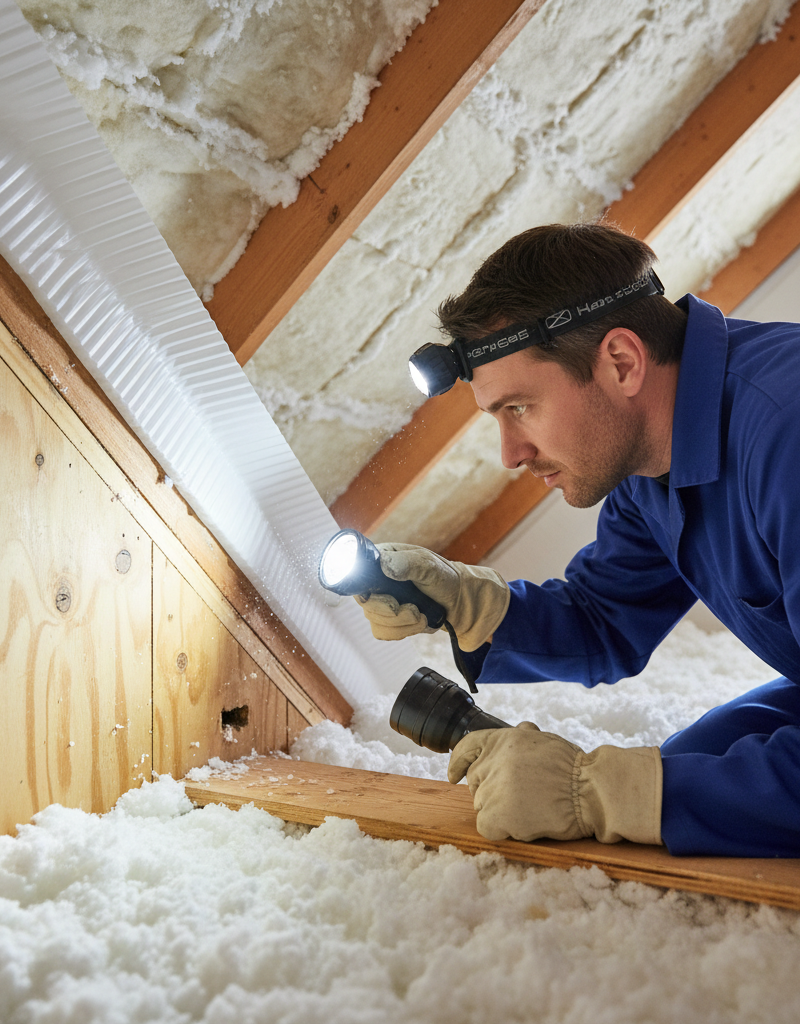
- Safety First: When accessing the attic, wear long sleeves, gloves, a dust mask, and eye protection. Watch your footing and only step on joists, not on the drywall ceiling below. Bring a strong flashlight.
- Inspect Soffit Vents (Intake): From the exterior, ensure that soffit vents (small vents under the roof eaves) are not blocked by paint, insulation pushed too far to the edges of the attic, or bird nests/debris. From inside the attic, ensure insulation baffles are in place to prevent insulation from blocking the airflow from the soffits.
- Inspect Exhaust Vents (Outtake): Check ridge vents, gable vents, or roof vents for obstructions from leaves, debris, or damaged screens. Ensure attic fan (if present) is operational and its thermostat is set correctly (typically around 100-110°F).
- Look for Insulation Issues: Confirm that insulation is evenly distributed and not blocking any vents. Ensure there is at least 1-2 inches of air space between the top of the insulation and the underside of the roof deck at the eaves.
- Check for Moisture/Mold: Look for signs of moisture, water stains, or mold growth on the underside of the roof sheathing, rafters, and insulation. These are red flags indicating poor ventilation or a roof leak that needs immediate attention.
- Clear Obstructions: Carefully remove any blockages from vents. If insulation is the culprit, gently push it back or install/adjust insulation baffles. If you find significant mold or water damage, it's time to investigate the source more thoroughly.
Common Causes
- Water Heater Anode Rod Neglect: Most homeowners are unaware of the anode rod's existence or function, assuming water heaters are maintenance-free until they fail. Water chemistry also plays a significant role; harder water or water with certain mineral compositions can accelerate anode rod corrosion.
- Dryer Vent Lint Accumulation: Every load of laundry produces lint, and while the lint trap catches most of it, fine particles inevitably make it into the vent duct. Over time, this lint builds up, especially in longer or more convoluted vent runs, leading to blockages. Lack of regular deep cleaning is the primary cause.
- Attic Ventilation Obstruction/Inefficiency: Poor attic ventilation often stems from blocked soffit vents (e.g., by insulation, paint, or pests), damaged or clogged exhaust vents (e.g., by leaves, snow, or ineffective design), or a lack of balanced intake and exhaust airflow. Sometimes, homeowners inadvertently block vents when adding insulation.
Common Mistakes
- Ignoring Water Heater Rumbles: Anode rod failure often leads to sediment buildup, causing a rumbling noise. Many mistake this for normal operation instead of a warning sign that the tank is failing.
- Using Flexible Foil Dryer Ducts: These accordion-style ducts easily trap lint, get crushed, and are less fire-resistant than rigid or semi-rigid metal ducts. Replacing them with proper materials is crucial.
- Blocking Attic Soffit Vents with Insulation: When adding attic insulation, homeowners often push it too far to the eaves, inadvertently blocking the critical intake airflow from the soffit vents, leading to moisture buildup.
- Forgetting to Disconnect Power/Gas Completely: Before working on any appliance, especially a water heater or dryer, always double-check that both electricity/gas and water supplies are fully off. This is a critical safety step.
- Not Bleeding Air from Water Heater: After reinstalling the anode rod and refilling the water heater, failing to open a hot water faucet to bleed air can cause airlocks and noisy pipes.
- Using a Leaf Blower to Clean Dryer Vent: While seemingly effective, a leaf blower can push lint further into crevices or dislodge the ductwork, causing hidden blockages rather than clearing them completely.
Cost & Time Breakdown
| Task | DIY Cost | Pro Cost | Time |
|---|---|---|---|
| Inspect Anode Rod (parts only) | $20–$50 | $150–$300 (with service) | 30–60 minutes |
| Clean Dryer Vent System | $0–$40 (for brush kit) | $100–$200 | 45–90 minutes |
| Attic Ventilation Check | $0 | $150–$350 (inspection only) | 30–60 minutes |
| Insulation Baffles (if needed) | $20–$50 | Included in insulation service | 15–30 minutes |
Tips & Prevention
- Regular Water Heater Flush: Flush a few gallons from your water heater every 6-12 months to remove sediment buildup, which can prolong the life of the heating elements and the tank itself.
- Annual Anode Rod Check: Even if it looks okay, make checking your anode rod an annual spring ritual. Replacing it every 3-5 years is cheap insurance against tank failure.
- Empty Dryer Lint Trap Every Load: This seems obvious, but consistent emptying prevents finer lint from even reaching your vent duct in significant quantities.
- Schedule Professional Dryer Vent Cleaning: For long or complex dryer vent runs (over 20 feet or with multiple bends), consider a professional dryer vent cleaning every 1-2 years. They have specialized tools to ensure thorough cleaning.
- Maintain Clear Soffit Vents: Periodically check exterior soffit vents for paint, insect nests, or debris. Inside the attic, ensure insulation is not pushed up against the eaves, blocking airflow.
- Perform a "Smoke Test" for Attic Airflow: On a breezy day, go into your attic and hold a stick of incense or a smoke pencil near soffit vents and exhaust vents. You should see the smoke being drawn in by soffits and exiting near the exhaust, indicating healthy airflow.
When to Call a Professional
For water heater issues, you should call a licensed plumber if you cannot loosen the anode rod, if your water heater is very old and shows advanced signs of corrosion (like leaking), or if you suspect issues with the gas line or internal components. Never attempt to repair gas lines yourself. For dryer vents, if your vent runs through walls or ceilings and you suspect a hidden blockage, or if you have a gas dryer and are uncomfortable disconnecting and reconnecting the gas line, call an appliance repair technician or a specialized dryer vent cleaning service. Improper gas line handling can be extremely dangerous. For attic ventilation, if you find extensive mold growth, signs of animal infestation, or significant roof leaks, contact a qualified roofing contractor or mold remediation specialist. Large-scale structural or moisture problems are beyond typical DIY scope and require expert assessment.
Related Articles
Keep troubleshooting with these hand-picked guides from FixlyGuide:
- The 7 Critical Home Inspection Checks Most Homeowners Miss (and How to Do Them Yourself) — Discover the essential annual home inspection checks many homeowners overlook and learn how to perform them yourself to prevent costly repa…
- The $30 Secret to Banishing Ice Dams From Your Roof (Before They Destroy It) — Learn safe and effective methods to remove ice dams from your roof and prevent costly damage to your home's structure and interior.
- The #1 Washing Machine Killer (It's Not Overloading!) — And How to Prevent It — Discover the surprising culprit behind premature washing machine failure and learn simple, actionable steps to extend its lifespan and keep…
- The #1 Mistake Homeowners Make When Diagnosing Low Water Pressure (and What to Check First) — Before you call a plumber, learn the most common overlooked cause of low water pressure affecting your entire home and how to easily check…
- The 4 Hidden Reasons Your Entire Home Has Low Water Pressure (And the Easy Fixes) — Low water pressure throughout your entire home can be a frustrating and often misunderstood problem, with several common culprits. Learn to…
- The Dryer Vent Fire Trap: 3 Hidden Signs Your Home Is at Risk — Learn the critical signs your dryer vent is clogged and how to safely clean it to prevent a dangerous house fire.
Frequently asked questions
How often should I check my water heater's anode rod?+
You should plan to inspect your water heater's anode rod annually, especially during your spring maintenance routine. While rods can last 3-5 years, inspecting it yearly helps catch corrosion early and ensures your tank is protected longer.
Can I clean my dryer vent myself, or do I need a professional?+
For most standard dryer vent runs (under 15-20 feet and relatively straight), a homeowner can effectively clean it using a dryer vent cleaning brush kit. However, for longer, convoluted, or hidden vent runs, or if you have a gas dryer and are uncomfortable disconnecting the gas line, it's safer and more effective to call a professional.
What are the signs of poor attic ventilation?+
Signs of poor attic ventilation include excessive heat in the attic during summer, higher-than-normal AC bills, recurring ice dams in winter, moisture or frost on the underside of the roof sheathing, and visible mold or mildew growth on attic rafters or insulation. Shingles curling or prematurely aging can also indicate attic heat issues.
Is it safe to go into my attic?+
Yes, it's generally safe for homeowners to enter their attic, but you must take precautions. Always wear protective gear (mask, gloves, long sleeves), carry a strong flashlight, and critically, only step on the wooden joists. Never step directly on the ceiling drywall between joists, as you could fall through. Be aware of exposed nails and insulation material.
How much does a new anode rod cost?+
A replacement anode rod typically costs between $20 and $50 for the part itself. The price can vary based on the material (magnesium, aluminum, or zinc) and the length/diameter required by your specific water heater model. Installation by a plumber will add labor costs, usually bringing the total to $150-$300.


Discussion
Loading comments…