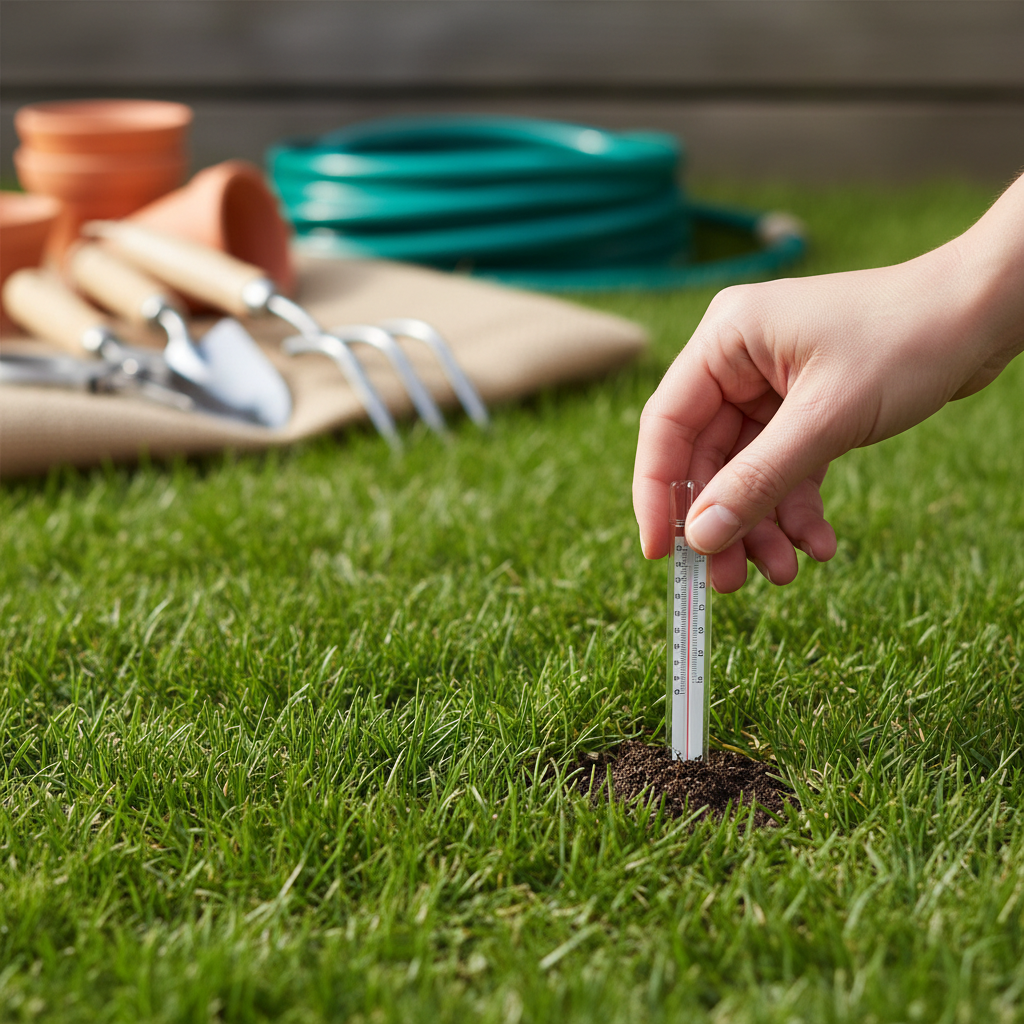
Tools & materials you'll need
Affiliate links- AmazonGranular pre-emergent herbicideChoose one safe for your grass type and targeting your weeds.
As an Amazon Associate FixlyGuide earns from qualifying purchases — at no extra cost to you. Prices and availability are accurate as of publication and subject to change.
Quick Answer
Pre-emergent weed control works by creating a chemical barrier in the soil that prevents weed seeds from germinating. The crucial factor for success is precise timing, applying it before weed seeds sprout but after dormant desirable plants are safe. This timing varies by region and specific weed, but generally aligns with soil temperatures reaching a consistent 50-55°F. Miss this narrow window, and you'll find yourself battling a full-blown weed invasion, rendering your initial application largely ineffective and your efforts wasted.
The Problem
Every year, countless homeowners dutifully apply pre-emergent herbicides, only to be frustrated by a lawn still teeming with crabgrass, broadleaf weeds, or other unwanted invaders. The culprit isn't usually the product itself, but a fundamental misunderstanding of one critical element: timing. Applying pre-emergent at the wrong time is akin to locking the barn door after the horses have bolted. If you put it down too early, the barrier breaks down before the worst of the weed germination season arrives. Apply it too late, and the weed seeds have already sprouted, making the pre-emergent useless against them. This mistiming wastes money, time, and leads to an unsightly yard, often prompting homeowners to incorrectly assume pre-emergents don't work.
How It Works
Pre-emergent herbicides are fascinating chemical tools in a homeowner's arsenal for a pristine lawn. Unlike post-emergent herbicides, which kill actively growing weeds, pre-emergents target weed seeds before they emerge from the soil. When applied, the active ingredients form a thin, invisible chemical barrier in the top quarter-inch or so of the soil. As weed seeds begin to germinate, their tiny root systems and shoots grow into this barrier. The herbicide then disrupts the cellular division in these nascent weed sprouts, effectively killing them before they can even break through the soil surface. This prevents them from ever establishing, developing leaves, or competing with your desirable turfgrass or ornamental plants for vital nutrients, water, and sunlight.
Most common pre-emergents are activated by water. This means for the barrier to form effectively, the granules or spray needs to be watered in gently soon after application (usually within 24-48 hours). Without this activation, the chemicals largely remain inert on the soil surface, vulnerable to being blown away or degraded by UV light without ever performing their intended function. The barrier they form is not permanent; it slowly breaks down over time, typically providing 8-12 weeks of protection depending on the product and environmental conditions. This decay rate is why a second application, or split application, is often recommended in regions with long growing seasons or multiple weed germination cycles.
Understanding the target – the weed seed – is also crucial. Different weeds germinate at different soil temperatures. For instance, cool-season weeds like henbit and chickweed often germinate when soil temperatures are much lower, sometimes in late fall or very early spring. Warm-season weeds, most famously crabgrass, require higher, more consistent soil temperatures, usually in the mid-50s°F. Your success hinges on matching your application to the germination timing of the specific weeds you want to control.
Step-by-Step Fix
1. Know Your Enemies (Weeds) — Identify the primary weeds you're battling to understand their germination cycles.
- Before you can win the war, you need to understand your enemy. Different weeds germinate at different times. Crabgrass, for instance, is a warm-season annual that germinates when soil temperatures are consistently above 55°F. Broadleaf weeds like chickweed and henbit are cool-season annuals that germinate in cooler soil, often in the fall or very early spring. Identifying which weeds plague your yard will dictate your specific timing strategy. Use a local extension office guide or a reliable online plant identification app to confirm.
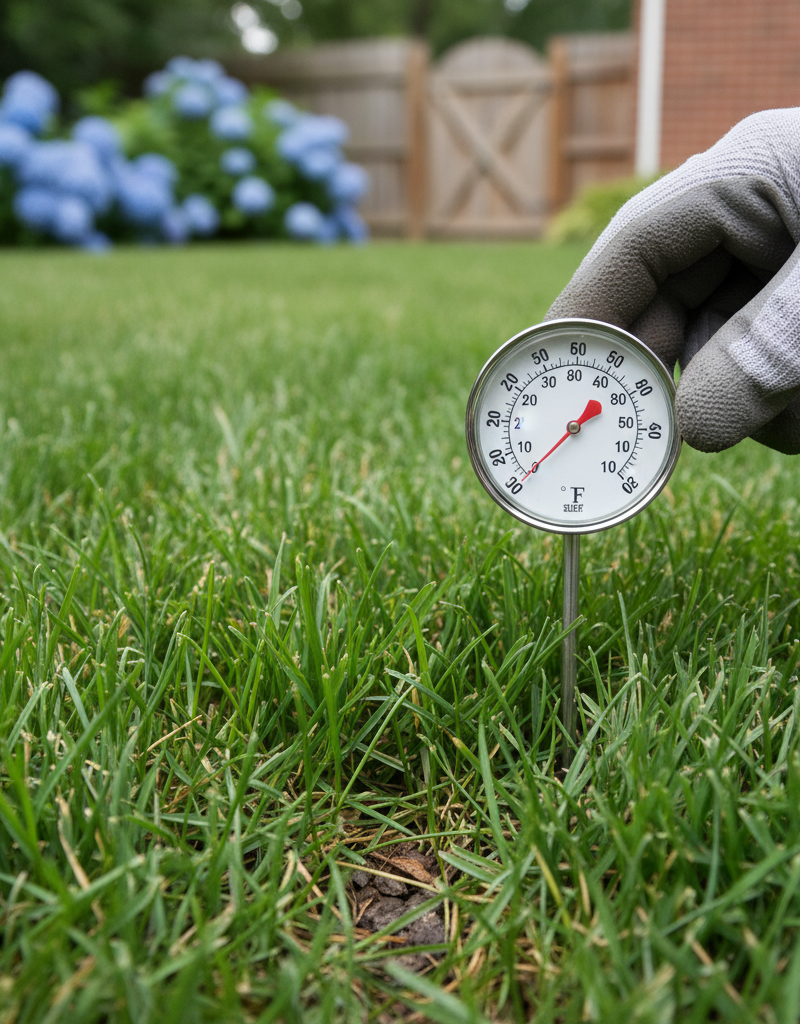
2. Track Your Soil Temperature — The most accurate predictor of weed germination is soil temperature, not air temperature.
- Safety Note: Always wear gloves when handling soil thermometers or herbicides.
- Air temperature can fluctuate wildly day-to-day, but soil temperature changes more slowly and steadily, making it a much better indicator for pre-emergent timing. Purchase an inexpensive soil thermometer (available at most garden centers). For warm-season weeds like crabgrass, you're looking for soil temperatures at ¾ to 1 inch deep to consistently reach 50-55°F for several consecutive days. For cool-season weeds, consult specific guides, as it might be in the 40s°F.
- If this doesn't work: Check if you're measuring in a sunny or shady spot. Soil in sunny areas heats faster. Take readings from several representative areas of your lawn.
3. Time Your Application Precisely — Apply pre-emergent just before the target weed's germination threshold is consistently met.
- For warm-season annual weeds like crabgrass, this typically means applying when soil temperatures are just reaching the low 50s°F. This usually corresponds to regional indicators like forsythia bushes blooming to about half their potential, or dogwood trees showing early bud swell. For cool-season weeds, fall application is often best when soil temperatures drop below 70°F and continue to fall. Aim for a dry day with little wind to ensure even distribution.
4. Choose the Right Product — Select a pre-emergent formulation suitable for your lawn type and target weeds.
- Pre-emergents come in granular and liquid forms. Granular products are applied with a spreader and often preferred for ease of use over large areas. Liquid concentrates are mixed with water and applied with a sprayer, offering more precise spot treatment but requiring more setup. Check the label for active ingredients like prodiamine, pendimethalin, or dithiopyr. Ensure the product is safe for your specific grass type (e.g., Bermuda, Zoysia, Fescue) and targets the weeds you identified. Some products also contain fertilizer, which can be useful if your lawn needs a spring feeding.
5. Calibrate Your Spreader — Ensure even and accurate product distribution for an effective barrier.
- An improperly calibrated spreader is a common cause of ineffective weed control. Refer to your chosen pre-emergent's label for specific spreader settings for various brands and types (broadcast vs. drop spreaders). Test your spreader on a driveway or patio to ensure it's distributing evenly. Walk at a consistent pace for uniform coverage. Overlap wheel tracks slightly to avoid missing spots, which will inevitably lead to strips of weeds.
6. Apply Evenly and Accurately — Methodical application is key to creating a uniform protective barrier.
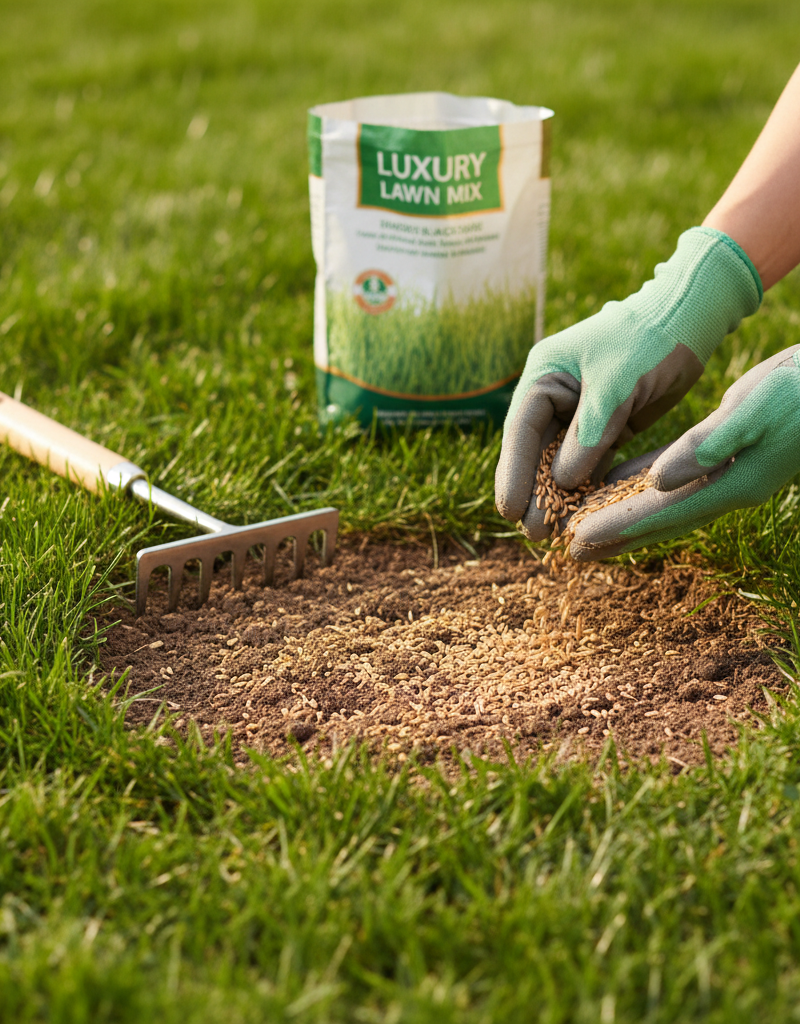
- Apply half the recommended product in one direction (e.g., north-south) and the other half perpendicular to the first (e.g., east-west). This cross-hatch pattern helps ensure even coverage and minimizes missed spots. Avoid applying to desirable flower beds unless the product label explicitly states it's safe for those plants. Never apply pre-emergent before seeding a new lawn, as it will prevent your grass seeds from germinating too. Wait several months after pre-emergent application before attempting to seed.
7. Water It In (Crucial Step!) — Activate the pre-emergent by watering immediately after application.
- Safety Note: Avoid contact with skin and eyes; wear gloves and eye protection. Follow all label instructions for PPE.
- Most pre-emergents require water activation to form their subterranean barrier. Aim for about ½ inch of water from rain or irrigation within 24-48 hours of application. This moves the chemical into the top layer of soil where weed seeds reside. Do not overwater, as excessive irrigation can dilute the barrier or push it too deep, reducing its effectiveness. A gentle, consistent watering is ideal.
8. Consider a Split Application (If Needed) — For long growing seasons or persistent weeds, a second application might be beneficial.
- In regions with long, warm springs and summers, or if you're battling particularly tenacious weeds like nutsedge (though nutsedge specific pre-emergents exist), a single application might not provide season-long control. The effectiveness of the chemical barrier degrades over time. Consider a split application, where you apply half the recommended rate in early spring and the other half 6-8 weeks later. Always check the product label for guidance on multiple applications and maximum yearly rates.
Common Causes
- Incorrect Timing: This is by far the biggest contributor to pre-emergent failure. Applying too early or too late misses the narrow window of opportunity before weed seeds germinate.
- Lack of Watering-In: Pre-emergents need to be watered into the soil to create their protective barrier. Skipping this step, or not receiving sufficient rain, renders the application useless.
- Uneven Application: Streaks of weeds appearing across your lawn indicate inconsistent application, usually due to an uncalibrated spreader or sloppy technique.
- Wrong Product for the Weed/Grass Type: Using a pre-emergent that doesn't target your specific weed problem or is harmful to your turfgrass. Some pre-emergents are not safe for certain grasses or may inhibit the growth of desired ornamentals.
- Applying Before Seeding: Pre-emergents do their job too well; they prevent all seeds from germinating, including desirable grass seed. Applying before new seeding will result in sparse or no new grass growth.
Common Mistakes
- Relying on Air Temperature: Air temperature is a poor indicator for pre-emergent timing. Always use soil temperature for accuracy.
- Applying Too Close to Seeding/Overseeding: Pre-emergent will prevent grass seed from germinating. Wait at least 60-90 days after a pre-emergent application before seeding, or apply a pre-emergent specifically labeled as safe for new grass (which are rare and often ineffective).
- Not Calibrating the Spreader: Guessing spreader settings leads to under or over-application, both of which are ineffective and wasteful.
- Ignoring the Product Label: The label contains vital information on application rates, safety precautions, watering requirements, and specific weeds controlled. It's not optional reading.
- Applying During High Wind: Granular products can drift and land in undesirable areas (e.g., vegetable gardens or neighbor's property) and lead to uneven coverage.
- Expecting Immediate Results: Pre-emergents work by preventing growth, so you won't see active weeds dying. Their effectiveness is measured by the absence of new weeds later in the season.
Cost & Time Breakdown
| Task | DIY Cost | Pro Cost | Time |
|---|---|---|---|
| Soil Thermometer | $10-$25 | N/A | 0 |
| Pre-emergent Herbicide | $20-$100 (per bag) | Included in service | 20-30 minutes |
| Spreader Calibration | $0 | N/A | 10-15 minutes |
| Application | $0 | Included in service | 30-90 minutes |
| Watering In (Irrigation) | $5-$20 (water bill) | N/A (or included) | 30-60 minutes |
| Total per application | ~$35-$145 | ~$100-$300 | ~1.5-3 hours |
Tips & Prevention
- Monitor Soil Temperatures Regularly: Make a habit of checking soil temps starting in late winter/early spring and again in late summer/early fall, depending on your target weeds.
- Keep a Lawn Journal: Note down application dates, products used, soil temps, and results. This helps refine your timing each year.
- Integrated Weed Management: Combine pre-emergent use with good cultural practices: proper mowing height, correct watering, and regular fertilization to promote a dense, healthy lawn that naturally crowds out weeds.
- Consider a Split Application: For extended protection, especially against crabgrass in warmer climates, apply half the recommended rate in early spring and the second half 6-8 weeks later.
- Read the Label Every Time: Products can change, and active ingredients may have specific nuances. Always review the full label before each application.
When to Call a Professional
While applying pre-emergent is a straightforward DIY task for most homeowners, there are specific situations where calling a licensed lawn care professional is advisable. If you have a severe, recurring weed problem that seems impervious to your best efforts, a professional can correctly identify persistent weeds, assess underlying soil issues, and recommend a targeted, often multi-pronged approach that includes industrial-grade products or alternative control methods not available to the public. Additionally, if your lawn is exceptionally large, has intricate landscaping, or features sensitive ornamental plants that require careful application of chemicals, a professional can ensure proper coverage without damaging your desirable vegetation. They also have the specialized equipment for precise application, which can be critical for achieving optimal results and avoiding chemical runoff. If you're consistently seeing poor results despite following all best practices, a pro's expertise can save you money and frustration in the long run by diagnosing and solving the root cause of your weed issues.
Related Articles
Keep troubleshooting with these hand-picked guides from FixlyGuide:
- The #1 Timing Mistake That Makes Pre-Emergents Useless (And How to Fix It) — Applying pre-emergent weed control at the wrong time is the most common reason for failure, leading to wasted product and persistent weeds.
- The #1 Mistake Killing Your Thin Lawn (and How to Fix It in a Weekend) — Overseeding a thin lawn is crucial for a lush yard, but a common mistake can ruin your efforts before they even begin. Learn how to diagnos…
- The 3 Mulching Mistakes That Are Secretly Killing Your Plants — Discover the three common mulching errors that inadvertently harm your garden plants and learn how to apply mulch correctly for thriving, h…
- The #1 Mistake Killing Your Thin Lawn (And How to Fix It in a Weekend) — Overseeding your lawn can transform it from thin and patchy to lush, but many homeowners make a crucial mistake that hinders success. Learn…
- The #1 Mistake Killing Your Lawn's Grass (and How to Fix Patchy Spots) — Discover the most common reason for patchy grass and learn how to revive your lawn with targeted, easy-to-follow steps.
- Is Your Gutter Sagging After Every Storm? The Hidden Flaw Most Homeowners Miss — Discover the overlooked reason your gutters sag after every storm and learn the lasting fix that most homeowners miss.
Frequently asked questions
When is the best time to apply pre-emergent for crabgrass?+
The best time to apply pre-emergent for crabgrass is when soil temperatures consistently reach 50-55°F for several consecutive days. This usually corresponds to the blooming of forsythia bushes in spring, but measuring soil temperature directly with a thermometer is the most accurate method.
How long does it take for pre-emergent to work?+
Pre-emergent works by stopping weed seeds from germinating, so you won't see immediate results. Its effectiveness is measured by the *absence* of new weeds emerging later in the season. The chemical barrier it creates typically lasts 8-12 weeks once activated by water.
Do I need to water in pre-emergent immediately after applying it?+
Yes, it is crucial to water in granular or liquid pre-emergent within 24-48 hours of application. This activation step moves the herbicide into the top layer of the soil to form the protective barrier that prevents weed seeds from sprouting.
Can I apply pre-emergent and then plant grass seed?+
No, you should never apply most pre-emergents before seeding a new lawn or overseeding. Standard pre-emergents prevent *all* seeds from germinating, including your desirable grass seed. Wait at least 60-90 days after a pre-emergent application before attempting to plant new grass.
Discussion
Loading comments…