Tools & materials you'll need
Affiliate linksAs an Amazon Associate FixlyGuide earns from qualifying purchases — at no extra cost to you. Prices and availability are accurate as of publication and subject to change.
Quick Answer
Your toilet probably isn't just having bad luck with clogs; a recurring issue points to specific, underlying problems. The most common reasons for a toilet that clogs repeatedly every few days often involve a partial obstruction in the S-trap or further down the drain, an insufficient flush caused by low water levels in the tank or a faulty flapper, or mineral buildup within the toilet's rim jets, which weakens the flush. Diagnosing these root causes, rather than just plunging, is key to a lasting fix.
The Problem
There's nothing more frustrating than a toilet that just won't stay clear. You plunge it, it works for a day or two, and then—bam!—another clog. This isn't just an inconvenience; it can be a sign of a larger, developing plumbing issue that, if left unaddressed, could lead to more serious problems like drain line backups or even water damage. While an occasional clog from too much toilet paper is normal, a toilet that clogs every few days is trying to tell you something. It means the system isn't clearing waste effectively, and simple plunging is only providing temporary relief without solving the root cause. This article will walk you through the three most common hidden culprits and how to tackle each one, bringing an end to your frequent flushing frustrations.
How It Works
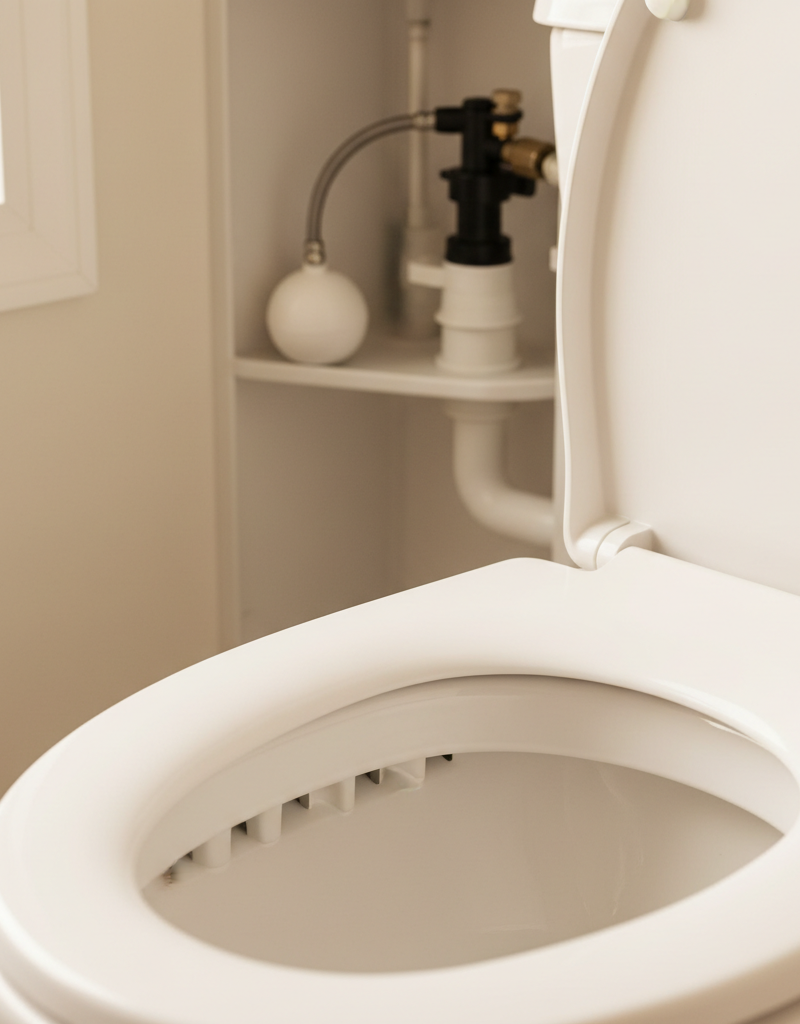
Understanding how a toilet flushes is crucial to diagnosing why it clogs. When you press the flush handle, a chain lifts the flapper valve at the bottom of the toilet tank. This allows the water stored in the tank to rush into the toilet bowl. This water enters the bowl through two main pathways: the large hole at the bottom of the bowl (siphon jet), and a series of smaller holes located under the rim (rim jets). The combined force of this water creates a siphoning action, pulling the contents of the bowl down the drain. The water then flows through the toilet's internal trap (an S-shaped bend for modern toilets or a P-trap for older wall-mounted units), into the main drainpipe, and eventually, into your home's waste system. Once the tank empties, the flapper falls back into place, and the fill valve refills the tank and bowl to their proper levels.
- The Trap: Both the toilet's internal S-trap and the P-trap (if applicable) are designed to hold a small amount of water to prevent sewer gases from entering your home. Their curved shape also helps to create the siphoning action needed for a powerful flush. However, these bends are also common points for partial blockages to form.
- Flush Mechanism: The volume and speed of water entering the bowl from the tank are critical. If the water level is too low, or if the flapper isn't sealing or opening correctly, the flush won't have enough power to clear the bowl effectively. The rim jets, though often overlooked, play a vital role in creating the swirling action that cleans the bowl and initiates the siphon. If these jets are partially blocked, the flush becomes weak and inefficient, leaving waste behind.
Step-by-Step Fix
1. Test Your Flush Power — Identify if the flush itself is weak.
Before you grab the plunger, observe your toilet's flush. Does the water in the bowl swirl vigorously, or does it slowly drain? Does the tank empty quickly and completely? A weak or slow flush is a primary indicator of insufficient water volume or restricted flow. You can test this by pouring a gallon of water into the bowl quickly. If it flushes normally, the issue is likely with the tank or rim jets; if it still struggles, the problem is further down the drain.
- Tools: None (just a gallon of water)
- If this doesn't work: Proceed to check tank water level and rim jets.
2. Adjust Tank Water Level — Ensure your tank has enough water for a strong flush.
The water level in your toilet tank needs to be set correctly to ensure a powerful flush. Most fill valves have an adjustment screw or clip. The water level should reach the fill line marked inside the tank, usually about an inch below the top of the overflow tube. If it's too low, adjust it upwards. This takes only a minute and can significantly improve flush strength.
- Tools: Screwdriver (sometimes needed for adjustment)
- Safety: Turn off the water supply to the toilet before making adjustments to prevent accidental overflow.
3. Inspect and Replace the Flapper — A faulty flapper can lead to a weak, incomplete flush.
The flapper valve at the bottom of the tank is crucial. If it's old, warped, or doesn't seal properly, water can leak into the bowl before you flush, reducing the volume available for a full flush. Check for signs of wear, cracks, or mineral buildup. To test it, put a few drops of food coloring into the tank water; if color appears in the bowl without flushing, your flapper is leaking. Replace it with a new one; they are inexpensive and easy to install.
- Tools: New flapper (check your toilet model for compatibility), sponge or rag
- Tip: Turn off the water supply and flush the toilet to empty the tank before replacing.
4. Clear Rim Jets — Remove mineral buildup restricting water flow to the bowl.
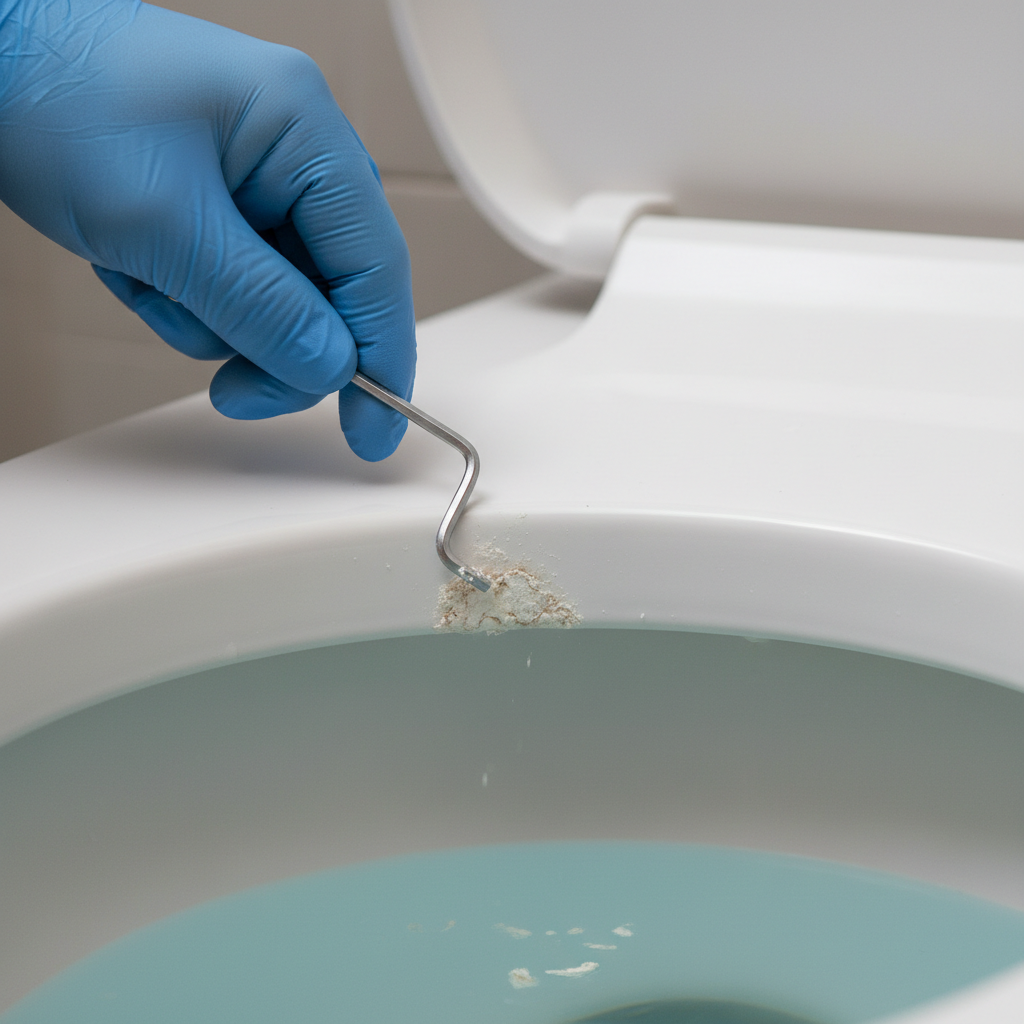
Over time, hard water mineral deposits can clog the small holes (rim jets) located underneath the toilet rim. These jets direct water into the bowl, creating the swirling action needed for a strong flush. Use a small mirror to inspect them. To clear them, turn off the water supply and flush to empty the tank. Pour a cup or two of white vinegar into the overflow tube, allowing it to sit for at least 30 minutes (or overnight for severe buildup). Then, use a small wire or an Allen wrench to manually clear each jet. Flush several times to rinse.
- Tools: Small mirror, wire hanger or Allen wrench, white vinegar, bristly brush
- Safety: Wear gloves and eye protection when working with vinegar or cleaning agents.
5. Plunge the S-Trap Correctly — Apply proper plunging technique to clear localized clogs.
If the flush mechanism seems fine, the problem is likely a partial blockage in the toilet's S-trap or further down the drain. A toilet plunger (specifically a flange plunger, which has an extension to seal the toilet drain) is your first line of defense. Ensure a good seal over the drain opening, then plunge with short, forceful thrusts, maintaining suction. Avoid frantic up-and-down motions; focus on pushing water through the trap. Repeat 10-15 times, then check the flush. Resist the urge to use chemical drain cleaners, as they can damage plumbing and are rarely effective on toilet clogs.
- Tools: Flange plunger
- Safety: Wear gloves. If the toilet bowl is overflowing, remove some water before plunging to prevent splashing.
6. Use a Toilet Auger (Closet Auger) — Reach and clear blockages beyond the plunger's reach.
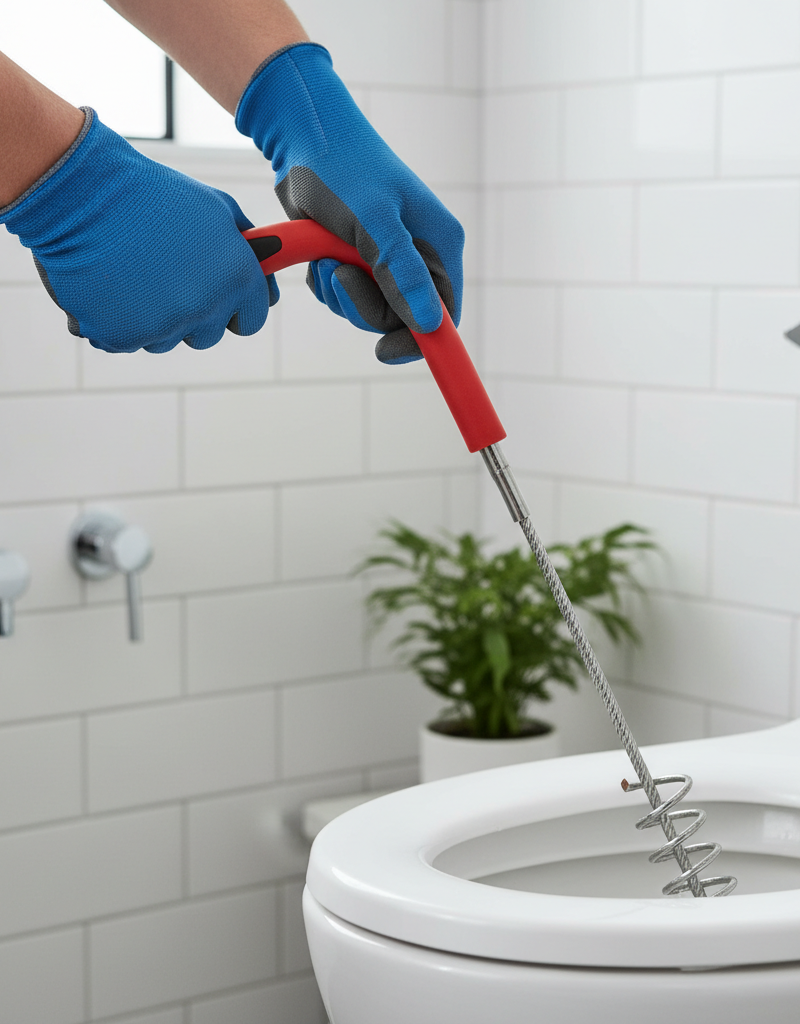
If plunging doesn't work, a toilet auger (also known as a closet auger) is designed to clear clogs without scratching the porcelain. It has a protective rubber sleeve over the auger cable. Carefully insert the auger into the toilet drain opening, turning the handle clockwise as you feed the cable into the trap. When you hit the obstruction, rotate the auger to break it up or hook onto it. Retract the auger slowly, pulling out any debris. Flush to test.
- Tools: Toilet auger (closet auger)
- Tip: Never use a standard drain snake; its exposed metal can damage the toilet bowl.
7. Address Main Drain Issues (If All Else Fails) — When the problem extends past the toilet.
If the toilet still clogs after attempting the above fixes, or if multiple drains in your home are slow or backing up, the problem likely lies in your main drain line. This is beyond a simple toilet fix and often requires professional help. Tree roots, significant grease buildup, or a collapsed pipe can cause main line blockages. If you suspect a main drain issue, it's time to call a licensed plumber.
- Tools: None (professional intervention needed)
- Pro Callout: If all toilets or drains in your home are slow or backing up, or if sewage is coming up through drains, call a professional immediately. This indicates a main sewer line blockage requiring specialized equipment.
Common Causes
- Insufficient Flush Power: This is often the real hidden cause. If the water isn't entering the bowl with enough force and volume, it can't create the necessary siphoning action to clear waste. This can stem from low water levels in the tank, a faulty flapper that leaks or doesn't open fully, or mineral-clogged rim jets. Without a strong flush, even small amounts of waste or toilet paper can lead to a partial clog that builds up over days.
- Partial Obstruction in the Trap: The S-trap (the curve inside the toilet bowl) or a P-trap (if it's an older, wall-mounted toilet) is designed to hold water. Small non-flushable items (dental floss, cotton swabs, hair) or excessive toilet paper can get caught in this bend. Unlike a full blockage, a partial one allows some flow, but creates turbulence and reduced diameter, making it prone to catching subsequent waste until a full clog develops.
- Drain Line Restrictions (Further Down): The problem might not be with the toilet itself, but in the drain pipes connecting the toilet to the main sewer line. This could be due to years of accumulated grime, soap scum, hair, or even tree roots infiltrating older pipes. If the pipe's internal diameter is reduced, it creates a bottleneck where waste can easily build up and cause recurring clogs.
- Older, Low-Flow Toilet Design: Early low-flow toilet models (from the 1990s and early 2000s) were designed to conserve water but often sacrificed flush power. If you have an older low-flow model, its design might simply not be robust enough to handle modern toilet paper or higher-volume flushes, making it inherently prone to clogging.
- Excessive Toilet Paper Use: While not an issue for most modern toilets, if combined with a weak flush or a partially restricted drain, using too much toilet paper can certainly contribute to recurring clogs. This is especially true for thicker, quilted varieties.
Common Mistakes
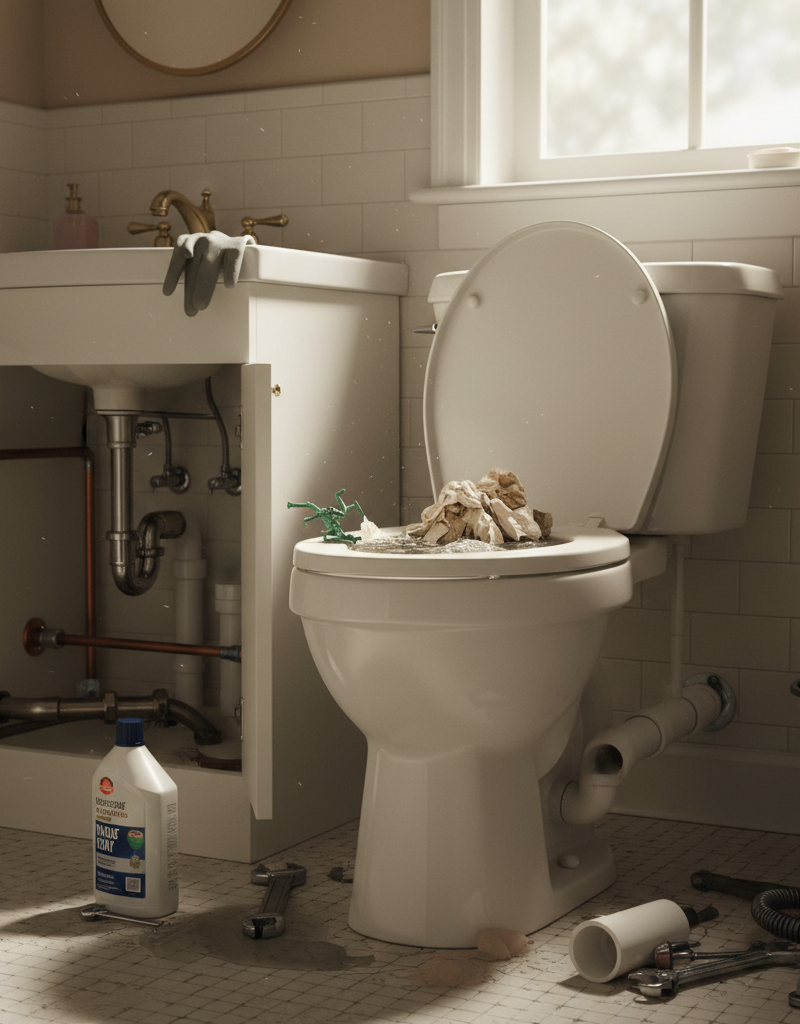
- Using Chemical Drain Cleaners: These harsh chemicals are corrosive and can damage your toilet's internal components (like rubber seals and flappers) and even older pipes. They rarely work effectively on toilet clogs and often just sit in the bowl, creating a dangerous situation if you then try to plunge or use an auger. Stick to mechanical methods like plungers and augers.
- Ignoring the Tank Water Level: Many homeowners overlook the simple fix of adjusting the water level in the tank. If the water doesn't reach the fill line, your toilet won't have enough volume for a powerful, complete flush, leading to recurring clogs.
- Using the Wrong Plunger: A cup plunger (the simple, flat-bottomed kind) is great for sinks but ineffective for toilets. You need a flange plunger, which has a distinct bell-shaped extension that creates a tight seal over the toilet drain, allowing for proper suction and force.
- Not Clearing Rim Jets: Clogged rim jets are a common culprit for weak flushes and are often completely overlooked. Ignoring them means you're not addressing a fundamental reason the toilet isn't clearing waste effectively.
- Assuming Every Clog is a Simple Blockage: Repeated clogs, especially those that reappear quickly, are rarely just a "simple blockage." They point to systemic issues—weak flush, partial trap obstruction, or drain line problems—that plunging alone won't solve. Dig deeper to find the real cause.
- Aggressively Pushing with a Standard Snake: Using a standard, exposed metal drain snake in a porcelain toilet bowl can easily scratch or crack the finish, leading to costly repairs. Always use a toilet auger (closet auger) which has a protective sleeve.
Cost & Time Breakdown
| Task | DIY Cost | Pro Cost | Time |
|---|---|---|---|
| Adjusting Tank Water Level | $0 | N/A | 5–10 minutes |
| Replacing Toilet Flapper | $8–$20 | N/A | 15–30 minutes |
| Clearing Rim Jets (Vinegar) | $2–$5 | N/A | 30 min – overnight |
| Plunging the S-Trap | $0 (if owned) | N/A | 10–20 minutes |
| Using a Toilet Auger | $0 (if owned) | $100–$250 | 20–45 minutes |
| Main Drain Snaking | N/A | $200–$600+ | 1–3 hours |
Tips & Prevention
- Educate Household Members: Ensure everyone in the house knows what can and cannot be flushed. "Flushable" wipes are often not truly flushable and are a common cause of recurring clogs. Dental floss, cotton balls, feminine hygiene products, and excessive toilet paper should always go in the trash.
- Regular Rim Jet Cleaning: Make it a habit to check and clean your toilet's rim jets every few months, especially if you have hard water. A quick scrub with a brush or occasional vinegar treatment can prevent significant buildup.
- Monitor Water Level and Flapper: Periodically check the water level in your tank to ensure it's at the correct fill line. Test your flapper for leaks annually by adding food coloring to the tank. Replacing a worn flapper proactively is a cheap and effective preventative measure.
- Use the Right Toilet Paper: Opt for single-ply or quick-dissolving toilet paper if you have an older toilet or recurring clog issues. Avoid ultra-plush, thick varieties that take longer to break down.
- Listen to Your Toilet: Pay attention to any gurgling sounds from the toilet or other drains, especially after flushing or using water elsewhere in the house. This can be an early warning sign of a developing drain line blockage.
- Install a Hair Catch in Showers: While not directly related to toilet clogs, slow shower or sink drains can indicate accumulating hair and debris, which can eventually contribute to larger drain issues affecting your toilet.
When to Call a Professional
It's time to bring in a licensed plumber if your toilet continues to clog despite trying the above troubleshooting steps, especially if you've used a toilet auger to clear the trap. If you notice multiple drains in your home (sinks, tubs, showers) are also slow or backing up, this is a strong indicator of a main sewer line blockage, which requires professional equipment and expertise to resolve safely and effectively. Additionally, if you see sewage backing up into your tub or shower, or smell strong sewer gas, cease all water use and call a plumber immediately. Attempting to clear main line blockages without the proper tools and knowledge can worsen the problem or even cause damage to your plumbing system, leading to more costly repairs. A professional can use camera inspection to pinpoint the exact location and cause of the clog, providing a permanent solution.
Related Articles
Keep troubleshooting with these hand-picked guides from FixlyGuide:
- Why Your Toilet Clogs Every Few Days (And the #1 Mistake Homeowners Make) — A toilet that clogs frequently is a frustrating problem, often caused by easily overlooked issues like trapway obstructions or ventilation…
- The $5 Secret to Silencing a Running Toilet (Plumbers Hope You Don't Know) — A running toilet is usually caused by a simple issue with the flapper or its chain, leading to constant water waste and higher utility bill…
- The Secret Reason Your Toilet Clogs Every Few Days (It’s Not What You Think) — Frequent toilet clogs often point to issues beyond simple blockages, from vent pipe problems to a failing flush mechanism, demanding a clos…
- The 5-Minute Trick to Restore Your Kitchen Sink Sprayer's Lost Pressure — Restore your kitchen sink sprayer's low pressure with a quick, simple trick that often takes less than five minutes and requires no special…
- The 3 Hidden Reasons Your Toilet Tank Fills Slowly (And How to Fix Each) — Discover the common culprits behind a slow-filling toilet tank, from crucial valve issues to subtle obstructions, and learn how to restore…
- Is Your Gutter Sagging After Every Storm? The Hidden Flaw Most Homeowners Miss — Discover the overlooked reason your gutters sag after every storm and learn the lasting fix that most homeowners miss.
Frequently asked questions
Why does my toilet keep clogging every few days?+
Recurring toilet clogs often stem from a weak flush due to low tank water or a faulty flapper, mineral buildup in the rim jets, or a partial obstruction in the toilet's S-trap or further down the drain line. It's usually not just 'bad luck' but an underlying issue.
Can low water in the toilet tank cause clogs?+
Yes, absolutely. If the water level in your toilet tank is too low, there isn't enough volume and force to create the powerful siphoning action needed to effectively clear waste from the bowl, leading to incomplete flushes and recurring clogs.
Are 'flushable' wipes safe for toilets?+
Despite their name, most 'flushable' wipes do not break down in water like toilet paper and are a major cause of recurring clogs and sewer system blockages. It's always best to dispose of them in the trash to prevent plumbing issues.
When should I use a toilet auger instead of a plunger?+
Use a toilet auger (closet auger) when a standard plunger doesn't clear the clog after several attempts. An auger can reach deeper into the toilet's trap and drain to break up or retrieve blockages that a plunger can't dislodge. Always use an auger specifically designed for toilets to avoid scratching the porcelain.
Should I use chemical drain cleaners for a clogged toilet?+
No, you should avoid using chemical drain cleaners in your toilet. They are often ineffective for severe toilet clogs, can damage your toilet's internal components, and can be harmful to your pipes, especially older ones. Mechanical methods like plunging or augering are safer and more effective.
Discussion
Loading comments…