Tools & materials you'll need
Affiliate linksAs an Amazon Associate FixlyGuide earns from qualifying purchases — at no extra cost to you. Prices and availability are accurate as of publication and subject to change.
Quick Answer
Many homeowners inadvertently encourage dandelion growth by mowing their lawn too short. This common mistake stresses the grass, reduces its ability to compete, and allows ample sunlight to reach the soil, creating ideal conditions for dandelion seeds to germinate and flourish. The quickest and most effective step towards a dandelion-free lawn is to raise your mower blade to at least 3 inches, promoting a dense, healthy turf that naturally shades out and chokes new weed growth.
The Problem
You're tired of seeing those bright yellow invaders pop up all over your otherwise green lawn. You might be pulling them by hand, spraying them with herbicides, or just grumbling as you mow over them. But despite your efforts, they keep coming back, often seemingly worse than before. The frustrating truth is, many common lawn care practices, far from deterring dandelions, actually create the perfect environment for them to thrive. The root of the problem isn't always the dandelion itself, but the underlying health and maintenance of your lawn. A thin, weak lawn is an open invitation for weeds like dandelions to take over, competing for nutrients, water, and sunlight, and detracting from your lawn's aesthetic appeal.
How It Works
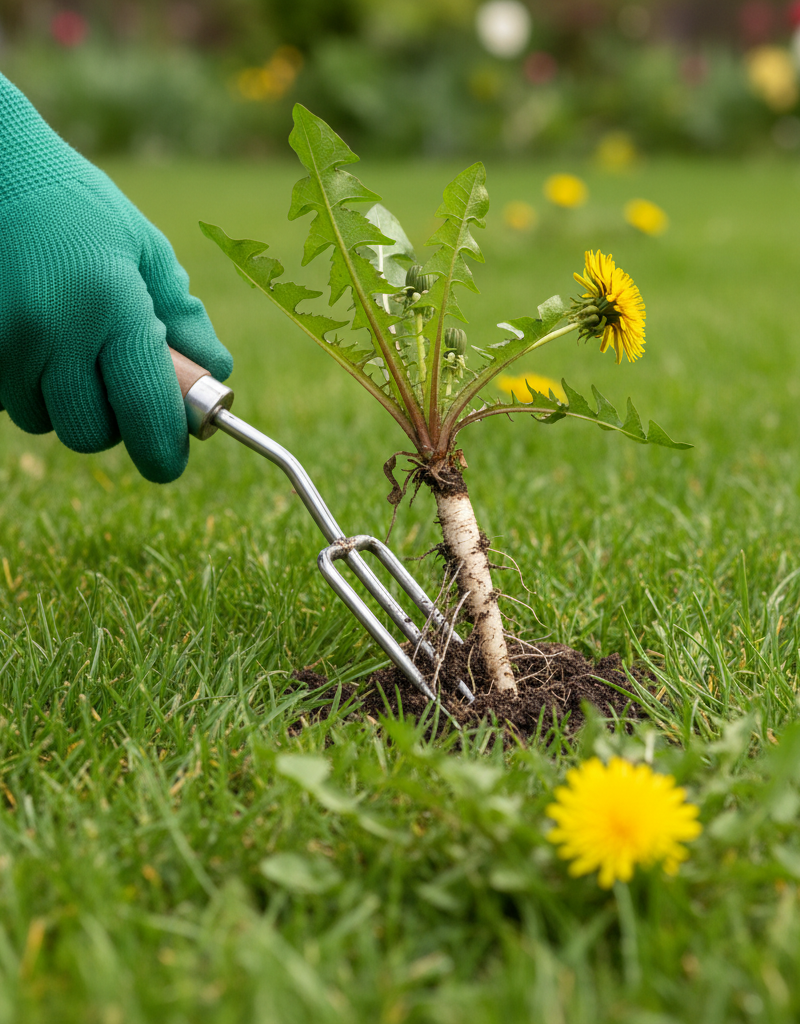
Dandelions (Taraxacum officinale) are perennial weeds, meaning they return year after year from the same root system. Their success lies in several key biological adaptations. First, they possess a deep taproot, often extending 6 to 18 inches into the soil. This taproot allows them to access water and nutrients far below what most turfgrass roots can reach, making them highly drought-tolerant. This deep root also makes them incredibly resilient; if you only pull the top part of the plant, the root will simply regenerate, often with multiple new growth points.
Second, dandelions are prolific seed producers. Each mature flower head can produce hundreds of seeds, which are then easily carried by wind over long distances thanks to their feathery parachutes. These seeds can remain viable in the soil for several years. When exposed to light and favorable moisture conditions, they germinate readily.
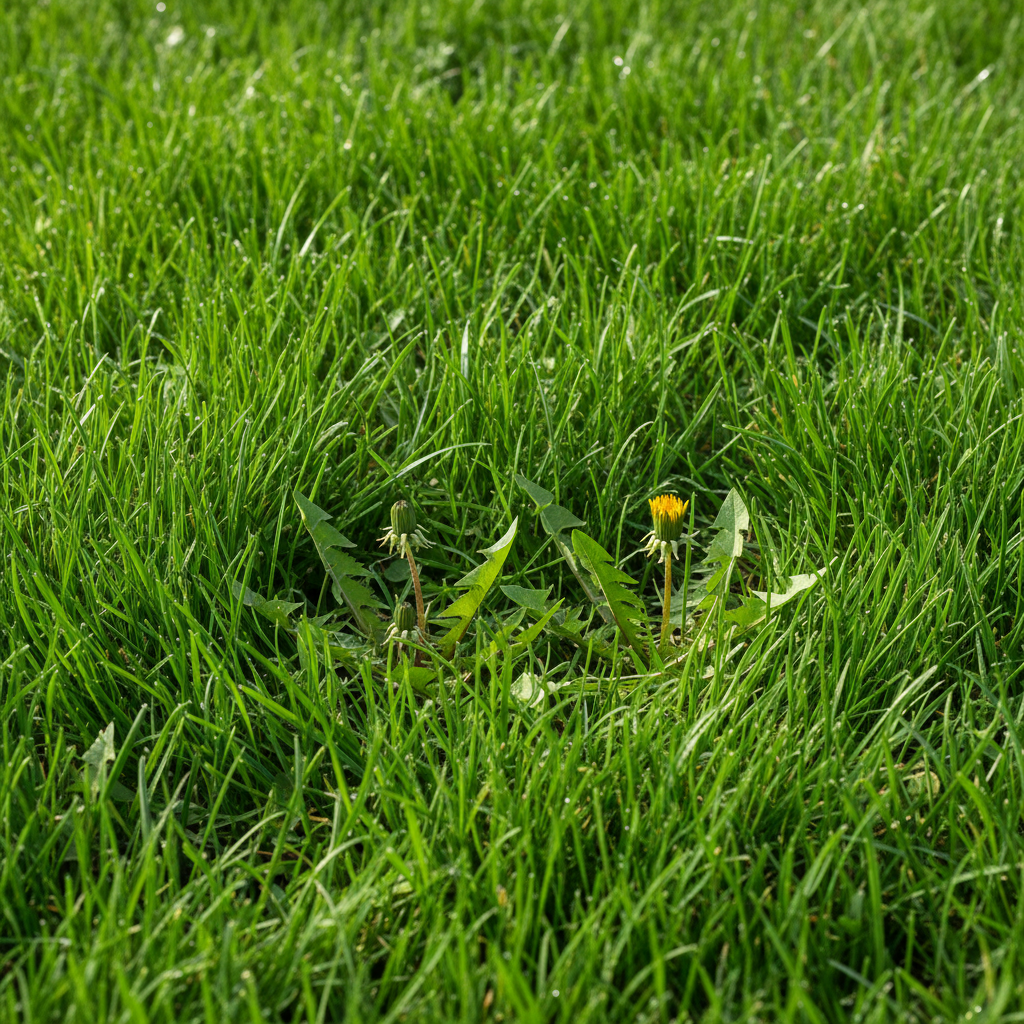
Third, dandelions are opportunistic. They thrive in disturbed, compacted, or thin soil where turfgrass struggles. When a lawn is mowed too short, the grass plants are stressed. Short grass has shallower roots, making it less resilient to drought and disease. More importantly, short grass allows a significant amount of sunlight to penetrate to the soil surface. Dandelion seeds require light for germination, and open patches in a thin lawn provide this perfectly. A dense, healthy lawn, on the other hand, creates a natural canopy that shades the soil, making it difficult for weed seeds to germinate and compete for light. Think of your grass as a living mulch; the thicker and taller it is, the less chance weeds have to establish themselves.
Step-by-Step Fix
Step 1: Assess Your Mowing Height – Uncover the true cause of your dandelion dilemma.
Take a moment to look at your current lawn. Is it thin and patchy? Are you mowing it so short that you can easily see the soil between the grass blades? For most cool-season grasses (like fescue, bluegrass, rye) and many warm-season varieties (like St. Augustine, zoysia), the ideal cutting height is between 2.5 and 3.5 inches, with 3 inches being a great minimum target. Any shorter, and you're inadvertently inviting dandelions.
- Tools: Measuring tape or ruler (if unsure of mower settings).
- If this doesn't work: If your grass is already 3 inches or taller and dandelions are still rampant, inspect for compaction or nutrient deficiencies, which can also thin turf.
Step 2: Raise Your Mower Blade – Give your grass the fighting chance it deserves.
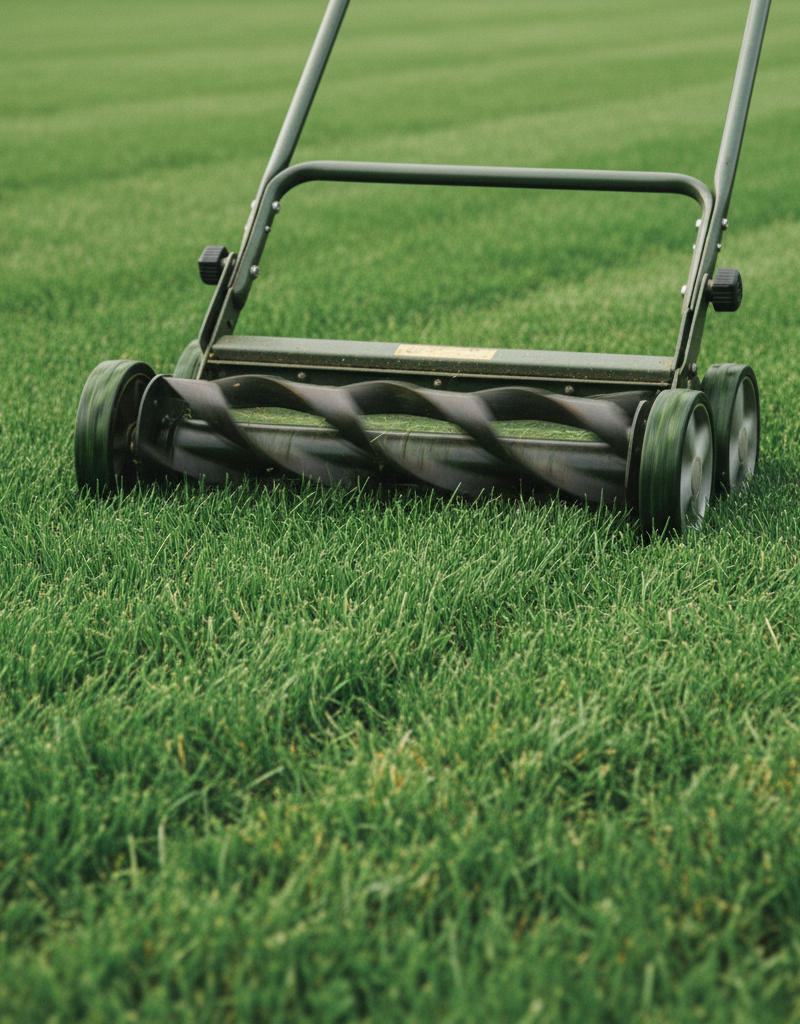
Adjust your lawn mower's deck to its highest feasible setting, aiming for a cut of at least 3 inches, preferably 3.5 inches. This simple change is arguably the most impactful long-term strategy for dandelion control. Taller grass shades the soil, keeping it cooler, reducing water evaporation, and, most importantly, preventing dandelion seeds from getting the light they need to sprout. It also promotes deeper root growth for your turf, making it more robust.
- Safety: Always turn off and unplug electric mowers, or remove the spark plug wire from gas mowers before adjusting the blade height or working near the blade.
Step 3: Mow More Frequently (but remove less volume) – Maintain turf density without stress.
With a higher blade setting, you might find your grass grows longer between cuts. The rule of thumb is to never remove more than one-third of the grass blade's total height in any single mowing. If your grass grows quickly, this might mean mowing every 4-5 days instead of every 7. This prevents stressing the grass and encourages continuous, lush growth.
- Example: If your ideal grass height is 3 inches, don't let it grow taller than 4.5 inches before mowing. Trim it back down to 3 inches.
Step 4: Leave the Clippings – Feed your lawn naturally.
Unless you have an excessive amount of clippings or they are clumping heavily (in which case, mow more frequently or bag for compost), leave them on the lawn. Grass clippings are a natural source of nitrogen, returning valuable nutrients to the soil and acting as a light mulch layer. This can reduce the need for synthetic fertilizers and improve soil health, further bolstering your lawn's defense against weeds.
- Benefit: Reduces need for chemical fertilizers; improves soil organic matter.
Step 5: Spot Treat Established Dandelions – Target existing weeds without harming your grass.
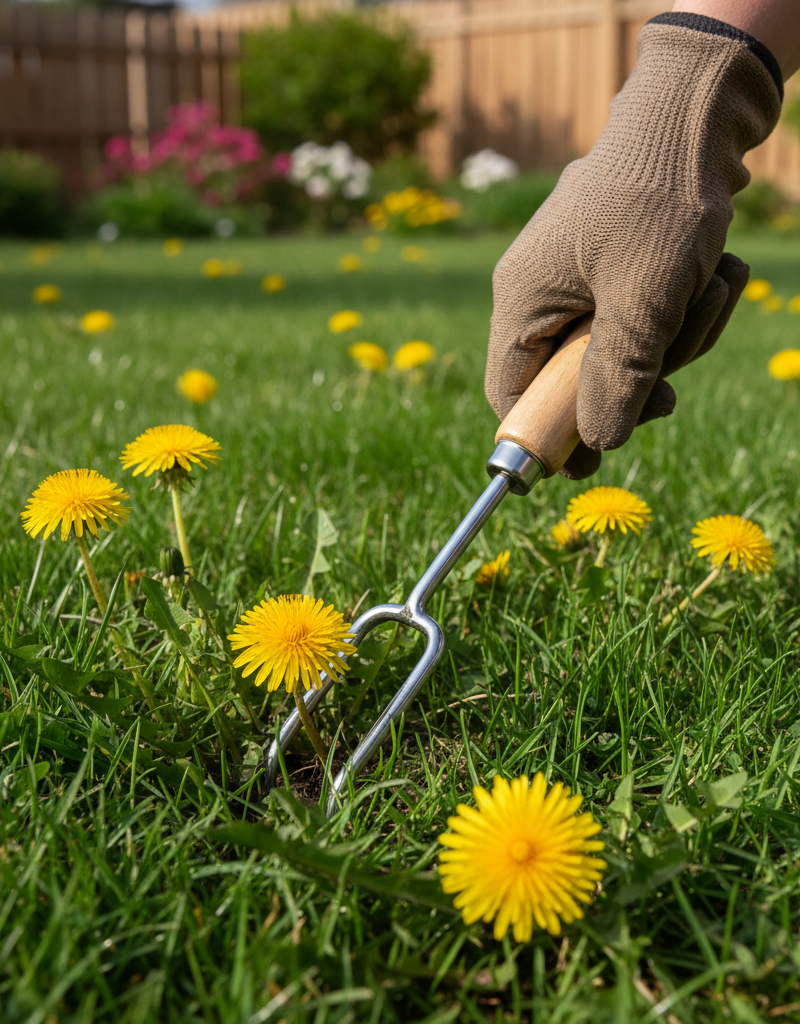
For any dandelions that have already established themselves, manual removal or spot treatment is the next step. For manual removal, use a weeding tool designed to extract the entire taproot. For chemical control, choose a selective broadleaf herbicide that targets dandelions but is safe for turfgrass. Apply it directly to the leaves of the dandelion, following product instructions carefully.
- Tools: Weeding fork or dandelion digger, selective broadleaf herbicide (liquid spray or granular).
- Safety: Always wear gloves and eye protection when handling herbicides. Do not apply on windy days to prevent drift.
- Timing: Apply herbicides when dandelions are actively growing (typically spring or fall) and when temperatures are between 50-85°F (10-30°C).
Step 6: Water Deeply and Infrequently – Encourage deep grass roots, starve shallow weeds.
When you water, do so thoroughly—enough to moisten the soil 4-6 inches deep. This encourages your grass roots to grow deep, making your lawn more resilient to drought and better able to compete with deep-rooted weeds like dandelions. Watering infrequently (perhaps once or twice a week, depending on conditions) but deeply is far better than frequent, shallow watering, which promotes shallow grass roots and surface weed germination.
- How to check depth: Use a screwdriver or soil probe to check how deep the water has penetrated an hour or so after watering.
Step 7: Fertilize Strategically – Build a robust, weed-resistant lawn.
A healthy, well-fed lawn is your best defense against weeds. Apply a slow-release nitrogen fertilizer in the spring and fall, following the product's recommended rates. Avoid over-fertilizing, which can promote excessive top growth at the expense of root development. A soil test every few years can tell you exactly what nutrients your lawn needs, preventing unnecessary applications and promoting optimal health.
- Resource: Contact your local university extension office for affordable soil testing kits.
Step 8: Overseed Thin Areas – Fill gaps where weeds love to grow.
If you have particularly thin or bare patches, especially after removing dandelions, overseed these areas. Spreading new grass seed in the fall or early spring will help fill in these gaps, increasing the overall density of your lawn and reducing opportunities for weed seeds to germinate.
- Timing: Fall is generally best for cool-season grasses; late spring/early summer for warm-season grasses.
Common Causes
- Mowing Too Short: The single biggest culprit. Short grass weakens turf and provides the sunlight dandelions need to sprout.
- Compact Soil: Dandelions thrive in compacted soil where grass struggles to establish deep roots.
- Under-watering: Shallow, frequent watering encourages shallow grass roots and surface weed germination.
- Over-fertilizing / Incorrect Fertilizing: Imbalanced nutrients can stress grass and create opportunities for weeds.
- Leaving Bare Spots: Any patches of bare soil are an open invitation for any weed seeds, especially dandelions, to take hold.
- Infrequent Mowing: Allowing grass to grow too long before cutting can lead to overwhelming thatch and stress turf when too much is cut off at once.
Common Mistakes
- Mowing at the Lowest Setting: Many homeowners think a super short lawn looks tidier or reduces mowing frequency, but it's detrimental to lawn health and weed control. You're creating perfect conditions for dandelions.
- Pulling Dandelions Without Getting the Taproot: If you only break off the top, the dandelion will regrow, often with multiple new plants from the remaining root segments. Always aim for the entire taproot.
- Blanket Spraying Herbicides: Using a broad-spectrum weed killer across your entire lawn is often unnecessary, can harm desirable plants, and introduces more chemicals than needed. Spot treatments are usually sufficient and safer.
- Ignoring Soil Health: A soil that is too acidic, alkaline, or lacking in essential nutrients will struggle to support healthy grass, making it susceptible to weed invasion. Neglecting soil aeration also contributes to compaction.
- Watering Every Day for Short Durations: This encourages shallow grass roots and makes your lawn dependent on frequent watering, while also helping new weed seeds germinate near the surface.
- Mowing with Dull Blades: Dull mower blades tear grass blades rather than cleanly cutting them. This stresses the grass, makes it more susceptible to disease, and gives it a ragged, brown appearance, weakening its defense against weeds.
Cost & Time Breakdown
| Task | DIY Cost | Pro Cost | Time |
|---|---|---|---|
| Adjust Mower Height | $0 | N/A | 5 minutes |
| Spot Weeding (Manual) | $0–$15 (tool) | $75–$150 (initial) | 1–2 hours (per 1,000 sq ft) |
| Selective Herbicide (Spot) | $15–$30 | $50–$100 (per visit) | 15–30 minutes |
| Soil Test | $15–$30 | Included in service | N/A (wait time) |
| Overseeding (Materials) | $20–$50 (seed) | $200–$400 | 1–2 hours |
| Fertilizing (Materials) | $30–$60 (bag) | $75–$120 (per application) | 15–30 minutes |
Tips & Prevention
- Aerate Annually: For compacted lawns, annual aeration (especially in the fall for cool-season grasses) improves air, water, and nutrient penetration, encouraging stronger grass roots.
- Mulch Flower Beds: Apply 2-3 inches of organic mulch to garden beds to suppress dandelions and other weeds from spreading into your lawn.
- Early Spring Pre-Emergent: Consider applying a pre-emergent herbicide in early spring before dandelion seeds germinate. This forms a barrier that prevents new weeds from sprouting but will also prevent new grass seed from growing.
- Check Mower Blades: Sharpen your mower blades at least once a season, or every 25 hours of use, to ensure a clean cut and minimize stress on your grass.
- Proper pH: Dandelions often thrive in slightly acidic soils. A soil test will reveal your pH, and you can correct it with lime (to raise pH) or sulfur (to lower pH) as needed to optimize conditions for your specific grass type.
When to Call a Professional
If your lawn is completely overrun with dandelions and other broadleaf weeds, or if you've tried the above steps consistently for a season or two without significant improvement, it might be time to consult a professional lawn care service. They can offer more aggressive treatment options, provide specialized soil amendments, or identify underlying issues like turf disease or severe compaction that are beyond typical DIY solutions. Consider a professional if you're dealing with a large property, have persistent weed problems across several seasons, or if you're uncomfortable using herbicides. Professionals also have access to commercial-grade products and equipment that can be more effective for severe infestations and can provide a comprehensive lawn care plan tailored to your specific conditions, ensuring long-term dandelion suppression and turf health.
Related Articles
Keep troubleshooting with these hand-picked guides from FixlyGuide:
- The #1 Mowing Mistake That Leaves Your Lawn Brown and Patchy — Discover the most common mowing mistake homeowners make that leads to unhealthy, patchy grass and how to fix it for a vibrant lawn.
- The #1 Mistake Killing Your Lawn's Crabgrass Defense (And the Easy Fix) — Discover why common crabgrass removal methods fail and how to naturally eliminate this stubborn weed for a healthier lawn.
- The #1 Mistake Killing Your Lawn's Fight Against Dandelions (And the Easy Fix) — Stop dandelions from taking over your lawn by understanding a simple, often overlooked cultural mistake and how to correct it for long-term…
- The #1 Mistake Killing Your Lawn's Fight Against Dandelions (And the Easy Fix) — Discover the common dandelion-removal blunder homeowners make and learn the simple, effective strategies to finally win the war against the…
- The #1 Mistake Killing Your Lawn's Dandelion Battle (And How to Win It) — Discover the most common error homeowners make in fighting dandelions and learn how to implement effective, long-term control strategies fo…
- The #1 Gutter Mistake That Causes Overflow (It's Not Clogs!) — Discover the most common, overlooked reason your gutters overflow in heavy rain, and learn practical steps to fix it for good.
Frequently asked questions
Why do dandelions keep coming back even after I pull them?+
Dandelions have a deep taproot, often 6-18 inches long. If even a small piece of this root remains in the soil after pulling, the plant can regenerate, often with multiple new shoots, making it seem like they're multiplying.
Does mowing dandelions prevent them from spreading?+
Mowing dandelions will cut off the flower heads, preventing them from going to seed at that moment. However, if the plant has already flowered, seeds may have already dispersed. Also, mowing alone won't kill the plant; it will simply regrow. Mowing at a higher setting (3+ inches) is more effective for overall weed suppression by promoting dense turf.
Is it better to pull dandelions or use chemicals?+
For a few dandelions, manual pulling (ensuring you get the entire taproot) is often best. For widespread infestations, a selective broadleaf herbicide spot treatment can be more efficient. The most eco-friendly and long-term solution is developing a dense, healthy lawn through proper mowing, watering, and fertilization, which naturally outcompetes weeds.
When is the best time to apply dandelion killer?+
The most effective times to apply selective broadleaf herbicides for dandelions are in the spring when they are actively growing but before they go to seed, or in the fall. In the fall, dandelions are transferring nutrients to their roots for winter storage, making them more susceptible to herbicides that are absorbed through the leaves and transported to the root system.
Can I prevent dandelions from growing in the first place?+
Yes! Prevention is key. Maintain a dense, healthy lawn by mowing at a height of 3 inches or more, watering deeply and infrequently, and fertilizing appropriately. Consider a spring application of a pre-emergent herbicide to create a barrier against new weed seed germination. Regularly aerating compacted soil also helps grass thrive over weeds.
Discussion
Loading comments…