Tools & materials you'll need
Affiliate linksAs an Amazon Associate FixlyGuide earns from qualifying purchases — at no extra cost to you. Prices and availability are accurate as of publication and subject to change.
Quick Answer
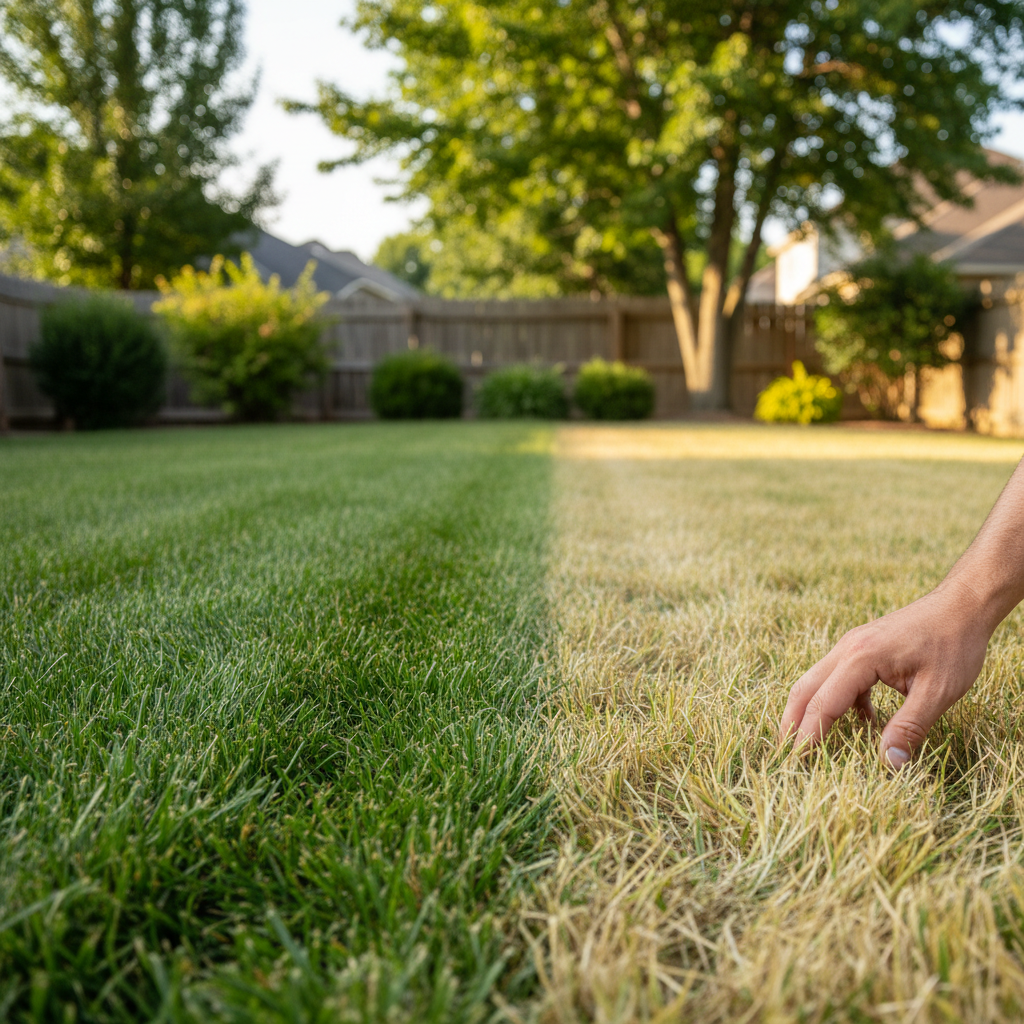
Your lawn is likely turning yellow in the summer due to overwatering, which leads to root suffocation and nutrient lockout. While it seems counterintuitive for a dry appearance, excessive moisture starves the roots of oxygen, mimicking drought symptoms. The quick fix often involves adjusting your irrigation schedule and improving soil drainage.
The Problem
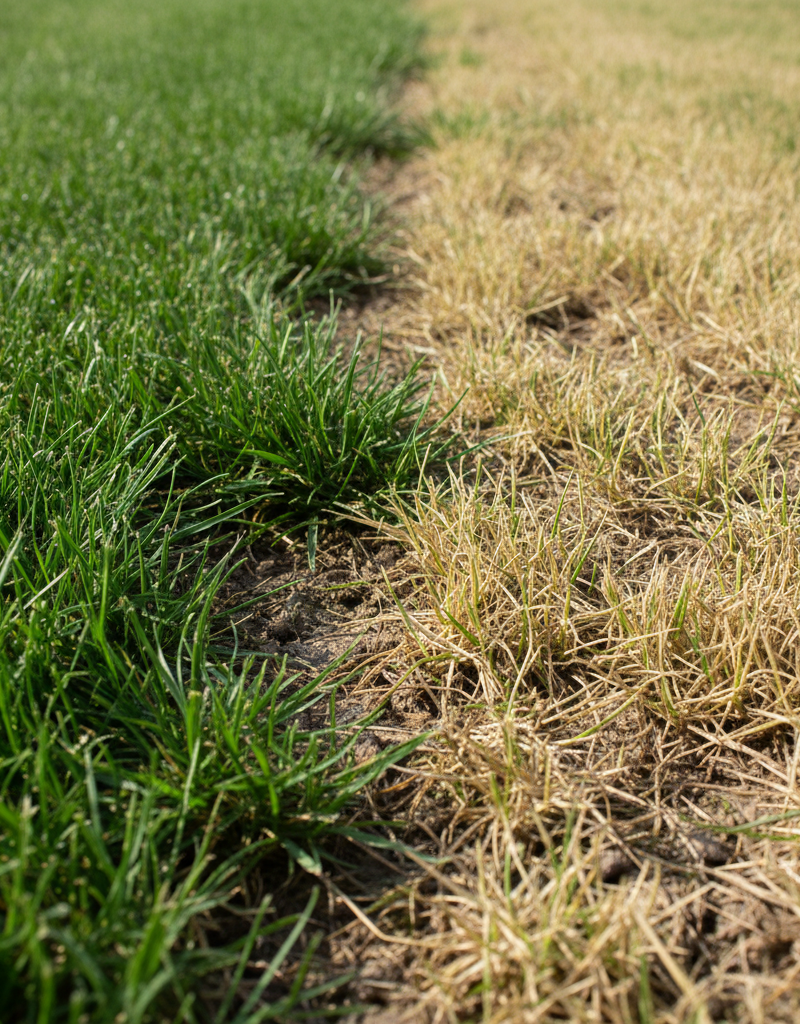
It's a classic summer dilemma: you notice your beautiful green lawn starting to fade, turning a sickly yellow or even brown in patches. Your first instinct is often to give it more water, especially during hot, dry spells. However, this seemingly helpful act can actually be the cause of the problem. Overwatering is a widespread issue that leads to a host of detrimental effects on your lawn, culminating in that disappointing yellow hue. It's often mistaken for drought stress because the symptoms can be surprisingly similar – wilting, dull color, and lack of vigor. The true culprit, though, is an abundance of moisture that deprives roots of essential oxygen and washes away vital nutrients, leaving your turf struggling to survive in what should be a nourishing environment.
How It Works
To understand why too much water causes a yellow lawn, it's crucial to grasp how grassroots function. Like all living things, roots need oxygen to respire and absorb nutrients. Healthy soil is a complex ecosystem of soil particles, organic matter, water, and air. The spaces between soil particles, known as pores, are critical. These pores hold both water and air, allowing roots to breathe. When you overwater, especially in compacted or clay-heavy soils, these air-filled pores become completely saturated with water. This cuts off the oxygen supply to the roots, essentially drowning them.
Without oxygen, roots cannot efficiently perform their metabolic functions, including the uptake of nitrogen, iron, and other micronutrients vital for chlorophyll production. Chlorophyll is the green pigment in plant leaves responsible for photosynthesis, the process by which plants convert sunlight into energy. When chlorophyll production is hindered, the green color fades, and the lawn turns yellow.
Furthermore, continuous overwatering can lead to shallow root growth. Roots will stay closer to the surface where some oxygen might still be available, making the lawn even more susceptible to actual drought stress when conditions do dry out. Overwatering also encourages the proliferation of fungal diseases like brown patch and pythium blight, which thrive in damp conditions and can cause significant yellowing and browning. Finally, excessive irrigation can leach essential nutrients, particularly nitrogen, deeper into the soil profile, beyond the reach of the grassroots, further contributing to nutritional deficiencies.
Step-by-Step Fix
1. Confirm Overwatering — Don't assume, investigate!
- The Screwdriver Test: Push a long screwdriver or soil probe into the lawn. If it goes in easily to 6-8 inches and comes out muddy, your soil is likely saturated. If it's hard to push in, your soil might be compacted or too dry (though less likely if watering frequently).
- Footprint Test: Walk across your lawn. If your footprints remain visible for an hour or more, the turf blades are lacking turgor pressure from healthy roots, often a sign of overwatering or disease, not just drought.
- Chewing Gum Smell Test: Dig down 2-3 inches. If the soil smells sour, like rotting eggs or stale chewing gum, it's indicative of anaerobic conditions caused by prolonged waterlogging.
2. Adjust Your Watering Schedule — Less frequent, more thorough is key.
- Deep and Infrequent: Aim for 1 inch of water per week, applied in 1-2 sessions, rather than daily shallow sprinkles. This encourages deeper root growth. Use a rain gauge or tuna can to measure how long your sprinkler takes to deliver 1 inch.
- Timing: Water in the early morning (between 4 AM and 9 AM) to minimize evaporation and allow grass blades to dry before nightfall, reducing disease risk.
- Consider Soil Type: Clay soils retain water longer and need less frequent watering than sandy soils. Observe your soil's drying time.
3. Improve Soil Drainage & Aeration — Let your lawn breathe.
- Core Aeration: Rent a core aerator (or hire a service) once a year for compacted lawns, especially if you have clay soil. This removes small plugs of soil, creating channels for air, water, and nutrients to penetrate.
- If your lawn is smaller, a manual spike aerator can help, but a core aerator is more effective.
- Topdressing: After aeration, apply a thin layer (¼ to ½ inch) of high-quality compost or a sand-compost mix. This improves soil structure over time, enhancing drainage and providing slow-release nutrients.
- Avoid applying too much at once, as it can smother the grass.
4. Check for Compaction — Heavy traffic can suffocate roots.
- Visual Cues: Look for areas where water consistently puddles, or where grass growth is stunted, especially near pathways or play areas.
- Relieve Pressure: Redirect foot traffic, or consider laying permeable pathways in high-traffic zones. Aeration is particularly important for compacted areas.
5. Test Your Soil (Optional but Recommended) — Understand what your soil needs.
- DIY Soil Test Kit: Available at garden centers, these can give you basic pH and nutrient levels.
- Professional Soil Test: For a more comprehensive analysis, send a soil sample to your local university extension office. They can identify specific nutrient deficiencies or excesses, and recommend precise amendments, which might reveal additional causes for yellowing beyond overwatering.
- This will help you tailor your fertilization program once the overwatering issue is resolved.
6. Address Nutrient Leaching — Replenish what's been washed away.
- Slow-Release Fertilizer: Once you've corrected your watering habits, apply a balanced, slow-release granular fertilizer. This provides nutrients gradually, minimizing the risk of runoff and giving the roots time to absorb them.
- Wait at least 2-3 weeks after adjusting watering before applying fertilizer.
- Iron Supplement: If yellowing persists despite proper watering and balanced fertilization, a liquid chelated iron supplement can provide a quick green-up, without promoting excessive top growth. Follow product instructions carefully.
Common Causes
- Frequent, Shallow Watering: This is the most common culprit. It discourages deep root growth and keeps the topsoil consistently saturated, leading to anaerobic conditions.
- Poor Soil Drainage: Heavy clay soils or areas with underlying hardpan layers naturally retain too much water, even with moderate irrigation.
- Compaction: Foot traffic, vehicles, or even heavy rainfall can compact soil, reducing pore space and restricting air and water movement.
- Over-fertilization (Nitrogen Burn): While a lack of nitrogen can cause yellowing, too much nitrogen applied improperly can also 'burn' the grass, turning it yellow or brown. This often looks like irregular patches.
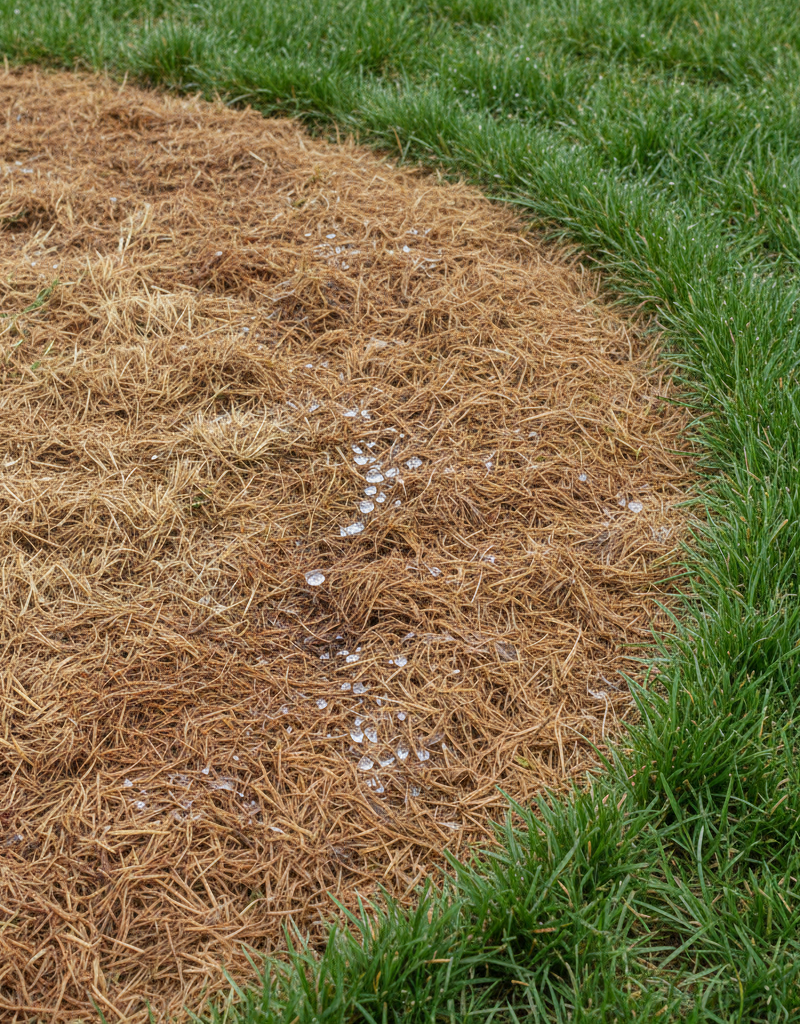
- Lawn Diseases: Fungal infections like Pythium blight or brown patch thrive in excessively wet conditions and can manifest as yellow, brown, or straw-colored patches. The blades might have distinct lesions or spots.
- Insect Pests: Grubs or chinch bugs can damage roots or suck sap from blades, leading to yellowing. Check for their presence beneath the turf.
Common Mistakes
- Mistaking Yellowing for Drought: The most common error. When a lawn looks dry and yellow, the instinct is to water more, exacerbating the overwatering problem. Always perform the screwdriver or smell test first.
- Daily Sprinkling: Applying small amounts of water every day promotes shallow root systems, making the grass weak and more susceptible to stress and disease.
- Watering at Night: Keeping grass wet overnight creates an ideal environment for fungal diseases to develop and spread, leading to extensive yellowing and browning.
- Ignoring Soil Type: Treating all lawns the same, regardless of whether they have sandy, loamy, or clay-heavy soil, will inevitably lead to watering mistakes. Adapt your schedule to your specific soil.
- Fertilizing Without a Soil Test: Applying the wrong nutrients or an imbalanced fertilizer can worsen existing problems or create new ones, especially if nutrient lockout from overwatering is already an issue.
- Not Addressing Compaction: Simply adjusting watering won't fix a yellow lawn if underlying soil compaction is preventing proper drainage and aeration. Aeration is a crucial step for many struggling lawns.
Cost & Time Breakdown
| Task | DIY cost | Pro cost | Time |
|---|---|---|---|
| Diagnosing Overwatering | $0 | $50–$150 (consult) | 15–30 minutes |
| Adjusting Sprinkler Program | $0 | $75–$150 | 10–20 minutes |
| Renting Core Aerator | $70–$120 (daily) | $150–$400 (service) | 1–3 hours |
| Buying Manual Aerator | $30–$80 | N/A | 1–2 hours |
| Topdressing (Compost) | $50–$150 | $200–$500 | 1–3 hours |
| Soil Test Kit (DIY) | $15–$30 | $50–$100 (lab) | 15 mins (sample) |
| Slow-Release Fertilizer (bag) | $30–$60 | $75–$150 (service) | 30 minutes |
| Liquid Iron Supplement | $20–$40 | N/A | 15 minutes |
Tips & Prevention
- Measure Your Output: Place empty tuna cans or rain gauges across your lawn to measure how much water your sprinklers are actually delivering in a set amount of time. This helps you calibrate usage.
- Cycle and Soak Method: For clay soils or sloped areas, apply half the recommended water, wait an hour for it to soak in, then apply the rest. This prevents runoff and ensures deeper penetration.
- Observe Your Lawn Daily: Pay attention to early signs of stress. A slight discoloration or wilting in the afternoon might indicate it's time to water, but check soil moisture before acting.
- Mow High: Taller grass blades (aim for 2.5-3 inches) provide shade to the soil, reducing evaporation and encouraging deeper roots, which makes the lawn more resilient to both drought and mild overwatering.
- Sharpen Mower Blades: Dull blades tear the grass, making it susceptible to disease and stress, which can compound any existing yellowing issues.
- Regular Soil Aeration: If you have compacted soil, consider annual or biennial core aeration to maintain good air and water penetration.
When to Call a Professional
If you've diligently followed the steps to correct overwatering, improved drainage, and applied appropriate nutrients, but your lawn continues to struggle with persistent yellowing, it's time to bring in a professional. A certified arborist or lawn care specialist can conduct more in-depth diagnostics, potentially identifying advanced fungal diseases, severe pest infestations, or complex soil chemistry imbalances that are beyond the scope of typical DIY fixes. They have access to specialized testing equipment and treatments that can pinpoint the exact cause of your lawn's distress and implement targeted solutions, ensuring your investment in your lawn ultimately pays off.
Related Articles
Keep troubleshooting with these hand-picked guides from FixlyGuide:
- The #1 Mistake Killing Your Summer Lawn (It's Not What You Think) — Uncover the surprising truth behind your yellow summer lawn and learn how to fix the most common, yet overlooked, culprit: overwatering.
- The #1 Summer Lawn Mistake Turning Your Grass Yellow (and How to Fix It) — Discover the most common summer lawn mistake that causes yellowing grass and learn the simple steps to revive your lawn.
- The #1 Summer Lawn Mistake Turning Your Grass Yellow (It's Not Overwatering) — Discover the most common, often overlooked reason your summer lawn is turning yellow despite your best efforts, and learn how to fix it.
- The #1 Mistake Killing Your Thin Lawn (and How to Fix It in a Weekend) — Overseeding a thin lawn is crucial for a lush yard, but a common mistake can ruin your efforts before they even begin. Learn how to diagnos…
- The #1 Mistake Killing Your Thin Lawn (And How to Fix It in a Weekend) — Overseeding your lawn can transform it from thin and patchy to lush, but many homeowners make a crucial mistake that hinders success. Learn…
- The One Mistake Homeowners Make When Shingles Blow Off (And How to Fix It Right) — After a storm, finding missing roof shingles can be alarming. Learn the critical mistake homeowners often make and how to properly assess a…
Frequently asked questions
Can too much water make my lawn look dry?+
Yes, absolutely. Overwatering suffocates grassroots by depriving them of oxygen. This damage impairs their ability to absorb water and nutrients, causing the lawn to display symptoms very similar to drought stress, such as wilting and yellowing, making it a common misdiagnosis.
How often should I water my lawn in the summer?+
In most conditions, aim for deep, infrequent watering. This typically means applying about 1 inch of water once or twice a week, depending on your soil type and local climate. Water in the early morning to allow the grass to dry before nightfall.
What's the best way to test if my lawn is overwatered?+
A simple screwdriver test is effective: push a long screwdriver into the soil. If it penetrates easily for 6-8 inches and comes out noticeably wet or muddy, your lawn is likely overwatered. A foul, stale smell from the soil also indicates anaerobic conditions.
Will aerating my lawn help with yellowing?+
Yes, especially if your soil is compacted. Core aeration creates small holes that improve air, water, and nutrient penetration to the roots, helping to alleviate the oxygen deprivation caused by overwatering and poor drainage, which can contribute to yellowing.
What nutrients are commonly lost due to overwatering?+
Overwatering can leach essential nutrients, particularly nitrogen, deeper into the soil beyond the reach of grassroots. It can also make it difficult for roots to absorb iron and other micronutrients, all of which are critical for the healthy green color of your lawn.
Discussion
Loading comments…