Tools & materials you'll need
Affiliate links- AmazonSpade or small trowel1 · For checking for grubs
- AmazonBroadcast spreader1 · For granular products
- AmazonGarden hose with sprayer attachment1 · For liquid products or watering in granules
- AmazonWork gloves1 pair
- AmazonSafety glasses1 pair
- AmazonLawn roller (optional)1 · For new seed after repair
As an Amazon Associate FixlyGuide earns from qualifying purchases — at no extra cost to you. Prices and availability are accurate as of publication and subject to change.
Quick Answer
The most common mistake homeowners make when battling lawn grubs is applying grub control products at the wrong time of year, rendering them ineffective. To effectively get rid of grubs, it's crucial to identify the grub species and apply the appropriate treatment during their vulnerable, early larval stage, typically in late summer or early fall. Proper timing, alongside cultural practices like proper watering and aeration, is key to preventing and eliminating grub damage for a healthier lawn.
The Problem
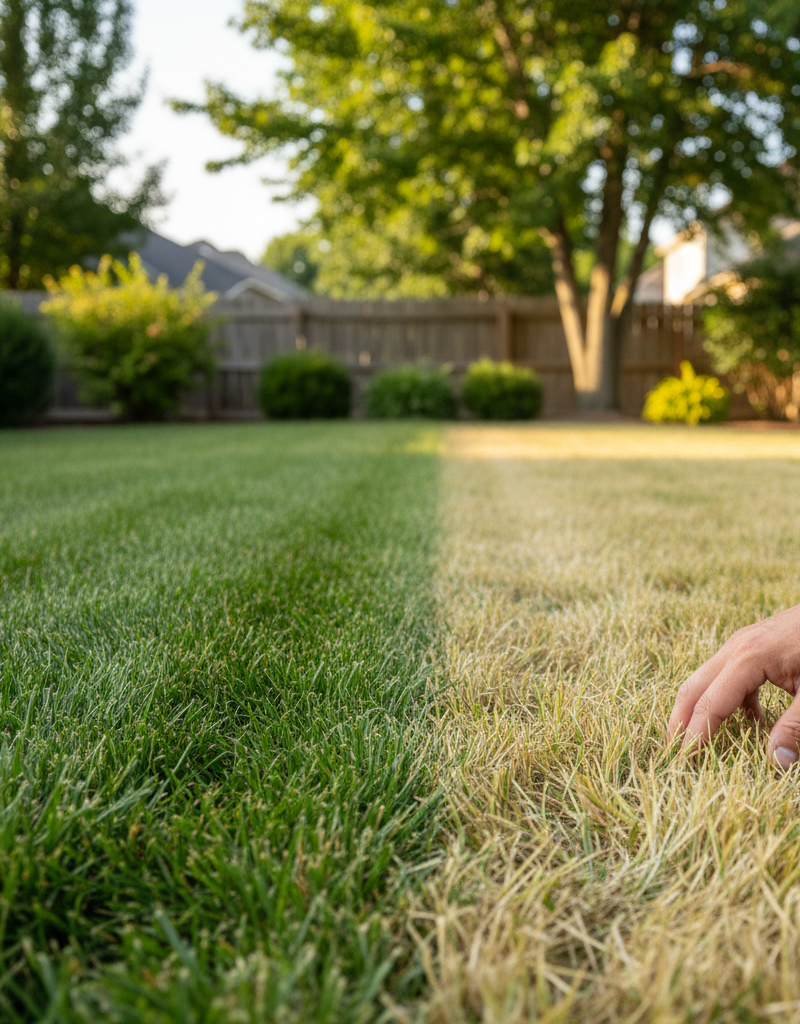
Nasty brown patches appearing suddenly in your otherwise green lawn? Patches that peel back like a rug, revealing chewed-off grass roots underneath? You're likely dealing with a case of lawn grubs, the insidious larval stage of various beetles. These C-shaped, white creepy-crawlies feast on the roots of your grass, severing the plant's connection to water and nutrients. The result is weakened, dying turf that can quickly turn your beautiful lawn into a patchy, spongy mess. What many homeowners don't realize is that effective grub control isn't just about what product you use, but when you use it. Applying treatments at the wrong time is not only a waste of money and effort but can also lead to frustration and continued lawn damage. The problem isn't the grubs themselves, but our misunderstanding of their life cycle and the precise moment of their vulnerability.
How It Works
To effectively combat grubs, understanding their biology is paramount. Most destructive lawn grubs in North America are the larvae of Japanese beetles, European chafers, masked chafers (various species), and Oriental beetles. These beetles generally have a one-year life cycle, although some, like the May/June beetle, can have a two or three-year cycle. Here's the typical annual progression:
Late Spring/Early Summer (May-June): Adult beetles emerge from the soil, mate, and then lay their eggs in the turf. This is when you might see increased beetle activity in your garden, munching on ornamental plants.
Mid-Summer (July-August): Eggs hatch into tiny, first-instar grubs. These young grubs are small and relatively harmless, but they begin feeding on grass roots. The damage isn't usually visible yet.
Late Summer/Early Fall (August-October): The grubs grow larger, developing into second and third instars. This is their most destructive feeding stage. They consume a significant amount of grass roots, leading to the visible browning, wilting, and spongy feel of your lawn. This is also the ideal window for applying most curative grub control products because the grubs are actively feeding and close to the surface, making them most susceptible.
Late Fall/Winter (November-April): As temperatures drop, grubs burrow deeper into the soil to overwinter, becoming dormant. They cease feeding during this period.
Early Spring (April-May): Grubs move back up towards the root zone, begin feeding again (though less voraciously than in fall), and then pupate, transforming into adult beetles to restart the cycle. While still feeding, they are generally less susceptible to controls at this stage than in the late summer/early fall.
Preventative products, on the other hand, containing insecticides like chlorantraniliprole, are designed to be applied in late spring to early summer (April-July). These chemicals persist in the soil and are taken up by the young grubs as they hatch, killing them before significant damage occurs. Curative products, often containing trichlorfon or carbaryl, are for active infestations and are best applied when grubs are actively feeding and close to the surface – that critical late summer/early fall window.
Step-by-Step Fix
1. Confirm the Culprit — Before you do anything, make sure it's actually grubs.
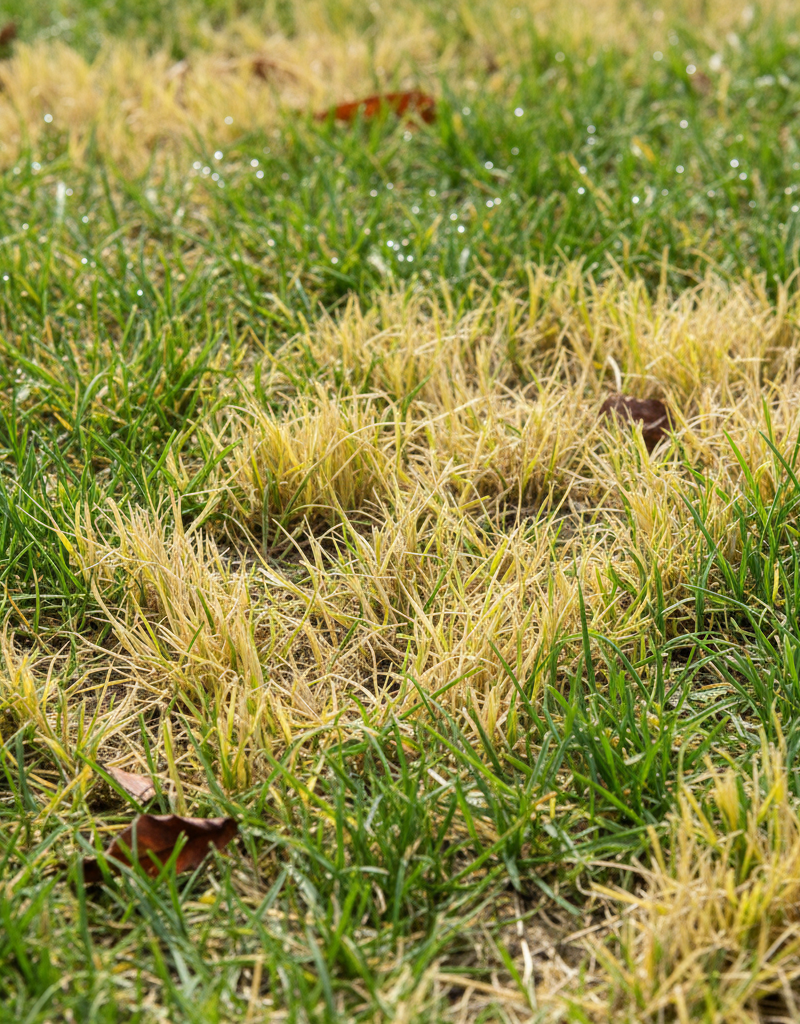
- Grub damage often mimics drought stress or fungal disease. Look for irregular brown patches that suddenly appear and expand.
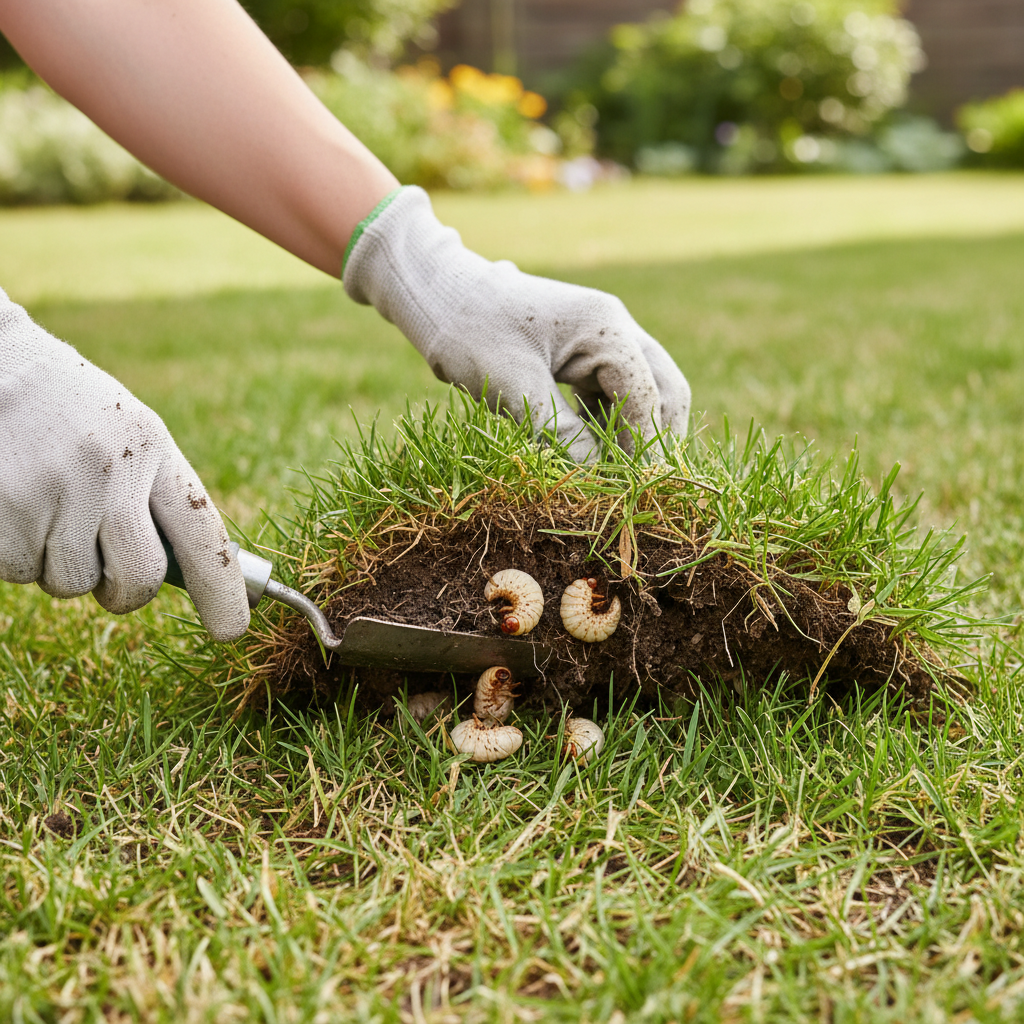
- A key diagnostic sign: grab a patch of affected turf and try to pull it up. If it rolls back easily like a loose carpet, revealing severed roots and several C-shaped white grubs (more than 5-10 per square foot), grubs are your problem.
- You can use a spade to cut three sides of a one-foot square section of turf, about 2-3 inches deep. Fold back the flap and inspect the soil and roots for grubs. Replace the flap when done.
2. Understand the Life Cycle — Timing is everything with grub control.
- As described above, most grubs have a one-year cycle. Adults lay eggs in early summer, eggs hatch in mid-summer, and grubs feed heavily in late summer/early fall before overwintering.
- Preventative treatments work best in late spring/early summer. Curative treatments are most effective in late summer/early fall when grubs are small, actively feeding, and near the surface. Applying curative treatments in spring when grubs are mature and preparing to pupate, or in winter when they are deep, is largely ineffective.
3. Choose Your Weapon — Select the right product for the right time.
- Preventative Insecticides (e.g., chlorantraniliprole): Applied late spring to early summer (April-July). These are long-lasting and prevent grub damage before it starts by killing young grubs as they hatch. Ideal if you have a history of grub problems or live in a high-risk area.
- Curative Insecticides (e.g., trichlorfon, carbaryl): Applied late summer to early fall (August-October). These work faster to kill existing grubs that are actively feeding and causing damage. Use these if you already see significant grub damage.
- Biological Control (e.g., Milky Spore, Heterorhabditis bacteriophora nematodes): Milky Spore (Bacillus popilliae) specifically targets Japanese beetle grubs and can take several years to establish but provides long-term control. Heterorhabditis bacteriophora nematodes are microscopic worms that parasitize grubs and are effective when applied to moist soil in late summer/early fall. Follow specific product instructions carefully. * Safety Note: Always read and follow all label instructions for any pesticide product you use. Wear appropriate personal protective equipment (PPE) such as gloves and eye protection. Keep children and pets off treated areas until the product has dried or as otherwise directed by the label. Dispose of empty containers properly.
4. Prepare Your Lawn — Maximize treatment effectiveness.
- Mow your lawn to its normal height.
- Lightly water the lawn the day before applying grub control, especially if using granular products. This helps the product penetrate the soil.
- Avoid applying when rain is expected within 24 hours (unless the product specifies otherwise, as some granular products benefit from immediate watering in).
5. Apply the Treatment — Precision matters for grub control.
- Granular Products: Use a broadcast spreader for even application. Calibrate your spreader according to the product label for the correct application rate. Apply in overlapping passes to ensure full coverage.
- Liquid Products: Mix concentrate carefully according to instructions. Use a hose-end sprayer or tank sprayer for application. Ensure even coverage.
- Water In (Most Products): Immediately after applying granular products (and some liquid concentrates), water the lawn deeply, about 0.5 to 1 inch. This moves the insecticide down into the grub feeding zone. Without proper watering, products can sit on the surface and be ineffective or even degrade.
- If this doesn't work: Ensure you applied the product at the correct rate and time. Recheck for grubs after a few weeks. If the problem persists, you may have a resistant species or an unusually high infestation requiring professional intervention.
6. Nurture Your Lawn Afterwards — Help your lawn recover.
- Once grubs are controlled, focus on repairing the damaged areas. Rake out dead grass and overseed affected spots.
- Continue good lawn care practices: proper watering (deep and infrequent), regular mowing at a taller height (3 inches or more), and fertilization as needed.
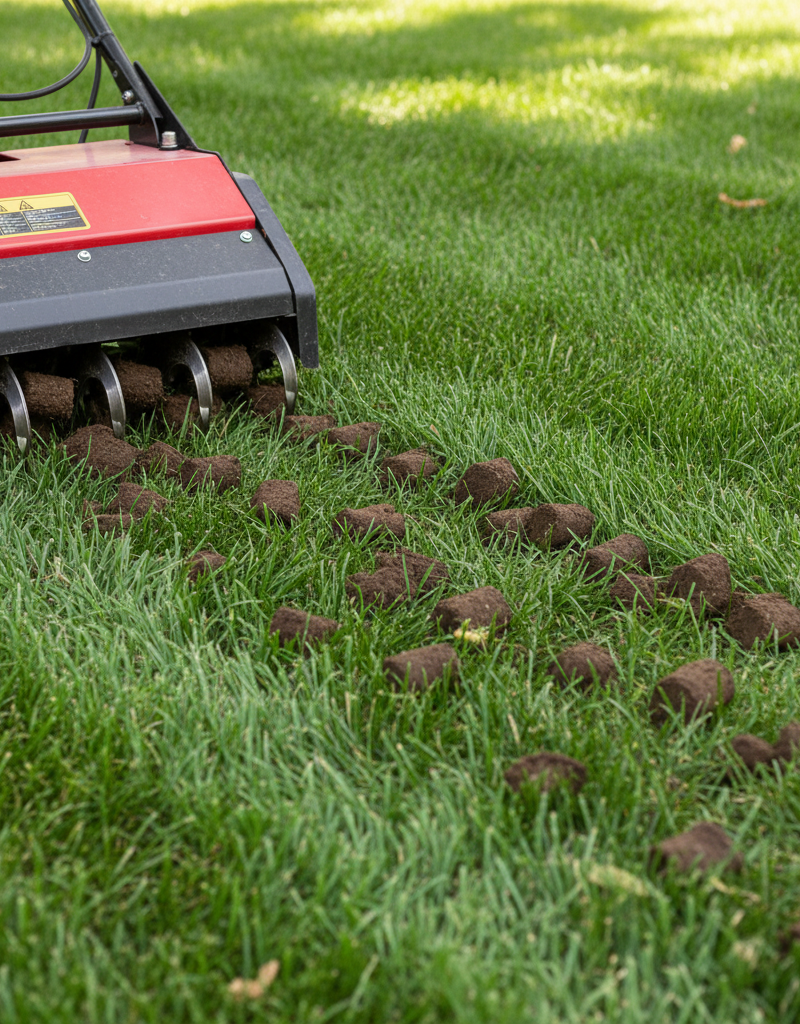
- Consider aerating your lawn annually in the fall to alleviate compaction and improve water and nutrient penetration.
7. Monitor and Prevent Annually — Stay vigilant for future infestations.
- Even after a successful treatment, grubs can return. Monitor your lawn regularly for signs of new damage.
- If you've had grub problems in the past, consider a preventative treatment in early summer each year to break the cycle.
- Promote general lawn health; healthy lawns are more resilient to minor grub infestations.
Common Causes
- Adult Beetle Activity: Female beetles (Japanese beetles, European chafers, etc.) seeking out healthy, moist turf to lay their eggs are the direct cause. Areas with consistent irrigation or in close proximity to ornamental plantings favored by these beetles are often more susceptible.
- Overwatering/Consistent Moisture: While grubs like moist soil, consistently wet turf can also attract adult beetles looking for a hospitable place to lay eggs, especially during dry spells. Ironically, many homeowners overwater during droughts, creating ideal conditions for grubs.
- Poor Lawn Health: Stressed or unhealthy lawns are more vulnerable to grub damage. Thin turf, nutrient deficiencies, or soil compaction can make a lawn less resilient to grub feeding.
- Wrong Application Timing: Applying grub control products at the wrong point in the grub's life cycle is a primary reason for continued infestations. Products are most effective when grubs are young and actively feeding near the surface.
- Insufficient Watering-In: Many granular grub control products require immediate and adequate watering after application to move the active ingredient down into the soil where grubs are feeding. Without this crucial step, the product remains on the surface and is largely ineffective.
Common Mistakes
- Applying Curative Products in Spring: Many homeowners see early spring damage and rush to apply a curative grub killer. At this point, grubs are often mature and preparing to pupate, making them much harder to kill with curative insecticides. The late summer/early fall window is far more effective.
- Ignoring the Life Cycle: Not understanding when grubs are most vulnerable leads to wasted product and effort. Targeting them when they're young and actively feeding is key.
- Not Watering In Granular Products: Granular grub control needs to be adequately watered into the soil (about 0.5 to 1 inch) immediately after application. Failing to do so means the product won't reach the target zone and will likely be ineffective.
- Mistaking Grub Damage for Drought: Brown patches can be caused by many things. Pulling back a patch of turf to confirm if grubs are present (and their density) prevents unnecessary and ineffective treatment.
- Using Preventative Products on Existing Infestations: Preventatives are designed to kill newly hatched grubs over time. They are too slow-acting to resolve an existing, actively damaging grub problem. You need a fast-acting curative product for that.
- Overlooking Cultural Practices: Relying solely on chemicals neglects the importance of a healthy lawn. Mowing high (3+ inches), proper watering (deep and infrequent), and aerating can significantly improve a lawn's ability to withstand grub pressure and recover more quickly.
Cost & Time Breakdown
| Task | DIY Cost | Pro Cost | Time |
|---|---|---|---|
| Confirming Grub Infestation | $0 (spade rental $5-10) | $50–$150 (inspection) | 10–20 minutes |
| Preventative Granular Grub Control | $20–$50 per 5,000 sq ft | $150–$300 (per application) | 1–2 hours |
| Curative Granular Grub Control | $25–$60 per 5,000 sq ft | $150–$350 (per application) | 1–2 hours |
| Biological Control (Nematodes) | $30–$70 per 2,500 sq ft | $200–$400 (specialized application) | 1–2 hours |
| Lawn Repair (Overseeding) | $20–$50 (seed & topsoil) | $100–$250 (per area) | 30 mins–1 hour |
Tips & Prevention
- Mow High: Keep your grass cut at a height of 3 inches or more. Taller grass shades the soil, making it less attractive for adult beetles to lay eggs. It also encourages deeper root growth, making the lawn more resilient to minor grub feeding.
- Water Smart: Water deeply and infrequently, aiming for about 1 inch of water per week, including rainfall. Avoid daily, shallow watering, which encourages shallow root growth and can make the lawn more susceptible to drought and grub damage.
- Aerate Annually: Core aeration in early fall can reduce soil compaction, allowing water, nutrients, and oxygen to reach the grass roots more effectively. This promotes overall lawn health and can help your lawn better withstand grub pressure.
- Fertilize Appropriately: Follow a balanced fertilization schedule based on soil tests. A healthy, well-nourished lawn is more vigorous and can recover more quickly from grub damage.
- Monitor for Adult Beetles: Pay attention to the presence of adult Japanese beetles or chafers in your yard during late spring and early summer. A high number of adults can indicate a potential grub problem later in the season. Hand-picking or using beetle traps (placed away from your main lawn) can help reduce populations, though often minimally.
- Consider Systemic Protectants: If you have a history of severe grub problems, a systemic preventative insecticide applied in late spring/early summer can offer season-long protection by targeting newly hatched grubs.
When to Call a Professional
While identifying and treating grubs can often be a successful DIY project, there are times when calling a licensed professional is the smartest move. If you've tried appropriate treatments at the correct times and the grub problem persists or worsens, a professional can conduct a thorough diagnosis to rule out other underlying soil or pest issues. They have access to commercial-grade products and application equipment not available to homeowners, which can be more effective for severe or widespread infestations. Additionally, if the grub damage is so extensive that large sections of your lawn require complete renovation, a professional landscaper can efficiently remove damaged turf, amend soil, and re-establish a healthy lawn, saving you significant time and effort in the long run. They can also provide ongoing integrated pest management plans tailored to your specific lawn and local conditions. A professional can help identify the exact grub species to ensure the most targeted treatment. If you are dealing with very large areas, or if you prefer not to handle chemical treatments, a professional service is highly recommended.
Related Articles
Keep troubleshooting with these hand-picked guides from FixlyGuide:
- The #1 Mistake Killing Your Lawn (and the Simple Grub Fix) — Grub worms can covertly destroy a beautiful lawn, but specific biological and chemical treatments applied at the right time can eliminate t…
- The #1 Summer Lawn Mistake Turning Your Grass Yellow (and How to Fix It) — Discover the most common summer lawn mistake that causes yellowing grass and learn the simple steps to revive your lawn.
- The #1 Mowing Mistake That Invites Weeds (And How to Fix It in 15 Minutes) — Many homeowners unknowingly make a common mowing mistake that leaves their lawn vulnerable to weeds and disease. Learn the secret to a thic…
- The #1 Watering Mistake Homeowners Make (And How to Fix It in Minutes) — Discover the most common lawn watering mistake homeowners make and how adjusting your technique can lead to a healthier, greener lawn.
- The #1 Mistake Killing Your Lawn's Grass (and How to Fix It in 3 Steps) — Discover the most common mistake homeowners make that leads to patchy grass and learn a simple, three-step method to restore your lawn's lu…
- The 3 Hidden Reasons Your Bathroom Sink Stinks (And the 20-Minute Fix) — Uncover the surprising causes behind a foul-smelling bathroom sink drain and learn a simple, effective fix in just 20 minutes.
Frequently asked questions
When is the best time to apply grub control?+
The best time depends on the type of product. Preventative grub control (e.g., chlorantraniliprole) should be applied in late spring to early summer (April-July) to target newly hatched grubs. Curative grub control (e.g., trichlorfon, carbaryl) is most effective in late summer to early fall (August-October) when grubs are actively feeding and causing visible damage.
How do I know if I have grubs in my lawn?+
Look for irregular brown patches that peel back easily like loose carpet, revealing chewed-off grass roots. You can confirm by digging up a square foot of turf 2-3 inches deep; if you find more than 5-10 C-shaped white grubs, you have an infestation.
Can grubs come back after treatment?+
Yes, grubs can return. While treatment reduces current populations, adult beetles can lay new eggs each year. Consistent proper lawn care, annual monitoring, and considering preventative treatments can help manage future infestations.
Are grub control products safe for pets?+
Always read the product label carefully. Most grub control products recommend keeping pets off treated areas until the product has dried or as specified by the manufacturer. Follow all safety instructions to ensure pet safety.
What is the difference between preventative and curative grub control?+
Preventative grub control creates a barrier that kills newly hatched grubs before they cause damage, applied in spring/early summer. Curative grub control is faster-acting and designed to kill existing, actively feeding grubs, applied in late summer/early fall when damage is visible.
Discussion
Loading comments…