Tools & materials you'll need
Affiliate links- AmazonSoil test kit1 · Or send sample to extension office
- AmazonSlow-release granular lawn fertilizer1 bag
- AmazonIron-based weed killer (e.g., Bonide Weed Beater Fe)For spot treatment
- AmazonSelective broadleaf weed killer (e.g., Ortho Weed B Gon MAX)If widespread infestation
- AmazonGrass seed1 small bag · Matching your existing turf
As an Amazon Associate FixlyGuide earns from qualifying purchases — at no extra cost to you. Prices and availability are accurate as of publication and subject to change.
Quick Answer
Eliminating clover without damaging your desirable turf grass requires a strategic two-pronged approach: improving your lawn's overall health and, if necessary, utilizing selective herbicides. A robust, well-maintained lawn naturally outcompetes weeds like clover. Key steps include proper fertilization, adjusting mowing height, and ensuring adequate watering. For established clover patches, consider iron-based herbicides or synthetic broadleaf weed killers designed to specifically target clover without harming grass.
The Problem
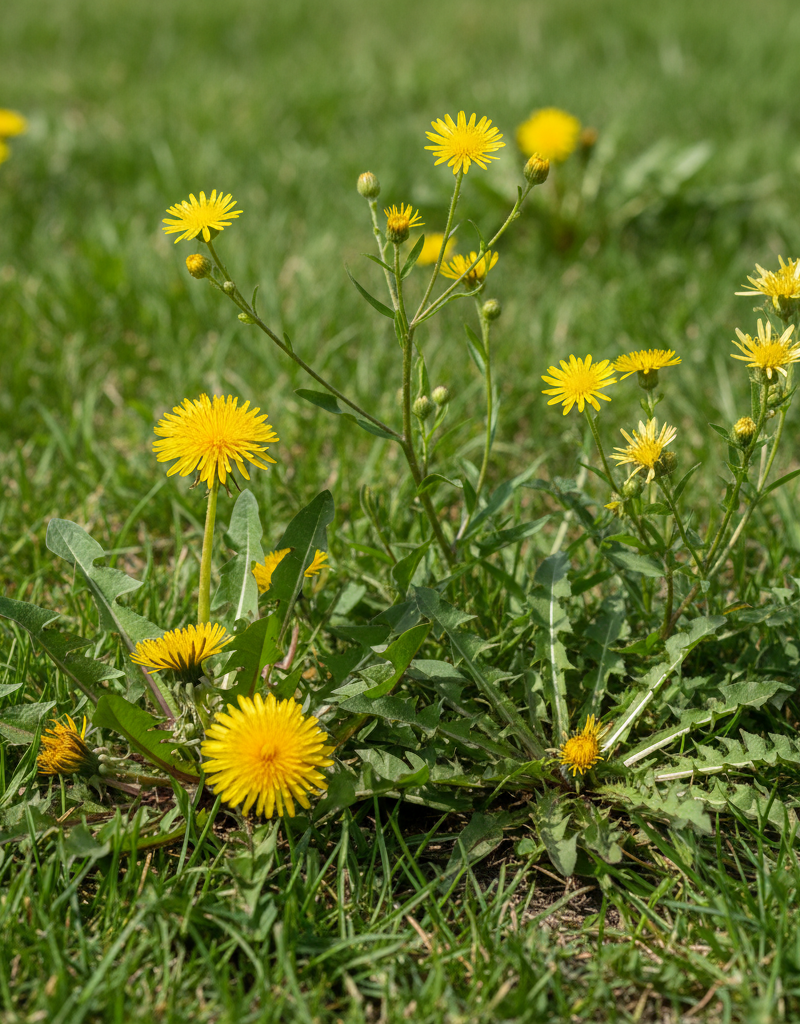
Clover, particularly white clover (Trifolium repens), is a common broadleaf weed that can quickly invade lawns, creating unsightly patches and outcompeting desirable grass species. While some homeowners might tolerate it, many prefer a uniform, grass-only lawn. The challenge lies in removing clover without inadvertently damaging or killing the surrounding grass, which often shares similar growth requirements. Traditional broad-spectrum herbicides will kill both, making a targeted approach essential. Clover spreads aggressively via stolons (above-ground stems) and seeds, making it a persistent foe if not addressed correctly. It thrives in nutrient-poor, compacted soils that stress turfgrass, often indicating an underlying imbalance in your lawn's ecosystem.
How It Works
Clover's success in lawns stems from its unique biology. As a legume, it forms a symbiotic relationship with nitrogen-fixing bacteria in its root nodules. These bacteria convert atmospheric nitrogen into a usable form for the plant, effectively fertilizing itself. This gives clover a significant advantage in soils with low nitrogen levels, where grass struggles. When your lawn is underfed, clover finds an open invitation to thrive.
Furthermore, clover often indicates soil compaction or an incorrect pH. Compacted soil restricts grass root growth and nutrient uptake, making the grass weaker and more susceptible to weed invasion. Clover has shallower roots that can better tolerate somewhat poorer soil conditions. Mowing your lawn too short also plays a role. When grass is cut low, it reduces its leaf surface area, limiting its ability to photosynthesize and produce the energy needed for strong root growth. Taller grass, on the other hand, shades the soil, keeping it cooler and moist, which benefits cool-season grasses and inhibits weed seed germination.
Selective herbicides, whether natural or synthetic, work by targeting specific plant cellular processes that are present in broadleaf weeds like clover but not in grasses. Iron-based herbicides (e.g., FeHEDTA) work by causing an overload of iron in broadleaf plants, leading to cell damage and death, while grasses are largely unaffected. Synthetic broadleaf weed killers, often containing ingredients like 2,4-D, MCPP, and dicamba, are plant growth regulators that cause uncontrolled, rapid growth in broadleaf plants, disrupting their normal physiological functions and leading to their demise. The selectivity comes from how these chemicals are absorbed and metabolized by different plant types. Grasses can break down these compounds without harm, while broadleaf weeds cannot.
Step-by-Step Fix
-
Assess Your Lawn's Health – Identify the underlying issues fueling clover growth.
- Before applying any treatments, take a close look at your lawn. Are there bare patches? Is the grass thin? Is the soil hard and compacted? Clover often exploits weak spots in a lawn.
- If your grass is yellow or thin: This suggests nutrient deficiency or improper watering. Consider a soil test to understand exact nutrient levels and pH.
- If you see standing water or the soil is rock-hard: This points to compaction, which starves grass roots of oxygen.
-
Conduct a Soil Test – Uncover nutrient deficiencies and pH imbalances
- Purchase a reputable soil test kit from a garden center or send a sample to your local university extension office. This will provide critical information on your soil's pH, nitrogen, phosphorus, and potassium levels.
- Why it's crucial: Clover thrives in low-nitrogen soil. If your soil test reveals low nitrogen, addressing this will be key to long-term clover suppression by boosting grass health.
-
Adjust Mowing Height – Promote a dense, healthy lawn canopy.
- Raise your mower deck to 3 inches or higher. Taller grass shades the soil, keeping it cooler and moist, and suppresses clover seed germination by blocking sunlight.
- Important: Never remove more than one-third of the grass blade length at once to avoid stressing the turf.
-
Fertilize Appropriately – Provide your grass with the nutrients to outcompete clover.
- Based on your soil test results, apply a slow-release, nitrogen-rich granular fertilizer. A typical 4-1-2 or 3-1-2 NPK ratio is often recommended for lawns.
- Timing is key: Fertilize in early spring and fall for cool-season grasses, or late spring/early summer and early fall for warm-season grasses. Follow product instructions carefully. Ensure the nitrogen content is sufficient to support healthy grass growth.
-
Water Deeply and Infrequently – Encourage deep root growth in turfgrass.
- Instead of light, frequent watering, aim for deep watering sessions (1 inch of water per week, including rainfall) once or twice a week. This encourages grass roots to grow deeper, making the turf more drought-tolerant and competitive.
- Verify water depth: Place an empty tuna can or rain gauge in your sprinkler's path to measure output.
-
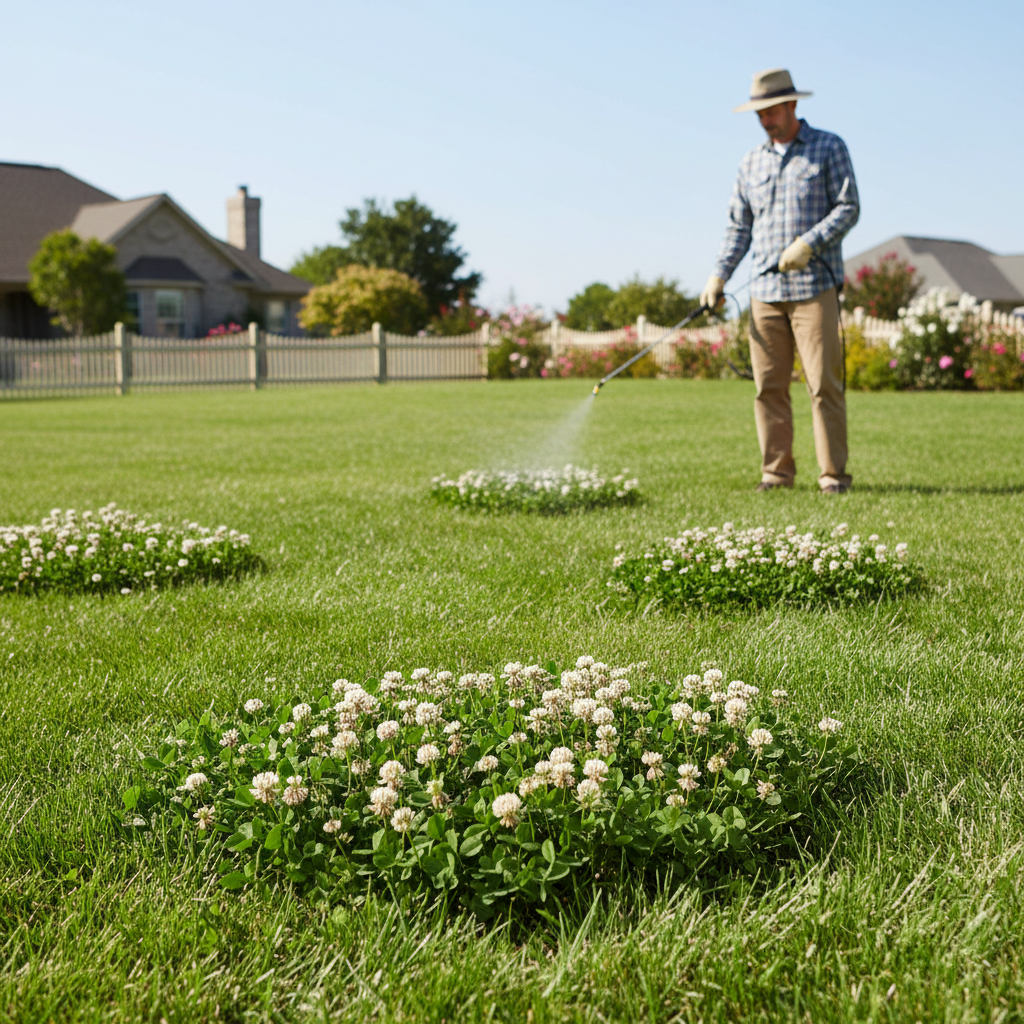
Spot Treat with Iron-Based Herbicides – Target clover with a natural, grass-safe option.
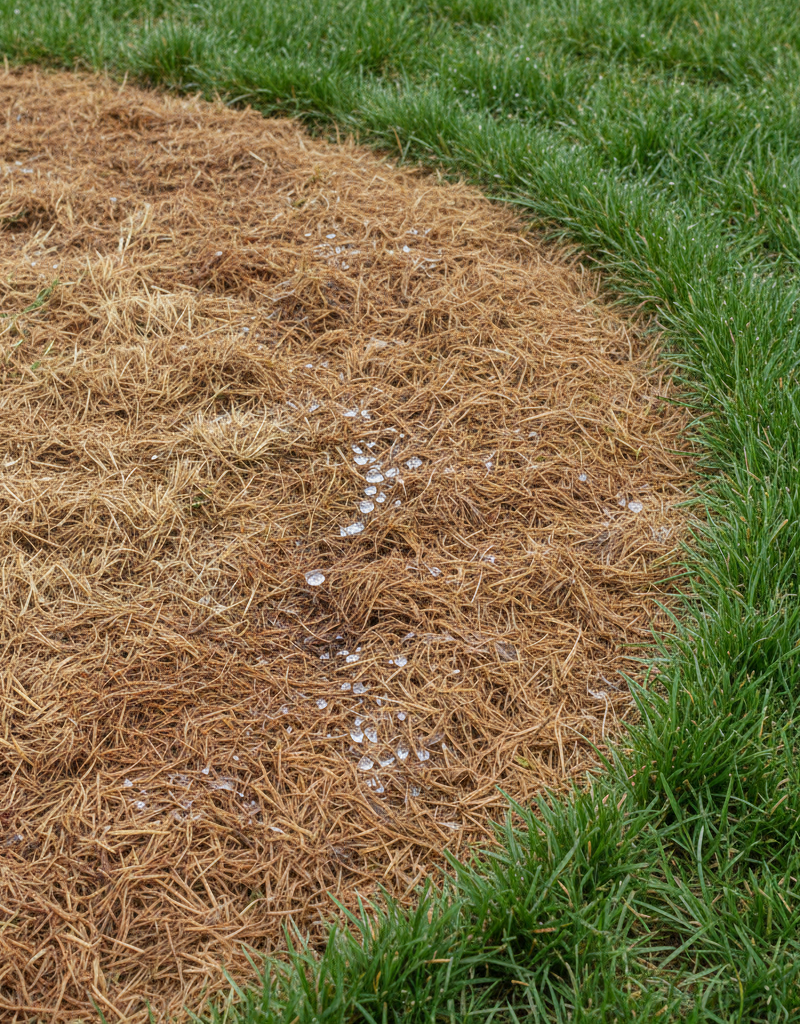
- For smaller clover patches, iron-based herbicides (e.g., Bonide Weed Beater Fe, Natria Weed Killer for Lawns) offer a pet- and grass-friendly solution. These products cause broadleaf weeds to blacken and die within hours.
- Application: Apply directly to clover patches on a cool, dry day. Avoid applying before rain, as it will wash away. Read and follow all label instructions.
-
Apply Selective Broadleaf Herbicide (If Needed) – For widespread infestations, use a targeted chemical solution.
- If clover is widespread, consider a selective broadleaf herbicide containing 2,4-D, MCPP, and/or dicamba (e.g., Ortho Weed B Gon MAX, Spectracide Weed Stop for Lawns). These are formulated to kill broadleaf weeds without harming most turfgrasses.
- Safety First: Always wear gloves and eye protection. Spray on a calm, wind-free day to prevent drift. Check the product label for specific temperature restrictions and grass types. Apply when weeds are actively growing, not during extreme heat or drought.
- Don't mow immediately: Wait 2-3 days before and after application to allow the herbicide to be absorbed by the weeds.
-
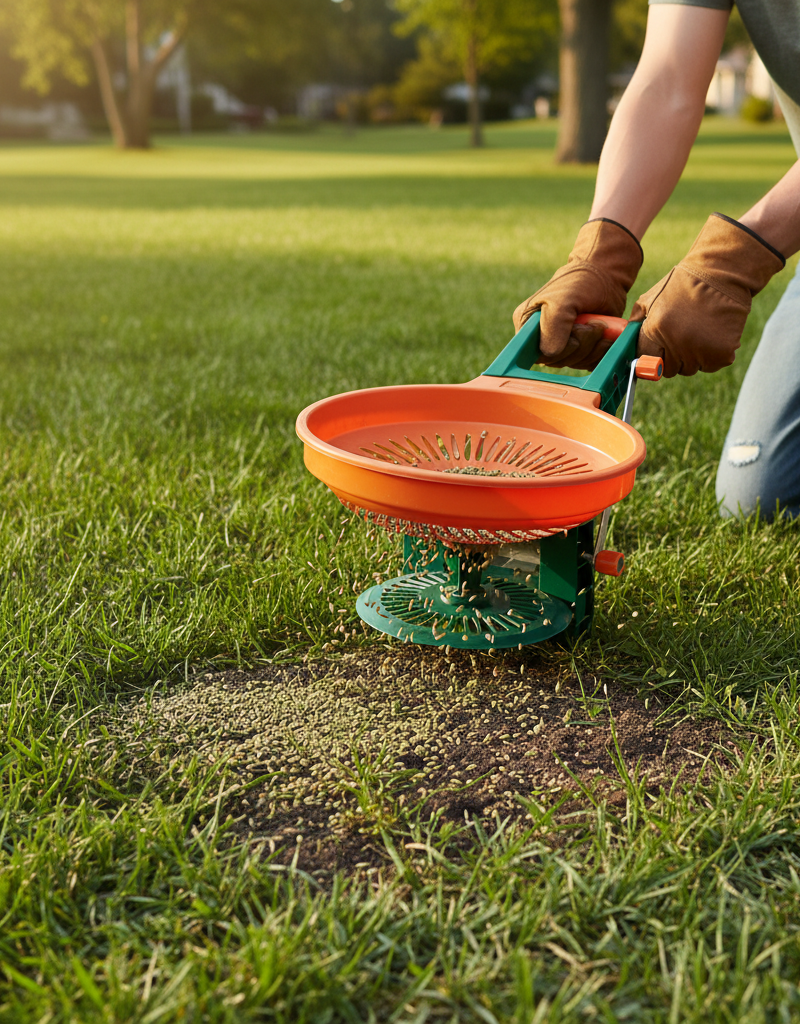
Reseed Bare Spots – Fill in areas where clover was removed.
- After the clover has died back and been removed, rake out any dead plant material. Lightly scratch the soil surface and spread high-quality grass seed appropriate for your region.
- Cover and water: Lightly cover seeds with a thin layer of topsoil or peat moss to prevent them from drying out or being eaten by birds. Keep the area consistently moist until new grass germinates and establishes.
Common Causes
- Low Nitrogen Levels in Soil: Clover thrives in soils with low nitrogen because it can fix its own, giving it a competitive advantage over grass that relies on soil nitrogen.
- Compacted Soil: Poorly aerated soil stresses grass roots and provides an opportunity for more tolerant weeds like clover to take hold.
- Mowing Too Short: Scalping your lawn weakens grass, reduces its ability to compete, and allows sunlight to reach clover seeds, encouraging germination.
- Infrequent or Shallow Watering: Encourages shallow grass roots, making the lawn less resilient to drought and more susceptible to weed invasion.
- Incorrect Soil pH: Extremely acidic or alkaline soil can hinder grass growth, creating an environment where clover can flourish.
- **Over-reliance on
Related Articles
Keep troubleshooting with these hand-picked guides from FixlyGuide:
- The #1 Mistake Killing Your Lawn (and How to Remove Clover Without Chemicals) — Discover the most common mistake homeowners make when battling clover and learn effective, organic methods to eliminate it without harming…
- The #1 Mistake Killing Your Lawn (And How to Eradicate Clover, The RIGHT Way) — Discover how to eliminate stubborn clover from your lawn effectively without harming your grass, using targeted strategies and proper lawn…
- The #1 Mistake Killing Your Garden (And 5 Permanent Weed Fixes) — Discover the secret to truly permanent weed removal and stop making the common mistake that allows weeds to relentlessly return, reclaiming…
- The #1 Mistake Killing Your Lawn's Clover—and the Easy fix That Spares Your Grass — Discover the most common mistake homeowners make when trying to eliminate clover, and learn how to remove it effectively without harming yo…
- The #1 Crabgrass Mistake Killing Your Lawn (And 3 Natural Fixes) — Discover how common crabgrass removal mistakes undermine your lawn's health and learn three natural, effective methods to eradicate crabgra…
- The 4-Inch Drywall Hole Fix: Why Most DIY Patches Fail (And How to Do It Right) — Don't let a small drywall hole become a recurring nightmare – discover the secret to a seamless, lasting repair that disappears into your w…
Get the print-ready PDF of this guide
A clean, ad-free, printable version you can keep on your phone or pin to the workshop wall. We'll also send occasional weekly tips matched to your home situation.
- Print-optimized layout
- Tools, materials & every step included
- Unsubscribe anytime
Frequently asked questions
What kills clover but not grass naturally?+
Iron-based herbicides (containing FeHEDTA) are effective at killing clover and other broadleaf weeds without harming grass. They work by causing an overload of iron in the weeds, leading to their demise, and are generally considered safe for pets and the environment when used as directed.
Why is clover taking over my lawn?+
Clover often takes over a lawn when the grass is weak due to low nitrogen soil, compacted soil, incorrect mowing practices (too short), or insufficient watering. Clover is a nitrogen-fixing plant, meaning it can create its own fertilizer, giving it an advantage in nutrient-poor conditions.
Will dish soap kill clover in lawn?+
While a dish soap solution can act as a non-selective herbicide, often it will damage or kill grass along with the clover. It's not recommended for broad application if you want to preserve your lawn. For targeted clover removal without harming grass, selective broadleaf herbicides or iron-based products are better choices.
How long does it take for clover to die after spraying?+
The time it takes for clover to die after spraying depends on the type of herbicide used. Iron-based products can show results within hours, with weeds blackening and wilting quickly. Synthetic broadleaf herbicides (like 2,4-D combos) may take several days to a couple of weeks for full effect, as they work by disrupting plant growth processes slowly.
Discussion
Loading comments…