Tools & materials you'll need
Affiliate linksNo materials required.
As an Amazon Associate FixlyGuide earns from qualifying purchases — at no extra cost to you. Prices and availability are accurate as of publication and subject to change.
Quick Answer
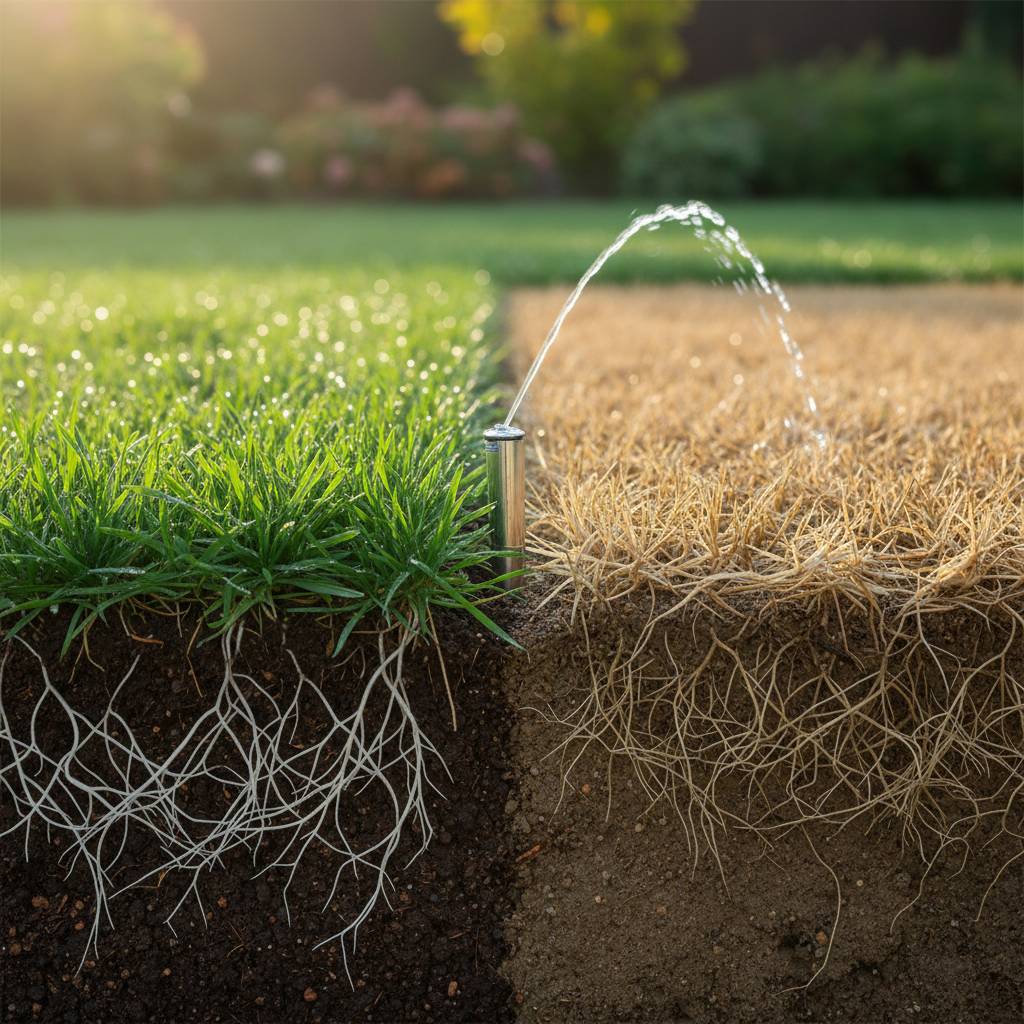
Many homeowners inadvertently sabotage their lawns by watering too frequently and too shallowly. This common mistake encourages grass roots to stay near the surface, making the lawn brittle, easily stressed during dry spells, and more vulnerable to pests and diseases. The secret to a robust, vibrant lawn is to emulate natural rainfall: water deeply and infrequently, encouraging roots to grow deeper into the soil for greater resilience and access to moisture.
The Problem
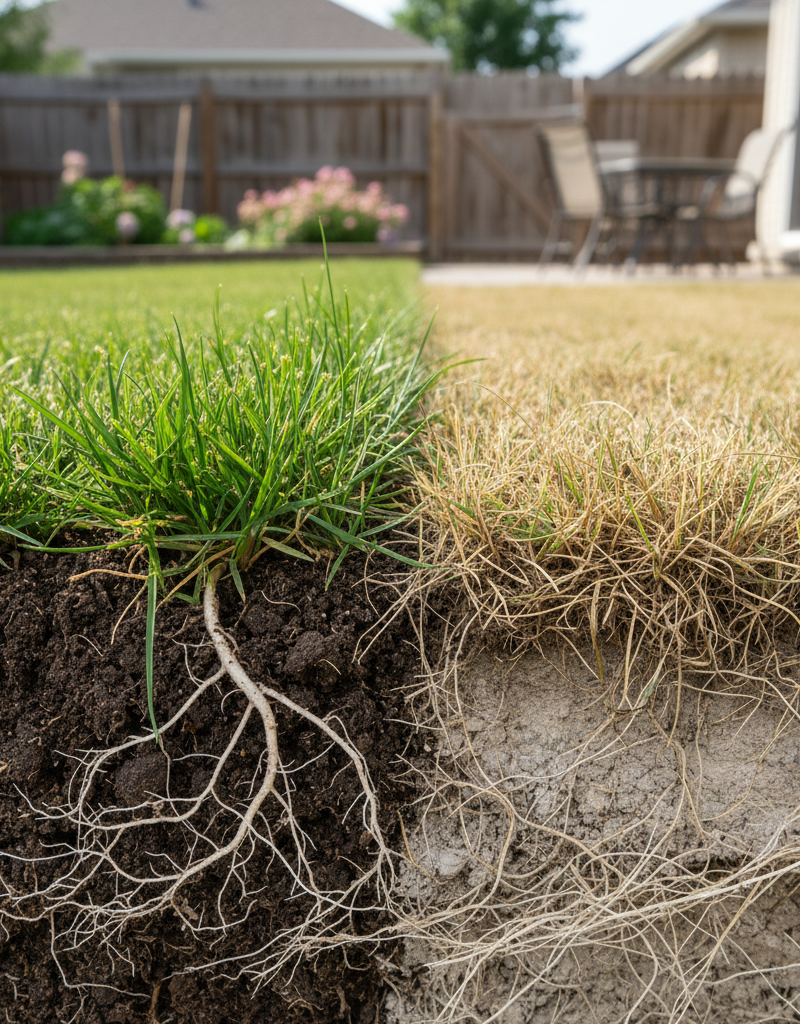
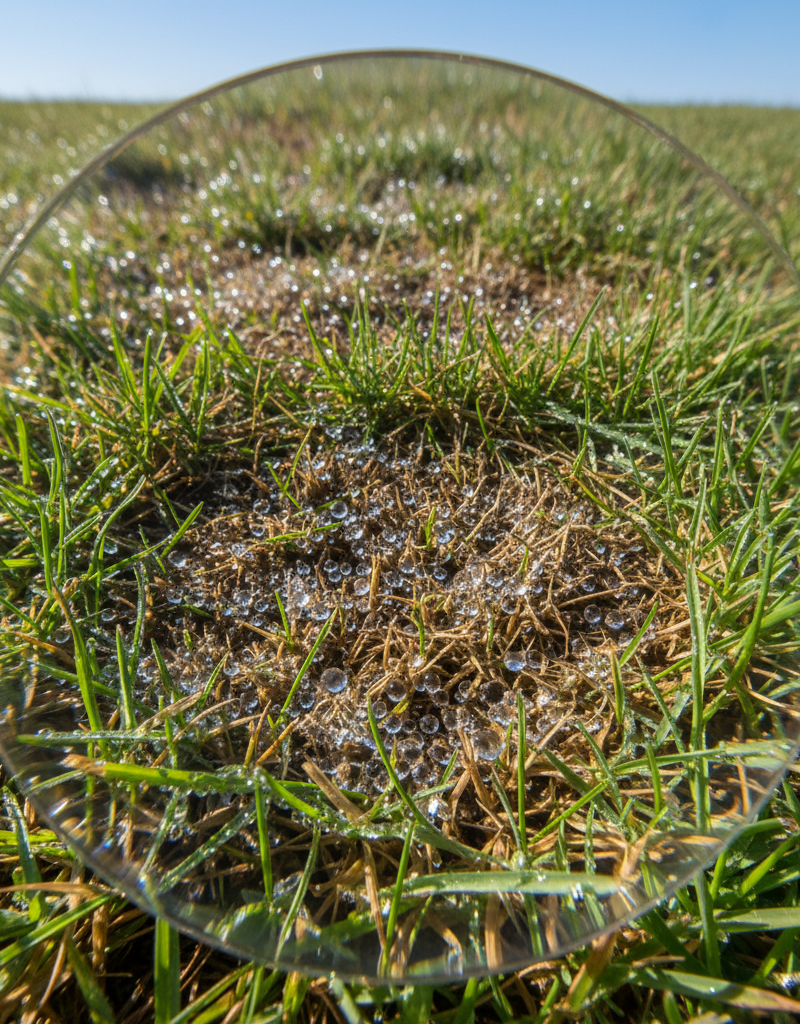
Your lawn looks thirsty, so you water it every day. Sounds logical, right? Yet, this seemingly helpful act is often the root cause of unhealthy, struggling grass. Frequent, light sprinklings only moisten the top inch or two of soil. In response, grass roots remain shallow, never developing the deep, extensive network needed to thrive. When temperatures rise or rainfall delays, these shallow-rooted plants quickly wilt, turn brown, and become susceptible to fungal infections like brown patch or dollar spot, not to mention a buffet for grubs and other insect pests. You're caught in a cycle: the lawn looks stressed, you water more often, and the problem only intensifies. Breaking this cycle requires understanding the 'why' behind proper watering and implementing a strategic approach to irrigation.
How It Works
Understanding how your lawn’s root system interacts with water is key to proper irrigation. Grass, like most plants, absorbs water and nutrients through its roots. When you water, gravity pulls the water downwards through the soil profile. Shallow watering only wets the top layer, signaling to the grass that all the moisture it needs is right there, close to the surface. Consequently, the roots have no incentive to grow deeper.
A healthy grass plant, however, has a deep, intricate root system that can extend several inches, even a foot or more, into the soil depending on the grass type. This deep root system acts like a built-in reservoir, allowing the plant to draw moisture from deeper soil layers during dry periods. When you water deeply, the water penetrates several inches down, encouraging the roots to follow, seeking out that moisture. This process strengthens the plant's overall structure, improves its drought tolerance, and makes it generally more resilient to environmental stresses. Think of it like a human being staying hydrated: a single sip every few minutes won't keep you properly hydrated for long; a large glass of water, consumed less frequently, will. The goal is to fill the 'reservoir' in the soil, let it get somewhat depleted, then refill it, mimicking natural rain patterns and promoting robust root development.
Step-by-Step Fix
Here’s how to transition from detrimental shallow watering to a deep, infrequent strategy that will transform your lawn.
-
Assess Your Current Watering Habits — Understand your baseline
- Before making changes, observe how you currently water. How long do you typically run your sprinklers? How often? This will help you measure the impact of your adjustments.
- If this doesn't work: Consider that your current system might be delivering water unevenly. Look for dry spots or areas with standing water.
-
Conduct a Tuna Can Test — Measure water output accurately
- Place several empty tuna cans or straight-sided containers around your lawn in different areas (near sprinklers, far from sprinklers, shady spots, sunny spots). Run your sprinklers for 20 minutes. Measure the average depth of water collected in the cans.
- Why this matters: This tells you precisely how much water your irrigation system delivers in a given time, which is crucial for calculating run times for 1 inch of water.
-
Determine Your Lawn's Need: 1 Inch Per Watering — The magic number for deep roots
- Most lawns, especially established cool-season and warm-season grasses, require approximately 1 inch of water per week, delivered in one or two deep sessions. This promotes deep root growth.
- Pro Tip: For sandy soils, you might need to split the 1 inch into two 0.5-inch waterings over the week to prevent runoff, as sandy soils drain faster.
-
Calculate Your Sprinkler Run Time — Translate depth to duration
- Using your tuna can test results, calculate how long you need to run your sprinklers to deliver 1 inch of water. For example, if you collected 0.5 inches in 20 minutes, you’ll need to run them for 40 minutes (2 x 20 minutes) to achieve 1 inch. If you want to do two 0.5-inch waterings per week, each session would be 20 minutes.
- Example: If your tuna can gathered 0.25 inches in 15 minutes, you need to run your sprinklers for 60 minutes (4 x 15 minutes) to get 1 inch.
-
Schedule Deep, Infrequent Waterings — The core of the fix
- Aim to water once or twice a week, delivering the calculated 1 inch of water. The exact frequency depends on your soil type, grass type, and local climate. Clay soils retain moisture longer and might only need watering once a week, while sandy soils may benefit from two waterings of 0.5 inch each.
- When to Water: The best time to water is early morning (between 4 AM and 9 AM). This minimizes evaporation and allows the grass blades to dry before nightfall, reducing the risk of fungal diseases.
-
**
Related Articles
Keep troubleshooting with these hand-picked guides from FixlyGuide:
- The #1 Watering Mistake That's Killing Your Lawn (And How to Fix It) — Discover the most common watering error homeowners make and how to correct it for a healthier, greener lawn.
- The #1 Watering Mistake Homeowners Make (And How to Fix It in Minutes) — Discover the most common lawn watering mistake homeowners make and how adjusting your technique can lead to a healthier, greener lawn.
- The #1 Watering Mistake That Kills Lawns (And How to Fix Yours in 10 Minutes) — Discover the most common watering mistake homeowners make and how to adjust your watering routine for a healthier, more resilient lawn.
- The #1 Mistake Killing Your Lawn's Clover—and the Easy fix That Spares Your Grass — Discover the most common mistake homeowners make when trying to eliminate clover, and learn how to remove it effectively without harming yo…
- The #1 Mistake Killing Your Lawn's Grass (and How to Fix It in 3 Steps) — Discover the most common mistake homeowners make that leads to patchy grass and learn a simple, three-step method to restore your lawn's lu…
- The #1 Mistake Homeowners Make When Their Dishwasher Stops Cleaning (And the Simple Fix) — Discover the most common reason your dishwasher isn't cleaning dishes and learn a simple, effective fix you can do yourself in minutes.
Get the print-ready PDF of this guide
A clean, ad-free, printable version you can keep on your phone or pin to the workshop wall. We'll also send occasional weekly tips matched to your home situation.
- Print-optimized layout
- Tools, materials & every step included
- Unsubscribe anytime
Frequently asked questions
How do I know if I'm overwatering or underwatering my lawn?+
Overwatering often leads to shallow roots, yellowing grass, increased weeds, and fungal diseases. Underwatering results in dull, grayish-green grass that doesn't spring back when stepped on, eventually turning brown. The 'tuna can test' helps you measure actual water output, and pushing a screwdriver into the soil can indicate moisture levels — if it goes in easily, it's likely moist enough; if it's hard to push, it's dry.
Discussion
Loading comments…