Tools & materials you'll need
Affiliate linksAs an Amazon Associate FixlyGuide earns from qualifying purchases — at no extra cost to you. Prices and availability are accurate as of publication and subject to change.
Quick Answer
Your summer lawn is likely turning yellow not from simple dehydration, but from a combination of improper watering techniques that lead to shallow root systems, nutrient deficiencies, or compacted soil that chokes out healthy growth. The prevalent mistake is frequent, shallow watering which encourages weak roots. Implementing a deep, infrequent watering schedule, coupled with proper fertilization and aeration, can revive your lawn's color and resilience.
The Problem
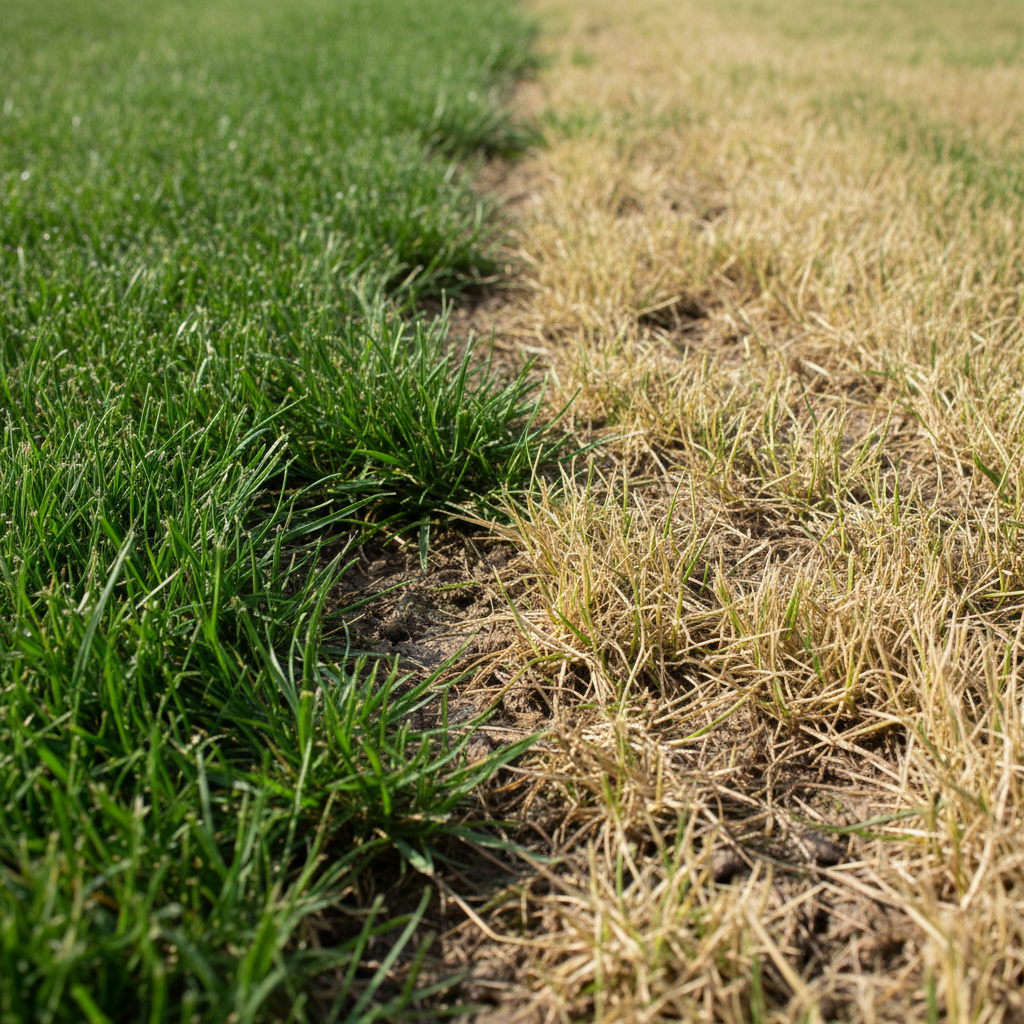
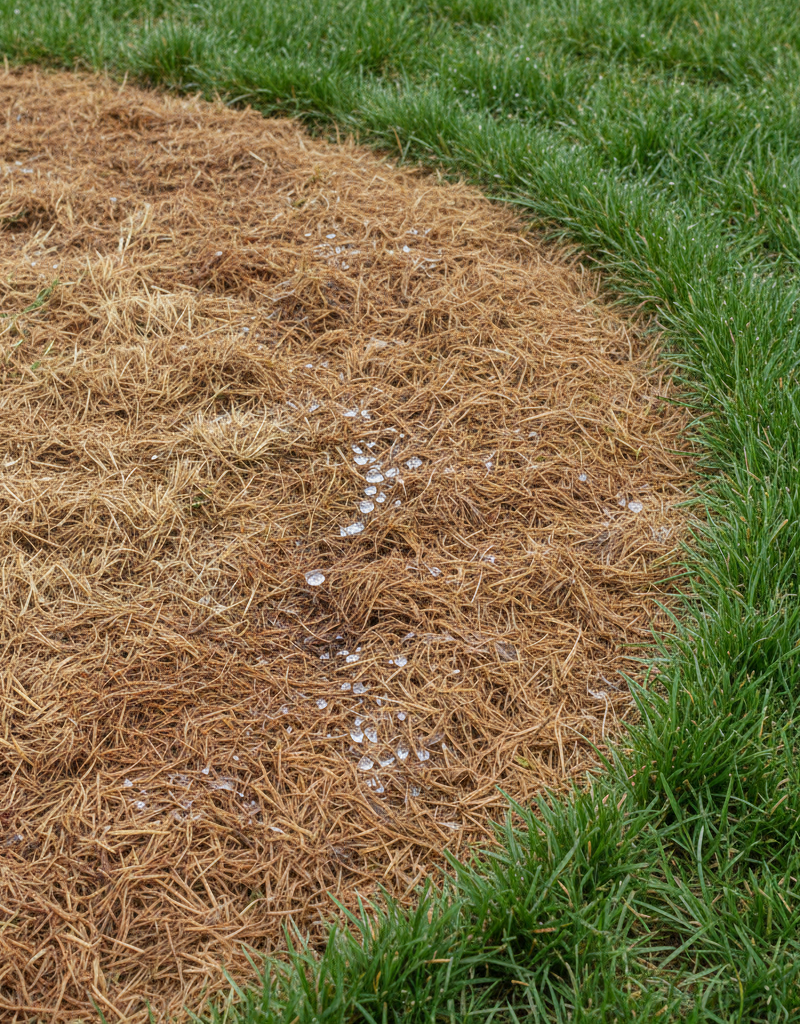
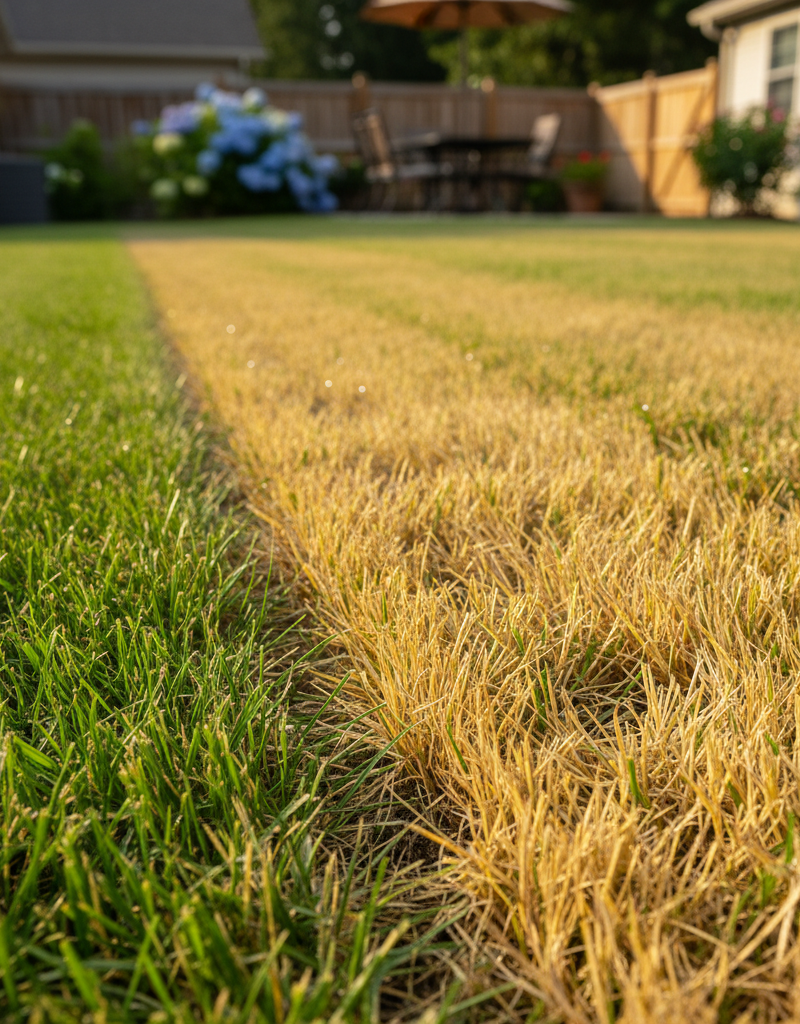
Summer is when lawns face their toughest challenges. High temperatures, intense sunlight, and increased activity can quickly stress turfgrass, leading to a disheartening yellowing. While many immediately jump to overwatering or underwatering as the culprits, the real problem often lies in the way you water, along with other subtle factors that chip away at your lawn's health. A yellowing lawn isn't just an aesthetic issue; it's a distress signal indicating that your grass isn't getting what it needs to thrive. This could range from insufficient deep moisture, depleted soil nutrients, or even a hidden pest problem or fungal disease. Understanding the specific signals your lawn is sending is the first step to a lush, green recovery.
How It Works
Healthy turfgrass relies on a complex interplay of water, nutrients, sunlight, and air. Water is absorbed by the roots, which then transport it, along with dissolved nutrients, up to the blades. Photosynthesis, the process that gives grass its green color, occurs in the blades, converting sunlight, water, and carbon dioxide into sugars for energy. Nitrogen, iron, and potassium are crucial nutrients for this process; a deficiency in any of them, especially nitrogen or iron, can quickly lead to yellowing. Iron is critical for chlorophyll production, the green pigment in plants.
Soil plays a vital role. It acts as a reservoir for water and nutrients, and its structure determines how well air and water can penetrate to the root zone. Compacted soil, often caused by heavy foot traffic or machinery, restricts root growth and reduces the availability of oxygen and water. Similarly, soil pH affects nutrient availability; if the pH is too high or too low, even if nutrients are present, the grass roots can't absorb them effectively. Grass roots typically extend 4-6 inches deep in healthy lawns, sometimes more. Shallow, frequent watering encourages roots to stay near the surface, making them highly vulnerable to heat and drought stress. When temperatures soar, these shallow roots quickly dry out, leading to yellowing and eventual browning. On the other hand, deep and infrequent watering encourages roots to grow deeper, seeking moisture, making the grass more resilient.
Step-by-Step Fix
1. Assess Your Watering Habits — The most common culprit for summer yellowing is improper watering.
- How to: Use a screwdriver or soil probe to check soil moisture. Push it into the lawn; if it goes in easily 6-8 inches, the soil is moist. If it's hard to push, your lawn is dry. Observe your sprinkler system. Is it delivering water evenly? Watch for puddling, runoff, or dry spots. Place tuna cans or rain gauges across your lawn to measure how much water is being applied in a specific time.
- If this doesn't work: If your lawn is consistently dry despite watering, check for efficient coverage from sprinklers. Look for clogged nozzles or misaligned heads.
2. Adjust Your Watering Schedule — Deep, infrequent watering promotes strong, resilient roots.
- How to: Aim for 1 inch of water per week, applied in one or two deep sessions. Water in the early morning (before 10 AM) to minimize evaporation and fungal growth. This typically means watering for 30-45 minutes per section, depending on your sprinkler output and soil type. Sandy soils may need slightly more frequent, shorter durations, while clay soils benefit from slower, longer applications to allow for absorption without runoff.
- DIY Note: To calculate how long to run your sprinklers: place empty tuna cans or rain gauges in different areas of your lawn. Run your sprinklers for 15 minutes, then measure the water accumulated in the cans. Multiply that amount by the number of 15-minute intervals needed to reach 1 inch (e.g., if you get 0.25 inches in 15 mins, you need 4 x 15-min intervals = 60 mins).
3. Test Your Soil — Identify nutrient deficiencies or pH imbalances.
- How to: Purchase an inexpensive soil test kit from a garden center or send a sample to your local university extension office for a more comprehensive analysis. Follow the kit's instructions carefully for collecting a representative sample from several areas of your lawn. The report will tell you your soil's pH and levels of essential nutrients like nitrogen (N), phosphorus (P), and potassium (K).
- Why it helps: Soil tests reveal if your yellowing is due to a lack of iron, nitrogen, or an incorrect pH level preventing nutrient uptake.
4. Address Nutrient Deficiencies — Apply appropriate fertilizers based on soil test results.
- How to: If your soil test shows low nitrogen, apply a slow-release granular lawn fertilizer with a higher first number (e.g., 28-0-0 or 15-0-15) as recommended by the product label. For iron deficiency (pale yellow, almost white grass), use a liquid iron supplement or a granular fertilizer with added iron. Always read and follow product instructions for application rates and safety precautions. Water your lawn lightly after applying granular fertilizers.
- Safety Note: Always wear gloves and eye protection when handling fertilizers. Store them in a cool, dry place, out of reach of children and pets. Do not over-apply, as this can burn your lawn.
5. Aerate Compacted Soil — Improve air, water, and nutrient penetration.
- How to: For small areas, use a manual core aerator. For larger lawns, rent a gas-powered core aerator from a local hardware store. Aerate when the soil is moist but not saturated, typically in late spring or early fall. The machine pulls small plugs of soil (cores) from the lawn, creating channels for air and water. Aim for 20-40 holes per square foot.
- Why it helps: Aeration relieves compaction, allowing roots to grow deeper and absorb more water and nutrients.
6. Dethatch if Necessary — Remove excessive thatch layer that can starve grass roots.
- How to: If you have more than 1/2 inch of thatch (the layer of dead grass and organic matter between the green blades and the soil surface), use a power dethatcher or a sturdy dethatching rake. Thatch can prevent water and nutrients from reaching the soil. Dethatch when the grass is actively growing but not stressed by heat, usually early fall or spring.
- Tools: A robust dethatching rake (manual) or a rented power dethatcher (for larger lawns).
7. Check for Pests and Diseases — Look for signs of insects or fungal issues.
- How to: Inspect your lawn closely. Look for chewed grass blades, brown or irregular patches, or small insects in the thatch layer (e.g., chinch bugs, grubs). For fungal diseases, look for distinct spots, rings, or discolored areas that spread. Common summer diseases include brown patch and dollar spot.
- If found: Identify the pest or disease using online resources or by consulting your local extension office. Apply the appropriate organic or chemical treatment if necessary, always following label instructions.
8. Mow at the Correct Height — Higher mowing promotes stronger, deeper roots.
- How to: For most cool-season grasses, maintain a mowing height of 2.5-3.5 inches. For warm-season grasses, 2-3 inches is often appropriate. Never remove more than one-third of the blade length in a single mowing session. Taller grass shades the soil, reducing water evaporation and encouraging deeper root growth.
- Why it helps: Stress from scalping (mowing too short) makes grass vulnerable to yellowing and other environmental stressors.
Common Causes
- Improper Watering: The single biggest cause. Either too little water (shallow roots, dehydration) or too much (suffocates roots, promotes disease). Frequent, shallow watering is particularly damaging in summer heat.
- Nutrient Deficiencies: Lack of nitrogen (overall pale yellow), iron (pale yellow to white, especially newer growth), or other micronutrients. Soil pH can lock up these nutrients.
- Soil Compaction: Prevents water, air, and nutrients from reaching root zones, leading to shallow roots and stressed grass.
- Thatch Buildup: A thick layer of dead organic matter acts as a barrier, preventing water and nutrients from penetrating to the soil.
- Heat Stress/Drought: While grass goes dormant, severe heat without adequate deep moisture can lead to permanent damage and yellowing before dormancy sets in.
- Fungal Diseases: Diseases like brown patch (irregular brown patches), dollar spot (silver dollar-sized spots), or rust (orange-brown powdery spots) can cause discoloration.
- Insect Pests: Grubs, chinch bugs, sod webworms, and armyworms feed on grass roots or blades, leading to yellow, dying patches.
- Chemical Burn: Over-application of fertilizer, herbicides, or pesticides can burn and yellow grass.
- Mowing Too Short (Scalping): Removes too much leaf blade, stressing the plant and reducing its ability to photosynthesize.
Common Mistakes
- Watering Every Day for Short Durations: This encourages shallow root growth, making your lawn highly susceptible to summer heat and drought. Instead, water deeply and infrequently.
- Ignoring a Soil Test: Guessing your soil's needs can lead to applying the wrong fertilizers or missing critical pH issues. Always test first.
- Applying Fertilizer During Peak Heat: Fertilizing a stressed, hot lawn can burn the grass, especially with high-nitrogen quick-release products. Apply when temperatures are moderate.
- Mowing Too Short: Cutting grass too short stresses the plant, reduces its ability to make food, and exposes the soil to intense sun, increasing water evaporation.
- Assuming All Yellow Grass Needs More Water: Sometimes yellowing is caused by overwatering, disease, or nutrient deficiency. Adding more water without diagnosis can worsen the problem.
- Not Aerating or Dethatching When Needed: Ignoring these crucial maintenance tasks leads to compacted soil and suffocated roots, preventing effective watering and nutrient absorption.
Cost & Time Breakdown
| Task | DIY cost | Pro cost | Time |
|---|---|---|---|
| Soil Test Kit | $15–$50 | $0 (often included in service) | 10–20 mins (sampling) |
| Adjust Sprinkler Heads | $0–$30 | $50–$150 | 15–30 mins |
| Granular Lawn Fertilizer | $30–$80 | $50–$150 | 20–40 mins |
| Liquid Iron Supplement | $20–$40 | $40–$100 | 15–30 mins |
| Manual Core Aerator Rental | $0 (if owned) / $20–$40 | $150–$300 | 1–3 hours |
| Power Core Aerator Rental | $70–$100/day | $150–$300 | 1–2 hours |
| Dethatching Rake / Power Dethatcher Rental | $30–$60 (rake) / $60–$90 (rental) | $150–$350 | 1–4 hours |
| Inspecting for Pests/Disease | $0 | $50–$100 | 10–30 mins |
| Basic Pest/Fungicide Treatment | $20–$60 | $75–$200 | 15–30 mins |
Tips & Prevention
- Monitor Moisture Regularly: Don't just water on a schedule. Feel your soil or use a soil moisture meter to ensure your lawn truly needs water before applying it. Push a screwdriver into the turf; if it goes in easily, the soil is moist. If not, it's dry.
- Fertilize Strategically: Use slow-release fertilizers in the spring and fall based on soil test results. Avoid heavy fertilization during the peak summer heat, especially with quick-release nitrogen products.
- Aerate Annually/Biennially: Core aeration is crucial for compacted soils or high-traffic lawns. Aim for late spring or early fall when grass is actively growing and can recover quickly.
- Mow High and Sharply: Maintain your mower blade sharp year-round. Mow at the highest recommended height for your grass type (usually 3 inches or more) to promote deeper root growth and shade the soil.
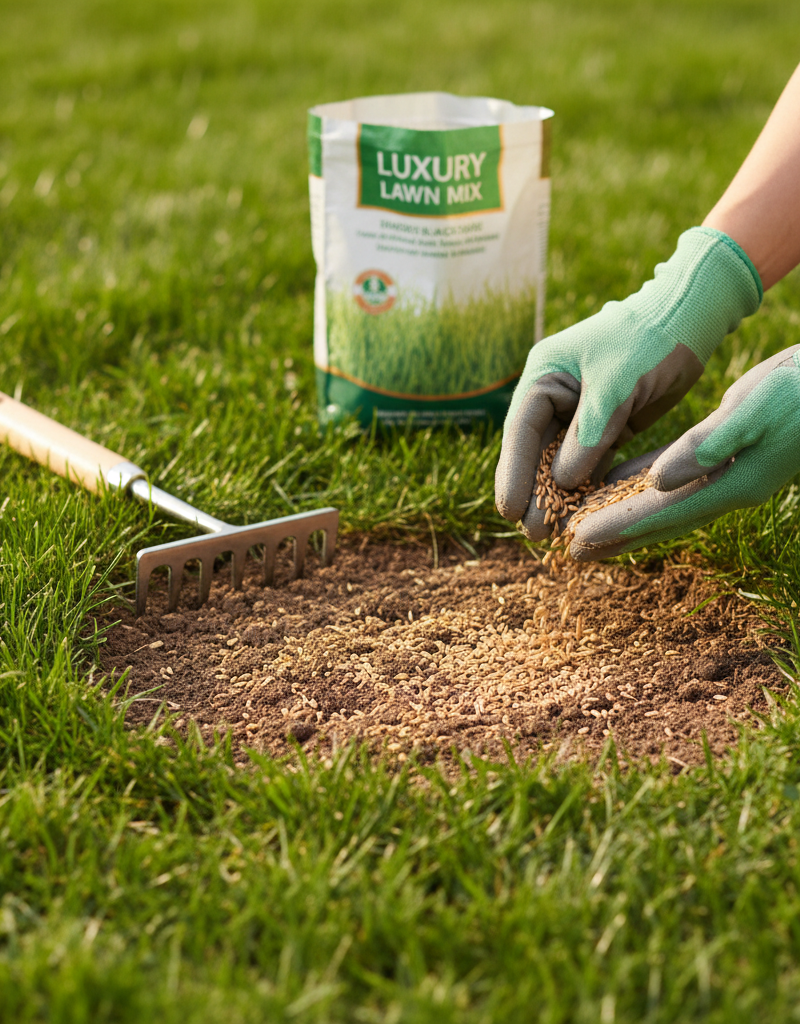
- Overseed Thin Areas: If your lawn is thin, overseed with a good quality grass seed in the fall to increase turf density and crowd out weeds, making the lawn more resilient.
- Consider Iron Supplements: If your soil test shows adequate nitrogen but your lawn still looks pale yellow (especially newer growth), a chelated iron supplement can provide a quick green-up effect without promoting excessive growth.
When to Call a Professional
If you've followed these steps and your lawn continues to show severe yellowing, or if you suspect a complex pest infestation or a persistent fungal disease that you can't identify, it's time to call a professional lawn care service or local arborist. They have advanced diagnostic tools and access to commercial-grade treatments that may not be available to homeowners. Additionally, if your lawn is showing signs of nutrient deficiencies even after correct fertilization, a professional can conduct a more in-depth soil analysis or root investigation to uncover underlying issues like severe soil compaction or poor drainage that require specialized equipment or expertise to resolve. For extensive renovations, like grading changes or the installation of complex irrigation systems, a professional landscape contractor is highly recommended.
Related Articles
Keep troubleshooting with these hand-picked guides from FixlyGuide:
- The #1 Mistake Turning Your Healthy Lawn Brown After Watering — Discover the hidden culprit behind brown spots appearing in your lawn immediately after watering and learn how to correct this common mista…
- The #1 Mistake Killing Your Lawn's Grass (and How to Fix Patchy Spots) — Discover the most common reason for patchy grass and learn how to revive your lawn with targeted, easy-to-follow steps.
- The #1 Mistake Killing Your Summer Lawn (It's Not What You Think) — Uncover the surprising truth behind your yellow summer lawn and learn how to fix the most common, yet overlooked, culprit: overwatering.
- Thatched Lawn Secret: Why Brown Spots Bloom AFTER Watering (and the $15 Fix) — Brown spots appearing after watering your lawn often point to underlying thatch issues, hindering water absorption and nutrient delivery.
- The 3 Hidden Reasons Your Tree Leaves Turn Brown (and the Easy Fixes) — Discover the often-overlooked environmental stressors and specific diseases that cause tree leaves to brown, and learn simple, actionable s…
- Is Your Gutter Sagging After Every Storm? The Hidden Flaw Most Homeowners Miss — Discover the overlooked reason your gutters sag after every storm and learn the lasting fix that most homeowners miss.
Frequently asked questions
How often should I water my lawn in summer to prevent yellowing?+
In summer, aim for deep, infrequent watering. This typically means applying 1 inch of water per week, delivered in one or two sessions, rather than daily shallow watering. Water in the early morning to allow for absorption and reduce disease risk.
Can overwatering cause my lawn to turn yellow?+
Yes, overwatering can absolutely cause yellowing. Excessive water deprives roots of oxygen, essentially suffocating them. It also creates an environment conducive to fungal diseases, which can also lead to discolored patches. Always check soil moisture before watering.
What nutrient deficiency makes grass yellow?+
The most common nutrient deficiency causing yellow grass is nitrogen. Nitrogen is crucial for chlorophyll production, which gives grass its green color. Iron deficiency can also cause yellowing, often appearing as a paler yellow or whitish tint, especially on newer growth.
How can I tell if my lawn is yellow from drought or disease?+
Drought-stressed grass usually shows uniform yellowing or browning across the lawn, with blades becoming thin and crispy. Disease-related yellowing often appears in patches, spots, or irregular patterns, sometimes with distinct rings or textures. Inspect individual blades for spots or lesions, and check the soil for excessive wetness or dryness.
Is it better to aerate or dethatch first if my lawn is yellow?+
Generally, it's better to dethatch first if you have a significant thatch layer (over 1/2 inch) to allow aeration to be more effective. If thatch isn't an issue but compaction is, then aeration alone is sufficient. Both practices improve the access of water, nutrients, and air to the root zone.
Discussion
Loading comments…