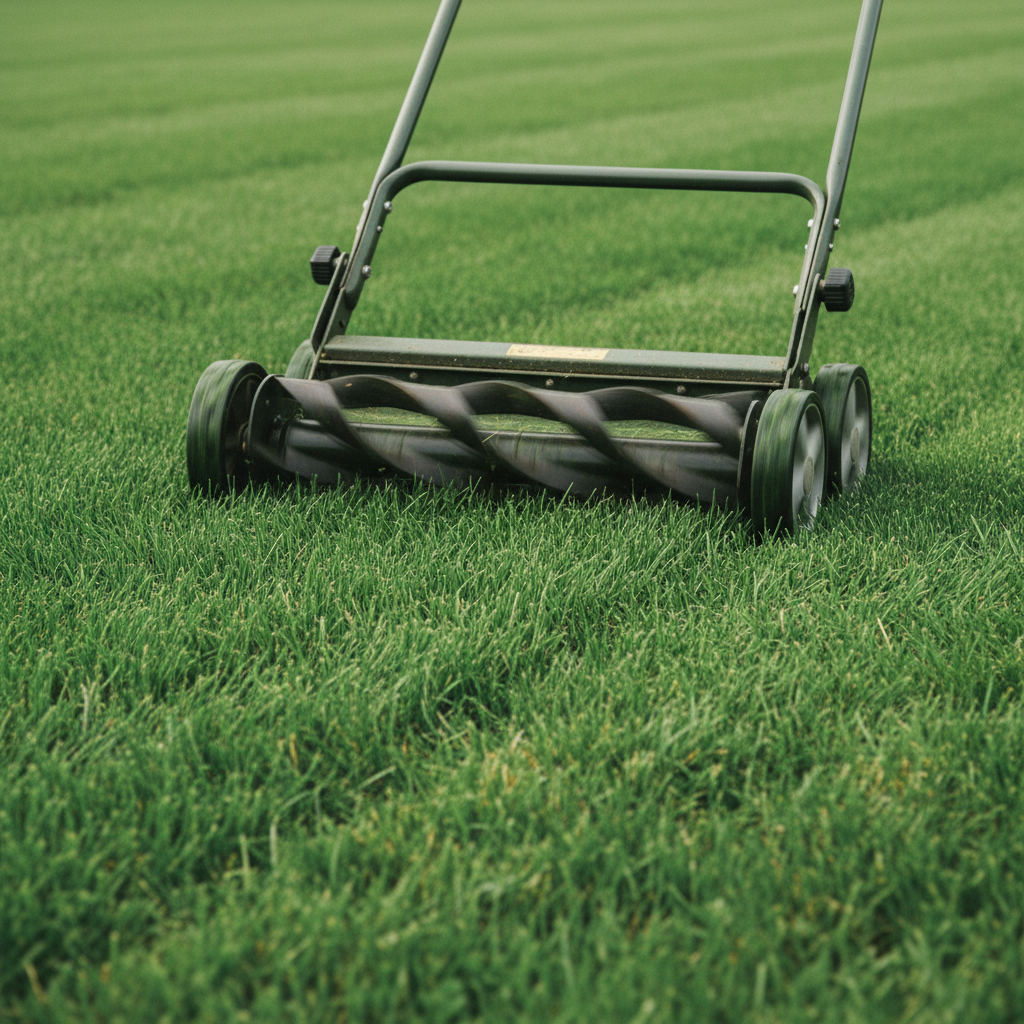
Tools & materials you'll need
Affiliate links- AmazonMower deck belt1 · If yours is worn or damaged.
As an Amazon Associate FixlyGuide earns from qualifying purchases — at no extra cost to you. Prices and availability are accurate as of publication and subject to change.
Quick Answer
Mowing your lawn too short is the single most common and detrimental mistake homeowners make, often believing it creates a tidier look or reduces mowing frequency. In reality, excessively short grass blades lead to shallow root systems, increased vulnerability to drought and disease, and an open invitation for weeds. By consistently maintaining your grass at a taller height, within its optimal range, you encourage deeper root growth, create natural shade that suppresses weed seeds, and build a more resilient, healthier lawn that requires less intervention.
The Problem
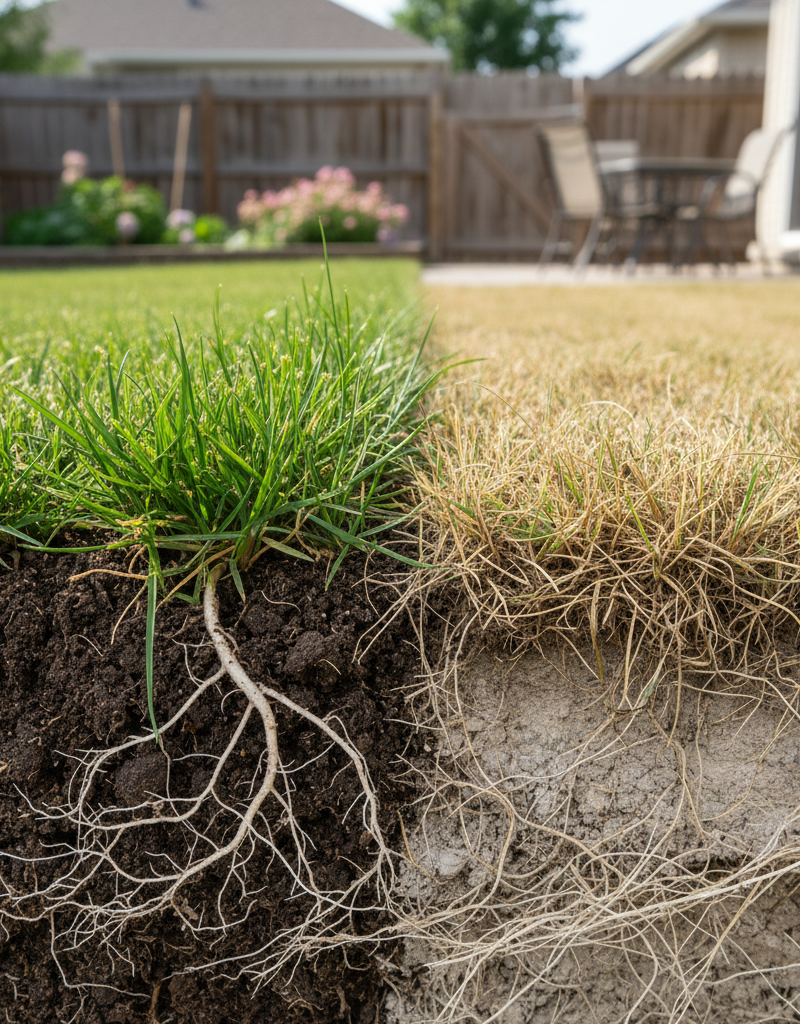
Walk through any neighborhood, and you'll likely see lawns scalped down to an inch or two, often yellowing or patchy, dotted with dandelions and crabgrass. This isn't just an aesthetic issue; it's a fundamental problem in lawn health originating from improper mowing height. When you cut grass too short, you're essentially performing a severe amputation. Each grass blade is a tiny solar panel, responsible for photosynthesis and converting sunlight into the energy the plant needs to grow, develop strong roots, and fight off stressors. Cutting more than one-third of the blade at once, or simply cutting it too low in general, drastically reduces this energy-producing capacity. The grass then diverts its precious energy into regrowing lost leaf tissue instead of strengthening its roots. This creates a cascade of negative effects: roots become shallow, making the lawn highly susceptible to drought and nutrient deficiencies. The bare soil exposed by short grass allows weed seeds, which are always present, to receive ample sunlight and germinate rapidly, outcompeting the stressed turf. Suddenly, your quest for a neat lawn has led to a weed-infested, thirsty, and unhealthy turf that demands more water, fertilizer, and pest control.
How It Works
Understanding how grass grows is key to mowing it correctly. Grass, like all plants, performs photosynthesis in its leaves (the blades) to produce carbohydrates, its primary food source. These carbohydrates are then transported to the roots, where they are used for root growth, nutrient uptake, and overall plant health. When you cut the grass blade, you remove a portion of this food-producing factory. Healthy grass can compensate for this, but only if the cut isn't too severe. The "one-third rule" is critical: never remove more than one-third of the grass blade's total height in a single mowing. For example, if you want your grass to be 3 inches tall after mowing, you shouldn't let it grow taller than 4.5 inches before cutting (4.5 inches - 1.5 inches = 3 inches; 1.5 inches is one-third of 4.5 inches). This rule ensures enough leaf surface remains for continuous photosynthesis, preventing the grass from going into shock and depleting its root energy reserves.
Furthermore, taller grass blades do more than just produce food; they also shade the soil. This shade is a powerful natural weed deterrent. Most weed seeds require direct sunlight to germinate. A dense canopy of 2.5 to 3.5-inch grass effectively blocks this sunlight, keeping dormant weed seeds in the dark. Taller grass also helps retain soil moisture, requiring less frequent watering, and fosters a healthier soil microbiome. The deeper roots encouraged by taller cuts also make your lawn more resilient to foot traffic, pests, and diseases. Think of your lawn as a forest rather than a putting green; a dense, slightly taller canopy is naturally more robust and self-sustaining.
Step-by-Step Fix
1. Inspect Your Mower's Deck Belt — *A worn belt can lead to inconsistent blade speed and an uneven cut.
- Visually inspect the deck belt for cracks, fraying, or excessive slack. If you see damage, replace it according to your mower's manual. A properly tensioned belt ensures consistent blade rotation and a clean cut.
2. Sharpen Your Mower Blades — *Dull blades tear grass rather than cut it, causing brown tips and stressing the plant.
- Safety First: Disconnect the spark plug wire on gas mowers and remove the battery on electric models before working near the blades. Wear heavy-duty gloves.
- Remove the blade(s) using a wrench. Mark the underside to ensure you reinstall it correctly.
- Use a file, grinder, or blade sharpener to sharpen the cutting edge. Aim for an angle similar to the original factory edge. Ensure the blade is balanced after sharpening (you can check this by hanging it horizontally on a nail through the center hole).
- Sharpen blades at least once a season, more often if you mow frequently or have sandy soil.
3. Find Your Ideal Mowing Height — *This is the most crucial step for long-term lawn health.
- Identify your grass type (e.g., Kentucky Bluegrass, Tall Fescue, Zoysia, Bermuda). A local garden center can help if you're unsure.
- Research the recommended mowing height range for your specific grass type. For most cool-season grasses (common in northern climates), this is 2.5 to 3.5 inches. For warm-season grasses (common in southern climates), it can range from 1 to 3 inches depending on the specific cultivar.
- Adjust your mower deck to the highest setting within that recommended range. For instance, if your cool-season grass likes 2.5–3.5 inches, set it to 3 or 3.5 inches.
4. Adjust Mower Deck Level — *An unlevel deck leads to scalping on one side.
- Park your mower on a flat, level surface (like a garage floor).
- Using a ruler, measure the distance from the bottom edge of the mower deck skirt to the ground at all four corners or points. Your owner's manual will specify if your deck should be perfectly level or slightly higher in the rear.
- Adjust the deck wheels or linkages according to your manual to achieve the correct level.
5. Practice the One-Third Rule — *Never remove more than one-third of the grass blade's height at once.
- If your ideal mowing height is 3 inches, don't let your grass grow taller than 4.5 inches before mowing. This means you might need to mow more frequently during peak growing seasons.
- If your grass is already excessively tall, don't try to cut it all down at once. Gradually lower it over several mowings, taking off no more than one-third each time, with a few days between cuts.
6. Mow When Grass is Dry — *Wet grass clumps, clogs the mower, and can lead to an uneven cut.
- Ensure the grass is completely dry before you start mowing. This usually means waiting until late morning or afternoon after dew has evaporated.
- Avoid mowing immediately after rain or heavy irrigation.
7. Vary Your Mowing Pattern — *Mowing in the same direction repeatedly can compact soil and create ruts.
- Change your mowing pattern each time you cut the grass (e.g., horizontal one week, vertical the next, then diagonal).
- This helps distribute compaction, encourages grass to stand upright, and prevents noticeable tire marks.
8. Leave Grass Clippings — *Unless they are excessively clumpy, clippings return valuable nutrients to the soil.
- Ensure your mower is equipped for mulching or has a side discharge. Finely cut clippings will decompose quickly.
- Only bag clippings if they are very long and thick, as these can smother the existing grass.
9. Overlap Your Passes — *A slight overlap ensures you don't miss strips of grass.
- Aim for about a 2-4 inch overlap on each pass to achieve an even, uniform cut.
10. Clean Your Mower Deck — *Built-up grass clippings reduce airflow and cut quality.
- After each use, scrape or hose off accumulated grass from the underside of the mower deck. Remember to disconnect the spark plug or remove the battery first!
- This improves blade efficiency and prevents the spread of disease.
Common Causes
- Incorrect Mower Height Setting: The most prevalent cause, often set too low out of habit or misconception that shorter grass looks tidier or prolongs time between cuts.
- Dull Mower Blades: Blades that aren't sharp tear and shred the grass rather than cleanly cutting it. This stresses the plant, creates jagged brown tips, and makes the lawn more susceptible to disease.
- Mowing When Grass is Wet: Wet grass clumps under the deck, leads to uneven cuts, and can clog the discharge chute, reducing the mower's efficiency.
- Mowing Too Infrequently: Letting grass grow excessively tall before cutting means you're removing more than one-third of the blade at once, which severely shocks the plant.
- Uneven Mower Deck: If the mower deck is not level from side to side or front to back, it will scalp the lawn in certain areas while leaving others too high.
- Mowing in the Same Pattern Repeatedly: Consistently mowing in the same direction compacts the soil in specific paths, creating ruts and stressing the grass in those areas.
Common Mistakes
- **Mistake: Mowing the lawn down to the lowest setting for a
Related Articles
Keep troubleshooting with these hand-picked guides from FixlyGuide:
- The #1 Mowing Mistake That Leaves Your Lawn Brown and Patchy — Discover the most common mowing mistake homeowners make that leads to unhealthy, patchy grass and how to fix it for a vibrant lawn.
- The #1 Mowing Mistake That Starves Your Lawn (And How to Fix It in Minutes) — Learn the surprising reason your lawn might be struggling despite regular mowing and how a simple adjustment can lead to healthier, more vi…
- The 3 Lawn Mowing Mistakes Killing Your Grass (and How to Fix Them) — Discover the three most common lawn mowing mistakes homeowners make that damage their grass, and learn simple, actionable steps to correct…
- The #1 Mistake Killing Your Lawn's Crabgrass Defense (And the Easy Fix) — Discover why common crabgrass removal methods fail and how to naturally eliminate this stubborn weed for a healthier lawn.
- The #1 Mistake Killing Your Thin Lawn (And How to Fix It in a Weekend) — Overseeding your lawn can transform it from thin and patchy to lush, but many homeowners make a crucial mistake that hinders success. Learn…
- The #1 Mistake When Fixing Baseboards That Pull Away From Walls — Discover the crucial mistake homeowners make when reattaching baseboards and how to properly secure them for a lasting fix.
Frequently asked questions
How often should I sharpen my lawn mower blade?+
You should aim to sharpen your lawn mower blade at least once per mowing season, or every 20-25 hours of use. If you notice your grass tips look torn and brown after mowing, or if you regularly mow tough, thick grass, you might need to sharpen them more frequently, perhaps every 8-10 hours.
What is the 'one-third rule' in mowing?+
The 'one-third rule' is a critical guideline stating you should never remove more than one-third of the grass blade's total height in any single mowing session. For example, if your ideal cutting height is 3 inches, don't let your grass grow taller than 4.5 inches before you mow it. This prevents shocking the grass and encourages healthier growth.
Should I leave grass clippings on the lawn?+
Yes, in most cases, you should leave grass clippings on your lawn. Finely cut clippings, often referred to as 'grasscycling,' return valuable nutrients like nitrogen, potassium, and phosphorus back to the soil. This acts as a natural fertilizer and helps retain soil moisture. Only bag clippings if they are excessively long and clumpy, as these can smother the turf.
Does mowing higher really reduce weeds?+
Absolutely. Taller grass blades create a denser canopy that shades the soil, blocking the sunlight that most weed seeds need to germinate. This natural shading prevents weed seeds from sprouting and allows your desirable turfgrass to outcompete any weeds that do manage to emerge. It's one of the most effective organic weed control methods.
Discussion
Loading comments…