Tools & materials you'll need
Affiliate linksAs an Amazon Associate FixlyGuide earns from qualifying purchases — at no extra cost to you. Prices and availability are accurate as of publication and subject to change.
Quick Answer
When your drip irrigation system suddenly goes silent, it's usually one of five common issues: a turned-off water supply, a severely clogged filter, a stuck or faulty pressure regulator, a significant leak or break in the main line, or a programming or battery failure in the timer/controller. By following a logical diagnostic process, most homeowners can identify and fix these problems in under an hour, restoring water flow to their plants.
The Problem
Imagine stepping outside, expecting to see your landscape gently watered by your drip system, only to find everything bone dry. No drips, no gurgles, no sign of life. A completely dead drip irrigation system is frustrating, especially when you're relying on it to keep your plants healthy and vibrant. This isn't about a single emitter clogging, but a total system failure where water simply isn't reaching any part of your irrigation lines. This could be due to a simple oversight, a component failure, or even external damage. Addressing it promptly is crucial to prevent plant stress and dehydration, particularly during warm weather.
How It Works
Drip irrigation systems are designed for efficiency, delivering water directly to the root zone of plants. Understanding the basic flow helps in troubleshooting. Water typically enters the system from a spigot or main line, first passing through a backflow preventer to protect your potable water supply. Next, it goes through a filter, which removes sediment and debris that could clog the tiny emitters. Immediately after the filter, a pressure regulator reduces the incoming water pressure to a much lower, constant pressure (usually 10-30 PSI) suitable for drip components. High pressure can cause emitters to pop off or lines to burst. From the regulator, water flows into the main poly tubing or drip line, which then branches out to smaller spaghetti tubing, micro-emitters, or integrated drip lines that deliver water to individual plants. Some systems also incorporate an automated timer or controller, typically installed between the spigot/valve and the backflow preventer, to turn the water on and off according to a set schedule. If any component in this chain — from the water source to the pressure regulator — fails or is obstructed, the entire system can cease to function.
Step-by-Step Fix
Before you begin any work, always turn off the water supply to the irrigation system at the source (spigot or main valve) to prevent accidental flooding or damage.
1. Check Your Water Source — The simplest solution first
Start by verifying that the water supply to your drip system is fully open. It sounds obvious, but a closed spigot or a partially closed supply valve on your main line is a surprisingly common reason for a dead system. Ensure the handle is turned all the way to the 'on' position. If your system is connected to a garden hose spigot, make sure the hose itself isn't kinked or blocked.
- If this doesn't work: Proceed to check the filter and pressure regulator.
2. Inspect and Clean the Filter — Often the silent killer of flow
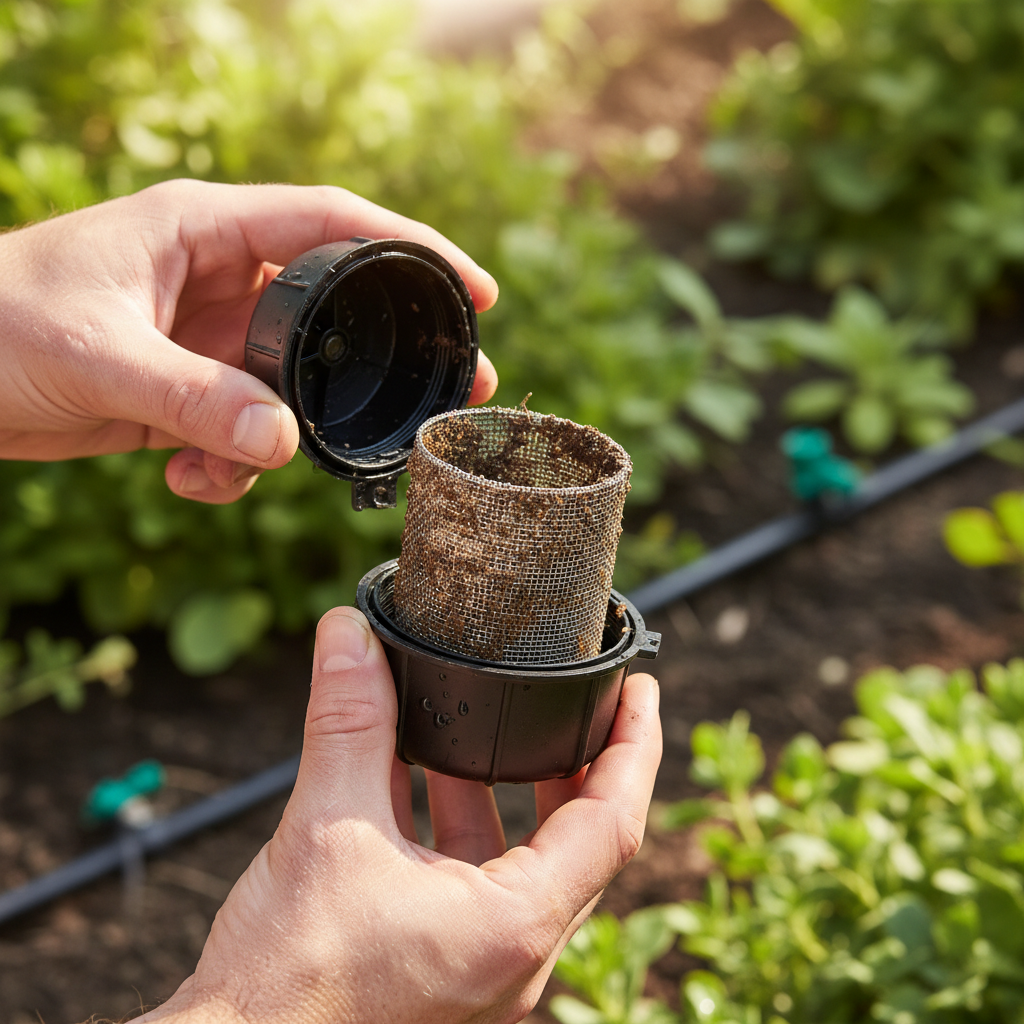
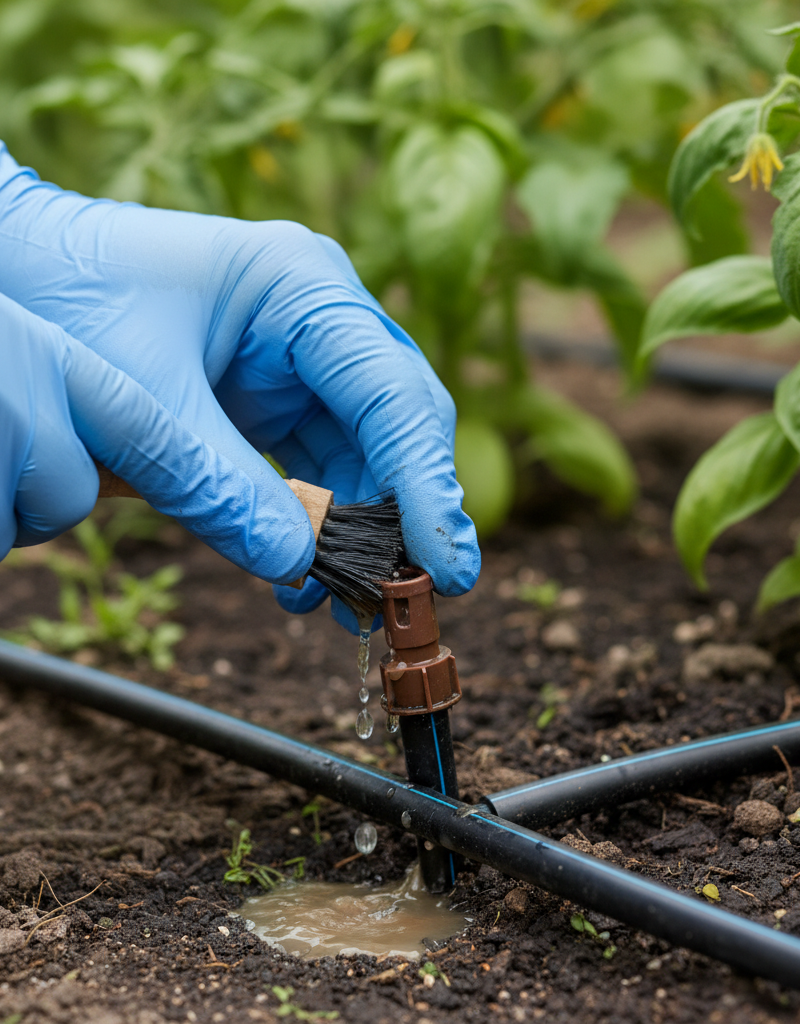
Filters are the first line of defense against clogs, and they can become extremely dirty, blocking all water flow. Locate your filter – it's typically a cylindrical component with a screen or disc element inside, usually found after the backflow preventer. Carefully unscrew or unclip the housing. Remove the screen or disc filter and rinse it thoroughly under a strong stream of tap water until all debris is gone. A soft brush can help with stubborn grime. Reinstall the clean filter, ensuring a tight seal to prevent leaks.
- Safety Note: When reassembling, do not overtighten plastic components, as this can cause them to crack.
- If this doesn't work: If the filter was clean or cleaning it didn't restore flow, move on to the pressure regulator.
3. Examine the Pressure Regulator — A common point of failure
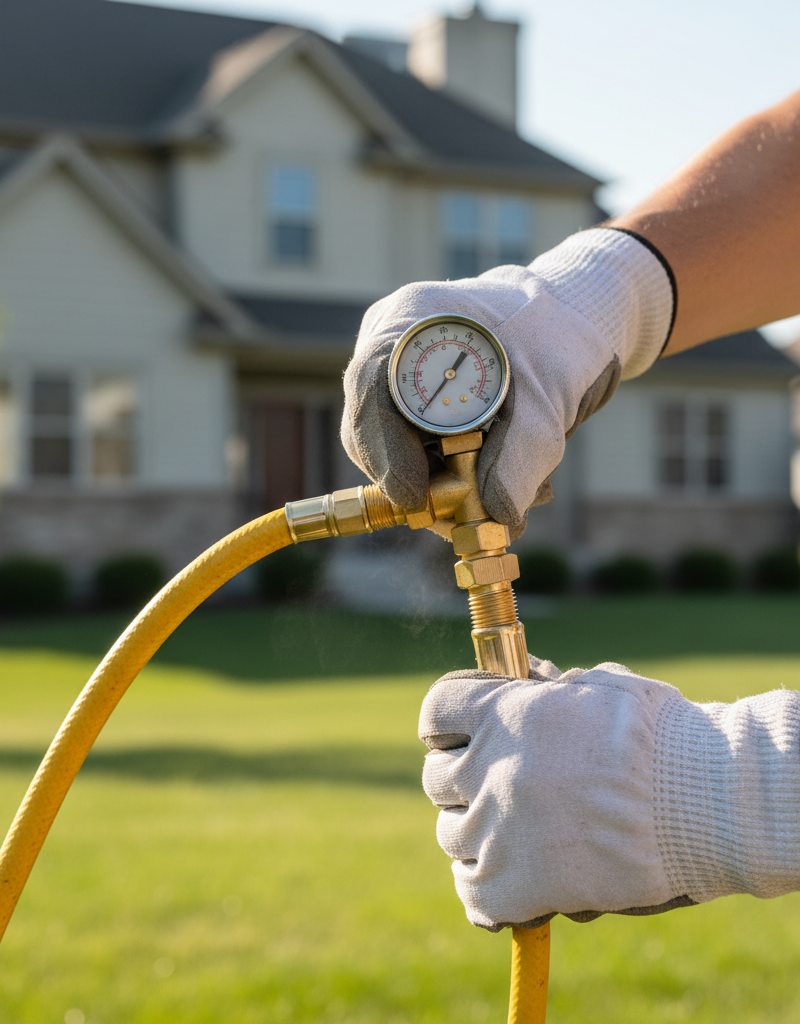
The pressure regulator (PCV or PSI written on it) is crucial for maintaining optimal system pressure. If it fails internally, it can completely block water flow. There's no effective way to repair a faulty regulator; it must be replaced. To test it, bypass the regulator temporarily if possible (e.g., if it's connected with threaded fittings, you can often connect the filter directly to the main line, very briefly, or detach the main drip line after the regulator and see if water flows out). Do NOT run your system without a pressure regulator for more than a few seconds, as high pressure will damage your emitters and lines. If water flows freely when the regulator is bypassed, or if you notice no water at all coming out of the regulator, it's likely defective. A visual inspection might sometimes reveal cracks or bulges, but internal failure is more common. Replace it with a new one of the same PSI rating.
- Tools: Adjustable wrench for threaded connections, if applicable.
4. Check for Main Line Damage or Leaks — The hidden drain on your system
Even a small break or significant loose connection in the main poly tubing can lead to a drastic loss of pressure, effectively stopping flow to the rest of the system. Walk along your main drip lines, looking for wet spots, puddles, geysers, or noticeable kinks. Pay close attention to connections at fittings, elbows, and tees. Small cuts can sometimes be repaired with a repair coupling and two clamps. Larger breaks might require cutting out the damaged section and replacing it with a new piece of tubing using appropriate fittings.
- Tip: If you can't find a visible leak, turn the water on briefly and listen for hissing sounds or watch for sudden spray.
- If this doesn't work: If all lines appear intact and connected, the issue might be upstream at the controller.
5. Troubleshoot Your Timer/Controller — The system's brain might be offline
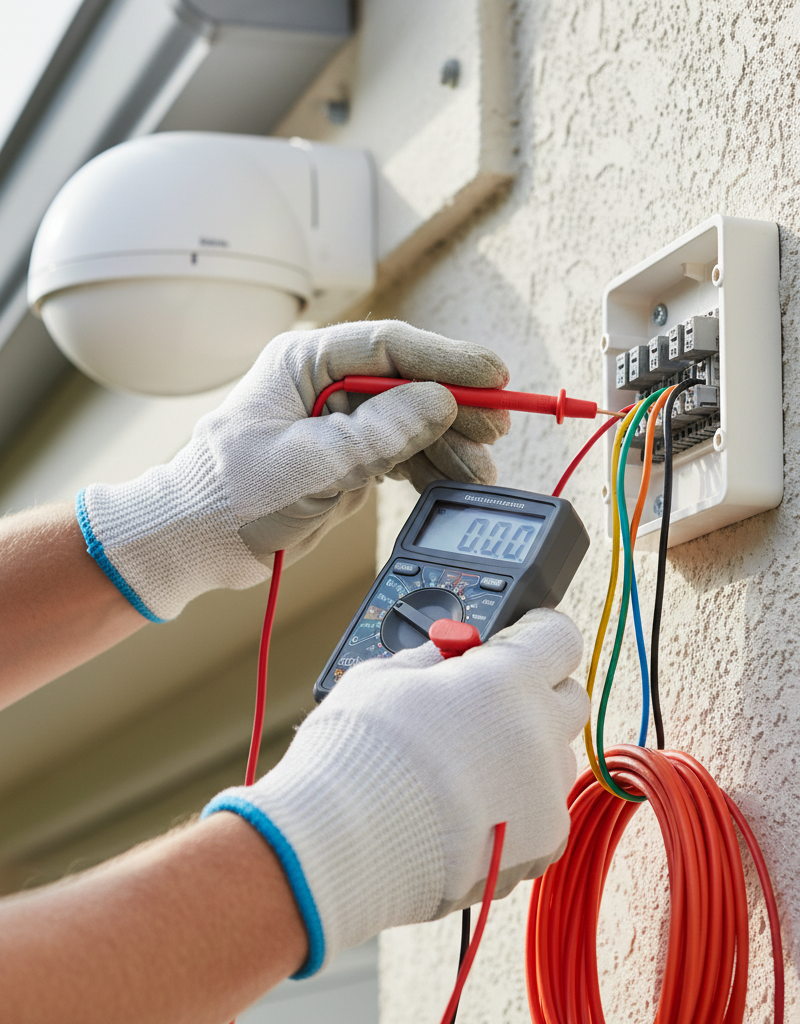
If you have an automated timer, it could be the source of the problem. First, check the batteries. Many battery-operated timers fail when batteries run low or die completely. Replace them with fresh, high-quality alkaline batteries. Next, verify the programming. Has it been accidentally set to 'off,' 'hold,' or a rain delay? Ensure the start times, run durations, and days of the week are correctly programmed. If it's an electric timer, check the power supply and circuit breaker. A reset button sometimes exists; consult your timer's manual.
- If this doesn't work: If after all these steps your system still isn't working, it's time to consider a professional.
Common Causes
- Closed Water Supply: The most basic and often overlooked cause. A spigot turned off, a valve accidentally bumped, or seasonal shut-off not fully reversed.
- Clogged Filter: Sediment, algae, or debris accumulate in the filter, restricting or completely blocking water flow to the rest of the system.
- Faulty Pressure Regulator: Internal components can fail, causing the regulator to get stuck in a closed position or prevent sufficient water allocation.
- Major Line Break or Disconnection: A significant leak in the main distribution tubing due to animal chew, garden tool damage, or a loose fitting can divert all water pressure away from emitters.
- Timer/Controller Malfunction: Dead batteries, incorrect programming (e.g., rain delay enabled, program deleted), or an electrical fault in the unit itself can prevent the system from activating.
- Backflow Preventer Issue: Less common, but a faulty backflow preventer can sometimes restrict water flow. If it's leaking significantly, it might also reduce pressure downstream.
Common Mistakes
- Ignoring the Obvious: Jumping straight to complex diagnostics without first checking the water source or the timer's programming. Always start with the simplest potential issues.
- Over-tightening Plastic Fittings: Applying too much force to plastic filter housings or pressure regulators can crack them, leading to leaks or complete failure.
- Running Without a Pressure Regulator: Temporarily bypassing the pressure regulator to
Related Articles
Keep troubleshooting with these hand-picked guides from FixlyGuide:
- Is Your Drip System Failing? The #1 Overlooked Cause of Uneven Watering — Uneven watering in drip irrigation is often caused by clogged emitters, but the real secret to a healthy system lies in proper pressure reg…
- The 3 Hidden Reasons Your Sprinkler Head Won't Pop Up (And How to Fix Them) — Frustrated by a sprinkler head that won't rise? Discover the top three culprits behind this common irrigation issue and how to resolve them…
- The #1 Sprinkler Winterizing Mistake That Leads to $1,000s in Damage — Discover the crucial mistake homeowners make when winterizing sprinkler systems and how to avoid costly freeze damage with a simple, effect…
- The #1 Pruning Mistake Homeowners Make (And How to Fix It) — Learn the most common pruning mistake homeowners make and how to properly prune shrubs for healthier growth and more abundant blooms.
- The Secret Reason Your Tree Leaves Curl in Midsummer (and the Simple Fixes) — Midsummer leaf curl isn't just cosmetic; it signals underlying stress that can weaken your tree. Learn the surprising causes and how to res…
- The Secret Culprit Behind Your Whole-House Low Water Pressure (It's Not Always the City) — Whole-house low water pressure can be a frustrating and complex issue, ranging from simple fixes homeowners can do to signs that require a…
Frequently asked questions
Why would my entire drip system stop working?+
A complete cessation of water flow in your drip system is most commonly due to a closed water supply, a severely clogged inline filter, a malfunctioning pressure regulator, a large break in the main drip line, or an issue with your irrigation timer or controller. Check these components in order to diagnose the problem.
How do I clean a drip irrigation filter?+
To clean a drip irrigation filter, first turn off the water supply. Unscrew or unclip the filter housing and remove the screen or disc element. Rinse the element thoroughly under running water, using a soft brush if necessary, until all debris is removed. Reinstall the clean filter, ensuring a tight, leak-free seal.
Can a faulty pressure regulator stop all water flow?+
Yes, a faulty pressure regulator can absolutely stop all water flow. If the internal mechanism fails and gets stuck, it can completely block water from passing through to the rest of the drip irrigation system. If bypassed, and water flows, it's a clear sign of failure and requires replacement.
What if my timer seems to be working but no water comes out?+
If your timer is operating correctly but no water flows, the issue is likely downstream from the timer. Recheck your main water supply directly, then inspect the filter for severe clogging, and finally, test or bypass your pressure regulator to see if it's blocking the flow. Also, check for major breaks or disconnections in your main drip line.
Discussion
Loading comments…