Tools & materials you'll need
Affiliate linksAs an Amazon Associate FixlyGuide earns from qualifying purchases — at no extra cost to you. Prices and availability are accurate as of publication and subject to change.
Quick Answer
Many homeowners attempt to install floating shelves directly into drywall using only basic drywall anchors, leading to shelves that sag, pull away from the wall, or even collapse. The core issue is neglecting the underlying wall studs, which provide the structural integrity required for a genuinely floating shelf. The correct approach involves meticulously locating and securing the shelf's mounting bracket directly into at least two wall studs, supplementing with heavy-duty toggle anchors in drywall sections where studs aren't accessible.
The Problem
You've admired perfectly styled floating shelves, purchased your own, and eagerly started the installation, only to find your new shelf is wobbly, sagging under minimal weight, or worse, threatening to rip out of the wall. This frustration is incredibly common and stems from a fundamental misunderstanding of drywall's load-bearing capacity. Drywall, made of gypsum plaster pressed between two sheets of paper, is designed to create a smooth surface, not to bear significant weight. Relying solely on standard drywall anchors for floating shelves almost guarantees failure, especially when the shelf is loaded with books, dishes, or decorative items. The small contact points of many anchors, combined with the leverage created by the shelf extending from the wall, exert immense force that typical drywall cannot withstand long-term.
How It Works
Floating shelves achieve their minimalist aesthetic by concealing their support mechanism within the shelf itself. This mechanism is typically a metal bracket with several rods or a flat plate that extends into routed channels or pre-drilled holes in the back of the shelf. The critical part of this system is how that bracket attaches to the wall.
Behind your drywall, typically at 16-inch or 24-inch intervals from the center, run vertical wooden or metal studs. These studs are the structural framework of your wall. When you screw directly into a stud, the screw bites into solid wood, creating a very strong connection. Drywall anchors, on the other hand, work by expanding or toggling behind the drywall to create a larger surface area that grips the back of the gypsum board. While heavy-duty toggle bolts can indeed hold substantial weight in tension (pulling straight out from the wall), floating shelves exert significant shear force (downward force along the wall) and leveraged pull-out force (due to the weight extending outwards). Standard anchors struggle with these types of forces over time, leading to the common problems of sagging.
Therefore, the most robust installation always involves anchoring the shelf's bracket directly into at least two wall studs. This distributes the load across the sturdy frame of your house, providing unparalleled stability. When studs aren't perfectly aligned with the bracket's mounting holes, or if the shelf is very long, a combination of stud-anchoring and heavy-duty toggle bolts in the drywall between studs is the best strategy. The goal is to maximize direct stud connections first and then use the strongest possible drywall anchors for any remaining mounting points.
Step-by-Step Fix
Safety First! Always use caution when drilling into walls. Before drilling, use a reliable stud finder to not only locate studs but also to check for electrical wires or plumbing pipes that might be embedded in the wall. Hitting an electrical wire can cause severe injury or fire. If you are unsure, consult a professional.
Step 1: Gather Your Tools and Plan
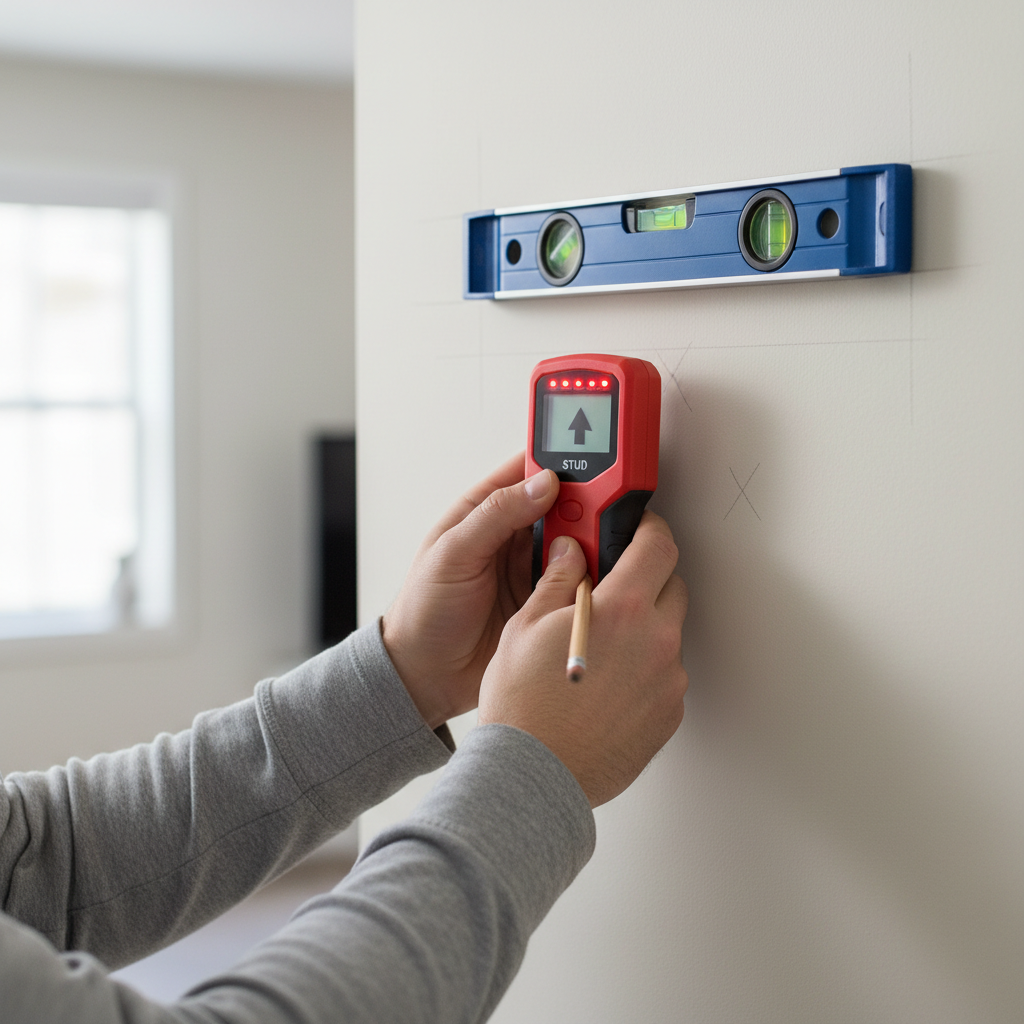
— Collect all necessary tools and materials before you begin. Read your shelf's instructions carefully. Decide on the exact height and horizontal placement of your shelf. Use a pencil to lightly mark the desired location on the wall. Consider what you plan to put on the shelf; heavier items demand more robust anchoring.
Step 2: Locate the Wall Studs
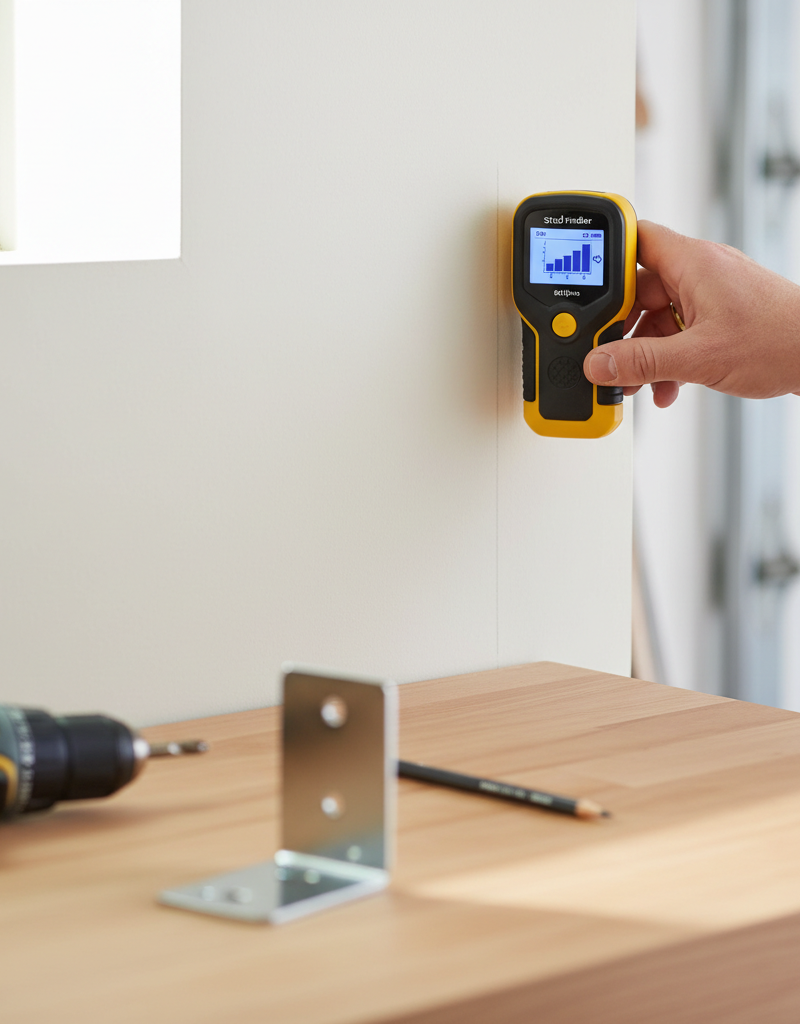
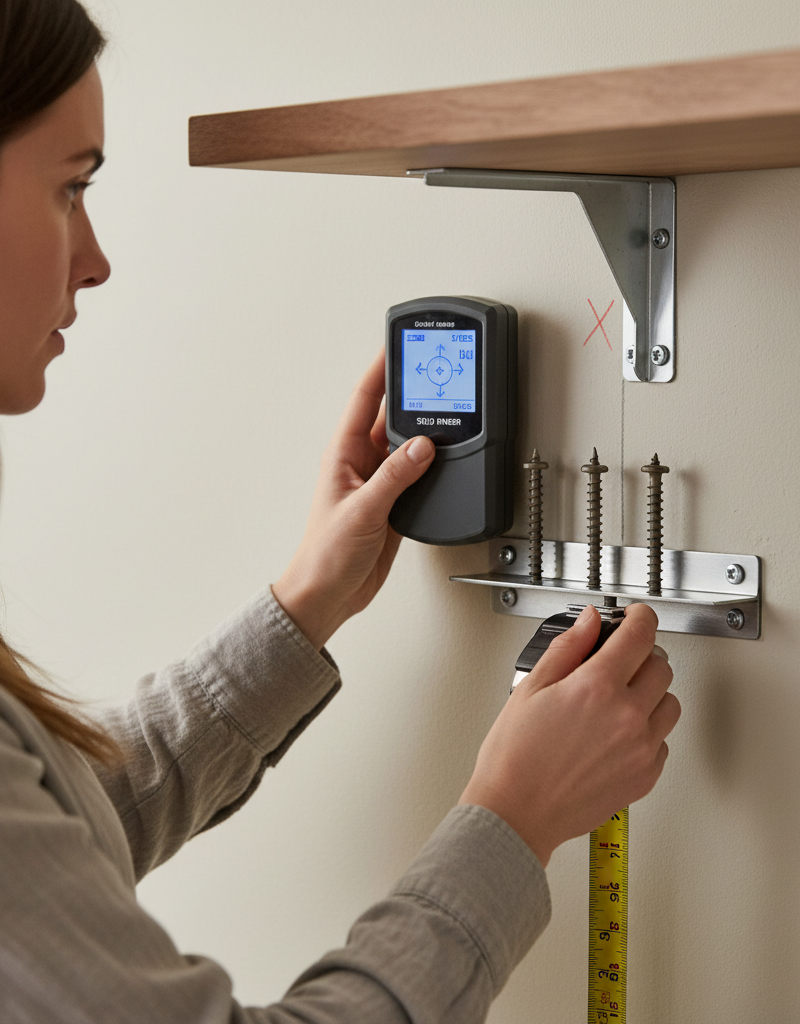
— This is the most critical step. Use a high-quality stud finder to locate the center of at least two wall studs where your shelf will be mounted. Mark the edges and center of each stud with a pencil. Studs are typically 1.5 inches wide, so aim to get your mounting screws as close to the center as possible for maximum hold. For longer shelves, you might be able to hit three or more studs.
- If your stud finder indicates wires or pipes: Do not drill in that location. Adjust your shelf's placement or call a professional to assess the situation.
Step 3: Mark Mounting Holes Precisely
— Hold the shelf's mounting bracket against the wall at your marked height, ensuring it's perfectly level using a spirit level. Once level, mark the precise locations for all screw holes through the bracket onto the wall. Double-check your marks against the stud centers you identified. Ideally, at least two of these marks should align with stud centers.
- Pro Tip: Use a piece of painter's tape on the wall before marking. This makes it easier to erase pencil marks later without damaging the paint.
Step 4: Drill Pilot Holes
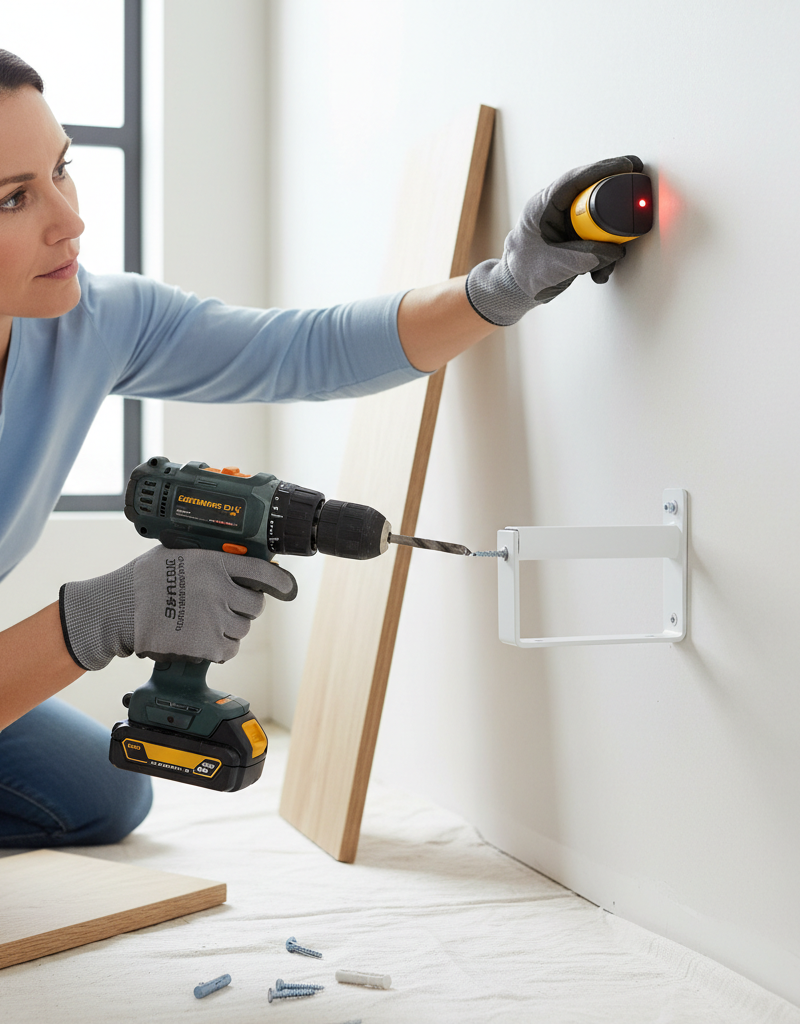
— Using a drill and the appropriate drill bit size (refer to your shelf's instructions or the anchor manufacturer's guide), drill pilot holes for both the stud screws and any drywall anchors. For studs, the pilot hole should be slightly smaller than the screw's diameter to allow the threads to bite firmly. For drywall anchors, drill holes according to the anchor's specific requirements (often a larger diameter).
- Safety Note: Wear safety glasses when drilling to protect your eyes from dust and debris.
Step 5: Install Drywall Anchors (Where Needed)
— If some of your mounting points do not align with studs, install heavy-duty toggle style drywall anchors in those pilot holes. Follow the anchor manufacturer's instructions carefully. These typically involve inserting the anchor into the pre-drilled hole and then expanding it behind the drywall. Ensure they are flush and securely set.
- Mistake to Avoid: Do not overtighten toggle anchors when inserting them, as this can damage the drywall.
Step 6: Attach the Mounting Bracket
— Position the mounting bracket back onto the wall, aligning its holes with your pilot holes and installed anchors. Drive sturdy wood screws (typically 2-3 inches long for good stud penetration) through the bracket and into the wall studs. For the holes with drywall anchors, insert the screws provided with the anchors and tighten them until snug.
- Crucial Check: Ensure the bracket is perfectly level before fully tightening all screws. Incremental tightening allows for minor adjustments.
- If the bracket feels loose: Stop and re-assess. You may have missed a stud or chosen insufficient anchors. It's better to patch a few holes and re-mount than to have a shelf fail.
Step 7: Slide on the Floating Shelf
— Carefully slide the floating shelf body onto the rods or plate of the installed bracket. Most floating shelves are designed to fit snugly. Some may have small set screws underneath to secure the shelf to the bracket; tighten these if present.
Step 8: Test the Shelf's Stability
— Gently press down on the shelf to confirm it feels secure. Gradually add items you intend to store on it, starting with lighter objects, and observe for any signs of sagging, bowing, or instability. If any issues arise, immediately remove the items and re-evaluate your installation.
Common Causes
- Ignoring Wall Studs: The primary reason for shelf failure. Drywall provides minimal structural support on its own.
- Using Insufficient Anchors: Small, plastic, or self-drilling anchors are often inadequate for the leverage and weight exerted by floating shelves.
- Incorrect Pilot Hole Size: Pilot holes that are too large will prevent screws from biting properly into studs; too small can split the wood or make anchor installation difficult.
- Uneven Weight Distribution: Consistently placing heavy items on one end of the shelf can exacerbate stress on the mounting points, leading to premature failure.
- Overloading the Shelf: Even with proper installation, every shelf has a weight limit. Exceeding this limit will inevitably lead to structural fatigue and failure.
- Poor Quality Shelf or Bracket: Cheaply made shelves with flimsy brackets or poorly designed mounting systems are inherently prone to failure, regardless of your installation efforts.
Common Mistakes
- Skipping the Stud Finder: Assuming you can just guess where studs are or relying solely on tapping the wall is a recipe for weak, unstable installations.
- Not Using a Level: A crooked shelf is not only aesthetically unpleasing but can also distribute weight unevenly, increasing stress on mounting points.
- Over-tightening Screws into Drywall: This can strip the screw hole, damage the drywall, or cause the anchor to pull through.
- Under-drilling Pilot Holes for Drywall Anchors: Many toggle anchors require a specific, often larger, pilot hole to engage properly behind the drywall.
- Not Consulting Shelf Instructions: Each floating shelf design can have unique installation requirements; ignoring them can lead to installation errors.
- Using Decorative Screws for Mounting: The screws included with the shelf are often sufficient, but if not, ensure you use robust, structural screws for stud connections, not just any screw that fits.
Cost & Time Breakdown
| Task | DIY Cost | Pro Cost | Time |
|---|---|---|---|
| Tools & Materials (Anchors, Screws) | $15–$50 | Included | N/A |
| Stud Finding & Marking | $0 | Included | 10–20 minutes |
| Drilling Pilot Holes | $0 | Included | 5–10 minutes |
| Installing Anchors & Bracket | $0 | Included | 20–40 minutes |
| Mounting Shelf | $0 | Included | 5–10 minutes |
| Total | $15–$50 | $150–$300 | 40–80 minutes |
Tips & Prevention
- Regular Weight Checks: Periodically check your floating shelves for any signs of sagging, wobbling, or separation from the wall, especially after adding new items.
- Rotate Heavy Items: If you have particularly heavy items, try to rotate their placement or distribute them more evenly to prevent constant stress on one area.
- Know Your Shelf's Limit: Before loading, research or estimate the safe weight capacity of your specific floating shelf and bracket system. When in doubt, err on the side of caution.
- Upgrade Anchors Proactively: If you've used standard plastic anchors in the past, consider upgrading to heavy-duty toggle or molly bolts for added security, even if the shelf seems stable now.
- Professional Installation for Valuable Items: For shelves holding expensive, fragile, or sentimental items, consider professional installation for peace of mind.
- Keep it Light in Non-Stud Areas: If a section of your shelf must be installed solely into drywall (without stud support), reserve that area for very light decorative items only.
When to Call a Professional
While installing floating shelves might seem like a straightforward DIY project, there are clear instances when calling a professional is the safest and most effective option. If you've attempted installation and the shelf still feels wobbly, sags, or shows signs of pulling away from the wall, it indicates the anchors are insufficient or improperly installed, and a pro can diagnose and rectify the issue without further damage to your drywall. Additionally, if your stud finder indicates the presence of electrical wires or plumbing behind your intended mounting location, it's critical to stop work immediately and consult an electrician or plumber to avoid hazardous situations. Professionals have specialized tools and expertise to ensure the shelf is securely mounted to structural elements, can navigate hidden obstacles, and will guarantee a level, stable, and safe installation, particularly important for heavy or valuable items.
Related Articles
Keep troubleshooting with these hand-picked guides from FixlyGuide:
- The #1 Mistake Homeowners Make Installing Floating Shelves (and How to Fix It) — Discover the crucial error many DIYers make when mounting floating shelves into drywall and learn the simple steps to ensure a secure, sag-…
- The #1 Mistake Homeowners Make Installing Floating Shelves (and How to Fix It) — Discover the most common error DIYers make when mounting floating shelves into drywall and how to ensure your shelves are sturdy and secure.
- The 3 Drywall Anchors That Will NEVER Fail Your Heavy Mirror (And 2 to Avoid) — Safely hanging a heavy mirror on drywall requires choosing the right anchors and proper installation to prevent frustrating falls and damag…
- That 'Stud-Only' Belief? A Myth for Heavy Shelves — Tired of shelves ripping out of your drywall? The common advice to 'only use studs' is incomplete. Discover the modern anchoring techniques…
- The 3 Hidden Drywall Mistakes That Can Send Your Heavy Mirror Crashing Down — Discover the crucial steps to safely hang a heavy mirror on drywall, avoiding common mistakes that can lead to damage or disaster.
- Is Your Gutter Sagging After Every Storm? The Hidden Flaw Most Homeowners Miss — Discover the overlooked reason your gutters sag after every storm and learn the lasting fix that most homeowners miss.
Frequently asked questions
Can I install floating shelves without hitting a stud?+
While it's highly recommended to hit at least two studs for maximum security, heavy-duty toggle anchors (like Snaptoggles or Toggle Bolts) can provide substantial support in drywall where studs aren't present. However, always prioritize stud mounting for heavier shelves or items. Do not rely on light-duty plastic anchors for floating shelves.
What kind of screws should I use for floating shelves?+
For securing into wood studs, use sturdy wood screws, typically 2-3 inches long, with a coarse thread. For drywall sections, use the screws provided with your heavy-duty toggle anchors. Always match the screw size to the anchor type and the bracket holes.
How much weight can a floating shelf hold?+
This varies significantly based on the shelf's quality, bracket design, and most importantly, the installation method. A shelf properly anchored into two wall studs can typically hold 50-100+ pounds safely. A shelf installed only with basic drywall anchors might only hold 10-20 pounds before showing signs of failure. Always check the manufacturer's recommendations and factor in the strength of your mounting points.
My floating shelf is sagging, what should I do?+
If your floating shelf is sagging, it's likely not adequately supported. Immediately remove all items from the shelf. Re-assess your installation to determine if you've hit studs or if your drywall anchors are insufficient. You will likely need to re-mount the shelf, prioritizing stud connections and using stronger toggle anchors if studs aren't accessible. Patch any old holes before re-drilling.
Discussion
Loading comments…