Tools & materials you'll need
Affiliate links- AmazonSoil thermometerAccurate temperature readings are crucial
- AmazonBroadcast or drop spreaderCalibrated for even application
- AmazonGarden hose with sprinklerFor watering in the product
- AmazonGlovesFor safety during application
- AmazonLong pants and closed-toe shoesPersonal protection
- AmazonEmpty tuna cans or rain gaugeTo measure water-in volume
- AmazonGranular pre-emergent herbicideMatch to your turf type and target weeds
As an Amazon Associate FixlyGuide earns from qualifying purchases — at no extra cost to you. Prices and availability are accurate as of publication and subject to change.
Quick Answer
Pre-emergent weed control acts as a crucial barrier, stopping weed seeds from sprouting. Its effectiveness hinges entirely on precise application timing. For summer annual weeds like crabgrass, apply when soil temperatures consistently reach 50-55°F in the spring. For winter annuals such as henbit and chickweed, aim for late summer or early fall when soil temperatures are consistently falling into the 50-55°F range. Missing this window, either by applying too early or too late, drastically diminishes the product's ability to prevent weeds.
The Problem
Every homeowner dreams of a lush, weed-free lawn. Yet, year after year, persistent weeds like crabgrass, foxtail, and chickweed invade, marring an otherwise perfect turf. The frustration often stems not from a lack of effort, but from a fundamental misunderstanding of how and, more importantly, when to apply pre-emergent weed control. Many homeowners apply it too early, thinking they're getting a head start, only for the barrier to dissipate before the main weed germination flush. Others apply too late, after weeds have already begun to sprout, rendering the preventive measure useless. This timing mistake is the single biggest reason why pre-emergent applications fail, leading to wasted money, time, and continued weed woes. The goal isn't just to apply pre-emergent; it's to apply it with surgical precision to intercept weed seeds before they ever see the light of day.
How It Works
Pre-emergent herbicides function by creating a microscopic chemical barrier in the top inch or two of the soil profile. This barrier doesn't kill existing weeds, nor does it typically harm established turfgrass. Instead, it targets the nascent weed seedling as it germinates. When a weed seed sprouts, its initial root (radicle) and shoot (coleoptile) emerge and grow through this treated soil layer. Upon contact with the herbicide, crucial cellular processes for growth and development are disrupted, essentially killing the seedling before it can break through the soil surface and become a visible weed. Most pre-emergents are effective for a specific duration, usually 6-12 weeks, depending on the product, soil type, and environmental conditions.
Activation of the chemical barrier is also critical. Most granular pre-emergents require watering (either rain or irrigation) shortly after application to dissolve the granules and move the active ingredient into the soil. Without this activation, the herbicide remains on the surface and won't form the protective barrier. The precise timing of application is paramount because weed seeds germinate within specific soil temperature windows. Crabgrass, for instance, typically germinates when soil temperatures at a 2-4 inch depth are consistently above 50-55°F for several consecutive days. Winter annuals, conversely, germinate when soil temperatures begin to drop into this range in late summer or early fall. Applying the pre-emergent too far in advance means the chemical barrier might degrade before these optimal germination temperatures arrive. Applying it too late means weed seeds have already begun to germinate, rendering the pre-emergent ineffective as it's designed to prevent germination, not stop it once it's started.
Step-by-Step Fix
1. Understand Your Weeds and Climate — Know which weeds are your primary enemy.
- Are you battling summer annuals like crabgrass and goosegrass? Or winter annuals like henbit, chickweed, and annual bluegrass? Your target weeds dictate your timing. Consult your local extension office for common weed germination temperatures in your region.
2. Monitor Soil Temperatures Accurately — Don't guess; measure.
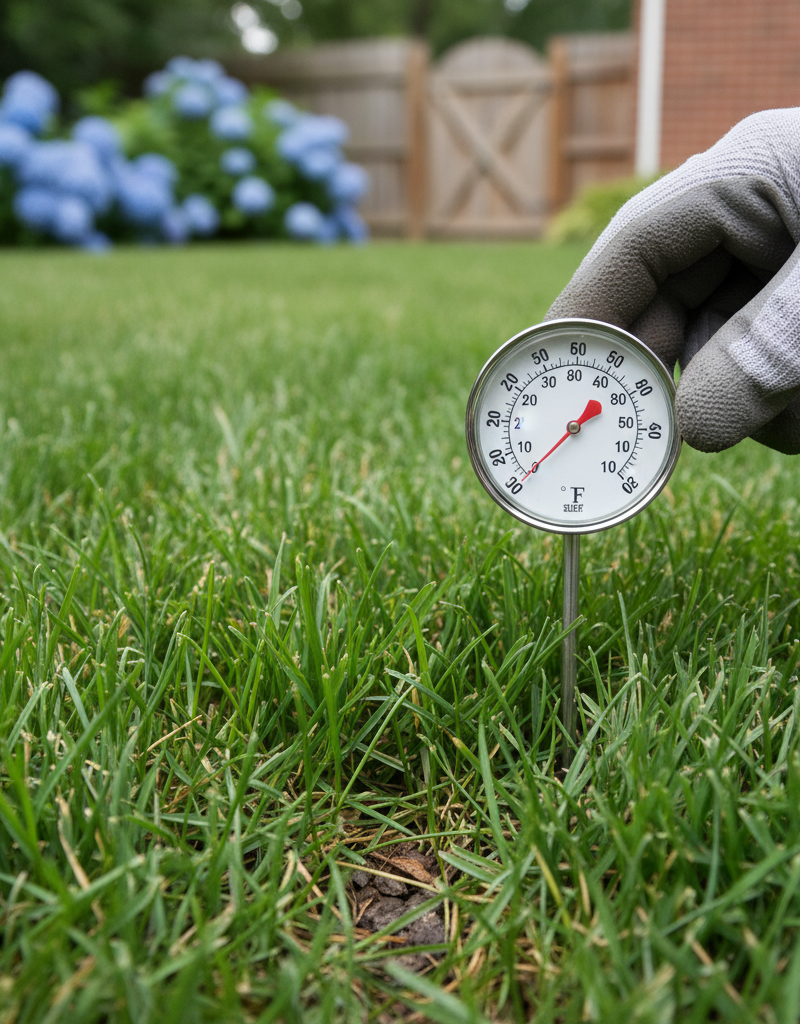
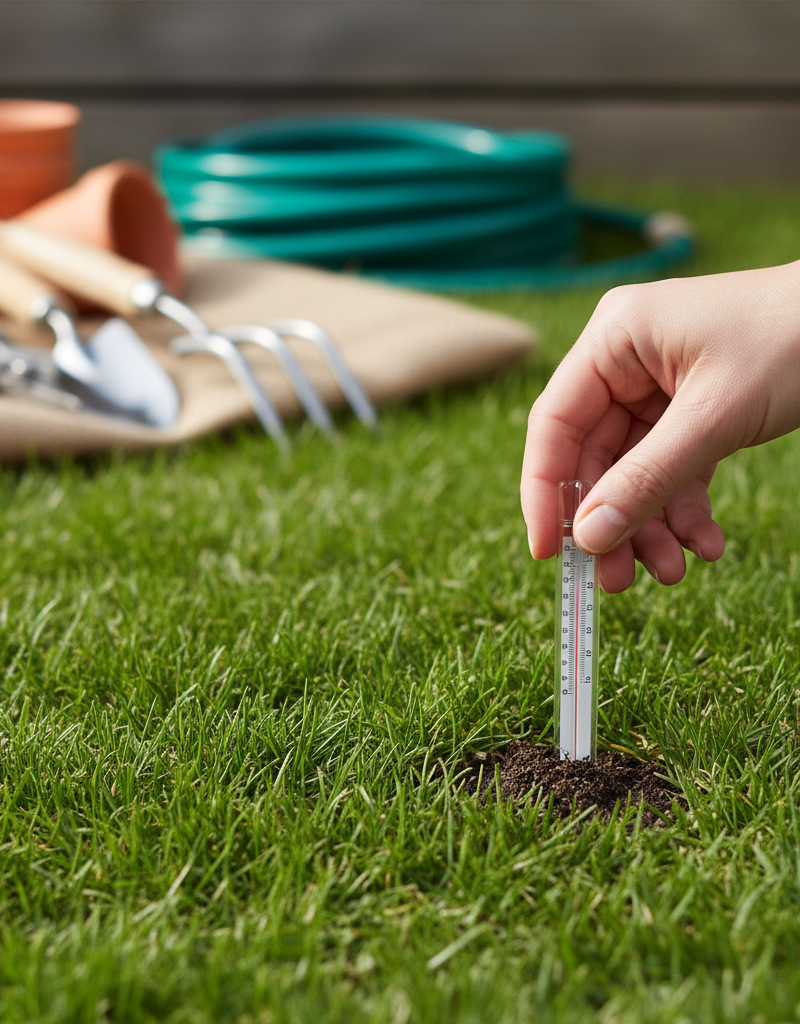
- Tools: A soil thermometer is critical. You can also use online resources or university extension websites that provide real-time soil temperature data for your area, though direct measurement is best for accuracy.
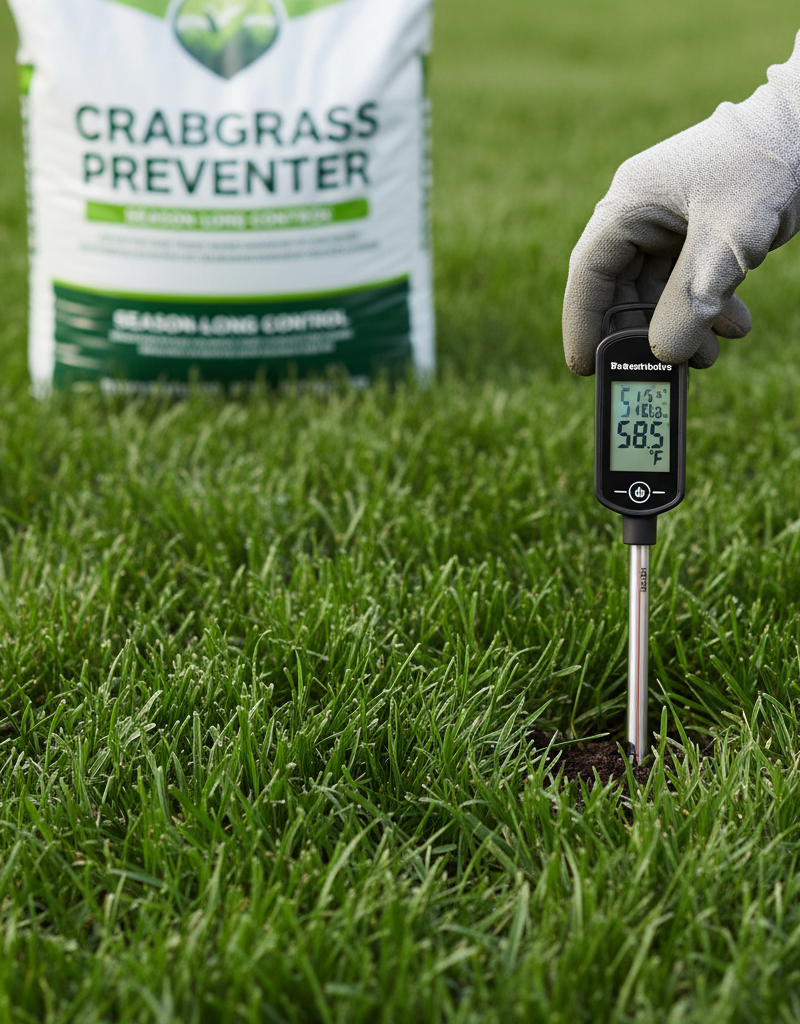
- Method: Insert the soil thermometer 2-4 inches deep into the turf in several spots across your lawn. Take readings daily in the morning for several days. Aim for a consistent 50-55°F for summer annuals (spring application) or when temperatures consistently fall to 50-55°F (early fall application).
- Safety Note: Always buy a dedicated soil thermometer for accuracy and to avoid cross-contamination with food thermometers.
3. Choose the Right Pre-Emergent Product — Not all products are equal.
- Select a pre-emergent specifically labeled for your turf type and target weeds. Common active ingredients include pendimethalin, prodiamine, and dithiopyr. Prodiamine and dithiopyr generally offer longer residual control.
- If this doesn't work: If you've had issues with specific weeds, consider a product with a different active ingredient or combination of ingredients that targets those tough weeds.
4. Calibrate Your Spreader — Ensure even application.
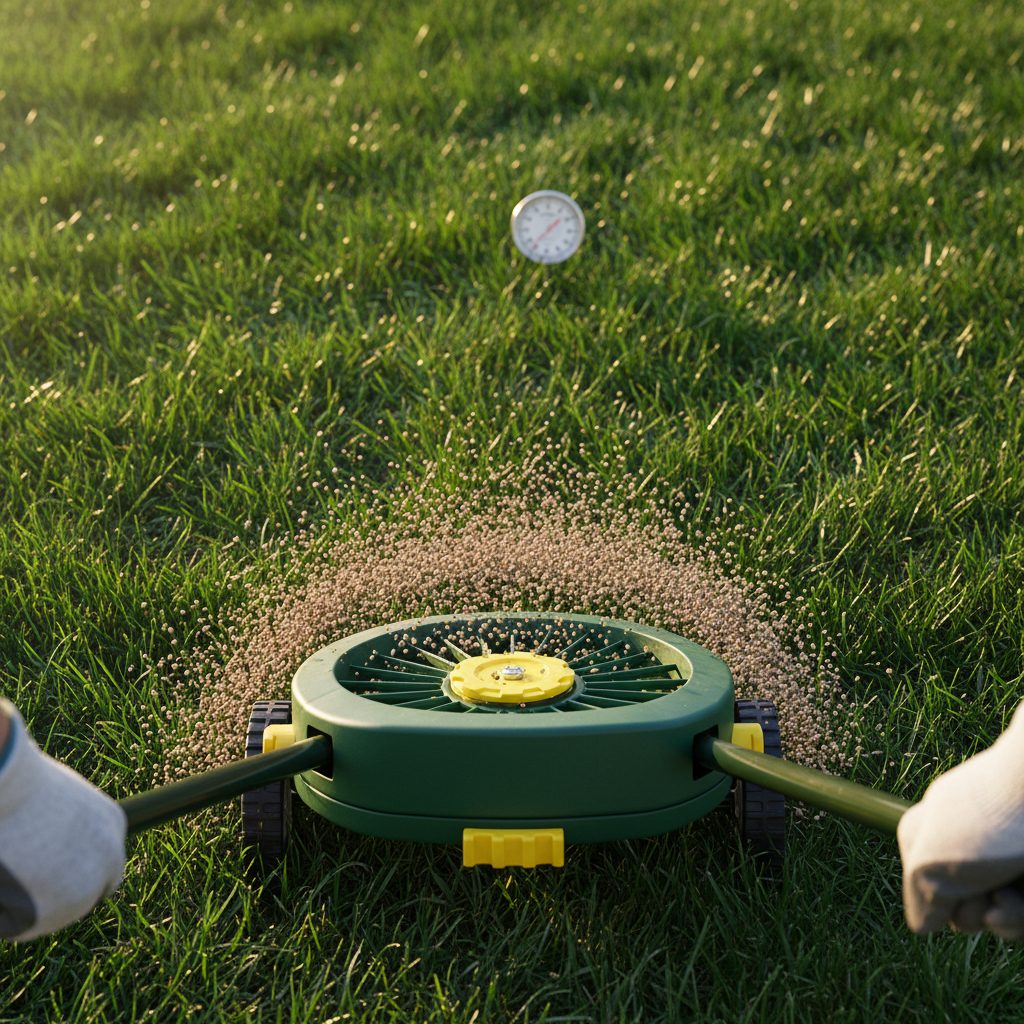
- Follow the manufacturer's instructions for your specific spreader and chosen product. An improperly calibrated spreader will lead to either missed spots (too little product) or turf damage (too much product).
- Tip: Practice with sand or an inert material on a hard surface to get a feel for the spread pattern and rate before applying the actual product to your lawn.
5. Apply Evenly and Systematically — Cover every inch.
- Apply granular products when the lawn is dry. Liquid applications can be made to slightly damp or dry turf.
- Use a consistent walking pace and overlap each pass slightly to prevent streaking or missed areas. Consider making two passes in a perpendicular pattern (e.g., north-south, then east-west) using half the recommended rate each time for superior coverage.
- Safety Note: Wear gloves, long pants, and closed-toe shoes. Avoid applying on windy days to prevent drift.
6. Activate the Product with Water — Critical step for efficacy.
- Most granular pre-emergents require 0.25 to 0.5 inches of water within 24-48 hours after application. This moves the herbicide into the soil surface to form the barrier.
- Method: If rain isn't expected, irrigate your lawn thoroughly. You can measure the amount of water applied by placing empty tuna cans or rain gauges in your lawn during irrigation.
7. Avoid Disturbing the Soil Barrier — Protect your investment.
- Once applied and activated, avoid heavy raking, aerating, or any activity that significantly disturbs the soil. This breaks the crucial chemical barrier, allowing weeds to germinate.
- Exception: If you plan to overseed in the fall, some pre-emergents allow for later seeding. Always check the product label carefully, as most pre-emergents will prevent desirable grass seeds from germinating too.
8. Plan for a Second Application (If Needed) — Extend protection.
- Depending on your climate and the product's residual activity, a second application focusing on summer annuals might be needed 8-12 weeks after the first, especially in areas with long growing seasons. Always adhere to label rates and annual maximums.
9. Record Keeping — Learn from your experience.
- Note the date of application, soil temperatures, product used, and results. This data will refine your timing for future seasons.
Common Causes
- Guessing Soil Temperatures: Relying on air temperature or calendar dates instead of actual soil temperature is the leading cause of mistimed applications.
- Applying Too Early: The pre-emergent barrier breaks down before the peak germination period, leaving your lawn vulnerable.
- Applying Too Late: Weed seeds have already germinated and started to emerge, making the pre-emergent ineffective against them.
- Uneven Application: Streaks or missed spots due to improper spreader calibration or haphazard application technique.
- Lack of Watering-In: Granular products aren't activated without sufficient irrigation or rainfall, leaving the herbicide inert on the surface.
- Soil Disturbance After Application: Raking, aerating, or other activities break the chemical barrier, allowing weeds to penetrate.
- Ignoring Product Labels: Not reading or following specific instructions for turf type, rates, and watering requirements.
Common Mistakes
- Applying Pre-Emergent and Seeding at the Same Time: Most pre-emergents inhibit all seed germination, including wanted grass seed. Wait until safe re-seeding intervals listed on the product label.
- Only Applying Once a Year (for season-long control): Many regions with long growing seasons or varied weed pressures benefit from a split application or a second application for different weed types (e.g., spring for crabgrass, fall for chickweed).
- Not Calibrating the Spreader: This leads to hot spots (chemical burn) or cold spots (weed breakthrough). Always calibrate your spreader for your specific product.
- Expecting Immediate Results: Pre-emergents work preventatively. You won't see dying weeds because the goal is to stop them from ever appearing. Patience and proper timing are key.
- Using the Same Timing Year After Year: Weather patterns change, and so do soil temperatures. What worked last year might be too early or too late this year. Always monitor current soil conditions.
- Applying on a Windy Day: Granular products can drift and end up in unintended areas (flower beds, concrete), leading to uneven coverage and potential damage to desirable plants.
Cost & Time Breakdown
| Task | DIY cost | Pro cost | Time |
|---|---|---|---|
| Pre-emergent product | $20–$70 | Included in service | 20–30 min |
| Soil thermometer (one-time) | $10–$25 | N/A | 5 min/day |
| Spreader calibration | $0 | Included in service | 5–10 min |
| Application | $0 | Included in service | 30–60 min |
| Watering-in / Irrigation | $5–$15 (water) | Included in service | 30–60 min |
| Total Estimated | $35–$110 | $100–$250+ | 1–2 hours |
Tips & Prevention
- Mow High: A taller turf canopy shades the soil surface, reducing soil temperature fluctuations and suppressing weed seed germination naturally.
- Water Deeply and Infrequently: This encourages deeper grass roots, making turf more resilient to weeds and drought stress. Shallow, frequent watering promotes shallow roots and weed growth.
- Maintain Proper Fertility: A healthy, dense lawn is the best defense against weeds. Get a soil test every 3-5 years and fertilize according to recommendations.
- Regular Inspections: Regularly walk your lawn to spot any emerging weeds early, even after pre-emergent application, and address them promptly.
- Aeration and Overseeding Timing: If you plan to aerate or overseed, do so only after checking the pre-emergent label for safe intervals, as many products will inhibit desirable grass seed germination.
- Clean Equipment: Before and after use, clean your spreader and other tools to prevent spreading weed seeds from one area to another.
When to Call a Professional
While pre-emergent application is a manageable DIY task for most homeowners, there are situations where calling a licensed lawn care professional makes sense. If you have a very large property (over an acre), significantly sloped terrain that makes even application difficult, or a history of severe and persistent weed infestations that seem impervious to your efforts, a pro can offer expertise. Professionals have access to commercial-grade products and equipment that may provide longer residual control or target specific difficult-to-control weeds not available to homeowners. They can also accurately diagnose complex lawn issues that might be contributing to weed problems, such as nutrient deficiencies, soil compaction, or specific turf diseases, ensuring a more comprehensive long-term solution. If you consistently struggle with the timing or application despite following best practices, or if you simply prefer to outsource the work for convenience and guaranteed results, engaging a professional is a worthwhile investment.
Related Articles
Keep troubleshooting with these hand-picked guides from FixlyGuide:
- The #1 Lawn Aeration Mistake Most Homeowners Make (And How to Fix It) — Timing is everything when it comes to lawn aeration, and doing it at the wrong time can do more harm than good for your grass.
- The #1 Lawn Aeration Mistake Most Homeowners Make (And How to Time It Right) — Timing your lawn aeration correctly is crucial for maximizing its benefits and ensuring a healthier, more resilient lawn.
- The #1 Mistake Homeowners Make When Testing Soil pH (And How to Get It Right Every Time) — Learn the critical mistake most homeowners make when testing lawn soil pH and how to perform accurate tests at home for a healthier, greene…
- The #1 Lawn Aeration Mistake Most Homeowners Make (And When to REALLY Do It) — Learn the surprising truth about when to aerate your lawn for maximum health and how a simple timing mistake can sabotage your efforts.
- The #1 Lawn Aeration Mistake Most Homeowners Make (And When to REALLY Do It) — Discover the crucial mistake many homeowners make with lawn aeration and learn the optimal timing for a thriving, healthy lawn.
- The Invisible Hail Damage Mistake Most Homeowners Make (And How to Spot It) — Discover how to accurately assess hail damage on your home's siding, understand its hidden impacts, and perform essential repairs to protec…
Frequently asked questions
What is the best soil temperature for applying pre-emergent for crabgrass?+
For crabgrass and other summer annuals, the ideal time to apply pre-emergent is when soil temperatures at 2-4 inches deep consistently reach 50-55°F for several consecutive days in the spring. This typically coincides with when forsythia bushes are blooming.
How long does pre-emergent weed control last?+
The duration of pre-emergent effectiveness varies by product and environmental conditions, but most provide residual control for 6-12 weeks. It's crucial to check the specific product label for its expected longevity and reapplication intervals, if necessary.
Do I need to water in pre-emergent after applying it?+
Yes, most granular pre-emergent products must be watered in shortly after application (typically within 24-48 hours) with 0.25 to 0.5 inches of water. This moves the active ingredient from the granule into the soil to create the protective barrier. Without watering, the product will not be activated and will be ineffective.
Can I apply pre-emergent and grass seed at the same time?+
Generally, no. Most pre-emergent herbicides are designed to prevent the germination of *all* seeds, including desirable grass seeds. Applying them simultaneously will prevent your new grass from sprouting. Always check the product label for specific re-seeding intervals.
What happens if I apply pre-emergent too late?+
If you apply pre-emergent too late, after weed seeds have already begun to germinate or sprout, it will be largely ineffective. Pre-emergents work by preventing germination, not by killing existing weeds. Once a weed has emerged, you will need a post-emergent herbicide or manual removal.
Can pre-emergent harm my existing lawn?+
When applied correctly and according to label directions, pre-emergent herbicides are generally safe for established turfgrass. However, applying excessive amounts or using a product not suitable for your grass type can cause damage. Always read the label carefully.
Discussion
Loading comments…