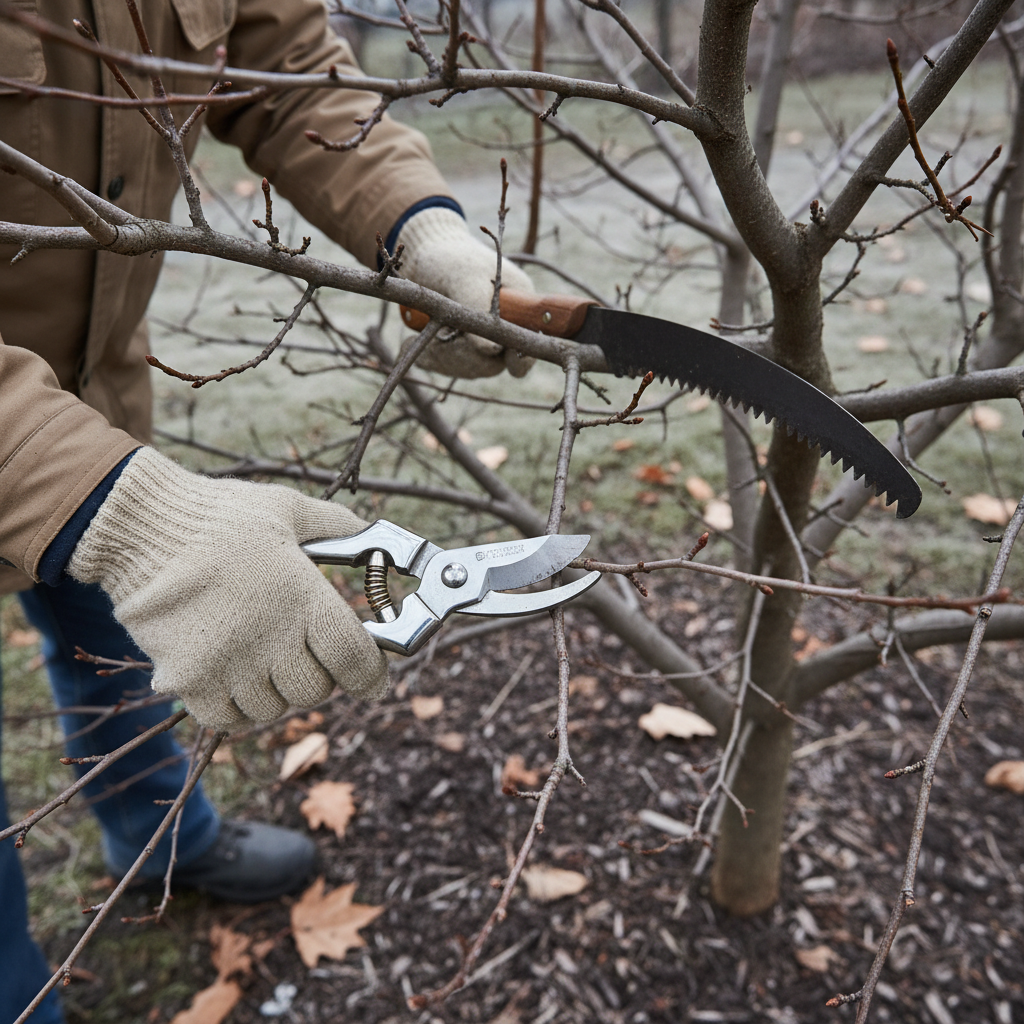
Tools & materials you'll need
Affiliate links- AmazonHand PrunersBypass type for clean cuts on branches up to ¾ inch
- AmazonLoppersFor branches ¾ to 1 ½ inches
- AmazonPruning SawFolding or bow saw for branches over 1 ½ inches
- AmazonSafety Glasses
- AmazonGlovesThick, durable work gloves
- AmazonLadderIf reaching higher branches safely, ensure it's stable
- AmazonDenatured Alcohol or Bleach1 bottle · For disinfecting tools
As an Amazon Associate FixlyGuide earns from qualifying purchases — at no extra cost to you. Prices and availability are accurate as of publication and subject to change.
Quick Answer
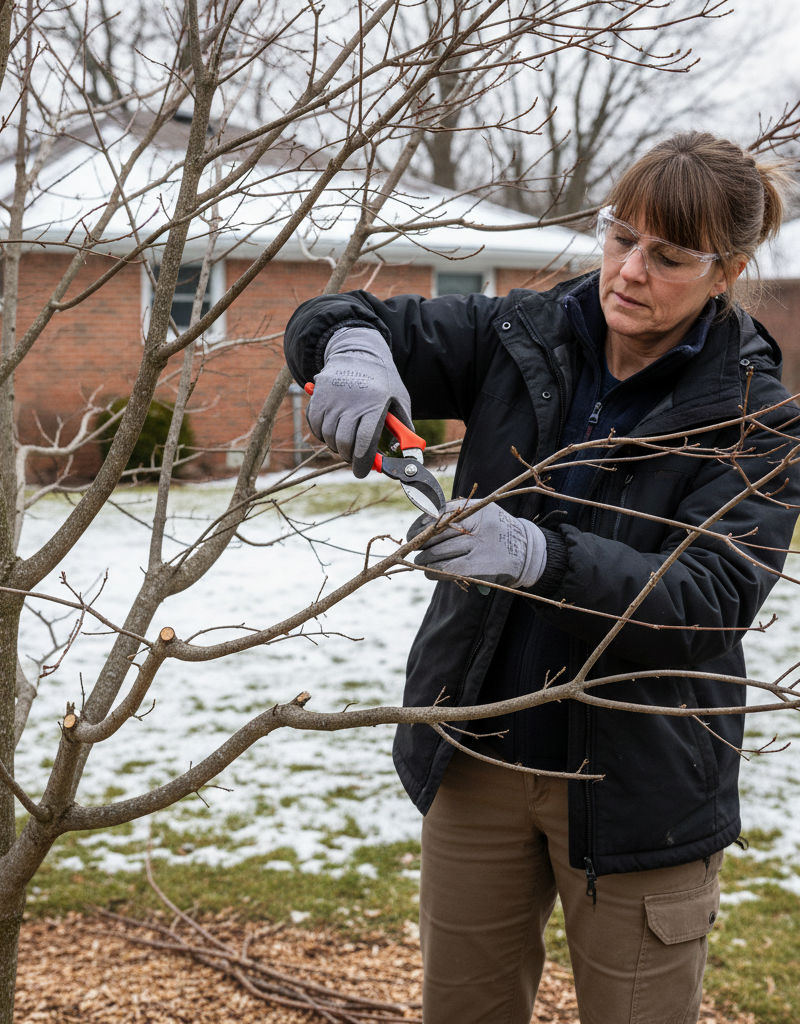
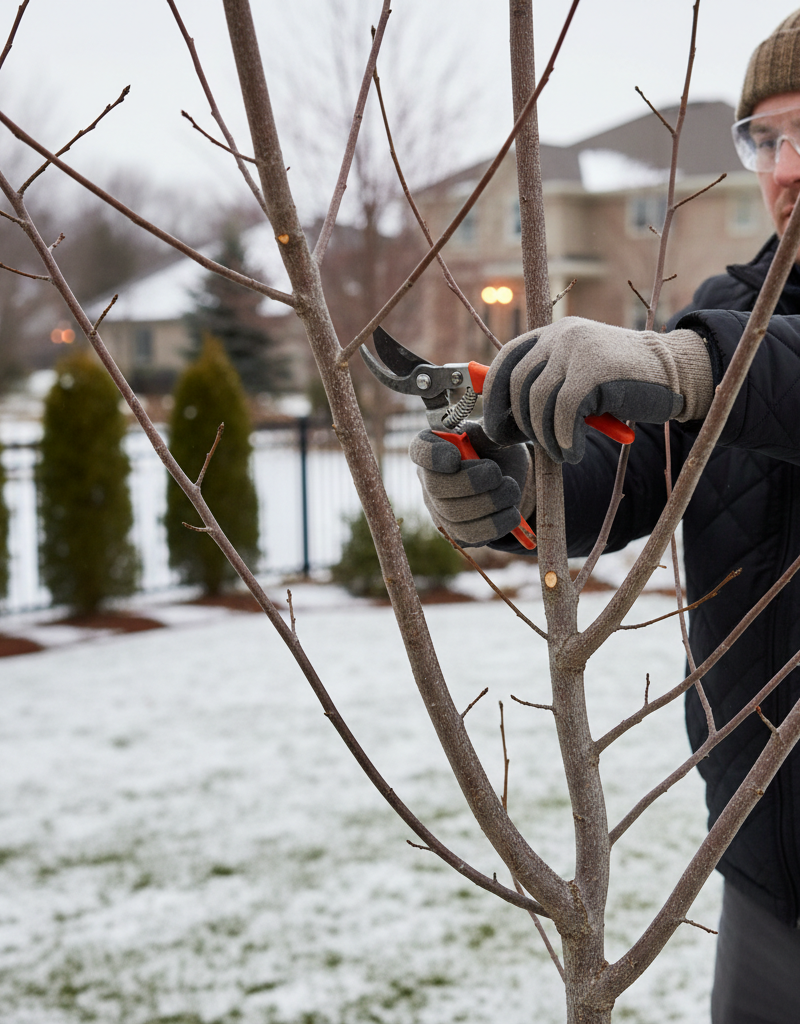
Many homeowners inadvertently prune their trees at the wrong time, leading to weakened trees, increased susceptibility to pests and diseases, and stunted growth. The critical secret to healthy pruning lies in understanding the tree's dormancy cycle. For most deciduous trees, the ideal time is late winter, when the tree is fully dormant, leafless, and before new buds begin to swell. This timing minimizes stress, promotes vigorous spring growth, and makes structural issues easier to identify. Evergreen trees and some flowering species have different ideal windows, so species-specific knowledge is crucial.
The Problem
Imagine heading into your yard with shears, ready to tidy up that overgrown oak, only to find it dripping sap and looking sickly weeks later. This scenario is shockingly common, and it stems from a fundamental misunderstanding of tree biology and optimal pruning times. Pruning an actively growing tree in spring or summer, for instance, removes valuable energy reserves the tree needs for leaf development and root expansion. It can also create large, open wounds that are highly attractive to insects and fungal pathogens during warm, moist weather. Pruning too late in fall can prevent the wound from healing before winter's harsh conditions set in, leading to frost damage. The visible 'damage' might manifest as stunted new growth, discolored leaves, dying branches, or an overall decline in tree vigor. Incorrect timing can also impact flowering and fruiting, turning a once-bountiful tree into a barren one.
How It Works
Trees are complex living organisms with distinct annual cycles dictated by hormones, temperature, and light. When a tree is actively growing (spring and summer), it's expending significant energy on producing leaves, photosynthesizing, and expanding its root system. Pruning during this period is akin to making a major incision during surgery – it's stressful. The tree reacts by diverting energy to heal the wound, which can deplete resources needed for growth and defense. Additionally, sap flow is robust, leading to 'bleeding' from cuts, which, while not always harmful in itself, signals active metabolism.
Conversely, during dormancy (late fall through late winter), a tree's metabolic rate drops significantly. Sap flow is minimal, and most of its energy is stored in the roots and trunk. Pruning at this time causes less stress because the tree isn't actively trying to grow or heal a large canopy. The wounds created will remain relatively 'dormant' until spring, at which point the tree's natural healing mechanisms (callus formation) kick in vigorously with the surge of spring energy. Pruning a deciduous tree when it's leafless also offers a clear view of its branch structure, making it easier to identify dead, diseased, or crossing branches that need removal. Flowering trees often set their buds at specific times; pruning at the wrong moment can remove potential blossoms for the following year. For instance, spring-flowering trees typically set buds on old wood in late summer/fall, so pruning in winter/early spring removes those buds. Summer-flowering trees, however, often flower on new wood, making late winter/early spring a good time to prune without losing blooms.
Step-by-Step Fix
1. Identify Your Tree Species – Know what you're pruning.
Before grabbing any tools, determine if your tree is deciduous (sheds leaves), evergreen (keeps leaves), or a specific flowering or fruiting variety. Different species have vastly different optimal pruning windows. Use a tree identification guide, a local arborist, or online resources if you're unsure. This is the single most important diagnostic step.
2. Research Species-Specific Pruning Times – Don't guess the season.
Once you know your tree, look up its recommended pruning calendar.
- Most Deciduous Trees (Oaks, Maples, Elms): Late winter (December-February in most temperate zones) is ideal. Prune after the coldest temperatures pass but before new growth begins, typically when temperatures are consistently above freezing.
- Spring-Flowering Trees (Dogwood, Azalea, Lilac, Cherry): Prune immediately after they finish flowering in spring. Pruning before they flower will remove the very buds that produce those blossoms.
- Summer-Flowering Trees (Crape Myrtle, Rose of Sharon): Prune in late winter or early spring before new growth appears. They flower on new wood, so this won't impact blooms.
- Evergreen Trees (Pine, Fir, Spruce): Minimal pruning is generally needed. Light shaping can be done in late winter or early spring, or in mid-summer after the initial growth flush hardens off. Avoid heavy pruning. Pines are an exception – candles (new growth) are typically 'pinched' in spring to control size and shape.
- Fruit Trees: Timing varies greatly by fruit type. Most apple and pear trees are pruned in late winter for structural development and fruit production. Cherry and plum trees are often pruned in summer to reduce the risk of disease.
3. Inspect for Dead, Diseased, or Damaged Branches – These can be pruned anytime.
Regardless of the season, any branch that is clearly dead, diseased, or broken should be removed as soon as you notice it. This prevents the spread of disease, reduces hazards, and directs energy to healthy parts of the tree.
- Safety Note: If removing large or high branches, use proper safety gear or call a pro.
4. Gather the Right Tools – Clean and sharp are key.
Ensure your pruning tools are sharp and clean. Dull tools tear bark, creating ragged wounds more susceptible to disease. Disinfect tools with a 70% rubbing alcohol solution or a 10% bleach solution between trees, and especially after cutting diseased wood, to prevent pathogen transfer.
- Tools: Hand pruners for branches up to ¾ inch, loppers for branches ¾ to 1 ½ inches, pruning saw for branches over 1 ½ inches.
5. Make Proper Pruning Cuts – Cut correctly to promote healing.
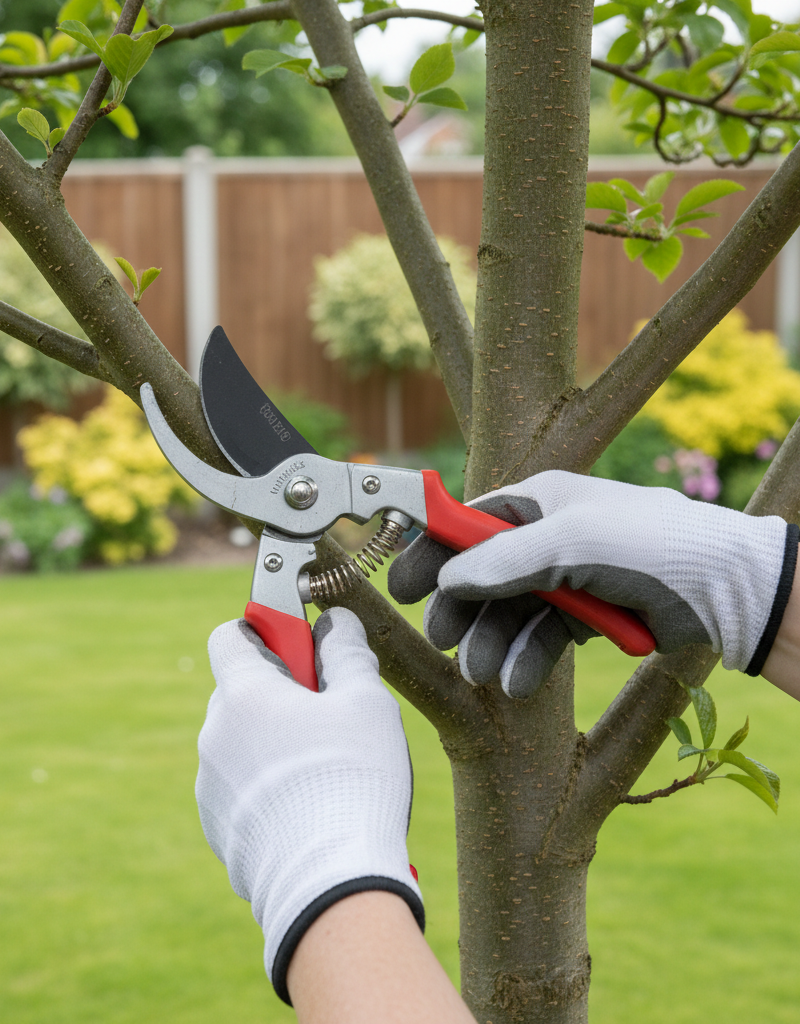
Always cut just outside the branch collar – the slightly swollen area where a branch meets the trunk or a larger branch. Do not cut flush with the trunk (flush cut) or leave a long stub (stub cut). The branch collar contains special cells that aid in wound closure. For larger branches, use a three-cut method to prevent bark tearing.
- First cut: Undercut the branch about 6-12 inches from the trunk, about 1/3 of the way through.
- Second cut: Cut completely through the branch from the top, a few inches further out from the first cut. This removes the weight of the branch.
- Third cut: Make the final cut just outside the branch collar.
6. Avoid Over-Pruning – Less is often more.
Never remove more than 25% of a tree's total living canopy in a single year – 10-15% is a safer rule of thumb for mature trees. Over-pruning stresses the tree, can lead to excessive new growth (water sprouts or suckers). If significant removal is needed, spread it over several years.
7. Monitor Tree Response – Watch for signs of stress.
After pruning, observe your tree for signs of stress, disease, or pests. Yellowing leaves, wilting, or unusual sap exudation could indicate a problem. Healthy trees should show vigorous new growth in the next growing season.
Common Causes
- Lack of Species-Specific Knowledge: Homeowners often treat all trees the same, ignoring unique biological cycles.
- Aesthetic-Driven Pruning: Pruning solely for appearance without considering tree health or timing.
- Reactive Pruning: Only pruning when a tree becomes overgrown, often necessitating significant cuts at improper times.
- Misunderstanding Dormancy: Not realizing that late winter is when most energy is stored, making it the least stressful time for major structural pruning.
- Following Bad Advice: Misinformation from casual sources or outdated practices.
Common Mistakes
- Pruning in Spring/Early Summer (Deciduous Trees): This is the worst time for most deciduous trees, as they are actively growing and highly susceptible to stress, disease, and insect invasions. You'll also likely remove new growth that would have become leaves, robbing the tree of its energy-producing factory.
- Leaving Stubs or Making Flush Cuts: Stub cuts leave dead wood that invites pests and disease, while flush cuts damage the critical branch collar, hindering proper wound closure.
- Removing Too Much Canopy: Taking more than 25% of the canopy can send the tree into shock, stunt growth, or even kill it over time. It can also lead to an explosion of weak, upright
Related Articles
Keep troubleshooting with these hand-picked guides from FixlyGuide:
- The #1 Pruning Mistake Homeowners Make (and the Secret to Stronger Trees) — Discover the most common pruning error homeowners make and how to avoid it, ensuring healthier, more resilient trees in your yard.
- The #1 Pruning Mistake Homeowners Make (and How to Pick the RIGHT Season) — Discover the most common pruning mistake homeowners make and how to choose the optimal season for different tree types to ensure healthy gr…
- The #1 Pruning Mistake Homeowners Make (and How to Fix It) — Many homeowners prune their trees at the wrong time, leading to weak growth, disease, and reduced flowering. Learn the correct timing for h…
- The #1 Pruning Mistake Homeowners Make (And How to Fix It) — Learn the most common pruning mistake homeowners make and how to properly prune shrubs for healthier growth and more abundant blooms.
- The #1 Mowing Mistake That Leaves Your Lawn Brown and Patchy — Discover the most common mowing mistake homeowners make that leads to unhealthy, patchy grass and how to fix it for a vibrant lawn.
- Is Your Gutter Sagging After Every Storm? The Hidden Flaw Most Homeowners Miss — Discover the overlooked reason your gutters sag after every storm and learn the lasting fix that most homeowners miss.
Frequently asked questions
What is the best time of year to prune most trees?+
For most deciduous trees, the ideal time is late winter (December to February in temperate zones) when the tree is fully dormant, leafless, and before new growth begins. This minimizes stress and promotes healthy spring growth.
Can I prune a tree in the spring or summer?+
It's generally not recommended to prune most deciduous trees heavily in spring or summer. This is their active growth period, and pruning can cause significant stress, sap bleeding, and increased susceptibility to pests and diseases. However, dead, diseased, or damaged branches can be removed at any time.
How much of a tree can I prune at one time?+
As a general rule, never remove more than 25% of a tree's total living canopy in a single year. For mature trees, 10-15% is a safer maximum to avoid stressing the tree. If significant pruning is needed, spread it out over several years.
Do different types of trees need to be pruned at different times?+
Yes, absolutely! The pruning schedule varies significantly by tree type. Spring-flowering trees should be pruned after they bloom, while summer-flowering trees are best pruned in late winter or early spring. Evergreens typically require minimal pruning, and fruit trees have species-specific schedules.
What happens if I prune a tree at the wrong time?+
Pruning at the wrong time can stress the tree, make it vulnerable to pests and diseases, inhibit proper wound healing, promote weak growth, and even reduce flowering or fruiting in subsequent seasons. In severe cases, it can lead to long-term decline or death of the tree.
Discussion
Loading comments…