Tools & materials you'll need
Affiliate linksAs an Amazon Associate FixlyGuide earns from qualifying purchases — at no extra cost to you. Prices and availability are accurate as of publication and subject to change.
Quick Answer
Browning leaves on your trees are a clear sign of stress, but the underlying cause isn't always obvious. While drought is a common culprit, issues like overwatering, nutrient imbalances, compacted soil, pest infestations, and fungal diseases can also lead to the same symptom. A careful inspection of the leaf pattern, the tree's overall health, and the surrounding soil will help you pinpoint the problem and determine if a DIY fix or professional intervention is needed.
The Problem
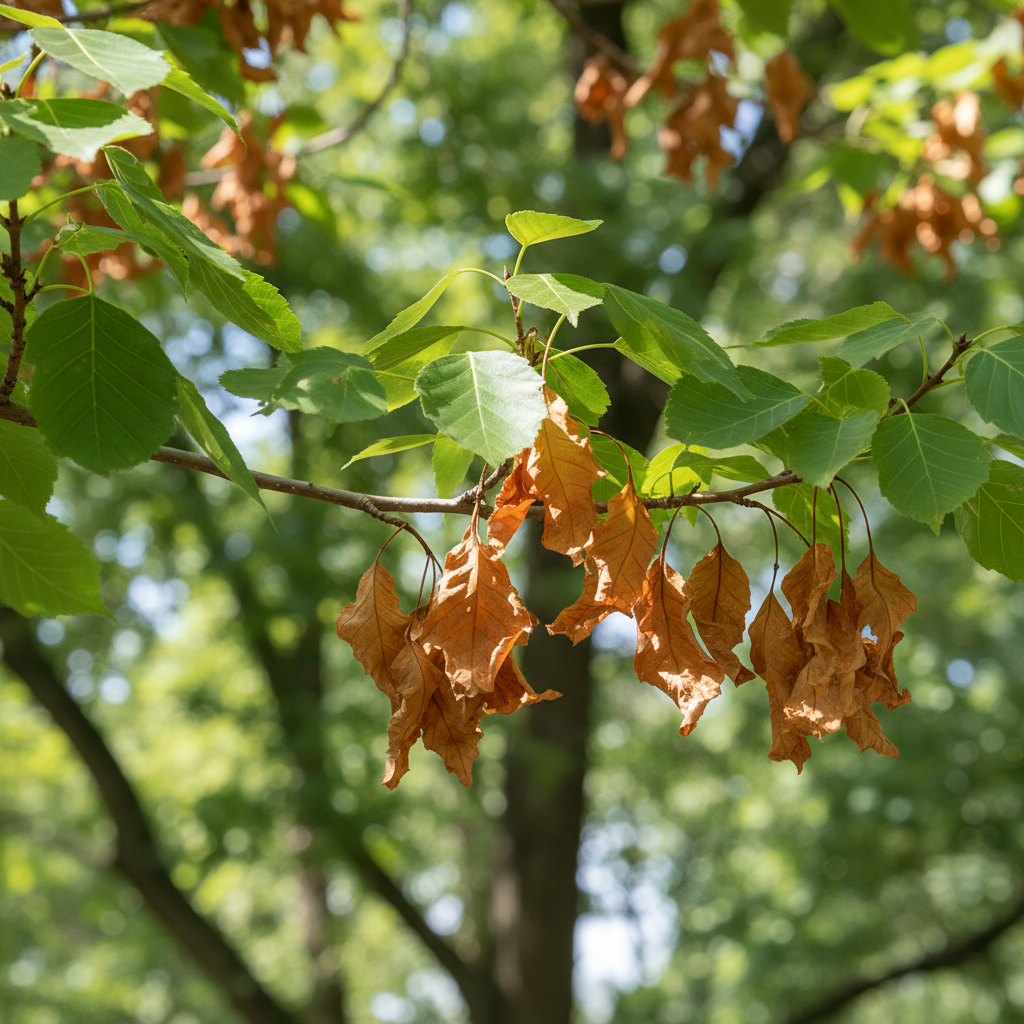
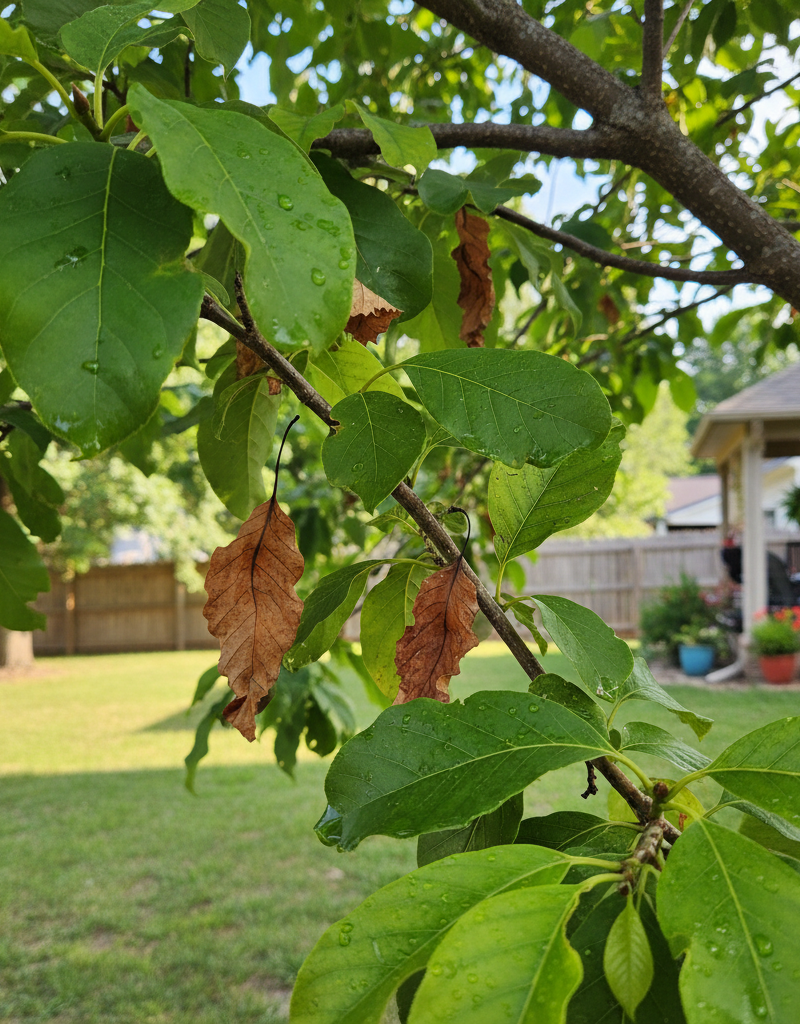
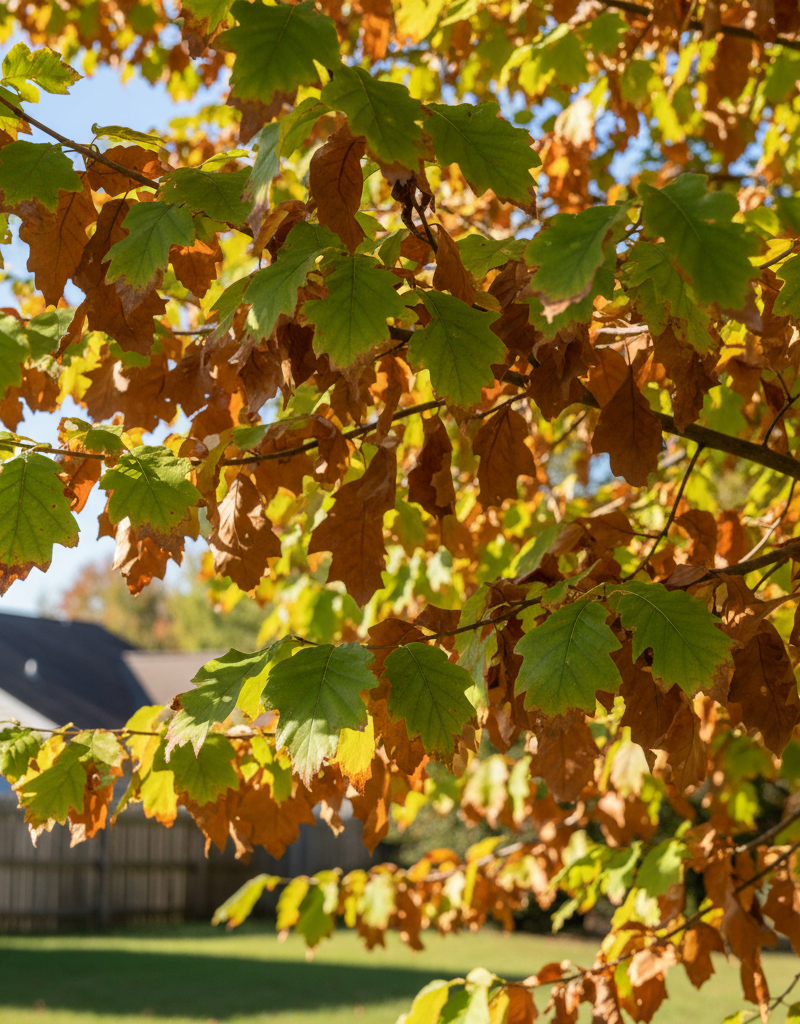
Imagine stepping outside to admire your shade tree, only to find its once vibrant green canopy now speckled with crispy, brown leaves. It's a disheartening sight for any homeowner. Browning leaves indicate that the tree is struggling to transport water and nutrients, or that its tissues are being damaged. This can range from a few isolated branches showing signs of distress to the entire tree rapidly declining. Ignoring these signs can lead to weakened tree health, increased susceptibility to other problems, and potentially the death of the tree if the underlying cause isn't addressed.
How It Works
Trees, like all living organisms, rely on a complex internal system to thrive. Water is absorbed through the roots and then transported upwards through the xylem, a network of vessels, to the leaves. In the leaves, photosynthesis occurs, where sunlight, water, and carbon dioxide are converted into sugars, providing the tree with energy for growth. This process also involves transpiration, where water vapor is released from small pores called stomata on the leaf surface, creating a continuous pull that draws more water up from the roots.
When any part of this system is disrupted, leaves can start to brown. Insufficient water in the soil means the roots can't absorb enough to replace what's lost through transpiration, leading to desiccation. Conversely, too much water can drown roots, depriving them of oxygen and causing them to rot, which also inhibits water uptake. Pests might feed on leaves or bore into the bark, disrupting sap flow, while fungi can block vascular tissues or destroy leaf cells. Nutrient deficiencies can impair chlorophyll production, affecting the tree's ability to photosynthesize and leading to leaf discoloration before browning. Understanding these fundamental processes helps in diagnosing why your tree specifically is struggling.
Step-by-Step Fix
1. Assess the Browning Pattern — Observe where and how the leaves are browning.
* **Tip:** Is it on the tips, edges, or entire leaves? Is it uniform across the tree, or concentrated on one side or a few branches? Does it start from the top down or bottom up? These details provide crucial clues.
2. Check Soil Moisture Levels — Determine if your tree is getting too much or too little water.
*   **Tools:** Soil moisture meter or a garden trowel.
*   **Instruction:** Push a soil moisture meter 6-8 inches into the soil around the tree's drip line (the imaginary circle on the ground directly beneath the outer circumference of the branches). Alternatively, dig a small test hole 6-8 inches deep with a trowel about 1-2 feet from the trunk. The soil should feel consistently moist, but not waterlogged. If it's bone dry, underwatering is likely. If it's soggy and standing water is present after a day, overwatering is the concern.
3. Inspect for Pests and Diseases — Look for visible signs of infestations or fungal growth.
*   **Tools:** Magnifying glass (optional).
*   **Instruction:** Examine the tops and undersides of leaves, along with branches and the trunk, for insects (aphids, spider mites, borers), webbing, sticky residue (honeydew), galls, or unusual spots, growths, or discolored patches on the bark. Black spots, powdery mildew, or unusual growths on leaves can signal fungal issues. Reference a local extension office guide for common tree pests and diseases in your area.
4. Examine the Root Collar and Trunk — Look for physical damage or girdling roots.
*   **Instruction:** Gently clear away excess soil, mulch, or grass from the base of the trunk to reveal the root collar (where the trunk flares out into the roots). Look for signs of damage from mowers or string trimmers, peeling bark, or roots that are circling and constricting the trunk (girdling roots). Girdling roots can choke the tree by cutting off water and nutrient flow.
*   **Safety Note:** When examining the root collar, be careful not to damage the bark or roots.
5. Consider Nutrient Deficiencies — Discolored leaves can sometimes indicate a lack of essential nutrients.
* **Instruction:** While browning is often water-related, yellowing that precedes browning or specific patterns of discoloration (e.g., yellowing between veins with green veins) can point to nutrient deficiencies like iron or magnesium. This often requires a professional soil test to confirm.
6. Adjust Watering Practices — Correctly hydrate your tree based on your findings.
*   **If Underwatering:** Water deeply and slowly. For established trees, aim for 10 gallons of water per inch of trunk diameter, applied once a week during dry periods. Use a soaker hose or drip irrigation for a slow, deep soak that penetrates 12-18 inches into the soil. Avoid frequent, shallow watering.
*   **If Overwatering:** Reduce watering frequency. Ensure proper drainage. If the area around the tree consistently holds standing water, consider improving drainage or applying less water. Sometimes, overwatering is due to proximity to a lawn sprinkler system.
7. Implement Pest or Disease Management (if identified) — Address specific threats.
*   **Instruction:** For minor pest infestations (like aphids), a strong spray of water from a hose can sometimes dislodge them. Horticultural oils or insecticidal soaps can be effective for some pests. For fungal diseases, specific fungicides may be needed. Always identify the pest or disease accurately before applying any treatment, and follow product instructions carefully.
*   **Safety Note:** Always wear appropriate personal protective equipment (gloves, eye protection) when using pesticides or fungicides, and keep pets and children away from treated areas.
8. Apply Appropriate Mulch — Improve soil health and moisture retention.
*   **Material:** 3-4 inches of organic mulch (shredded bark, wood chips).
*   **Instruction:** Apply a 2-4 inch layer of organic mulch in a broad circle around the tree, extending as far as the drip line but keeping it 6-12 inches away from the trunk to prevent moisture buildup and pest issues. Mulch helps retain soil moisture, regulate soil temperature, and suppresses weeds.
9. Prune Affected Branches (if necessary) — Remove dead or diseased wood.
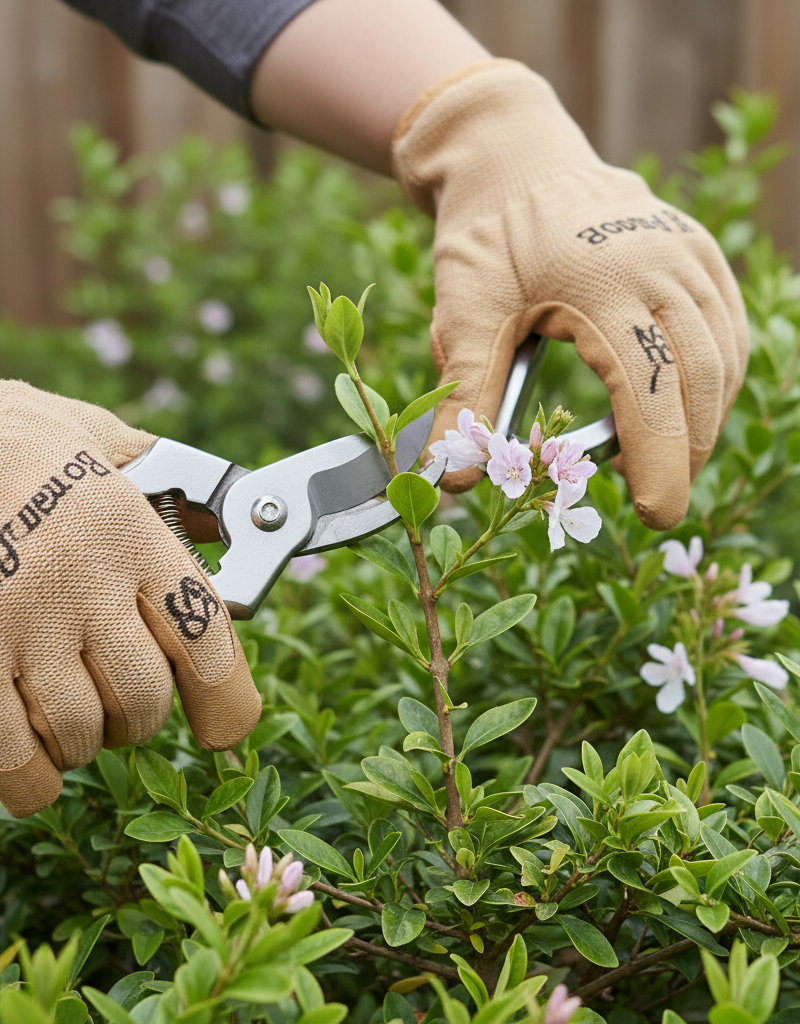
*   **Tools:** Clean, sharp bypass pruners or loppers.
*   **Instruction:** If only a few branches are affected by browning and appear dead or diseased, carefully prune them back to healthy wood. Make clean cuts outside the branch collar. Sterilize your pruning tools with rubbing alcohol between cuts, especially if dealing with disease, to prevent spread.
*   **Safety Note:** Do not attempt to prune large branches or work at heights without proper safety equipment or professional help.
Common Causes
- Underwatering/Drought Stress: The most frequent cause, especially in hot, dry climates or newly planted trees. Insufficient water prevents the tree from performing vital functions.
- Overwatering/Poor Drainage: Roots need oxygen. Constantly waterlogged soil suffocates roots, leading to root rot, which then prevents water uptake even if it's abundant in the soil.
- Nutrient Deficiencies: Lack of essential micronutrients (like iron, manganese) or macronutrients (like nitrogen, potassium) can impair leaf health and lead to discoloration and browning.
- Pest Infestations: Insects like spider mites, borers, scale, or aphids can feed on leaves, bark, or sap, directly damaging plant tissue or disrupting the flow of nutrients and water.
- Fungal Diseases: Fungi can cause a variety of leaf spots, blights, and cankers that lead to browning, wilting, and dieback. Examples include anthracnose or verticillium wilt.
- Transplant Shock: Newly planted trees often struggle to establish their root systems, leading to temporary stress and browning leaves as they adjust to their new environment.
- Chemical Exposure: Herbicides used on lawns or nearby areas can drift and damage tree leaves, leading to browning or unusual distortions.
- Salt Damage: Road salt runoff or excessive soil salinity can interfere with a tree's ability to absorb water, causing
Related Articles
Keep troubleshooting with these hand-picked guides from FixlyGuide:
- The Secret Reason Your Tree Leaves Curl in Midsummer (and the Simple Fixes) — Midsummer leaf curl isn't just cosmetic; it signals underlying stress that can weaken your tree. Learn the surprising causes and how to res…
- The 3 Hidden Reasons Your Tree Leaves Turn Brown (and the Easy Fixes) — Discover the often-overlooked environmental stressors and specific diseases that cause tree leaves to brown, and learn simple, actionable s…
- The #1 Mistake Killing Your Summer Lawn (It's Not What You Think) — Uncover the surprising truth behind your yellow summer lawn and learn how to fix the most common, yet overlooked, culprit: overwatering.
- The #1 Mistake Turning Your Green Lawn Brown After Watering — Watering your lawn should make it greener, but brown spots appearing afterward can signal common issues like overwatering, fungal disease,…
- The #1 Mistake Turning Your Healthy Lawn Brown After Watering — Discover the hidden culprit behind brown spots appearing in your lawn immediately after watering and learn how to correct this common mista…
- Is Your Gutter Sagging After Every Storm? The Hidden Flaw Most Homeowners Miss — Discover the overlooked reason your gutters sag after every storm and learn the lasting fix that most homeowners miss.
Frequently asked questions
Why are only some of my tree's leaves turning brown?+
Browning on only some leaves or specific branches often points to localized issues such as branch-specific pest infestations, fungal cankers on that particular branch, or damage to only a portion of the root system. It could also indicate early stages of a broader problem.
Can overwatering cause tree leaves to turn brown?+
Yes, absolutely. Overwatering suffocates tree roots by displacing oxygen in the soil. Without oxygen, roots cannot function properly, leading to root rot and an inability to absorb water and nutrients, which ultimately causes leaves to brown and die, mimicking drought symptoms.
How can I tell if my tree is underwatered or overwatered?+
An underwatered tree will have dry, often crumbly soil several inches down, and its leaves might be crispy and curling inward. An overwatered tree will have consistently soggy soil, potentially standing water, and its leaves might appear yellow before browning, often feeling soft or mushy.
When should I fertilize my tree if its leaves are browning?+
Only fertilize your tree if a soil test confirms a specific nutrient deficiency. Applying fertilizer without knowing the problem can worsen stress, especially if the browning is due to overwatering, drought, or root damage. Address the primary issue first and then consider soil amendments if recommended by a professional.
Can planting a tree in the wrong spot cause its leaves to brown?+
Yes, planting a tree in unsuitable conditions – such as soil with poor drainage, insufficient sunlight for its species, or being too close to concrete that restricts root growth – can lead to chronic stress, poor health, and eventually browning leaves as the tree struggles to adapt and thrive.
Discussion
Loading comments…