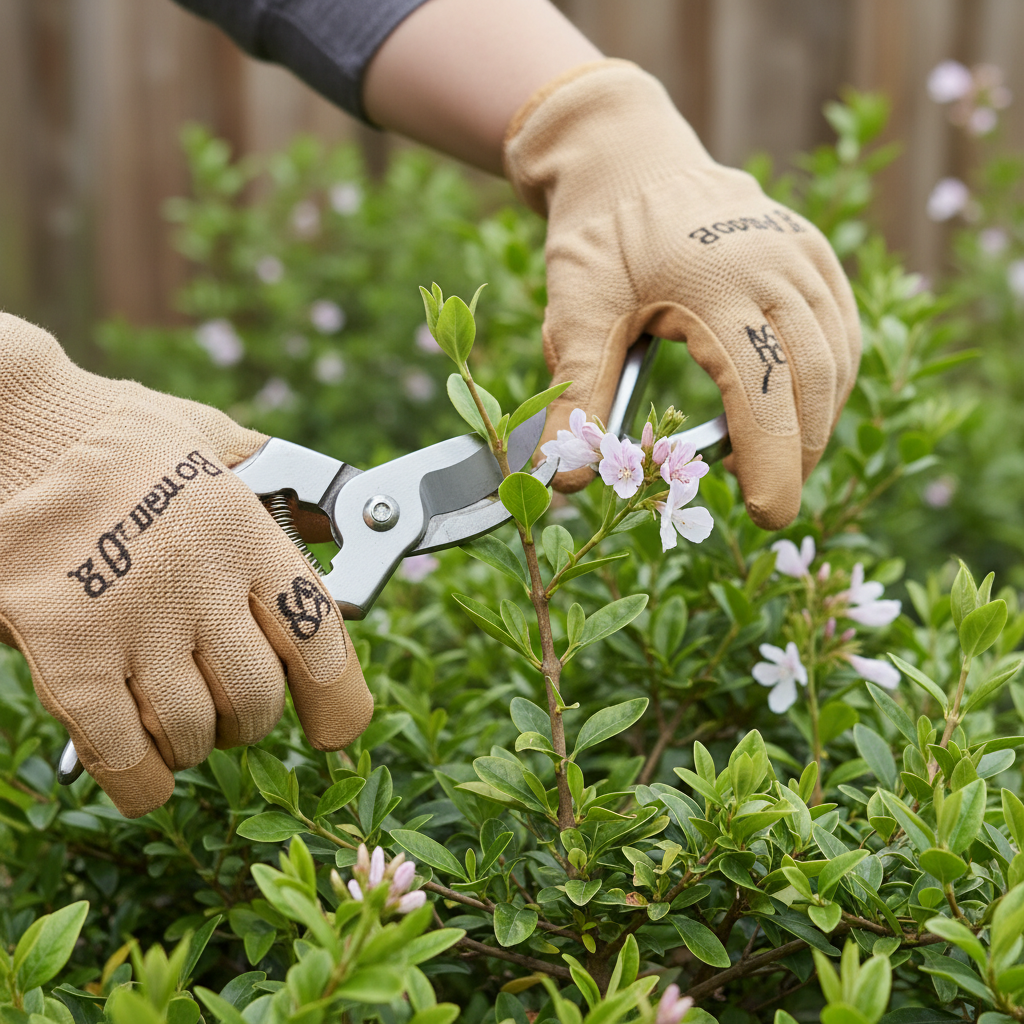
Tools & materials you'll need
Affiliate linksAs an Amazon Associate FixlyGuide earns from qualifying purchases — at no extra cost to you. Prices and availability are accurate as of publication and subject to change.
Quick Answer
Many homeowners inadvertently harm their shrubs by pruning at the wrong time or using incorrect techniques, leading to weak growth, fewer flowers, and even disease. The key to healthy, thriving shrubs lies in understanding their specific needs: knowing when to prune based on their flowering cycle and how to make precise cuts that encourage robust new growth and maintain their natural shape. This guide will walk you through the essential steps to cultivate beautiful, resilient shrubs.
The Problem
Have you ever pruned a shrub, only to find it looks worse afterward, or produces fewer flowers the following season? You're not alone. Many homeowners approach pruning with good intentions but lack the specific knowledge needed for optimal results. Common issues include shearing shrubs into unnatural 'meatball' or 'square' shapes, cutting at the wrong time (especially for flowering varieties), using dull tools that damage stems, or removing too much foliage at once. These mistakes can stress the plant, make it susceptible to pests and diseases, and ultimately diminish its vitality and aesthetic appeal. Instead of promoting health, improper pruning hinders it, turning a potentially vibrant shrub into an underperforming one.
How It Works
To prune effectively, it's crucial to understand how shrubs grow and respond to cuts. Shrubs produce hormones that regulate growth. Auxins, produced at the tips of branches, inhibit lateral bud growth, which is why unpruned branches grow long and leggy. When you make a cut, especially just above a bud, you remove the auxin source for that section, encouraging the dormant buds below the cut to activate and sprout, leading to bushier growth. This is the principle behind 'heading back' cuts.
Another type is a 'thinning cut,' where you remove an entire branch back to its origin or a main stem. This reduces overall density, improves air circulation, and allows more light to penetrate the shrub's interior, promoting stronger, healthier growth throughout the plant. Knowing which type of cut to make and where is fundamental. The timing of pruning is equally critical, particularly for flowering shrubs. Shrubs that bloom on 'old wood' (last year's growth), like lilacs and forsythias, should be pruned immediately after they finish flowering. Pruning them in winter or early spring would remove the very branches that would produce this year's blossoms. Conversely, shrubs that bloom on 'new wood' (growth produced in the current season), such as hydrangeas (paniculata and arborescens types) and roses, should be pruned in late winter or early spring while they are dormant. This stimulates new growth that will bear flowers later in the season. Understanding these basic principles allows you to manipulate the shrub's growth to achieve desired size, shape, health, and bloom production.
Step-by-Step Fix
1. Assess Your Shrub — Identify Needs
— Before making any cuts, observe your shrub. Look for dead, diseased, or damaged branches, crossing branches, and areas of overcrowding. Determine the shrub's natural growth habit and what you want to achieve: shape, size reduction, increased air circulation, or more blooms. Different pruning goals require different approaches.
- If you see dead branches: Prioritize removing these first, regardless of the time of year.
- If the shrub is overgrown: Plan for a more significant reduction over several seasons, rather than a drastic cut at once.
2. Gather Your Tools — Sharp and Clean is Key
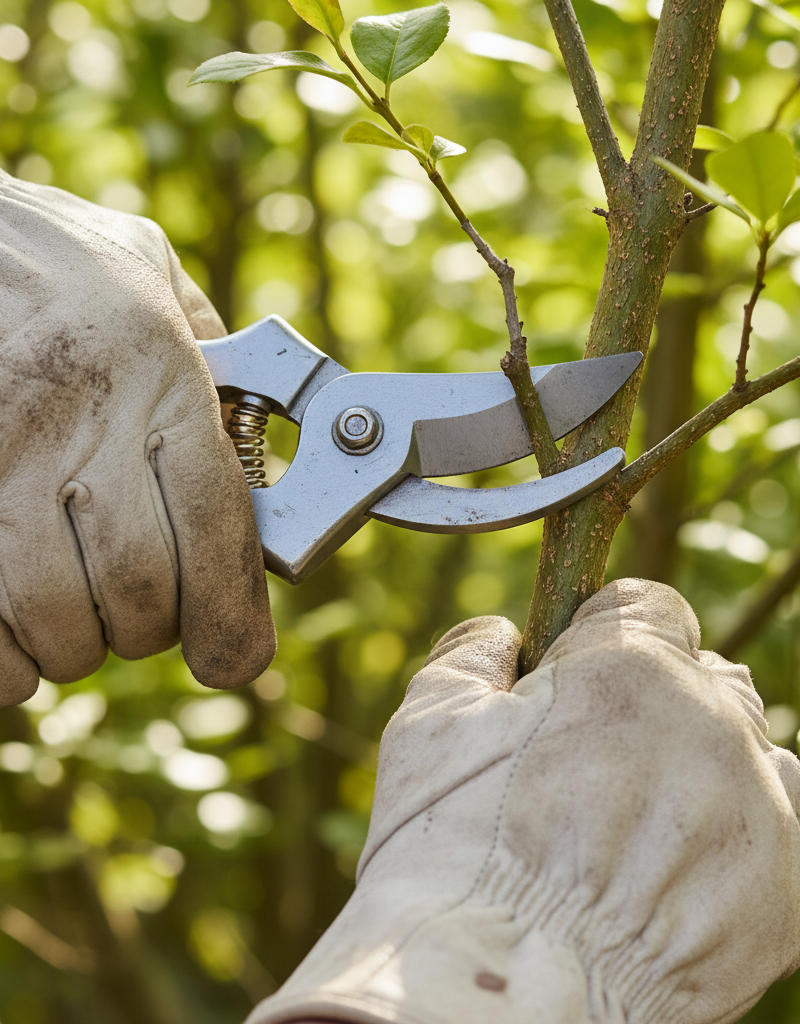
— Using dull or dirty tools can tear stems, making the plant vulnerable to pests and diseases. Always start with sharp, clean bypass pruners, loppers, and a pruning saw. Clean blades with rubbing alcohol before and after use to prevent disease spread.
- Bypass Pruners: For branches up to 3/4 inch thick.
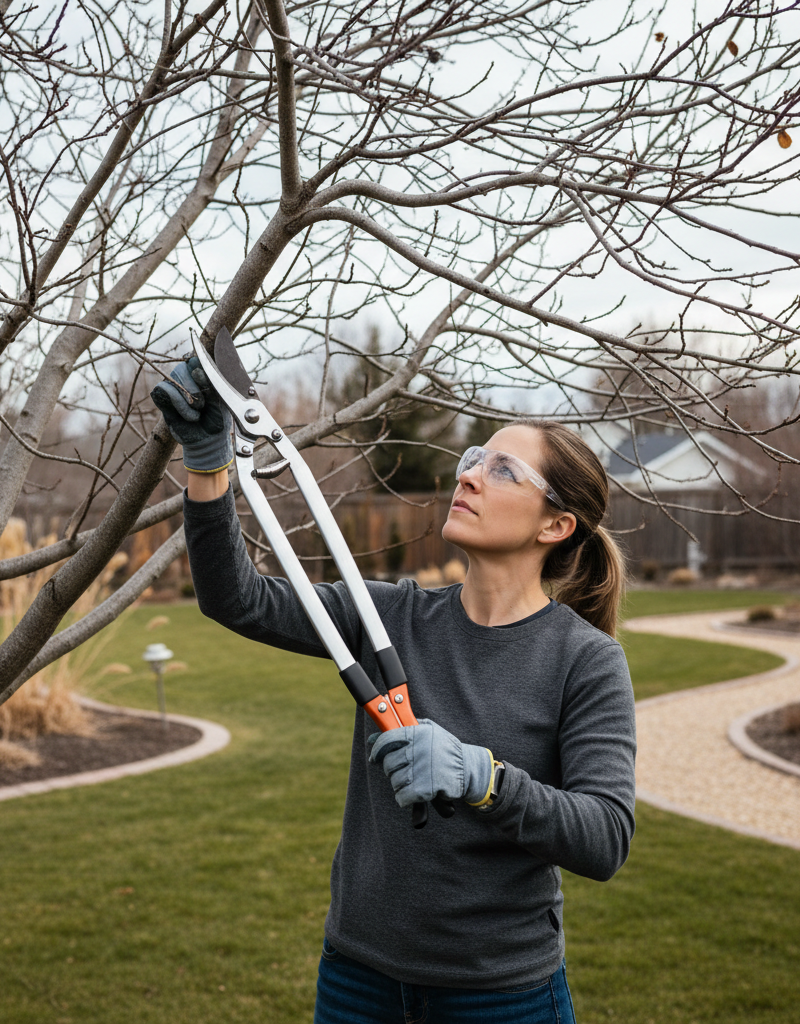
- Loppers: For branches up to 1 1/2 inches thick.
- Pruning Saw: For branches larger than 1 1/2 inches.
3. Sterilize Your Tools — Prevent Disease Spread
— Before starting and between pruning different plants, wipe your tools with a cloth soaked in rubbing alcohol or a 10% bleach solution. This prevents the spread of fungal and bacterial diseases that might be present on one plant to another.
4. Remove the Three Ds — Health First, Always
— Start by removing any dead, diseased, or damaged branches. Cut back to healthy wood, ensuring you make your cut into clean, green tissue. This is a critical step for the shrub's overall health and can be done any time of year.
- Safety Note: Wear sturdy gloves and eye protection. Dispose of diseased material in the trash, not your compost pile.
5. Thin Out Crossing & Rubbing Branches — Improve Airflow
— Identify branches that are growing inward, crossing, or rubbing against each other. Such branches can create wounds that invite pests and disease, and they impede air circulation. Choose the weaker or least desirably placed branch and remove it.
- Goal: Create an open structure that allows light and air into the shrub's interior.
6. Address Suckers and Watersprouts — Redirect Energy
— Suckers are vigorous shoots that emerge from the base or roots of the shrub, while watersprouts are fast-growing, vertical shoots often found on main branches. These typically don't contribute to the shrub's form or flowering and can drain energy. Remove them flush with the point of origin.
7. Shape and Reduce Size (If Needed) — Maintain Natural Form
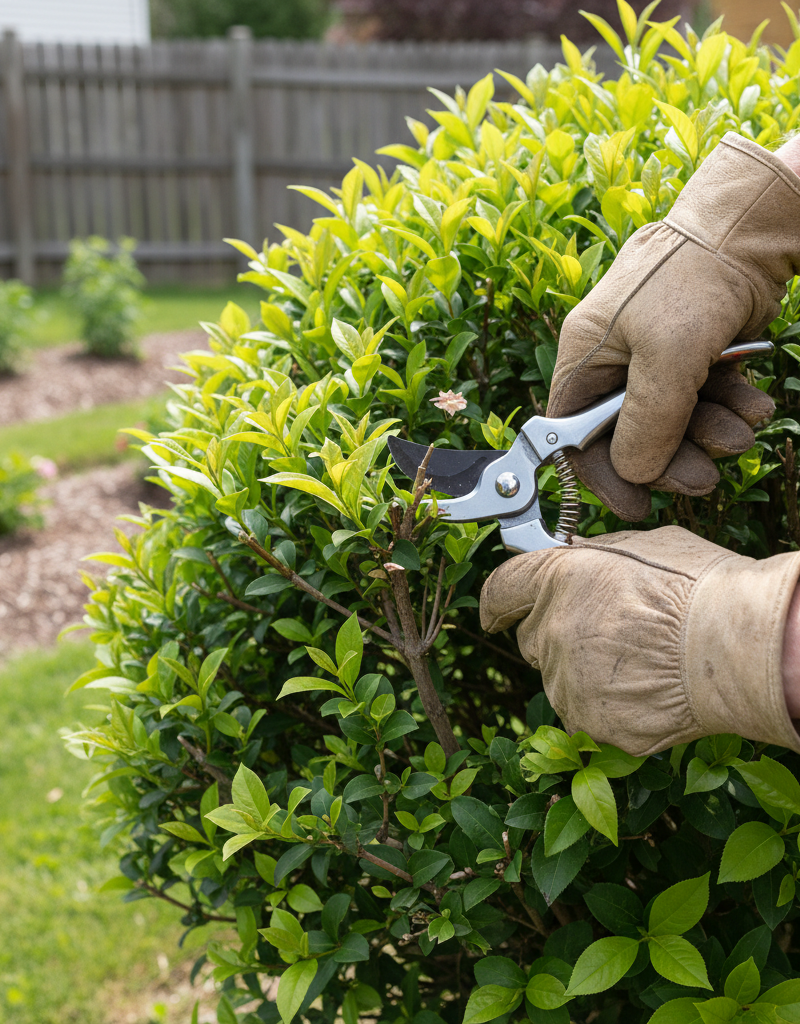
— For most shrubs, aim to maintain their natural shape rather than forcing an artificial one. Step back periodically to assess your progress. If you need to reduce size, make cuts back to a side branch or a bud facing the direction you want new growth to go. Avoid 'topping' the shrub (cutting off the main leader), as this can lead to weak, bushy growth.
- Rule of Thumb: Never remove more than 25-30% of a shrub's total foliage in a single season. More aggressive cuts risk stressing the plant.
8. Understand Flowering Cycles — Time Your Blooms Right
— This is the most crucial step for flowering shrubs. Incorrect timing is the #1 mistake.
- Shrubs blooming on old wood (early spring bloomers like Azaleas, Forsythia, Lilacs): Prune immediately after flowering. Pruning earlier will remove flower buds.
- Shrubs blooming on new wood (summer/fall bloomers like most Hydrangeas, Rose of Sharon, Spirea japonica): Prune in late winter or early spring while the plant is dormant. This encourages new growth that will produce flowers.
- Non-flowering shrubs (primarily grown for foliage): Can generally be pruned in late winter or early spring for shaping and size control.
9. Consider Rejuvenation Pruning (for overgrown, leggy shrubs) — A Multi-Year Plan
— For severely overgrown or neglected shrubs, rejuvenation pruning can be effective, but it should be done carefully. This involves removing one-third of the oldest, thickest stems each year over a period of three years. This stimulates new growth from the base without shocking the plant too much.
- When: Best done in late winter or early spring when the shrub is dormant.
- If your shrub is stressed: Avoid aggressive rejuvenation; focus on removing only dead or diseased wood initially.
10. Clean Up — Prevent Pests and Disease
— After pruning, rake up all trimmed branches and debris. Leaving plant material around the base of the shrub can harbor pests and diseases. Dispose of it properly, especially diseased material.
Common Causes
- Lack of Knowledge: Not understanding the specific needs of different shrub types, especially regarding flowering times.
- Dull Tools: Leading to jagged cuts that invite disease and slow healing.
- Shearing vs. Selective Pruning: Over-reliance on electric shears creates a dense outer shell, shading out the interior and leading to leggy, weak growth inside.
- Wrong Time of Year: Pruning early spring-flowering shrubs in winter removes next season's blooms. Pruning too late in the season can stimulate tender new growth vulnerable to frost.
- Too Much at Once: Removing too much foliage (over 30%) in one go can severely stress the plant.
- Ignoring Dead/Diseased Wood: Allowing compromised branches to remain can spread issues throughout the shrub.
Common Mistakes
- Pruning Early Spring Bloomers in Fall/Winter: This is the most common mistake, resulting in no flowers. Always prune immediately after they bloom.
- Using Dull or Dirty Tools: Causes torn branches, open wounds, and invites disease. Sharpen and sterilize regularly.
- Shearing Instead of Selective Cuts: Shearing promotes dense outer growth while leaving a bare interior. Use hand pruners and loppers for selective thinning and heading back to maintain natural form and internal health.
- Cutting Without a Plan: Haphazard cuts without considering the shrub's natural shape or growth habit lead to an unbalanced or unsightly plant.
- Removing Too Much at Once: Limit removal to 20-30% of the total plant volume in a single year to avoid stressing the shrub.
- **Ignoring the
Related Articles
Keep troubleshooting with these hand-picked guides from FixlyGuide:
- The #1 Pruning Mistake Homeowners Make (And How to Fix It) — Learn the most common pruning mistake homeowners make and how to properly prune shrubs for healthier growth and more abundant blooms.
- The #1 Pruning Mistake Homeowners Make (and the Secret to Stronger Trees) — Discover the most common pruning error homeowners make and how to avoid it, ensuring healthier, more resilient trees in your yard.
- How to Prune Overgrown Shrubs Without Killing Them: A Complete Guide — Learn how to properly prune overgrown shrubs, restore their health, and improve their appearance without causing damage, ensuring vibrant g…
- The 3 Mulching Mistakes That Are Secretly Killing Your Plants — Discover the three common mulching errors that inadvertently harm your garden plants and learn how to apply mulch correctly for thriving, h…
- The #1 Watering Mistake That Kills Lawns (And How to Fix Yours in 10 Minutes) — Discover the most common watering mistake homeowners make and how to adjust your watering routine for a healthier, more resilient lawn.
- The #1 Mistake Homeowners Make After Finding Missing Shingles (And How to Fix It Right) — Discover the crucial steps to take after a storm rips shingles from your roof, ensuring a proper, lasting repair and preventing costly futu…
Frequently asked questions
When is the best time to prune most shrubs?+
The best time depends on the shrub's flowering cycle. For early spring-flowering shrubs (old wood bloomers), prune immediately after they finish blooming. For summer or fall-flowering shrubs (new wood bloomers), prune in late winter or early spring while they are dormant.
How much of a shrub can I prune at once?+
As a general rule, never remove more than 20-30% of a shrub's total foliage in a single pruning session. Removing too much can severely stress the plant and inhibit its recovery. For overgrown shrubs, spread the pruning over 2-3 years.
What is the difference between 'heading back' and 'thinning' cuts?+
'Heading back' cuts involve shortening a branch back to a bud or side branch, encouraging bushier growth. 'Thinning' cuts remove an entire branch back to its origin or a main stem, reducing density and improving light/air circulation.
Why are my tools getting sticky when I prune?+
The stickiness comes from plant sap and resins. It's crucial to clean your tools frequently with a cloth and rubbing alcohol or a specialized cleaner. Sticky, dirty tools can spread diseases and make cuts less efficient, damaging the plant.
What should I do if I accidentally pruned my spring-flowering shrub in the fall?+
If you pruned a spring-flowering shrub in the fall or winter, you likely removed most or all of its flower buds for the upcoming spring. The shrub itself will probably be fine, but it won't produce many (or any) flowers that season. Just let it recover, and resume correct pruning practices next year.
Discussion
Loading comments…