Tools & materials you'll need
Affiliate links- AmazonSoaker hose or drip irrigation system1 · Optional, for efficient watering
- AmazonInsecticidal soap or neem oil
- AmazonRubbing alcohol or bleach solution1 small bottle · For disinfecting tools
- AmazonSoil test kitOptional, for nutrient diagnosis
- AmazonBalanced tree fertilizerIf nutrient deficiency is suspected
As an Amazon Associate FixlyGuide earns from qualifying purchases — at no extra cost to you. Prices and availability are accurate as of publication and subject to change.
Quick Answer
Brown tree leaves are a clear indicator that your tree is under stress, often suffering from dehydration, overwatering, nutrient deficiencies, or pest and disease attacks. The key to saving your tree lies in accurate diagnosis, which usually involves assessing your watering habits, inspecting the leaves and trunk for signs of pests or disease, and checking the soil conditions. Addressing these issues promptly can restore your tree's health and vitality.
The Problem
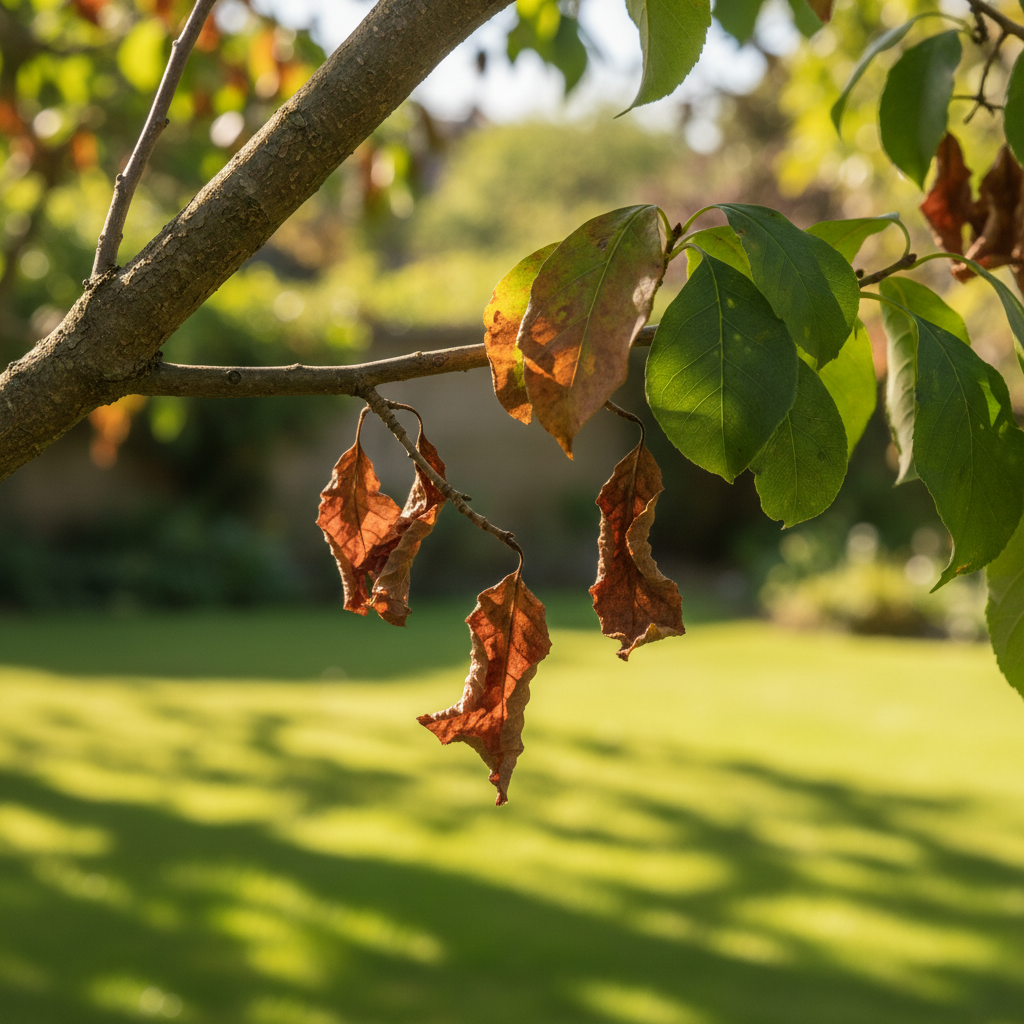
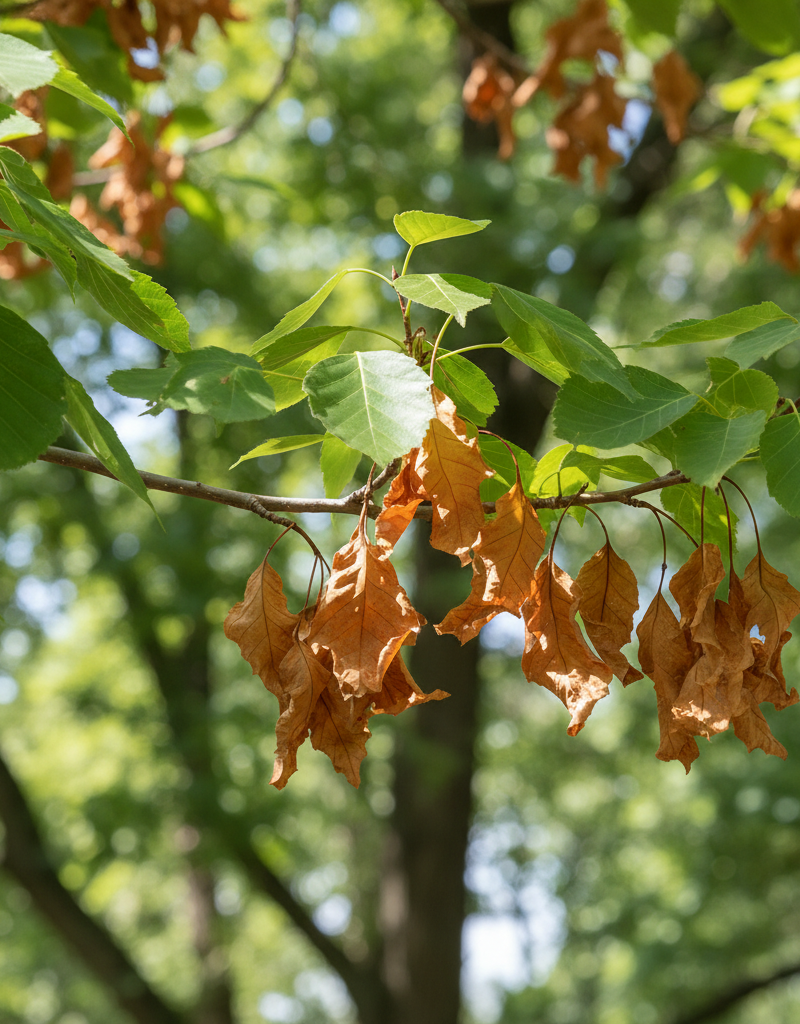
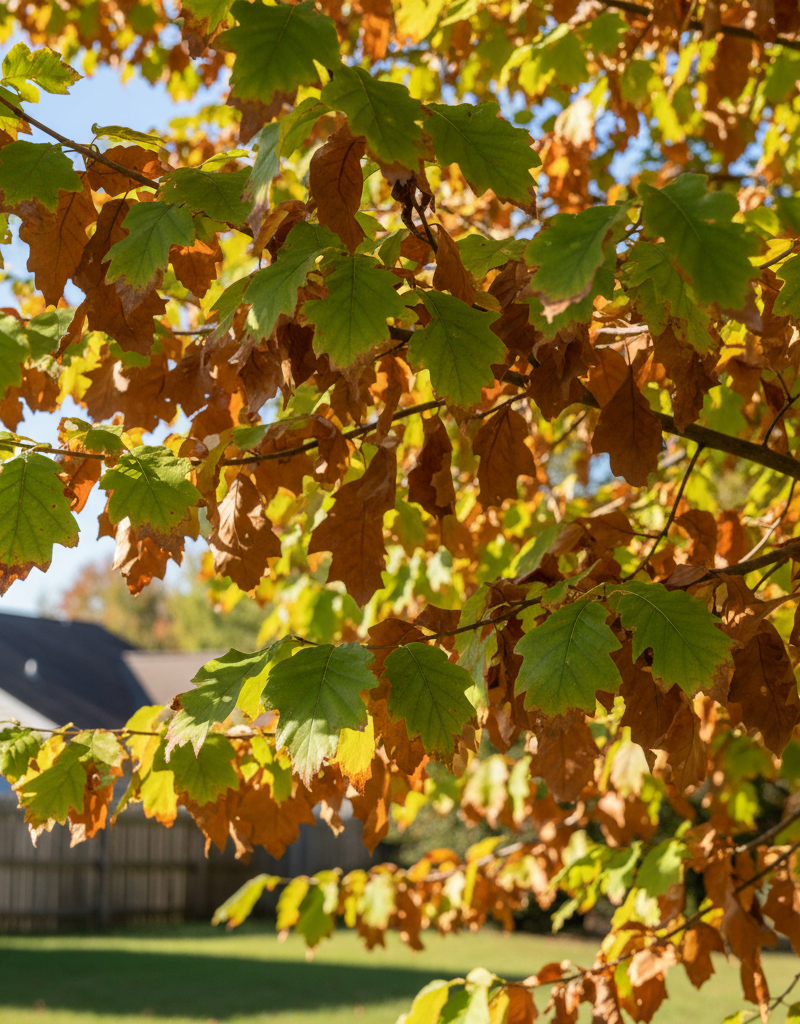
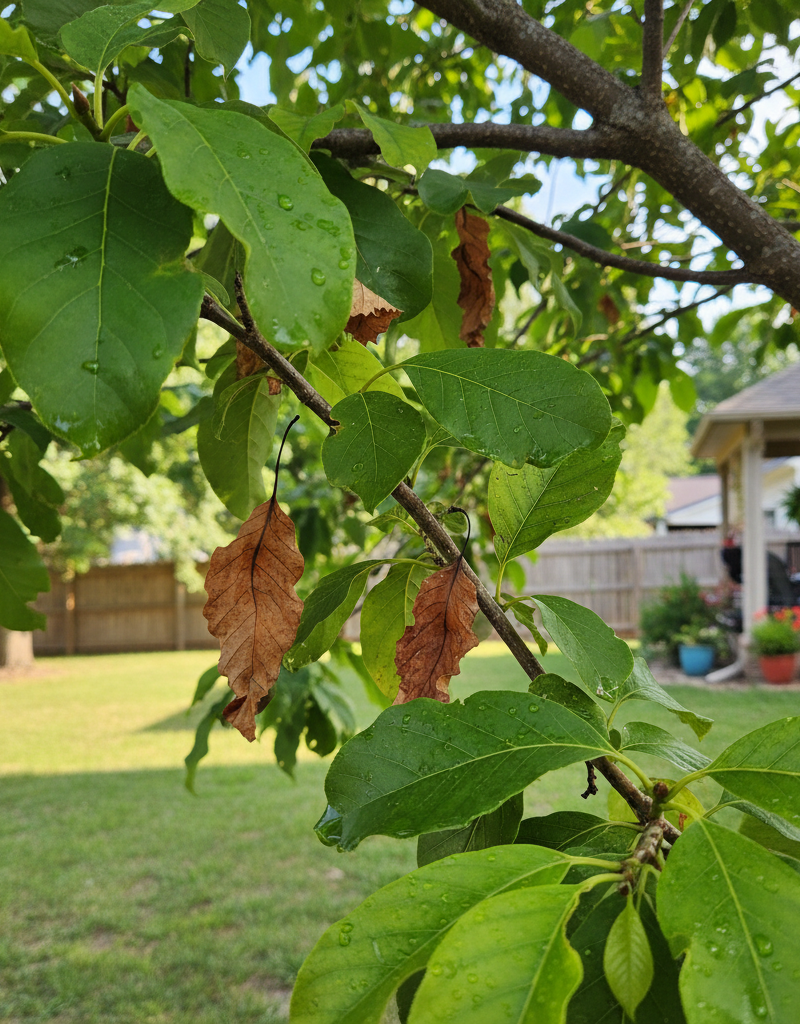
Seeing your tree's lush green leaves transform into crispy brown husks can be alarming. It's a distress signal, much like a fever in a person, indicating that something isn't quite right in your tree's environment or internal systems. This browning isn't typically spontaneous; it's a gradual process, often starting with wilting or a change in color before fully desiccating. Left unaddressed, persistent browning can weaken the tree, make it more susceptible to further issues, and in severe cases, lead to its demise.
The real problem is often hidden, requiring a bit of detective work. Is it a lack of water, a fungal infection, an insect feasting on its sap, or perhaps an imbalance in the soil's chemistry? The challenge for homeowners is to differentiate between these various causes, each requiring a distinct approach to treatment. Misdiagnosis can lead to ineffective remedies, wasting time and potentially worsening the tree's condition. Understanding the common culprits and how to identify their specific signs is the first step toward reviving your arboreal friend.
How It Works
Trees, like all living organisms, rely on a complex network of processes to thrive. Their leaves are the primary sites for photosynthesis, converting sunlight into energy. This process requires water, which is absorbed by the roots and transported to the leaves through a vascular system called the xylem. Nutrients, also absorbed by the roots, are equally vital for growth and overall health.
When a tree experiences stress, this intricate system is disrupted. If there isn't enough water, the leaves can't perform photosynthesis efficiently, leading to wilting and eventually browning as cells dehydrate and die. Conversely, too much water can drown roots, suffocating them and preventing them from absorbing oxygen and nutrients, leading to similar symptoms of stress and browning. Pests and diseases attack different parts of this system. Insects might feed on leaves, stems, or roots, siphoning off vital sap or damaging tissues. Fungi and bacteria can block vascular tissues or destroy leaf cells, impeding the tree's ability to transport water and nutrients, resulting in discoloration and decay. Environmental factors like extreme heat or cold, strong winds, or chemical exposure also inflict damage, overwhelming the tree's natural defenses and disrupting its physiological functions, leading to cellular damage and the characteristic browning of leaves.
Step-by-Step Fix
Safety First: Always wear gardening gloves when inspecting trees for pests or diseases. If using any pesticides or fungicides, follow product instructions carefully and wear appropriate personal protective equipment.
1. Assess Your Watering Habits – The most common culprit
Examine the soil around your tree. Is it bone dry, or is it perpetually soggy? Most trees prefer consistently moist, but not waterlogged, soil. For established trees, deep infrequent watering is often better than shallow frequent watering.
- How to check: Dig down 6-8 inches near the dripline (the outer edge of the tree's canopy). The soil should feel cool and slightly damp. If it's crumbly and dry, the tree is likely underwatered. If it's muddy and water pools, it's likely overwatered.
- If underwatered: Water slowly and deeply, allowing the water to penetrate at least 12-18 inches. Use a soaker hose or drip irrigation for several hours. Repeat every 7-10 days during dry spells.
- If overwatered: Reduce watering frequency. Ensure proper drainage. If the soil remains consistently wet, aerate the soil gently with a garden fork to improve oxygen flow to the roots. Consider improving drainage with organic matter if the issue is persistent.
2. Check for Pests – Tiny invaders causing big problems
Inspect the leaves (top and bottom), twigs, and bark for insect activity. Some common culprits include aphids, spider mites, scale insects, and borers.
- Aphids and Spider Mites: Look for tiny insects (green, black, or red), sticky residue (honeydew), or fine webbing on the undersides of leaves.
- Fix: For minor infestations, spray with a strong stream of water to dislodge them. For more severe cases, use insecticidal soap, neem oil, or horticultural oil, following product instructions.
- Scale Insects: Appear as small, stationary bumps (often brown, white, or black) on stems and leaves. They can be hard to distinguish from natural bark.
- Fix: Scrape off small infestations with a fingernail or soft brush. Apply horticultural oil in dormant periods or insecticidal soap during growing season, strictly according to directions.
- Borers: Signs include small holes in the bark, sawdust-like frass extruding from holes, or oozing sap. Borers often target stressed trees.
- Fix: Once borers are inside, it's difficult for homeowners to treat. Prevention is key: keep trees healthy. If infestation is severe, consult an arborist.
3. Diagnose for Diseases – Fungal foes and bacterial battles
Examine leaves, bark, and branches for signs of fungal or bacterial diseases. Common symptoms include spots, cankers, unusual growths, or powdery mildew.
- Leaf Spot Fungi: Cause circular lesions or spots on leaves, often with distinct borders.
- Fix: Rake and dispose of fallen leaves to reduce fungal spores. Improve air circulation by pruning. In severe cases, specific fungicides can be applied.
- Cankers: Sunken, discolored areas on branches or trunks, often oozing sap.
- Fix: Prune out infected branches, making clean cuts into healthy wood. Disinfect pruning tools between cuts with a 10% bleach solution.
- Powdery Mildew: Appears as white, powdery patches on leaves.
- Fix: Improve air circulation. Apply fungicides labeled for powdery mildew.
- Root Rot: Often a symptom of overwatering or poor drainage, leading to wilting and browning even when soil seems moist.
- Fix: Cannot be fully reversed once severe. Prevention through proper watering and drainage is crucial. Prune out dead roots if the tree is small enough.
4. Consider Nutrient Deficiencies – The starving tree
If watering and pest/disease checks don't yield answers, a nutrient deficiency could be the cause. Browning can be a symptom of deficiencies in nitrogen, iron, or magnesium.
- How to check: Observe the pattern of browning. Iron deficiency often causes 'chlorosis' – yellowing between green veins on new leaves. Nitrogen deficiency typically results in overall pale green to yellowing of older leaves, sometimes followed by browning.
- Test the soil: A soil test kit can provide precise information on nutrient levels and pH. These are available at garden centers or through local extension offices.
- Fix: Based on soil test results, amend the soil with appropriate fertilizers. For general browning not linked to a specific deficiency, a balanced, slow-release tree fertilizer can be beneficial. Apply according to product instructions, usually in early spring or fall.
5. Assess Environmental Stressors – Nature's harsh lessons
Extreme weather or chemical exposure can damage trees.
- Heat Stress/Sunscald: Scorched or bleached leaves, often worse on the sun-exposed side.
- Fix: Ensure adequate watering during hot, dry periods. Mulch around the base of the tree to retain soil moisture and regulate temperature. Protect young trees with tree wraps.
- Windburn: Bending, tearing, or desiccation of leaves, especially on exposed sides.
- Fix: Protect young or susceptible trees with windbreaks. Ensure good hydration.
- Chemical Burn: Irregular browning or scorching, often appearing after herbicide application, de-icing salts, or fertilizer spills.
- Fix: Flush the soil with plenty of water if recent. Be careful with chemical applications near trees. Avoid using de-icing salts near root zones.
Common Causes
- Underwatering: Insufficient moisture leads to dehydration, especially in newly planted trees or during drought periods.
- Overwatering/Poor Drainage: Roots suffocate and rot when waterlogging occurs, preventing oxygen and nutrient uptake.
- Pest Infestations: Insects like aphids, spider mites, scale, or borers feed on tree sap or tissues, weakening the tree.
- Fungal & Bacterial Diseases: Pathogens disrupt leaf function, block vascular systems, or cause tissue decay.
- Nutrient Deficiencies: Lack of essential macro or micronutrients (e.g., nitrogen, iron, magnesium) impairs photosynthesis and growth.
- Environmental Stress: Extreme heat, cold, strong winds, drought, or sunscald damage leaves directly.
- Chemical Damage: Exposure to herbicides, excess fertilizers, or de-icing salts can burn foliage and roots.
- Transplant Shock: Trees struggle to establish new roots after being moved, leading to stress and leaf browning.
- Root Damage: Construction, soil compaction, or excessive digging near the tree can sever or damage roots.
Common Mistakes
- Assuming all browning is due to lack of water: Many homeowners overcompensate by watering too much, exacerbating issues like root rot.
- Ignoring symptoms until they're severe: Early intervention is key. A few brown leaves might seem minor, but they can quickly escalate.
- Applying pesticides or fungicides without proper diagnosis: Using the wrong chemical can be ineffective, harm beneficial insects, or damage the tree.
- Fertilizing without a soil test: Adding nutrients incorrectly can create imbalances or burn roots, especially if the soil already has sufficient levels.
- Not checking the undersides of leaves: Many pests, like spider mites, hide on the undersides, making them easily missed during a quick inspection.
- Over-pruning stressed trees: While removing dead branches is good, excessive pruning of a stressed tree can add to its stress.
Cost & Time Breakdown
| Task | DIY Cost | Pro Cost | Time |
|---|---|---|---|
| Soil Moisture Check | $0 | $0 | 5–10 minutes |
| Pest/Disease Inspection | $0 | $50–$150 (initial inspection if uncertain) | 10–30 minutes |
| Appropriate Watering | $0–$20 (soaker hose) | $0 | Varies (hours per week) |
| Insecticidal Soap/Neem Oil | $15–$30 | $100–$300 (per application) | 15–30 minutes |
| Fungicides | $20–$50 | $150–$400 (per application) | 20–40 minutes |
| Soil Test Kit | $15–$30 | $50–$100 | 15 minutes (plus lab time) |
| Tree Fertilizer | $20–$60 | $0 (incorporated into other services) | 10–20 minutes |
Tips & Prevention
- Water Deeply and Infrequently: Encourage deep root growth by watering thoroughly when the top few inches of soil are dry, rather than frequent shallow watering.
- Implement a Mulch Ring: Apply a 2-4 inch layer of organic mulch (bark chips, shredded leaves) around the tree's dripline, keeping it a few inches away from the trunk. This conserves moisture, regulates soil temperature, and suppresses weeds.
- Regular Inspections: Periodically walk around your trees, inspecting leaves, branches, and the trunk for early signs of stress, pests, or disease.
- Proper Pruning: Remove dead, diseased, or crossing branches to improve air circulation and tree health. Disinfect tools between cuts.
- Choose the Right Tree for Your Climate: Select tree species that are well-suited to your local climate and soil conditions to minimize stress.
- Protect from Mechanical Damage: Prevent lawnmower or string trimmer damage to the trunk, as these wounds can be entry points for pests and diseases.
When to Call a Professional
Call a certified arborist if you suspect a significant pest infestation that you cannot control with DIY methods, if the browning affects 25% or more of the tree's canopy, or if you notice large cankers, deep cracks, or signs of wood borers on the trunk. An arborist can accurately diagnose complex issues like advanced diseases, severe nutrient deficiencies requiring specialized treatments, or extensive root damage. They can also provide professional pruning for large trees, targeted pesticide applications, or recommend appropriate tree removal if the tree is beyond saving and poses a safety risk. Don't hesitate to seek expert help if the tree is mature or valuable, as improper treatment can cause irreversible damage.
Related Articles
Keep troubleshooting with these hand-picked guides from FixlyGuide:
- The 3 Hidden Reasons Your Tree Leaves Turn Brown (and the Easy Fixes) — Discover the often-overlooked environmental stressors and specific diseases that cause tree leaves to brown, and learn simple, actionable s…
- The #1 Mistake Turning Your Healthy Lawn Brown After Watering — Discover the hidden culprit behind brown spots appearing in your lawn immediately after watering and learn how to correct this common mista…
- The #1 Mistake Killing Your Summer Lawn (It's Not What You Think) — Uncover the surprising truth behind your yellow summer lawn and learn how to fix the most common, yet overlooked, culprit: overwatering.
- Thatched Lawn Secret: Why Brown Spots Bloom AFTER Watering (and the $15 Fix) — Brown spots appearing after watering your lawn often point to underlying thatch issues, hindering water absorption and nutrient delivery.
- The #1 Watering Mistake That Kills Lawns (And How to Fix Yours in 10 Minutes) — Discover the most common watering mistake homeowners make and how to adjust your watering routine for a healthier, more resilient lawn.
- The 4 Hidden Reasons Your Doorbell Dies (And the 20-Minute Fix) — A non-working doorbell is often caused by simple, hidden issues like a tripped transformer or a corroded button, which homeowners can fix i…
Frequently asked questions
How do I know if my tree is getting too much or too little water?+
To check, dig down 6-8 inches near the tree's dripline. If the soil is crumbly and dry, it needs more water. If it's muddy or water pools, it's getting too much. Adjust your watering based on these observations, aiming for consistently moist but not soggy soil.
Discussion
Loading comments…