Tools & materials you'll need
Affiliate links- AmazonMoisture meter or trowel1 · To check soil moisture
- AmazonBypass pruners1 · For minor root pruning or removing dead branches
- AmazonRoot saw1 · If dealing with larger girdling roots
- AmazonMagnifying glass1 · For inspecting small pests or disease signs
- AmazonGarden hose with soaker attachment1 · For deep, slow watering
As an Amazon Associate FixlyGuide earns from qualifying purchases — at no extra cost to you. Prices and availability are accurate as of publication and subject to change.
Quick Answer
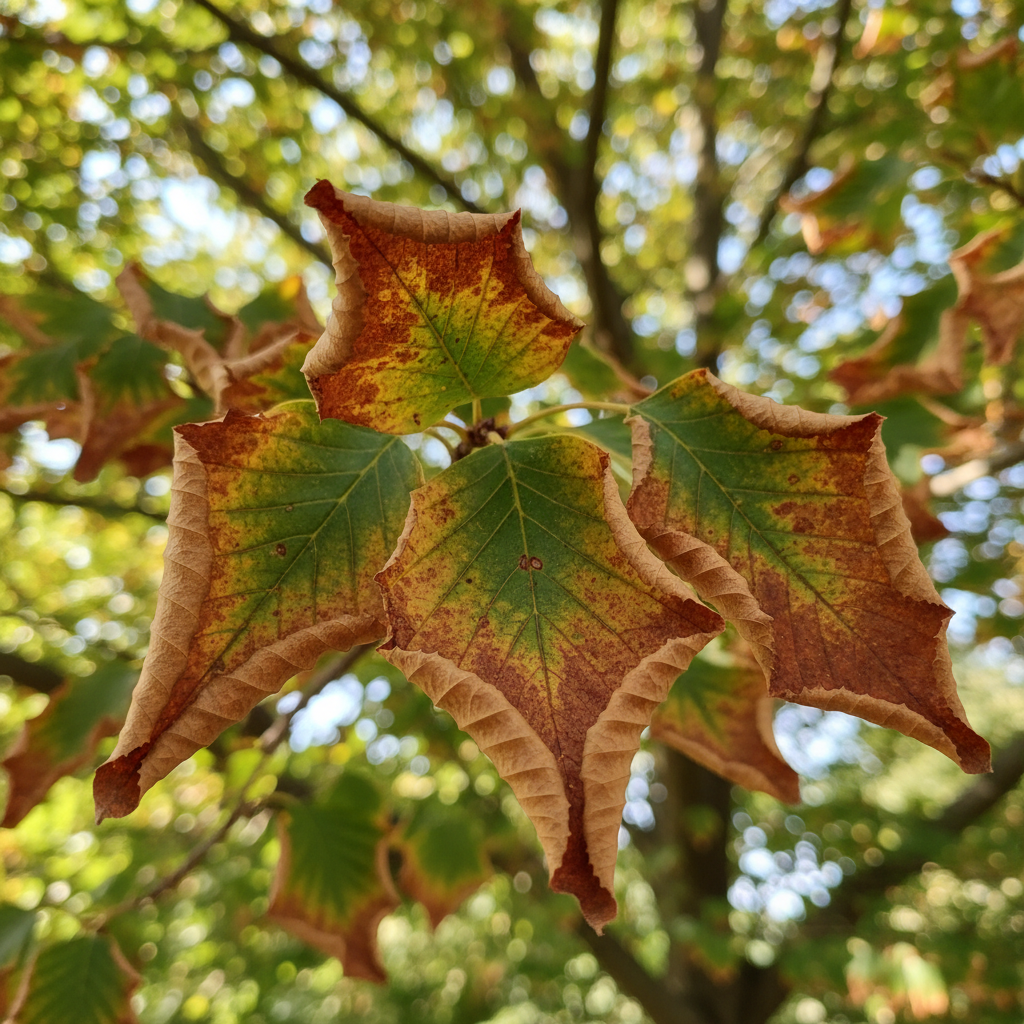
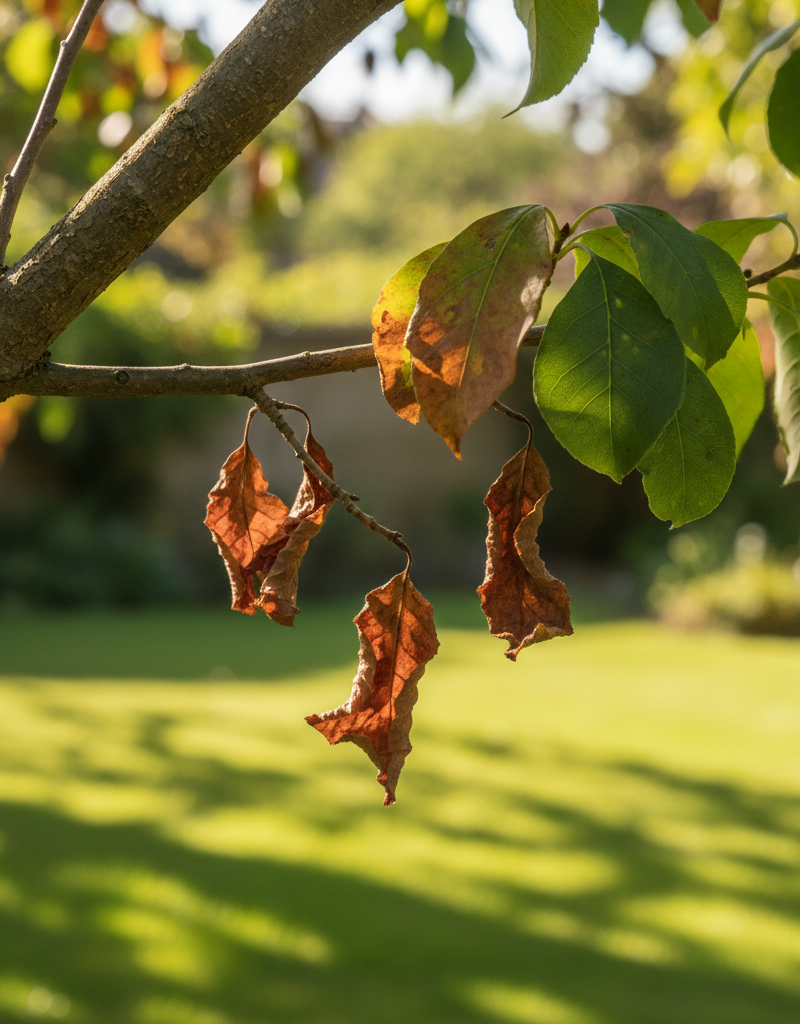
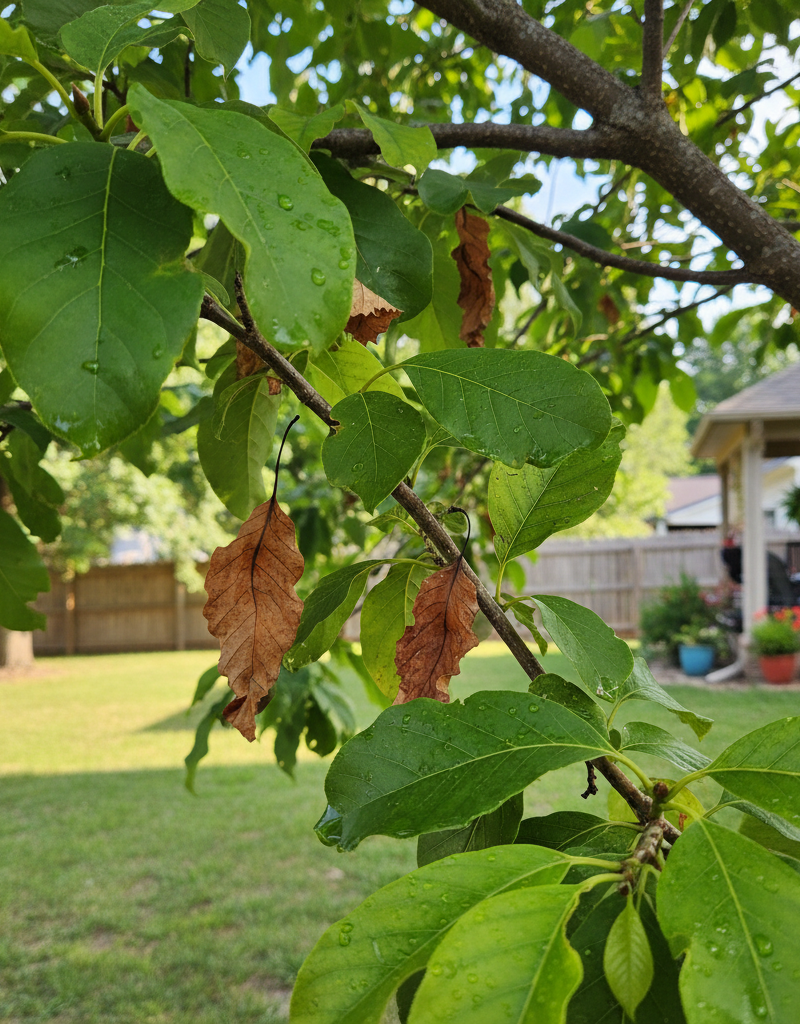
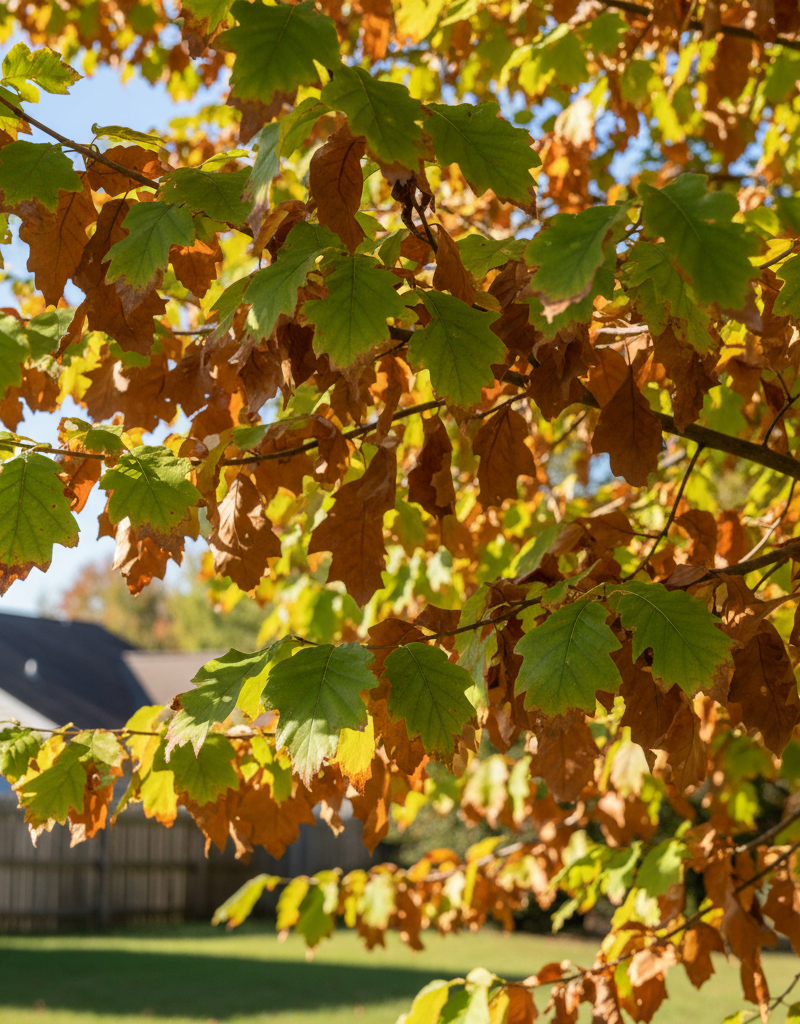
Brown tree leaves are a common and distressing sight for any homeowner, often signaling that a tree is under significant stress. While many immediately jump to drought as the primary culprit, the reality is far more complex. Overwatering, nutrient deficiencies, pest infestations, fungal or bacterial diseases, root damage, and even improper planting techniques can all manifest as browning foliage. Accurately diagnosing the underlying cause is crucial, as the wrong treatment can exacerbate the problem. This guide will walk you through the most common reasons your tree's leaves are turning brown and provide practical, step-by-step solutions to help you identify and address the issue, preserving your tree's health and vitality.
The Problem
Imagine looking out at your once vibrant shade tree, only to find its leaves crisping and turning an alarming shade of brown. This isn't just an aesthetic issue; it's your tree sending a distress signal. Healthy leaves are vital for photosynthesis, the process by which trees convert sunlight into energy. When leaves turn brown, it indicates that this critical process is being impaired, threatening the tree's overall health and long-term survival. Ignoring these signs can lead to weakened growth, increased susceptibility to other stressors, and in severe cases, the eventual death of the tree. The challenge lies in distinguishing between the various possible causes, as many share similar symptoms, making a proper diagnosis essential for effective intervention.
How It Works
Trees are complex organisms, and their leaves are a window into their internal health. Chlorophyll, the green pigment in leaves, is responsible for absorbing sunlight. When a tree is stressed, the production of chlorophyll decreases, and the green color fades, often revealing underlying yellow or brown pigments. This browning effect is essentially the leaf tissue dying. Water transport is fundamental to leaf health. Roots absorb water and dissolved nutrients from the soil, which are then transported upwards through the xylem vessels to the leaves. In the leaves, tiny pores called stomata regulate gas exchange and transpiration, releasing water vapor into the atmosphere. This continuous flow of water is essential for maintaining cell turgor and facilitating photosynthesis. When there's insufficient water (drought or root damage), or too much water (suffocation of roots), or when pests and diseases disrupt these vascular systems, the leaves are starved of the water and nutrients they need, leading to dehydration and eventual browning. Similarly, nutrient deficiencies directly impact chlorophyll production and cell function, causing discoloration and necrosis. Understanding this delicate balance of water, nutrients, and healthy vascular systems is key to diagnosing why your tree's leaves are failing.
Step-by-Step Fix
1. Assess Watering Habits — Under or overwatering is often the issue.
First, check the soil moisture. Dig down 2-3 inches near the tree's drip line. Is it bone dry, or is it waterlogged and soggy? Many trees need about 1 inch of water per week, either from rain or irrigation, especially during dry spells. Overwatering can be just as detrimental as underwatering, as it suffocates roots by displacing oxygen in the soil.
- If dry: Implement deep, slow watering. Use a soaker hose or let a regular hose trickle at the tree's base for several hours, allowing water to penetrate 12-18 inches deep. Do this once or twice a week, depending on temperature and rainfall.
- If soggy: Stop watering immediately. Improve drainage if possible (though this can be difficult for established trees). Consider a moisture meter to guide future watering. Ensure proper irrigation scheduling to avoid saturation.
2. Perform a Root Zone Inspection — Check for root girdling or damage.
Carefully excavate a small area around the tree's base, near the trunk, to expose the top few inches of roots. Look for roots that are circling the trunk or other main roots (girdling roots), which can choke off water and nutrient flow. Also, look for signs of physical damage from lawnmowers, construction, or digging.
- Girdling roots: If you find girdling roots, carefully prune them using sharp bypass pruners or a root saw. Make clean cuts and remove only the offending roots. This is best done in late winter or early spring.
- Physical damage: For minor bark damage, prune back jagged edges. For significant root damage, consult an arborist. Avoid future damage by creating a mulch ring around the tree's base.
3. Examine for Pests and Diseases — Look closely for specific symptoms.
Inspect both the top and underside of leaves, as well as branches and the trunk, for signs of insect activity or disease. Look for small insects, webs, sticky residue (honeydew), chewed leaves, discolored spots, cankers, or powdery mildew. Use a magnifying glass if necessary.
- Pests: Identify the specific pest if possible. Common culprits include aphids, spider mites, borers, and scale. For minor infestations, a strong blast of water or insecticidal soap can be effective. For severe cases, consider specific organic pesticides or consult an arborist.
- Diseases: Funguses and bacteria cause various leaf spots, blights, and wilts. Remove infected leaves or branches if the disease is localized. Improve air circulation. For serious systemic diseases, professional treatment may be required. Accurate diagnosis is crucial before applying fungicides.
4. Test Your Soil's pH and Nutrients — Imbalances can inhibit nutrient uptake.
Purchase a soil testing kit from a garden center or send a sample to your local extension office for a comprehensive analysis. This will reveal your soil's pH level and nutrient composition. Most trees prefer slightly acidic to neutral soil (pH 6.0-7.0).
- Nutrient deficiency: The soil test will indicate which nutrients are lacking. Amend the soil with appropriate fertilizers, compost, or specific micronutrient supplements. Follow product instructions carefully to avoid over-fertilization.
- Incorrect pH: If the pH is too high or too low, certain nutrients become unavailable to the tree. Amend acidic soil with lime or alkaline soil with elemental sulfur, following soil test recommendations.
5. Review Planting Depth and Location — Improper planting causes long-term stress.
Ensure the tree was planted at the correct depth. The root flare (where the trunk visibly widens at the base) should be at or slightly above ground level. Planting too deep can suffocate roots. Also, consider the tree's sun exposure and proximity to concrete or other plants.
- Too deep: Gently remove excess soil from around the trunk until the root flare is exposed. For severely deeply planted trees, professional root collar excavation may be necessary.
- Environmental stress: If the tree is in heavy shade or receives too much reflected heat, consider whether it's the right tree for that location. Prune competing vegetation if necessary.
6. Consider Environmental Stressors — Extreme weather and salt can cause browning.
Reflect on recent weather patterns: heatwaves, late frosts, strong winds, or sudden temperature drops. Also, consider exposure to de-icing salts from roads or sidewalks, which can burn roots and foliage.
- Weather damage: Provide extra water during heatwaves. For frost protection, cover young trees. Prune dead or damaged branches. Unfortunately, some weather damage is unavoidable.
- Salt damage: Flush the soil around affected trees with copious amounts of water in spring to leach out salts. Create barriers to prevent salt spray from reaching the tree in winter.
Common Causes
- Drought: Insufficient water supply, especially during hot, dry periods, starves leaves of essential moisture. The tree attempts to conserve water by shedding leaves or browning foliage.
- Overwatering/Poor Drainage: Excess water suffocates roots by displacing oxygen in the soil, leading to root rot and an inability to absorb water, ironically mimicking drought symptoms.
- Nutrient Deficiencies: Lack of essential macro or micronutrients (e.g., iron, magnesium, nitrogen, potassium) impairs chlorophyll production and overall leaf health, causing discoloration and browning.
- Pest Infestations: Sucking insects (aphids, mites, scale) drain sap, while boring insects damage vascular tissue, disrupting water and nutrient transport, leading to wilting and browning.
- Fungal/Bacterial Diseases: Pathogens like anthracnose, blights, cankers, or root rot directly attack leaf tissue, vascular systems, or roots, causing necrosis and browning.
- Root Damage/Girdling Roots: Physical damage from construction, digging, or roots growing around the trunk (girdling) restricts water and nutrient flow to the canopy.
- Transplant Shock: Recently planted trees struggle to establish roots, leading to temporary stress and leaf browning, especially if not adequately watered.
- Chemical Exposure: Herbicides, de-icing salts, or excessive fertilizer application can burn foliage and roots.
- Environmental Extremes: Late frosts, heat stress, strong winds, or sudden temperature fluctuations can damage tender leaf tissue.
Common Mistakes
- Assuming it's always drought: Many homeowners immediately assume browning leaves mean the tree needs more water, when overwatering or root rot might be the actual problem, leading to further damage.
- Over-fertilizing without a soil test: Applying fertilizer blindly can lead to nutrient imbalances, chemical burn, or runoff, harming the tree and the environment. Always test first.
- Ignoring pest identification: Spraying broad-spectrum pesticides without knowing the specific pest can harm beneficial insects, exacerbate mite problems, and often be ineffective. Identify before you treat.
- Planting too deep: Burying the root flare below soil level is a common mistake that leads to root suffocation and girdling roots, causing long-term decline and browning.
- Not checking the soil moisture properly: A quick glance at the surface isn't enough. Always dig down several inches or use a moisture meter to assess actual soil dampness near the root zone.
- Pruning indiscriminately: Removing too much live foliage (more than 25% in a year) or pruning at the wrong time can stress the tree further and make it more susceptible to disease.
Cost & Time Breakdown
| Task | DIY Cost | Pro Cost | Time |
|---|---|---|---|
| Soil Moisture Assessment | $0 (DIY) | $0 (Part of consult) | 5–10 minutes |
| Soil Test | $15–$30 | $100–$200 | 30 minutes (sampling) |
| Watering (if dry) | $0–$10 (Water) | N/A | 1–4 hours (per session) |
| Girdling Root Pruning | $0–$20 (Tools) | $300–$800+ | 30–60 minutes (if minor) |
| Pest/Disease Treatment | $15–$50 | $200–$500+ | 30–60 minutes (per session) |
| Nutrient Amendments | $20–$60 | N/A | 15–30 minutes |
| Professional Arborist Consult | N/A | $75–$250 | 1–2 hours |
Tips & Prevention
- Regular Soil Moisture Checks: Don't just water on a schedule. Feel the soil. Water deeply when the top 2-3 inches are dry, ensuring the water penetrates 12-18 inches down.
- Mulch Properly: Apply a 2-4 inch layer of organic mulch (wood chips, shredded bark) in a 2-3 foot radius around the tree's base, keeping it a few inches away from the trunk. This conserves moisture, moderates soil temperature, and suppresses weeds.
- Planting Depth is Key: Always ensure the root flare is at or slightly above ground level when planting. Correcting this early can prevent many future problems.
- Annual Tree Inspection: Regularly inspect your trees for early signs of stress, pests, nutrient deficiencies (yellowing, stunted growth), or disease. Early detection is crucial for effective treatment.
- Balanced Nutrition: Consider a soil test every 3-5 years to monitor nutrient levels and pH. Amend as recommended, preferring slow-release organic options.
- Protect from Damage: Use lawnmower guards and avoid digging too close to the tree's drip line. Protect young trees from rodent or deer damage with guards if necessary.
When to Call a Professional
While many minor issues causing brown leaves can be remedied by the homeowner, certain situations warrant calling a licensed arborist. If the browning is widespread, affecting more than 25% of the canopy, or if multiple branches are dying back rapidly, professional intervention is advised. Signs like large cankers, significant oozing from the trunk, extensive insect boring holes, or rapidly progressing wilting (especially in mature trees) indicate a potentially serious medical condition requiring expert diagnosis and treatment. Additionally, if you suspect root damage from construction, or if the tree is large and requires specialized equipment for root excavation or pruning, a professional arborist has the knowledge, tools, and insurance to safely and effectively address the issue without causing further harm to your tree or property.
Related Articles
Keep troubleshooting with these hand-picked guides from FixlyGuide:
- The 3 Hidden Reasons Your Tree Leaves Turn Brown (and the Easy Fixes) — Discover the often-overlooked environmental stressors and specific diseases that cause tree leaves to brown, and learn simple, actionable s…
- The #1 Summer Lawn Mistake Turning Your Grass Yellow (It's Not Overwatering) — Discover the most common, often overlooked reason your summer lawn is turning yellow despite your best efforts, and learn how to fix it.
- The #1 Mistake Killing Your Tree's Leaves (and How to Spot the Real Cause) — Brown tree leaves are a distress signal, often pointing to solvable issues like improper watering, nutrient deficiencies, or pest infestati…
- The #1 Mistake Turning Your Healthy Lawn Brown After Watering — Discover the hidden culprit behind brown spots appearing in your lawn immediately after watering and learn how to correct this common mista…
- The #1 Mistake Killing Your Summer Lawn (It's Not What You Think) — Uncover the surprising truth behind your yellow summer lawn and learn how to fix the most common, yet overlooked, culprit: overwatering.
- The Secret to Lush Raised Beds? It's Not Just About How You Water — Smart irrigation for raised garden beds isn't just about automation; it's about delivering the right amount of water precisely when your pl…
Frequently asked questions
What does it mean when tree leaves turn brown?+
Brown tree leaves typically indicate that the leaf tissue is dying, often due to a lack of water reaching the leaves or other stresses. This can be caused by underwatering, overwatering (leading to root rot), nutrient deficiencies, pest infestations, diseases, or root damage.
Can brown tree leaves turn green again?+
Once a leaf has turned completely brown and crisp, it generally cannot revert to green. However, if the underlying issue causing the browning is identified and corrected, the tree can produce new, healthy green leaves in subsequent growing seasons. Early intervention is key to preventing further leaf loss and promoting recovery.
How often should I water a tree with brown leaves?+
The watering frequency for a tree with brown leaves depends on the specific cause of the browning. If it's due to drought, deep watering once or twice a week until the soil is moist 12-18 inches deep is recommended. If overwatering is the cause, stop watering and allow the soil to dry out significantly before resuming a more appropriate schedule. Always check soil moisture before watering.
Should I remove brown leaves from my tree?+
For minor browning, especially if individual leaves or small branches are affected, removing the brown leaves or pruning dead branches can be beneficial to clean up the tree and prevent the spread of some diseases. However, if the browning is widespread, removing too many leaves can further stress the tree. Focus on addressing the root cause rather than just trimming symptoms.
Can pests cause tree leaves to turn brown?+
Yes, various pests can cause tree leaves to turn brown. Sucking insects like spider mites, aphids, or scale can drain the sap from leaves, leading to wilting and browning. Borers damage the tree's vascular system, disrupting water and nutrient flow to the branches and leaves, causing them to brown and die.
Discussion
Loading comments…