Tools & materials you'll need
Affiliate links- AmazonScrewdriver setPhillips and flathead
- AmazonNeedle-nose pliers
- AmazonBent coat hangerOptional, for improvising a hook
- AmazonHair snare or plastic drain snakeDisposable, barbed plastic strip
- AmazonLarge potFor boiling water
- AmazonCup-style plungerSpecifically for drains
- AmazonHandheld drain auger (snake)1/4-inch by 25-foot recommended
As an Amazon Associate FixlyGuide earns from qualifying purchases — at no extra cost to you. Prices and availability are accurate as of publication and subject to change.
Quick Answer
A slow shower drain is almost always caused by a clog made up of entangled hair, solidified soap scum, and body oils. Instead of harsh chemical drain cleaners, which can damage pipes and aren't always effective, the best DIY approach involves physically removing the blockage. Common methods include using needle-nose pliers or a drain snake to pull out stubborn hair masses, or a wet/dry vac for suction. Following up with hot water and dish soap can help dissolve any remaining greasy residue, restoring proper drainage.
The Problem
There's nothing more frustrating than stepping into a shower only to find yourself standing in ankle-deep water a minute later. A slow-draining shower isn't just an inconvenience; it's a clear signal that something is obstructing the flow within your drainpipe. Most homeowners immediately think of liquid drain cleaners, but these often contain highly corrosive chemicals that can harm your plumbing, especially older PVC or metal pipes, and are rarely a permanent solution for hair-based clogs. Furthermore, if the chemical doesn't clear the clog, you're left with standing caustic water that makes the situation much more hazardous to resolve manually. The real problem is a persistent, tangible blockage, typically a tangled mass of hair, skin flakes, soap scum, and conditioner residue, that needs to be physically removed.
How It Works
Your shower drain operates on a simple principle: gravity. Water enters the drain opening, flows down a short vertical pipe called the 'drain tailpiece,' and then usually encounters a P-trap. The P-trap is a U-shaped section of pipe designed to hold a small amount of water, creating a barrier that prevents sewer gases from entering your home. After the P-trap, the wastewater continues down the main drainpipe, which is pitched at a slight angle to ensure continuous flow towards the main sewer line or septic system.
Clogs typically form in two primary locations: directly at the drain opening, often caught by the crosshairs of a strainer, or within the P-trap. Hair is the main culprit, as it easily snags on any rough edges or existing debris, creating a mesh-like structure. Soap scum, which is the result of minerals in hard water reacting with fatty acids in soap, adds to this, creating a sticky, greasy matrix that traps more hair and debris. Over time, this mixture can harden into a formidable blockage. When the flow is restricted, water backs up, leading to slow drainage. The diameter of most shower drainpipes is relatively small, often 1.5 to 2 inches, making them particularly susceptible to these types of organic buildups. Understanding this mechanical process is key to tackling the clog effectively, by physically dislodging or removing the accumulated debris at its source.
Step-by-Step Fix
1. Prepare Your Work Area – Protect your bathroom and yourself.
Before you begin, put on a pair of rubber gloves and lay down old towels around the shower drain. This will protect your bathroom floor from any dirty water or debris that might come out of the drain. Ensure adequate ventilation by opening a window or turning on the bathroom fan.
2. Remove the Drain Cover – Access the immediate clog.
Most shower drain covers are either screw-in or pop-off. For screw-in covers, use a screwdriver (Phillips or flathead, depending on the screw type) to remove the screws. For pop-off covers, you might need a flathead screwdriver or putty knife to gently pry it up. Be careful not to scratch the shower pan. Once removed, set the cover aside, noting any orientation.
3. Extract Visible Hair and Debris – The first line of attack.
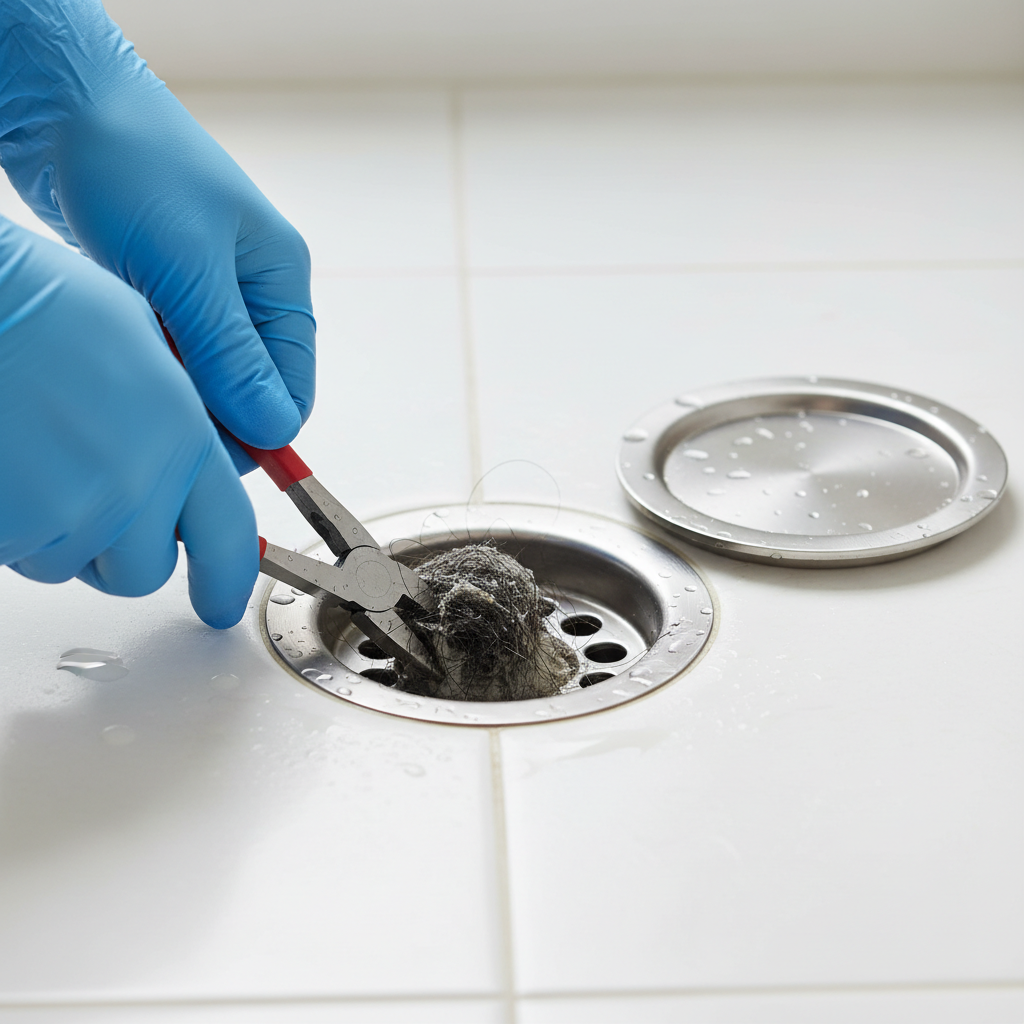
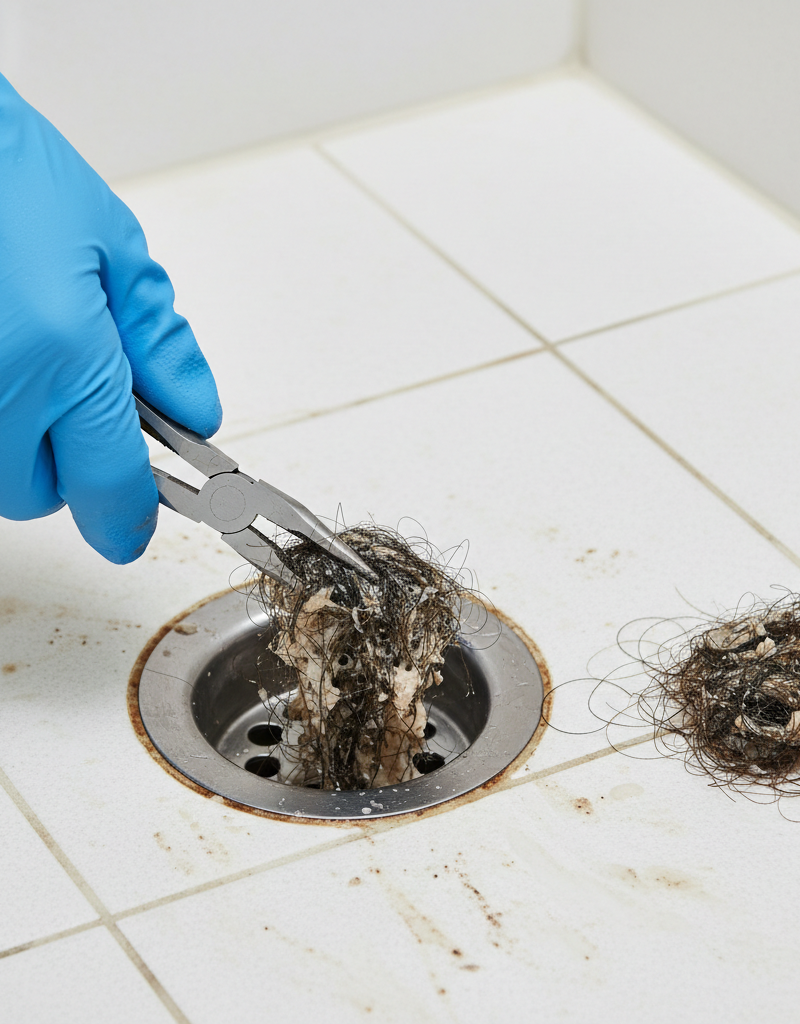
With the drain cover off, you'll likely see a matted mess of hair and soap scum just below the surface. Use needle-nose pliers or tweezers to grab and pull out as much of this visible debris as possible. A bent coat hanger with a small hook at the end can also work wonders for snagging hair just out of reach. Discard the gunk directly into a trash can, not the toilet.
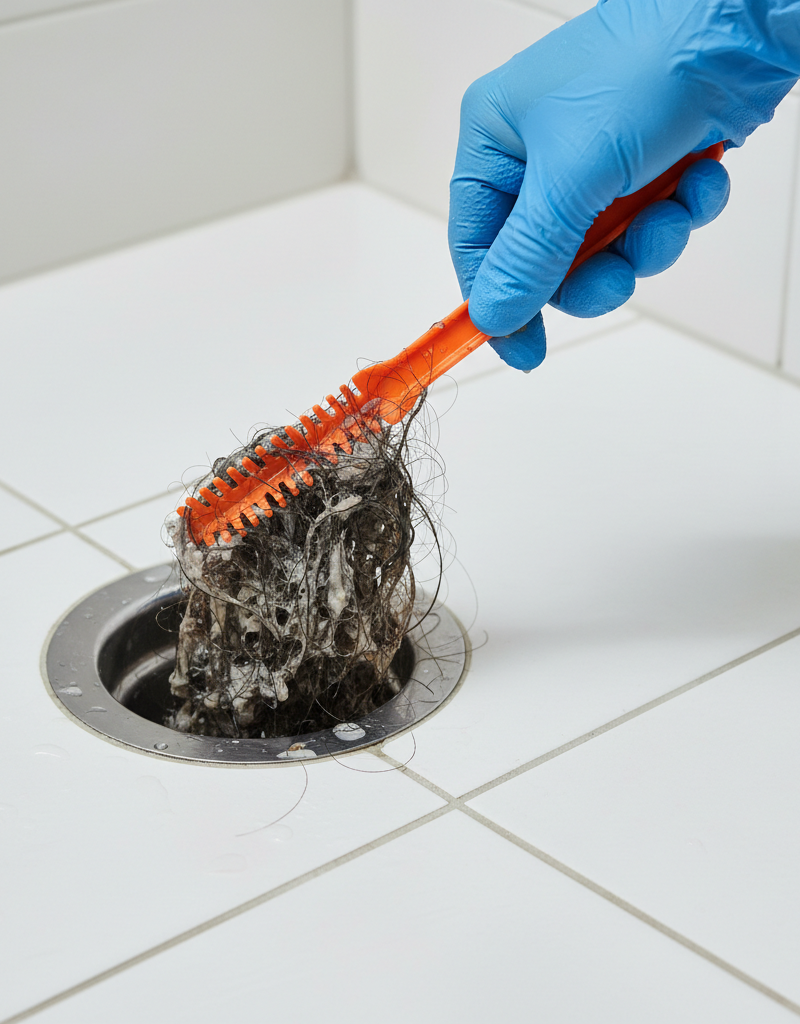
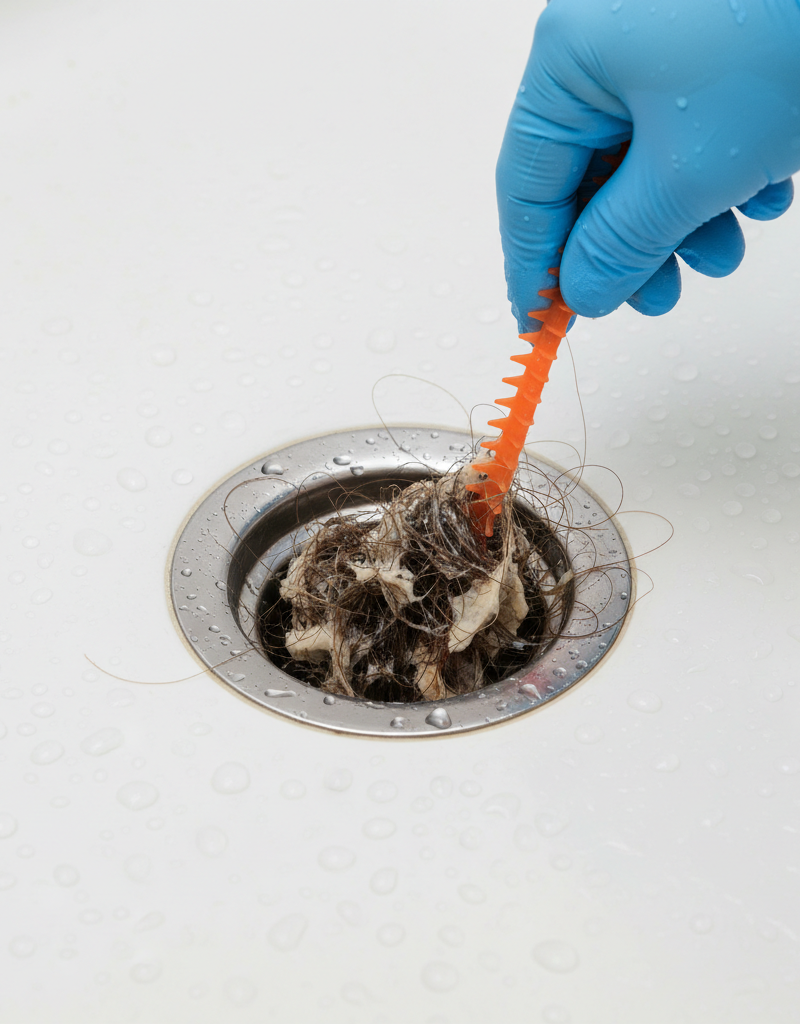
- If you have a hair snare or plastic drain snake, insert it into the drain and twist it around, pulling it out gently to remove more hair. Repeat several times until no more debris comes out.
4. Try the Boiling Water Flush – Break down grease and soap scum.
Boil a large pot of water (about 1 gallon). Carefully pour the boiling water directly down the drain in two or three stages, waiting a few seconds between each pour. This can help melt and flush away greasy residue and soap scum. Do NOT use boiling water if you have PVC pipes and have recently used chemical drain cleaners, as this can release noxious fumes or damage pipes.
- If the water doesn't drain immediately, wait 10-15 minutes and try again. Sometimes the hot water needs time to work on the blockage.
5. Apply a Dish Soap and Hot Water Solution – Lubricate the clog.
If boiling water alone isn't enough, pour 1/2 cup of liquid dish soap (like Dawn) down the drain, followed by another pot of very hot, but not necessarily boiling, water. The dish soap acts as a lubricant, helping to break up and dislodge greasy buildup and allow the clog to slide through the pipes. Let it sit for 20-30 minutes, then flush with more hot water.
- This method is particularly effective for clogs with a high soap scum or grease component.
6. Use a Plunger Effectively – Create hydraulic pressure.
Place a cup-style plunger over the drain, ensuring it creates a tight seal. Fill the shower base with an inch or two of water to ensure the plunger is submerged. Pump the plunger vigorously 10-15 times, then quickly pull it up. The alternating pressure can often dislodge clogs further down the pipe. Repeat this process several times if necessary. If the shower has an overflow plate, seal it with a damp cloth to prevent air loss and maximize suction.
- If the plunger is not effective, the clog might be too dense or too far down the pipe.
7. Utilize a Handheld Drain Snake (Auger) – Reach deeper obstructions.
For stubborn clogs beyond the P-trap, a handheld drain snake is your best bet. Feed the snake slowly into the drain opening, pushing it until you feel resistance. Once you hit the clog, crank the handle clockwise to allow the auger head to grab onto the debris. Slowly pull the snake back out, hopefully bringing the clog with it. You may need to repeat this process several times to fully clear the blockage. Most shower drain snakes are flexible enough to navigate the P-trap.
- Safety Note: Avoid forcing the snake, as it can scratch or damage the inside of your pipes. Always wear gloves.
- If you encounter severe resistance and cannot advance the snake, do not force it. The clog may be an obstruction that requires professional tools.
8. Employ a Wet/Dry Vacuum – Powerful suction for tough clogs.
If other methods fail, a wet/dry vac can provide significant suction. Seal the drain opening as airtight as possible around the vacuum hose (you can use old towels or duct tape). Set the vacuum to its wet setting and turn it on to the highest power. The powerful suction can often pull out the clog or break it apart. Be prepared for potentially dirty water and debris to be sucked into the vacuum. Ensure the vacuum is rated for wet use.
- This method is particularly effective for clogs that are resisting other physical removal attempts.
9. Reassemble and Test – Confirm your success.
Once you believe the clog is cleared, run hot water from the shower for several minutes to flush away any remaining debris. Observe if the water drains freely and quickly. If so, clean the drain cover and replace it. If the drain is still slow, you may need to repeat some steps or consider a more advanced solution.
Common Causes
- Hair Accumulation: By far the most common culprit. Human and pet hair easily intertwines and sticks to pipe walls, forming a net that catches other debris.
- Soap Scum Buildup: The reaction of minerals in hard water with fatty acids in soap creates a sticky residue. This scum adheres to pipes and traps hair and other particles, contributing significantly to clog formation.
- Oil and Grease: Shampoos, conditioners, body washes, and shaving creams often contain oils that, when washed down the drain, can solidify and accumulate on pipe walls, especially when they cool.
- Mineral Deposits: In areas with very hard water, mineral deposits (limescale) can build up inside pipes, narrowing the opening and providing rough surfaces for clogs to form.
- Small Objects: Less common in showers than sinks, but occasionally small items like plastic fragments from bottles, bits of loofah, or even jewelry can accidentally fall into the drain and create an obstruction point.
- Pipe Degradation: Older pipes, especially cast iron, can corrode and become rough on the inside, providing more surfaces for hair and grime to latch onto. Cracked or broken pipes can also snag debris.
Common Mistakes
- Pouring Chemicals Down the Drain: This is the biggest mistake. Chemical drain cleaners can corrode pipes, especially older ones, and leave a dangerous, caustic standing water situation if the clog isn't cleared. They rarely solve the root problem of hair clogs.
- Ignoring a Slow Drain: Waiting until the drain is completely blocked makes the problem much harder to resolve. Address slow drainage as soon as you notice it to prevent more extensive clogs.
- Not Removing the Drain Cover First: Many DIYers try to plunge or pour solutions directly over the drain cover. Removing it allows for direct access to the initial clog and better tool insertion.
- Using Too Much Force with a Drain Snake: Aggressively pushing a snake can damage pipes, especially PVC. It's better to twist and gently maneuver the snake to engage the clog.
- Only Using Hot Water: While hot water is helpful for soap scum, it often isn't enough on its own to break down a dense hair clog. It needs to be combined with physical extraction or a lubricating agent like dish soap.
- Not Sealing a Plunger Properly: A loose seal prevents the plunger from creating the necessary hydraulic pressure to dislodge the clog. Ensure the plunger fully covers the drain opening and there's enough water to submerge its cup.
Cost & Time Breakdown
| Task | DIY cost | Pro cost | Time (DIY) |
|---|---|---|---|
| Drain cover removal | $0 | Included | 5-10 minutes |
| Visible clog extraction | $0–$15 | Included | 15-30 minutes |
| Hot water/soap flush | $0–$5 | Included | 30-60 minutes |
| Plunging | $0–$25 | Included | 15-30 minutes |
| Drain snaking | $10–$30 | Included | 30-90 minutes |
| Wet/dry vac use | $0–$100 (rental/purchase) | Included | 30-60 minutes |
Tips & Prevention
- Install a Hair Catcher: The simplest and most effective preventative measure. A good quality hair catcher or drain screen will prevent most hair from going down the drain in the first place. Clean it after every shower.
- Monthly Hot Water Flush: Once a month, pour a pot of boiling hot water down the drain to help melt away any nascent soap scum and oil buildup before it can form a significant clog.
- Baking Soda and Vinegar (Maintenance, not Clog Removal): For ongoing maintenance (not for a full clog), pour 1/2 cup of baking soda down the drain, followed by 1/2 cup of white vinegar. Let it sit for 30 minutes, then flush with hot water. The fizzing action can help dislodge minor buildup. Do not use this immediately after chemicals.
- Limit Greasy Products: Be mindful of products like heavy conditioners or oily body washes that can contribute to buildup. Rinse them thoroughly.
- Regular Cleaning: Periodically clean around and just inside the drain opening with a stiff brush to remove any accumulating gunk.
- Hard Water Treatment: If you have exceptionally hard water, consider a whole-house water softener to reduce mineral buildup in your pipes and fixtures.
When to Call a Professional
While many shower clogs are DIY-friendly, there are clear signs that it's time to call a licensed plumber. If you've tried all the chemical-free methods mentioned above and the drain is still slow or completely blocked, the clog might be deeper in your plumbing system, potentially beyond the P-trap in the main branch line. Similarly, if you notice multiple drains in your home (e.g., a sink in the same bathroom or a nearby toilet) are also draining slowly or backing up, this often indicates a more significant blockage in a shared main drain line. Gurgling sounds coming from other drains when the shower is used can also point to a main line issue. Furthermore, if you suspect a broken pipe or if water is backing up into other fixtures, do not delay in calling a professional. A professional plumber has specialized tools like camera inspections to pinpoint the exact location and nature of the clog, and powerful augers to clear even the most stubborn obstructions without damaging your pipes. They can diagnose and repair underlying plumbing issues, ensuring a long-term solution. Attempting to force tools into a deeper, unknown clog can permanently damage your plumbing system, leading to much more expensive repairs.
Related Articles
Keep troubleshooting with these hand-picked guides from FixlyGuide:
- The #1 Mistake Homeowners Make Unclogging a Shower Drain (and 5 Better Fixes) — Shower drains get clogged with hair and soap scum, but harsh chemicals often worsen the problem; learn safe, effective DIY methods.
- The 5-Minute Trick to Clear Any Shower Drain Clog (Without Nasty Chemicals) — Learn how to quickly and safely clear a shower drain clog using simple tools and techniques, avoiding harsh chemical drain cleaners.
- The #1 Mistake Homeowners Make with a Slow Kitchen Drain (and the Real Fix) — Before you reach for harsh chemicals, learn the right way to fix a slow kitchen sink drain and prevent future clogs.
- The 90-Second Trick to Unclogging Any Shower Drain (No Chemicals Needed) — Learn how to quickly and safely clear a clogged shower drain using simple tools and household items, avoiding harsh chemicals.
- The #1 Mistake Homeowners Make When Their Kitchen Sink Drains Slowly — A slow draining kitchen sink is a common problem, often caused by grease and food buildup, but many homeowners make a crucial mistake attem…
- The 3 Hidden Reasons Your Gutters Fail in Heavy Rain (It’s Not Just Leaves) — Overflowing gutters during heavy rain often stem from a few common, yet overlooked, issues beyond simple leaf clogs, leading to potential s…
Frequently asked questions
Why shouldn't I use chemical drain cleaner for a shower clog?+
Chemical drain cleaners can damage your pipes, especially older ones, and are often ineffective against hair clogs. They can also create hazardous fumes and leave noxious standing water if the clog doesn't clear, making manual removal much more dangerous.
What's the most common cause of a slow shower drain?+
The vast majority of slow shower drains are caused by a buildup of hair, soap scum, and body oils that combine to form a dense, sticky blockage within the drainpipe or P-trap.
Can a wet/dry vac really clear a drain clog?+
Yes, a wet/dry vacuum, when properly sealed over the drain, can create powerful suction that often pulls out stubborn clogs or breaks them apart. Ensure your vacuum is rated for wet use before attempting this.
How can I prevent shower clogs in the future?+
The most effective prevention methods include installing a hair catcher over the drain, regularly flushing the drain with very hot water, and performing occasional maintenance flushes with baking soda and vinegar. Clean your hair catcher after every shower.
Discussion
Loading comments…