Tools & materials you'll need
Affiliate linksAs an Amazon Associate FixlyGuide earns from qualifying purchases — at no extra cost to you. Prices and availability are accurate as of publication and subject to change.
Quick Answer
When your air conditioner leaks water or struggles to cool effectively, a clogged condensate drain line is often the silent perpetrator. This common issue arises from an accumulation of algae, mold, and sludge that prevents the water extracted from your home's air from draining away. The good news is that clearing a typical AC drain line clog is a straightforward DIY task that can save you from expensive repairs and prevent significant water damage to your home, usually requiring only a few basic tools and a bit of your time.
The Problem
You see a puddle near your indoor AC unit, or perhaps water stains are appearing on your ceiling. Your air conditioning might not be cooling as effectively as it used to, or it seems to be running constantly without achieving the desired temperature. These are all classic symptoms of a clogged AC condensate drain line. As your AC system cools your home, it also dehumidifies the air. The moisture it removes condenses into water, which then drips into a collection pan and flows out through a PVC drain line, typically to a floor drain, outdoors, or into a utility sink. When this drain line becomes obstructed—most commonly by a slimy mixture of mold, algae, dust, and other airborne particles—the water has nowhere to go. It backs up in the condensate pan, eventually overflowing and leading to leaks that can damage ceilings, walls, and flooring. Persistent clogs also mean increased humidity in your home and a less efficient AC system, as the evaporator coil may not be able to shed its moisture properly.
How It Works
An air conditioning system works by circulating refrigerant between an indoor unit (evaporator) and an outdoor unit (condenser). Inside your home, the warm, humid air is drawn over the evaporator coil. The refrigerant inside this coil is very cold, absorbing heat from the air and cooling it down. As the air cools, its moisture content condenses into liquid water, much like the condensation on a cold glass of water on a hot day. This condensate then drips into a sloped collection pan, often called the condensate pan or drip pan, located directly beneath the evaporator coil. From the condensate pan, the water flows by gravity into a PVC or copper drain line, which carries it out of your home. Many systems also include a float switch in the condensate pan or drain line. This safety device is designed to detect rising water levels caused by a clog. If the water reaches a certain height, the float switch will shut off the AC compressor to prevent overflow and water damage. Understanding this simple gravity-fed system is key to diagnosing and fixing a clog: if the water isn't flowing downhill, something is blocking its path.
Step-by-Step Fix
1. Safety First — *Turn off your AC unit at the thermostat and the breaker.
Before you begin any work on your AC system, always ensure the power is completely off. Go to your thermostat and set the system to "Off." Then, locate your home's main electrical panel and switch off the breaker that controls your AC unit (often labeled "AC," "Furnace," or "Air Handler"). This prevents accidental startup and reduces the risk of electrical shock.
2. Locate the Condensate Drain Line — *Find the PVC pipe near your indoor unit.
The condensate drain line is typically a 3/4-inch to 1-inch diameter PVC pipe, usually white or off-white, emerging from the side of your indoor AC unit (air handler or furnace). It often runs horizontally for a short distance before turning downwards, leading to an outdoor drain, a utility sink, or a floor drain. Look for a small cap or a T-shaped vent in the line. * If you see water overflowing: The condensate pan, located directly underneath the evaporator coil, will likely be full of standing water. This confirms a clog.
3. Clear Standing Water (If Present) — *Remove excess water from the condensate pan.
If the condensate pan is full, use a wet/dry shop vacuum to carefully suck out the standing water. If you don't have a shop vac, you can use towels and buckets, but be extremely careful not to damage any components inside the unit. Removing this water will prevent further spills during the clearing process.
4. Access the Drain Line — *Open the access point, typically a T-shaped vent.
Most AC drain lines have a T-shaped PVC vent or a small removable cap near the indoor unit. This opening is for maintenance and allows you to pour cleaning solutions or apply suction. Carefully remove the cap or unscrew the vent cover. You may see standing water or sludge here, confirming the clog.
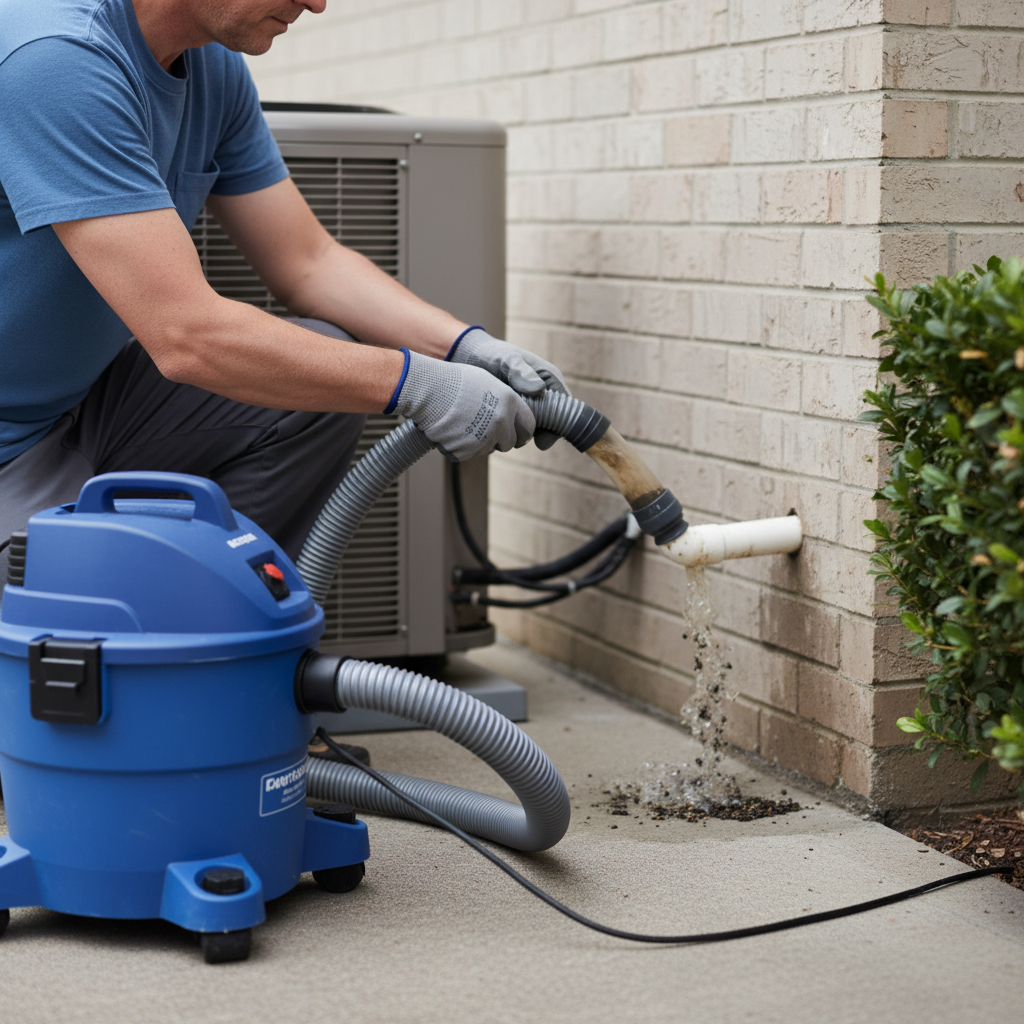
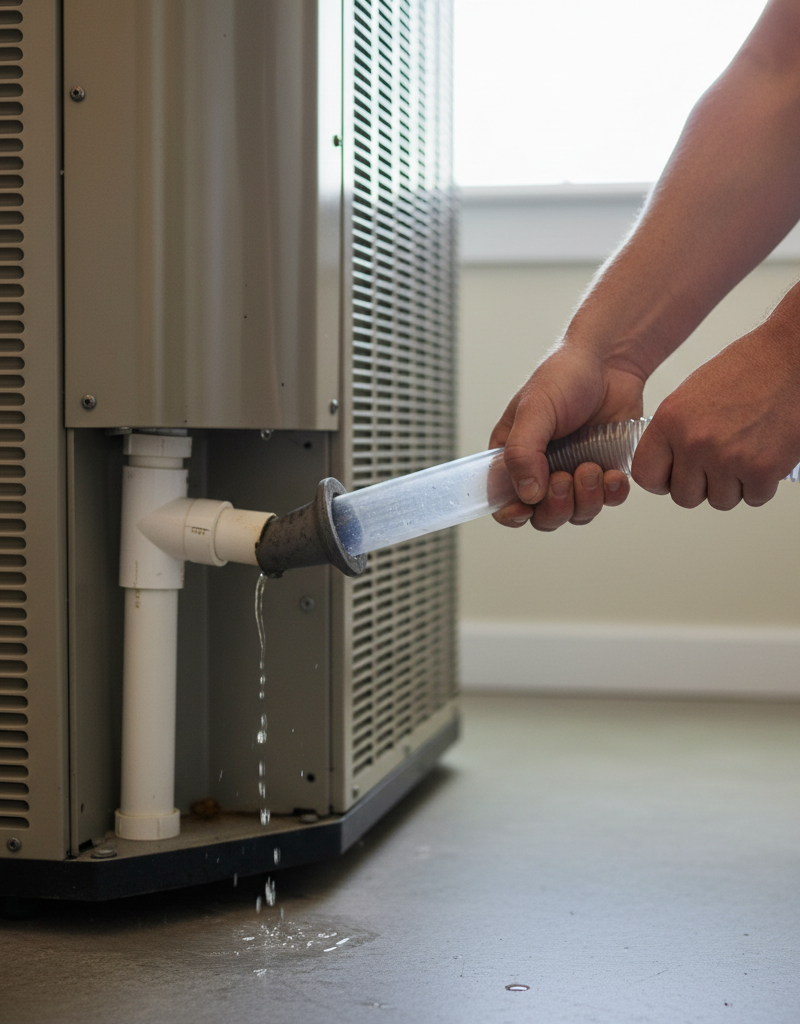
5. Apply Suction with a Wet/Dry Vac — *Attach the vac to the outdoor end of the drain line.
Go to the outdoor exit point of your AC drain line. This is usually a small PVC pipe sticking out of your home's exterior wall or foundation, often near the outdoor condenser unit. Position the hose of a wet/dry shop vacuum tightly over the end of the drain line, creating a strong seal. Turn on the shop vac for 2-3 minutes. This powerful suction will often pull out the clog. You'll likely hear gurgling and see a gush of dirty water and sludge enter the vacuum. * If you don't have a wet/dry vac: Try the pouring method (Step 6) first, but a shop vac is highly recommended for stubborn clogs.
6. Flush with Vinegar Solution — *Pour white vinegar into the indoor access point.
After applying suction, or if you don't have a shop vac, pour 1/4 cup of distilled white vinegar into the indoor access point (the T-vent or capped opening). Let it sit for 30 minutes to an hour. Vinegar is an effective, non-corrosive algaecide that can break down mold and algae. After it sits, slowly pour 1-2 gallons of warm (not hot) water into the same opening to flush the line thoroughly. * If water still backs up: The clog is persistent. Repeat the wet/dry vac method, then the vinegar/water flush. You might need to gently probe the line with a flexible brush (like a bottle brush) if accessible, but avoid forcing anything.
7. Reassemble and Test — *Replace caps/vents and restart your AC.
Once you believe the clog is cleared, replace any caps or vent covers you removed, ensuring a snug fit. Go back to your electrical panel and flip the AC breaker back on. Then, return to your thermostat and set your AC to "Cool" and a temperature lower than your current room temperature. Observe the system for the next few hours. Check the condensate pan to ensure it's draining properly and look for any signs of continued leakage. * Listen for proper drainage: You should hear water dripping and flowing out the exterior drain point after 15-30 minutes of operation.
8. If Still Clogged... — *Consider a professional or more aggressive methods.
If, after these steps, your AC is still leaking, the pan is overflowing, or the float switch is tripping, the clog might be deeper or more stubborn, or there could be another underlying issue. A specialized drain line cleaner designed for AC units (not harsh chemical drain cleaners for sinks) can be attempted, but use with caution. Alternatively, the line might be disconnected, damaged, or improperly sloped. It's time to call a professional HVAC technician.
Common Causes
- Algae and Mold Growth: The primary culprit. The dark, moist, and relatively warm environment of the condensate line is a perfect breeding ground for algae and mold spores, which form a slimy, tenacious blockage over time.
- Dust and Debris Accumulation: Airborne particles, pet dander, lint, and even small insects can get pulled into the system and mix with the condensate, contributing to the sludge that clogs the line.
- Improper Installation or Slope: If the condensate line isn't installed with a continuous downward slope (typically 1/8 to 1/4 inch per foot), water can collect and stagnate, accelerating the growth of biological contaminants and making it easier for clogs to form.
- Lack of Regular Maintenance: Skipping annual AC maintenance means these small accumulations aren't addressed, allowing minor buildup to become a full-blown blockage.
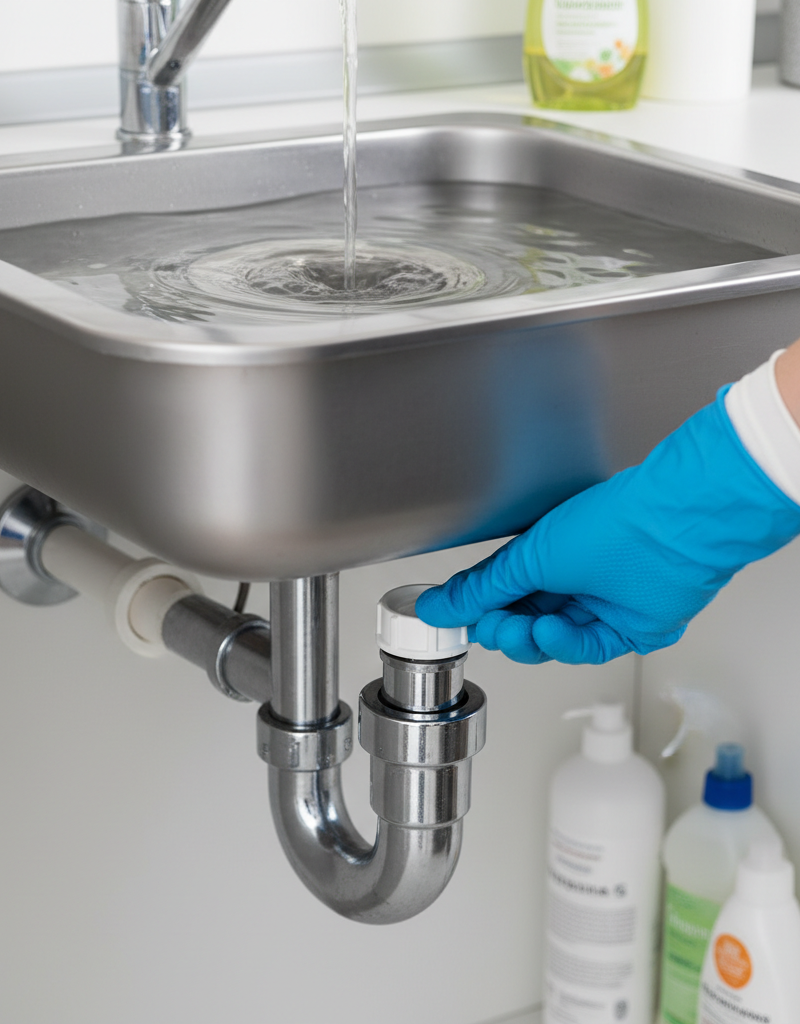
- P-Trap Issues: Many AC drain lines include a P-trap, similar to those found under sinks. If this trap dries out (more common in furnaces during heating season) or becomes overly sludged, it can contribute to blockages or prevent proper drainage.
Common Mistakes
- Using Harsh Chemical Drain Cleaners: Never pour chemical drain cleaners designed for sinks (e.g., Drano, Liquid Plumber) down your AC condensate line. These chemicals can be corrosive to the PVC pipe, damage the evaporator coil, and release toxic fumes into your home. Stick to vinegar or specialized AC drain cleaners.
- Ignoring the Float Switch: If your AC unit is shutting off periodically, it
Related Articles
Keep troubleshooting with these hand-picked guides from FixlyGuide:
- The #1 Mistake Homeowners Make When Their AC Drain Clogs (And The $5 Fix) — Discover the most common error homeowners make when tackling a clogged AC drain line and learn a simple, inexpensive solution to prevent co…
- The Secret Culprit Behind Your Leaking Washer (It's Not Always the Hose) — A washing machine leaking water from the bottom can often be traced to common, easily fixable issues like loose hoses or a clogged drain pu…
- The 3 Hidden Reasons Your Refrigerator Leaks Water (And How to Fix Them in 30 Minutes) — Discover the most common culprits behind a leaking refrigerator and learn how to diagnose and fix them quickly with this comprehensive guid…
- The One Trick to Silence a Humming Garbage Disposal (Without Calling a Plumber) — A humming garbage disposal is usually jammed. Learn how to quickly and safely clear the obstruction yourself with basic tools.
- The Secret Culprit Behind Your Slow Toilet Fill (It's Not Clogs!) — A slow-filling toilet tank is usually caused by issues with the fill valve, not clogs, affecting both water pressure and flush efficiency.…
- The #1 Reason Your AC Blows Warm Air (And It's Not What You Think) — A dirty air filter is often the overlooked culprit behind an air conditioner blowing warm air, hindering its ability to cool your home effi…
Frequently asked questions
How often should I clean my AC drain line?+
You should clean your AC condensate drain line at least once a year as part of your annual AC maintenance. If you live in a humid climate or have an older system prone to clogs, consider cleaning it every three to six months.
What happens if I don't clear a clogged AC drain line?+
Ignoring a clogged AC drain line can lead to several problems: water leaks that damage ceilings, walls, and flooring; mold and mildew growth; increased indoor humidity; reduced cooling efficiency; and potential damage to your AC unit's internal components if water backs up into electrical parts or freezes on the coil.
Can a clogged AC drain line cause my AC to stop working?+
Yes, many modern AC systems are equipped with a float switch in the condensate pan or drain line. If this switch detects a high water level due to a clog, it will automatically shut off the outdoor compressor to prevent overflow and water damage, effectively stopping your AC from cooling.
Can I use baking soda and vinegar to clear an AC drain line?+
Yes, a mixture of baking soda and vinegar can be used. Pour 1/4 cup of baking soda into the drain line, followed by 1/4 cup of distilled white vinegar. Let it fizz and sit for about 30 minutes, then flush with a gallon of warm water. The reaction can help break down light clogs.
Discussion
Loading comments…