Tools & materials you'll need
Affiliate linksAs an Amazon Associate FixlyGuide earns from qualifying purchases — at no extra cost to you. Prices and availability are accurate as of publication and subject to change.
Quick Answer
When your dishwasher leaves a pool of dirty water at the bottom, the culprit is most often a clog in its drain system. This usually involves the air gap, the drain hose, or the connection to your garbage disposal or main drain. Identifying and clearing these blockages is a straightforward process that most homeowners can tackle with basic tools and a little patience. Before calling a professional, check these common points of failure, as the solution is often simpler than you think.
The Problem
Returning to a dishwasher full of standing, dirty water after a cycle is a frustrating experience. Not only does it mean your dishes aren't clean, but it also indicates a blockage somewhere in the draining system. This isn't just an inconvenience; stagnant water can lead to unpleasant odors, mold growth, and even potential damage to your dishwasher's pump if left unaddressed. The key is to systematically check the components involved in draining, from the internal filter to the connection under your sink, to pinpoint the obstruction and restore proper function. Ignoring the problem can lead to more complex and costly repairs down the line, so a timely diagnosis and fix are essential.
How It Works
To understand why your dishwasher isn't draining, it helps to know how it should work. After the wash and rinse cycles, a drain pump, typically located at the bottom of the dishwasher, activates. This pump uses an impeller to force the wastewater out of the dishwasher tub. The water then travels through a corrugated drain hose, which usually connects to one of two places:
- Garbage Disposal: Many dishwashers are plumbed directly into a port on the side of a garbage disposal unit. From there, the wastewater enters the main kitchen drain. There's often a knockout plug inside this port that must be removed during installation, a common oversight for DIYers.
- Dedicated Air Gap or Standpipe: In some installations, especially where local plumbing codes require it, the drain hose first connects to an air gap device mounted on the countertop near the faucet. The air gap prevents dirty drain water from siphoning back into the dishwasher or fresh water supply. From the air gap, another hose leads to the garbage disposal or a separate standpipe (a vertical pipe that connects to the main drain). This creates an air break to prevent backflow contamination.
Regardless of the specific setup, the goal is for the drain pump to push water through the hose and out of the system. If there's an obstruction anywhere along this path—be it food particles, grease, or a kinked hose—the water will back up into the dishwasher tub. The drain pump itself rarely fails without other noticeable symptoms like grinding noises or no motor activity at all. Most draining issues stem from mechanical blockages or installation errors, making them relatively simple to diagnose and clear.
Step-by-Step Fix
Before you start, make sure the dishwasher is turned off and unplugged to prevent any accidental activation or electrical hazards. Lay down towels to catch any spills.
-
Empty and Inspect the Dishwasher Filter— The first line of defense
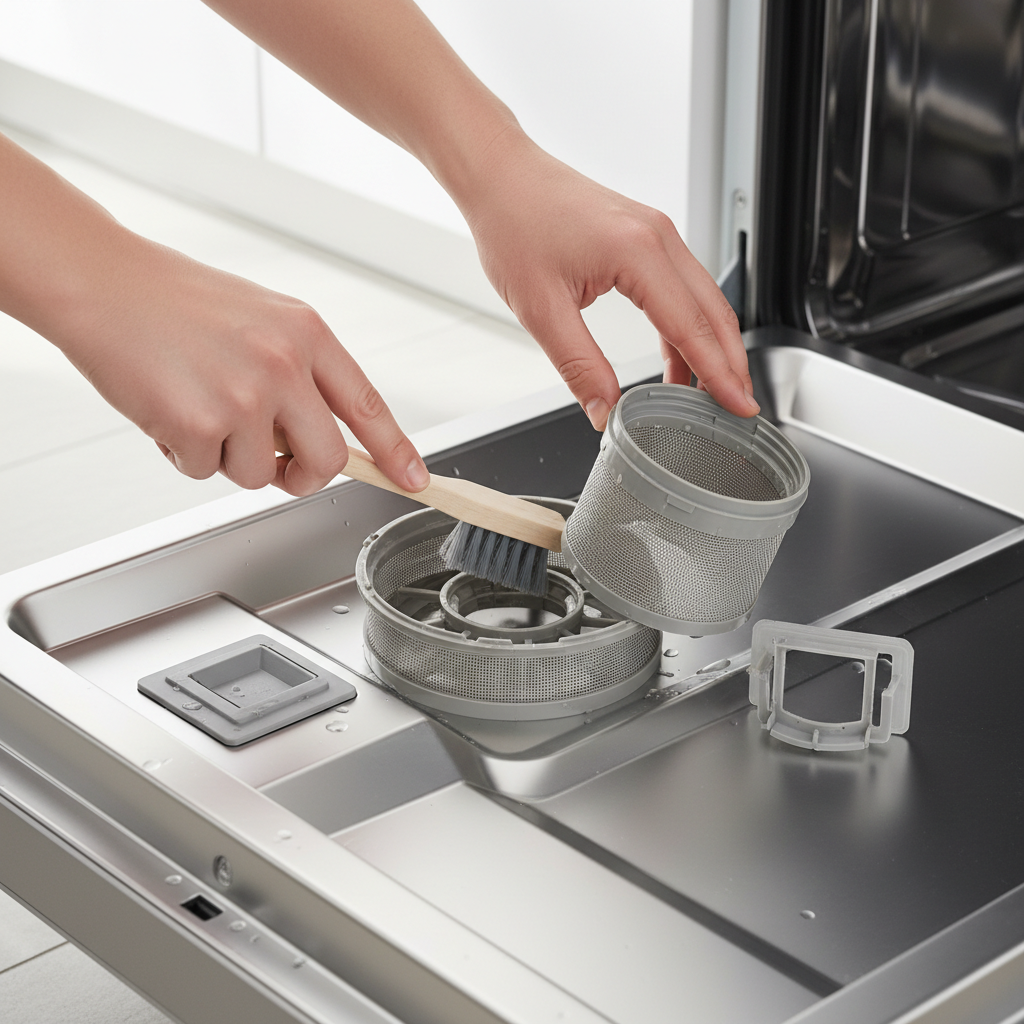
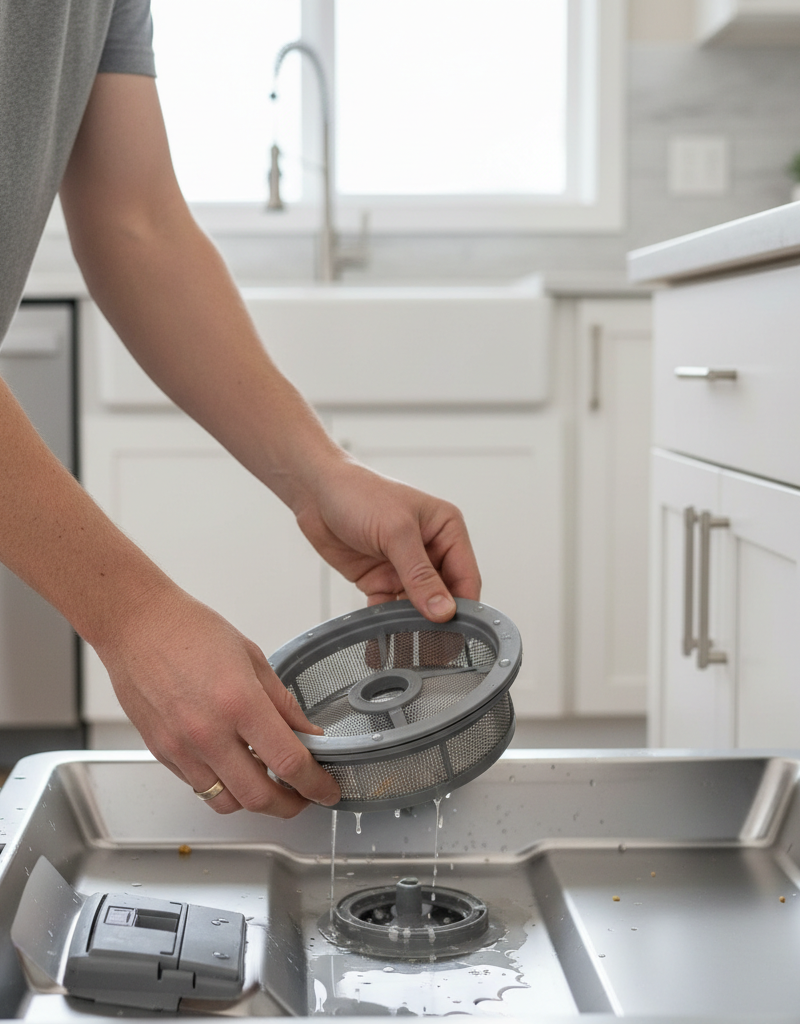
- Open the dishwasher door and remove all the bottom racks. At the bottom of the tub, you'll see a cylindrical or flat filter screen. Consult your appliance manual for exact removal instructions, as designs vary. Most twist out or lift up.
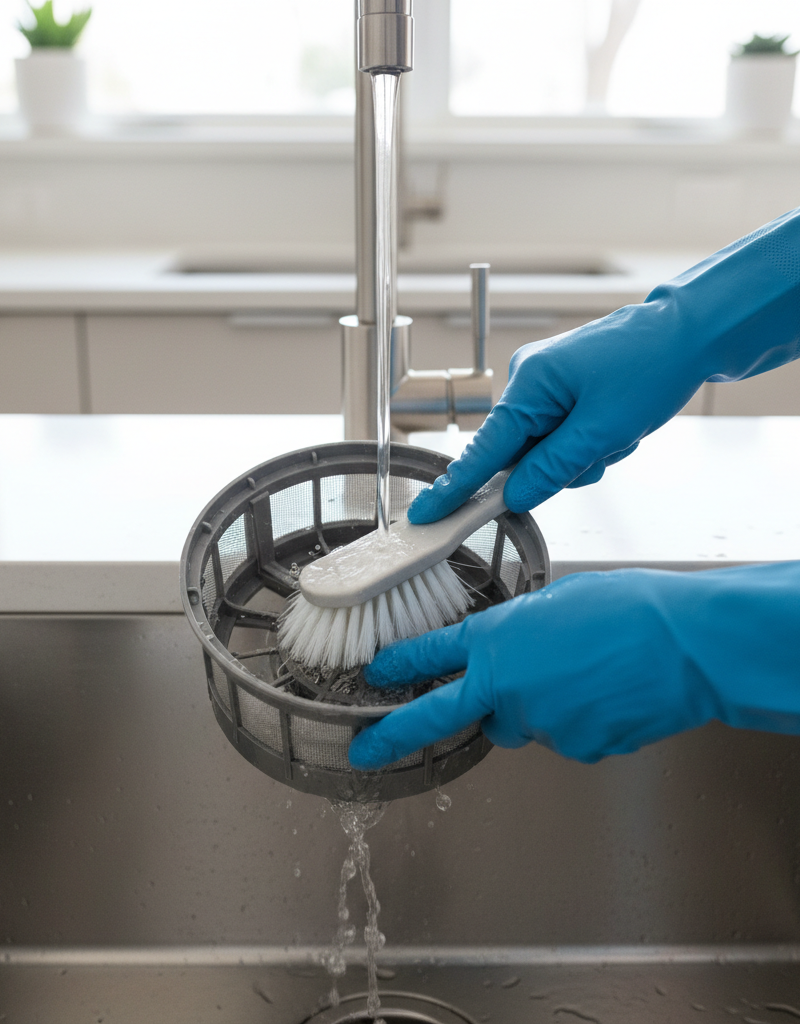
- Carefully remove the filter assembly. You'll likely find food particles, glass shards, or other debris trapped here. Use a brush and warm, soapy water to thoroughly clean the filter and its housing. Rinse well. Any debris left here will restrict drainage.
- Inspect the drain opening below the filter for any visible obstructions. You might need a flashlight. Use a pair of needle-nose pliers or a wet/dry vac to remove any accessible gunk. Reinstall the filter securely.
-
Check the Air Gap (if present)— A common countertop culprit
- If you have an air gap (a small cylindrical cap on your countertop near the faucet), twist off the cover. You'll see two hoses connected underneath.
- Inspect for clogs by removing the cap and, if possible, the inner plastic cylinder. Often, a buildup of food gunk will be visible. Use a toothpick, a small bottle brush, or a pipe cleaner to clear any obstructions.
- Safety Note: Wear gloves. Gunk can be slimy and harbor bacteria. Reattach the cap securely after cleaning.
-
Inspect the Drain Hose for Kinks or Clogs— Hidden problems under the sink
- Locate the drain hose coming from the back of the dishwasher. It's usually a corrugated plastic hose, often gray or black. Pull the dishwasher out from the wall slightly if necessary to access the back.
- Feel along the entire length of the hose for any sharp bends or kinks that could restrict water flow. Straighten any kinks you find.
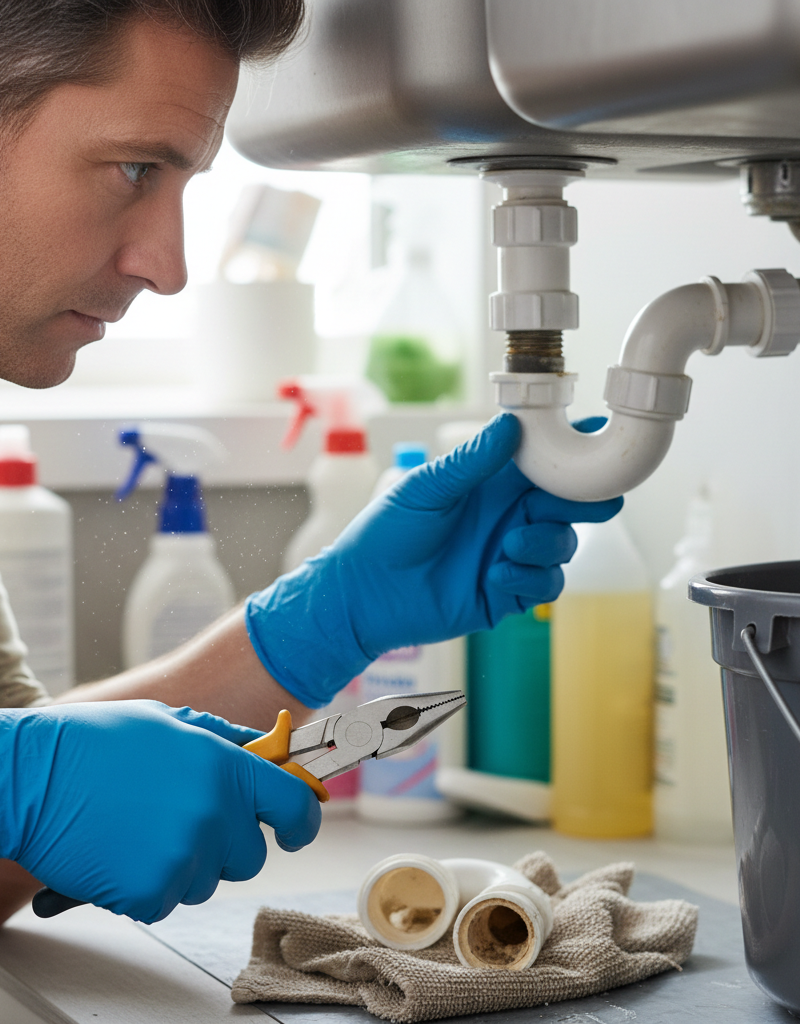
- If accessible, disconnect the drain hose from the garbage disposal or standpipe under the sink. Have a bucket ready to catch residual water.
- Look into the end of the hose for blockages. You can try blowing through the hose (from the dishwasher end towards the sink) to dislodge any minor clogs. For stubborn clogs, a wet/dry vac can often suction out debris.
- Pro Tip: If the hose is severely clogged or compromised, replacement is often easier than trying to snake it. New hoses are inexpensive.
-
Confirm the Garbage Disposal Knockout Plug (New Installations)— A frequent oversight
- If your dishwasher was recently installed or if you recently replaced your garbage disposal, ensure the knockout plug inside the disposal's dishwasher inlet port was removed.
- With the disposal unplugged, look inside the disposal's dishwasher connection port (usually a small pipe opening on the side). If you see a plastic plug, it needs to be hammered out into the disposal chamber (use a screwdriver and hammer), then removed from the disposal.
- Safety Note: Always unplug the garbage disposal before inspecting or working near its blades.
-
Clear the Garbage Disposal (if connected)— A shared drainage path
- If your dishwasher drains into a garbage disposal, run the disposal for about 30 seconds with a strong stream of cold water. This can clear any food debris that might be backing up into the dishwasher's drain line.
- Run the disposal regularly, even if you don't use it for food waste, to keep the dishwasher connection clear.
-
Check the Sink Drain— Sometimes it's not the dishwasher at all
- If your sink itself is draining slowly, it indicates a clog in the main kitchen sink drain that is also affecting the dishwasher. Fill the sink with a few inches of water and then release it, observing the drainage speed.
- If slow, use a plunger on the sink drain. Ensure the other sink basin (if you have one) is plugged to create proper suction. Alternatively, use a chemical drain cleaner designed for kitchen sinks (follow product instructions carefully) or snake the drain.
-
Verify High Loop Installation— Preventing backflow and siphoning
- The dishwasher drain hose must have a high loop. This means the hose goes up high under the sink (often attached to the underside of the countertop with a strap) before descending to connect to the garbage disposal or drain. This creates an air break and prevents dirty sink water from flowing back into the dishwasher.
- If your hose sags directly to the connection, create a high loop using a plumber's strap or zip ties to secure it high under the sink. This is a crucial, yet often overlooked, installation requirement.
Common Causes
- Clogged Filter/Drain Screen: This is by far the most frequent culprit. Food particles, grease, and even small broken glass pieces accumulate here over time, directly blocking the drain opening.
- Clogged Air Gap: Located on the countertop, the air gap can become filled with gunk, preventing wastewater from passing through.
- Kinked or Blocked Drain Hose: The flexible drain hose can become bent, especially if the dishwasher has been moved, or can accumulate a greasy, sludgy blockage internally.
- Garbage Disposal Issues: If the dishwasher drains into a garbage disposal, a full or clogged disposal, or a forgotten knockout plug in a new installation, will prevent proper drainage.
- Clogged Kitchen Sink Drain: If the main kitchen sink drain (which the dishwasher also uses) is clogged, the dishwasher simply can't push its water out.
- Incorrect Hose Installation (No High Loop): Without a high loop under the sink, gravity can allow dirty water to backflow into the dishwasher, or cause siphoning, leaving residual water in the tub.
Common Mistakes
- Ignoring the Filter: Many homeowners overlook the dishwasher filter, which needs regular cleaning (at least once a month, more if you pre-rinse heavily) to prevent clogs.
- Pouring Grease Down the Sink: This contributes to clogs in both the main drain and the dishwasher's drain hose over time. Always dispose of grease in the trash.
- Not Unplugging the Dishwasher: Failing to disconnect power before working on any electrical appliance is a serious safety hazard. Always unplug it first!
- Overlooking the Air Gap: Homeowners often don't realize the air gap device on their countertop is part of the dishwasher's drain system and can get clogged.
- Assuming a Faulty Pump: Before jumping to conclusions about a broken drain pump, systematically check for clogs. Pumps rarely fail without noticeable noises or complete inactivity.
- Using Too Much Detergent: Excessive detergent can create excessive suds, which can spill over into the air gap or drain hose, contributing to blockages and poor draining over time.
Cost & Time Breakdown
| Task | DIY cost | Pro cost | Time |
|---|---|---|---|
| Clean Filter/Drain Screen | $0 | $50–$100 | 5–10 minutes |
| Clear Air Gap | $0 | $75–$150 | 10–20 minutes |
| Clear/Replace Drain Hose | $0–$30 | $100–$250 | 20–45 minutes |
| Clear Garbage Disposal/Sink | $0–$10 (cleaner) | $150–$300 | 15–30 minutes |
| Inspect High Loop | $0 | Included in labor | 5 minutes |
Tips & Prevention
- Regular Filter Cleaning: Make it a habit to clean your dishwasher's filter monthly. It takes only a few minutes and prevents most draining issues.
- Scrape, Don't Rinse (Mostly): While some pre-rinsing is fine, excessive rinsing can remove enzymes needed for detergent activation and push larger food particles into the drain. Scrape plates well, but let the dishwasher do the heavy cleaning.
- Run Hot Water Before Starting: Before running the dishwasher, run the hot water at your kitchen sink for a minute. This ensures the dishwasher fills with hot water, improving cleaning and grease removal, which helps prevent clogs.
- Use High-Quality Detergent: Cheaper detergents can leave residue that contributes to clogs. Invest in a good quality detergent and rinse aid.
- Run the Garbage Disposal Regularly: If your dishwasher drains into a disposal, run the disposal frequently, even if empty, to ensure the connection port remains clear.
- Inspect Drain Hose Annually: Periodically check the drain hose for kinks or signs of wear. Replace it if it shows signs of cracking or hardening.
When to Call a Professional
While many dishwasher draining issues are DIY-friendly, there are specific situations where calling a licensed appliance repair technician or plumber is the smart choice. If you've systematically worked through all the troubleshooting steps—cleaning the filter, checking the air gap, inspecting and clearing the drain hose, and ensuring your garbage disposal and sink drain are functioning correctly—and the problem persists, the issue might be more complex. This could indicate a faulty drain pump, a more severe blockage deep within your home's main drain lines, or an electrical problem affecting the pump's operation. If you hear unusual grinding or humming noises from the dishwasher during the drain cycle, or no noise at all when it should be draining, it's a strong sign the pump itself may be failing. Additionally, if you're dealing with persistent backups that affect other plumbing fixtures in your home, this points to a larger main drain clog that requires professional snaking and diagnosis. Professionals have specialized tools and expertise to diagnose these deeper issues safely and efficiently, preventing further damage and ensuring your dishwasher operates correctly.
Related Articles
Keep troubleshooting with these hand-picked guides from FixlyGuide:
- The Secret Culprit Behind Your Dishwasher's Standing Water (It's Not Always a Clog) — Don't assume a clog is the only reason your dishwasher isn't draining; often, the fix is simpler than you think.
- The Surprising Culprit Behind Your Refrigerator's Water Leak (It's Not Always the Ice Maker) — Discover the most common, often overlooked reason your refrigerator is leaking water and how to fix it with simple steps.
- The Secret Culprit Behind Your Leaking Refrigerator (It’s Not Always a Big Fix) — Discover the most common and often overlooked reasons why your refrigerator is leaking water on the floor, and how to fix them yourself.
- The #1 Mistake Homeowners Make Caulking a Bathroom Sink (And How to Fix It) — Discover the most common caulking mistake homeowners make around bathroom sinks and how to achieve a waterproof, professional-looking seal…
- The Secret Culprit Behind Your Leaky Refrigerator (It’s Not Always the Water Line) — Discover the most common, often overlooked, reasons your refrigerator is leaking water and how to fix them with simple DIY steps.
- The #1 Mistake Homeowners Make When a Gas Burner Won't Light (And the Easy Fix) — Before you call a technician, discover the most common, overlooked reason your gas stove burner isn't lighting and how to fix it yourself i…
Get the print-ready PDF of this guide
A clean, ad-free, printable version you can keep on your phone or pin to the workshop wall. We'll also send occasional weekly tips matched to your home situation.
- Print-optimized layout
- Tools, materials & every step included
- Unsubscribe anytime
Frequently asked questions
Why is there standing water in the bottom of my dishwasher?+
Standing water in your dishwasher typically indicates a clog in the drain system, preventing the wastewater from exiting. Common culprits include the dishwasher's filter, the air gap on your countertop, the drain hose, or a clogged garbage disposal it connects to.
Can a clogged garbage disposal affect my dishwasher drain?+
Yes, absolutely. If your dishwasher drains into your garbage disposal, a full or clogged disposal can prevent wastewater from the dishwasher from flowing out, causing it to back up into the dishwasher tub. Running the disposal will often clear this issue.
How do I clean my dishwasher's filter?+
To clean your dishwasher's filter, remove the bottom rack and locate the cylindrical or flat filter at the bottom of the tub. Twist or lift it out, then rinse it thoroughly under warm, soapy water with a brush to remove food particles and grease. Reinstall it securely.
What is a dishwasher air gap and why is it important?+
A dishwasher air gap is a small, usually chrome, cylinder on your countertop that prevents dirty drain water from siphoning back into the dishwasher or your fresh water supply. It creates an air break in the drainage system and can become clogged with food debris, preventing proper draining.
Discussion
Loading comments…