Tools & materials you'll need
Affiliate linksAs an Amazon Associate FixlyGuide earns from qualifying purchases — at no extra cost to you. Prices and availability are accurate as of publication and subject to change.
Quick Answer
The most common cause of a slow or clogged shower drain is a persistent build-up of hair, soap scum, and other debris. You can effectively clear many of these clogs without resorting to harsh chemicals by using common household items and simple mechanical tools. Often, the solution involves removing the drain stopper and physically extracting the obstruction or using a natural reaction like baking soda and vinegar to break down the clog.
The Problem
That standing puddle around your ankles, the lingering grime, the faint odor – a slow-draining or completely clogged shower is not only unpleasant but can also be a sign of a more significant issue. While initially a minor inconvenience, ignoring a slow drain can lead to more serious problems like drain pipe corrosion from standing water, foul odors permeating your bathroom, and even potential damage if water overflows and seeps into flooring or subflooring. The main culprit in shower drains is almost always a combination of shed hair, hardened soap scum (especially from bar soap), body oils, and sometimes even small bits of debris like shampoo bottle caps or dental floss. These elements combine to form a tenacious, slimy barrier that gradually restricts water flow until it eventually stops it altogether. Understanding the composition of these clogs is the first step in effectively removing them without resorting to corrosive chemical solutions.
How It Works
Your shower drain system is a relatively simple arrangement designed to channel wastewater away. Water from the shower pan flows into the drain opening, passes through a stopper assembly (which may include a strainer or hair catcher), and then enters the P-trap. The P-trap is the U-shaped section of pipe directly below the drain, designed to hold a small amount of water to create a seal, preventing sewer gases from entering your home. After the P-trap, the water continues down the drain line, eventually connecting to the main waste stack. Clogs almost exclusively occur in two primary locations: either at the drain opening, within the stopper assembly, or just past the P-trap where hair and soap scum accumulate. Hair, being fibrous, easily tangles and forms a net, while sticky soap scum adheres to the pipe walls and the hair, acting like a binder. This material compacts over time, reducing the pipe's diameter and slowing drainage. Chemical drain cleaners typically rely on strong caustics or oxidizers to dissolve this organic matter, but they can also damage pipes, especially older PVC or metal pipes, and pose significant health and environmental risks. Our chemical-free methods, in contrast, physically remove the clog or use natural reactions to break it down safely.
Step-by-Step Fix
1. Clear the Drain Opening — Start with the simplest solution first.
- Safety First: Always wear rubber gloves to protect your hands from grime.
- Remove any visible hair or debris from the drain opening and around the stopper. Sometimes, a surprising amount of gunk can accumulate here. Use tweezers or a paper towel.
2. Pour in Boiling Water — This can loosen soap scum and grease.
- Boil 1-2 quarts of water. Caution: Do not use boiling water if you have PVC pipes that are old or if you suspect your pipes are compromised, as it could weaken them further. If unsure, use very hot tap water instead.
- Slowly pour the boiling water down the drain in two to three stages, allowing a few minutes between pours for the hot water to work.
- If this doesn't work: Move on to the baking soda and vinegar method.
3. The Baking Soda and Vinegar Attack — A natural effervescent cleaner.
- Materials: 1/2 cup baking soda, 1 cup white vinegar, an old rag or stopper.
- First, clear as much standing water from the tub/shower as possible.
- Pour the 1/2 cup of baking soda directly down the drain. Let it sit for 5-10 minutes.
- Carefully pour the 1 cup of white vinegar down the drain. You'll hear a fizzing sound as the chemical reaction occurs.
- Quickly cover the drain with a rag or stopper to contain the reaction and force it downwards into the clog.
- Let it sit for at least 30 minutes, or preferably an hour. For tough clogs, you can even leave it overnight.
- Flush the drain with hot tap water (or boiling water, if safe for your pipes).
- Repeat if necessary: For stubborn clogs, you may need to repeat this process once or twice.
4. Tackle the Stopper Assembly — The primary catchment area for hair.
- Identify your stopper type: Pop-up stoppers usually unscrew or lift out. Trip-lever stoppers often require removing a faceplate and gently pulling out the linkage.
- Carefully remove the stopper assembly. This might involve unscrewing a knob, twisting the stopper, or gently prying it up.
- Use needle-nose pliers, a screwdriver, or your gloved fingers to remove any hair or debris wrapped around the stopper or just inside the drain opening.
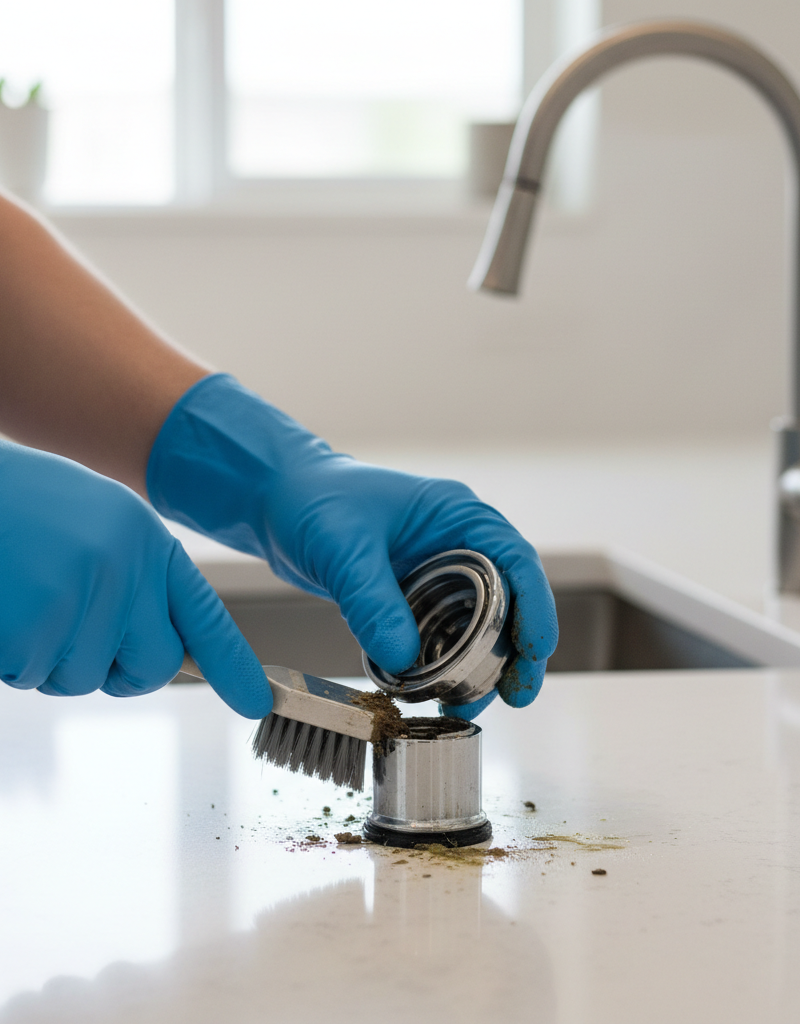
- Clean the stopper thoroughly before reinserting it.
- For stubborn stoppers: Consult your shower faucet's manual or search for videos specific to your stopper type for removal instructions.
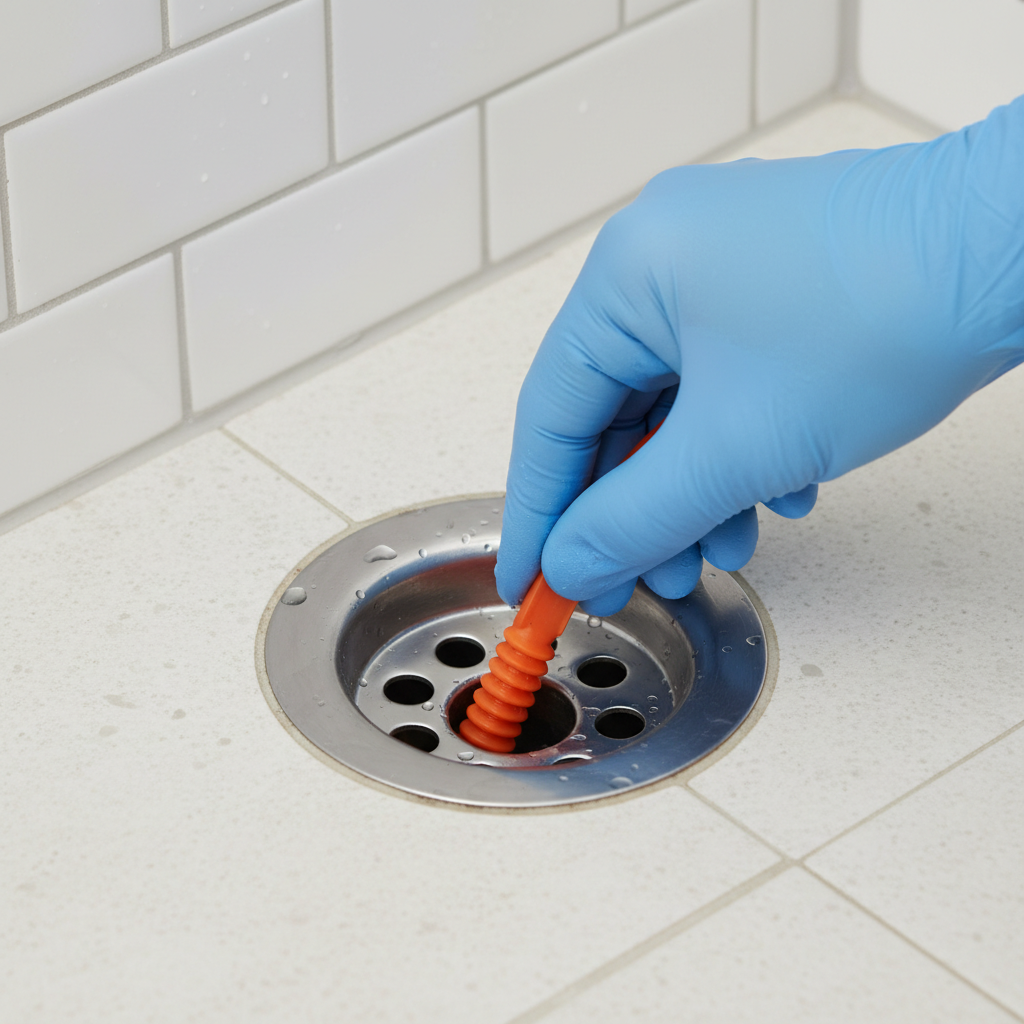
5. Deploy the Drain Snake or Zip-It Tool — For deeper, tougher clogs.
- Tool Choice: A plastic drain snake (zip-it tool) is inexpensive and very effective for hair clogs. A small hand auger (metal drain snake) can also be used.
- Insert the drain snake into the drain opening, pushing it gently until you feel resistance. Do not force it.
- Twist the snake as you push further. The barbs on a plastic snake will grab hair. On a metal auger, crank the handle to feed the cable.
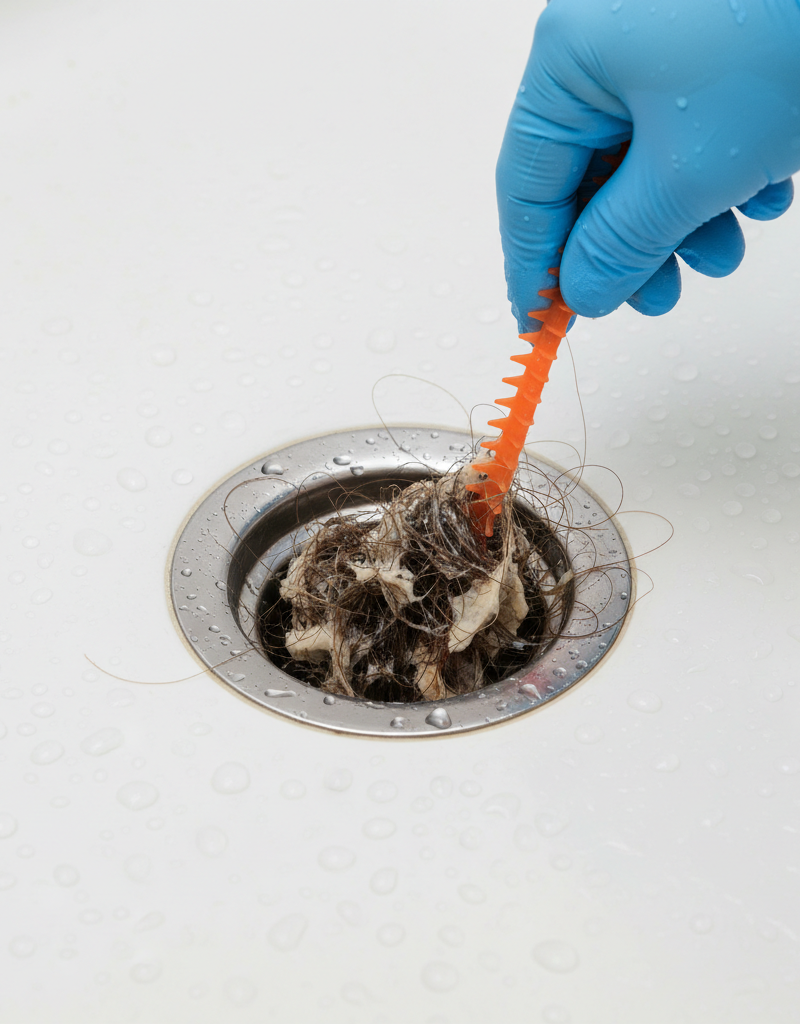
- Slowly pull the snake back out, hopefully bringing the clog with it. You'll likely see a gruesome ball of hair and gunk.
- Repeat several times: Keep inserting and removing the snake until no more debris comes out and water drains freely.
- Flush with hot water to clear any remaining loosened particles.
- If you hit a hard blockage: It might not be a hair clog. Don't force a snake too hard, as you could damage your pipes. This may indicate a deeper issue requiring professional help.
Common Causes
- Hair Accumulation: By far the most common culprit. Hair threads easily intertwine and form dense mats, especially when combined with soap scum.
- Soap Scum Buildup: Bar soaps, in particular, contain fats and oils that react with hard water minerals to create a sticky film (soap scum) that adheres to pipes and traps hair.
- Body Oils and Products: Lotions, conditioners, and body washes contribute to the greasy buildup that coats pipe interiors and exacerbates clogs.
- Mineral Deposits (Hard Water): In areas with hard water, minerals like calcium and magnesium can precipitate out of the water and build up on pipe walls, providing an uneven surface for hair and soap scum to cling to.
- Small Objects: Accidental dropping of small items like shampoo caps, dental floss, or even small toys can create an immediate blockage or act as a anchor point for hair and soap scum.
Common Mistakes
- Using Chemical Drain Cleaners Repeatedly: These can corrode pipes, especially older metal or PVC systems, and are dangerous to handle. They often provide only temporary relief and don't address the root cause.
- Ignoring a Slow Drain: A slow drain is a warning sign. Waiting until the drain is completely clogged makes the problem much harder to fix and can lead to water damage.
- Forcing a Drain Snake: Aggressively pushing a drain snake can damage the P-trap or other pipe sections, leading to leaks or more costly repairs. Gentle rotation and steady pressure are key.
- Not Cleaning the Stopper: Many clogs are actually at or just below the stopper assembly. Failing to clean this area is like trying to sweep a floor without moving the rug.
- Assuming All Clogs are the Same: A hair clog needs a different approach than a grease clog or a foreign object. Misdiagnosing can lead to ineffective methods and wasted effort.
- Pouring Grease Down the Drain: While less common in showers, if kitchen sinks also share drain lines, grease from cooking can solidify and contribute to main line clogs.
Cost & Time Breakdown
| Task | DIY cost | Pro cost | Time |
|---|---|---|---|
| Boiling water flush | $0 | N/A | 10-15 mins |
| Baking soda & vinegar | $5–$10 | N/A | 1-2 hours |
| Drain stopper cleaning | $0 | N/A | 15-30 mins |
| Using a plastic drain snake | $5–$15 | N/A | 20-40 mins |
| Using a hand auger (metal) | $20–$50 | N/A | 30-60 mins |
| Professional drain clearing | N/A | $150–$400+ | 1-2 hours |
Tips & Prevention
- Use a Hair Catcher: Install a simple hair catcher or drain strainer over your shower drain. These inexpensive devices catch most hair and debris before it enters the drain, and they are easy to clean after each shower.
- Regular Hot Water Flushes: After your shower, let the hot water run for an extra minute or two to help flush away loose hair and soap residue.
- Monthly Baking Soda & Vinegar Treatment: Perform a preventative baking soda and vinegar treatment (as described in Step 3) once a month to break down minor buildup before it becomes a major clog.
- Minimize Bar Soap Use: Consider switching to liquid body wash or gel. Bar soaps contribute significantly more to soap scum buildup.
- Clean Drain Stoppers Regularly: Make it a habit to remove and clean your shower drain stopper every few weeks. This prevents hair from accumulating around it and hindering water flow.
- Educate Household Members: Ensure everyone in the house understands the importance of using a hair catcher and not pouring foreign objects down the drain.
When to Call a Professional
While many shower clogs can be resolved with DIY methods, there are specific situations where calling a licensed plumber is the wisest and safest course of action. If you've tried all the chemical-free methods mentioned above and your drain is still clogged, or if the water is draining even slower, it likely indicates a more significant obstruction further down the plumbing system. Persistent foul odors from your drain, bubbling toilets when you shower, or water backing up into other fixtures (like a sink or toilet) suggest a main line clog that requires specialized tools and expertise to clear. Additionally, if you suspect your pipes are old, corroded, or if you've recently experienced any flooding or water damage, a professional can diagnose underlying issues and prevent further damage. Never hesitate to call a pro if you're uncomfortable, unsure, or if the problem extends beyond a simple localized clog, especially if it involves multiple fixtures or the main sewer line. Attempting to force solutions in these situations can lead to expensive pipe damage or extensive water damage to your home.
Related Articles
Keep troubleshooting with these hand-picked guides from FixlyGuide:
- The 90-Second Trick to Unclogging Any Shower Drain (No Chemicals Needed) — Learn how to quickly and safely clear a clogged shower drain using simple tools and household items, avoiding harsh chemicals.
- The 5-Minute Trick to Clear Any Shower Drain Clog (Without Nasty Chemicals) — Learn how to quickly and safely clear a shower drain clog using simple tools and techniques, avoiding harsh chemical drain cleaners.
- The #1 Mistake Homeowners Make Unclogging a Shower Drain (and 5 Better Fixes) — Shower drains get clogged with hair and soap scum, but harsh chemicals often worsen the problem; learn safe, effective DIY methods.
- The Nasty Truth About Your Smelly Bathroom Sink — And the 2-Ingredient Trick to Fix It — Uncover the hidden reasons behind that foul odor wafting from your bathroom sink drain and learn a simple, two-ingredient solution to banis…
- The #1 Mistake Homeowners Make with a Slow Kitchen Drain (And the Simple Fix) — A slow kitchen sink drain is frustrating, but often an easy fix if you avoid common mistakes and know where to look first.
- The 3 Dandelion Killers Hiding In Your Garage (And How To Use Them Safely) — Eradicate dandelions from your lawn effectively with common household items and proper application techniques to restore a pristine yard.
Frequently asked questions
What is the best homemade solution for a clogged shower drain?+
The best homemade solution is a combination of baking soda and white vinegar. Pour 1/2 cup of baking soda down the drain, followed by 1 cup of white vinegar. Cover the drain and let it sit for 30 minutes to an hour (or overnight for tough clogs), then flush with hot water. The fizzing reaction helps break down organic matter.
Can I use boiling water to unclog a shower drain?+
Yes, carefully pouring boiling water can help dissolve soap scum and grease contributing to the clog. However, exercise caution if you have old or compromised PVC pipes, as very hot water could potentially weaken them. If unsure, use the hottest tap water available.
How do I get hair out of my shower drain naturally?+
The most effective way to remove hair naturally is by physically removing it. First, remove the drain stopper and manually pull out any visible hair. For deeper clogs, use a plastic drain snake (zip-it tool) or a small hand auger to hook and pull out the hair accumulation.
Discussion
Loading comments…