Tools & materials you'll need
Affiliate linksAs an Amazon Associate FixlyGuide earns from qualifying purchases — at no extra cost to you. Prices and availability are accurate as of publication and subject to change.
Quick Answer
Most shower drain clogs are caused by a combination of hair and soap scum. The quickest and safest way to clear them involves mechanical removal using a drain snake or by disassembling the drain components to manually pull out the obstruction, often in under 15 minutes, without resorting to harsh chemical products that can damage your pipes and the environment.
The Problem
There's nothing more frustrating than stepping into a shower only to find yourself standing in a shallow pool of murky water. A slow or completely stopped shower drain isn't just an annoyance; it can lead to slip hazards, unpleasant odors, and, if left unaddressed, potential water damage to your subfloor. The primary culprit in most shower drain woes is a stubborn combination of hair, soap scum, and sometimes even small debris like floss or pieces of shampoo bottles. This sticky, matted mess gradually accumulates, constricting the flow until water has nowhere to go but up.
While the immediate urge might be to reach for a chemical drain cleaner, these products often do more harm than good. They are corrosive, can damage certain types of pipes (especially older ones), pose significant health risks through skin contact or fumes, and are terrible for the environment. Moreover, they rarely provide a permanent solution, often just eating a small hole through the clog, allowing it to reform quickly. The good news is that most shower drain clogs are easily remedied with a few basic tools and a bit of elbow grease, often in less time than it takes to run to the store for a chemical solution.
How It Works
Understanding how your shower drain works can empower you to fix it more effectively. Beneath the drain cover, or strainer, you'll typically find a P-trap, which is a U-shaped section of pipe designed to hold a small amount of water. This water barrier prevents noxious sewer gases from entering your home. From the P-trap, the drainpipe continues horizontally, usually connecting to a branch drain that serves other fixtures before merging with the main waste stack.
When hair, skin flakes, and soap scum go down the drain, they often get caught on the rough edges of the P-trap or other pipe anomalies. Over time, these accumulate, forming a dense, sticky blockage. Hot water and soap initially help to push these materials along, but as the buildup grows, friction increases, and the flow diminishes. Chemical drain cleaners attempt to dissolve this organic matter using highly alkaline or acidic formulations. However, they often don't fully break down the entire clog and can sit in the pipe for extended periods if the clog is significant, causing heat and corrosion that weakens the pipe material, particularly in older PVC or galvanized steel systems. Mechanical methods, on the other hand, physically extract the obstruction, providing a much more thorough and safer clearance.
Step-by-Step Fix
1. Remove the Drain Cover – Locate and unscrew or pry off the drain cover.
- Tools: Screwdriver (Phillips or flathead, depending on your cover type) or a putty knife/thin flat tool if it's a pop-off style. Some modern drains have covers that simply lift out.
- Why: This provides direct access to the beginning of the clog. Often, a significant amount of hair is visible right under the cover.
- If it doesn't budge: If your drain cover is heavily corroded or painted over, apply a small amount of penetrating oil to the screws and let it sit for 15-20 minutes before trying again. Be gentle to avoid stripping screws.
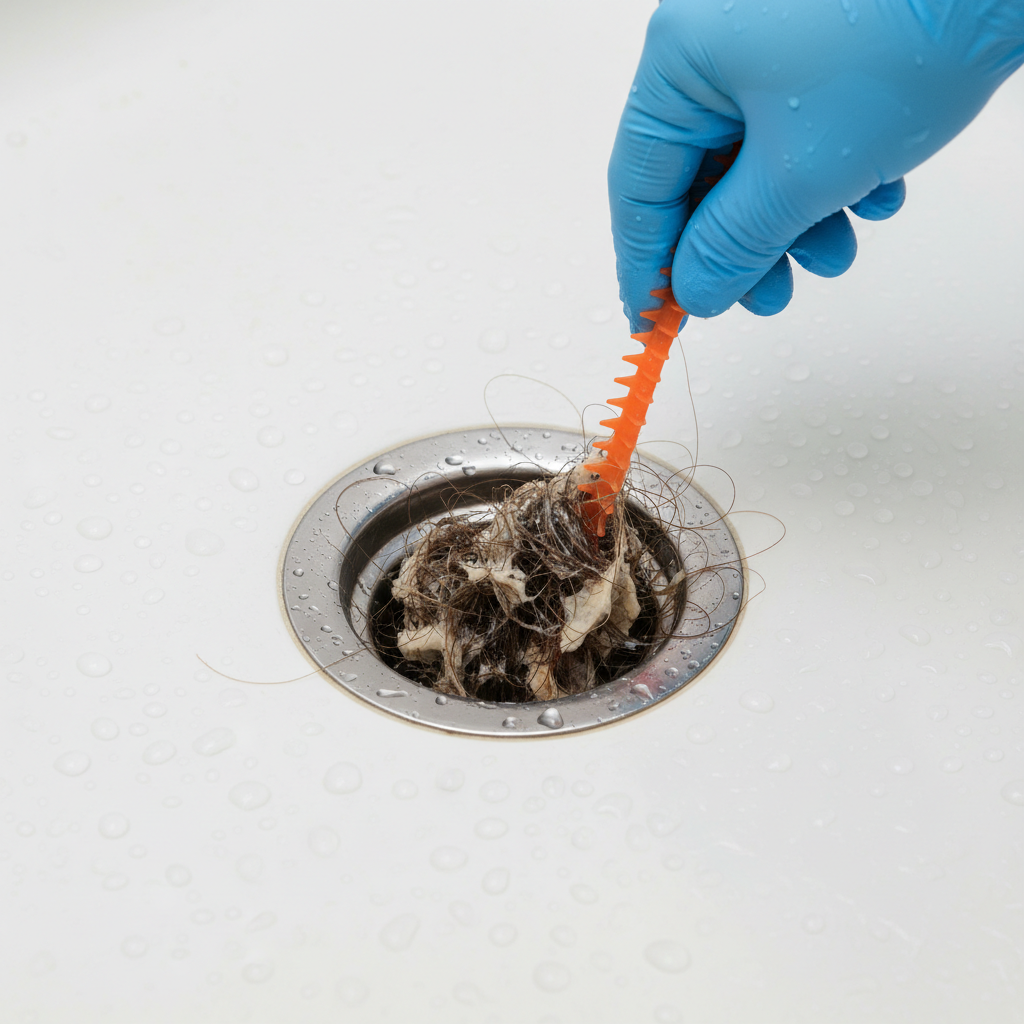
2. Manual Hair Extraction – Reach in and pull out any visible hair or debris.
- Safety: Wear rubber gloves to protect your hands from grime and potential sharp edges. Have a trash bag nearby.
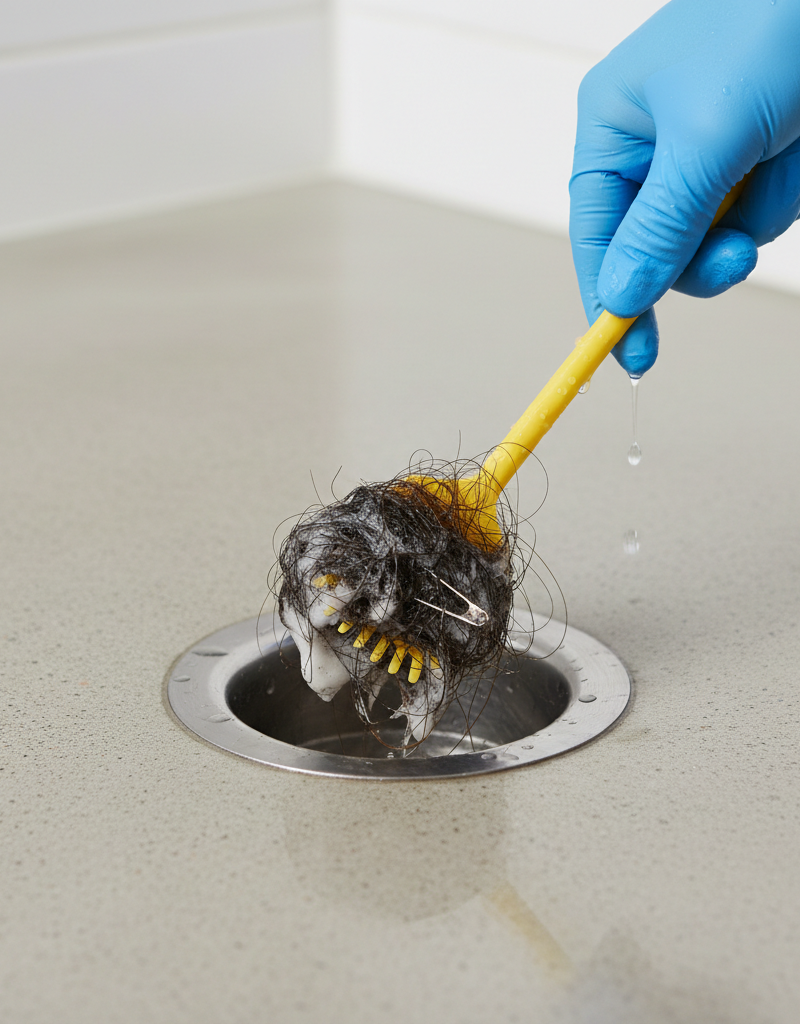
- Technique: Use your gloved fingers, needle-nose pliers, or tweezers to grab and pull out any hair or gunk clumped near the drain opening. You might be surprised by how much comes out.
- Don't force it: If you feel significant resistance, stop pulling forcefully, as you might push the clog further down.
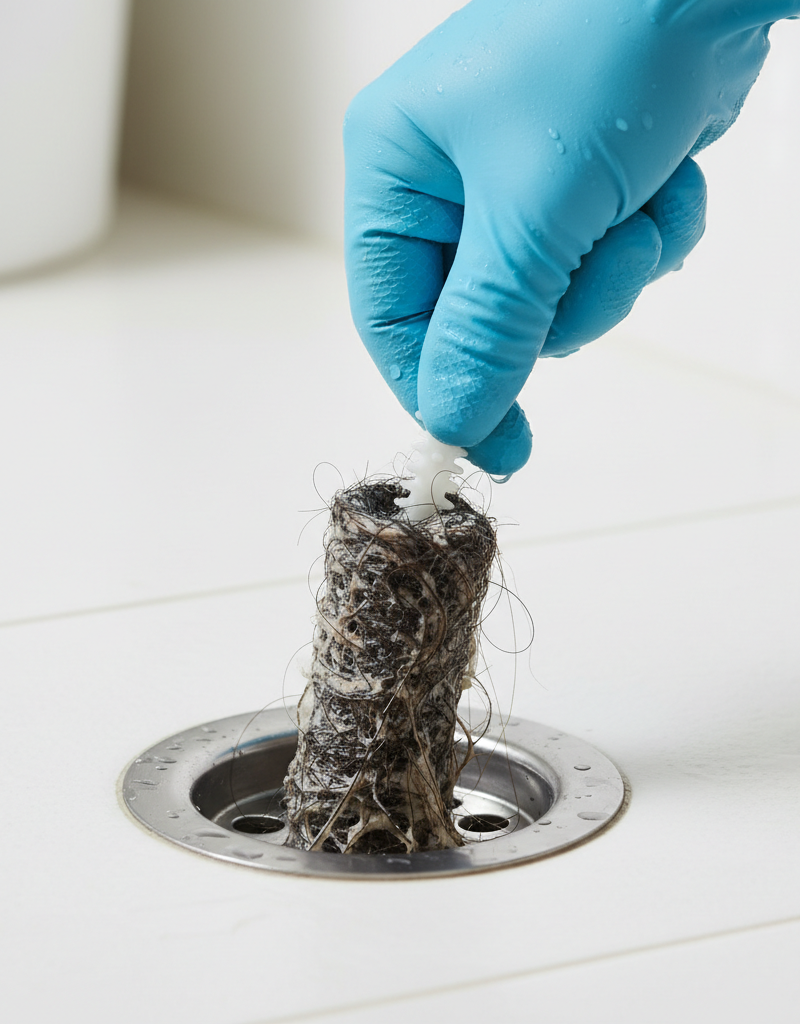
3. The Drain Snake (or Zip-It) Attack – Insert a drain snake or plastic zip-it tool into the drain.
- Tools: A plastic drain snake (zip-it tool) is inexpensive and very effective for hair clogs. A small plumbing snake (auger) can also be used for deeper blocks.
- How to use: Gently push the snake into the drain, twisting it as you go. You'll feel it catch on the clog. Once you feel resistance, slowly pull it back out, bringing the hair and debris with it. Repeat several times until no more material comes out.
- Safety: Always wear gloves. Be careful not to scratch the porcelain or acrylic finish of your shower pan with a metal snake.
4. The Boiling Water Flush – Pour boiling water down the drain.
- Why: After mechanically removing the bulk of the clog, boiling water (or very hot tap water) can help dissolve any remaining soap scum and grease, flushing it away.
- Technique: Carefully pour one to two liters of boiling water directly down the drain. Wait a few minutes, then test the drain with hot tap water.
- Caution: DO NOT use boiling water if you have PVC pipes and previously tried chemical drain cleaners, as the combination can create dangerous fumes or soften the pipes. Also, avoid extremely hot water if your shower pan is acrylic, as it could warp the material. Use very hot tap water instead.
5. Baking Soda and Vinegar Treatment (Optional) – For minor clogs or as a follow-up.
- Materials: 1/2 cup baking soda, 1/2 cup white vinegar.
- How to use: Pour the baking soda down the drain, followed by the vinegar. The mixture will fizz. Cover the drain with the drain cover (or a wet cloth) to contain the reaction and let it sit for 30 minutes to an hour. The fizzing action can help dislodge remaining gunk. Flush with hot water.
- Consistency: This works best on smaller clogs or as a preventative measure. It's not a substitute for mechanical removal of large hairballs.
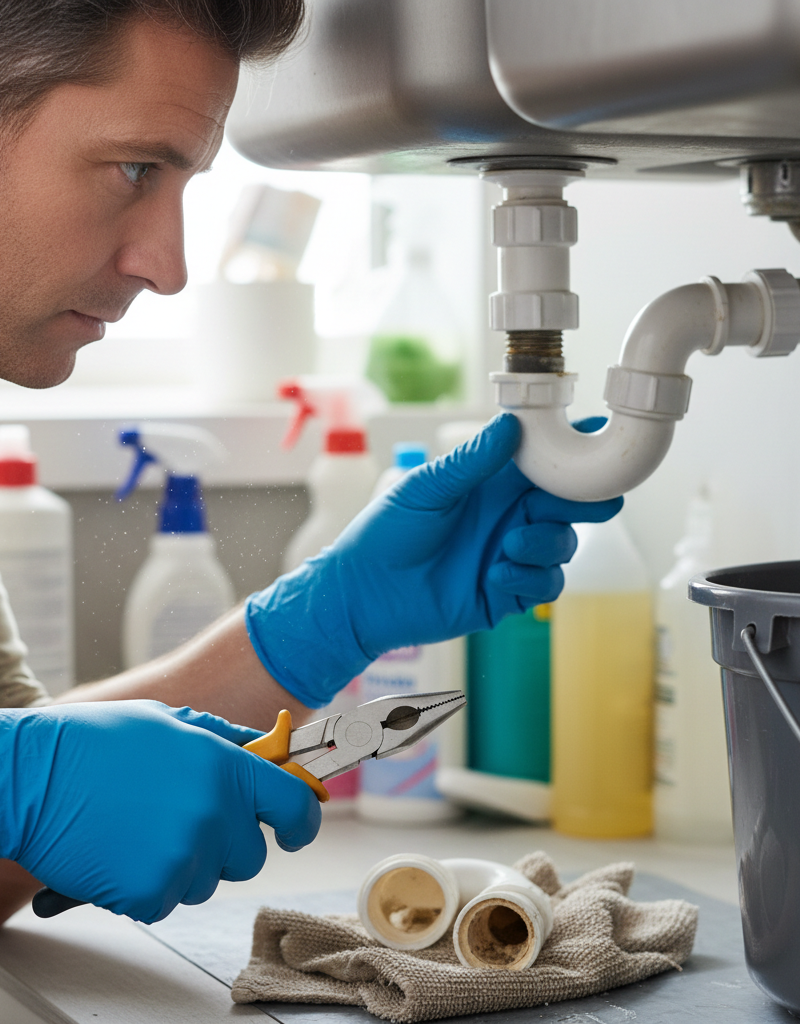
6. P-Trap Inspection (Advanced) – If the clog persists, the P-trap may need to be cleaned.
- Tools: Bucket, adjustable wrench, pliers, old towels.
- Safety: Turn off the water supply to the shower if possible, or at least be prepared for some water spillage. Place a bucket directly under the P-trap before loosening.
- How to: The P-trap is the curved pipe directly under the shower drain. Loosen the slip nuts on both sides of the trap with an adjustable wrench (lefty-loosey). Carefully remove the trap, emptying its contents into the bucket. Clean out any debris, then reassemble, ensuring the nuts are hand-tightened, then given a quarter-turn with the wrench for a secure, leak-free seal. Run water to check for leaks.
7. Reassemble and Test – Put everything back together and check your work.
- Final check: Replace the drain cover, securing any screws. Turn on the shower and let it run for a few minutes to ensure the water drains freely and there are no leaks from the P-trap (if you disassembled it).
Common Causes
- Hair Accumulation: This is, by far, the most common culprit in shower drains. Strands of hair combine with soap scum to form dense, sticky clogs. Long hair is especially problematic.
- Soap Scum Buildup: The fatty acids in bar soap combine with minerals in hard water to create a sticky, insoluble residue that clings to pipes and traps hair.
- Small Debris: Tiny bits of shampoo bottle plastic, floss, exfoliating beads, or even pet hair (if you wash pets in the shower) can contribute to blockages.
- Mineral Deposits (Hard Water): In areas with hard water, minerals can precipitate out and build up on pipe walls, creating a rough surface that catches hair and debris more easily.
- Improper Pipe Gradient: Less common, but if the drainpipe doesn't have a sufficient downward slope, water and debris won't flow away efficiently, leading to frequent clogs.
Common Mistakes
- Using Chemical Drain Cleaners Repeatedly: These can corrode pipes, especially older metal or thin PVC, leading to costly leaks. They also pose health risks and environmental hazards. They are a temporary fix at best.
- Ignoring Slow Drains: A slow drain is a warning sign. Addressing it early prevents minor clogs from becoming major, stubborn blockages.
- Forcing a Metal Snake: Aggressively pushing a metal drain snake can scratch the shower pan's finish or damage PVC pipes if not handled carefully. Use gentle, twisting motions.
- Not Protecting Your Hands: Coming into contact with mold, mildew, and bacteria from a drain clog, or even sharp edges, can be unsanitary and unsafe. Always wear gloves.
- Not Cleaning the P-Trap When Necessary: Sometimes the clog is specifically located within the P-trap and cannot be reached effectively by a snake. Avoiding this step when other methods fail prolongs the problem.
- Over-tightening P-Trap Nuts: When reassembling a P-trap, over-tightening the slip nuts can crack them, leading to leaks. Hand-tighten, then a quarter-turn with a wrench is usually sufficient.
Cost & Time Breakdown
| Task | DIY Cost | Pro Cost | Time |
|---|---|---|---|
| Simple Hair Pull/Boiling Water | $0–$5 | N/A | 5–15 minutes |
| Drain Snake/Zip-It | $5–$20 | N/A | 15–30 minutes |
| Baking Soda & Vinegar | $5–$10 | N/A | 1–2 hours (passive) |
| P-Trap Cleaning | $0–$10 | $75–$150 | 30–60 minutes |
| Advanced Augering | N/A | $150–$300+ | N/A |
Tips & Prevention
- Install a Hair Catcher: The simplest and most effective preventative measure is a shower drain hair catcher or strainer. These inexpensive devices sit over or inside the drain and prevent most hair from going down.
- Regular Hot Water Flush: Once a week, after showering, let the hot water run for a minute or two to help clear any minor soap scum buildup.
- Baking Soda & Vinegar Maintenance: Every month or two, pour 1/2 cup baking soda followed by 1/2 cup white vinegar down the drain. Let it sit for 30 minutes, then flush with hot water. This helps to break down minor accumulations.
- Brush Hair Before Showering: A quick brush of your hair before you step into the shower can significantly reduce the amount of loose hair that goes down the drain.
- Avoid Bar Soaps: If you're consistently battling soap scum, consider switching from traditional bar soap to liquid body wash, as it creates less residue.
- Periodic Drain Snaking: Even without a visible clog, a quick proactive run with a plastic drain snake every few months can clear developing buildups before they become problems.
When to Call a Professional
While most shower drain clogs are DIY-friendly, there are specific situations where calling a licensed plumber is the smartest and safest course of action. If you've tried all the mechanical and natural methods outlined above – including disassembling and cleaning the P-trap – and the drain remains stubbornly clogged, the problem likely lies deeper within your plumbing system. This could indicate a significant blockage further down the drain line, potentially past the shower's branch line and into the main stack, or even a tree root intrusion if your home has older pipes. Similarly, if you notice multiple drains in your home (like a toilet or sink) are also draining slowly or backing up, it's a strong sign of a main sewer line issue that requires professional equipment and expertise. A plumber has specialized tools like powerful augers and video inspection cameras to accurately diagnose and resolve deep or stubborn clogs without damaging your pipes. Don't hesitate to call if you suspect a more serious underlying problem; attempting to fix it yourself could lead to more significant and expensive damage.
Related Articles
Keep troubleshooting with these hand-picked guides from FixlyGuide:
- The 90-Second Trick to Unclogging Any Shower Drain (No Chemicals Needed) — Learn how to quickly and safely clear a clogged shower drain using simple tools and household items, avoiding harsh chemicals.
- The #1 Mistake Homeowners Make When Their AC Drain Clogs (And The $5 Fix) — Discover the most common error homeowners make when tackling a clogged AC drain line and learn a simple, inexpensive solution to prevent co…
- The #1 Mistake Homeowners Make Unclogging a Shower Drain (and the 5-Minute Fix) — Learn the surprising reason most DIY shower drain unclogging attempts fail and how to clear even the toughest clogs in minutes without hars…
- The Nasty Truth About Your Smelly Bathroom Sink — And the 2-Ingredient Trick to Fix It — Uncover the hidden reasons behind that foul odor wafting from your bathroom sink drain and learn a simple, two-ingredient solution to banis…
- The 5-Minute Trick to Stop a Dripping Single-Handle Faucet (No Plumber Needed) — A persistent drip from your single-handle faucet is usually caused by a worn-out cartridge, a repair you can typically complete yourself in…
- The 3 Hidden Reasons Your Window Won't Stay Up (And the Easy Fixes) — Before you call a repairman, learn the three most common reasons your double-hung window won't stay open and how to fix them yourself.
Frequently asked questions
What is the fastest way to unclog a shower drain?+
The fastest way to unclog a shower drain is often by physically removing the obstruction. Start by pulling out any visible hair with gloved fingers or pliers. If that doesn't work, use a plastic drain snake (zip-it tool) to fish out deeper clogs. Follow up with a flush of boiling water to clear remaining residue.
Can I use baking soda and vinegar to unclog a shower drain?+
Yes, baking soda and vinegar can be effective for minor clogs or as a follow-up to mechanical removal. Pour 1/2 cup of baking soda, followed by 1/2 cup of white vinegar, down the drain. Let it sit for 30 minutes to an hour, then flush with hot water. The fizzing action helps break down soap scum and grease.
When should I call a plumber for a clogged shower drain?+
You should call a plumber if you've tried mechanical removal (drain snake, P-trap cleaning) and natural methods but the clog persists. Also, if multiple drains in your home are slow or backed up, it could indicate a main sewer line issue requiring professional intervention.
Discussion
Loading comments…