Tools & materials you'll need
Affiliate linksAs an Amazon Associate FixlyGuide earns from qualifying purchases — at no extra cost to you. Prices and availability are accurate as of publication and subject to change.
Quick Answer
A clogged AC drain line, often evidenced by water pooling around your indoor unit, can be a frustrating and potentially damaging issue. The good news is that most clogs are due to common biological growth like algae and mold, and you can usually resolve them with a few basic tools and a simple household solution like vinegar. This guide will walk you through the diagnostic steps and clearing methods, from a powerful wet/dry vacuum approach to a preventative vinegar flush, helping you avoid costly professional service calls and protect your home from water damage.
The Problem
Imagine walking past your indoor AC unit (air handler) and noticing a puddle of water developing around its base. Or perhaps your AC isn't cooling as effectively, and you hear gurgling sounds from within. These are classic signs of a clogged AC condensate drain line. This seemingly minor issue can quickly escalate, leading to significant problems like water damage to ceilings, walls, and flooring, the growth of mold and mildew in your home, and even complete AC system shutdowns if your unit has a float switch designed to prevent overflow. Understanding why this happens and how to address it promptly is crucial for maintaining a healthy and comfortable home environment.
How It Works
Your air conditioning system doesn't just cool your home; it also dehumidifies it. As warm, humid air passes over the cold evaporator coil inside your indoor air handler, moisture condenses out of the air, much like water droplets form on a cold glass on a hot day. This condensate water then drips into a sloped drain pan located beneath the evaporator coil. From this drain pan, a PVC or copper pipe, known as the condensate drain line, carries the water outdoors or to a nearby drain, such as a utility sink or laundry standpipe.
This entire process relies on gravity and a clear pathway. However, the dark, damp environment of the drain line and pan is an ideal breeding ground for biological growth, primarily algae, mold, and mildew. These microorganisms form a slimy buildup that gradually restricts and eventually blocks the flow of water. Over time, dust, dirt, and other airborne particles can also get trapped in this slime, further exacerbating the clog. When the drain line becomes completely blocked, the condensate pan overflows, leading to the water leaks you observe. Many modern AC units also incorporate a safety float switch in the drain pan. When the water level rises due to a clog, this switch trips, shutting down the entire AC system to prevent extensive water damage. This is why a clogged drain line can sometimes appear as a complete AC system failure.
Step-by-Step Fix
1. Safety First — Before doing anything, turn off your AC unit at the thermostat and then at the circuit breaker that controls your indoor unit. This prevents electrical hazards and ensures the unit won't cycle on while you're working. Make sure no power is reaching the unit.
2. Locate the Drain Line and Pan — Find your indoor AC air handler. Look for a PVC pipe (usually 3/4-inch diameter) extending from the side of the unit, typically near the bottom. This is your condensate drain line. Locate the condensate pan directly underneath the evaporator coil inside the unit. You might see standing water in the pan.
3. Assess the Damage for Water — If there's standing water in the drain pan, you'll need to remove it before proceeding. You can use a wet/dry vacuum to suck out the water or towels for absorption. Be careful not to spill water near electrical components.
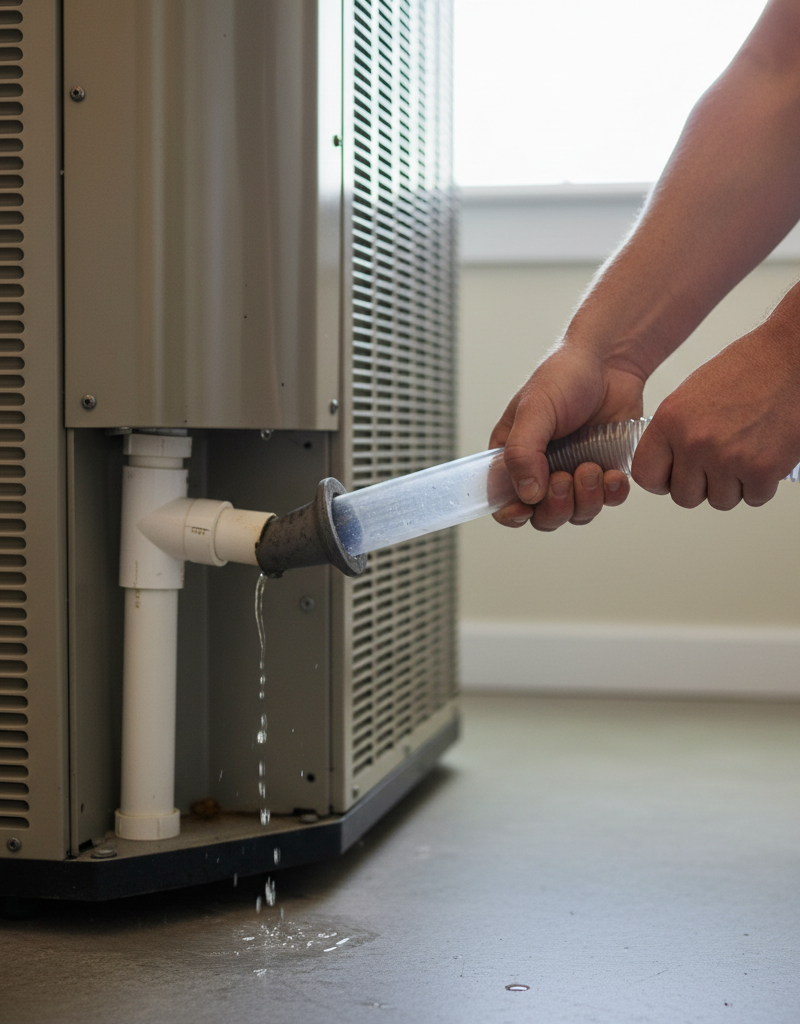
4. Clear the Initial Blockage (Wet/Dry Vac Method) — Locate the outdoor end of the condensate drain line, which is usually a short PVC pipe sticking out of your house near the outdoor compressor unit. Set your wet/dry vacuum to the 'wet' setting. Create a tight seal around the opening of the drain line with the vacuum hose end. You might need to use duct tape or a towel to ensure a good seal. Turn on the vacuum for 2-3 minutes. You should hear gurgling or suction sounds as the clog is pulled out. A good indicator that the clog has cleared is if water starts flowing from the outside pipe, or if you see a flush of dirty water enter the vacuum. Repeat if necessary.
- If this doesn't work: If the clog appears to be further up the line or resistant to the vacuum, you might try a gentle snake designed for small pipes (like a plumber's snake for drains), but be very cautious not to puncture the PVC.
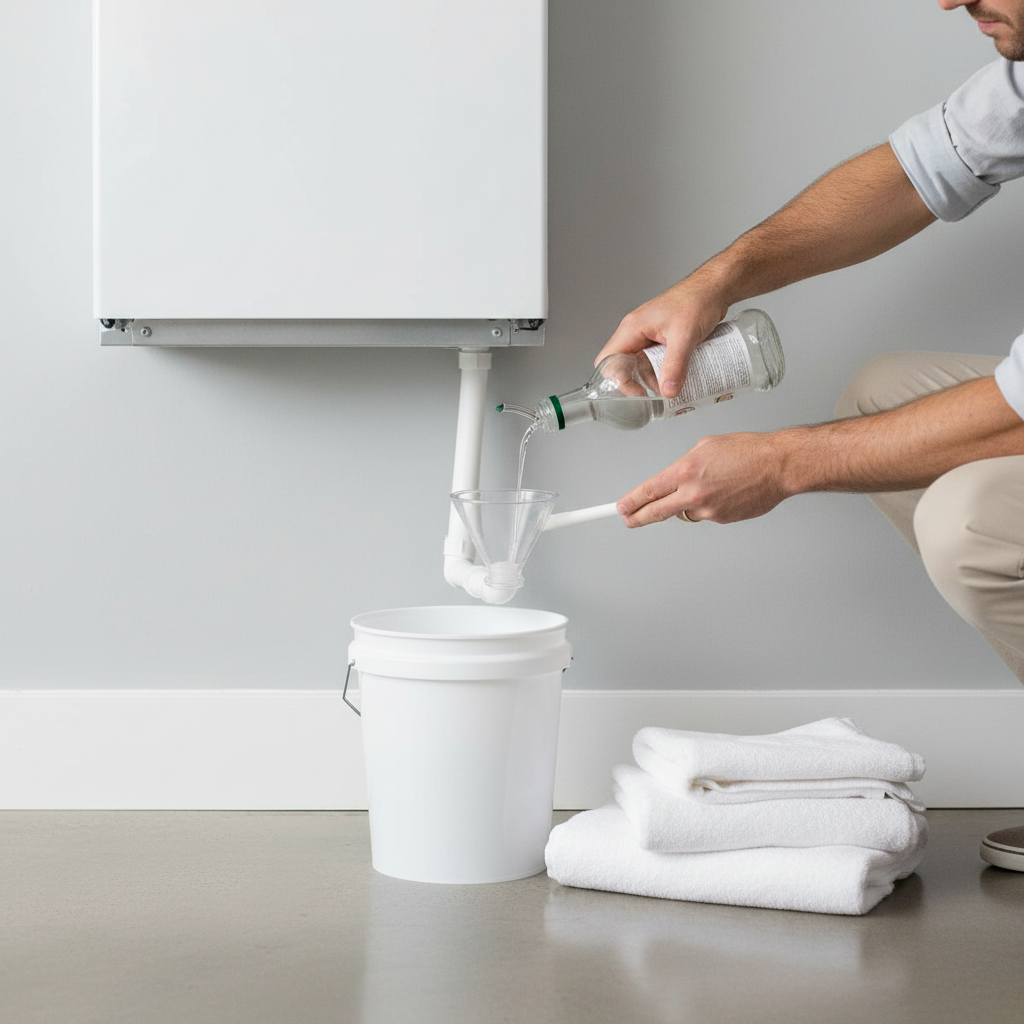
5. Flush the Line (Vinegar Method) — Once the immediate clog is cleared, or if you suspect minor buildup, prevent future clogs with a vinegar flush. Back inside, find the access port on the drain line near the air handler. This is usually a T-shaped vent or a removable cap. Place a bucket or towels underneath to catch any spills. Slowly pour about 1/2 to 1 cup of distilled white vinegar into the access port. Vinegar is acidic and helps kill algae, mold, and mildew. Let it sit for 30 minutes to an hour. Do NOT use bleach or harsh chemical drain cleaners, as they can damage your AC unit components and produce harmful fumes.
6. Rinse with Water — After the vinegar has had time to work, follow up by slowly pouring 1-2 gallons of clean water down the same access port. This flushes out the vinegar and any remaining loosened debris. You should see a steady stream of water exiting the outdoor drain line. If the water doesn't drain properly, repeat the vacuum and vinegar steps.
7. Check for Leaks and Restore Power — Once you're confident the line is clear and water is draining freely, inspect all connections and the area around the air handler for any lingering leaks or drips. Once satisfied, turn the circuit breaker back on and restart your AC unit at the thermostat. Monitor the drip pan and drain line over the next few hours to ensure proper function and no recurring issues.
Common Causes
- Algae and Slime Growth: The most frequent culprit. The dark, moist environment of the condensate drain line is ideal for algae, mold, and mildew to thrive, forming a slimy buildup that constricts the pipe over time.
- Dust and Debris: Airborne dust, dirt, pet dander, and other particles can enter the drain pan and get trapped in the biological slime, accelerating clog formation.
- Insect or Rodent Nests: In outdoor sections of the drain line, insects (like wasps or spiders) or small rodents might build nests that obstruct water flow.
- Improper Slope: If the drain line isn't installed with a sufficient downward slope, water can sit and encourage biological growth, or even flow backward.
- Infrequent Maintenance: Neglecting to regularly flush the drain line allows buildup to accumulate unchecked.
Common Mistakes
- Using Harsh Chemicals: Never use chemical drain cleaners or bleach in your AC drain line. These corrosive substances can damage the PVC pipe, the drain pan, or even the evaporator coil, leading to much more expensive repairs. Stick to white vinegar or specialized AC drain cleaners if needed.
- Ignoring the Safety Shut-Off: Failing to turn off power at the breaker before working on the unit is a serious safety hazard. Always cut power to prevent electrical shock or accidental activation.
- Forgetting the Preventative Flush: Clearing a clog once isn't enough. Many homeowners neglect to regularly flush the line after clearing a blockage, allowing the problem to reoccur quickly. Incorporate a monthly or quarterly vinegar flush.
- Not Sealing the Wet/Dry Vac Properly: If you don't create a strong seal around the drain pipe when using a wet/dry vacuum, you won't generate enough suction to effectively pull out the clog.
- Puncturing the Line: Using overly aggressive tools like stiff metal snakes or attempting to force a blockage can puncture the PVC pipe, creating a new leak point and a much bigger problem.
- Assuming a Full System Failure: Sometimes homeowners see a puddle and immediately assume a major AC breakdown. While serious, a clogged drain line is often a DIY fix and doesn't always necessitate a professional call right away.
Cost & Time Breakdown
| Task | DIY Cost | Pro Cost | Time |
|---|---|---|---|
| Wet/Dry Vacuum Clog Clearing | $0–$10 | Included in srv | 20–40 mins |
| Vinegar Flush (Preventative) | $2–$5 | ~$50–$100 | 15–30 mins |
| Shop Vacuum (if purchased) | $50–$150 | N/A | N/A |
| Plumber's Snake (if purchased) | $15–$30 | N/A | N/A |
| Full AC System Check & Flush | N/A | $100–$250 | 30–60 mins |
Tips & Prevention
- Regular Vinegar Flushes: To prevent future clogs, pour 1/2 to 1 cup of distilled white vinegar down the condensate drain line's access port every 1-3 months, followed by a gallon of water. This helps kill algae and mold before they can build up.
- Install a Drain Pan Tablet: Algaecide tablets specifically designed for AC drain pans can be placed in the pan once or twice a year to inhibit growth. These are available at most hardware stores.
- Ensure Proper Slope: Periodically check the outdoor drain line to ensure it has a continuous downward slope, allowing gravity to do its job. If it sags, it can create low spots where water collects.
- Keep Area Clean: Regularly clean around your indoor air handler and outdoor unit to minimize dust, dirt, and debris that can enter the system.
- Check Air Filter Regularly: A dirty air filter reduces airflow, making the evaporator coil colder than normal and potentially leading to excessive condensation and more algae growth. Replace or clean your air filter monthly during peak use.
- Inspect Annually: During your annual AC tune-up (or self-inspection), ask your technician or check yourself to ensure the drain line is flowing freely and the pan is clean.
When to Call a Professional
While many AC drain line clogs are manageable for a DIY enthusiast, there are specific situations where calling an HVAC professional is the safest and most effective course of action. If you've attempted the clearing methods outlined above (wet/dry vacuum, vinegar flush) and the clog persists, or if water continues to back up, the blockage might be severe or located in an inaccessible part of the system. Persistent clogs could also indicate a more serious underlying issue with your AC unit, such as a cracked drain pan (which requires replacement) or a problem with the condensate pump (if your system has one). Furthermore, if you notice water damage to walls or ceilings and suspect the leak has been ongoing, a professional can assess the extent of the damage and recommend appropriate remediation for mold or structural issues. Never hesitate to call a licensed HVAC technician if you're uncomfortable with any step, if the problem seems beyond a simple clog, or if you suspect electrical issues co-occurring with the water leak.
Related Articles
Keep troubleshooting with these hand-picked guides from FixlyGuide:
- The $5 Secret to Fixing a Clogged AC Drain Line (and Avoiding a Costly Flood) — A clogged AC drain line can lead to water damage and mold, but a simple, inexpensive DIY fix can prevent costly repairs.
- The Nasty “Secret” Hiding in Your AC: 30-Minute Clear for a Clogged Drain Line — A clogged AC drain line can lead to water leaks, mold growth, and inefficient cooling, but it’s a fix most homeowners can tackle in under a…
- The #1 Mistake Homeowners Make When Their AC Drain Clogs (And The $5 Fix) — Discover the most common error homeowners make when tackling a clogged AC drain line and learn a simple, inexpensive solution to prevent co…
- The Secret Culprit Behind Your Leaky Refrigerator (It's Not What You Think) — Discover the often-overlooked reason your refrigerator is leaking water and how a simple, inexpensive fix can prevent costly damage.
- The 4 Hidden Reasons Your Chimney Leaks During Rain (And the $50 Fix) — A leaky chimney during rain can signify several underlying issues, from a damaged chimney cap to degraded flashing, leading to significant…
- The 3-Minute Sump Pump Secret That Prevents Basement Flooding — Discover how to quickly and effectively test your sump pump before the rainy season hits, ensuring your basement stays dry and preventing c…
Frequently asked questions
Why does my AC drain line get clogged?+
AC drain lines typically clog due to the buildup of algae, mold, mildew, and other biological growth in the dark, moist conditions of the pipe. Dust, dirt, and other airborne particles can also contribute to the blockage.
Can I use bleach to clear my AC drain line?+
No, you should never use bleach or harsh chemical drain cleaners in your AC drain line. These chemicals can damage the PVC pipe, drain pan, or even the evaporator coils, leading to expensive repairs and potentially releasing harmful fumes. Stick to distilled white vinegar or a specialized AC drain treatment.
How often should I flush my AC drain line?+
To prevent clogs, it's recommended to flush your AC drain line with 1/2 to 1 cup of distilled white vinegar, followed by a gallon of clean water, every 1-3 months, especially during peak cooling seasons.
What happens if a clogged AC drain line is ignored?+
Ignoring a clogged AC drain line can lead to several serious issues, including water damage to ceilings, walls, and floors, the growth of mold and mildew in your home, and your AC system potentially shutting down entirely if it has a safety float switch.
How do I know if my AC drain line is clogged?+
Common signs of a clogged AC drain line include water pooling around the indoor air handler unit, water leaking from the condensate pan, gurgling sounds from the unit, or your AC system not cooling effectively and potentially shutting off due to a safety float switch activation.
Discussion
Loading comments…