Tools & materials you'll need
Affiliate links- AmazonWet/Dry VacuumSmall capacity is sufficient, needs a hose that can seal over a 3/4-inch PVC pipe
- AmazonFunnelTo pour vinegar/water into the drain line access
- AmazonBucketFor collecting flushed debris or rinsing
- AmazonNon-Contact Voltage TesterFor verifying power is off (safety)
- AmazonFlashlightFor inspecting dark areas around the air handler
As an Amazon Associate FixlyGuide earns from qualifying purchases — at no extra cost to you. Prices and availability are accurate as of publication and subject to change.
Quick Answer
A clogged AC drain line is a common issue that can result in water damage and decreased cooling efficiency. The good news is that most homeowners can clear a simple blockage in under an hour using basic tools. The process involves safely shutting down your AC unit, locating the access point for the condensate drain line, and either suctioning out the clog with a wet/dry vacuum or flushing it with a cleaning solution, most often a dilute bleach solution or white vinegar.
The Problem
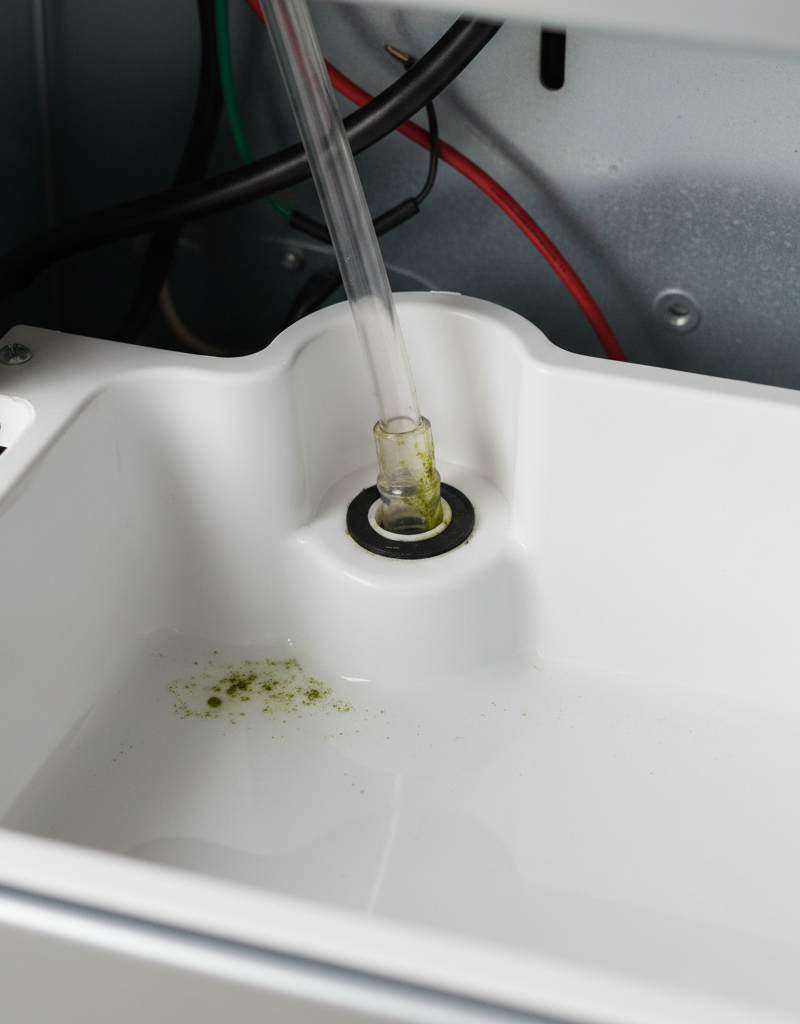
A warm, humid environment like that found in your air conditioning system is the perfect breeding ground for algae, mold, and mildew. Over time, these microscopic organisms, along with dust and dirt, accumulate and form a slimy blockage within your AC's condensate drain line. This drain line is responsible for carrying away the water (condensate) that your AC unit extracts from the air as it cools your home. When the line becomes blocked, the condensate has nowhere to go and backs up into the drain pan. Eventually, the pan overflows, leading to water leaks. These leaks can cause significant damage, including stained ceilings, damaged drywall, ruined flooring, and even electrical shorts if water reaches sensitive components.
Beyond visible water damage, a clogged drain line can lead to high humidity levels in your home, which defeats the purpose of your AC and can make your living space feel muggier. In severe cases, some AC units have safety floats that will shut down the entire system to prevent overflow, leaving you without cooling on a hot day. Recognizing the early signs, such as standing water in the drain pan, musty odors near the unit, or the AC shutting off unexpectedly, can save you from more costly repairs and discomfort.
How It Works
Your air conditioning system cools your home by circulating a refrigerant through a closed loop. Inside your home, the warm, humid air from your living space is drawn into the air handler and passes over the evaporator coil. The refrigerant inside this coil is very cold, absorbing heat from the air. As the air cools, its ability to hold moisture decreases, causing water vapor to condense out of the air, much like water droplets form on a cold glass on a humid day. This condensed water, known as condensate, then drips into a sloped collection pan, often called a primary or auxiliary drain pan, located directly beneath the evaporator coil.
From the drain pan, the condensate flows by gravity into the condensate drain line, a PVC or copper pipe, typically 3/4-inch to 1-inch in diameter. This line usually exits your home and terminates outdoors, often near the foundation or into a dedicated plumbing drain. Many systems also include a P-trap in the drain line, which acts as a water seal to prevent conditioned air from escaping and to block unpleasant odors or insects from entering the system through the drain. Some drain lines also have a small "vent" tee fitting near the air handler, which helps ensure proper airflow and drainage. This delicate system relies on an unobstructed path for the condensate to flow. When algae or other debris build up, they create a dam, causing the water to back up and overflow, leading to the problems we discussed.
Step-by-Step Fix
1. Safety First: Power Down Your AC — Before touching any part of your AC system, especially near electrical components, completely cut off the power. A dedicated circuit breaker for your indoor air handler (furnace) and an outdoor disconnect switch near the condenser unit should be available. Flip both to the "off" position to prevent accidental startup or electrical shock.
- Safety Note: Always verify power is off with a non-contact voltage tester if you are unsure.
2. Locate the Condensate Drain Line — Find the indoor air handler unit, typically in your garage, attic, basement, or a utility closet. Look for a PVC pipe, usually 3/4-inch in diameter, extending from the drain pan (located directly beneath the evaporator coil) and often going into a wall or ceiling. There will usually be a small, open-ended vent or a cap on a T-shaped fitting somewhere along this line.
- Identifying the pan: The primary drain pan is usually metal and sits directly under the evaporator coil. An auxiliary pan, often plastic, may be present underneath the entire air handler unit as a backup.
- Access points: The T-shaped fitting with a removable cap or an open vent (sometimes called a "cleanout") is your primary access point.
3. Clear Standing Water (If Present) — If the drain pan is overflowing, carefully use a wet/dry vacuum to suction out as much standing water as possible from the pan. You can also use towels to soak up excess water to prevent further damage while you work on the clog.
- Protect surroundings: Lay down old towels or newspapers to catch any spills.
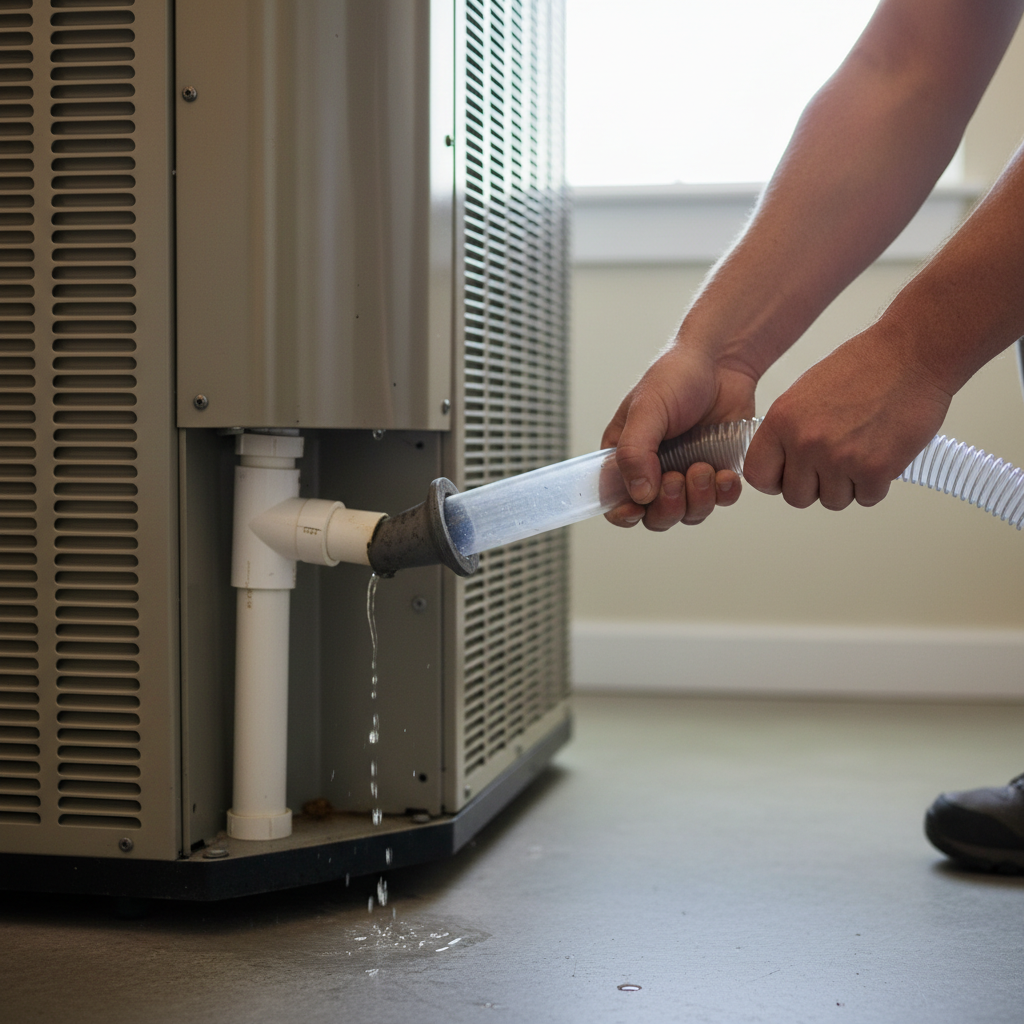
4. Clear the Clog with a Wet/Dry Vacuum — This is often the most effective method for immediate relief. Locate the outdoor end of the condensate drain line (usually a small PVC pipe sticking out of your foundation near the outdoor AC unit). Place the wet/dry vacuum hose tightly over the end of the drain line and secure it with duct tape, creating an airtight seal. Turn on the vacuum for 2-3 minutes. This powerful suction will often pull out the clog.
- Inside Access: If you can’t easily access the outdoor end, or if your line drains into an indoor plumbing standpipe, you might be able to suction from the access tee near the air handler after removing the cap.
- Watch for debris: You'll often hear a gurgling sound as the clog is cleared, and sometimes a surprising amount of slimy gunk will be expelled into the vacuum container.
5. Flush the Line with Vinegar or Bleach — After suctioning, or if you don't have a wet/dry vacuum, you can flush the line. Pour 1/4 cup of distilled white vinegar or 1/4 cup of undiluted bleach (never mix them!) into the access tee opening on the drain line near the air handler. Follow this with a cup or two of warm water. The solution will help kill mold and algae.
- Vinegar preferred: Vinegar is generally safer for your system and the environment. Bleach can be helpful for severe clogs but should be used sparingly.
- Wait time: Let the solution sit for 20-30 minutes to work on any remaining microbial growth.
- Rinse: Follow up with a gallon or two of plain warm water to thoroughly flush the line.
6. Check for Proper Drainage — After flushing, pour 1-2 gallons of water slowly into the primary drain pan (beneath the evaporator coil). Watch to see if the water drains freely and steadily out of the outdoor end of the condensate line. If it still backs up, the clog might be stubborn, or you might have another issue.
- If still clogged: Repeat the wet/dry vacuum method, or try a second vinegar/bleach flush.
7. Clean the Drain Pan — If there was standing water, clean the inside of the drain pan with a mild detergent and water, then wipe it dry. This helps remove residual sludge and prevent immediate recurrence of algae growth.
- Preventative tabs: Consider placing a condensate pan treatment tablet (algaecide tablet) in the pan to prevent future growth.
8. Restore Power and Monitor — Once you're confident the line is clear and you've cleaned up, replace any caps or plugs, then restore power to your AC system at both the outdoor disconnect and the indoor circuit breaker. Run your AC for a while and periodically check the drain pan and the outdoor drain line to ensure water is flowing freely and no leaks are present.
- Listen for sounds: A healthy drain line will often have a steady drip or flow at the outdoor end.
Common Causes
- Algae and Slime Buildup: This is by far the most common culprit. The dark, damp environment of the drain line is ideal for mold, mildew, and various types of algae to flourish, forming a slimy obstruction.
- Dust and Dirt Accumulation: Fine particles of dust, dirt, and pet dander that bypass your air filter can get trapped in the moisture of the drain line and contribute to clog formation.
- Pests and Debris: Insects, small rodents, or plant debris (if the outdoor end is exposed) can sometimes enter the drain line and build nests or cause blockages.
- Poor Installation or Slope: If the condensate drain line wasn't installed with a proper downward slope, water can stand in the line, increasing the likelihood of biological growth and clogs.
- Missing P-Trap or Vent: A properly installed P-trap prevents air from being drawn into (or pushed out of) the drain line, which can impede water flow. A missing or improperly installed vent can also create airlocks that prevent proper drainage.
- Infrequent Maintenance: Neglecting regular AC maintenance, including flushing the drain line, allows clogs to build up over time unaddressed.
Common Mistakes
- Ignoring Safety Precautions: Forgetting to turn off power to the unit before working on it can lead to serious electrical shock. Always cut power at the breaker and outdoor disconnect.
- Mixing Cleaning Chemicals: Never mix bleach with other household cleaners, especially ammonia or vinegar, as it can produce dangerous toxic fumes. Stick to one type of cleaning solution.
- Using Strong Caustic Drain Cleaners: Standard household drain cleaners designed for kitchen or bathroom clogs are too harsh for AC drain lines and can corrode the PVC pipes or damage other components of your AC system. Stick to vinegar or diluted bleach.
- Overlooking the P-Trap: When cleaning, some homeowners forget to account for the P-trap, which can hold a significant portion of the clog. It often needs to be cleared directly, or the vacuum applied to it.
- Not Rinsing Thoroughly: Failing to rinse the drain line completely after using bleach or vinegar can leave residual chemicals that could potentially damage the system or attract more buildup. Always follow with plenty of clear water.
- Forgetting to Check the Vent: If your drain line has a small, open-ended vent, ensure it’s not blocked. A blocked vent can create a vacuum, preventing water from draining freely.
- Attaching the shop-vac improperly: A loose seal between the shop-vac hose and the drain line will prevent adequate suction, rendering the effort ineffective. Use duct tape or a strong manual seal.
Cost & Time Breakdown
| Task | DIY Cost | Pro Cost | Time |
|---|---|---|---|
| Gather Tools & Safety | $0 | N/A | 5 min |
| Locate & Power Down | $0 | N/A | 5 min |
| Suction Clog (Wet/Dry Vac) | $0–$10 (tape) | ~$75–$150 | 15–30 min |
| Flush with Vinegar/Bleach | $5–$10 | ~$75–$150 | 30–60 min |
| Clean Pan & Check Drainage | $0 | Included | 10 min |
| Monitoring & Cleanup | $0 | Included | 5 min |
| Total Estimate | $5–$20 | $75–$150 | 1–2 hours |
Tips & Prevention
- Regular Flushing: The easiest way to prevent clogs is to proactively flush your AC drain line every 1-3 months during cooling season with 1/4 cup of distilled white vinegar followed by a gallon of warm water. This helps kill algae before it can cause a significant blockage.
- Condensate Pan Tablets: Place algaecide tablets (available at hardware stores) directly into your primary drain pan. These slowly dissolve and release chemicals that inhibit mold and algae growth for several months.
- Check Air Filters Monthly: A dirty air filter restricts airflow, causing the evaporator coil to work harder and sometimes leading to excessive condensation. It also allows more dust and debris to enter the system and potentially reach the drain line. Replace or clean filters monthly.
- Keep Outdoor End Clear: Ensure the outdoor exit point of your condensate drain line is clear of dirt, mulch, leaves, and insect nests. Trimming back foliage can help.
- Ensure Proper Slope: Confirm that the drain line has a continuous downward slope from the air handler to its exit point. If it sags or has uphill sections, water will pool and promote clogs. You might need to add or adjust hangers.
- Annual Professional Tune-up: Schedule a professional AC tune-up once a year. Technicians will inspect and clean the condensate drain line as part of their routine maintenance, catching potential issues before they become major problems.
When to Call a Professional
While clearing a simple AC drain line clog is a common DIY task, there are specific situations where calling a licensed HVAC professional is essential. If you've followed the steps and the drain line remains stubbornly clogged, or if water continues to back up, it could indicate a more complex issue such as a collapsed drain line, an improperly sloped pipe within a wall, or a blockage deep within the system that DIY methods can't reach. Furthermore, if you notice water leaking from areas other than the primary drain pan, such as directly from the air handler cabinet or ceiling vents, it might signal a cracked drain pan, a leaking coil, or a refrigerant issue, all of which require professional diagnosis and repair. Any time you suspect an electrical problem, or if you are uncomfortable working with potentially wet electrical components, immediately contact a professional to ensure your safety and prevent further damage to your HVAC system.
Related Articles
Keep troubleshooting with these hand-picked guides from FixlyGuide:
- The $5 Secret to Fixing a Clogged AC Drain Line (and Avoiding a Costly Flood) — A clogged AC drain line can lead to water damage and mold, but a simple, inexpensive DIY fix can prevent costly repairs.
- The $5 Single-Handle Faucet Fix Plumbers Don't Want You to Know — Stop that annoying drip! Most single-handle faucet leaks are caused by worn-out O-rings or seals, a repair homeowners can easily tackle in…
- The #1 Mistake Homeowners Make When Their AC Drain Clogs (And The $5 Fix) — Discover the most common error homeowners make when tackling a clogged AC drain line and learn a simple, inexpensive solution to prevent co…
- The 30-Second Toilet Fix Plumbers Don't Want You to Know — Stop that phantom-flushing toilet with this quick guide to diagnosing and fixing the most common silent water leaks.
- The Secret Culprit Behind Your Leaky Refrigerator (It’s Not Always the Water Line) — Discover the most common, often overlooked, reasons your refrigerator is leaking water and how to fix them with simple DIY steps.
- The 4-Inch Drywall Hole Fix: Why Most DIY Patches Fail (And How to Do It Right) — Don't let a small drywall hole become a recurring nightmare – discover the secret to a seamless, lasting repair that disappears into your w…
Frequently asked questions
How do you know if your AC drain line is clogged?+
The most common sign of a clogged AC drain line is water overflowing from the condensate pan, often appearing as water stains on your ceiling or walls near the indoor unit. You might also notice your AC unit shutting off unexpectedly (due to a safety float switch), or a musty, moldy odor coming from your vents due to stagnant water.
Discussion
Loading comments…