Tools & materials you'll need
Affiliate linksAs an Amazon Associate FixlyGuide earns from qualifying purchases — at no extra cost to you. Prices and availability are accurate as of publication and subject to change.
Quick Answer
Floating shelves commonly sag in drywall installations due to mismatched anchors for the shelf's weight, inadequate stud finding, or incorrect bracket installation. The most reliable fix involves using high-strength toggle anchors or, ideally, securing the shelf directly into wall studs. Proper pre-drilling, leveling, and testing the weight capacity are crucial for a lasting, level installation.
The Problem
There’s nothing quite as frustrating as installing a sleek floating shelf, only to find it bowing or sagging shortly after. This isn't just an aesthetic issue; a sagging shelf can signify a structural weakness that could lead to your prized possessions crashing to the floor. Most homeowners attribute this directly to “bad drywall,” but the real culprits are often more nuanced: a misunderstanding of drywall's limitations, improper anchor usage, or an installation process that doesn't respect the physics of leverage. Even an apparently minor sag, say a quarter-inch drop over a 24-inch shelf, puts significant stress on the fasteners and the drywall itself, often leading to bigger problems down the line like torn holes or crumbling plaster.
How It Works
Drywall, or gypsum board, is a fantastic material for creating smooth, paintable wall surfaces, but it has very little inherent strength for holding heavy loads. It's essentially a layer of gypsum plaster pressed between two sheets of paper. When you install something into drywall, you're not relying on the drywall itself for strength, but rather on a fastener that expands behind it or grabs onto the stud behind it.
Floating shelves, by design, create a significant amount of leverage. The weight placed on the shelf acts as a force pushing down, and the further that weight is from the wall, the more rotational force (torque) is exerted on the fasteners. This torque constantly tries to pull the top of the fastener out of the wall and push the bottom of the fastener into the wall. If the fasteners aren't designed to resist this rotational force, or if they aren't properly engaged with a robust material like a wood stud or the back of the drywall, they will inevitably fail. Standard plastic anchors or even basic self-drilling drywall anchors often can't withstand this consistent downward and outward pressure, especially over time or with incremental loading.
Studs, on the other hand, are the vertical wooden (or metal) framing members inside your walls. They are typically spaced 16 or 24 inches on center. When you mount a shelf directly into studs, you're anchoring into solid wood, which provides vastly superior holding power against both sheer weight and leverage. The trick is accurately finding these studs and aligning your shelf brackets accordingly.
Step-by-Step Fix
1. Assess the Sag and Damage — Before you do anything else, evaluate the extent of the sag and any existing damage to the drywall.
Carefully remove everything from the sagging shelf. Examine the shelf itself for warping and the wall around the existing anchors for signs of drywall tearing, cracking, or anchors pulling free. If the drywall is significantly damaged, you may need to patch the holes before proceeding. Light damage can often be covered by new, larger anchors or the shelf bracket itself.
- Safety Note: Wear safety glasses to protect your eyes from falling debris, especially when drilling into older walls or if there's any chance of plaster dust.
2. Remove the Existing Shelf and Hardware — Carefully take down the shelf and any old anchors.
Use a drill or screwdriver to remove the screws holding the shelf or its brackets. If the existing anchors are still in the wall, try to pull them out with pliers. If they are firmly stuck and not causing a bulge, you might be able to push them slightly into the wall and patch over them later. Collect all old hardware to avoid leaving trip hazards.
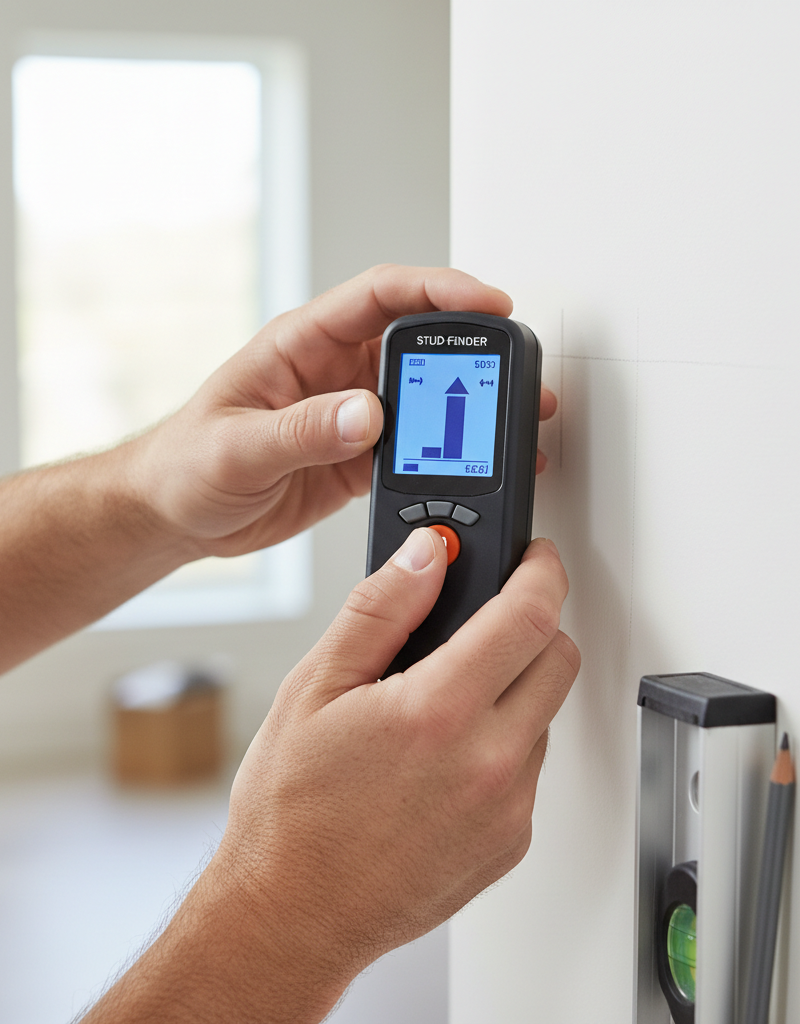
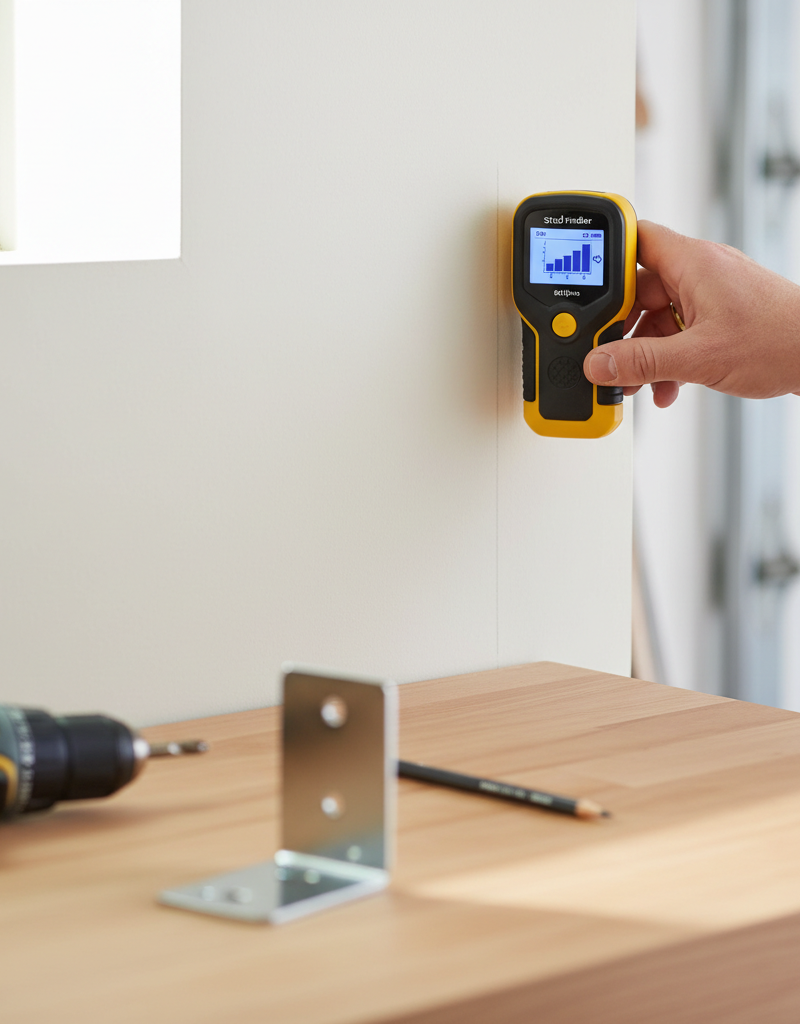
3. Locate Wall Studs (The Gold Standard) — Use a stud finder to identify the precise center of any wall studs.
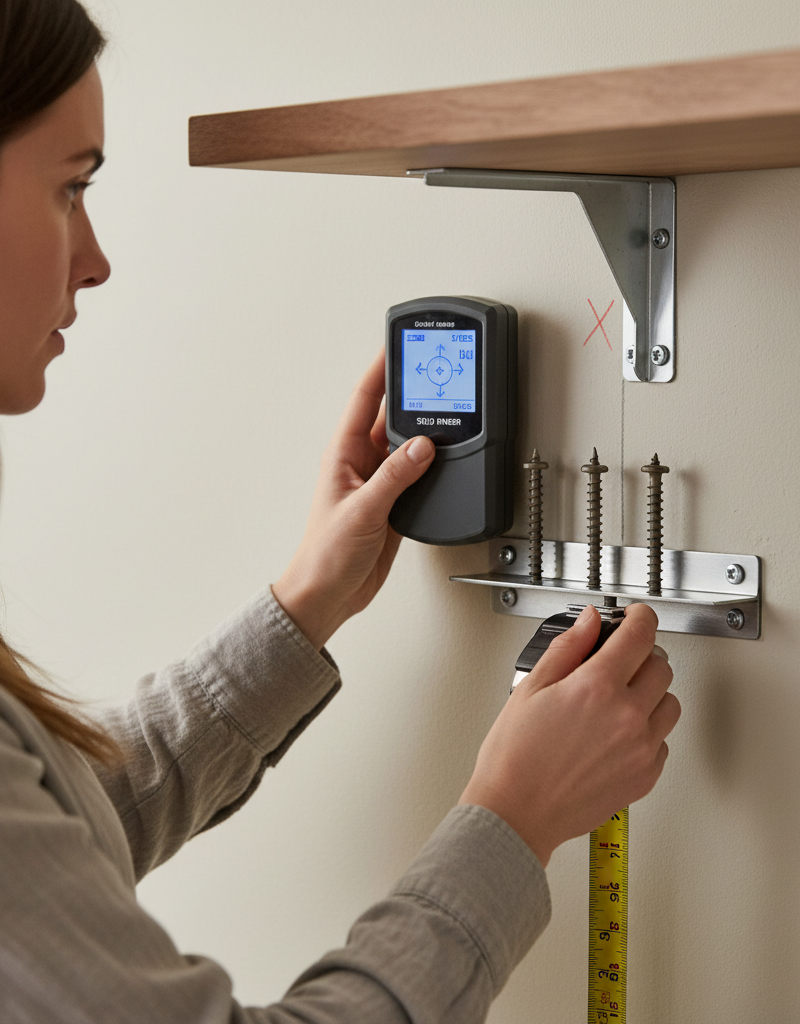
Scan the wall horizontally across the area where the shelf will be reinstalled. Mark the edges of the studs lightly with a pencil, then mark the center. Ideally, your floating shelf brackets should align directly with these stud centers for maximum stability. Aim for at least two stud connections for shelves longer than 24 inches, or if possible, connect all brackets to studs.
- If no studs are directly behind the desired shelf location: You will need to rely on heavy-duty drywall anchors. Skip to step 5, and ensure you use anchors rated for significantly more than your anticipated shelf load.
4. Mark and Drill Pilot Holes for Stud Mounting — If you've found studs, mark your new mounting points accurately.
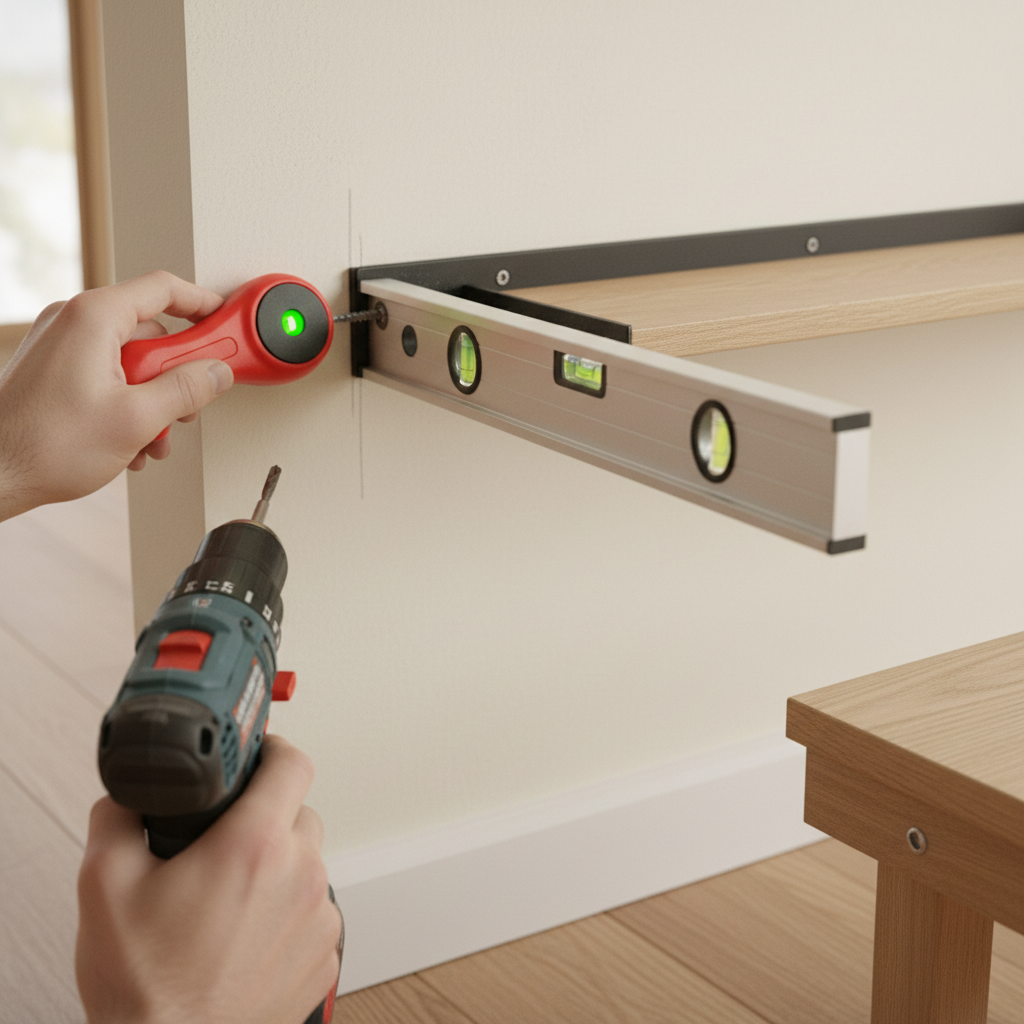
Holding the shelf bracket against the wall, align its screw holes with your stud markings. Use a pencil to mark the specific drill points. For wood studs, pre-drill pilot holes slightly smaller than your mounting screws (e.g., 1/8-inch for standard #8 wood screws) to prevent splitting the wood and ensure screws drive in straight. Use a level to ensure your marks are perfectly horizontal before drilling.
- Pro Tip: If you're drilling into metal studs, you'll need self-tapping metal screws specifically designed for this purpose. Pre-drilling may still be necessary depending on the screw type.
5. Install Heavy-Duty Drywall Anchors (If No Studs) — When studs aren't an option, use the strongest anchors available.
For drywall-only installations, choose toggle bolts (like Snaptoggles or similar toggle-style anchors) or heavy-duty self-drilling metal anchors (like Toggler Snaptoggle, Hiltitoggler, or similar brands) rated for at least 50 lbs each. Follow the manufacturer's instructions precisely for each anchor type. Generally, this involves drilling a specific size hole, inserting the anchor, and then tightening a screw that expands or locks it against the back of the drywall.
- Common Mistake: Using plastic expansion anchors for floating shelves is almost always an inadequate solution due to the leverage.
- If your shelf is very long or will hold significant weight without studs: Consider adding blocking inside the wall if you're willing to cut into the drywall and patch it. This is a more advanced fix but provides stud-like stability.
6. Mount the Shelf Brackets — Securely attach the brackets to the wall.
Hold the first bracket against the wall, aligning it with your pilot holes or installed anchors. Use a level to ensure it's perfectly plumb and level. Drive the appropriate screws (wood screws for studs, machine screws for toggle anchors) through the bracket and into the wall. Do not overtighten, as this can strip the screws or damage the drywall. Repeat with any additional brackets, ensuring they are all perfectly level with each other using a long level.
7. Attach and Level the Shelf — Slide the shelf onto the mounted brackets and secure it.
Carefully slide the floating shelf body onto the pins or arms of the brackets. Many floating shelves have small set screws on the underside to secure them to the brackets. Tighten these gently. After attaching, place your level on top of the shelf to confirm it's perfectly horizontal. Make minor adjustments if needed by slightly loosening and repositioning brackets, or by shimming between the bracket and shelf if the design allows.
8. Load Test Incrementally — Do not immediately load the shelf with all your items.
Start by placing a few light items on the shelf. Observe closely for any signs of movement or sag. Gradually add more weight, periodically checking for stability. This incremental loading helps distribute stress and allows you to catch any potential failures before they become catastrophic. Refer to the manufacturer's maximum weight rating for your specific shelf.
Common Causes
- Incorrect Anchor Selection: The most frequent cause. Standard plastic drywall anchors are simply not strong enough to handle the leverage and weight of a floating shelf. They pull out or tear through the drywall easily.
- Missing Studs: Not mounting into a wall stud when one is available significantly reduces the shelf's weight capacity and increases the likelihood of sagging or failure.
- Poor Pilot Hole Placement: If pilot holes for screws are drilled off-center from the stud or too large for the anchor, the fasteners won't get a proper grip.
- Overloading the Shelf: Even with proper installation, exceeding the manufacturer's recommended weight capacity will inevitably lead to failure over time.
- Uneven Installation: If brackets are not perfectly level or plumb, the weight distribution will be uneven, placing undue stress on certain fasteners and eventually leading to sag.
- Shelf Material/Construction: Some floating shelves, especially those made from particleboard or hollow core materials, may sag under their own weight over time, or flex excessively under even moderate loads, regardless of how well they are mounted.
Common Mistakes
- Using Plastic Anchors for Floating Shelves: Plastic anchors are fine for light picture frames, but utterly insufficient for floating shelves due to the leverage involved. Always opt for toggle bolts or stud mounting.
- Not Using a Stud Finder (or Using it Incorrectly): Guessing where studs are often leads to drilling multiple holes, weakening the drywall, and missing the strongest mounting points.
- Skipping the Level: Even a slight deviation from level can lead to an unsightly sag or uneven weight distribution, putting more stress on one side of the shelf.
- Over-tightening Screws into Drywall: This can strip the screw hole, compress and damage the drywall, or snap off the screw head, creating more repair work.
- Underestimating Weight Capacity: Assuming
Related Articles
Keep troubleshooting with these hand-picked guides from FixlyGuide:
- The #1 Mistake Homeowners Make Installing Floating Shelves (and How to Fix It) — Discover the crucial error many DIYers make when mounting floating shelves into drywall and learn the simple steps to ensure a secure, sag-…
- The #1 Mistake Homeowners Make Installing Floating Shelves (and How to Fix It) — Discover the crucial mistake homeowners make installing floating shelves into drywall and learn the correct, secure method to prevent saggi…
- The 3 Common Floating Shelf Mistakes That Lead to Wall Damage — Learn the critical mistakes homeowners make when installing floating shelves into drywall and how to avoid them for a secure, lasting mount.
- The #1 Mistake Homeowners Make Installing Floating Shelves (and How to Fix It) — Discover the most common error DIYers make when mounting floating shelves into drywall and how to ensure your shelves are sturdy and secure.
- The 3 Drywall Anchors That Will NEVER Fail Your Heavy Mirror (And 2 to Avoid) — Safely hanging a heavy mirror on drywall requires choosing the right anchors and proper installation to prevent frustrating falls and damag…
- The #1 Mistake When Fixing Baseboards That Pull Away From Walls — Discover the crucial mistake homeowners make when reattaching baseboards and how to properly secure them for a lasting fix.
Frequently asked questions
Why do my floating shelves keep sagging?+
Floating shelves often sag because the wrong type of anchor was used for the weight and leverage, or because the shelf was not adequately secured to wall studs. Overloading the shelf is another common cause, exceeding the capacity of even well-installed anchors or brackets.
What kind of anchors should I use for heavy floating shelves in drywall?+
For heavy floating shelves installed in drywall without studs, the best anchors are toggle bolts (e.g., Snaptoggles or similar toggle-style anchors) or robust metal self-drilling anchors specifically designed for high weight ratings. These distribute weight over a larger area behind the drywall.
Can I fix a sagging floating shelf without taking it down?+
In most cases, no. To properly fix a sagging floating shelf, you need to remove it, assess the damage to the drywall and previous anchors, and reinstall it using stronger anchors or by securing it to wall studs. Attempting to reinforce a sagging shelf from the outside is usually ineffective and temporary.
How do I find studs accurately for my floating shelf?+
Use an electronic stud finder. Scan horizontally across the wall in the area where you plan to install the shelf. Mark the edges of the studs first, then find the center point. It's often helpful to double-check by gently tapping the wall; a solid sound indicates a stud, while a hollow sound is drywall.
What is the maximum weight a floating shelf can hold in drywall?+
The maximum weight depends heavily on the type and quantity of anchors used, and whether it's mounted into studs. A single heavy-duty toggle anchor might hold 50-100 lbs in ideal conditions, but a shelf's actual capacity is limited by the weakest link, including the shelf material itself. Always aim for stud mounting for anything over 20-30 lbs and check manufacturer ratings.
Discussion
Loading comments…