Tools & materials you'll need
Affiliate linksAs an Amazon Associate FixlyGuide earns from qualifying purchases — at no extra cost to you. Prices and availability are accurate as of publication and subject to change.
Quick Answer
Naturally getting rid of crabgrass involves a multi-pronged approach focused on strengthening your lawn to outcompete this annual weed. Key strategies include precise mowing heights, deep and infrequent watering, and the strategic application of organic pre-emergent controls like corn gluten meal. Improving soil health through aeration and proper fertilization further enhances your turf's resilience against crabgrass invasion without resorting to synthetic chemicals.
The Problem
Crabgrass isn't just an eyesore; it's an opportunistic annual weed that thrives in conditions unfavorable to healthy turf. It germinates when soil temperatures consistently reach 55-60°F (13-16°C) for several days, typically in late spring or early summer, and then rapidly spreads, choking out desirable grass. As an annual, it dies with the first hard frost, but not before producing thousands of seeds that lie dormant, waiting for the ideal conditions to sprout the following year. This relentless cycle makes crabgrass a perennial headache for homeowners seeking a lush, uniform lawn. The problem is often exacerbated by improper lawn care practices that inadvertently create the perfect breeding ground for this tenacious weed, from scalping the lawn to inconsistent watering, and even neglecting soil health.
How It Works
Understanding crabgrass—and your lawn—is key to natural control. Crabgrass (Digitaria spp.) is a warm-season annual germinating from seeds. Each plant can produce up to 150,000 seeds, which remain viable in the soil for several years. These seeds require light, moisture, and soil temperatures in the 55-60°F range to germinate. Once established, crabgrass grows quickly, forming dense, low-growing clumps that tolerate drought and poor soil conditions better than most desirable turfgrasses. Its prostrate growth habit allows it to escape mower blades set too high, and its vigorous rooting system outcompetes weaker turf for water and nutrients.
Conversely, a healthy, dense lawn is your best defense. A robust turfgrass canopy shades the soil, keeping soil temperatures lower and inhibiting crabgrass seed germination. Strong, deep-rooted grass can also better withstand drought and nutrient stress, preventing the thin, bare patches where crabgrass typically gets its foothold. Organic methods primarily work by either preventing germination (pre-emergent) or by strengthening your lawn to suppress existing crabgrass. Pre-emergent applications create a barrier that interferes with the germination process, while cultural practices like proper mowing, watering, and feeding foster a thick, healthy lawn that simply doesn't leave room for crabgrass to thrive. It’s a battle of attrition, where the stronger, healthier grass wins by monopolizing resources and shading out the competition.
Step-by-Step Fix
1. Test Your Soil First — Understand your lawn's needs before you treat it.
Before applying any treatments, synthetic or organic, get a soil test. This will reveal nutrient deficiencies (like nitrogen, phosphorus, and potassium) and pH imbalances that could be weakening your lawn and making it susceptible to crabgrass. Many university extension offices offer affordable soil testing services. If your soil needs amendments, address these first; healthy soil is the foundation of a crabgrass-free lawn.
2. Mow High and Often — Promote a dense canopy that shades the soil.
Set your mower blade to at least 3 inches, ideally 3.5 to 4 inches for most cool-season grasses. Taller grass blades create more shade, which keeps the soil cooler and prevents crabgrass seeds from germinating. Mowing frequently (every 5-7 days) also clips any young crabgrass plants before they can produce viable seeds, effectively breaking the reproductive cycle for the season. Never remove more than one-third of the grass blade height at a time.
3. Water Deeply and Infrequently — Encourage deep roots and conserve moisture.
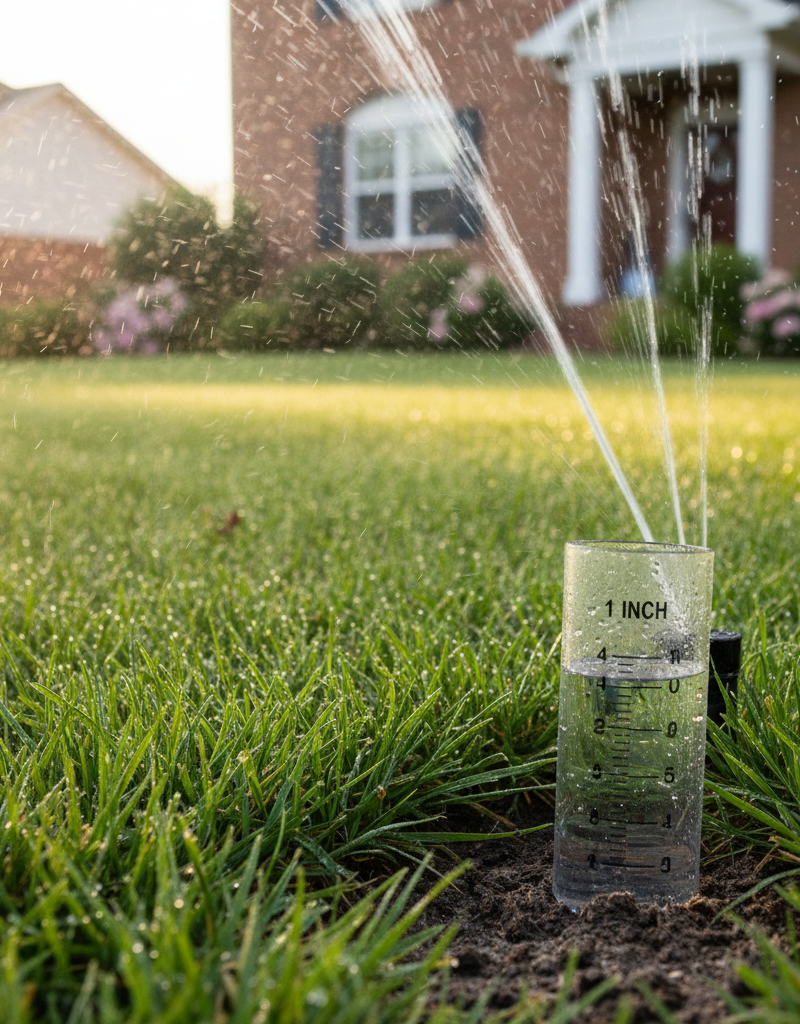
Instead of frequent, shallow watering, water deeply to a depth of 4-6 inches. This typically means applying about 1 inch of water once or twice a week, depending on weather and soil type. Deep watering encourages your desirable turfgrass to develop deep root systems, making it more drought-tolerant and better able to compete with weeds. Shallow watering, conversely, encourages crabgrass which has a more shallow root system. * Tip: To measure 1 inch of water, place an empty tuna can or rain gauge in your sprinkler's path and time how long it takes to fill.
4. Apply Organic Pre-Emergent (Corn Gluten Meal) — Prevent seeds from sprouting naturally.
Apply corn gluten meal in early spring, just before soil temperatures consistently reach 55-60°F. This typically means when crocuses bloom or forsythia bushes are in full yellow flower. Corn gluten meal works by inhibiting root formation in germinating seeds. Apply at a rate of 10-20 pounds per 1,000 square feet. It also provides a significant nitrogen boost to your lawn. Water it in immediately after application to activate. * Caution: Corn gluten meal is a natural herbicide, but it is not selective. Do not apply when you are trying to establish new grass seed, as it will prevent your grass from germinating.
5. Spot Treat Young Crabgrass Plants — Address new growth before it spreads.
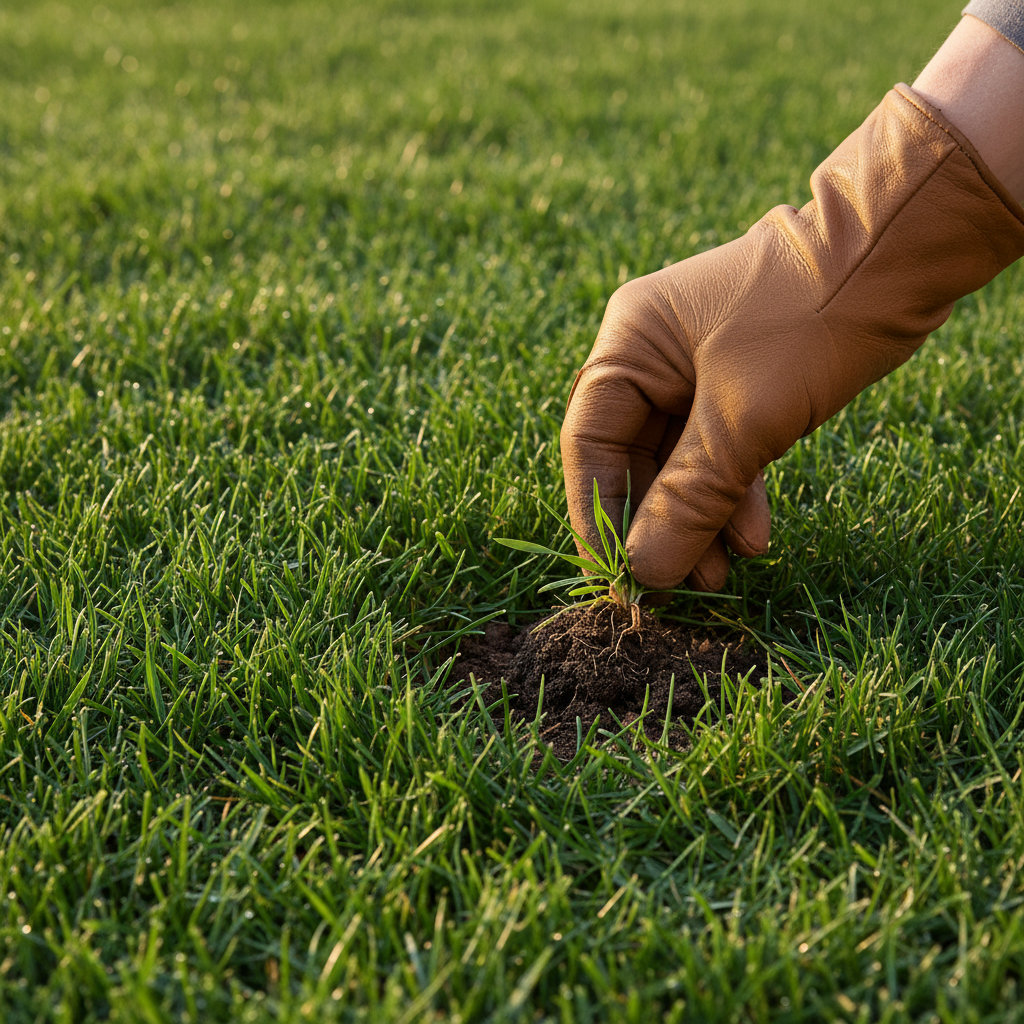
For isolated crabgrass plants that emerge despite preventive measures, hand-pull them when they are still young and small. This is most effective after a rain or deep watering when the soil is soft. Ensure you remove the entire root system to prevent regrowth. For larger patches, a sturdy weeding tool can be helpful. * If this doesn't work: If the patch is too large to hand-pull, consider solarization. Cover the area with clear plastic sheeting for 4-6 weeks during the hottest part of summer. The heat will kill the crabgrass and its seeds. Rake out the dead material and reseed in the fall.
6. Overseed in Fall — Fill in bare spots and thicken your lawn.
After the crabgrass dies off in the fall, overseed any thin or bare areas. Fall is the ideal time for cool-season grass seeding. A dense, healthy lawn is the best long-term defense against crabgrass. Use a good quality grass seed blend appropriate for your climate and sun exposure. Aerate your lawn before overseeding for better seed-to-soil contact.
7. Aerate Compacted Soil — Improve drainage and root growth.
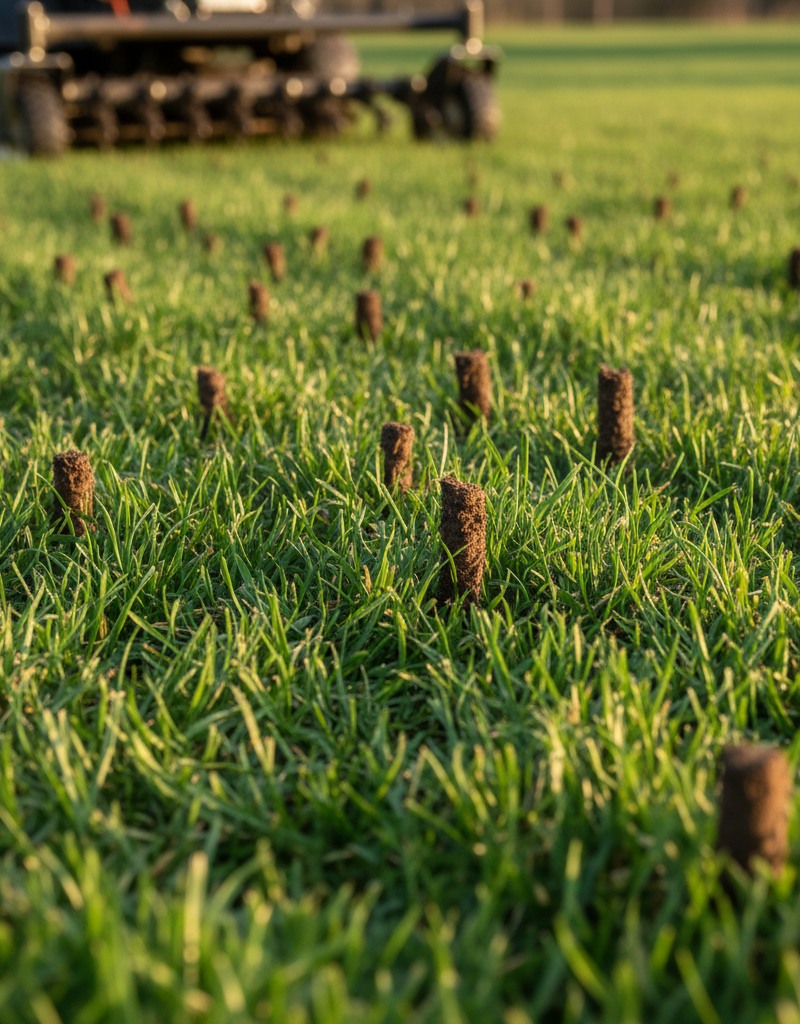
If your soil is compacted (you can test this by trying to push a screwdriver into the ground – if it's hard to push, it's compacted), core aeration can significantly improve turf health. Aeration creates small holes, allowing air, water, and nutrients to penetrate deeper into the soil and reach grass roots, making them stronger and more competitive against weeds. Aerate once a year, typically in the fall for cool-season grasses and late spring/early summer for warm-season grasses.
Common Causes
- Mowing Too Low: Scalping the lawn weakens desirable grass, reduces shade, and exposes crabgrass seeds to sunlight, encouraging germination. It also allows mature crabgrass to grow unnoticed beneath the mower's path.
- Shallow, Frequent Watering: Promotes shallow root systems in turfgrass, making it less robust and more susceptible to drought and weed invasion. Crabgrass thrives in these moist, topsoil conditions.
- Compact Soil: Inhibits healthy root development for turfgrass, reducing its vigor and creating an environment where tough weeds like crabgrass can flourish.
- Bare Spots or Thinning Lawn: Any area not covered by dense, healthy turf is an open invitation for crabgrass seeds to germinate and establish themselves. This can be due to disease, pests, heavy traffic, or poor soil.
- Neglecting Soil Health: Imbalanced soil pH or nutrient deficiencies can stunt turf growth, making it less competitive and more prone to crabgrass infestation.
- Late Pre-Emergent Application: Applying pre-emergent too late means crabgrass seeds have already germinated, rendering the treatment ineffective.
Common Mistakes
- Mowing Too Short: This is arguably the biggest mistake. It stresses your lawn, reduces its ability to compete, and allows sunlight to reach the soil, triggering crabgrass germination. Always aim for a cut of at least 3 inches.
- Overwatering or Underwatering: Both extremes are detrimental. Overwatering can lead to fungal issues and shallow roots, while underwatering stresses the grass, creating opportunities for weeds. Stick to deep, infrequent watering.
- Applying Pre-Emergent at the Wrong Time: Timing is critical. Too early and it breaks down before germination; too late and the seeds have already sprouted. Watch for soil temperatures or local phenological cues like blooming forsythia.
- Not Addressing Underlying Soil Issues: Without a soil test to correct pH and nutrient levels, your lawn will struggle regardless of other efforts. Healthy soil is the bedrock of a weed-free lawn.
- Using Too Much Nitrogen in Spring: While tempting to green up the lawn, an excess of quick-release nitrogen in early spring can actually encourage crabgrass growth before your desired turf has a chance to fully establish itself for the season.
- Ignoring Small Patches: Crabgrass spreads aggressively. A few small plants can quickly become a large infestation if not dealt with promptly, either by hand-pulling or spot treatment.
Cost & Time Breakdown
| Task | DIY Cost | Pro Cost | Time |
|---|---|---|---|
| Soil Test | $15–$30 | Included in service | 15 mins (sending) |
| Corn Gluten Meal (Pre-emergent) | $30–$70/50lb bag | N/A (DIY product) | 1 hour |
| Hand Weeding/Spot Treatment | $0 (tools you have) | $50–$150/hour (landscaper) | 30 mins–2 hours |
| Overseeding (Seed) | $20–$50/bag | $100–$300 (service) | 2–4 hours |
| Aerator Rental | $40–$80/day | $150–$300 (service) | 1–3 hours |
| Total (DIY) | $65–$180 (materials) | $300–$800+ (services) | ~5-10 hours over season |
Tips & Prevention
- Regular Mower Blade Sharpening: Dull blades tear grass, making it more susceptible to disease and stress. Sharpen your blades at least once per season.
- Fertilize in Fall (Cool-Season): For cool-season grasses, a fall fertilization promotes strong root growth, which translates to a healthier, more competitive lawn in spring.
- Mulch Flower Beds: Apply 2-3 inches of organic mulch to garden beds adjacent to your lawn to suppress crabgrass and other weeds from spreading into your turf.
- Fill Bare Spots Immediately: Address bare or thin areas in your lawn as soon as they appear. Rake, amend soil if needed, and reseed to prevent weeds from taking hold. Fall is usually best for seeding.
- Monitor Soil Temperatures: Use a soil thermometer or local university extension resources to pinpoint the ideal timing for corn gluten meal application. This is crucial for pre-emergent effectiveness.
- Consider Diverse Grass Blends: Planting a mix of turfgrass varieties can increase your lawn's resilience against various stressors, including weeds and disease.
When to Call a Professional
While organic crabgrass control is highly effective with consistent effort, there are times when calling a professional is recommended. If your lawn is severely infested with crabgrass, covering more than 50% of the area, a professional lawn care service might be necessary to regain control more quickly. They can assess severe underlying soil issues, like extreme compaction or nutrient imbalances, that are difficult for a homeowner to correct. Additionally, if you've diligently followed all natural methods for two seasons without significant improvement, a professional can offer more advanced organic solutions or identify other weed species that may be mimicking crabgrass and require a different approach. They can also ensure proper timing and application of treatments on larger properties, saving you time and effort while ensuring effective results.
Related Articles
Keep troubleshooting with these hand-picked guides from FixlyGuide:
- The #1 Mistake Killing Your Lawn's Crabgrass Defense (And the Easy Fix) — Discover why common crabgrass removal methods fail and how to naturally eliminate this stubborn weed for a healthier lawn.
- The #1 Crabgrass Mistake Killing Your Lawn (And 3 Natural Fixes) — Discover how common crabgrass removal mistakes undermine your lawn's health and learn three natural, effective methods to eradicate crabgra…
- The #1 Mistake Killing Your Lawn's Fight Against Dandelions (And the Easy Fix) — Discover the common dandelion-removal blunder homeowners make and learn the simple, effective strategies to finally win the war against the…
- The #1 Mistake Killing Your Lawn (and Spreading Dandelions Everywhere) — Discover the most common mistake homeowners make that inadvertently encourages dandelions and how to achieve a weed-free lawn.
- The #1 Mistake Killing Your Lawn's Thickness (and How to Fix It in a Weekend) — Overseeding a thin lawn is essential for a lush green carpet, but many homeowners make a crucial mistake that hinders success. Learn the ri…
- The Secret to Lush Raised Beds? It's Not Just About How You Water — Smart irrigation for raised garden beds isn't just about automation; it's about delivering the right amount of water precisely when your pl…
Frequently asked questions
What is the best natural pre-emergent for crabgrass?+
The most effective natural pre-emergent for crabgrass is corn gluten meal. When applied at the correct time in early spring, it releases peptides that inhibit root growth in germinating seeds, preventing crabgrass from establishing. It also acts as a slow-release nitrogen fertilizer for your lawn.
Can proper mowing prevent crabgrass?+
Absolutely. Mowing your lawn at the highest recommended setting (3-4 inches) creates a dense turf canopy that shades the soil. This keeps soil temperatures lower, which is crucial because crabgrass seeds require warm soil (55-60°F) and sunlight to germinate. Taller grass also helps your desired turfgrass outcompete weeds for light and nutrients.
How often should I water my lawn to prevent crabgrass?+
To prevent crabgrass, water your lawn deeply and infrequently. Aim for 1 inch of water once or twice a week, allowing the water to soak 4-6 inches into the soil. This encourages deep root growth in turfgrass, making it more robust and less susceptible to drought and weed invasion, unlike crabgrass which thrives in shallow, frequently watered conditions.
Will aeration help get rid of crabgrass?+
Yes, core aeration can help by improving overall lawn health. Compacted soil hinders turfgrass root development, making it weaker and more prone to weeds. Aeration alleviates compaction, allowing air, water, and nutrients to reach grass roots more effectively, leading to a denser, healthier lawn that naturally suppresses crabgrass.
When is the best time to apply natural crabgrass prevention?+
The best time to apply natural crabgrass prevention, such as corn gluten meal, is in early spring after the last hard frost but before soil temperatures consistently reach 55-60°F. This typically coincides with the blooming of spring-flowering shrubs like forsythia or when daffodils are in bloom in your area.

Discussion
Loading comments…