Tools & materials you'll need
Affiliate linksAs an Amazon Associate FixlyGuide earns from qualifying purchases — at no extra cost to you. Prices and availability are accurate as of publication and subject to change.
Quick Answer
For cool-season grasses (like fescue, rye, and bluegrass), the sweet spot for aeration is early spring (March to April) or, even better, early fall (September to October). For warm-season grasses (like Zoysia, Bermuda, and St. Augustine), late spring to early summer (April to June) is the prime window. The key is to aerate when your grass is actively growing, allowing it to recover quickly from the temporary stress of aeration and maximize the benefits of improved air, water, and nutrient penetration.
The Problem
Many homeowners understand the concept of lawn aeration but often miss the critical detail: timing. Aerating at the wrong time of year can actually do more harm than good, stressing your lawn when it's already struggling or dormant, thus hindering its ability to bounce back and take advantage of the process. Compacted soil, often caused by heavy foot traffic, vehicles, or even just heavy rainfall, chokes out grass roots by limiting their access to essential water, air, and nutrients. This leads to thin, unhealthy patches, poor water absorption (often resulting in runoff), increased thatch buildup, and a greater susceptibility to diseases and pests. Addressing this compaction through aeration is vital, but only if performed when your lawn is robust enough to recover and thrive.
How It Works
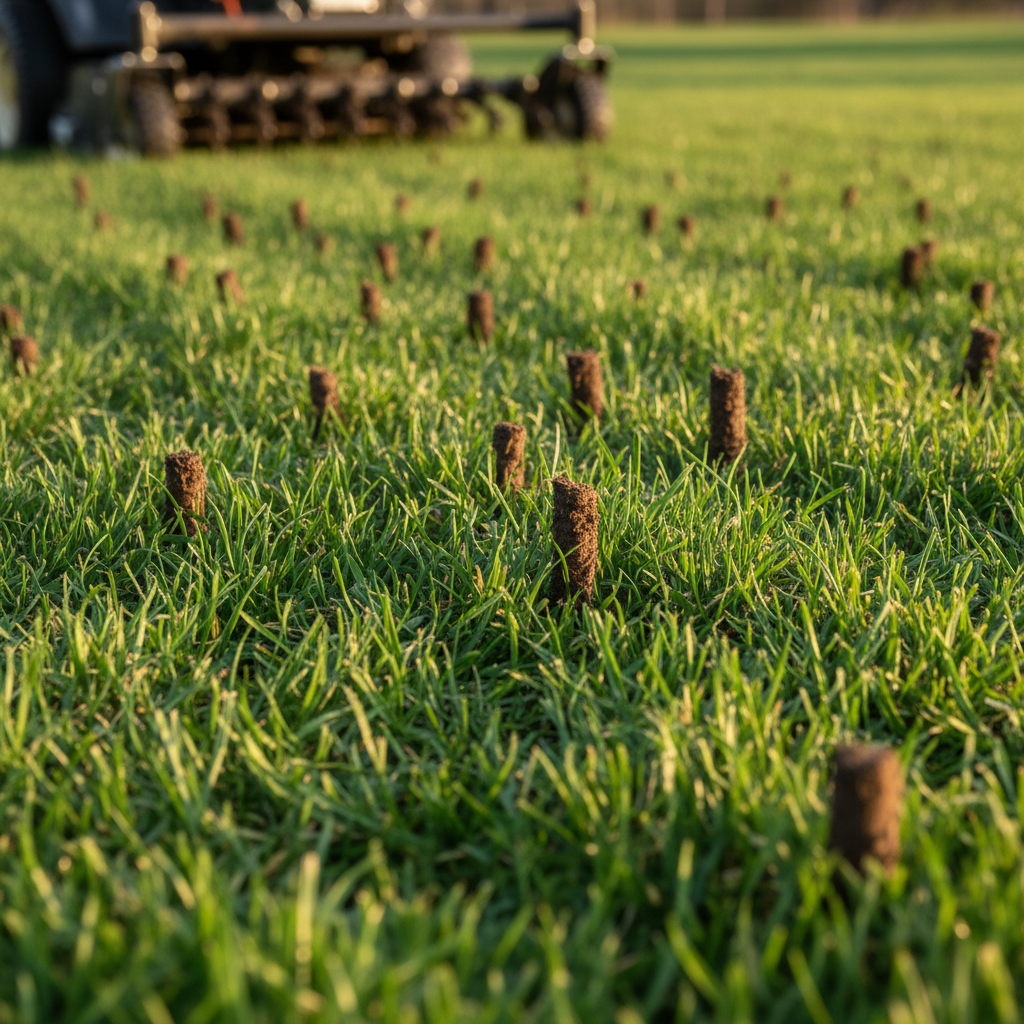
Lawn aeration is the process of creating small holes in the soil to alleviate compaction and allow air, water, and nutrients to penetrate the root zone more effectively. There are two primary types: core aeration and spike aeration. Core aeration, which uses a machine to pull out small plugs or “cores” of soil, is generally more effective for breaking up severe compaction. Spike aeration simply punctures holes in the ground; while less disruptive, it offers less significant and lasting benefits for truly compacted soil.
When the soil becomes compacted, the tiny pore spaces that typically hold air and water are squeezed shut. Grass roots, like all living organisms, need oxygen to function. Without it, they cannot efficiently absorb water and nutrients, leading to stunted growth, weakness, and eventual decline. Water struggles to infiltrate compacted soil, either pooling on the surface or running off, wasting your irrigation efforts and potentially leading to erosion. Nutrients from fertilizers also can't reach the roots effectively, rendering them less useful. By creating these holes, aeration immediately provides pathways for these vital elements to reach the roots, fostering deeper root growth, improving drainage, reducing thatch buildup (by enhancing microbial activity), and creating an overall healthier, more resilient lawn. The removed soil cores, left on the surface, naturally break down and redistribute beneficial microorganisms back into the lawn.
Step-by-Step Fix
Step 1: Assess Your Lawn's Readiness – Check grass type and soil moisture
Determine if your lawn is cool-season or warm-season grass. Cool-season grasses are best aerated in early spring or early fall. Warm-season grasses thrive with late spring to early summer aeration. Also, ensure the soil is moist but not waterlogged. Water your lawn thoroughly a day or two before aeration, or wait until after a good rain. The soil should be soft enough for the aerator tines to penetrate easily, but not so wet that mud clogs the machine.
Step 2: Clear the Area – Remove obstacles and mark buried items
Before operating any machinery, walk your lawn and remove any rocks, toys, garden hoses, or other debris that could damage the aerator or pose a tripping hazard. Mark any sprinkler heads, buried utility lines, or shallow irrigation pipes with flags or spray paint to avoid costly damage. Consult your property's utility maps if you're unsure about buried lines.
Step 3: Choose Your Aerator – Decide between rental and purchase, and machine type
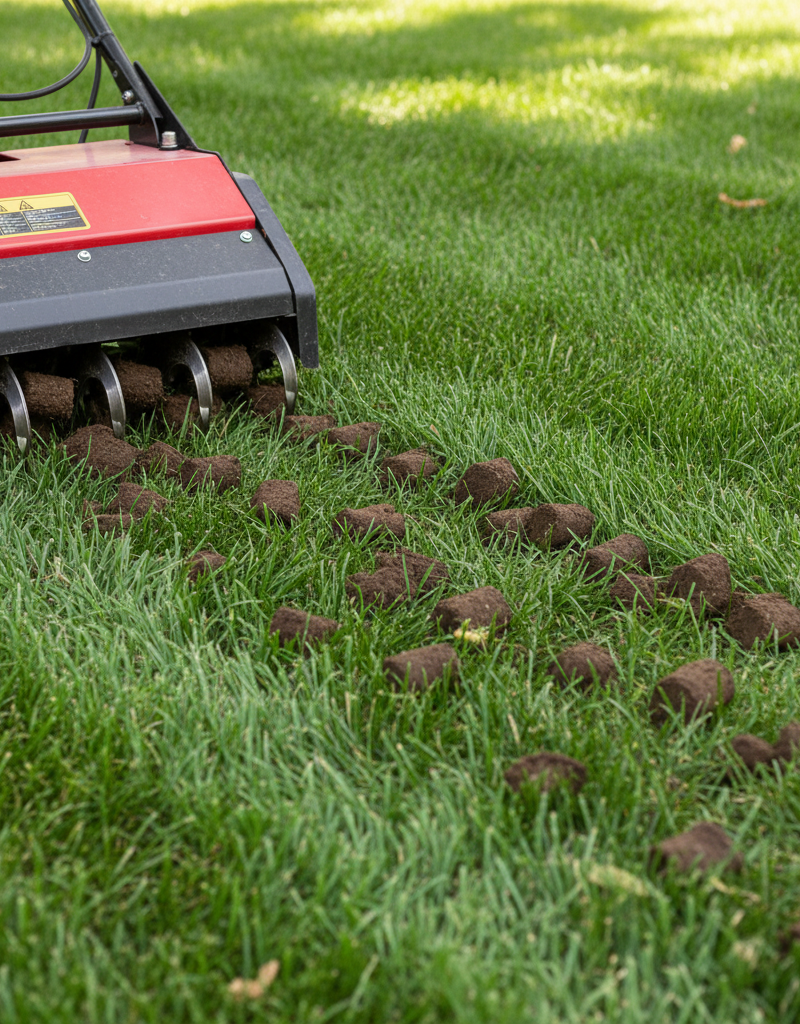
For most homeowners, renting a core aerator from a local hardware store or equipment rental center is the most practical option. These are typically walk-behind machines that resemble a lawnmower. Ensure you get a core aerator, not just a spike aerator, for maximum benefit. Familiarize yourself with the machine's controls and safety features before starting. Some aerators require weights for optimal penetration.
Step 4: Perform the Aeration – Systematic coverage for even results
Start by making a pass around the perimeter of your lawn. Then, work your way back and forth across the lawn in parallel lines, similar to mowing. For heavily compacted areas or areas with high traffic, consider making a second pass perpendicular to the first, creating a crisscross pattern. Overlap each pass slightly to ensure thorough coverage. Aim for holes that are 2-3 inches deep and spaced 2-4 inches apart.
- Safety Note: Always wear sturdy closed-toe shoes and eye protection when operating power equipment. Keep hands and feet clear of moving parts.
- If this doesn't work: If the aerator isn't pulling cores effectively, the soil might be too dry. Re-water the area and try again. Alternatively, the aerator tines might be dull; check with the rental company.
Step 5: Leave the Soil Plugs – Allow natural breakdown
Resist the urge to rake up the small soil plugs (cores) pulled from the lawn. These plugs contain beneficial microorganisms that help break down thatch and return nutrients to the soil. They will naturally disintegrate within a few weeks due to rain and mowing, dispersing organic matter back into the lawn.
Step 6: Water and Fertilize (Optional) – Promote quick recovery and growth
After aerating, water your lawn thoroughly. This helps settle the soil around the remaining grass roots and encourages new growth. It's also an excellent time to overseed your lawn, as the new seeds will have direct contact with the soil through the aeration holes, increasing germination rates. Applying a slow-release fertilizer can also give your lawn a boost as it recovers and grows into the newly loosened soil.
Common Causes
- Heavy Foot Traffic: Kids playing, pets running, or frequent walking paths compact the soil over time.
- Heavy Equipment or Vehicles: Driving even lightweight vehicles on the lawn compresses the soil significantly.
- Clay Soil: Soils with a high clay content are naturally more prone to compaction than sandy soils due to their particle structure.
- Construction Activity: Recently built homes often have severely compacted soil from construction machinery.
- Thatch Buildup: A thick layer of thatch (dead organic matter between grass and soil) prevents air, water, and nutrients from reaching the soil, indirectly contributing to compaction issues.
- Excessive Watering: While seemingly counterintuitive, constant overwatering can reduce oxygen levels in the soil, leading to a less resilient turf more susceptible to compaction.
Common Mistakes
- Aerating Dormant Grass: Aerating when your grass isn't actively growing (e.g., during extreme drought or winter dormancy) stresses the lawn when it's least able to recover, potentially causing more damage than good. Always confirm your grass type's active growing season.
- Aerating Dry or Waterlogged Soil: Attempting to aerate rock-hard dry soil will damage the aerator and won't pull cores effectively. Aerating waterlogged, muddy soil can create a bigger mess and further compact the soil near the holes. Aim for moist, workable soil.
- Skipping to Spike Aeration for Severe Compaction: While less labor-intensive, spike aerators are generally insufficient for truly compacted lawns. They simply push soil aside, often increasing compaction around the holes rather than alleviating it. Core aeration is the superior method for significant soil issues.
- Not Marking Obstacles: Forgetting to flag sprinkler heads, shallow irrigation lines, or buried utility cables is a common and costly mistake. A damaged sprinkler head can flood your lawn, while hitting a utility line can be dangerous and expensive.
- Raking Up the Plugs: Removing the soil cores defeats part of the purpose of aeration. These plugs contain beneficial microorganisms and organic matter that should be allowed to decompose back into the lawn, improving soil structure. Let them break down naturally.
- Ignoring Post-Aeration Care: Aeration creates an ideal environment for new growth. Skipping immediate watering, overseeding (if desired), or a light fertilization means you're missing a prime opportunity to maximize the health benefits and density of your lawn.
Cost & Time Breakdown
| Task | DIY Cost | Pro Cost | Time |
|---|---|---|---|
| One-time machine rental | $70–$120 | N/A | 2–4 hours (for an average lawn) |
| Fuel (gasoline) | $5–$10 | Included | N/A |
| Flags for markers | $5–$10 | Included | 15 minutes |
| Overseeding (optional) | $30–$80 | $100–$250 | 1 hour |
| Fertilizer (optional) | $20–$50 | $50–$100 | 30 minutes |
| Total Estimate | $130–$270 | $250–$500+ | 3–6 hours |
Note: Professional aeration services typically include overseeding and a starter fertilizer in their pricing. DIY costs primarily cover the machine rental and any optional materials you choose to add.
Tips & Prevention
- Know Your Grass Type: This is the most critical factor for accurate aeration timing. If you're unsure, take a sample to your local garden center for identification.
- Soil Test Annually: A soil test will reveal nutrient deficiencies and pH imbalances, giving you a clearer picture of your lawn's health and any amendments it needs in conjunction with aeration.
- Mow at Proper Height: Taller grass blades (usually 2.5-3.5 inches, depending on grass type) encourage deeper root growth, making the lawn more resilient to compaction.
- Deep and Infrequent Watering: Water deeply enough to encourage roots to grow downwards, rather than frequent shallow watering which promotes shallow root systems. This also helps reduce surface compaction.
- Add Organic Matter: Topdressing your lawn with a thin layer (1/4 to 1/2 inch) of compost annually or biennially can significantly improve soil structure over time, making it less prone to compaction.
- Rotate Traffic Patterns: If possible, vary walking paths across your lawn to distribute foot traffic and minimize concentrated compaction in specific areas.
When to Call a Professional
While aeration is a DIY-friendly task, there are specific situations where calling a professional is highly advisable. If your lawn is exceptionally large (over 15,000 sq ft), handling a heavy rental aerator can be exhausting and time-consuming; a pro will have larger, more efficient machines. If your soil is severely compacted, perhaps from recent construction or heavy clay, a professional may have specialized equipment or techniques to achieve better results. Furthermore, if you're consistently struggling with lawn health despite proper timing and technique, a lawn care professional can provide comprehensive diagnostics, identify underlying issues like specific nutrient deficiencies or pest problems, and develop a tailored treatment plan that goes beyond aeration. They also handle the equipment, fuel, and cleanup, saving you significant effort and time.
Related Articles
Keep troubleshooting with these hand-picked guides from FixlyGuide:
- The #1 Lawn Aeration Mistake Most Homeowners Make (And When to REALLY Do It) — Discover the crucial mistake many homeowners make with lawn aeration and learn the optimal timing for a thriving, healthy lawn.
- The #1 Lawn Aeration Mistake Most Homeowners Make (And When to REALLY Do It) — Discover the crucial mistake many homeowners make with lawn aeration and learn the optimal timing for a healthier, more vibrant lawn.
- The #1 Lawn Aeration Mistake Most Homeowners Make (And When to REALLY Do It) — Learn the surprising truth about when to aerate your lawn for maximum health and how a simple timing mistake can sabotage your efforts.
- The #1 Mowing Mistake That Leaves Your Lawn Brown and Patchy — Discover the most common mowing mistake homeowners make that leads to unhealthy, patchy grass and how to fix it for a vibrant lawn.
- The #1 Mistake Killing Your Lawn's Grass (and How to Fix Patchy Spots) — Discover the most common reason for patchy grass and learn how to revive your lawn with targeted, easy-to-follow steps.
- The 3 Hidden Mistakes That Make Your Deck Sealer Fail (And How to Fix Them) — Resealing your wood deck protects it from weather and extends its life. Learn how to avoid common mistakes for a long-lasting finish and vi…
Frequently asked questions
How often should I aerate my lawn?+
For most lawns, annual aeration is sufficient. However, if you have heavy clay soil, a lawn with significant foot traffic, or persistent thatch issues, you might consider aerating twice a year (once in the spring and once in the fall, or two passes during the optimal season for your grass type).
Should I fertilize before or after aeration?+
It's best to fertilize immediately after aeration. The open holes provide a direct pathway for nutrients to reach the root zone, maximizing the effectiveness of your fertilizer and helping the grass recover quickly.
Can I aerate when it's hot and dry?+
No, you should avoid aerating when it's hot and dry or during a drought. The grass is already under stress, and aeration will only add to it, potentially causing more damage. Wait until temperatures are moderate and the soil is moist.
What's the difference between core aeration and spike aeration?+
Core aeration pulls out small plugs of soil, effectively relieving compaction and allowing air, water, and nutrients to penetrate. Spike aeration simply pokes holes in the ground, often pushing soil sideways and sometimes increasing compaction around the holes. Core aeration is generally more effective for addressing compacted soil.
How long do I leave the plugs on the lawn?+
Leave the soil plugs on the lawn to break down naturally. They will typically disintegrate within 2-4 weeks, especially with rain and regular mowing. These plugs return beneficial microorganisms and nutrients to your soil.
Discussion
Loading comments…