Tools & materials you'll need
Affiliate linksAs an Amazon Associate FixlyGuide earns from qualifying purchases — at no extra cost to you. Prices and availability are accurate as of publication and subject to change.
Quick Answer
If your tree leaves are turning brown, the most common culprits are insufficient watering, overwatering, nutrient deficiencies, or pest and disease infestations. Start by assessing soil moisture and checking for visible signs of pests or fungal growth before escalating to more complex diagnostics like soil testing or professional arborist consultation.
The Problem
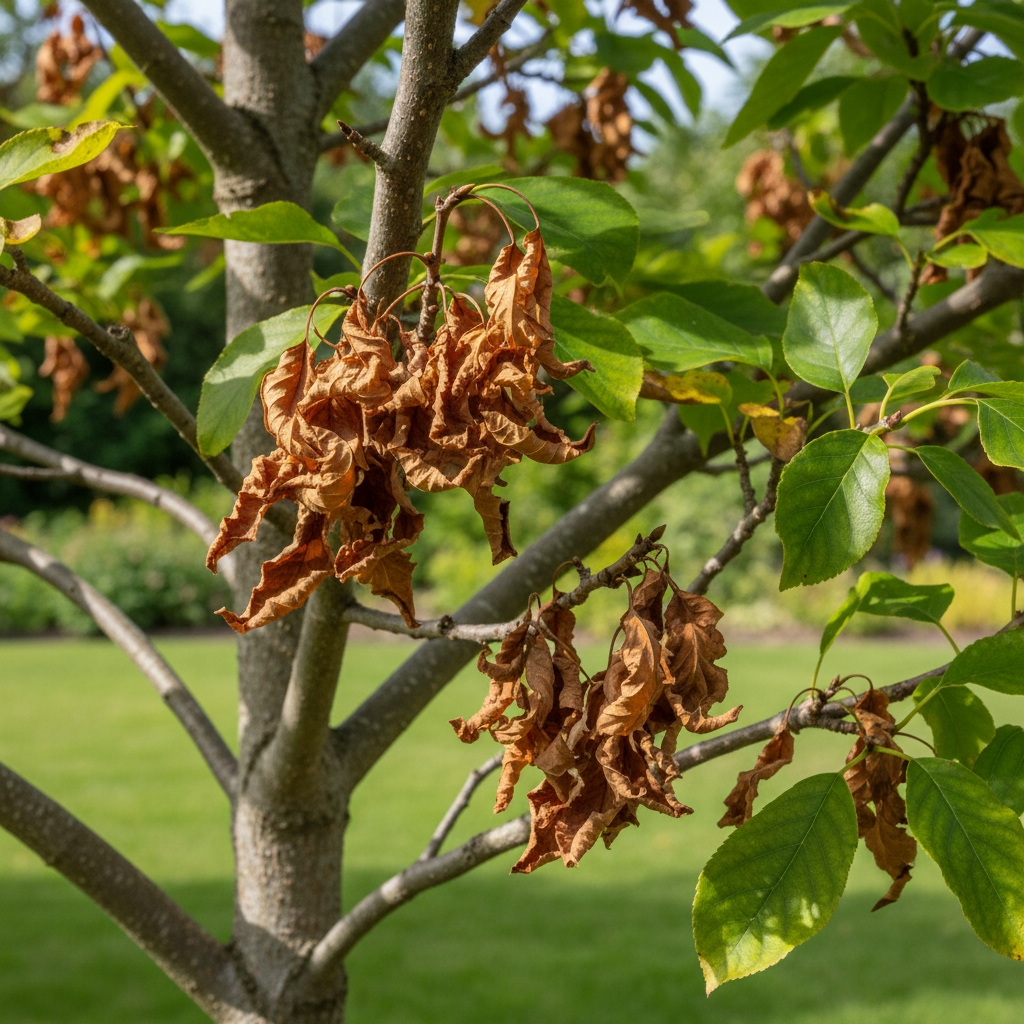
Brown leaves on a tree are a homeowner's distress signal. It's not just a cosmetic issue; it often indicates that your tree is under significant stress and, if left unaddressed, could lead to declining health or even death. Unlike the vibrant reds and golds of autumn, premature browning usually signifies a physiological problem. The exact cause can range from environmental stressors like drought or extreme heat to biological threats such as fungal diseases or insect infestations. Understanding why your tree's leaves are turning brown is the first critical step in providing the right care and preventing further damage.
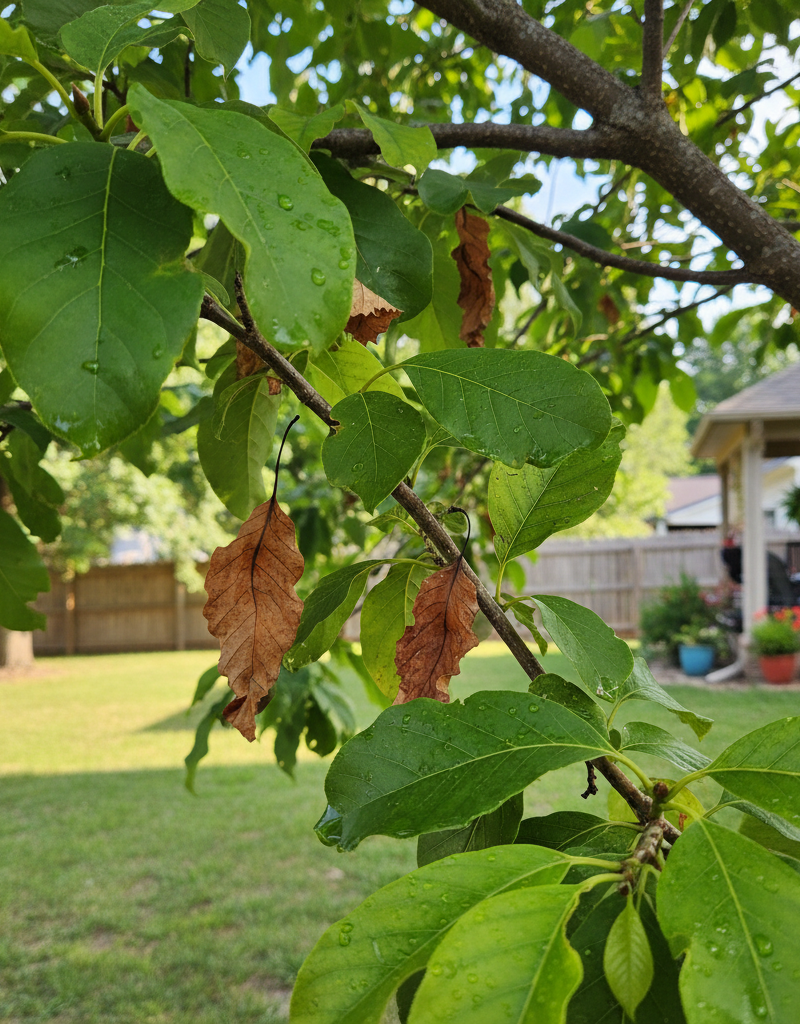
Sometimes, brown leaves appear suddenly, blanketing a whole section of the tree. Other times, it's a gradual change, starting at the tips or edges and slowly spreading inward. The pattern, location, and timing of the browning can provide vital clues to the underlying issue. For instance, browning on newly planted trees might point to transplant shock or improper watering, while established trees might be battling a more persistent problem. Without accurate diagnosis, any attempts at remediation are essentially guesswork, potentially wasting time, money, and further stressing the tree. This guide will walk you through the most common reasons for brown leaves and how to effectively diagnose and treat them.
How It Works
Tree leaves are much more than just decorative elements; they are vital solar panels and processing centers for the entire organism. Within each leaf, a complex process called photosynthesis takes place, converting sunlight, carbon dioxide from the air, and water from the roots into glucose (sugar) and oxygen. This glucose is the tree's primary food source, fueling its growth, defense mechanisms, and overall health. Chlorophyll, the green pigment in leaves, is essential for absorbing sunlight and gives leaves their characteristic color.
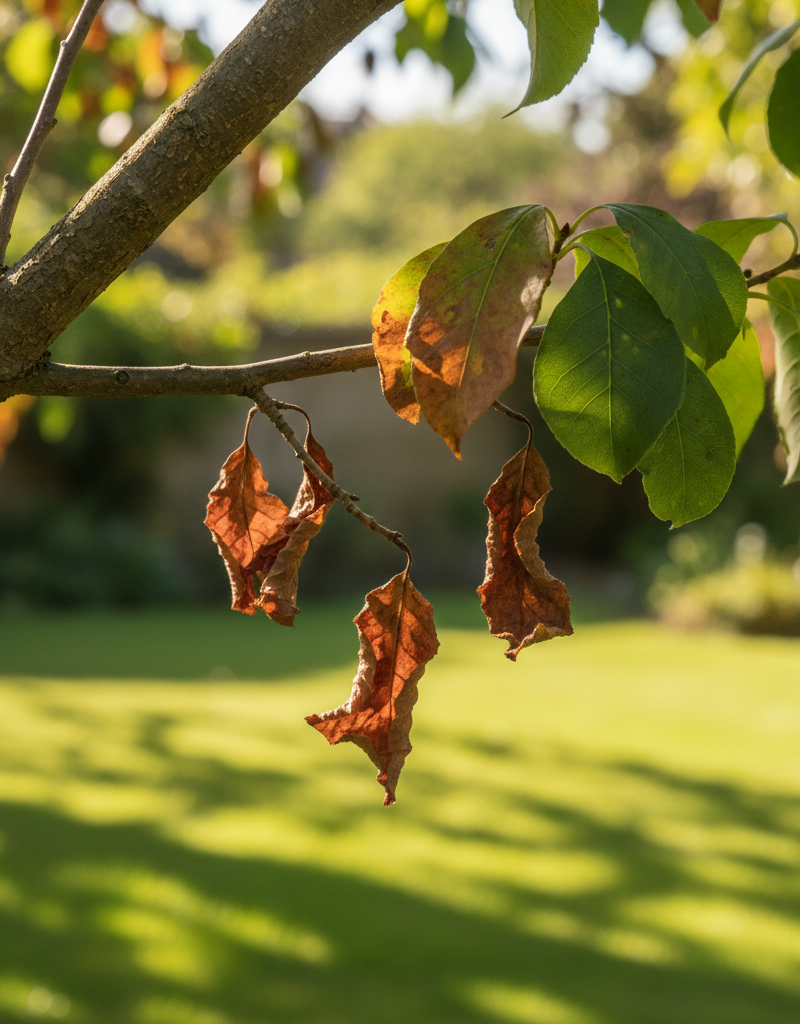
Water plays a critical role in this entire system. It is absorbed by the roots and transported upwards through a network of specialized vascular tissues called xylem, reaching every leaf. Once in the leaves, water is not only a raw material for photosynthesis but also helps maintain turgor pressure, which keeps the leaves firm and extended, optimizing their exposure to sunlight. When a tree doesn't get enough water, or when its ability to transport water is impeded (due to root damage, disease, or extreme heat), the leaves begin to dehydrate. The chlorophyll breaks down, and the leaf tissue starts to die, turning brown and crispy. This browning is essentially the tree's last-ditch effort to conserve water, shedding non-essential or damaged foliage.
Nutrients, absorbed from the soil along with water, are also crucial. Macronutrients like nitrogen, phosphorus, and potassium, along with micronutrients, are building blocks for proteins, enzymes, and other essential compounds needed for photosynthesis and overall cellular function. Deficiencies can impair leaf development, chlorophyll production, and the plant's ability to cope with stress, often manifesting as discoloration, stunted growth, or, eventually, browning and necrosis. Similarly, pests and diseases can attack the vascular system, damage leaf tissue, or interfere with nutrient uptake, all leading to the tell-tale brown leaf symptom.
Step-by-Step Fix
1. Assess Soil Moisture — The most common culprit is usually the simplest fix for brown leaves.
First, check the soil moisture around your tree. Dig down 4-6 inches with a trowel about halfway between the trunk and the drip line (the imaginary circle at the ends of the tree's outermost branches). Feel the soil. Is it bone dry, slightly damp, or waterlogged?
- If dry: The tree is likely underwatered. Proceed to step 2.
- If waterlogged: The tree might be overwatered or have poor drainage. Proceed to step 3.
- If damp: Moisture isn't the immediate issue; proceed to step 4.
2. Implement Proper Watering (If Dry) — Correcting drought stress requires deep, infrequent watering.
If the soil is dry, your tree is thirsty. Provide a slow, deep watering. Avoid frequent, shallow watering, which encourages surface roots and makes the tree less drought-tolerant.
- How to water: Use a soaker hose or drip irrigation system around the tree's root zone for several hours, allowing water to penetrate deeply. Alternatively, slowly release water from a regular hose at the base of the tree for a sufficient period. The goal is to moisten the soil to a depth of 12-18 inches.
- Frequency: Check the soil moisture every 3-5 days during dry periods and water when the top few inches begin to dry out. Young trees (under 3 years old) need more frequent watering than established ones.
3. Address Overwatering/Poor Drainage (If Waterlogged) — Saturated soil suffocates roots, leading to browning similar to drought.
If the soil is waterlogged, the roots are suffocating, leading to symptoms mimicking drought. Excess water deprives roots of oxygen, causing them to rot and impairing water uptake.
- Improve drainage: For potted trees, ensure drainage holes are clear and the pot isn't sitting in standing water. For in-ground trees, consider creating a slightly raised berm around the drip line to direct excess surface water away. If the issue is persistent poor soil drainage, incorporating organic matter like compost can improve soil structure over time.
- Reduce watering: Allow the soil to dry out significantly before watering again. Do not water on a set schedule; always check soil moisture first.
4. Inspect for Pests and Diseases — Look for visible signs of infestation or fungal damage on leaves, branches, and trunk.
Even with proper watering, pests and diseases can cause brown leaves. A thorough visual inspection is key.
- Pest patrol: Examine the undersides of leaves, new growth, and branch crotches for tiny insects (aphids, spider mites), sticky residue (honeydew), or webbing. Look for borers (holes in the trunk with sawdust-like frass) or scale insects (small, immobile bumps).
- Disease detection: Look for spots, cankers, unusual growths, or discoloration on leaves, twigs, and bark. Fungal diseases often present with irregular brown spots, powdery mildew, or slimy residues. Diseases like Anthracnose or bacterial blight can cause large brown patches or blighted areas.
- What to do: If you identify pests, research appropriate organic or chemical controls for that specific pest. For diseases, pruning affected branches (sterilizing tools between cuts) can sometimes halt spread. Severe infestations or unexplained diseases may require an arborist.
5. Consider Nutrient Deficiencies — Yellowing often precedes browning in nutrient-deficient leaves.
While less common than watering issues, nutrient deficiencies can cause leaf discoloration, including browning.
- Symptoms: Look for general yellowing (chlorosis) that affects older or newer leaves, depending on the specific nutrient. This yellowing often progresses to browning at the edges or between veins.
- Soil test: The best way to identify actual nutrient deficiencies is a professional soil test. These kits are available from local garden centers or agricultural extension offices. They provide detailed reports on soil pH and nutrient levels.
- Fertilization: Based on soil test results, apply a balanced fertilizer or specific nutrient amendments. Avoid over-fertilizing, which can burn roots and worsen the problem.
6. Evaluate Environmental Stressors — Extreme weather can impact tree health even with ideal watering.
Beyond direct watering issues, environmental factors play a role.
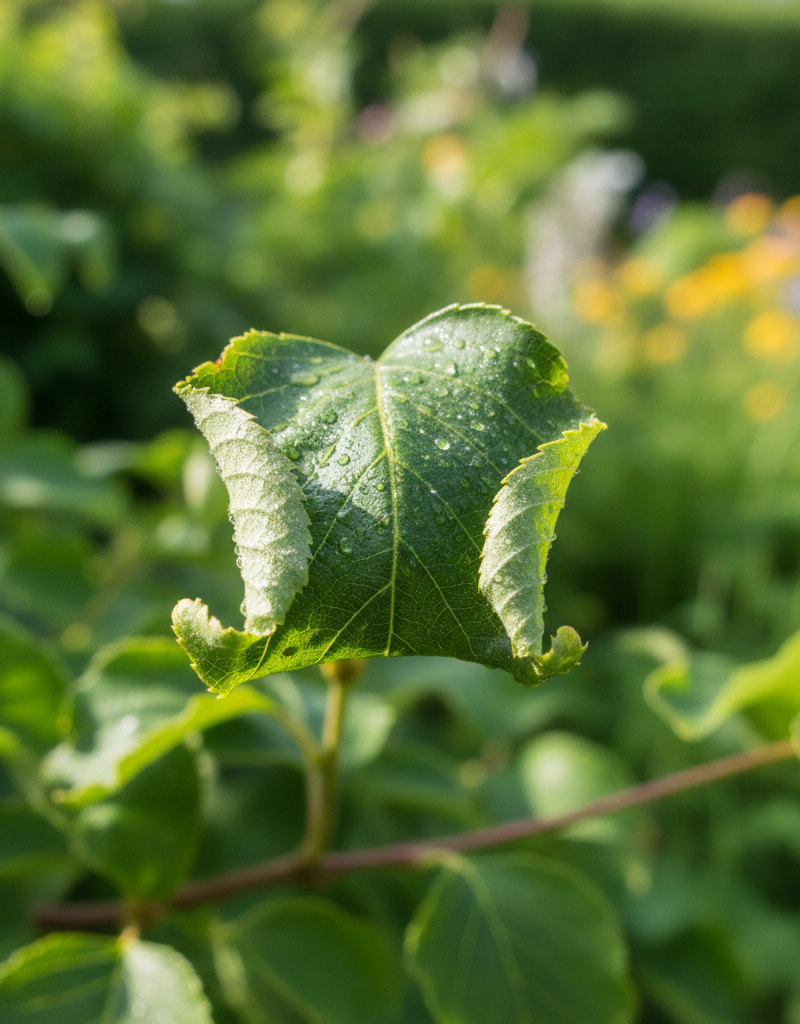
- Heat stress/sunburn: Intense summer heat and direct sun exposure can scorch leaves, especially on newly planted trees or those sensitive to strong sun. This often appears as browning on leaves most exposed to the sun.
- Salt damage: Trees near roads or sidewalks can suffer from de-icing salt runoff, causing leaf browning and dieback. Symptoms often appear first on the side closest to the road.
- Transplant shock: Newly planted trees often struggle as their root systems establish. Browning is common even with proper care for the first year or two.
7. Prune Dead or Severely Damaged Branches — Remove compromised growth to prevent pest/disease entry and improve tree vigor.
Once you've diagnosed and addressed the underlying cause, prune away any completely brown, crispy, or obviously dead branches. This improves the tree's appearance and removes potential entry points for pests or diseases.
- Tools: Use sharp, clean pruning shears or a saw appropriate for branch size.
- Make clean cuts: Prune back to healthy wood, just outside the branch collar (the slightly swollen area where a branch meets the trunk or a larger branch). Sterilize your tools with rubbing alcohol between cuts, especially if you suspect disease.
Common Causes
- Underwatering (Drought Stress): The most frequent cause, especially during hot, dry spells. The tree can't get enough water to its leaves, leading to dehydration and browning.
- Overwatering (Root Rot): Ironically, too much water can also cause browning. Saturated soil deprives roots of oxygen, causing them to rot and lose their ability to absorb water and nutrients, mimicking drought stress.
- Pest Infestations: Sap-sucking insects (aphids, spider mites, scale) or wood-boring insects damage leaf tissue or the vascular system, disrupting water and nutrient flow to leaves.
- Fungal or Bacterial Diseases: Pathogens like Anthracnose, bacterial blight, or various leaf spot diseases can directly attack leaf tissue or hinder the tree's internal transport systems, leading to browning and dieback.
- Nutrient Deficiencies: Lack of essential macro- or micronutrients in the soil can impair chlorophyll production and overall leaf health, often starting with yellowing (chlorosis) and progressing to browning.
- Environmental Stress (Heat, Sunburn, Salt): Extreme heat, intense direct sunlight, or exposure to de-icing salts can scorch leaves or damage root systems, resulting in brown foliage.
- Transplant Shock: Newly planted trees often experience stress as their root systems adjust to a new environment, leading to temporary browning or leaf drop.
Common Mistakes
- Assuming Drought is Always the Cause: Jumping straight to more watering without checking soil moisture can lead to overwatering, which is equally damaging.
- Over-Fertilizing: Applying too much fertilizer, especially synthetic kinds, can burn roots and cause leaf browning (tip burn), exacerbating the problem rather than solving it.
- Ignoring the Undersides of Leaves: Many pests, like spider mites, reside on the undersides of leaves and can be easily missed during a quick inspection.
- Pruning Too Aggressively Too Soon: Removing too much foliage when a tree is stressed can further weaken it. Focus on identifying and addressing the root cause first before extensive pruning.
- Watering Only at the Trunk: Tree roots extend far beyond the trunk. Watering directly at the trunk is inefficient; water should be applied to the entire root zone, out to the drip line and beyond.
- Not Sterilizing Pruning Tools: Pruning diseased branches without sterilizing tools can effectively spread the disease to other parts of the tree or other plants in your yard.
Cost & Time Breakdown
| Task | DIY Cost | Pro Cost | Time |
|---|---|---|---|
| Soil Moisture Assessment | $0 | N/A | 5–10 minutes |
| Proper Watering Implementation | $0–$50 (hose/sprinkler) | N/A | 30–60 minutes |
| Pest/Disease Inspection | $0 | $100–$250 (arborist) | 15–30 minutes |
| Basic Pruning (small branches) | $0–$30 (clippers) | $200–$500+ (arborist) | 15–45 minutes |
| Soil Testing | $15–$50 | N/A | 1 hour (collection) |
| Fertilization/Amendments | $20–$100 | N/A | 15–30 minutes |
Tips & Prevention
- Deep, Infrequent Watering: Encourage deep root growth by watering thoroughly and less often, rather than shallowly and frequently. This makes trees more resilient to drought.
- Mulch, Mulch, Mulch: Apply a 2-4 inch layer of organic mulch (like wood chips) around the base of the tree (keeping it a few inches away from the trunk). Mulch conserves soil moisture, regulates soil temperature, and suppresses weeds.
- Regular Inspections: Periodically check your trees for early signs of stress, discoloration, or pest activity. Early detection often allows for simpler, more effective treatment.
- Proper Planting: Ensure new trees are planted at the correct depth and in well-draining soil. Issues stemming from improper planting can manifest years later.
- Balanced Nutrition: If soil tests indicate deficiencies, amend the soil with appropriate organic compost or slow-release fertilizers. Avoid excessive nitrogen, which can lead to lush but weak growth.
- Prune for Health: Remove dead, diseased, or crossing branches during the dormant season to improve air circulation and tree vigor. Always use clean, sharp tools.
When to Call a Professional
While many causes of brown leaves can be addressed by a diligent homeowner, there are specific situations where calling a professional arborist is highly recommended. If you suspect a serious disease or a widespread pest infestation that you cannot identify or control, an arborist can provide an accurate diagnosis and develop a targeted treatment plan. Similarly, if your tree is large, difficult to access, or requires significant pruning of large branches, a certified arborist has the expertise, equipment, and insurance to perform the work safely and correctly. Any browning accompanied by significant sap leakage, severe trunk damage, or rapid decline affecting more than 25% of the tree warrants immediate professional attention, as it could indicate a more serious, potentially systemic issue requiring specialized intervention.
Related Articles
Keep troubleshooting with these hand-picked guides from FixlyGuide:
- The #1 Mistake Killing Your Tree's Leaves (It's Not Pests) — Discover why your tree's leaves are turning brown and how to reliably diagnose and solve the most common causes of tree leaf discoloration.
- The 3 Hidden Reasons Your Tree Leaves Turn Brown (and the Easy Fixes) — Discover the often-overlooked environmental stressors and specific diseases that cause tree leaves to brown, and learn simple, actionable s…
- The #1 Summer Lawn Mistake Turning Your Grass Yellow (It's Not Overwatering) — Discover the most common, often overlooked reason your summer lawn is turning yellow despite your best efforts, and learn how to fix it.
- The 7 Surprising Reasons Your Tree Leaves Turn Brown (It's Not Always Drought!) — Discover the hidden culprits behind browning tree leaves, from common stressors to unexpected issues, and learn actionable steps to revive…
- The Secret Reason Your Tree Leaves Are Browning (It's Not Always Drought) — Discover the surprising causes behind your tree's browning leaves, from common stressors to hidden diseases, and learn when professional he…
- The 3 Hidden Reasons Your Gutters Fail in Heavy Rain (It’s Not Just Leaves) — Overflowing gutters during heavy rain often stem from a few common, yet overlooked, issues beyond simple leaf clogs, leading to potential s…
Frequently asked questions
Why are my tree leaves turning brown suddenly?+
Sudden browning often indicates acute stress, most commonly severe underwatering (drought stress) during hot periods, or sometimes sudden disease onset. Check soil moisture immediately.
Can overwatering cause tree leaves to turn brown?+
Yes, overwatering leads to root rot, which starves the tree of oxygen and impairs its ability to absorb water, causing symptoms similar to drought: leaves turning brown and crispy.
What kind of pests cause tree leaves to turn brown?+
Sap-sucking insects like spider mites, aphids, and scale can cause leaves to discolor and eventually turn brown. Wood-boring insects can also disrupt water flow and lead to browning and dieback.
Should I remove brown leaves from my tree?+
Once leaves are fully brown and crispy, they are dead and won't recover. You can gently remove them if they haven't fallen naturally, and prune entirely dead branches to improve tree health and appearance.
How can I tell if my tree needs water?+
Dig down 4-6 inches into the soil around the tree. If the soil at that depth feels dry and crumbly, your tree likely needs water. If it's soggy, it might be overwatered or have poor drainage.
Discussion
Loading comments…