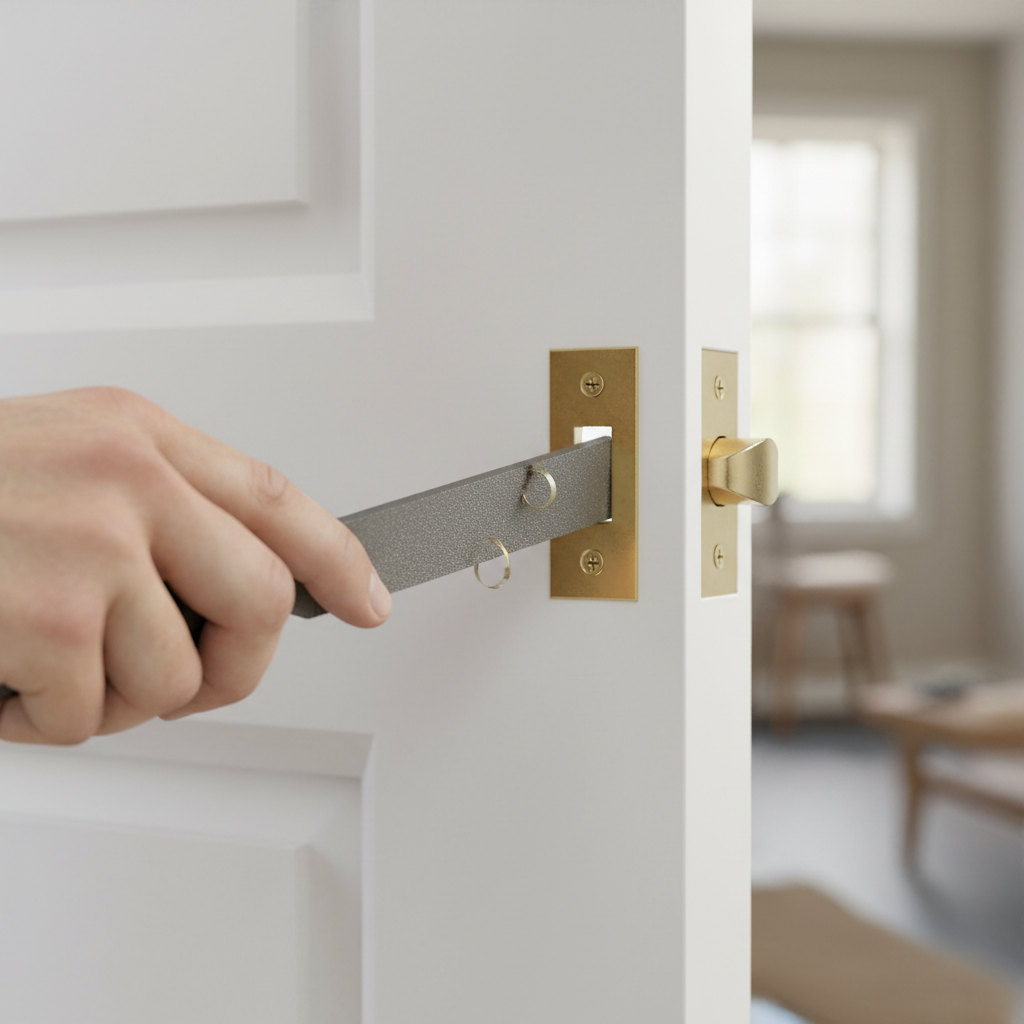
Tools & materials you'll need
Affiliate linksAs an Amazon Associate FixlyGuide earns from qualifying purchases — at no extra cost to you. Prices and availability are accurate as of publication and subject to change.
Quick Answer
A door that refuses to latch securely is a common household nuisance, often stemming from a misaligned strike plate. As homes age and settle, door frames can subtly shift, leading to the latch bolt no longer lining up precisely with the strike plate's opening. The good news is that this issue is typically straightforward to resolve. Most often, the solution involves minor adjustments to the strike plate itself, either by enlarging the opening with a file or shimming the plate outward to improve the engagement with the latch bolt. These fixes require only a few basic tools and can restore your door to proper function in minutes.
The Problem
You push your door shut, but instead of clicking into place, it bounces back or remains slightly ajar. Perhaps you have to yank the doorknob up or down, or even shoulder the door, just to get it to catch. This isn't just an annoyance; it's a security risk and a privacy concern. A poorly latching door can allow drafts, diminish soundproofing, and leave your home vulnerable. The underlying problem is almost always a misalignment between the door's latch bolt and the strike platemortised into the door frame. This misalignment prevents the spring-loaded latch from fully extending into the strike plate, which is essential for the door to stay closed and secure.
How It Works
To understand the fix, it helps to know how a door latch assembly functions. Inside your door, held by the doorknob mechanism, is a spring-loaded metal bolt called the "latch bolt" or simply "latch." When you turn the doorknob, a spindle rotates, retracting this latch bolt into the door's edge, allowing the door to open. When you release the doorknob, the spring pushes the latch bolt back out.
The door frame contains a metal plate called the "strike plate," which has a rectangular hole. As the door closes, the angled face of the latch bolt slides against the strike plate and retracts slightly. Once the door is fully closed, the latch bolt, propelled by its spring, snaps forward and extends into the hole in the strike plate. This action secures the door. The beveled edge of the latch bolt is crucial; it allows the latch to retract passively as it contacts the strike plate, then extend past the plate to hold the door firmly shut against the door stop. If the strike plate is too high, too low, too far in, or too far out, this simple, elegant mechanism breaks down, and the door fails to latch. Factors like house settling, humidity changes causing wood to swell or shrink, or even loose screws can disrupt this delicate alignment.
Step-by-Step Fix
Before you begin, gather your tools. Always test the door first to confirm the exact nature of the misalignment. Close the door slowly and observe where the latch bolt makes contact with the strike plate. You can also use lipstick or chalk on the latch bolt face to transfer an impression onto the strike plate, showing you precisely where it's hitting.
-
Safety First – Always be mindful of your fingers when working on a door that might swing unexpectedly. If the door is particularly heavy or prone to slamming, consider having a helper or using shims to hold it partially open while working on the frame.
-
Identify the Misalignment – Close the door almost completely, very slowly. Watch the latch bolt intently as it approaches the strike plate. Does it hit the top, bottom, or side of the strike plate opening? Once you know the direction of impact, you can choose the correct repair method. A quick trick is to put a small piece of masking tape over the strike plate opening, then lightly close the door. The latch will leave an indentation on the tape, showing its precise contact point.
-
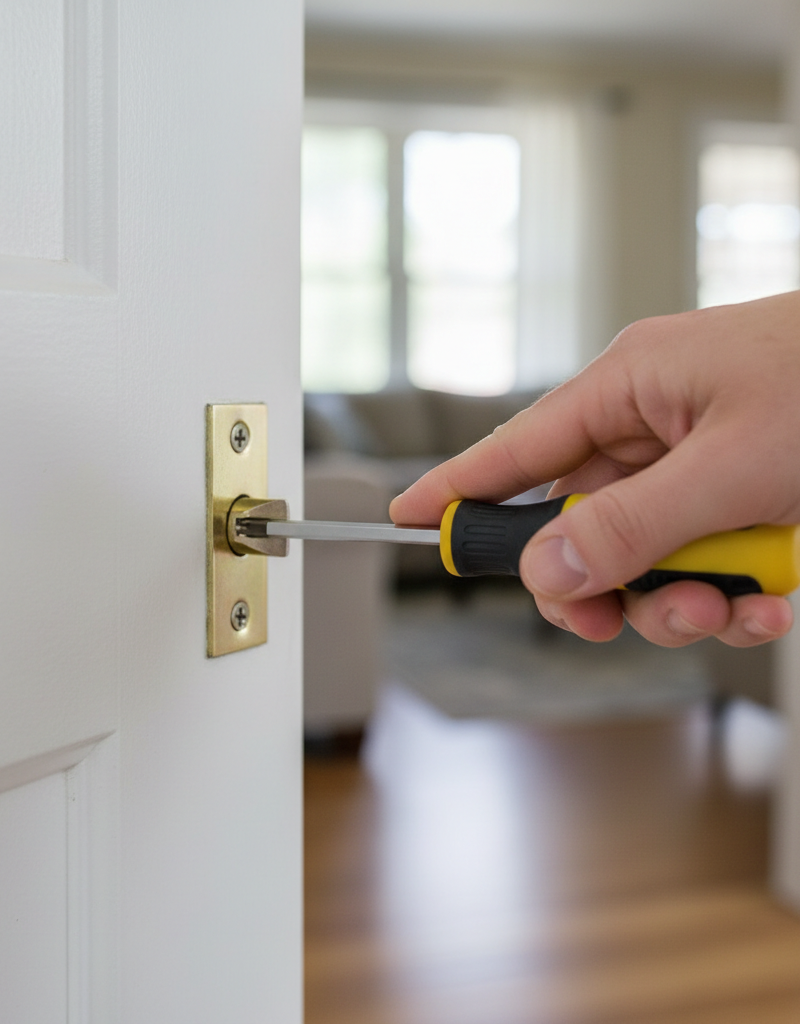
Tighten Strike Plate Screws – Quick Check – Often, loose screws on the strike plate allow it to shift just enough to cause problems. Tighten both screws on the strike plate using a Phillips head screwdriver. Don't overtighten, as this can strip the wood. Test the door.
-
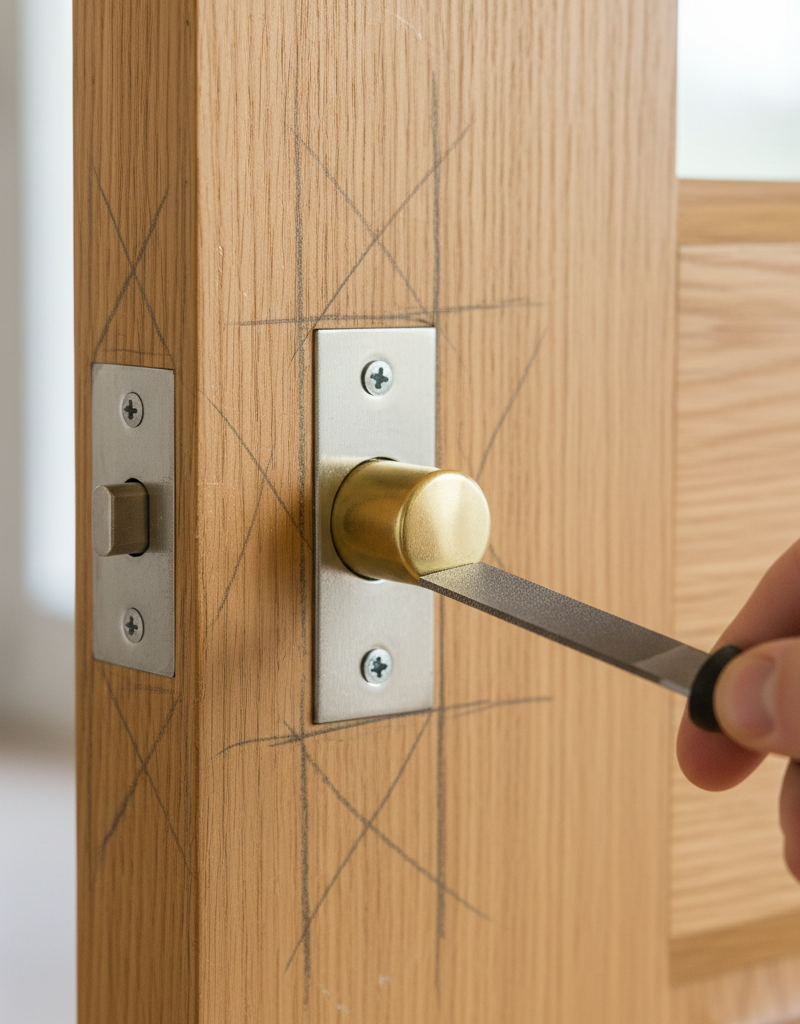
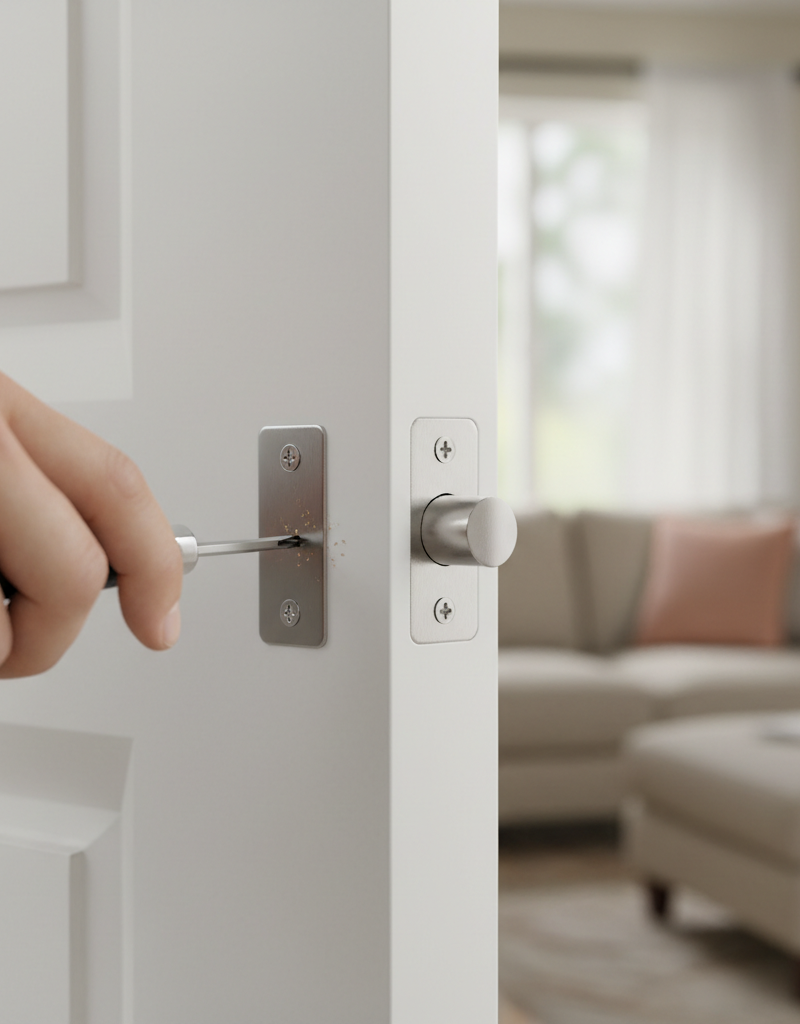
Enlarge the Strike Plate Opening (Horizontal Adjustment) – If the latch hits the side – If the latch bolt is hitting the side of the strike plate opening (either too far 'in' or too far 'out'), use a metal file (a flat file or half-round file works best) to carefully enlarge the opening. File incrementally in the direction needed. For example, if the latch hits the outer edge of the plate, file a small amount towards the hinge side. If it hits the inner edge, file towards the non-hinge side. Remove only a little material at a time, then test the door. You want the latch to slide easily into the plate, not scrape. Re-check the screws.
-
Enlarge the Strike Plate Opening (Vertical Adjustment) – If the latch hits the top or bottom – If the latch bolt is hitting the top or bottom of the strike plate opening, use your metal file to extend the opening vertically. This is a common fix when a door has settled or the frame has shifted. Again, file a small amount at a time, constantly testing the door to ensure you don't remove too much material. Aim for a smooth, unhindered entry of the latch bolt.
-
Adjust the Strike Plate with Shims (If it's too far 'in' or 'out') – If filing isn't enough or the door doesn't close flush – If the latch engagement is too shallow or too deep, or if the door rattles when closed, you might need to adjust the strike plate's depth. Unscrew the strike plate and carefully remove it. If the door is sitting too far out from the frame (latch engages too shallowly), you might need to remove some wood behind the strike plate using a chisel, making the strike plate sit deeper. This is less common. More often, the door needs to come closer to the frame (latch engages too deeply, causing rattling). In this case, cut a thin piece of cardboard (from a cereal box) or a thin plastic shim to the exact size of the strike plate. Place this shim behind the strike plate before screwing it back into place. This pushes the strike plate out slightly, moving the door closer to the jamb. Use one shim at a time and test.
-
Relocate the Strike Plate (Last Resort) – For severe misalignment – If the misalignment is significant and filing or shimming doesn't work, you may need to move the strike plate entirely. Unscrew and remove the strike plate. Using a sharp utility knife, score around the edges of the existing mortise (the recessed area where the strike plate sits) to prevent splintering. With a chisel and mallet, carefully chip out a new mortise slightly higher, lower, or to one side, as needed. Take your time to ensure the new mortise dimensions match the strike plate precisely. Fill the old screw holes and mortise with wood putty, let it dry, sand it flush, and paint or stain to match. Drill new pilot holes for the strike plate screws before reinstalling. Note: This is a more involved repair and only recommended if other methods fail.
-
Check Hinge Screws – If the door sags – Sometimes the problem isn't the strike plate but the door itself sagging. If the hinges are loose, tighten all screws on both the door-side and frame-side of both hinges. If a screw hole is stripped, remove the screw, insert 2-3 wooden toothpicks (or a golf tee) into the hole with wood glue, let it dry, break them off flush, and redrill a pilot hole before reinserting the screw. This provides new wood for the screw to bite into.
Common Causes
- House Settling: The most frequent culprit. Over years, a house's foundation can shift, causing door frames to move out of square, even by a fraction of an inch, which is enough to misalign a latch.
- Humidity and Temperature Fluctuations: Wood swells significantly in high humidity (summer) and shrinks in low humidity (winter). This can cause both the door and the frame to expand or contract, altering the alignment.
- Loose Hinge Screws: If the screws holding the hinges to the door or frame become loose, the door can sag or shift, pulling the latch out of alignment with the strike plate.
- Warped Door or Frame: Less common but possible, a door or its frame can warp over time due to moisture, heat, or inherent defects in the wood.
- Worn Latch Mechanism: Inside the doorknob assembly, the spring that pushes the latch bolt out can weaken, or the mechanism itself can become stiff or worn, preventing the latch from fully extending.
- Improper Installation: During original construction or a previous repair, the strike plate might have been installed incorrectly, leading to chronic latching issues.
Common Mistakes
- Ignoring Loose Hinge Screws: Many homeowners jump straight to the strike plate without checking the hinges first. Loose hinges can cause the door to sag, making the latch consistently hit too low. Always check hinges first!
- Filing Too Much Too Soon: It's tempting to take off a lot of material with the file to solve the problem quickly. However, removing too much wood or metal can create a sloppy fit, making the door rattle or even weakening the frame. File in small increments and test frequently.
- Using the Wrong Tools: Trying to enlarge the hole with a drill bit or a rough wood rasp instead of a metal file can create an uneven, unsightly, and ineffective opening.
- Not Addressing the Root Cause: Adjusting the strike plate fixes the symptom, but if the underlying issue is a severely warped door or a shifting foundation, the problem might return. Always look for other contributing factors.
- Forgetting to Drill Pilot Holes: When relocating a strike plate, failing to drill new pilot holes before driving screws can split the wood frame, creating a worse problem.
- Overtightening Screws: Stripping screw holes in soft wood is easy to do. Tighten until snug, not until you feel excessive resistance.
Cost & Time Breakdown
| Task | DIY Cost | Pro Cost | Time |
|---|---|---|---|
| Tighten Loose Screws | $0 | $50–$100 | 5–10 minutes |
| File Strike Plate | $0–$10 | $75–$150 | 15–30 minutes |
| Shim Strike Plate | $0–$5 | $75–$150 | 15–30 minutes |
| Replace Strike Plate | $5–$20 | $100–$200 | 30–60 minutes |
| Relocate Strike Plate | $0–$20 | $150–$300 | 1–2 hours |
| Repair Stripped Hinge Holes | $0–$5 | $75–$150 | 20–40 minutes |
Tips & Prevention
- Regular Inspections: Periodically check your door's alignment. Close it slowly and observe how the latch interacts with the strike plate. Catching minor misalignments early can prevent bigger problems.
- Tighten Screws Annually: Once a year, take a few minutes to check all screws on your door hinges and strike plates. Tightening them prevents them from loosening and causing shifts.
- Control Humidity: Use dehumidifiers in humid environments (like basements) and humidifiers in very dry climates to minimize wood expansion and contraction, which can affect door and frame alignment.
- Lubricate Latch Mechanism: Occasionally apply a small amount of graphite powder or a silicone-based lubricant to the latch bolt mechanism inside the door. This ensures smooth operation and prevents wear.
- Proper Door Stops: Ensure your doors have effective door stops. Repeatedly slamming doors against walls can shock the frame and hinges, leading to misalignment over time.
- Choose Quality Hardware: When replacing doorknobs or strike plates, opt for solid, well-made hardware that can withstand daily use and resist wear for longer periods.
When to Call a Professional
While many door latch issues are DIY-friendly, there are specific situations where calling a professional carpenter or handy-person is the smartest course of action. If you've tried the basic adjustments—tightening screws, filing, or shimming—and the door still won't latch, it might indicate a more complex problem. This includes significant structural shifting of the door frame itself, which might require professional shimming or reshaping of the frame. If the door appears severely warped, or if the entire door slab is rubbing against the frame, extensive planing or even door replacement might be necessary. Issues with significant wood damage, rot around hinges or the strike plate, or if you're uncomfortable with using chisels and power tools (for relocating the strike plate) are also good reasons to bring in an expert. A professional can quickly diagnose the root cause and ensure a lasting repair without risking further damage to your door or frame.
Related Articles
Keep troubleshooting with these hand-picked guides from FixlyGuide:
- The 5-Minute Trick to Fix a Door That Won't Latch (No New Hardware Needed) — Discover the simple, often overlooked reasons why your door isn't latching and how to fix it in minutes without replacing any hardware.
- The 5-Minute Fix for a Door That Won't Latch (And the Hidden Cause) — Discover the surprisingly simple reasons your door isn't latching and how to fix it in minutes with common household tools.
- Your Door Won't Latch? The 5-Minute Fix Nobody Talks About — Tired of a door that swings open? Learn the secret 5-minute fix for a door that won't latch. This simple adjustment to your strike plate ca…
- The 3 Hidden Reasons Your Door Won't Latch (And the 10-Minute Fix) — Discover the common culprits behind a door that won't latch properly and learn how to fix it in just 10 minutes, restoring security and pea…
- The 3 Hidden Reasons Your Door Won't Latch (And the Easy Fixes) — Discover the surprising reasons your interior door isn't latching and how to quickly diagnose and fix the issue with simple tools.
- The Hidden Reason Your Sprinkler System Won't Start (And Why It's Not the Controller) — Before you blame the controller, learn this common, overlooked reason your sprinkler system isn't starting and how to fix it with basic too…
Get the print-ready PDF of this guide
A clean, ad-free, printable version you can keep on your phone or pin to the workshop wall. We'll also send occasional weekly tips matched to your home situation.
- Print-optimized layout
- Tools, materials & every step included
- Unsubscribe anytime
Frequently asked questions
Why won't my door latch properly?+
The most common reason a door won't latch is a misaligned strike plate. Over time, houses settle, and door frames can shift, causing the latch bolt to hit the strike plate opening incorrectly. Humidity changes can also cause wood to swell or shrink, affecting alignment.
Can I fix a door latch without replacing the doorknob?+
Absolutely! In most cases, the problem isn't with the doorknob mechanism itself but with the strike plate on the door frame. Adjusting or filing the strike plate is often all that's needed to resolve the issue without buying new hardware.
What tools do I need to fix a door that won't latch?+
You'll typically need a Phillips head screwdriver, a metal file (flat or half-round), and potentially some thin cardboard or plastic shims. For more extensive repairs, a utility knife, chisel, wood putty, and a drill might be necessary.
How do I know if my door frame is warped?+
To check for a warped door frame, close the door until it's almost shut but not latched. Look for uneven gaps between the door and the frame on all sides. An inconsistent, larger-than-normal gap in certain areas can indicate a warped frame.
When should I call a professional for a door latch issue?+
If you've tried basic adjustments like tightening screws, filing, or shimming the strike plate and the door still won't latch, or if you suspect a severely warped door or frame, it's best to call a professional carpenter. They can address structural issues or perform more complex repairs like repositioning the entire strike plate mortise.
Discussion
Loading comments…