Tools & materials you'll need
Affiliate links- AmazonFlat-head screwdriver1 · Small, for prying or adjusting
- AmazonSmall wire or toothpick1 · For clearing nozzle clogs
- AmazonUtility knife or small trowel1 · For digging around the head
- AmazonAdjustable pliers1 · For gripping riser if needed
- AmazonBottlebrush or old toothbrush1 · For cleaning internal components
As an Amazon Associate FixlyGuide earns from qualifying purchases — at no extra cost to you. Prices and availability are accurate as of publication and subject to change.
Quick Answer
When a sprinkler head refuses to pop up, the most common culprits are insufficient water pressure, a clogged nozzle, or internal debris obstructing its mechanism. Resolving these issues often involves simple steps like thorough cleaning, adjusting water flow, or in some cases, replacing a damaged sprinkler head to restore proper irrigation.
The Problem
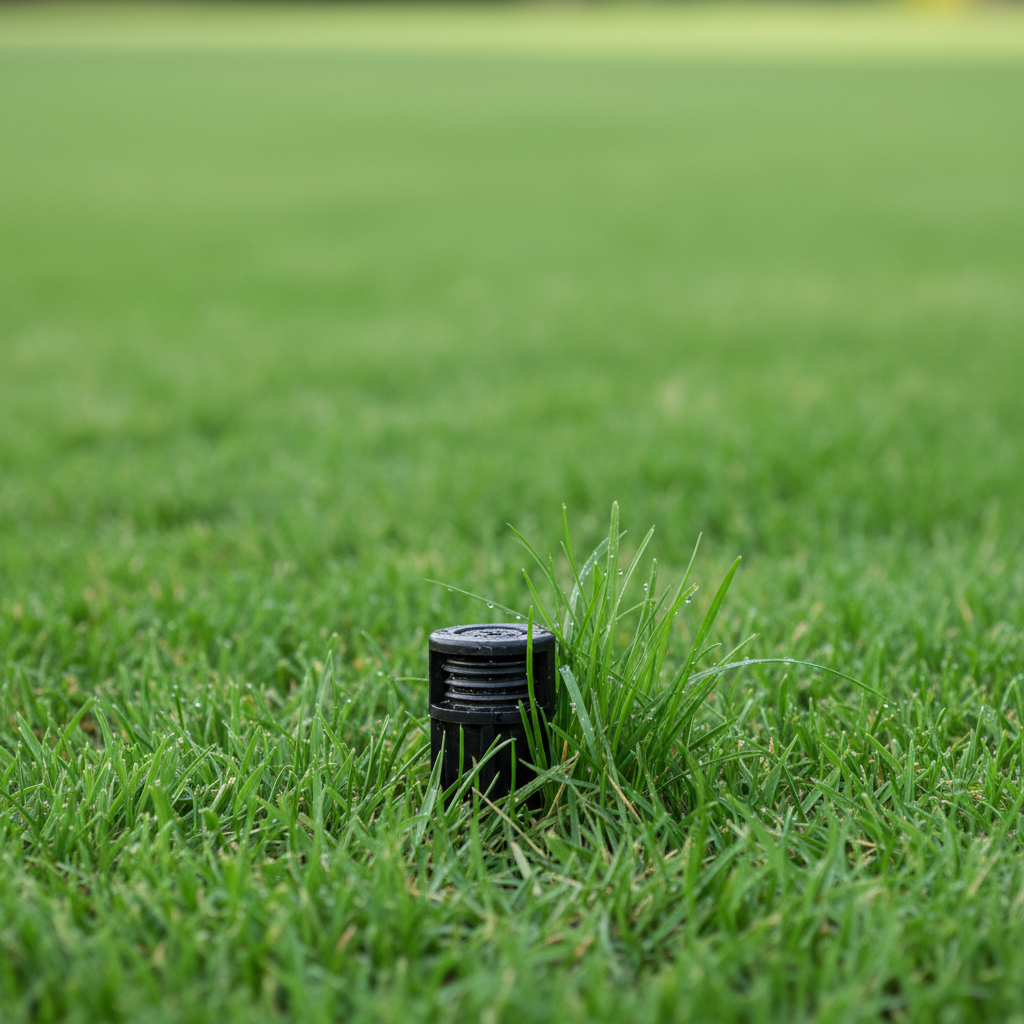
Picture this: your irrigation system kicks on, water arcs across your lawn, but one or more sprinkler heads remain stubbornly recessed, refusing to emerge and do their job. This isn't just an aesthetic flaw; it creates dry spots, leading to unhealthy patches of grass, and wastes water by inefficiently distributing it. A non-popping sprinkler head is a common, frustrating issue for many homeowners, often signaling a minor maintenance problem that can be quickly diagnosed and corrected without professional help. The good news is that most underlying causes are relatively straightforward to fix, empowering you to maintain an evenly watered, lush landscape.
How It Works
Understanding how a pop-up sprinkler head operates is key to diagnosing why it isn't working. At its core, a pop-up sprinkler head is a simple hydraulic device. When your irrigation system activates, water under pressure flows into the sprinkler line and enters the head unit. This incoming water pressure acts on a piston or riser assembly within the sprinkler body, pushing it upwards against the resistance of a spring. The spring is crucial; it's designed to retract the riser back into the casing when the water pressure drops (i.e., when the zone shuts off), keeping the head protected and out of sight. The water then exits through a nozzle at the top of the riser, distributing water over a specific area. Modern sprinkler heads often feature filters to prevent debris from reaching the nozzle and seals to prevent water leakage. The consistency and force of the water pressure are paramount. If the pressure is too low, it won't be enough to overcome the spring's resistance and push the riser fully upwards. Conversely, excessive pressure can lead to misting and uneven coverage, though it's less likely to prevent pop-up action entirely. The internal components – the riser, spring, and seals – must also be free from obstructions and damage for smooth operation. Any grit, sand, or plant material inside the casing can bind the riser, preventing it from extending or retracting properly. Similarly, a worn or damaged seal can lead to pressure loss within the head, further hindering its ability to pop up.
Step-by-Step Fix
1. Inspect the Sprinkler Head — Begin by carefully examining the faulty sprinkler head and the surrounding area.
- Safety First: Ensure the irrigation system is OFF before attempting any work. You don't want unexpected water bursts or moving parts. Wear gloves if digging.
- Visual Check: Look for obvious signs of damage to the cap or nozzle. Is the ground around it unusually wet, indicating a leak? Is there any debris like grass clippings, mulch, or dirt directly on top of or around the head? Sometimes, simply clearing away overgrown grass or accumulated soil can free a sticking head.
- Run the Zone: Briefly turn on the specific irrigation zone for the problematic head. Observe closely. Does it try to pop up at all? Does it just sit there? Does it leak excessively from the base?
2. Check for Low Water Pressure — Insufficient pressure is a leading cause of sprinkler heads failing to pop up fully.
- Observe Other Heads: While the zone is running, watch other sprinkler heads in the same zone. Are they popping up fully and spraying normally? If multiple heads are only partially popping up or spraying weakly, it's a strong indicator of low zone pressure. If only one head is affected, the problem is likely localized.
- Inspect the Zone Valve: Ensure the zone valve for that section is fully open. A partially closed valve will restrict flow and reduce pressure.
- Check for Leaks: Listen for hissing sounds or look for saturated spots in your lawn, which could indicate a significant leak in the underground piping of that zone. A leak will divert water and cause a pressure drop.
- Main Water Supply: Verify that your main water supply valve to the irrigation system is completely open. Sometimes, it gets partially closed during other home repairs.
- Pressure Regulator (If Applicable): If your system has a pressure regulator, it might be faulty or set too low. Consult your system's manual or a professional for adjustment.
3. Clean the Sprinkler Nozzle — A clogged nozzle can restrict water flow and prevent pop-up.
- Turn Off Water: Shut off the irrigation zone.
- Remove Nozzle: The method for removing the nozzle varies by manufacturer. Often, you can unscrew it by hand or with a small flat-head screwdriver. Some rotary heads require the internal riser to be pulled up first (using a pair of pliers on the stem, being careful not to damage it).
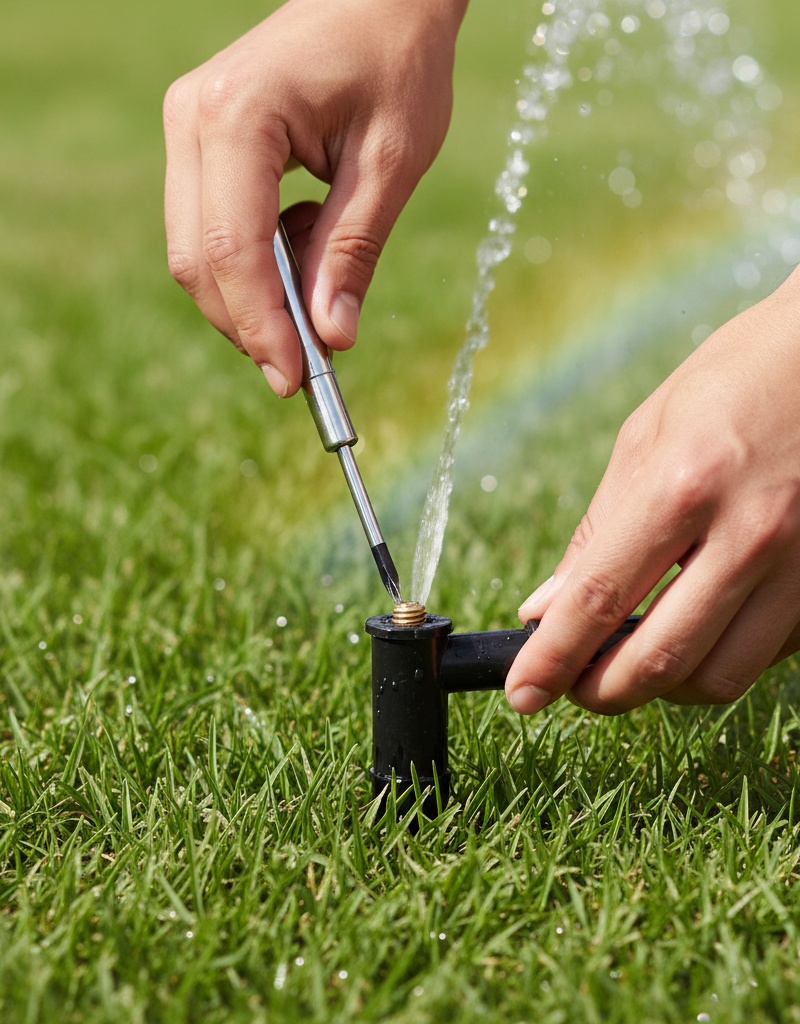
- Clear Debris: Inspect the nozzle opening for dirt, sand, mineral deposits, or insect nests. Use a small wire, toothpick, or an old toothbrush to gently clear any obstructions. Be careful not to damage the delicate spray pattern features.
- Flush the Line (Optional but Recommended): With the nozzle removed and the riser pulled up, briefly turn on the water zone for 5-10 seconds. This will flush out any loose debris from the body of the sprinkler head. Be prepared for a gush of water.
- Reinstall Nozzle: Screw the cleaned nozzle back into place, ensuring it's snug but not overtightened.
4. Clear Debris from the Sprinkler Body — Grit and dirt inside the casing can bind the riser.
- Turn Off Water: Ensure the zone is off.
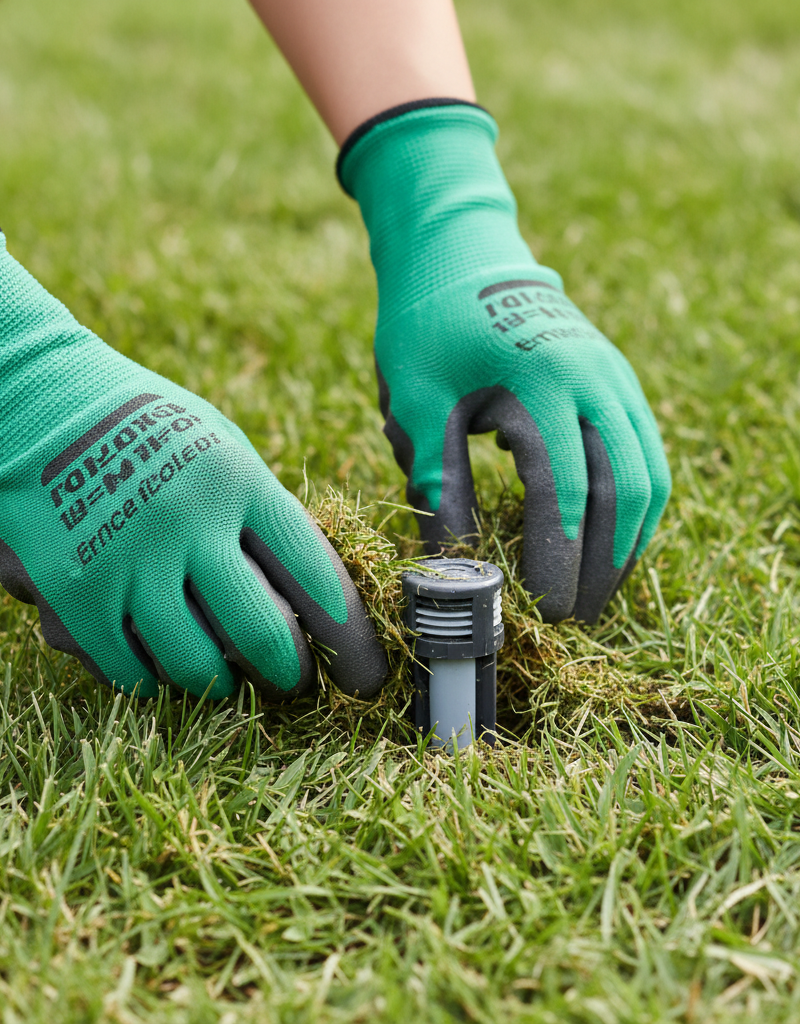
- Dig Around Head: Carefully dig around the sprinkler head to expose its base, creating enough space to work. Be gentle to avoid damaging nearby pipes.
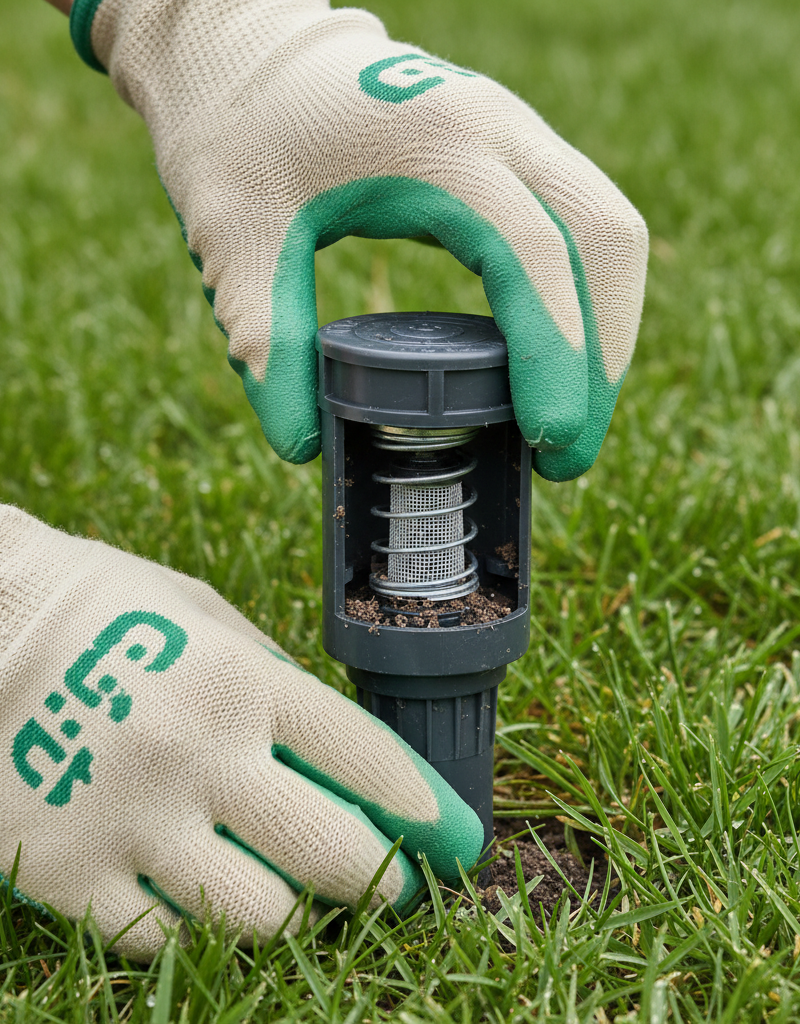
- Unscrew Top (if applicable): Many pop-up spray heads have a top cap that can be unscrewed from the body by hand or with a wrench. Rotary heads usually require the entire body to be unscrewed from the swing joint.
- Remove Riser Assembly: Once the top is off (or if working on a spray head with a removable internal assembly), carefully pull out the riser and spring assembly. Note how the spring is seated.
- Clean Internal Components: Thoroughly rinse the riser assembly, the spring, and the inside of the sprinkler body under clean running water. Use a bottlebrush or an old toothbrush to remove dirt, sand, and other particulate matter. Pay close attention to the seals and the smooth shaft of the riser.
- Inspect for Damage: Check the riser and spring for any cracks, bends, or excessive wear. If the spring is corroded or bent, it may need replacement.
- Reassemble: Carefully reassemble the components, ensuring the spring is correctly seated and the riser slides smoothly. Screw the top cap back on tightly, using Teflon tape on the threads if it's a connection to the main line.
5. Adjust Valve Flow Control — Some zone valves have a flow control adjustment that can impact pressure.
- Locate Valve: Find the solenoid valve for the problematic zone. It's often in a green underground box.
- Identify Flow Control: Many valves have a small knob or lever on top or side, separate from the main ON/OFF solenoid. This is the flow control.
- Adjust Gradually: With the zone running, slowly turn the flow control knob clockwise to decrease flow (and increase pressure to other heads in the zone, if one head is being overfed) or counter-clockwise to increase flow. Make small adjustments and observe the sprinkler heads' performance. The goal is to maximize pressure to the non-popping head without causing other heads to mist.
- Important Note: If one head is the only one not popping, and all others are fine, this adjustment is unlikely to be the primary fix and could negatively impact other heads. It's more applicable if multiple heads are struggling.
6. Replace the Sprinkler Head — If all else fails, the head itself might be internally damaged or worn out.
- Purchase Replacement: Get an identical make and model of sprinkler head. Matching the brand and series ensures compatibility with your existing system's pressure and flow requirements. Take the old head to the store if unsure.
- Turn Off Water & Dig: Shut off the zone and dig around the old head as described in Step 4.
- Unscrew Old Head: Unscrew the old sprinkler head from the swing joint or lateral pipe. It will likely be hand-tight or require a pipe wrench.
- Inspect Connection: Check the threads of the swing joint for dirt or damage. Clean as necessary.
- Install New Head: Apply a few wraps of plumber's tape (Teflon tape) clockwise around the threads of the new sprinkler head. Screw the new head onto the swing joint/lateral pipe, hand-tightening it first, then using a wrench for a final snug turn. Do not overtighten.
- Backfill: Carefully backfill the soil around the new head, ensuring it's level with the surrounding ground.
- Test: Turn on the zone and observe the new head's operation.
Common Causes
- Low Water Pressure: This is the most frequent culprit. If the pressure in the zone isn't high enough, the water can't overcome the spring's resistance inside the sprinkler head, preventing it from fully extending. This can be due to a partially closed main valve, a leak in the line, too many heads on one zone, or a faulty pressure regulator.
- Clogged Nozzle: Dirt, sand, mineral deposits, grass clippings, or even insect nests can block the small opening of the sprinkler nozzle. This restricts water flow, reducing the pressure inside the head and impeding pop-up action.
- Debris in the Sprinkler Body: Small grit, sand, rocks, or soil can migrate into the sprinkler head's casing, particularly if the system uses unfiltered water or if there's been recent trenching. This debris can get lodged around the riser shaft or spring, causing friction and preventing the riser from sliding up smoothly.
- Damaged or Worn Seals: Over time, the internal seals within the sprinkler head can wear out or become damaged. This allows water to leak past the riser, leading to a loss of pressure inside the head and an inability to pop up correctly.
- Broken Spring: The spring inside the sprinkler head is essential for retraction, but it also aids in the initial push-up. If the spring is corroded, bent, or broken, the head may not pop up or retract properly.
- Physical Damage: The sprinkler head cap or riser might be physically damaged from lawnmowers, cars, or other impacts. A cracked cap or a bent riser will often prevent proper pop-up.
Common Mistakes
- Ignoring Other Heads: Focusing solely on the problematic head without checking how other heads in the same zone are performing can lead to misdiagnosis. If all heads are struggling, the issue is likely pressure-related, not isolated to one head.
- Using the Wrong Tools: Applying excessive force or using inappropriate tools (like a large pipe wrench on plastic components) can easily strip threads, crack plastic, or damage internal mechanisms, turning a simple fix into a more expensive repair.
- Overtightening Components: When reinstalling nozzles or caps, overtightening can strip plastic threads, crack the head, or compress seals incorrectly, leading to leaks or continued malfunction.
- Not Flushing the Line: Skipping the step of briefly flushing the line after removing the nozzle or riser can leave loose debris inside, which will quickly re-clog the system or hinder operation again.
- Mixing Sprinkler Head Types/Brands: When replacing a head, using a different brand or model with significantly different flow rates can disrupt the hydraulic balance of the zone, leading to uneven pressure distribution and potentially new issues.
- Forgetting Plumber's Tape: When screwing a new head onto the main fitting, forgetting to use plumber's tape (Teflon tape) can lead to leaks at that connection, further reducing pressure.
- Digging Blindly: Rushing to dig around the head without turning off the water or marking utility lines (if you suspect deeper work) can lead to ruptured pipes or even severe injury. Always turn off the water first.
Cost & Time Breakdown
| Task | DIY cost | Pro cost | Time |
|---|---|---|---|
| Diagnosing the issue | $0 | $75–$150 | 10–30 min |
| Cleaning a clogged nozzle | $0 | $75–$150 | 10–20 min |
| Clearing debris from body | $0 | $75–$175 | 20–45 min |
| Adjusting zone valve/pressure | $0 | $75–$150 | 5–15 min |
| Replacing one sprinkler head | $5–$20 | $100–$250 | 30–60 min |
| Major leak repair | $10–$50 | $200–$500+ | 1–3 hours |
Tips & Prevention
- Regular Inspections: Periodically walk your lawn while the system is running. Look for low-performing heads, leaks, or unusually wet/dry spots. Early detection prevents bigger problems.
- Clean Nozzles Annually: At the beginning of each irrigation season, or if you notice issues, clean all sprinkler nozzles, even those not currently blocked, as a preventative measure. This helps remove mineral buildup and grit.
- Maintain Proper Mowing Height: Mow your lawn at the recommended height for your grass type. Mowing too low can expose sprinkler heads to damage and allow more debris to fall into them.
- Use Water Filters: If your water source contains a lot of sediment (e.g., well water), consider installing a filter at the main irrigation line to prevent granular debris from entering the system.
- Winterization: Properly winterize your irrigation system by blowing out the lines with an air compressor (or having a pro do it) to prevent water from freezing and damaging internal components, including springs and seals.
- Strategic Head Placement: When installing new heads or replacing many, ensure they are placed to minimize exposure to foot traffic, vehicles, or aggressive landscaping activities. Ensure they are flush with the ground and not significantly recessed or protruding.
When to Call a Professional
While many pop-up sprinkler head issues are DIY-friendly, certain situations warrant calling a licensed irrigation professional. If you've systematically worked through all the troubleshooting steps—checking pressure, cleaning nozzles, clearing debris, and even replacing the head—and the problem persists, it indicates a deeper issue. This could include a significant leak in the main line that's hard to locate, a malfunctioning zone valve that isn't fully opening or closing, or a problem with the backflow preventer. If the issue affects an entire zone or multiple unrelated zones, it often points to a supply-side problem or a larger system malfunction that requires specialized diagnostic tools and expertise. Professionals can accurately pinpoint underground leaks with listening devices, diagnose electrical issues with solenoid valves, and safely handle pressure adjustments or major pipe repairs that go beyond basic head replacement. Don't hesitate to call if you're uncomfortable digging extensively, suspect electrical problems with your control box or valves, or if your system uses complex components you're unfamiliar with. Attempting complex repairs without the right knowledge can lead to further damage and more costly fixes.
Related Articles
Keep troubleshooting with these hand-picked guides from FixlyGuide:
- The 3 Hidden Reasons Your Sprinkler Head Won't Pop Up (And How to Fix Them) — Frustrated by a sprinkler head that won't rise? Discover the top three culprits behind this common irrigation issue and how to resolve them…
- Is Your Drip System Failing? The #1 Overlooked Cause of Uneven Watering — Uneven watering in drip irrigation is often caused by clogged emitters, but the real secret to a healthy system lies in proper pressure reg…
- The 5-Minute Fix for Sprinkler Head Chaos (and Why It’s Spraying the Sidewalk) — Tired of your sprinklers watering everything but your lawn? Learn how to quickly adjust sprinkler spray patterns and coverage for a greener…
- The #1 Mistake Homeowners Make When a Sprinkler Head Won't Pop Up — A common problem with sprinkler systems is a head that won't pop up, often due to a simple clog or adjustment issue.
- The #1 Mowing Mistake That Leaves Your Lawn Brown and Patchy — Discover the most common mowing mistake homeowners make that leads to unhealthy, patchy grass and how to fix it for a vibrant lawn.
- The 5-Minute Trick to Restore Your Kitchen Sink Sprayer's Lost Pressure — Restore your kitchen sink sprayer's low pressure with a quick, simple trick that often takes less than five minutes and requires no special…
Frequently asked questions
How do I know if my sprinkler head is just clogged or truly broken?+
A clogged sprinkler head often shows some water leaking or dribbling, or it might partially pop up. A truly broken head might have visible cracks, a shattered nozzle, or simply refuse to budge at all, even after confirming good water pressure in the zone.
Can I replace a sprinkler head with a different brand or type?+
While technically possible, it's generally best to replace a head with an identical (or very similar) make and model. Different brands/types have varying flow rates and pressure requirements, which can unbalance your irrigation zone and lead to uneven watering, either over- or under-watering certain areas.
What's the ideal water pressure for a pop-up sprinkler head?+
Most residential pop-up sprinkler heads are designed to operate optimally between 20-40 PSI (pounds per square inch) for spray heads, and 25-50 PSI for rotary heads. Check your specific sprinkler head's manufacturer specifications for the precise recommended operating pressure.
Why would only one sprinkler head not pop up?+
If only one sprinkler head isn't popping up while others in the same zone are working fine, the problem is almost certainly isolated to that specific head. Common culprits include a severely clogged nozzle, debris lodged internally preventing the riser from moving, or a damaged/broken internal spring within that single head.
How often should I clean my sprinkler heads?+
It's a good practice to visually inspect your sprinkler heads monthly during active irrigation season and perform a more thorough cleaning of all nozzles at least once a year, typically at the start of the season. If you have hard water or a well system, more frequent cleaning may be beneficial.
Discussion
Loading comments…