Tools & materials you'll need
Affiliate links- AmazonNew sprinkler head (matching existing)Only if replacement is needed
As an Amazon Associate FixlyGuide earns from qualifying purchases — at no extra cost to you. Prices and availability are accurate as of publication and subject to change.
Quick Answer
A sprinkler head that fails to pop up is a common irrigation system headache, often signaling an issue with water pressure, a blockage, or a damaged component. The good news is that most of these problems are straightforward for a homeowner to troubleshoot and fix, usually requiring minimal tools and less than an hour of your time. By systematically checking for low pressure, clearing debris, and inspecting for damage, you can often restore your sprinkler to full operation, ensuring even watering and a healthy lawn.
The Problem
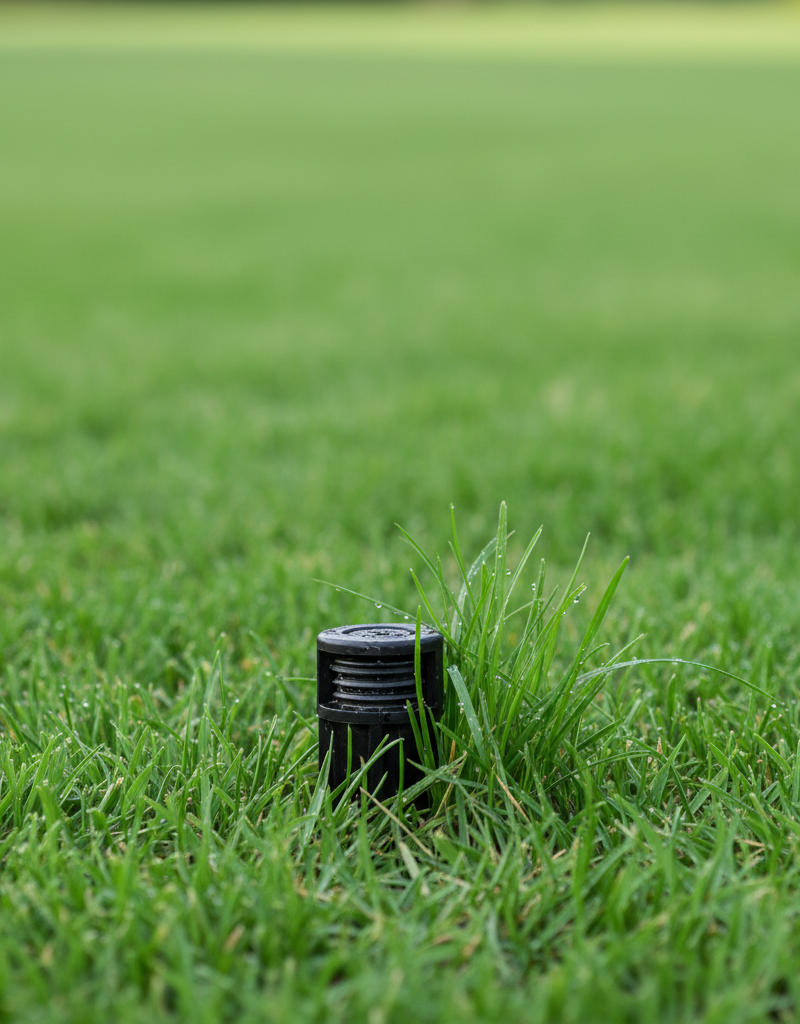
Imagine firing up your irrigation system, expecting a refreshing spray across your lawn, only to see one specific sprinkler head stubbornly stay buried in the turf. This isn't just an aesthetic issue; a non-popping sprinkler creates dry spots, leading to an unevenly watered and unhealthy lawn. Over time, these dry patches can become susceptible to disease, pests, and require more water overall to compensate for the inefficiency. The root cause can range from simple obstructions like grass clippings or dirt to more complex issues like failing seals or insufficient water pressure across a zone. Addressing this promptly ensures your entire landscape receives the hydration it needs.
How It Works
Understanding how a pop-up sprinkler head operates is key to diagnosing why it might fail. When your irrigation system turns on, water flows through the main lines to individual zones. Within each zone, water enters the sprinkler head assembly. The internal design of a pop-up sprinkler head relies on the hydraulic pressure of the incoming water. As water fills the body of the sprinkler, it exerts upward force on a piston or riser assembly. This pressure overcomes a spring, pushing the riser — and attached nozzle — out of the sprinkler body and above ground level. Once the water flow ceases, the spring retracts the riser, pulling the sprinkler head back down into its housing, flush with the turf, to prevent damage from lawnmowers or foot traffic. This simple yet effective mechanism means that any disruption to water flow, a blockage within the head, or a compromised spring or seal can prevent the head from fully extending. Factors like water pressure (PSI), the presence of debris, and the integrity of the internal components all play crucial roles in this pop-up action.
Step-by-Step Fix
Here’s a practical approach to getting that stubborn sprinkler head to pop up again.
1. Inspect for Obvious Obstructions — Check for grass, dirt, or debris around the head.
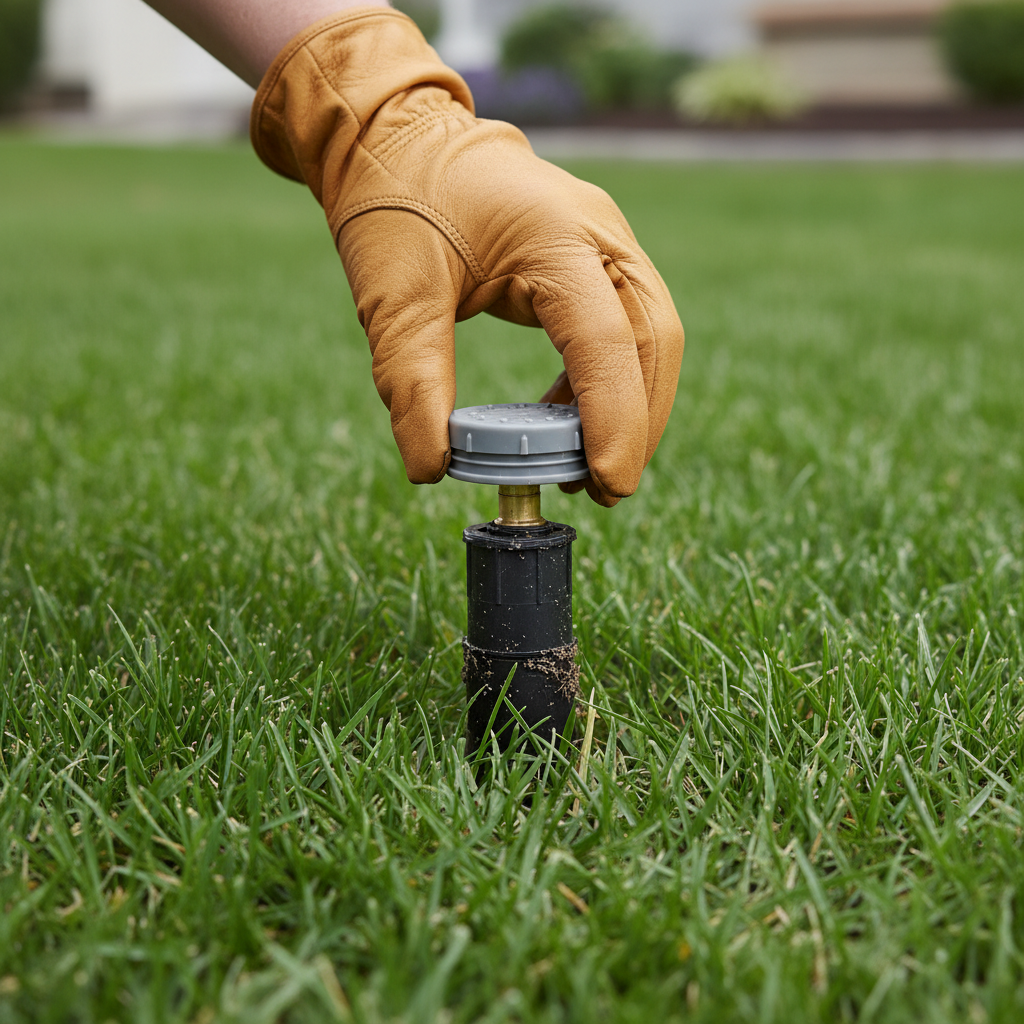
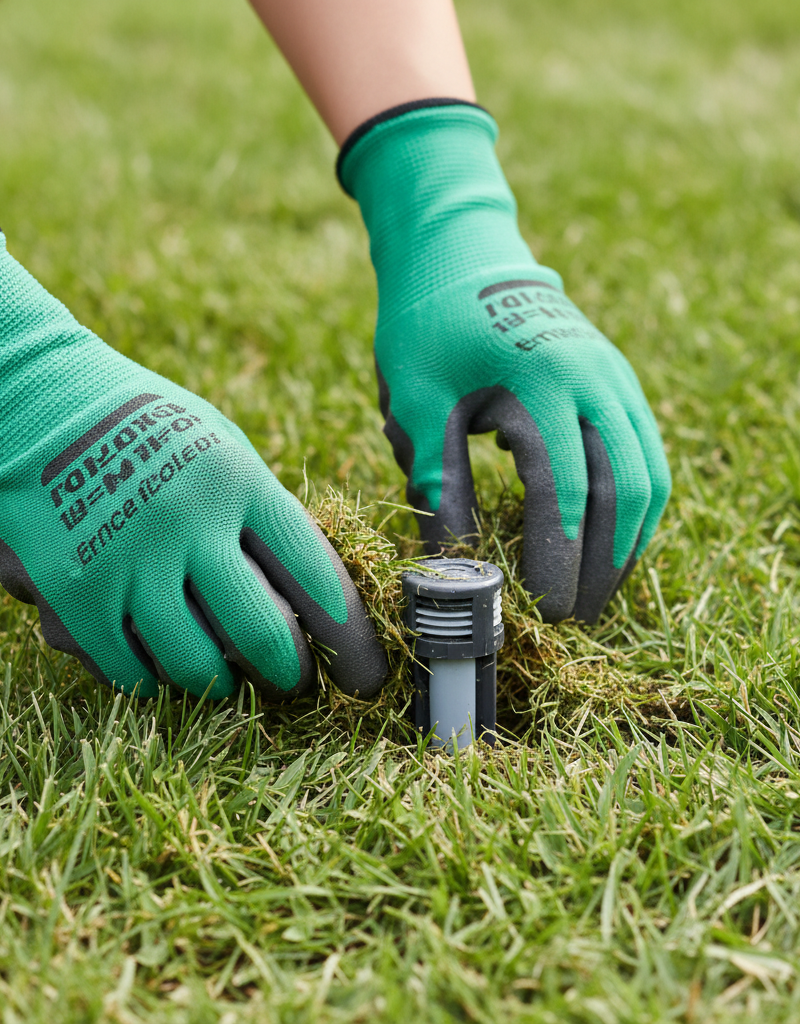
- Action: Carefully clear any visible grass, soil, or mulch that might be preventing the head from rising. Sometimes, heavy top-dressing or overgrown turf can simply block the ascent of the riser.
- Tools: Small trowel or screwdriver.
- If this doesn't work: Proceed to check water pressure.
2. Manually Pull Up and Clean the Riser — Debris inside the head can stop it from rising.
- Action: Gently pull the sprinkler riser up manually. With the system still pressurized (water on), twist the nozzle off counter-clockwise. Flush out any dirt, sand, or grit from the body by letting the water run for 10-15 seconds. Reattach the nozzle firmly.
- Safety: The water might spray out forcefully. Stand clear and wear old clothes.
- Tools: Pliers or adjustable wrench (if the nozzle is stuck).
- If this doesn't work: Check for low water pressure.
3. Check for Low Water Pressure — Insufficient pressure is a very common culprit.
- Action: Observe other heads in the same zone. If they are also performing poorly, or if the water stream is weak, low pressure is likely the issue. Check your main water shut-off valve for the irrigation system; ensure it's fully open. Also, inspect for any visible leaks in the line leading to that zone, as a crack or break will significantly drop pressure.
- Diagnostics: A home water pressure gauge, available at hardware stores, can be attached to an outdoor spigot to confirm overall household pressure. Ideal sprinkler pressure is typically 30-50 PSI. For a single head, low pressure often indicates a blockage further down the line or a leak.
- Pro Tip: If your system has a pressure regulator, ensure it's set correctly and functioning. Consult your irrigation system manual for details.
- If this doesn't work: The problem might be internal to the head or a damaged part.
4. Examine the Nozzle and Filter Screen — Clogs here are tiny but mighty.
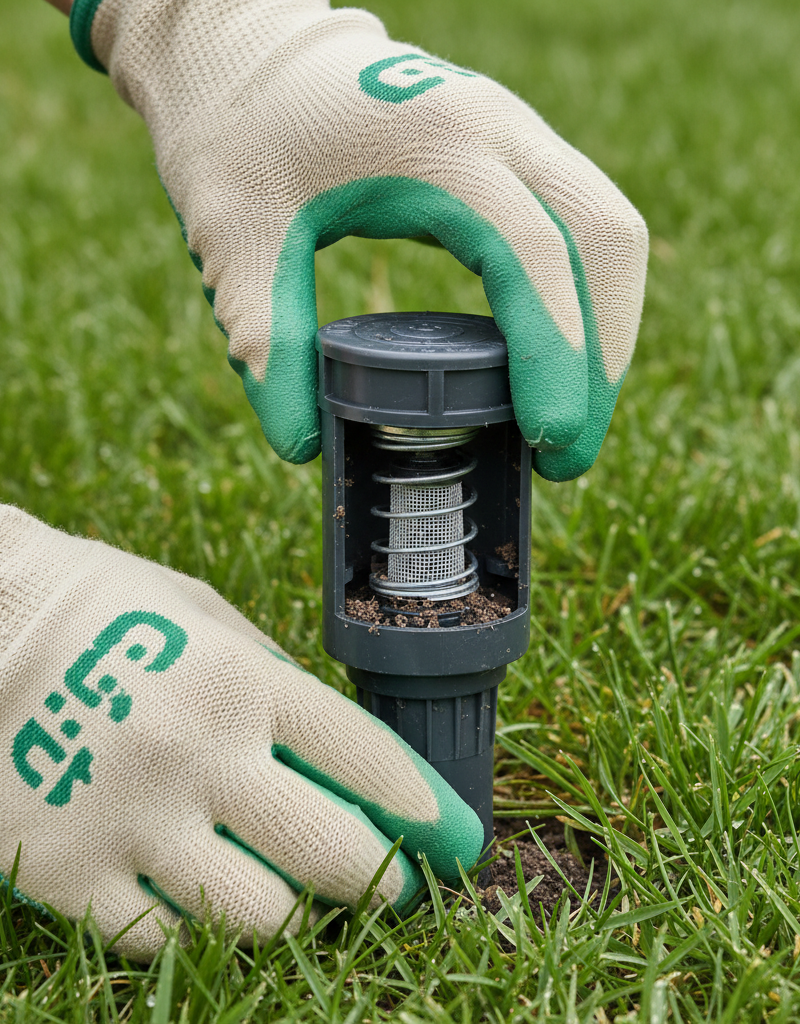
- Action: With the system off, unscrew the top of the sprinkler head (many have a threaded cap). Carefully remove the nozzle and the small filter screen located at the base of the riser. Rinse both thoroughly under running water to remove any fine particles, mineral buildup, or insect nests. Use a soft brush if necessary. Reinsert the filter screen, then the nozzle, and screw the cap back on tightly, being careful not to cross-thread.
- Tools: Flathead screwdriver (for some older models with a screw-in nozzle), small brush.
- Safety: Always turn off the water to the zone before disassembling the head to avoid being sprayed.
- If this doesn't work: Consider replacing the internal components or the entire head.
5. Adjust the Riser Shaft or Spring — A damaged spring can seize a head.
- Action: In some models, the spring mechanism can become dislodged or corroded. While more advanced, some risers can be removed entirely (consult your specific model's manual). Inspect the spring for rust, bends, or breaks. If damaged, replacement risers and springs are often available as repair kits. Reassemble carefully.
- Tools: Pliers, screwdriver set (Torx or Phillips depending on model).
- If this doesn't work: It's likely time for a full head replacement.
6. Replace the Sprinkler Head — When all else fails, a new head is often the easiest fix.
- Action: If all previous steps fail, the internal mechanism of the sprinkler head is likely compromised beyond simple repair. Turn off the water to the zone. Dig around the faulty head, exposing the flexible swing pipe or rigid PVC connection. Unscrew the old head by twisting it counter-clockwise. Screw in the new head snugly by hand, then tighten a quarter turn more with pliers, ensuring the O-ring creates a good seal. Backfill the dirt.
- Materials: New pop-up sprinkler head (matching the existing brand and model for best compatibility and spray pattern).
- Pro Tip: Ensure the new head is at the same elevation as the surrounding turf to prevent tripping hazards and ensure proper operation.
Common Causes
- Debris Blockage: Grass clippings, dirt, sand, small pebbles, or even insect nests can enter the sprinkler body or clog the nozzle and filter screen, preventing the riser from extending fully or blocking water flow.
- Low Water Pressure: Insufficient water pressure in the irrigation line won't generate enough force to overcome the internal spring and lift the riser. This can be due to a faulty main valve, leaks in the system, or too many heads on one zone.
- Damaged Internal Components: The internal spring can rust, bend, or break over time, or the seals/gaskets can degrade, leading to frictional resistance that stops the riser from popping up.
- Improper Installation/Damage: A sprinkler head installed too deep can be covered by turf or soil, preventing it from rising. Also, impact from lawnmowers, vehicles, or even burrowing animals can physically damage the head or its connection.
- Mineral Buildup: Hard water can leave mineral deposits inside the sprinkler head, restricting the movement of the riser and clogging the nozzle. This is more common in areas with well water or high mineral content in municipal water.
Common Mistakes
- Ignoring the System Pressure: Many homeowners immediately assume a clog. Always check the pressure first, as throwing parts at a pressure issue is wasted effort and money. If other heads in the zone are weak, the problem is likely systemic.
- Overtightening Nozzles/Caps: While you want a snug fit, overtightening plastic components can strip threads or crack the housing, leading to leaks and requiring a full replacement.
- Not Cleaning the Filter Screen: The tiny filter screen at the base of the riser is often overlooked. It's a prime spot for fine debris to accumulate and restrict water flow, even if the main nozzle seems clear.
- Mixing Sprinkler Types/Brands in a Zone: Different manufacturers' heads and even different models within the same brand can have varying pressure requirements and flow rates. Mixing them can lead to uneven watering and pressure imbalances, causing some heads to underperform.
- Digging Before Shutting Off Water: Always turn off the water to the specific zone before attempting any digging or disassembly. Failing to do so can result in a sudden, powerful spray of water, a muddy mess, and potentially damage to the system.
Cost & Time Breakdown
| Task | DIY Cost | Pro Cost | Time |
|---|---|---|---|
| Clear Minor Obstruction | $0 | $50–$75 | 5–10 minutes |
| Clean Nozzle/Filter Screen | $0 | $60–$90 | 15–30 minutes |
| Diagnose Low Pressure | $15–$30 (gauge) | $80–$120 | 20–40 minutes |
| Replace Sprinkler Head | $5–$25 | $100–$180 | 30–60 minutes |
| Replace Main Valve | $30–$80 | $200–$400 | 1–2 hours |
Tips & Prevention
- Regular Inspections: Periodically run your system during daylight hours to visually check all sprinkler heads for proper operation, full pop-up, and consistent spray patterns. Do this at least monthly during the irrigation season.
- Cleanliness is Key: After mowing, ensure grass clippings are not piled around sprinkler heads. Briefly running the system can help flush out any small debris that might have fallen in.
- Install Filter Systems: For homes with hard water or well water, installing a whole-system filter or individual head filters can significantly reduce mineral buildup and debris clogs.
- Proper Mowing Height: Keep your lawn at an appropriate height (typically 2.5-3 inches). Mowing too short can expose sprinkler heads to damage; too long can conceal them and prevent full pop-up.
- Winterization: Properly winterize your irrigation system by blowing out the lines with an air compressor (or having a pro do it). This prevents water from freezing and damaging internal components, seals, and pipes.
When to Call a Professional
While many pop-up sprinkler issues are DIY-friendly, certain situations warrant calling a licensed irrigation professional. If you suspect a major leak in your main irrigation lines, evidenced by consistently soggy areas in your lawn when the system isn't running, or a significant drop in water pressure across multiple zones, a professional can properly diagnose and repair the underground piping. Similarly, if you've replaced a single head multiple times and the issue persists, or if you're dealing with complex electrical problems related to your sprinkler control valve that affect an entire zone, a licensed technician has the specialized diagnostic tools and expertise to address these advanced issues safely and effectively. Avoid extensive digging or attempting to repair main line breaks yourself, as this can lead to further damage or costly repairs.
FAQ
Related Articles
Keep troubleshooting with these hand-picked guides from FixlyGuide:
- The 3 Hidden Reasons Your Sprinkler Head Won't Pop Up (And How to Fix It Fast) — Uncovering why your sprinkler head isn't popping up often comes down to three common, easily fixable issues, helping you restore your lawn'…
- The 3 Hidden Reasons Your Sprinkler Head Won't Pop Up (And How to Fix Them) — Frustrated by a sprinkler head that won't rise? Discover the top three culprits behind this common irrigation issue and how to resolve them…
- The #1 Mistake Homeowners Make When a Sprinkler Head Won't Pop Up — A common problem with sprinkler systems is a head that won't pop up, often due to a simple clog or adjustment issue.
- Is Your Drip System Failing? The #1 Overlooked Cause of Uneven Watering — Uneven watering in drip irrigation is often caused by clogged emitters, but the real secret to a healthy system lies in proper pressure reg…
- The #1 Mowing Mistake That Leaves Your Lawn Brown and Patchy — Discover the most common mowing mistake homeowners make that leads to unhealthy, patchy grass and how to fix it for a vibrant lawn.
- The 5-Minute Trick When Your Range Hood Fan Suddenly Dies (It's Not Always the Motor) — Before you panic about a broken motor, learn the quick diagnostic steps to revive a dead range hood fan and restore proper kitchen ventilat…
Frequently asked questions
Why would only one sprinkler head not pop up?+
If only one sprinkler head isn't popping up, it's usually due to a localized issue such as a clogged nozzle, debris inside the sprinkler body, a damaged internal spring, or a faulty seal specific to that head. Low water pressure affecting just one head is less common unless there's a localized blockage or leak immediately upstream of that head.
Can low water pressure cause a sprinkler not to pop up?+
Yes, absolutely. Insufficient water pressure is one of the most common reasons a sprinkler head won't fully pop up. The water pressure needs to be strong enough to overcome the resistance of the internal spring and lift the riser assembly. If the pressure is too low, the head may only partially emerge or not at all.
How do you clean a sprinkler head that won't pop up?+
To clean a non-popping sprinkler head, first, turn off the water to that zone. Manually pull up the riser, if possible. Unscrew the nozzle and carefully remove the small filter screen located at the base of the riser. Rinse both the nozzle and filter thoroughly under running water to remove dirt, sand, or mineral deposits. You can use a soft brush for stubborn clogs. Reassemble, ensuring everything is tight.
How much does it cost to replace a pop-up sprinkler head?+
The cost to replace a pop-up sprinkler head yourself is typically $5–$25 for the new head, depending on the type and brand. If you hire a professional, the cost usually ranges from $100–$180, which includes the part and labor.
Should I replace the entire sprinkler head or just the nozzle?+
Start by trying to clean and, if necessary, replace just the nozzle and filter screen, as these are often the culprits and inexpensive. If cleaning and replacing these components don't resolve the issue, and you've ruled out low water pressure or external obstructions, then replacing the entire sprinkler head is the next logical step, as the problem likely lies with internal components like the spring or seals.
Discussion
Loading comments…